
Review · TANZANIA HISTORY TOURS
Arusha Guided Walking City Tour, Culture, Lifestyle & History
Arusha’s story is easiest to grasp on foot, where colonial buildings, street markets, government offices, gemstone shops, and local meeting places sit close together. This tour gives you that useful mix, with Israel often serving as the guide and explaining Tanzania’s past in clear, easy English. You get more than a quick look at monuments: you see how the city works today.
I like the balance between museum time and ordinary city life. The Old Boma Museum gives the visit a historical backbone, while the Maasai market and central streets bring you face to face with shopping, conversation, and daily routines. The main consideration is that this may not be a pure walking tour. Some departures use a tuk-tuk or car between stops, so confirm the day’s transport plan if walking is your main goal.
Key points to know before booking
- Old Boma Museum explains Arusha’s colonial and human history, with displays on evolution, the Boma building, ecology, and wildlife photography.
- The Tanzanite Experience covers mining, cutting, polishing, and local stories about Tanzania’s famous violet-blue stone.
- Israel receives especially strong praise for clear English and personal service, including help in busy streets and markets.
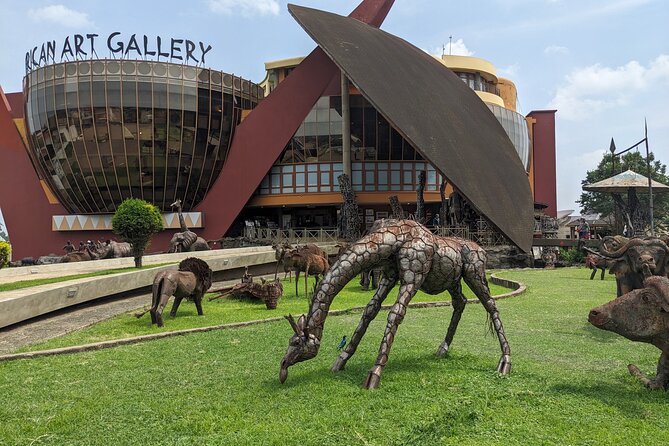
- The route combines sightseeing with shopping, from Maasai crafts to a large African art gallery.
- Pickup is offered near central Arusha hotels, and the group can include up to 19 people.
- The $26 price is good value if you want an introduction to Arusha, though museum admission, food, drinks, and purchases cost extra.
Why this is a useful first look at Arusha
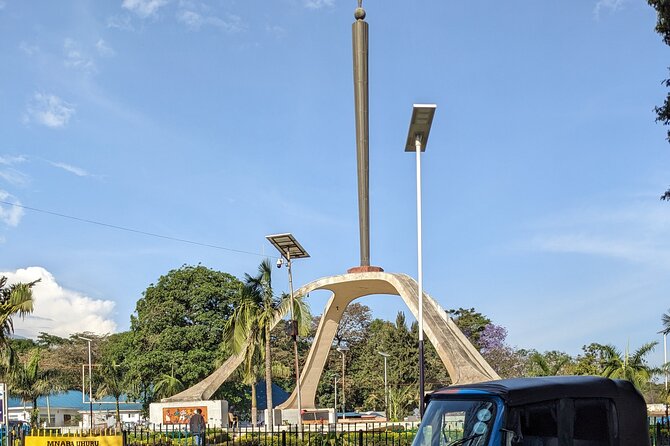
Arusha is often treated as a place to sleep before a safari or a climb of Mount Kilimanjaro. That is a mistake. The city has its own story, and this half-day outing gives you a manageable way to get oriented before heading into the national parks or onward to another part of Tanzania.
The tour lasts about four hours, though the included description allows anything from two and a half to six hours depending on the route and timing. That flexibility matters. A quick version may focus on the main sights, while a longer outing gives you more time in the markets, museums, and shopping areas.
The tour is priced at $26 per person. For that fee, you receive a local guide, the Tanzanite museum, the African art gallery, and hotel pickup and drop-off near the city center. You still pay $6 per adult for the Natural History Museum in the Old Boma, and you need separate money for food, drinks, souvenirs, and optional tips.
I see this as a good-value introduction rather than a luxury excursion. You are paying for local explanation and navigation as much as for admission. That is useful in a city where a guide can help you understand what you are seeing, cross busy streets with more confidence, and decide how much time to spend shopping.
The group limit is 19 people. That is not an intimate private walk, but it is still small enough to function well if the guide keeps the group together. If you want a fully private pace, ask about the arrangement before booking.
More Local Culture and Traditions Tours in the world:
- Amsterdam Food and Cultural Tour with Tastings
★ 5.0 · 4,315 reviews - Sevilla Food Tour: Tapas, Wine, History & Traditions
★ 5.0 · 3,468 reviews - Tromsø: Reindeer Camp and Sami Cultural Tour with Lunch
★ 4.7 · 3,326 reviews
Old Boma Museum and the German fort
The Old Boma is the most important stop for understanding how Arusha developed. The building began as a German colonial fort and is now part of the National Natural History Museum. Its age and former military purpose give it more weight than a standard city museum.
You spend about 45 minutes here, and the adult admission fee is not included. Allow $6 for that entrance charge. This is the one extra cost on the route that you should plan for in advance.
The museum has three permanent exhibitions and three temporary exhibitions. The human evolution display uses replica fossils, tools, and a replica of an early footprint found in East Africa. This connects Arusha to the wider story of human origins without requiring you to visit a much larger specialist museum.
A second display covers the history of the Boma and the city from 1884 to 1919. That period helps explain the colonial forces that shaped Arusha’s early administration and buildings. Your guide can add the local context that a display label cannot provide.
The ecology and wildlife photography section links the city to northern Tanzania’s famous wildlife areas. It is a useful bridge between a city stay and a safari. You begin to see that Arusha is not just a transport point, but an administrative and cultural center for the region.
The drawback is time. Forty-five minutes is enough for an introduction, not a slow museum visit. If this subject is a priority, ask whether the schedule can be adjusted. The museum admission is also an extra charge, so do not assume every stop is covered by the booking price.
Tanzanite and the story behind the blue stone
The Tanzanite Experience is a shorter stop, about 30 minutes, but it adds something that most general city walks do not. Tanzania is the only known place where tanzanite is mined, and the museum explains why that limited source makes the stone so sought after.
You learn how the stone is mined, cut, and polished. The visit also includes stories and local beliefs connected with tanzanite. That makes the stop more useful than simply walking into a jewelry shop and being shown finished pieces.
The stone is known for its violet-blue color. Prices at the shop range from about $100 to $3,000 and higher, depending on the piece. You do not have to buy anything, but bring cash if you want to shop for jewelry or other souvenirs during the day.
I like this stop because it gives you a clear link between Tanzania’s natural resources and its commercial life. It also helps you judge a sales pitch with more understanding. You can hear about the work involved in cutting and polishing before deciding if a purchase suits your budget.
Still, this is a retail setting as well as a museum. Anyone uncomfortable with shopping stops should treat the purchase as optional. The ticket is included, so you can take the educational part of the visit without buying a stone.
Arusha Clock Tower and the city center

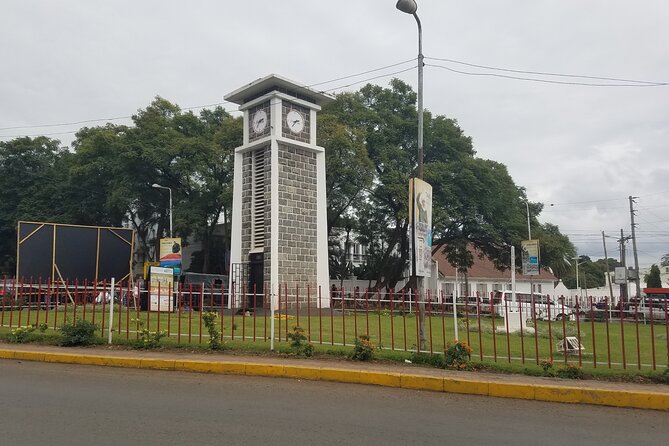
The Clock Tower takes about 15 minutes, but it is a useful place to pause. It is widely known as a meeting point in central Arusha and gives you a simple landmark for finding your way around afterward.
The tower was built by Galanos, a Greek millionaire who came to Tanganyika in the early twentieth century. Local descriptions also place it between Cairo and Cape Town and near the meeting point of Tanzania, Kenya, and Uganda. Treat those geographic claims as part of the tower’s local story rather than a reason to bring a measuring tape.
After the tower, the route continues past one of the oldest hotels and one of the oldest schools built during the colonial period. These brief views help you read the city beyond the main attractions. You see how older institutions sit beside shops, traffic, and modern public life.
This part of the tour is short, so it will not satisfy anyone looking for a long architectural walk. Its value is orientation. You get a central reference point and a better sense of how the older city fits together.
More History Walking Tours in the world:
- History and Hauntings of Salem Guided Walking Tour
★ 5.0 · 14,564 reviews - Lisbon: History, Stories and Lifestyle Walking Tour
★ 4.8 · 10,902 reviews - Boston: Freedom Trail History Small Group Walking Tour
★ 5.0 · 6,450 reviews - Historic Charleston Guided Sightseeing Walking Tour
★ 5.0 · 6,216 reviews
Maasai Market for fabrics, gifts, and bargaining
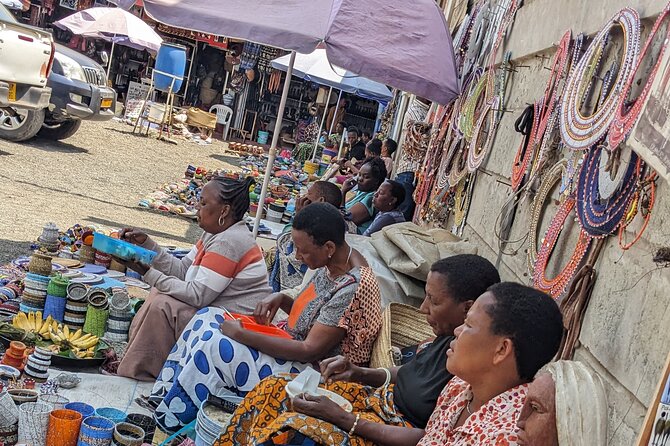
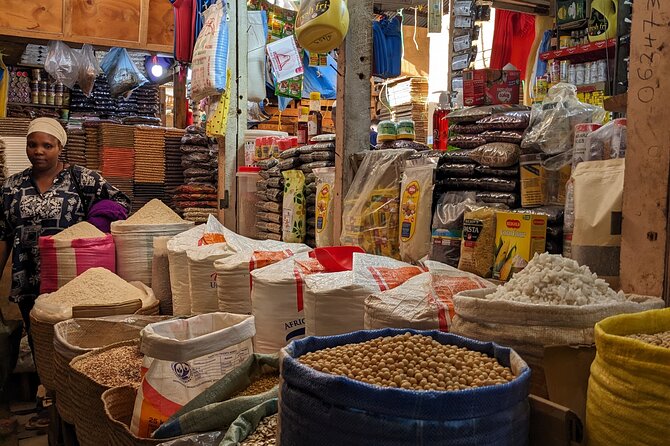
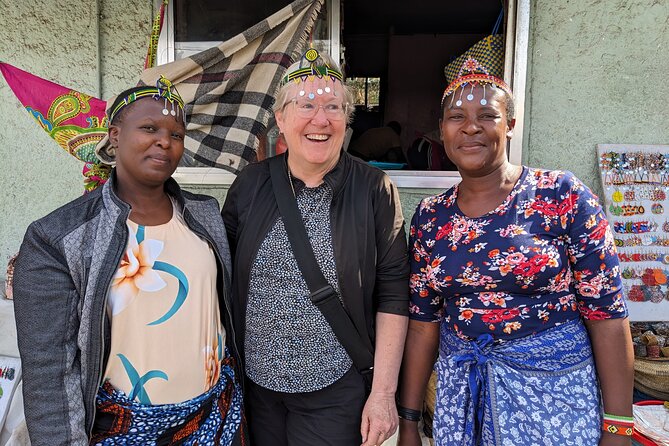
The Maasai Market is the most practical stop if you want souvenirs. The open-air market sells colorful fabrics, safari shirts, Tanzania jerseys, Maasai shoes and sandals, jewelry, necklaces, bags, shuka blankets, pots, pans, and artwork.
You have about 25 minutes here. That is enough for a first look, but not enough to inspect every stall. If you see something you like, pay attention to the time. Shopping can easily stretch a short stop into the rest of the afternoon.
This is also where a local guide earns his keep. Busy markets can feel confusing, especially when you are comparing prices and products. The guide can help you move through the area and understand what you are seeing, though any purchase remains your decision.
Bring cash. Souvenir money is not included, and the tour description specifically advises you to carry it. Food and drinks are also separate, so you should not expect the market stop to provide a meal.
The market is best for small, portable items rather than a formal shopping trip. You may find a useful fabric, a simple piece of jewelry, or a light gift for home. Keep your expectations realistic: a short guided stop offers a sample of the market, not an extended shopping session.
Cultural Heritage Centre and African art
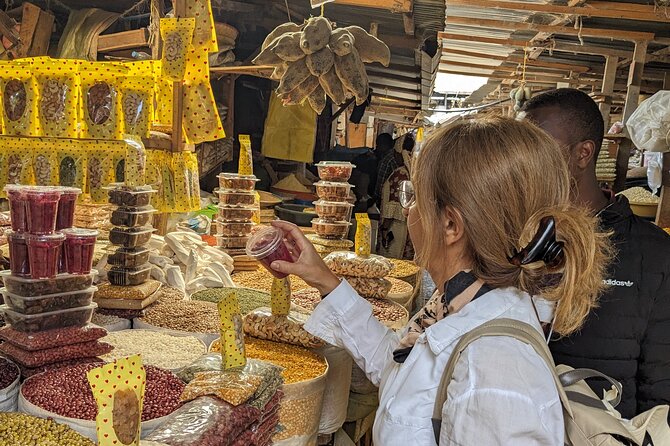
The Cultural Heritage Centre receives about 40 minutes and is one of the larger art stops in the city. It presents art from different parts of Tanzania and other African countries, with a shop next door for souvenirs.
The center works well near the end of the route because you have already seen everyday market goods. Here, you can compare handmade and artistic work in a more organized setting. You might find carvings, paintings, jewelry, textiles, and other pieces, though the exact stock can change.
The African art gallery admission is included. Purchases are not. Again, you can look without buying, and you should feel no pressure to turn a cultural visit into a major expense.
I like the contrast between this center and the Maasai market. The market shows you a direct, informal way of buying local goods. The Cultural Heritage Centre gives you a broader view of African art and a calmer place to browse. Together, they make the shopping side of the tour more useful.
If art is your main interest, forty minutes may feel brief. If you are mainly using the visit to choose a souvenir or get a first look at African art, the timing should be enough.
Guide quality and the pace of the day
The strongest part of this experience is the guide. Israel receives repeated praise for his clear English, warm manner, and detailed explanations of Tanzanian history and culture. His work is especially useful in the markets and on crowded streets, where a local person can make the day feel less uncertain.
You can expect a guide who explains rather than simply points. He has been described as energetic, easy to understand, proud of Tanzania, and willing to communicate from the first arrangements through the tour itself. That personal approach matters more here than a long list of sights.
The name of the guide may not be guaranteed for every booking, so treat Israel as the most frequently identified guide rather than an absolute promise. If having him lead your outing is important, request him directly when you book.
The route may mix walking with a tuk-tuk or car. One account describes being driven close to several locations and walking between the final points. This can be a benefit in heat or traffic, but it changes the feel of the tour. You will get a city introduction, not necessarily four straight hours on foot.
Pickup and drop-off are available for hotels near the city center. The tour is also near public transportation, and most people can take part. No special mobility details are provided, so ask ahead if you have specific walking or transport needs.
Who should book this Arusha tour
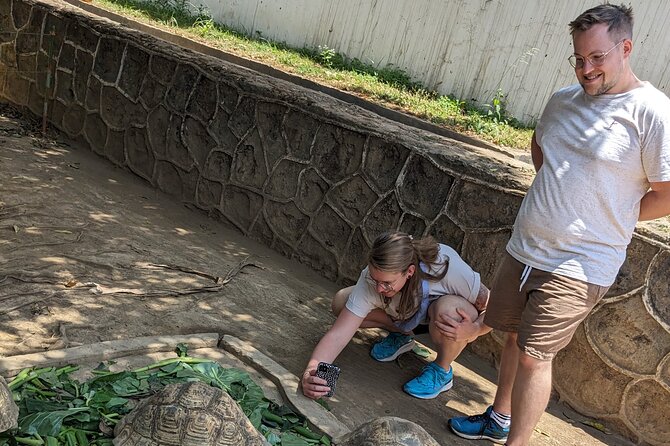
I would choose this tour if you have one free half-day and want context before a safari. It suits first-time visitors, solo travelers who want help in the markets, and anyone who prefers learning from a local guide instead of walking around with only a map.
It is also a good match for people interested in several subjects at once: colonial buildings, human evolution, Tanzanite, African art, local shopping, and everyday city life. You do not need to be an expert in any one of them.
You may want something else if you prefer a private museum tour, a long architectural walk, or a full day devoted to shopping. The short stops keep the day moving, but they limit the time available at each place.
The tour is recommended by 99 percent of its booking customers and carries a five-star rating from 150 reviews. Those figures point to a consistently strong experience, with Israel’s guiding style receiving the clearest praise. They do not remove the practical limits: extra admission, short museum visits, a possible vehicle transfer, and a group of up to 19.
What to bring and what to budget
Bring comfortable shoes, cash for the $6 Old Boma admission and any shopping, and water for the city walk. Food and drinks are not included, so plan for those separately.
Leave room in your budget if you are interested in Tanzanite. The shop includes stones and jewelry from about $100 to $3,000 or more. You can browse without buying, and there is no need to treat the shopping stop as part of the tour fee.
The $26 price covers the guide, Tanzanite museum, Cultural Heritage Centre, and pickup and drop-off near central hotels. That is a fair rate for a four-hour introduction, especially if you value explanation and city navigation. The tour becomes less of a bargain if you want long museum visits or dislike shopping-oriented stops.
Free cancellation is available if you cancel at least 24 hours before the start time. Cancellations within 24 hours are not refunded, and changes made inside that window are not accepted.
Should you book it?
Book this Arusha tour if you want a friendly, useful first look at the city rather than a single focused attraction. The mix of Old Boma, tanzanite, the Clock Tower, markets, and African art gives you a broad introduction in one half-day.
I would give it extra consideration if Israel is available, since clear explanations and confident help in busy streets are central to the experience. Just confirm how much of the route will be walked, set aside money for the museum and shopping, and keep your expectations focused on an introduction.
For $26, it is a sensible way to meet Arusha before moving on to Tanzania’s bigger sights.
FAQ
How long does the Arusha walking tour last?
The tour is advertised at about four hours. The included details also allow for a route lasting from two and a half to six hours, depending on the day’s schedule.
Is hotel pickup included?
Pickup and drop-off are included for hotels near Arusha city center. The tour is also near public transportation.
Is the Old Boma Museum admission included?
No. The Natural History Museum in the Old Boma costs $6 per adult and is paid separately.
Is the tour entirely on foot?
Not always. The experience is presented as a walking tour, but one account describes using a tuk-tuk or car to reach some locations and walking between others.
How large can the group be?
The maximum group size is 19 people.
What is the cancellation policy?
You receive a full refund if you cancel at least 24 hours before the experience start time. Cancellations and changes made less than 24 hours before the start time are not accepted and are not refunded.
Newest history tours we have reviewed in the world
- Bilbao Historical Tour in small group★ 4.7 · 52 reviews
- Bologna: Street Food Tour in the Historic Center★ 4.8 · 125 reviews
- CEBU: Cebu City Heritage and Uphill Guided Tour★ 4.2 · 31 reviews
- Bishkek : City Tour (History, Architects, Statues & Culture)★ 4.9 · 54 reviews
- Blenheim: Omaka Aviation Heritage Centre Admission Ticket★ 4.9 · 31 reviews
- Berlin: Nazi History Walking Tour★ 4.8 · 33 reviews
- Best of Baku: 4-Hour City Tour Historic and Modern Landmarks★ 4.7 · 63 reviews
- Belfast: Best of Belfast History, Culture & Art Walking Tour★ 4.9 · 158 reviews
Local Culture & Traditions Tours, compared.

Amsterdam Food and Cultural Tour with Tastings
Read our review →
Sevilla Food Tour: Tapas, Wine, History & Traditions
Read our review →
Tromsø: Reindeer Camp and Sami Cultural Tour with Lunch
Read our review →
Half Day Dominican Republic Cultural Tour : Small Group
Read our review →
Ultimate Melbourne Walking Tour: History, Laneways & Culture
Read our review →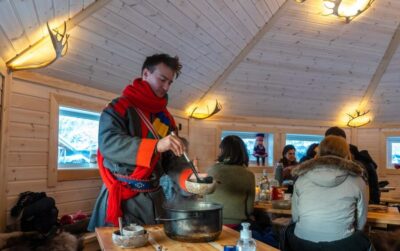
Tromsø: Sámi Reindeer Sledding and Sami Cultural Tour
Read our review →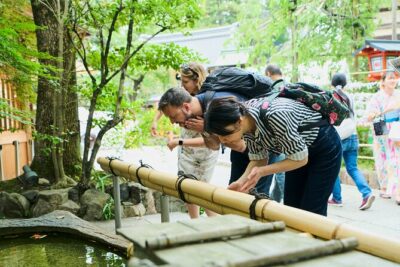
Kyoto Gion: 2-Hour Geisha Culture & History Walking Tour
Read our review →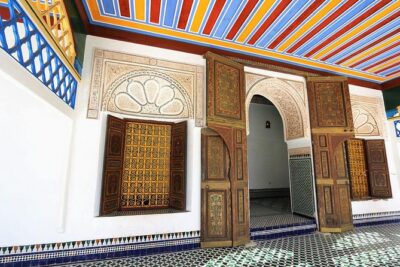
Marrakech Historical and Cultural Tour – Half Day City Tour
Read our review →Browse the lists this tour appears in