
Review · TANZANIA HISTORY TOURS
Stone Town’s Hidden History: Private Guided Walking Tour
Stone Town’s real appeal appears in its narrow lanes, where African, Arab, Indian, Persian, and European influences meet in old limestone buildings and beautifully carved doors. A private guide helps connect these details to the town’s past, from the former slave market to everyday life around Darajani Bazaar.
I like the custom route and the way guides such as Abdalla, Cosmo, Amina, and Issa adjust the walk to your interests. I also like the practical shape of the tour: about 2.5 hours on foot, with water, a city map, and optional pickup included in the overall arrangement.
The main drawback is the heat and uneven pace of a walking tour in crowded, narrow streets. Some museum and landmark admissions cost extra, and the 4:30 pm option is best for sunset and the evening market, not for seeing every site in cool morning air.
Key points to know before you book
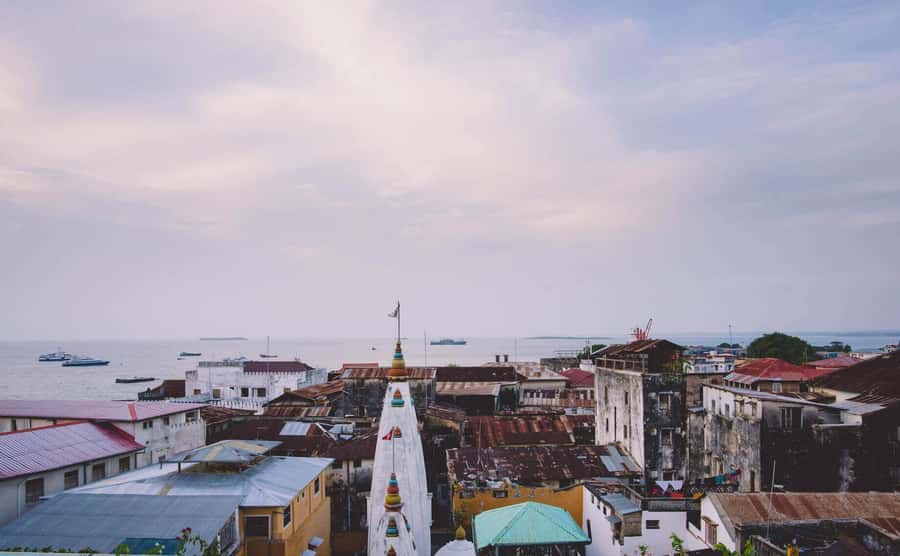
- Stone Town packs more than 2,000 limestone buildings into a compact area, making a guide useful for finding meaning in details you could easily miss.
- The former slave market site gives the tour its most serious historical focus, while the markets and cafés show present-day life.
- A private format lets you shape the walk, with guides adapting the route to history, architecture, shopping, food, or photography.
- Morning is better for cooler walking, while the 4:30 pm start adds sunset views and a look at the night market.
- The $30 price is strong value for a private introduction, especially with pickup, drop-off, water, and a map included.
- Plan for optional admission charges, suitable shoes, modest clothing, and light luggage.
Why Stone Town works best on foot
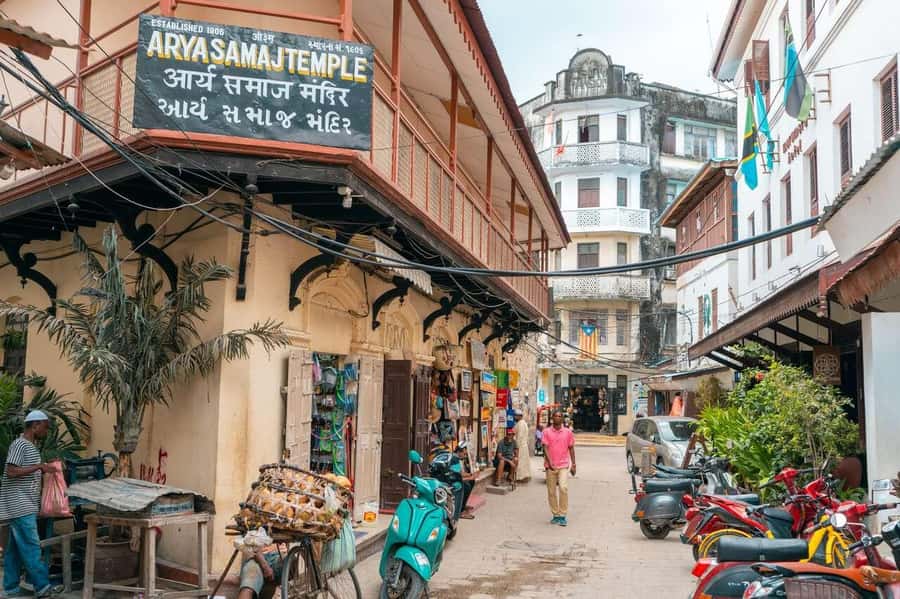
Stone Town covers an area roughly the size of 14 football fields, yet its streets can feel confusing after only a few turns. Around 18,000 people live in these neighborhoods, so this is not a preserved museum district frozen for sightseeing. It is a working town, with homes, shops, food stalls, cafés, workshops, and market streets sharing the same tight space.
That is why I prefer seeing Stone Town with a local guide rather than simply following a map. The streets are easy to wander, but the story behind a doorway, bathhouse, church, or market corner is less obvious. A guide can explain how the town’s African, Arab, Indian, Persian, and European influences shaped its buildings and customs.
The UNESCO World Heritage designation, granted in 2000, reflects this unusual mix. You are not looking at one single architectural style. Instead, you see layers of Zanzibar’s trading past, local island life, religious buildings, colonial influence, and modern commerce pressed together in a small area.
A private walk also lets you stop for questions. If you care most about carved doors, you can spend more time noticing them. If the history of the slave trade matters most, you can give that subject more space. If you want shopping or food-market time, your guide can adjust the balance.
More History Walking Tours in the world:
- History and Hauntings of Salem Guided Walking Tour
★ 5.0 · 14,564 reviews - Lisbon: History, Stories and Lifestyle Walking Tour
★ 4.8 · 10,902 reviews - Boston: Freedom Trail History Small Group Walking Tour
★ 5.0 · 6,450 reviews
Starting at the Old Fort near Forodhani Gardens
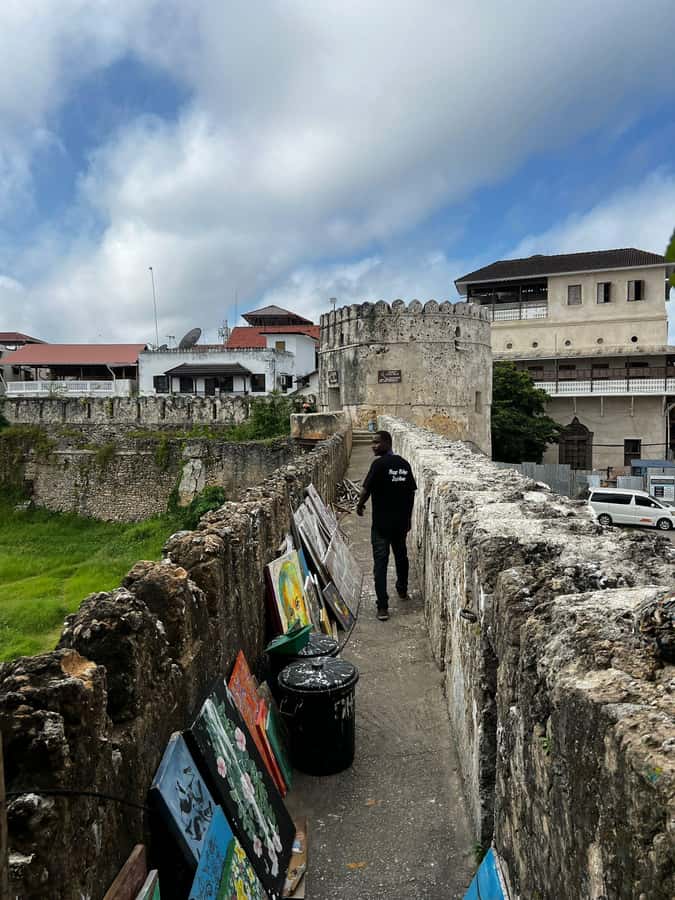
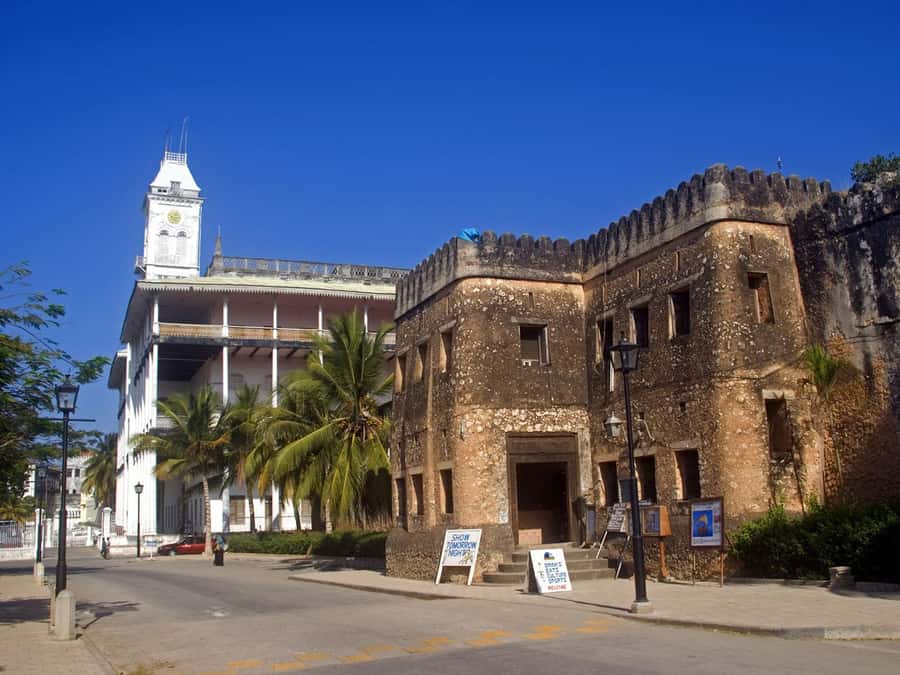
The usual meeting point is in front of the Old Fort, close to Forodhani Gardens. This is a sensible place to begin because it is central and easy to recognize, and the fort itself gives you an immediate introduction to Stone Town’s changing past.
The Old Fort is one of the principal sights on the route. From here, your walk moves into the lanes and market areas rather than staying on a single formal avenue. If you arrange pickup, you can instead meet your guide at your hotel or another agreed location. Look for a guide or driver connected with Happy Bikes Zanzibar, often wearing a Happy Bikes shirt, hat, or cap.
Hotel pickup is optional, but it may be helpful if you are new to Stone Town or prefer not to find the Old Fort alone. If pickup is arranged, wait in your hotel lobby about 10 minutes before the planned time. Drop-off can be arranged at the starting point or one of several central locations, including the Old Fort, Darajani Bazaar, Africa House Hotel, Park Hyatt Zanzibar, Tembo Palace Hotel, and the Zanzibar tourist information center.
The former slave market and Anglican Cathedral
The former slave market site is one of the most important stops. Today, the Anglican Cathedral occupies the location, creating a powerful contrast between the building’s present use and the suffering tied to the site’s past.
Expect this part of the walk to be serious rather than light sightseeing. A guide can explain the place within Zanzibar’s wider history and show how the cathedral and former market relate to Stone Town’s growth as a trading center. If you want context rather than quick photographs, tell your guide at the start.
Admission details deserve attention. The Anglican church is listed among the places where an optional entry fee may apply, along with the Freddie Mercury museum and Hamamni Baths. One booking description also indicates that the former slave market visit may be included, so confirm the exact admission arrangement when you reserve. Carry some cash either way.
House of Wonders, Palace Museum, and the Old Fort
The House of Wonders is another major landmark on the route. It is currently under renovation, so you should not assume that a normal museum visit or full interior access is available. Even from outside, it helps explain Stone Town’s grand public architecture and its place near the waterfront.
The Palace Museum adds another layer to the story. Together, these buildings show how the town’s political and royal past differs from the daily life found in the lanes and markets. The tour is strongest when your guide connects the grand buildings with ordinary neighborhoods, rather than treating each sight as an isolated photo stop.
You will also return to the Old Fort area, where military history meets the modern social life around Forodhani Gardens. The fort is a useful anchor for the route, especially if you want to continue exploring after the walk. Your guide can also finish at a central drop-off point suited to your plans.
More Private History Tours in the world:
- Private Historical Walking Tour of York
★ 5.0 · 1,324 reviews - Private Guided Historic Electric Cart Tour of St. Augustine
★ 5.0 · 1,194 reviews - Istanbul: Acemoglu Historical Turkish Bath w/Private Options
★ 4.6 · 1,190 reviews - From Cairo: Private Full-Day Tour of Historical Alexandria
★ 4.1 · 1,155 reviews
Darajani Bazaar and Stone Town’s everyday rhythm
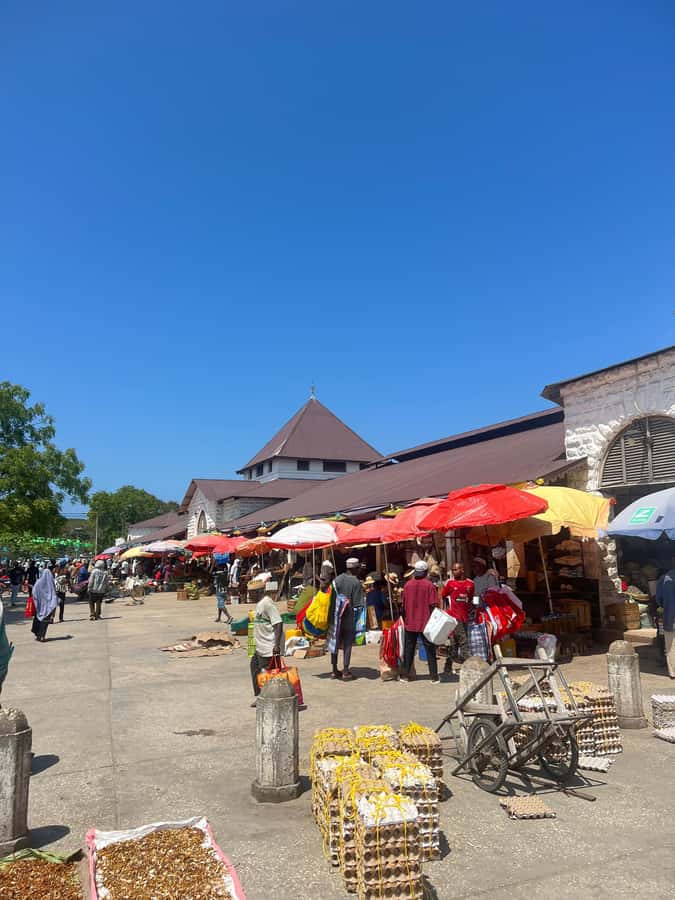
Darajani Bazaar is where the polished version of Stone Town gives way to daily trade. This is a food market and shopping area, with local people buying everyday goods and visitors moving through the same busy lanes.
I like this part because it gives you more than old buildings. You see how the town functions now. The route also includes arts and crafts shopping, a colorful market street, and the bazaar zone where residents shop for household needs.
Your guide can help you understand what you are seeing, but the market is not a staged cultural performance. It is a working place, so keep your camera respectful and stay aware of people moving around you. A small bag is more practical than a large one, and large luggage is not allowed on the tour.
Food and soft drinks are not included. You may have chances to buy something, but any purchase is your responsibility. If you want the tour to focus on food, say so before setting off.
Hamamni Baths, Jaw’s Corner, and the city’s social life
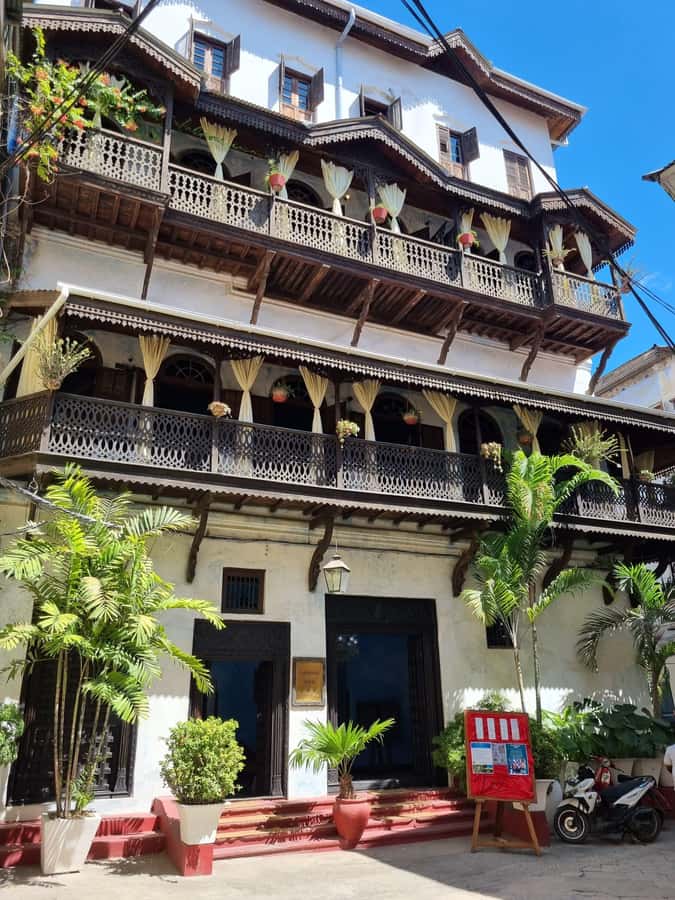
Hamamni Baths show another side of Stone Town’s public life. The baths are part of the planned route, but admission is listed as optional. Your guide can explain their role in the town’s past and point out the surrounding street details.
Jaw’s Corner offers a different mood. It is associated with coffee and conversation, and it helps show how public social life continues in Stone Town’s streets. The coffee scene is a small detail, but it makes the walk feel connected to local routines rather than limited to monuments.
You will also pass the Catholic Cathedral, an important part of the town’s religious mix. Seeing Christian buildings alongside Islamic, African, Indian, and Arab influences makes Stone Town easier to understand as a place shaped by many communities.
This is also where the private format pays off. You can ask how people lived, worshiped, traded, and met in older Stone Town. Guides have been praised for explaining local customs as well as architecture, and for stopping in shaded places when the heat becomes tiring.
Doors, lanes, and the small details between landmarks

Stone Town’s doors deserve their own attention. Some are known for their carved decoration and metal studs, and they appear throughout the old neighborhoods. A guide can point out differences in design and help you notice how architecture reflects the town’s cultural links.
The narrow streets are part of the experience, not merely a way to move from one landmark to another. You may pass ordinary homes, small shops, coffee spots, and market stalls within a few minutes. This is where a private walk feels more personal than a fixed group schedule.
Do not expect every street to be quiet or easy to photograph. People live and work here, and the lanes can be crowded. Comfortable shoes matter more than stylish ones, and you should bring sunglasses, a camera, and cash.
The tour runs in rain or shine. During rainy weather, an umbrella is useful. Zanzibar can be hot, so I would choose a morning start if your main goal is a longer, more comfortable historical walk. The 4:30 pm start makes better sense if you want the day to end with sunset.
Freddie Mercury’s house and the music connection

Freddie Mercury’s former house is included as a point of interest, and you can add a visit to the Freddie Mercury museum if you choose to pay the admission fee. This stop offers a modern cultural link within a tour otherwise focused on older buildings, trade, religion, and colonial-era history.
The house is not a replacement for the main historical sights, but it broadens the picture of Stone Town. It also gives music fans a clear reason to choose this particular route. Ask your guide how much time is available if this is a priority, since the overall walk lasts between two and four hours depending on the chosen option and pace.
The Secret Garden and a quieter pause

The Secret Garden is another listed stop, offering a change from the market streets and major landmarks. The name suggests a calmer setting, but the supplied details do not promise a formal garden visit of a fixed length, so treat it as part of the flexible route rather than a guaranteed long break.
This is one reason to speak clearly with your guide at the beginning. The walk can be shaped around architecture, history, culture, shopping, food, or photographs. A solo visitor may want a different balance from a couple interested in doors and markets, and a family may need more shade and shorter stops.
Several guides have been singled out for this kind of flexibility, including Abdalla, Cosmo, Amina, Issa, Muhammad, Hashir, and Munaa. You cannot assume a particular guide will be assigned, but the operator offers English, French, German, Italian, Spanish, and Swahili.
Choosing the right time: morning or 4:30 pm
Timing changes the character of the walk. Morning is the practical choice if you dislike heat or want to spend more energy examining buildings and listening to longer explanations. It also gives you the rest of the day to return to a market, museum, or restaurant on your own.
The 4:30 pm departure is designed for sunset views and the night market. This option lets the tour shift from historic streets to evening activity, with the waterfront and market atmosphere becoming part of the finish.
The late start is not automatically better. Light, heat, and market activity vary, and you will have less daylight for some architectural details. Choose morning for comfort and concentration. Choose 4:30 pm for atmosphere, sunset, and an evening finish.
Is $30 good value?
At $30 per person, this is a strong-priced introduction, especially if you receive the private format at the selected rate. The package includes a local guide, pickup and drop-off, two 500 ml bottles of water, a city map, taxes, and surcharges.
The value comes from the guide rather than from included admissions. You are paying for interpretation, route planning, and the chance to ask questions without being tied to a large group. If you are staying in Stone Town for only a short time, this can help you get oriented quickly.
Budget extra cash for optional entries to the Freddie Mercury museum, Anglican church, and Hamamni Baths. Food, soft drinks, and personal purchases are also separate. Ask about the exact admission plan before the walk, since the former slave market description and the optional-fee information are not perfectly clear.
The tour allows free cancellation up to 24 hours before the start, and you can reserve now and pay later. Those terms are useful if your Zanzibar plans may change.
Who should book this walk?
I would recommend it to a first-time Stone Town visitor, a solo visitor who wants help getting oriented, or anyone who prefers questions and conversation over a fixed script. The private or small-group format also suits couples and families with a clear interest in architecture, local culture, shopping, or history.
It is less suitable if you dislike walking in heat, need a fully accessible route, or want a quiet, slow museum tour. Pregnant women are specifically listed as not suitable for this activity. The town’s lanes, market crowds, and changing surfaces require a reasonable level of comfort on foot.
Dress respectfully for Zanzibar’s culture and bring light essentials only. Do not bring large bags or luggage. A camera, sunglasses, comfortable shoes, and cash are the useful basics.
Should you book Stone Town’s Hidden History?
Book it if you want a well-priced introduction that connects major sights with everyday streets. The best reasons are the private pacing, the range of subjects, and the chance to ask a local guide to focus on what interests you. The former slave market, carved doors, Darajani Bazaar, Old Fort, and coffee corners give the walk a good balance of serious history and present-day life.
Choose a morning start for cooler walking. Choose 4:30 pm for sunset and the night market. Before paying, confirm which admissions are covered, then bring cash for anything optional.
If you have only a few hours in Zanzibar, this tour should help you get your bearings fast without flattening Stone Town into a list of monuments.
FAQ
Where does the tour meet?
The standard meeting point is in front of the Old Fort, near Forodhani Gardens.
Is hotel pickup available?
Yes. Pickup is optional. If you arrange it, wait in your hotel lobby 10 minutes before the scheduled time and look for the guide or driver wearing a Happy Bikes Zanzibar shirt, hat, or cap.
How long does the walking tour last?
The activity lasts between two and four hours, with the main Stone Town walking route listed at about 2.5 hours.
Which languages are available?
Guides are available in English, French, German, Italian, Spanish, and Swahili.
Are museum entry fees included?
Entry fees to the Freddie Mercury museum, Anglican church, and Hamamni Baths are listed as optional. Confirm the exact admission arrangements when booking, especially for the former slave market site.
What should I bring?
Bring comfortable shoes, sunglasses, a camera, and cash. An umbrella is useful during rainy weather. Large bags and luggage are not allowed.
Newest history tours we have reviewed in the world
- Bilbao Historical Tour in small group★ 4.7 · 52 reviews
- Bologna: Street Food Tour in the Historic Center★ 4.8 · 125 reviews
- CEBU: Cebu City Heritage and Uphill Guided Tour★ 4.2 · 31 reviews
- Bishkek : City Tour (History, Architects, Statues & Culture)★ 4.9 · 54 reviews
- Blenheim: Omaka Aviation Heritage Centre Admission Ticket★ 4.9 · 31 reviews
- Berlin: Nazi History Walking Tour★ 4.8 · 33 reviews
- Best of Baku: 4-Hour City Tour Historic and Modern Landmarks★ 4.7 · 63 reviews
- Belfast: Best of Belfast History, Culture & Art Walking Tour★ 4.9 · 158 reviews
Private History Tours, compared.
Private Guided Historic Electric Cart Tour of St. Augustine
Read our review →
Private Full-Day Tour of Historical Alexandria
Read our review →
Private Tour of the Historic City in a Ford T Car
Read our review →
Madrid Historical Tour with Local Guide in Eco Tuk Tuk Private
Read our review →
Private Biblical Tour Ancient Corinth & Isthmus Canal from Athens
Read our review →
Private Kathmandu Sightseeing Tour | UNESCO World Heritage sites
Read our review →
Historic Porto by Private Electric Tuk Tuk to Top Landmarks
Read our review →Browse the lists this tour appears in