
Review · STOCKHOLM HISTORY TOURS
From Stockholm: Viking Culture and Heritage Small Group Tour
Sweden’s Viking past is easiest to understand outside the city, where 1,000-year-old runestones still mark roads, graves, bridges, and family power. This three-hour trip takes you to Broby bro, the Jarlabanke Bridge, and Arkils tingstad, a former Viking assembly site.
I like the way the tour connects physical remains with ordinary life: burial customs, road building, clan influence, and the shift from pagan beliefs to Christianity. I also like the small group of no more than 16, plus hotel pickup within 5 kilometers of Stockholm Central Station. The main drawback is the short schedule, and winter visitors need serious clothing. At minus 10 degrees Celsius, warm boots and proper layers are not optional.
Key points to know before booking
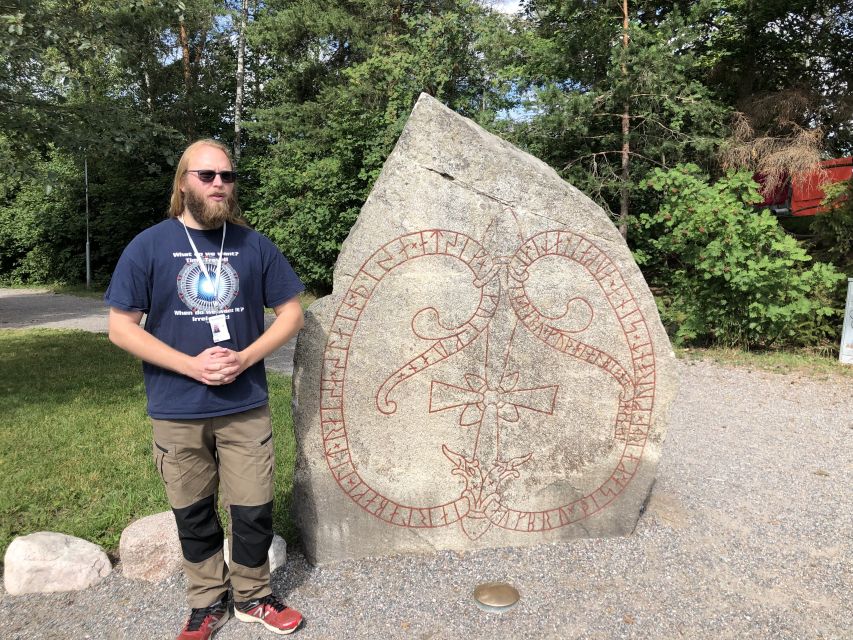
- Broby bro gives Viking burial customs a real setting: See burial grounds and runestones linked to Estrid, a powerful Viking woman.
- The Jarlabanke Bridge explains Viking road building: The reconstructed bridge and raised stones show how transport routes were made and advertised.
- Arkils tingstad offers a glimpse of Viking politics: Learn how people met, debated, and organized society at an early parliament site.
- The countryside changes the story: You leave central Stockholm behind for forests, villages, causeways, and open views around Uppland.
- The group stays small: No more than 16 people makes it easier to hear the guide and ask questions.
- Winter conditions can be harsh: Snow and frozen lakes may add beauty, but you need insulated footwear and clothing that can handle long outdoor stops.
Why leave Stockholm for Viking Uppland?
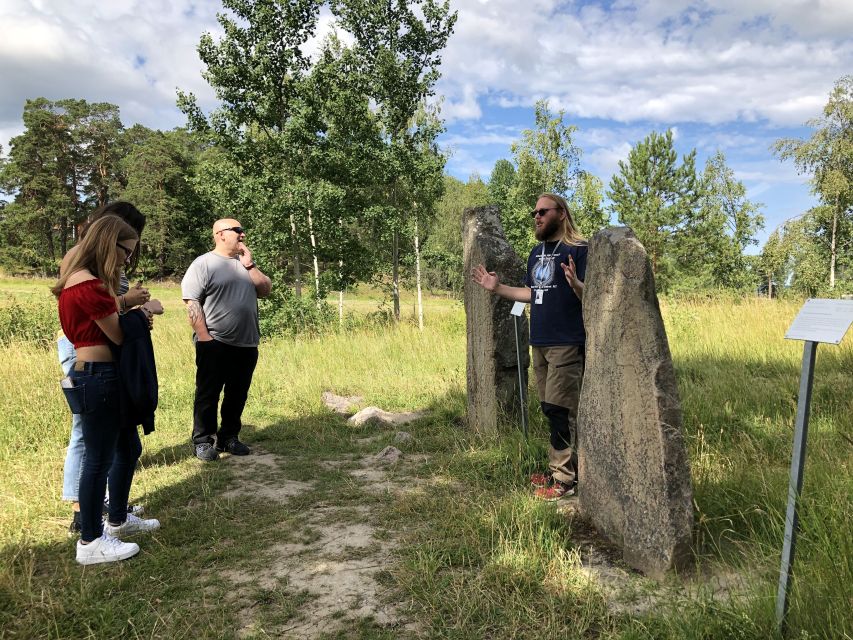
Stockholm has museums and royal sights, but the Viking story makes more sense when you see the places where people lived, traveled, worshipped, and buried their dead. This tour carries you into the countryside of Uppland, an area often called the Runic Kingdom because of its large number of surviving runestones.
You are not visiting a theme park or a staged Viking village. The appeal is simpler and more serious. You see stones, earthworks, old routes, graves, and a reconstructed bridge. The guide supplies the missing pieces, explaining what the sites reveal about families, religion, transport, and authority.
That distinction matters. Popular Viking films often focus on raids, ships, and larger-than-life warriors. Here, you get a more grounded picture. A runestone can tell you who paid for a bridge. A burial ground can show how pagan and Christian customs overlapped. An assembly site can suggest how communities handled decisions before modern government existed.
The tour costs $138 per person. That is not a bargain city outing, but the price includes transport from central Stockholm, a driver, an English-speaking guide, and all site costs. For a three-hour trip into the countryside, the value is strongest if you want context rather than simply a quick photo stop.
More Medieval History Tours in the world:
- Prague: Oldtown, Medieval Underground & Dungeon History Tour
★ 4.3 · 10,277 reviews - Prague Old Town, Medieval Underground and Dungeon Historical Tour
★ 4.5 · 3,227 reviews - Templar Tour Convent of Christ & Almourol Castle from Lisbon
★ 5.0 · 704 reviews
Broby bro and the story of Estrid
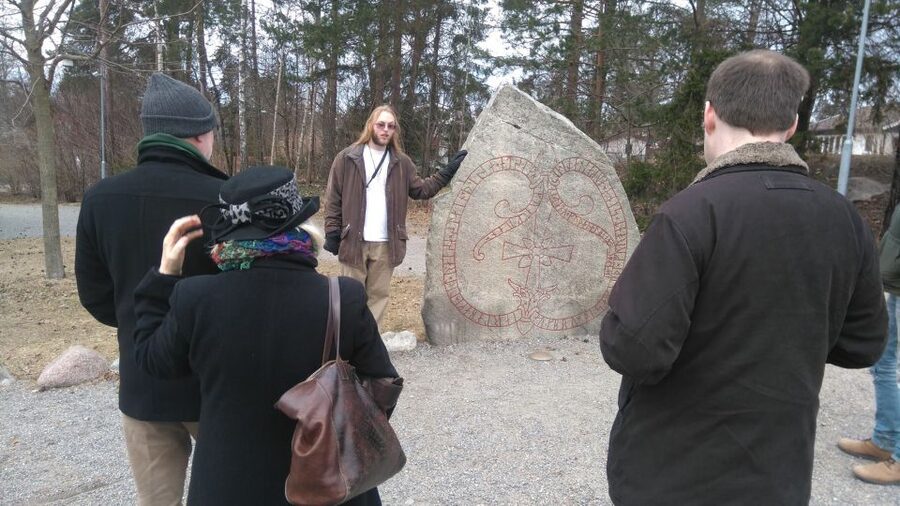
The first major stop is Broby bro, also known as the Jarlabanke Runestones burial ground. This is where the tour begins to move from broad Viking legend to specific people and families.
You learn about Viking burial rites and the change from pagan traditions to Christianity. That is useful because Viking religion was not a neat, instant replacement of one belief system by another. The stones and burial sites help show a period when older customs and newer Christian ideas existed close together.
The site is also tied to Estrid, a powerful Viking woman whose story gives the visit a human focus. Viking history is often told through male chiefs and warriors, so Estrid adds welcome balance. Her connection to the runestones helps you see them as family statements, not just old carvings in stone.
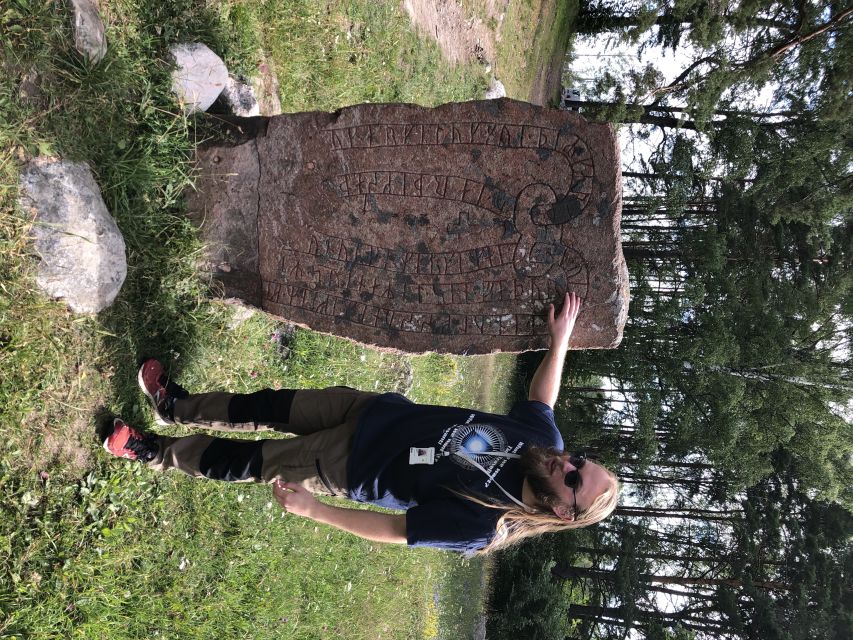
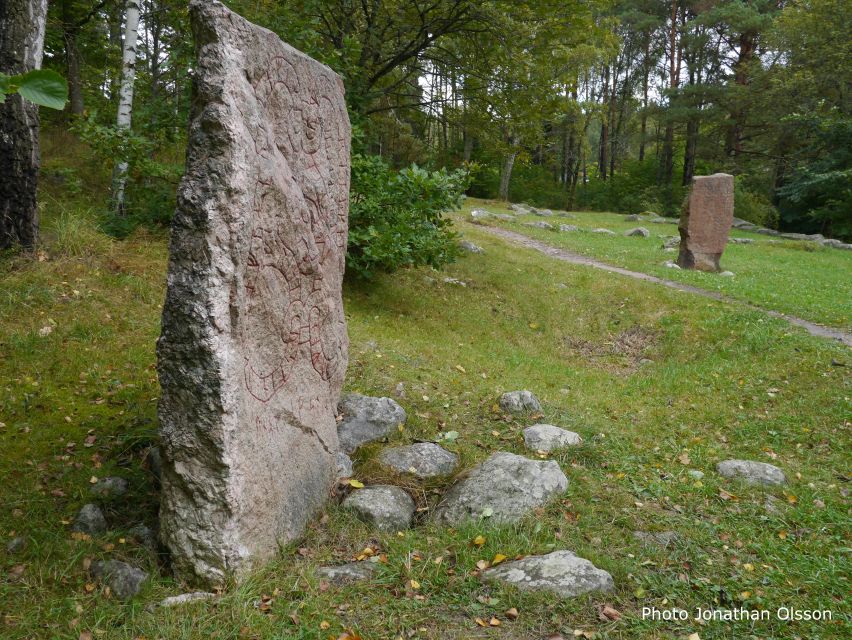
Look closely at the stones rather than treating them as background scenery. Their importance comes from the names, relationships, claims, and messages carved into them. They tell you who commissioned work, who was remembered, and how families presented themselves to the wider community.
Broby bro is an outdoor stop, so conditions matter. In summer, you can take time to examine the site comfortably. In winter, snow and frozen ground may make the setting striking, but cold can shorten your attention. Wear shoes with good grip and insulation. One winter visit took place in snow at minus 10 degrees Celsius, with a forest route leading toward a frozen lake. That kind of weather can be beautiful, but it is demanding.
The Jarlabanke Bridge and a Viking clan’s power
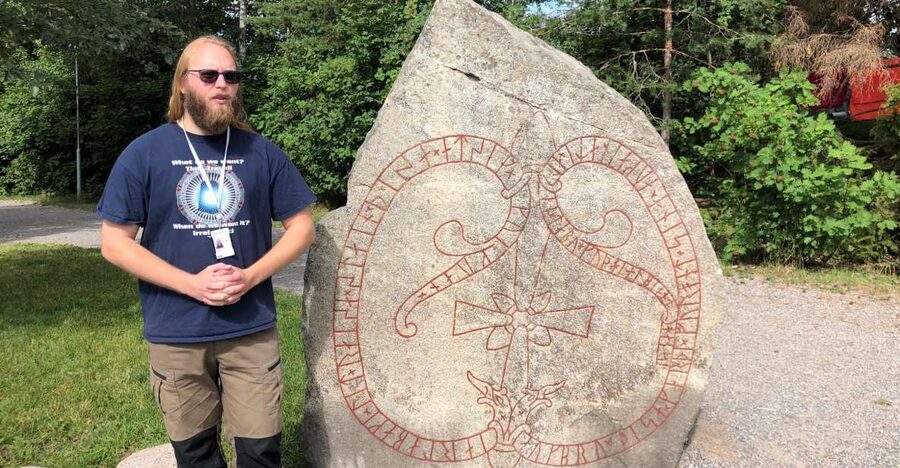
The next stop is the Jarlabanke Bridge, a reconstructed Viking bridge at the entrance to a causeway. It is one of the most useful parts of the tour because it shows that Viking society depended on infrastructure as much as warfare.
You learn how roads and bridges were built, and why raised runestones were placed beside them. The bridge was not simply a crossing. It also communicated power. A chief or wealthy family could make a public claim by paying for a road or bridge, then recording that act in stone.
The site is connected to Jarlabanke, a Viking chief, and his clan. His name gives the bridge and stones a personal connection, but the larger lesson is about status. Building a route helped people move goods and bodies, while the runestones announced who had the resources and authority to make it happen.
This is where the guide’s storytelling matters most. The stones do not speak in long explanations. They offer fragments. A good guide links those fragments to the physical road, the causeway, and the surrounding countryside.
If your guide is Erik, expect detailed discussion of Norse society and the Viking Age. He has been praised for explaining the subject through facts rather than film and television myths, and for offering useful Swedish food suggestions as well. The tour is conducted in English, so you should be comfortable following a spoken explanation outdoors and during the drive.
The reconstructed bridge should not be mistaken for an untouched Viking structure. Its value is interpretive. It helps you picture the scale and purpose of the route, while the original runestones and nearby remains provide the direct connection to the past.
Arkils tingstad and the Viking political world
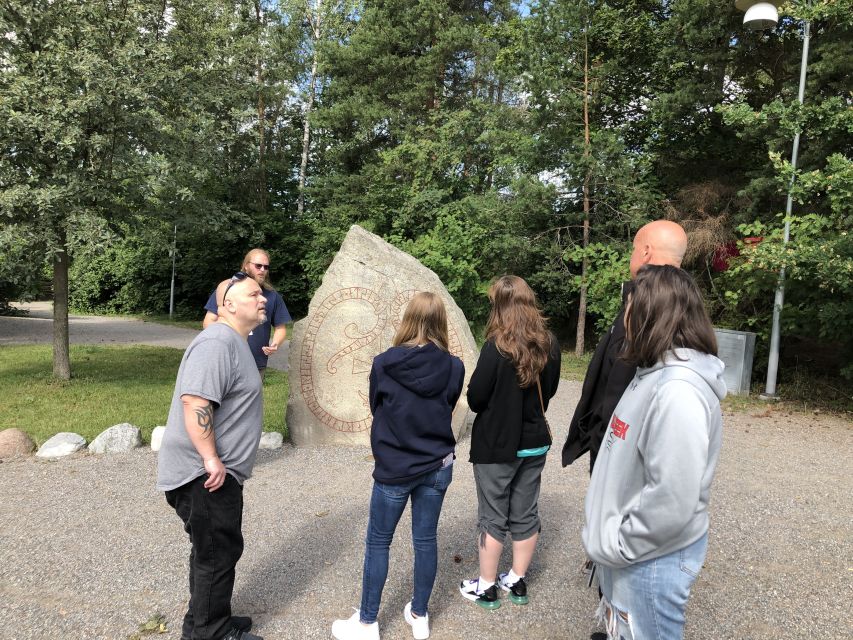
The final main stop is Arkils tingstad, the remains of a Viking parliament or assembly site. The word parliament can sound more modern than the place actually was, but it helps explain the function. Viking communities needed places where disputes, decisions, laws, and public matters could be handled.
This stop adds an important layer to the usual Viking image. The Vikings were not only raiders or seafarers. They lived within systems of family loyalty, local authority, negotiation, and law. At Arkils tingstad, you learn how society was organized and how people gathered to manage shared concerns.
There is less to look at here than in a museum, so your enjoyment depends heavily on the explanation. The physical remains are modest. That is not a criticism so much as a fact to keep in mind. You are visiting an archaeological site, not a fully reconstructed meeting hall.
I like this part because it makes the earlier stops fit together. Burial grounds show family memory. The bridge shows public works and clan status. The assembly site shows how a community might decide what happened next. Taken together, the three locations give you a picture of Viking life that is broader than weapons and ships.
More Local Culture and Traditions Tours in the world:
- Amsterdam Food and Cultural Tour with Tastings
★ 5.0 · 4,315 reviews - Sevilla Food Tour: Tapas, Wine, History & Traditions
★ 5.0 · 3,468 reviews - Tromsø: Reindeer Camp and Sami Cultural Tour with Lunch
★ 4.7 · 3,326 reviews - Half Day Dominican Republic Cultural Tour : Small Group
★ 4.5 · 1,862 reviews
What the countryside adds
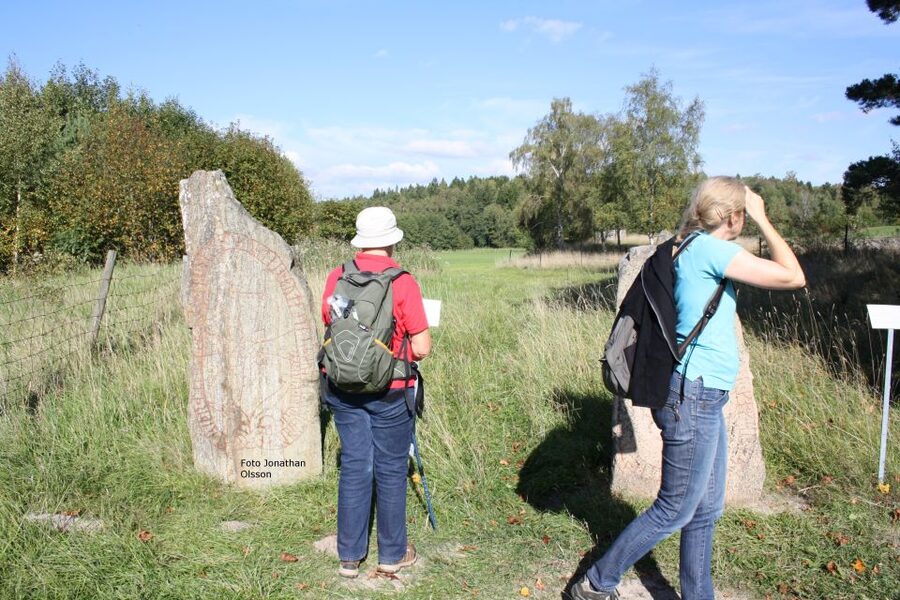
The drive is part of the experience, not just a transfer between stops. You leave the city and pass into quieter areas around Stockholm, with forests, villages, old routes, and open countryside. The change in setting helps you understand why the sites were connected by roads and causeways.
In winter, the countryside can look especially dramatic, with snow-covered ground and frozen water. In warmer months, you should expect a greener, more open setting, though the tour information does not promise a particular view or weather condition.
The rural setting also keeps the tour from feeling like a string of museum labels. You can see how a road, bridge, graveyard, and assembly place relate to one another in space. That physical connection is hard to get from a display case in Stockholm.
The tradeoff is that outdoor heritage sites do not offer much shelter. Food is not included, and the tour lasts only three hours, so bring anything you need before departure. The tour details do not specify a meal stop. A snack may be sensible, especially if you are visiting in cold weather, but do not count on lunch being provided.
Small group size, pickup, and timing
The group is limited to 16 people. That is large enough to create a social outing but small enough for the guide to speak to everyone without the feel of a big coach tour. You should have a better chance to ask about a particular stone, burial custom, or Viking term.
Pickup and drop-off are available at hotels and accommodations within 5 kilometers of Stockholm Central Station. This is convenient if you are staying in central Stockholm, but check your address carefully. Being in Stockholm County does not automatically mean you qualify for pickup.
The activity lasts three hours, including the drive between Stockholm and the sites. That makes it a manageable half-day addition to a city break. It also means the itinerary moves at a steady pace. You get a good introduction, not an exhaustive archaeological study.
The small group and included transport help explain the $138 price. You are paying for more than entry to a single attraction. The cost covers a guide, driver, vehicle, countryside transport, and several heritage stops. If you only want to see one runestone, the price may feel high. If you want the sites explained and connected, the value is easier to see.
You can reserve now and pay later, and cancellation is allowed up to 24 hours before departure for a full refund. Gratuities are not included, so plan for that separately if you choose to tip.
Who will enjoy this tour most?
I would recommend this for anyone who wants Viking history with real places attached to it. It suits visitors who have already seen Stockholm’s main sights and want a change of pace, as well as history fans who prefer archaeological remains to staged entertainment.
It is also a good fit if you are curious about the less familiar parts of Viking life. The tour covers burial, religion, transport, clan identity, and law. That range gives you a fuller picture than a narrow focus on raids or mythology.
Families with older children may enjoy it if they are comfortable standing outdoors and listening to historical explanation. Younger children may find the stones and earthworks less immediately exciting, especially since there are no stated hands-on activities.
The tour is less suitable if you want a long, relaxed day in the countryside, a food experience, or a fully reconstructed Viking settlement. It is also not ideal for anyone unprepared for winter weather. Bring warm layers, a hat, gloves, and sturdy insulated boots if temperatures are low. The outdoor stops are central to the experience, so cold-weather gear can determine whether you enjoy the tour or simply try to endure it.
Should you book the Viking Culture and Heritage tour?
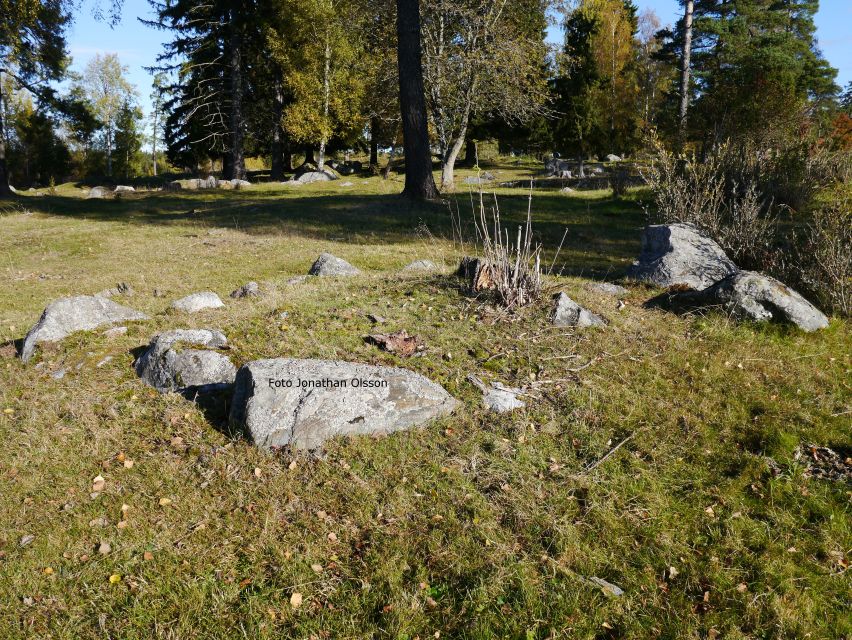
Book it if you want to understand how Viking communities actually functioned. The strongest feature is the connection between sites: graves show remembrance and belief, the bridge shows building and status, and the assembly site shows public decision-making.
The $138 price is reasonable for a guided three-hour trip with transport and several stops, especially if you are staying near central Stockholm and would otherwise need to arrange a countryside excursion yourself. The 4.7 rating from 29 bookings also reflects a consistently positive response, with particular praise for the guide’s explanations and the interest of the runestones.
Skip it if you need indoor comfort, food included, or a longer archaeological visit. For a short and focused introduction to Sweden’s Viking past, though, this is a practical choice. If Erik leads your group, you may get especially detailed explanations and useful local food advice. Just dress for the forecast and arrive ready to spend real time outside.
FAQ
How long does the tour last?
The tour lasts three hours, including the visits to Viking sites outside Stockholm.
What sites will I visit?
You will visit the Broby bro burial ground and Jarlabanke Runestones, the reconstructed Jarlabanke Bridge and causeway, and the remains of the Viking assembly site at Arkils tingstad.
Is hotel pickup included?
Yes. Pickup and drop-off are included for hotels and accommodations within 5 kilometers of Stockholm Central Station.
How many people are in the group?
The group has no more than 16 people.
What language is the tour conducted in?
The live tour guide speaks English.
Is food included?
No. Food is not included in the tour price.
Are gratuities included?
No. Gratuities are separate from the tour price.
Can I cancel for a refund?
Yes. You can cancel up to 24 hours before the tour for a full refund.
Can I reserve now and pay later?
Yes. The booking option allows you to reserve your place and pay later.
More Small-Group History Tours in the world
- London Small Group Tour of Historical Pubs
★ 5.0 · 10,422 reviews - Boston: Freedom Trail History Small Group Walking Tour
★ 5.0 · 6,450 reviews - Madrid Tapas & Taverns Small Group Food & History Tour
★ 5.0 · 2,664 reviews - Hidden Alleyways and Historic Sites Small-Group Walking Tour
★ 5.0 · 2,335 reviews
Newest history tours we have reviewed in the world
- Enjoy Ancient Mostar★ 4.0 · 45 reviews
- Private Dublin Historical and Heritage Tour by Bike★ 5.0 · 30 reviews
- Dubrovnik by Night, History, Wine & Bites★ 5.0 · 41 reviews
- Historical Walking Tour of Dublin★ 5.0 · 50 reviews
- DayTripper Dublin: A Guided City Walking Tour★ 5.0 · 90 reviews
- Ancient Old City– Finest tour of Dubrovnik★ 5.0 · 64 reviews
- Dublin LGBTQ Pride Historical and Cultural Walking Tour★ 5.0 · 91 reviews
- Interactive Living History in Dalkey Castle near Dublin City★ 5.0 · 133 reviews
Medieval History Tours, compared.
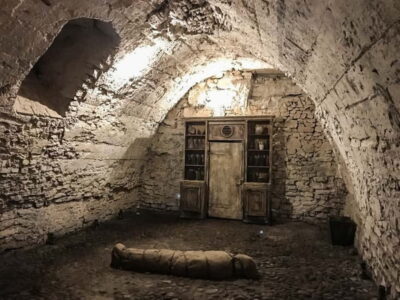
Oldtown, Medieval Underground & Dungeon History Tour
Read our review →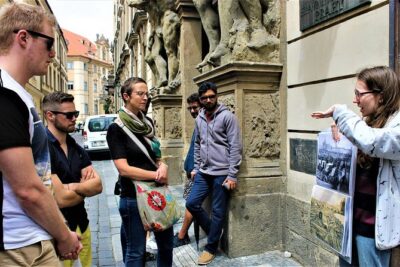
Prague Old Town, Medieval Underground and Dungeon Historical Tour
Read our review →
Templar Tour Convent of Christ & Almourol Castle from Lisbon
Read our review →
Barcelona 1.5h Private Old Town, Gothic & Ramblas Walking Tour
Read our review →
Day Trip From Addis Ababa See Historical Monastery,Stunning Nature,Animals,Birds
Read our review →
Stockholm Viking History Full Day Tour to Sigtuna + Uppsala
Read our review →
Tipsy Tapas & History Tour in the Gothic Quarter
Read our review →Browse the lists this tour appears in