Review · HISTORY WALKING TOURS
Stellenbosch: Guided Historical Walking Tour
Stellenbosch’s story is written into its streets. On this 90-minute walk, you follow oak avenues and old water furrows, pass Cape Dutch buildings, and hear how a 17th-century settlement survived fires that nearly erased it. The route makes the town feel like more than a pretty stop between wineries.
I like the way the tour connects architecture with people, from Simon van der Stel’s first camp by the Eerste River to the famous graduates of Stellenbosch University. I also like the pace: it is an easy town walk, with room for questions and the occasional ghost story. The main consideration is that this is a history tour, not a wine tasting or a ride through the wider Winelands, so wear comfortable shoes and expect to stay on foot.
Key points to know before you book
- The route covers the old heart of Stellenbosch: Expect Dorp Street, The Braak, the village green, Church Street, and the Moederkerk area.
- The stories reach across four centuries: Your guide links the town’s founding, colonial years, fires, university life, and present-day identity.
- The guides make the difference: Johan, Marlene, Juliana, Julietta, and other local guides lead tours in English, with an easy, conversational style.
- The walk is gentle but outdoors: The tour lasts 90 minutes, so bring comfortable shoes and prepare for sun or rain.
- You get strong value for $18: The price is modest for a private-feeling introduction to the town’s buildings and past.
- It is wheelchair accessible: No transport is included, and you need to reach the meeting point at 47 Church Street yourself.
Start with the town’s oldest stories
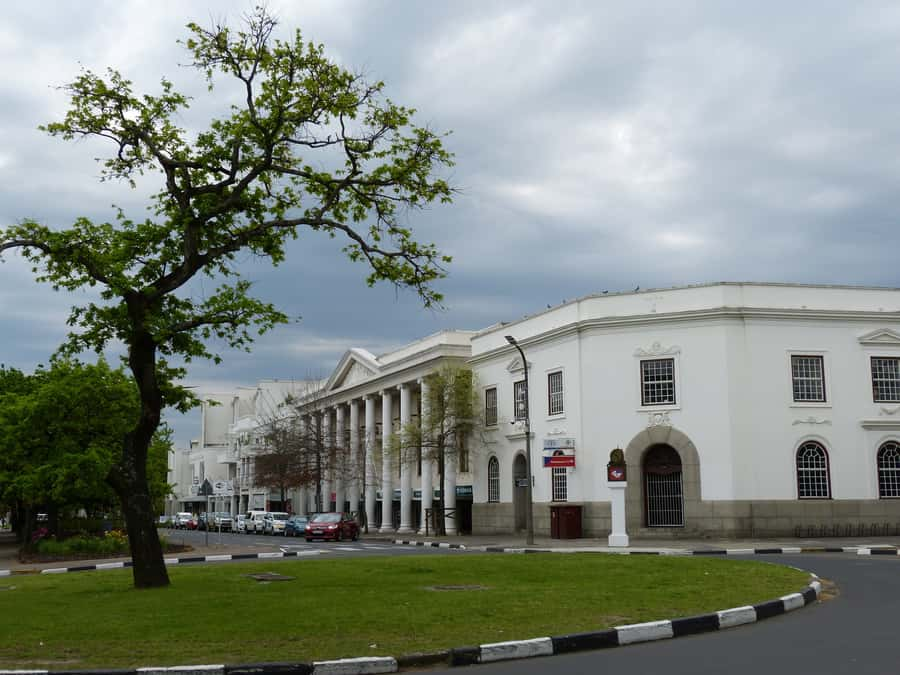
I would take this walk near the beginning of a Stellenbosch stay. The town is easy to admire on your own, but its details can blur together: whitewashed walls, shaded trees, water channels, old gables, and university buildings. A guide gives those details a place in the story.
The walk begins at 47 Church Street in Stellenbosch Central. You should arrive 15 minutes before the start. Transportation is not included, so plan your route to the meeting point in advance. Once gathered, you set off through the historic center rather than spending time in a vehicle.
The first useful lesson is that Stellenbosch grew from a river setting. Simon van der Stel, the colonial founder of the town, set up camp on the Eerste River. The river’s name itself becomes part of the story, helping you understand why the settlement took root here.
I appreciate this kind of opening because it gives the town a physical starting point. You are not simply hearing dates. You are looking at the streets and waterways that helped shape where people lived and worked.
More History Walking Tours in the world:
- History and Hauntings of Salem Guided Walking Tour
★ 5.0 · 14,564 reviews - Lisbon: History, Stories and Lifestyle Walking Tour
★ 4.8 · 10,902 reviews - Boston: Freedom Trail History Small Group Walking Tour
★ 5.0 · 6,450 reviews
Oak avenues and the Mill Stream
Stellenbosch is often called the village of the oaks, and the trees are one of the pleasures of the walk. Their shade softens the streets and gives the old center a calm, leafy character. Along the avenues, the water furrows of the Mill Stream add another layer to the town’s design.
These furrows are easy to overlook if you are walking quickly toward a restaurant or wine bar. With a guide, they become clues to how the settlement functioned. The tour uses the street plan, trees, and water channels to explain the town rather than treating the old buildings as a collection of unrelated sights.
This is also where the walking format works best. You can pause, look up at rooflines, notice the relationship between buildings and streets, and ask why a particular place matters. The route is designed for seeing details at ground level, not checking off distant monuments.
The walk is described as easy, and the practical feedback supports that. It is not too far to walk, though you should still choose sensible footwear. Stellenbosch weather can change, and one past tour was enjoyed even in pouring rain, but a dry day will make the oak-lined streets more comfortable.
Cape Dutch buildings around The Braak
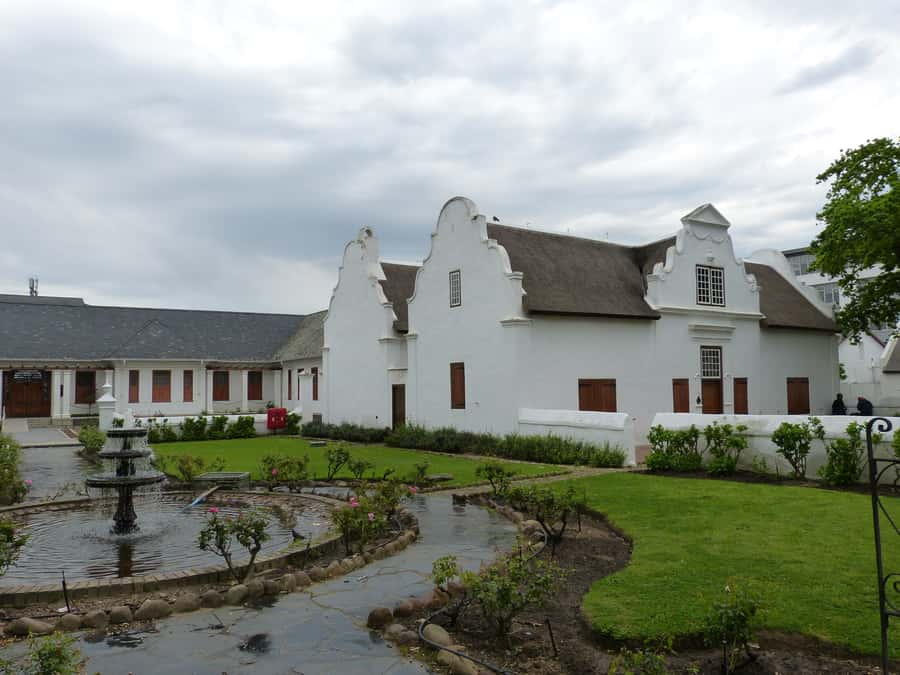
The Braak, or village green, is one of the central stops. Historic buildings surround it on three sides, creating a compact view of Stellenbosch’s architectural character. This is the point where the Cape Dutch style becomes easier to read as part of a townscape rather than as isolated old houses.
Your guide explains the buildings and the people connected with them. That human scale matters. The tour is not only about façades, dates, and preservation. It also brings in the colorful characters who shaped the town across four centuries.
The Braak is a good place to pause and take photographs, but I would listen before reaching for your camera. Details about the town’s early development and later life help the buildings make sense. You can always take pictures after the explanation.
The architecture is a major reason to book this tour, but it is also one of its limits. If you are hoping to enter many historic interiors, this experience may not meet that expectation. The information supplied describes a walking tour of streets, buildings, and public places, not a series of interior visits.
Dorp Street, the oldest residential street
Dorp Street is presented as the oldest residential street in South Africa. That is a powerful claim, and it gives the walk a clear focal point. Instead of seeing Stellenbosch as a modern university and wine town with a few old structures, you see how its residential core developed.
The street lets you compare the harmony of the old buildings with the life of the current town. Your guide can point out details that a self-guided stroll might miss and explain how the old quarter connects to Stellenbosch today.
Several guides are especially good at making this material approachable. Johan is known for clear explanations, humor, and a willingness to answer questions. Marlene brings a warm, measured style, while Juliana has been praised for energy and for responding fully to questions rather than giving brief answers. Names can vary by departure, but these are the guides most often associated with the experience.
I like the fact that the tour can work for repeat visitors as well as first-time arrivals. One person who had visited Stellenbosch many times still learned new things from Johan. That is a useful sign: the route is not limited to basic orientation.
More Guided Tours in the world:
- Edinburgh: Edinburgh Castle Guided History Tour with Tickets
★ 4.8 · 9,933 reviews - Historic Charleston Guided Sightseeing Walking Tour
★ 5.0 · 6,216 reviews - Rome: Colosseum with Arena, Roman Forum and Palatine Guided Tour
★ 4.0 · 5,598 reviews - Venice: St. Mark’s Basilica Guided Tour & VR History Intro
★ 3.9 · 4,880 reviews
Fires, rebuilding, and a town that changed
The 18th-century fires are among the most important parts of the walk. Fires nearly wiped out large sections of the early town, and the story explains why Stellenbosch does not simply present an untouched colonial past.
You hear about destruction and rebuilding, which makes the surviving buildings more meaningful. It also adds balance to the postcard view of oak trees and Cape Dutch façades. The town’s appearance is not only the result of careful preservation. It also reflects repeated loss and change.
This subject gives the tour more substance than a pleasant stroll. You begin to see the old center as a place shaped by practical problems, changing communities, and decisions about how to rebuild.
The guide’s style matters here. A dry list of fire dates would lose most people. The best guides use anecdotes and humor while keeping the historical thread clear. Johan, Marlene, Juliana, and Maureen have each been praised for making the past easy to follow and connecting it with present-day Stellenbosch.
The Moederkerk, the Angel Factory, and local folklore
The tour includes the Moederkerk graveyard area, where you may hear a ghost story. You might also encounter the Angel Factory, a place tied to one of the tour’s more unusual local tales. These moments lighten the historical material without turning the walk into a theatrical ghost tour.
That balance is important. The folklore gives you memorable details, while the main focus remains the town’s development and people. I like tours that allow room for a little strangeness, especially in an old town where graveyards, churches, and former workshops carry layers of memory.
The mention of the Angel Factory and local ghosts also gives you something to look for after the tour. You may not remember every date, but you are likely to remember the place connected with an angel or the story told near the churchyard.
Do not expect a frightening experience. The activity information presents these as stories encountered along a historical walk. The overall tone is informative, friendly, and occasionally amusing.
Stellenbosch University and the modern town
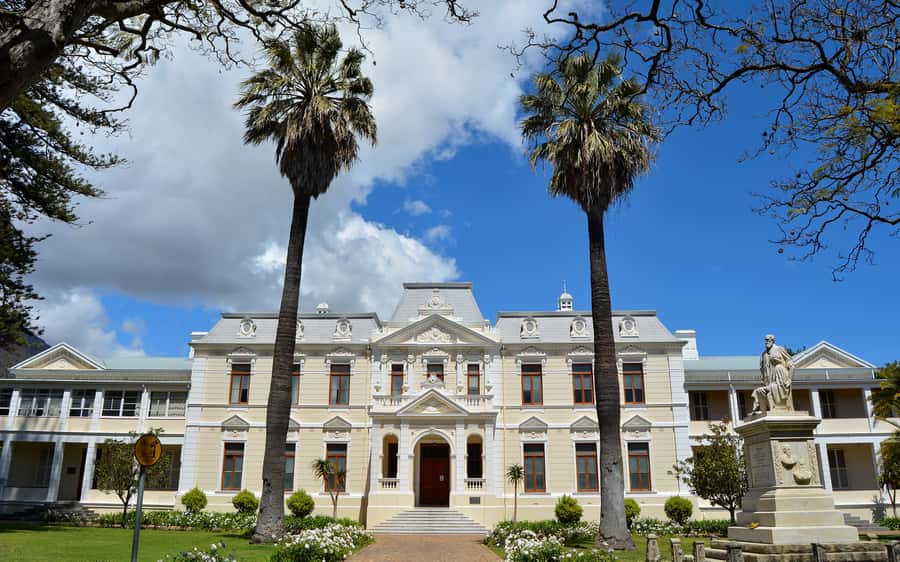
The walk does not stop in the distant past. It includes Stellenbosch University and its famous graduates, including prime ministers and sportsmen. This helps explain the town’s present identity as a university center as well as a historic settlement.
I find this link especially useful because visitors can otherwise treat the university as scenery. The tour places it within the story of the town and shows how people connected with Stellenbosch have influenced South African public life.
The best part is the movement between old and new. You hear about Simon van der Stel, early residents, fires, and colonial architecture, then connect those subjects with modern Stellenbosch. The result is a broader view than an architecture-only walk.
The historical perspective can also extend beyond the town itself. Several guides bring in wider South African history and politics when it helps explain Stellenbosch. If you enjoy context, ask questions. The guides are used to adjusting the discussion to the group.
A close look at the guiding style
The guides are the strongest part of this experience. The consistently high rating of 4.7 from 283 reviews reflects a clear pattern: people value the guides’ warmth, humor, local insight, and ability to explain history without making the walk feel like a classroom.
Johan is often described as funny, clear, and full of anecdotes. He has also helped with last-minute schedule changes, though you should not assume every booking adjustment will be possible. Marlene is praised for a good pace and for giving the right amount of information. Juliana is frequently noted for enthusiasm, patience, and attention to questions.
Group size may vary. Some departures have been small, including a group of four and even solo tours outside the busy season. A smaller group can make it easier to ask questions and tailor the discussion. You should not book on the promise of a private tour, but a quiet departure may feel personal.
The language is English, and the activity has a live guide. That makes it a good choice if you want conversation rather than an audio guide or a printed route.
What $18 gets you
At $18 per person, this is a strong-value introduction to Stellenbosch. You receive a professional guide and a 90-minute walking tour. The cost is low compared with the time it saves you trying to identify buildings and piece together the town’s past on your own.
The real value is interpretation. You can walk Dorp Street for free, photograph The Braak for free, and pass the oak avenues without paying. What you cannot easily get without a guide is the connection between the river, settlement, fires, architecture, university, folklore, and present-day life.
This is not a bargain if you want transport, wine tasting, food, or entry to several interiors. None of those are included, and personal expenses are your responsibility. But as a compact history tour, the price is fair.
You can also reserve now and pay later, which helps if your Western Cape schedule is still moving around. Cancellation is free up to 24 hours before the activity for a full refund. Those terms make it easier to fit into a trip with changing plans.
Who should take this walk
I would recommend it to first-time visitors who want a clear introduction before exploring Stellenbosch independently. It is also useful for repeat visitors who have seen the town but never learned why its streets and buildings look the way they do.
History fans will appreciate the four-century sweep, the founding story, the fires, and the political context. Architecture lovers will enjoy the Cape Dutch buildings, Dorp Street, The Braak, and the shaded avenues. Families and mixed-age groups may like the short duration and the variety of stories, though the supplied information does not specify a children’s program.
It suits people who prefer a relaxed pace and conversation. If you dislike walking tours, need air-conditioned transport, or want to spend your morning tasting wine, choose a different activity. This experience stays in the town center and focuses on history.
The activity is wheelchair accessible, but you should still consider the practical nature of a street walk. Arrive early, wear comfortable shoes, and be ready for outdoor conditions. Pets, alcohol, and drugs are not allowed.
Should you book the Stellenbosch historical walking tour?
Book it if you want to understand Stellenbosch rather than simply photograph it. For $18 and 90 minutes, you get an efficient introduction to the old town, with enough variety to keep the walk moving: oak avenues, water furrows, Cape Dutch buildings, The Braak, Dorp Street, the Moederkerk area, fires, university life, and local folklore.
I would especially choose it on your first morning in Stellenbosch, when the information can guide the rest of your visit. You will know which streets deserve a slower look and which stories to ask about later.
Skip it only if your time is extremely short or your main goal is the wider Winelands. For everyone else, this is an easy, well-priced way to give the town a human shape.
FAQ
How long does the Stellenbosch historical walking tour last?
The tour lasts 90 minutes.
How much does the tour cost?
The price is $18 per person.
Where does the tour meet?
The meeting point is 47 Church Street, Stellenbosch Central, Stellenbosch, 7599.
How early should I arrive?
You should arrive at the meeting point 15 minutes before the activity starts.
What language is the tour in?
The live guided tour is conducted in English.
Is transportation included?
No. Transportation to and from the meeting point is not included.
Is the tour wheelchair accessible?
Yes, the activity is wheelchair accessible.
What should I bring?
Bring comfortable shoes for the walking route.
Can I cancel for a refund?
Yes. You can cancel up to 24 hours in advance for a full refund.
Newest history tours we have reviewed in the world
- Enjoy Ancient Mostar★ 4.0 · 45 reviews
- Private Dublin Historical and Heritage Tour by Bike★ 5.0 · 30 reviews
- Dubrovnik by Night, History, Wine & Bites★ 5.0 · 41 reviews
- DayTripper Dublin: A Guided City Walking Tour★ 5.0 · 90 reviews
- Ancient Old City– Finest tour of Dubrovnik★ 5.0 · 64 reviews
- Historical Walking Tour of Dublin★ 5.0 · 50 reviews
- Dublin LGBTQ Pride Historical and Cultural Walking Tour★ 5.0 · 91 reviews
- Interactive Living History in Dalkey Castle near Dublin City★ 5.0 · 133 reviews
History Walking Tours, compared.
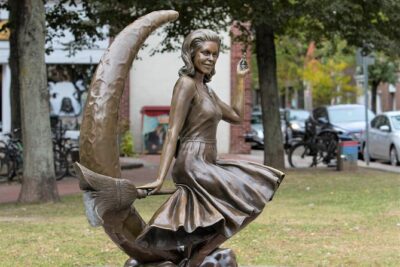
History and Hauntings of Salem Guided Walking Tour
Read our review →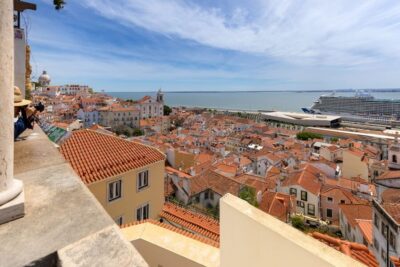
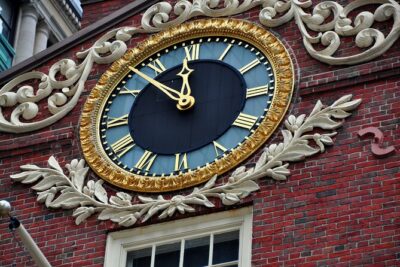
Freedom Trail History Small Group Walking Tour
Read our review →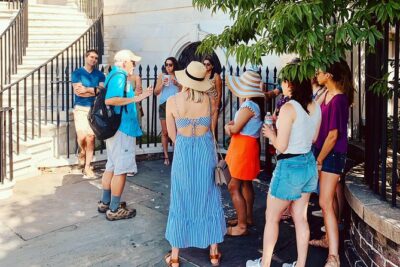
Historic Charleston Guided Sightseeing Walking Tour
Read our review →
Tapas Walking Tour with Food, Wine, and History
Read our review →
Savannah History and Haunts Candlelit Ghost Walking Tour
Read our review →