
Review · SPLIT HISTORY TOURS
Split: Historical & Gastro Treasures Tour with Green Market
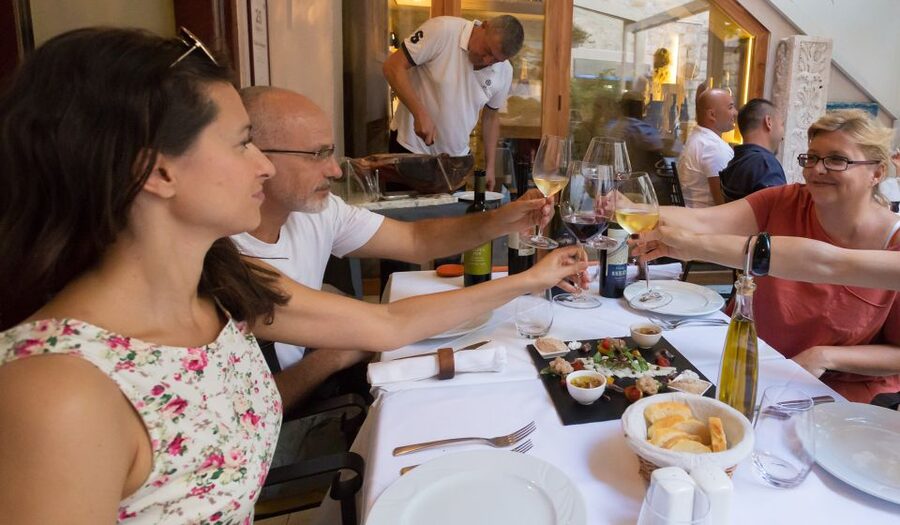
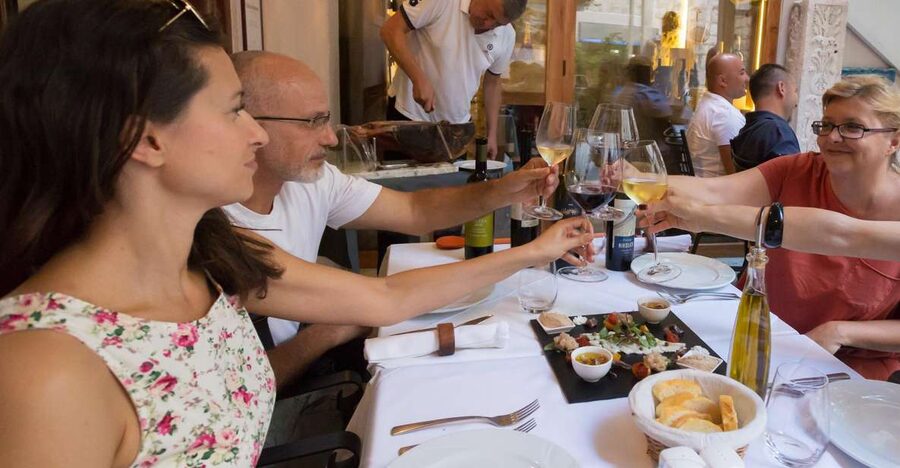
Split’s best history lesson may come with a plate of prosciutto in one hand and a glass of wine in the other. This three-hour tour begins at the Green Market, moves through Diocletian’s Palace, and finishes with a generous meal in a traditional konoba.
I like the way food and place are tied together here. The market introduces you to Dalmatian ingredients before you see them on your plate, while guides such as Hani, Olga, Christina, Lucia, and Vicky add stories about daily life in Split. The main drawback is simple: come hungry, and note that the afternoon option does not include the Green Market.
Key points at a glance
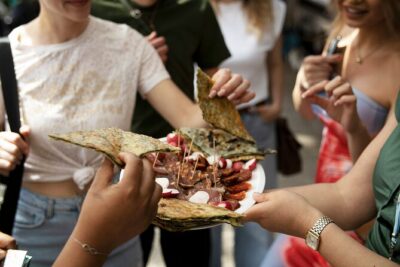
- Green Market brunch: Taste prosciutto, cheese, peka bread, soparnik pie, and grappa among local produce stalls.
- Diocletian’s Palace: Walk through Peristil Square, the Golden Gate, and medieval Pjaca with a local English-speaking guide.
- A full Dalmatian meal: Expect seafood, two pasta dishes, black risotto, local wines, and a final sweet course.
- Generous portions: This is closer to lunch with a guided walk than a few token bites.
- Best timing: Choose the morning option if the market is a priority.
- Price and policy: The cost is $135 per person, with food, wine, and the licensed guide included.
Why food is the right way into Split
Split can feel confusing at first. Roman walls, medieval lanes, Venetian buildings, laundry, cafés, and family homes all occupy the same compact old center. A standard walk can explain the dates and names, but food gives you a quicker sense of how the city works today.
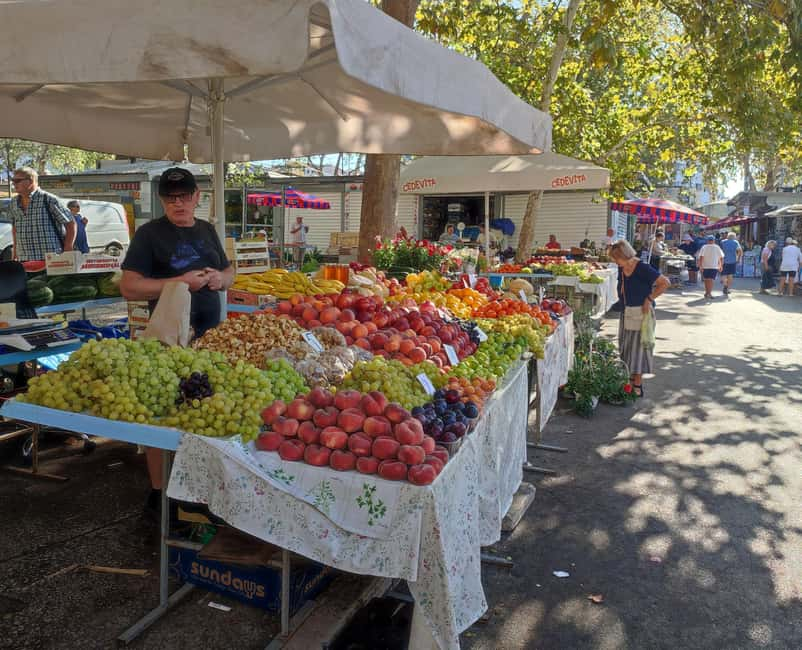
This tour starts with the things people actually buy and eat. At the Green Market, you get a Mediterranean-style brunch of cured ham, cheese, traditional peka bread, soparnik, and grappa. The point is not just to fill you up. It gives you a working introduction to Dalmatian flavors before the larger meal later.
I especially like the contrast between the market and the palace. One is practical and local, filled with produce and everyday shopping. The other was built for an emperor and has been altered for centuries. Moving between the two helps you see Split as a living city rather than an ancient monument with a few cafés attached.
More Market Tours in Split:
- Private Excursion to Floating Market and Ayutthaya World Heritage
★ 5.0 · 515 reviews - Private Heritage Walking Tour in Jaisalmer Fort and Old Bazaar
★ 5.0 · 306 reviews - Old Delhi Food-Spice Market-Temples Tour Soon Featured on NETFLIX
★ 5.0 · 304 reviews
The Green Market starts the morning
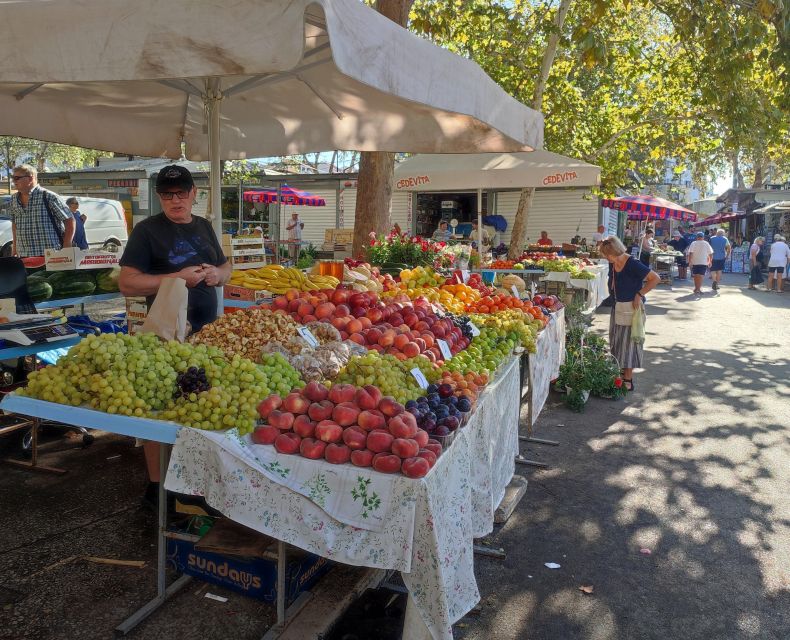
The Green Market, or Pazar, is the most important early stop on the morning version. You meet your guide at the assigned starting point, often listed around Hrvojeva 1, then head toward the market for the first food portion.
The market tasting includes prosciutto, cheese, peka bread, soparnik, and grappa. Soparnik is a traditional savory pie, and peka bread brings a rustic, local touch to the spread. The grappa is strong, so take it slowly if you are not used to fruit brandy.
The market itself gives the food context. You are not just told that an ingredient is local. You see the produce, the pace of shopping, and the way the market fits into normal life. The stop is also one of the most useful parts of the tour for anyone staying in Split for several days, since it can help you recognize ingredients and dishes later.
The downside is timing. The Green Market does not operate as part of the afternoon option, so book the morning departure if this is a major reason for choosing the tour. The afternoon version offers similar food in a local tavern, but it is not the same market experience.
Roman power at Peristil Square
After the first food stop, the tour turns to Diocletian’s Palace. The palace is not a remote ruin outside town. It forms the core of Split, and people still live, work, shop, eat, and walk inside its old walls.
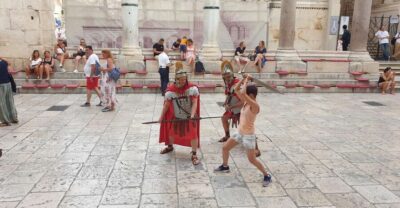
Peristil Square is the key visual moment. Its stone setting and monumental proportions show the palace as an imperial complex, not merely a private home. Your guide explains its origins and the ways the site changed over time, helping you read the layers instead of simply photographing them.
The value here is the local explanation. Split’s old center can look like a maze of attractive stone, but a guide can connect the palace’s Roman beginnings with its medieval and later use. Several guides, including Ana, Olga, Hani, and Christina, are praised for making the history easy to follow without turning the walk into a dry lecture.
The walking portion also breaks up the meal. That matters because the food stops are generous. You are not sitting for three hours, eating continuously. The route lets you see major sights between courses and gives you time to work up room for the next plate.
The Golden Gate and medieval Pjaca

The Golden Gate is another major palace landmark. It gives you a clear sense of how movement into the imperial complex was organized. Your guide can point out the architectural details and explain how the area changed as Split grew around the original palace.
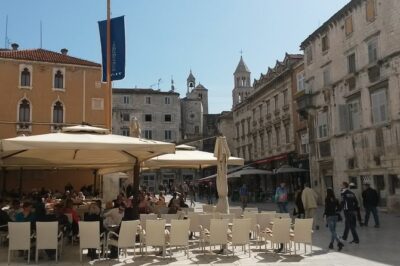
Then comes Pjaca, a medieval Venetian square. This stop adds a different period to the story. You move from Roman imperial planning to a later urban space shaped by Venice and the medieval city.
That combination is one of the tour’s strongest features. You are not asked to study Split in isolated chapters. Instead, Roman, medieval, Venetian, and modern life appear along one short walk. The result is practical: after the tour, you can return to these places on your own and understand what you are seeing.
The historical walk is not described as a full archaeological tour, so do not book this expecting every stone or inscription to receive a long explanation. It is a food-led city experience with a solid history component. For most people, that balance is the point.
More History Tours in Split:
- Walking Tour of Split with a ‘Magister’ of History
★ 5.0 · 1,122 reviews - Split Walking Tour with Professor of History
★ 5.0 · 926 reviews - Split: History and Heritage Walking Tour
★ 4.9 · 650 reviews - SPLIT-PRIVATE Walking Tour of Diocletian’s Palace & Old Town
★ 5.0 · 467 reviews
Lunch inside a traditional konoba
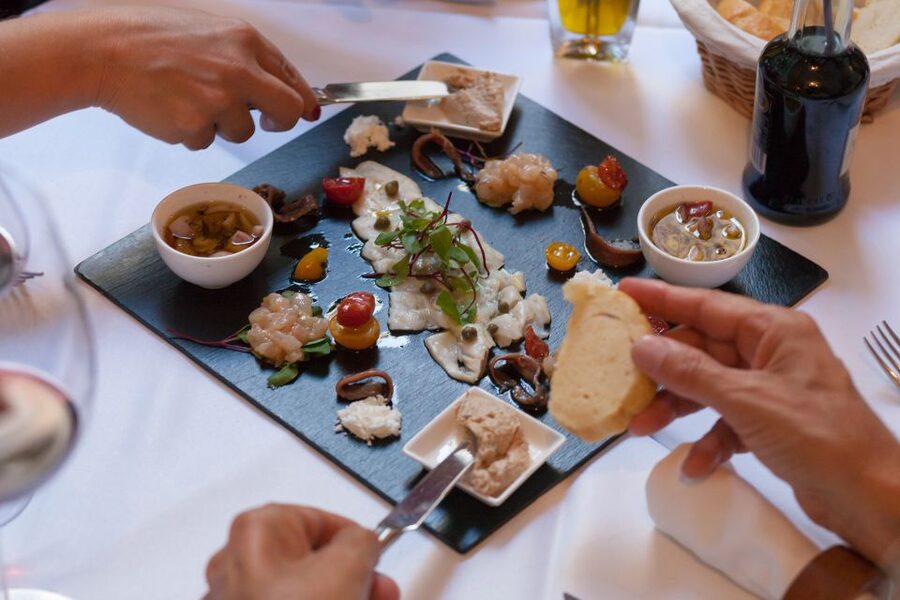
The main meal takes place in a konoba, a tavern-style restaurant. The setting is intended to feel local rather than formal, and the meal brings together seafood, pasta, risotto, wine, and dessert.
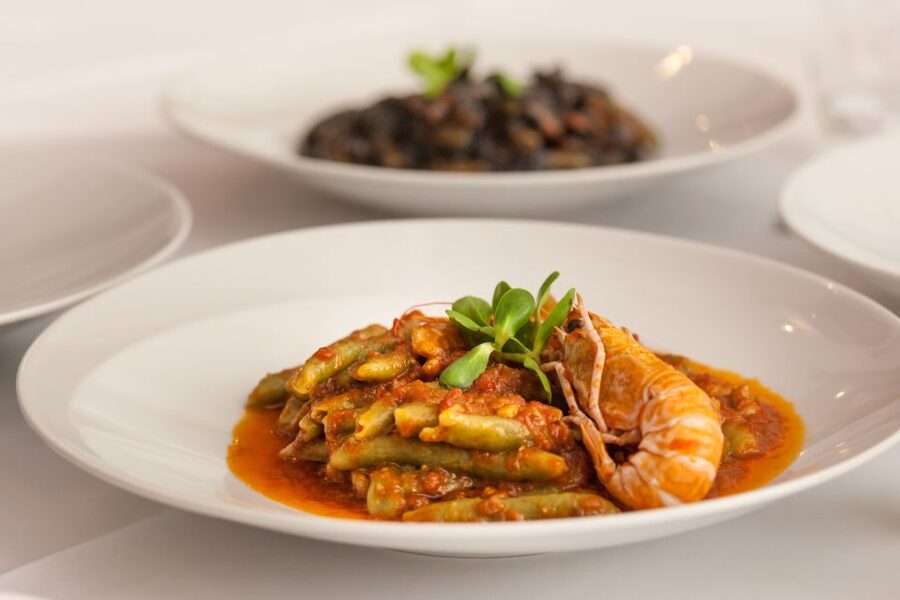
The first restaurant course is a traditional seafood starter served with white wine. The second course includes two types of traditional pasta and the famous black risotto, paired with local red wine from Brač Island.
Black risotto gets its dark color from cuttlefish ink. It is one of those dishes many people would not order without a little encouragement, which is exactly where a food guide helps. The tour gives you a chance to try it in context, rather than guessing from a menu translation.
The pasta and seafood make this more substantial than a tasting crawl. Several people describe the portions as generous, and that is worth taking seriously. Eat lightly before the tour, especially if you choose the morning departure. You will be served food at the market, then a full savory meal, then dessert.
The wine pairings add value, particularly if you enjoy trying regional bottles. White wine accompanies the seafood, while red wine from Brač comes with the later dishes. If you do not drink alcohol, the price may feel less attractive because wine and grappa are built into the experience. One guest specifically found the cost a little high for a partner who did not drink.
Dessert changes with the season
The final stop is a light gelato or a traditional dessert, depending on the season. Spring, summer, and autumn may bring different choices, so you should not book this expecting one fixed sweet.
That flexibility is sensible in a food tour. Gelato is easy to find elsewhere in Split, while a traditional dessert offers something less familiar. If you have a choice, ask what the local dessert is before deciding. Some people would prefer the regional specialty over another scoop of gelato.
The sweet course is small compared with the earlier food, but it gives the tour a clean finish. It also means the entire experience is structured like a meal: opening bites at the market, a walk through the city, savory courses in a tavern, and something sweet at the end.
The guides make the difference
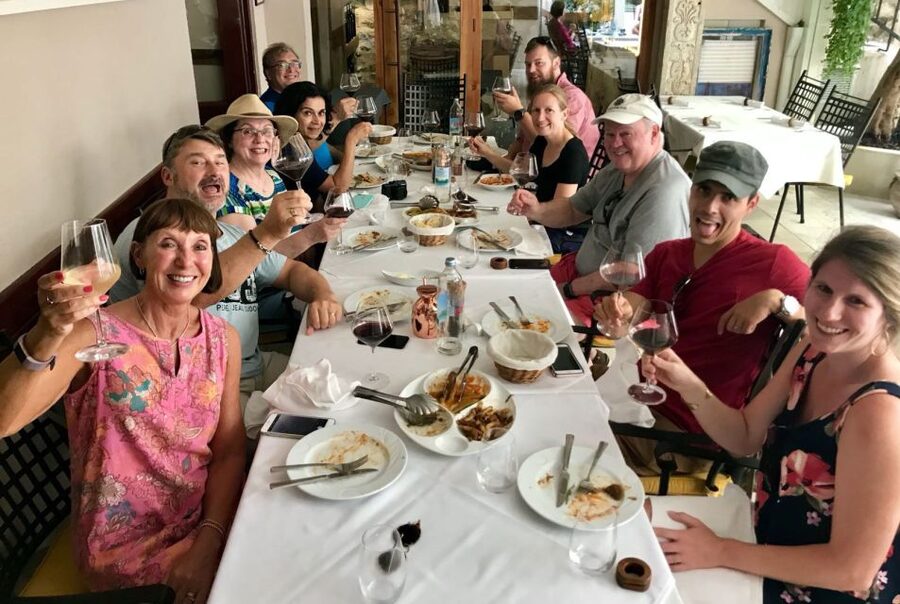
The provider is Aroma Delmatica j.d.o.o., and the tour uses licensed English-speaking local guides. Guide assignments can vary, but names associated with this experience include Hani, Christian, Ana, Maria, Ella, Olga, Lucija, Christina, Vicky, Doris, and Darko.
The strongest praise goes to guides who combine food knowledge with personal stories. Hani is described as funny and passionate about Split’s culture. Olga is often noted for explaining both the city’s past and the details of local ingredients. Christina is praised for making people comfortable, answering questions, and keeping the mood light. Lucija and Vicky are also singled out for warmth and strong explanations.
That range matters because a food tour depends heavily on the person leading it. The guide is not only carrying information from one stop to the next. They explain how dishes are prepared, why certain foods matter in Dalmatia, and how the old center is used today.
The best guides also adjust to the group. One guide made changes for dietary restrictions, and vegetarian guests were accommodated. Still, you should state allergies or diet restrictions when booking. Do not assume every menu item can be changed at the last moment.
What $135 includes
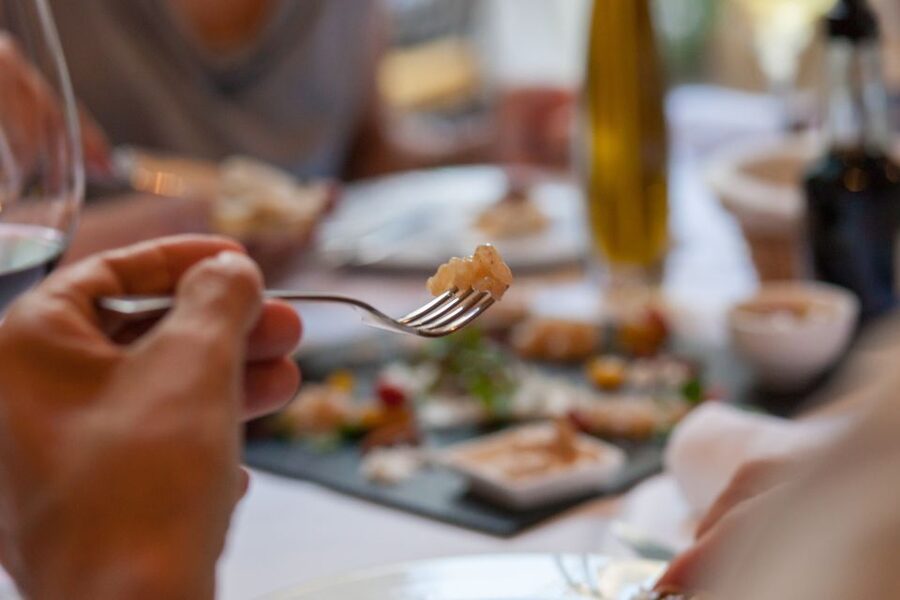
At $135 per person, this is not a cheap snack walk. The price includes all food and wine, plus the licensed local guide. It does not include hotel pickup or drop-off, so you need to reach the meeting point yourself and return from there when the three hours are over.
The value depends on how you use the tour. If you want a few small samples and prefer to choose your own restaurants, the cost may feel high. If you want a guided introduction to Split, a full lunch, several drinks, and regional dishes that might not otherwise make it onto your order, the price is easier to justify.
I would also count the advice as part of the value. Guides often explain where to eat, what to look for in local food, and how to understand dishes on later menus. Several people found the tour especially useful at the start of a stay because it helped them decide what to try afterward.
The food quantity is a real part of the calculation. You are paying for a morning or afternoon meal, not just a sample plate. Couples or families should plan accordingly, and anyone with a small appetite may find the portions more than they need.
Morning or afternoon?
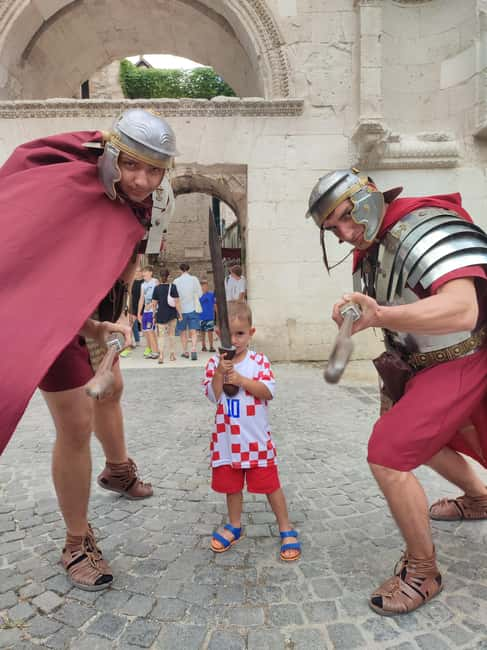
Choose the morning option if you want the Green Market. This is the clearest way to experience the food and the city in the order intended: market ingredients first, palace walk second, tavern meal afterward.
The afternoon option does not include the market because it is closed later in the day. Instead, similar foods are tasted in a local tavern. That still gives you the food and history combination, but it removes the direct look at daily market life.
A morning tour also makes sense for first-time visitors. You get orientation to Peristil, the Golden Gate, Pjaca, and the surrounding old center before spending more time on your own. An afternoon departure may work better if you want a relaxed start, but you should accept that the market portion is different.
The tour ends back at the meeting point. There is no hotel transfer, and the exact starting point can vary by the option booked, so check your confirmation carefully.
Who should book this experience?
I would recommend it to you if you enjoy trying local food but want someone to explain what is on the plate. It also suits first-time visitors who want history without committing to a long, formal sightseeing walk.
It is a good match for couples, small groups, and people who enjoy social meals. The pace is relaxed, and the shared tables can make the experience feel more like a long lunch with a local host than a rushed sequence of stops.
You should think twice if you dislike seafood, wine, cured meats, or large meals. Some dishes may be unfamiliar, including black risotto and other seafood preparations. Dietary needs can be accommodated in some cases, but you need to report them in advance.
It is also less suited to anyone who wants a precise, fixed menu. Dessert changes by season, guides vary, and the afternoon route differs from the morning route. That flexibility is part of the charm, but it means the experience is not identical for every departure.
Practical booking advice
Book this tour early in your Split stay if you want help choosing food for the rest of your visit. The guide can give you useful direction before you spend several evenings ordering at random.
Tell the operator about allergies and dietary restrictions when you reserve. The tour is in English, and the food and wine are included. You can reserve now and pay later, and cancellation is available up to 24 hours before the tour for a full refund.
Wear comfortable shoes for the palace walk, though the experience is only three hours and does not involve a long excursion outside the center. Most important, arrive ready to eat. The repeated advice to come hungry is not a joke.
Should you book it?
Book it if you want Split explained through its food, not just its monuments. The Green Market, Peristil Square, Golden Gate, Pjaca, and the konoba meal give you a useful cross-section of the city in one compact outing.
The strongest reasons to choose it are the generous food, local wine pairings, and guides who bring personality to both the cooking and the history. The main cautions are the $135 price, the alcohol-heavy format, and the missing market stop on afternoon departures.
For the best version, choose the morning option, disclose dietary needs, and skip a large breakfast. If that plan suits you, this is a practical and tasty introduction to Split.
FAQ
How long is the Split food and history tour?
The experience lasts three hours.
What food is included at the Green Market?
The morning option includes prosciutto, cheese, peka bread, soparnik pie, and grappa.
Does the tour visit Diocletian’s Palace?
Yes. The route includes historical highlights such as Peristil Square and the Golden Gate.
Does the tour visit Pjaca?
Yes. The itinerary includes Pjaca, a medieval Venetian square.
What is served at the konoba?
You can expect a traditional seafood starter with white wine, two types of traditional pasta, black risotto, and local red wine from Brač Island.
Is dessert included?
Yes. The final course is light gelato or a traditional dessert, depending on the season.
Does the afternoon option include the Green Market?
No. The market is closed in the afternoon, so similar foods are tasted in a local tavern instead.
Are hotel transfers included?
No. Hotel pickup and drop-off are not included, and the activity ends back at the meeting point.
Newest history tours we have reviewed in Split
- Split: Private Walking Tour in the Historical Town Center★ 5.0 · 25 reviews
- Split Walking Tour with History Professor★ 5.0 · 23 reviews
- Split: Walking tour of Split with a ‘Magister’ of History★ 5.0 · 110 reviews
- Split: Local History and Culture 90-Minute Walking Tour★ 5.0 · 194 reviews
- Experience Split History Walking Tour With Local Historian★ 5.0 · 28 reviews
- History Split Walking Tour in French -Small group★ 5.0 · 41 reviews
- Split History and Gastro Small-Group Tour with Food and Drinks★ 5.0 · 375 reviews
- Private History Split Walking Tour in English★ 5.0 · 159 reviews
Split History Tours, compared.

Walking Tour of Split with a ‘Magister’ of History
Read our review →
Split History and Gastro Small-Group Tour with Food and Drinks
Read our review →
Local History and Culture 90-Minute Walking Tour
Read our review →
Walking tour of Split with a ‘Magister’ of History
Read our review →Browse the lists this tour appears in