
Review · SINGAPORE HISTORY TOURS
Singapore: Chinatown Historic Walking Tour with Lunch
Singapore’s Chinatown is best understood on foot, where a temple doorway, old lane, and family-run shop can explain more than a quick photo stop. This 210-minute walking tour connects those pieces from Raffles Place to Smith Street, with lunch at one of the city’s oldest noodle houses along the way.
I like the mix of serious cultural history and everyday food. I also like that the route includes less obvious stops, such as Fuk Tak Chi Museum, Goh Loo Club, Pek Sin Choon tea merchant, and Fong Moon Kee. The main drawback is simple: you cover a lot of ground, often in Singapore’s heat or rain, so comfortable shoes and water matter.
Key points at a glance
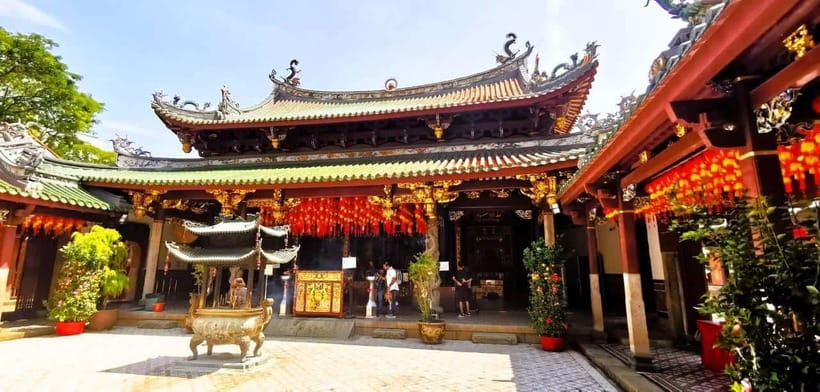
- Thian Hock Keng Temple dates to 1821: See one of Chinatown’s finest historic places of worship and hear why it mattered to early Chinese immigrants.
- Lunch is part of the experience: Chiew Kee Noodle House serves the soy sauce chicken that made it famous.
- The route crosses several faiths: Yueh Hai Ching Temple, Nagore Dargah, Thian Hock Keng Temple, Sri Mariamman Temple, and Buddha Tooth Relic Temple all appear along the way.
- Old shops still shape the walk: Pek Sin Choon offers tea and Cantonese pastries, while Fong Moon Kee keeps traditional remedies at the end of the tour.
- Ping is a major strength: Her storytelling, local knowledge, humor, photos, and care with walking pace receive repeated praise.
- Rain will not cancel the outing: A disposable poncho is included, but you should still bring water and suitable footwear.
Why this Chinatown walk is more than a temple tour
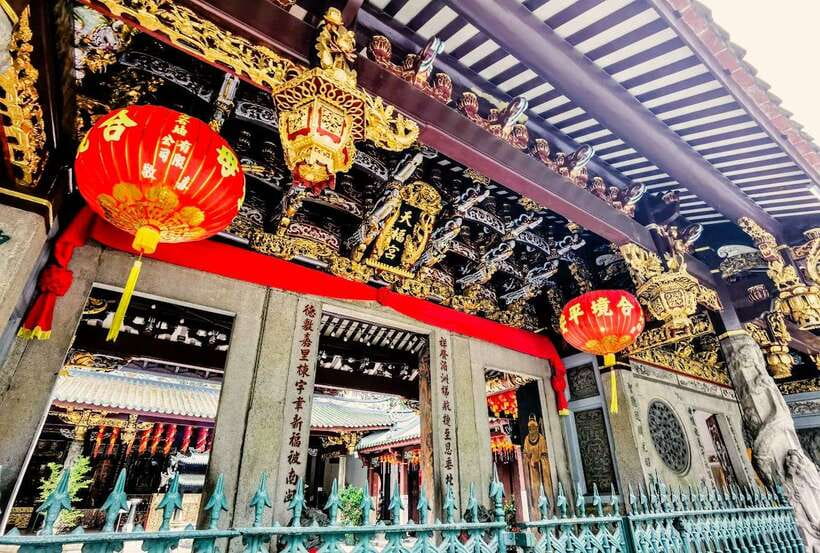
This is not a quick circuit of the famous Chinatown attractions. It begins near Raffles Place, then gradually moves through older streets and lanes where Chinese temples, Muslim heritage, Indian religious sites, food stalls, tea merchants, and restored shophouses sit close together.
That sequence matters. Singapore is often presented as a polished modern city, but this walk shows the older layers beneath it. You see how different communities lived and worked near one another, how places of worship served early immigrants, and how food and family businesses kept traditions going.
The tour is led in English. Ping is the guide most often singled out for her clear explanations and lively delivery. She also takes photographs during the walk and sends them afterward, a useful extra if you are traveling alone or simply want pictures without constantly stopping to take your own.
The pace is described as comfortable rather than rushed, but this remains a long walking morning. The route includes many short stops, and the guide adjusts the pace when needed. It is a good fit if you enjoy asking questions and looking closely at buildings. It is less suitable if you want a ride between sights or a slow lunch with lots of spare time.
More History Walking Tours in the world:
- History and Hauntings of Salem Guided Walking Tour
★ 5.0 · 14,564 reviews - Lisbon: History, Stories and Lifestyle Walking Tour
★ 4.8 · 10,902 reviews - Boston: Freedom Trail History Small Group Walking Tour
★ 5.0 · 6,450 reviews
Starting at Yueh Hai Ching Temple near Raffles Place
Meet at 9:55 AM in front of The Whisky Distillery at One Raffles Place, across from Raffles Place MRT Station Exit A at street level. The walk begins at 10:00 AM, so allow time to find the correct side of the station.
The first stop is Yueh Hai Ching Temple, where you get an early sense of the tour’s approach. This is not just an old building to photograph. It is presented as a place connected to the hopes and religious life of Chinese immigrants arriving by sea.
The 20-minute guided visit gives the group time to look at the temple and understand its place in Singapore’s story. Starting here, in the modern business district, also makes the city’s transformation clear. Glass towers and old religious buildings share the same compact center.
Pekin Street and the small Fuk Tak Chi Museum
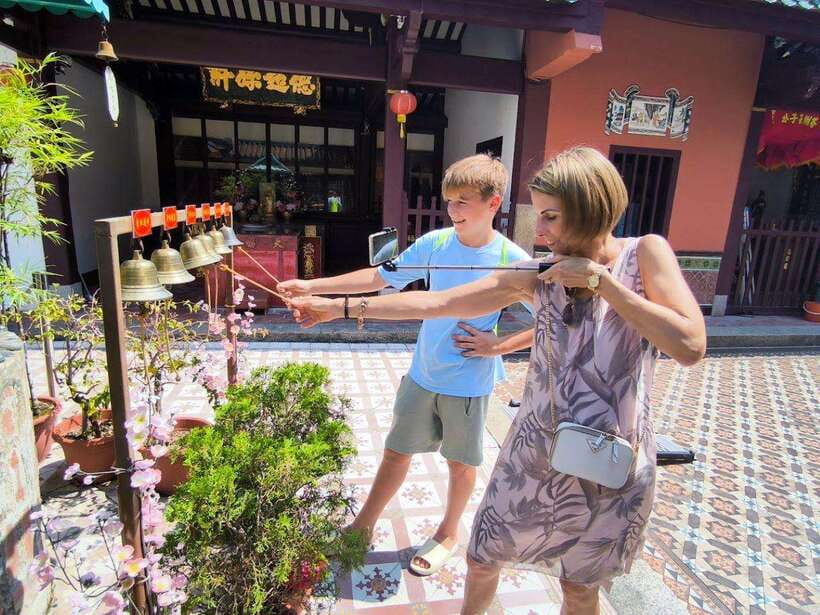
From Yueh Hai Ching Temple, the walk continues along pedestrian-only Pekin Street to Fuk Tak Chi Museum. The museum occupies a former Taoist shrine that has been restored inside a boutique hotel.
This is one of the route’s more intimate stops. You are not entering a vast museum with endless displays. Instead, you get a focused look at a small place of worship and the kind of community setting that once served local residents.
The guide spends about 20 minutes here. That is enough for a useful explanation without letting one stop swallow the morning. I particularly like this part for visitors who want to see how preservation works in Singapore. The building has a new setting, but its earlier purpose remains part of the story.
A short visit to Nagore Dargah follows. The five-minute stop adds another religious and cultural thread to the route. It also prevents the tour from treating Chinatown as a place belonging to only one community.
Thian Hock Keng Temple and the meaning of Mazu
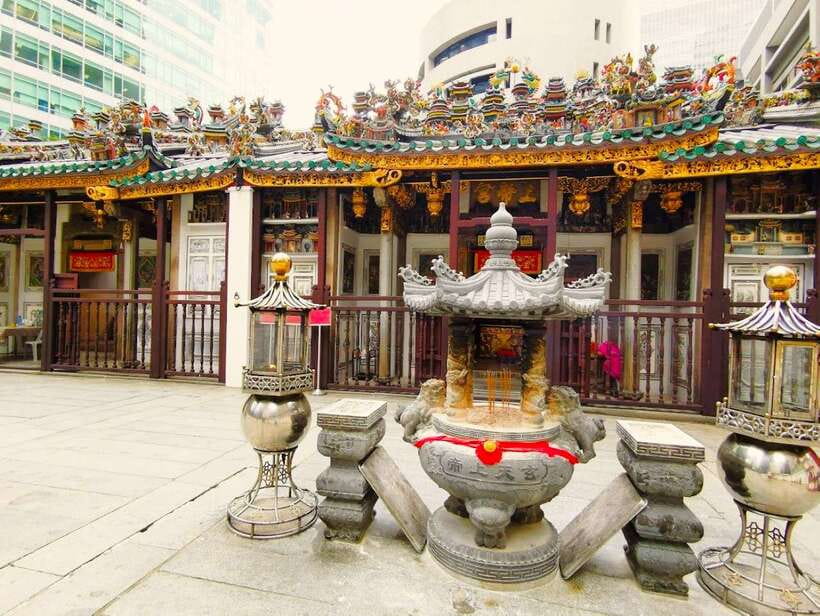
The major early highlight is Thian Hock Keng Temple, built in 1821 and dedicated to Mazu, the sea goddess. The 25-minute guided visit gives you time to study its architecture and learn why a sea deity mattered so much to people whose lives depended on dangerous ocean journeys.
This is the kind of stop where a guide adds real value. Without context, you may notice the roof, carvings, and color but miss the connection between the temple and the experiences of early arrivals. With Ping or another strong guide, the building becomes part of a much larger story about migration, trade, faith, and survival.
The temple is also a good place to slow down visually. Look at the details rather than treating the visit as another item to tick off. The itinerary has many stops, but this one deserves your full attention.
More Lunch Experiences in the world:
- Douro Valley: Historical Sites, Wine Experience, Lunch & Cruise
★ 5.0 · 5,133 reviews - Tromsø: Reindeer Camp and Sami Cultural Tour with Lunch
★ 4.7 · 3,326 reviews - Ninh Binh Heritage Full Day Tour with Buffet Lunch and Limousine
★ 5.0 · 2,692 reviews - From Kuala Lumpur: Historical Melaka Day Tour with Lunch
★ 4.4 · 2,297 reviews
Ann Siang Hill, clubs, and old Chinatown lanes
The route then turns toward Ann Siang Hill, with a short guided visit of about 10 minutes. This section shifts from religious buildings to social and commercial life.
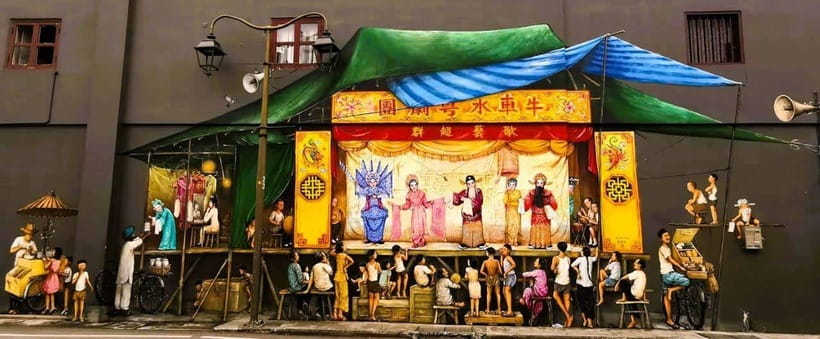
The Chinese Weekly Entertainment Club and Goh Loo Club reveal another side of old Chinatown. The former receives a short visit, while the Goh Loo Club gets about 20 minutes. The club buildings and shophouses offer a way to understand how Chinese communities gathered, worked, and maintained social connections.
Mohamed Ali Lane follows, with more stories about the area’s past. Do not expect a large attraction at every point. Some stops are about a facade, a lane, or a story attached to a place. That is part of the appeal, but it also means you should enjoy detail and explanation rather than expect one dramatic sight after another.
This is where the guide’s personality matters most. Ping is repeatedly praised for answering questions, using humor, and comparing older Singapore with the modern city. She also shares personal connections and local observations, which can make the walk feel less like a lecture.
Soy sauce chicken at Chiew Kee Noodle House
Lunch at Chiew Kee Noodle House lasts about 35 minutes and is included in the $54 price. The restaurant is known for soy sauce chicken and is described as one of Singapore’s oldest and most loved eating places.
The meal gives the walking tour a needed change of rhythm. You sit down, eat, and experience a family-run local institution rather than stopping at a modern chain or a restaurant chosen only for convenience. The food is simple, but that is exactly the point. This is a chance to try a dish connected to the neighborhood’s everyday food culture.
Do not expect a long restaurant meal with a wide choice of courses. The lunch is an efficient part of a packed morning. If you have strong dietary restrictions, check the details before booking because the information provided does not list alternatives.
Several people who have taken the tour describe the lunch as delicious, local, and a highlight. I would treat it as a valuable inclusion, especially since food, history, and neighborhood life are tied together here.
From Yue Hwa to Sri Mariamman Temple
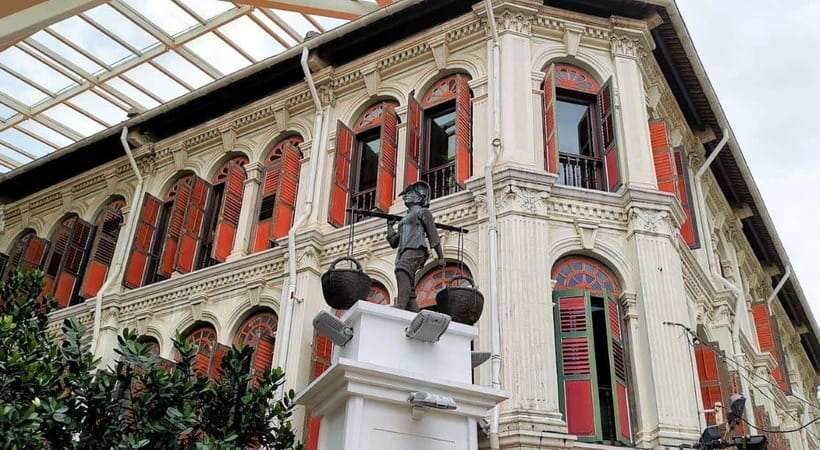
After lunch, the walk continues past Yue Hwa Building, The Majestic, Pagoda Street, and Sri Mariamman Temple. Some stops are brief. Yue Hwa receives only a few minutes, and The Majestic is mainly a photo stop with a short explanation.
That timing tells you how the tour works. You get a broad look at many landmarks rather than an extended visit inside each one. Pagoda Street receives about 10 minutes, enough to discuss its role in Chinatown and point out details you might otherwise walk past.
Sri Mariamman Temple adds a major Hindu site to the route. Its presence helps explain Singapore’s mixed cultural makeup and keeps the tour from presenting Chinatown as a sealed Chinese district. The 10-minute guided stop is short, but it fits the wider theme of neighboring communities and shared city space.
Because several visits happen close together, this is one of the most efficient parts of the walk. It also means you should listen closely. A short stop can still be useful when the guide gives the right context.
Smith Street, Sago Lane, and Chinatown’s working past
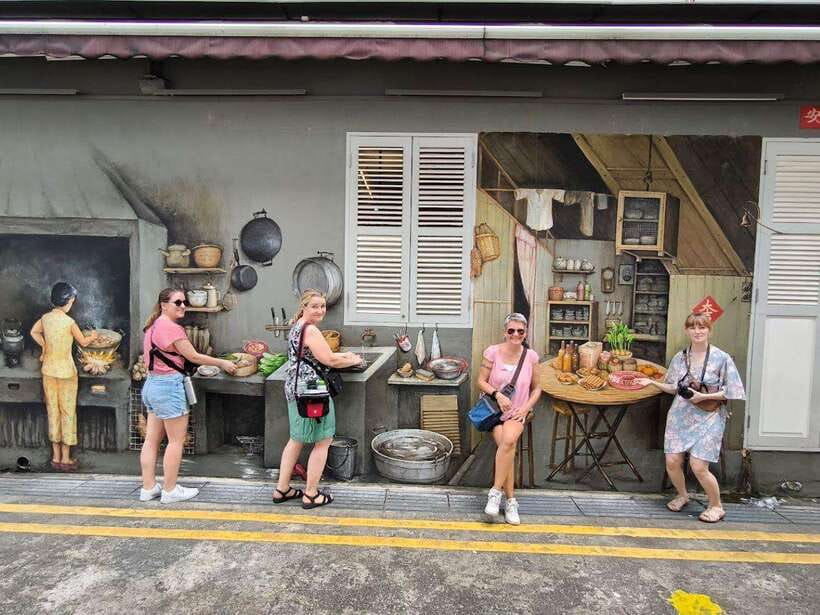
Smith Street receives another 10-minute visit before the route continues toward Sago Lane. The walk here is less about grand monuments and more about how the area functioned.
Sago Lane was once associated with the city’s sago factories. That detail helps you picture Chinatown as a place of production and labor, not only temples, souvenir shops, and restaurants. The route keeps returning to this idea: look past the modern storefronts and you can still find traces of older working life.
The tour also includes Buddha Tooth Relic Temple and Maxwell Food Centre. The temple is given about five minutes, while Maxwell Food Centre receives a short guided visit. These are familiar Chinatown landmarks, but their place late in the tour works well. By this point, you have enough background to see them as part of the district’s food, worship, and visitor culture rather than isolated attractions.
You should not expect a long meal at Maxwell Food Centre because lunch has already taken place at Chiew Kee. Think of this as an orientation stop, useful for returning later if you want to eat independently.
Singapore City Gallery and the final view of the city
Singapore City Gallery receives about 20 minutes and provides a broader view of how the city has changed. After walking through temples, lanes, clubs, shops, and food streets, this stop helps connect local history with the modern urban plan around you.
The gallery is a fitting final major stop because it shifts your attention from individual buildings to the city as a whole. You finish with a clearer sense of why old Chinatown sits so close to newer commercial districts and why preservation and redevelopment appear side by side.
The published route also describes a final visit to Fong Moon Kee, a family-run traditional medicine shop operating since the early 1900s. Depending on the exact running order, this may be the final Chinatown stop before you make your own way back. Its focus on remedies and family business adds one last look at a tradition that remains part of daily life.
Tea, pastries, and traditional medicine
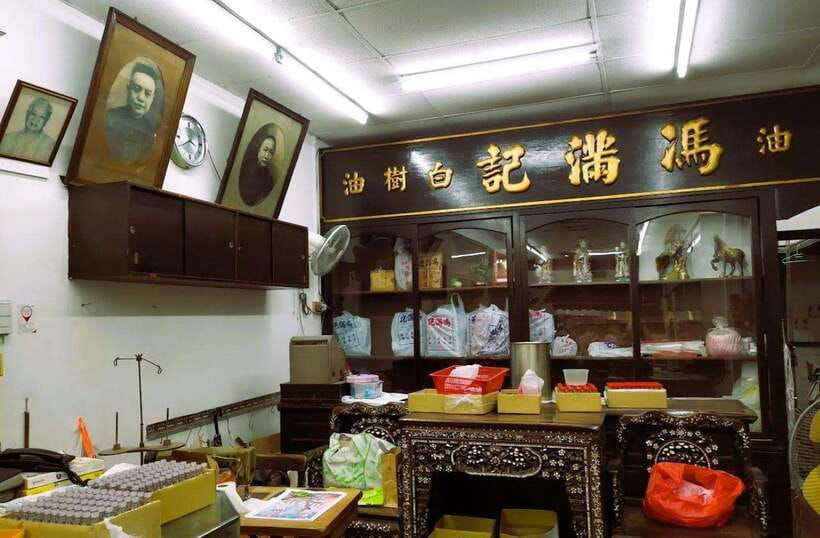
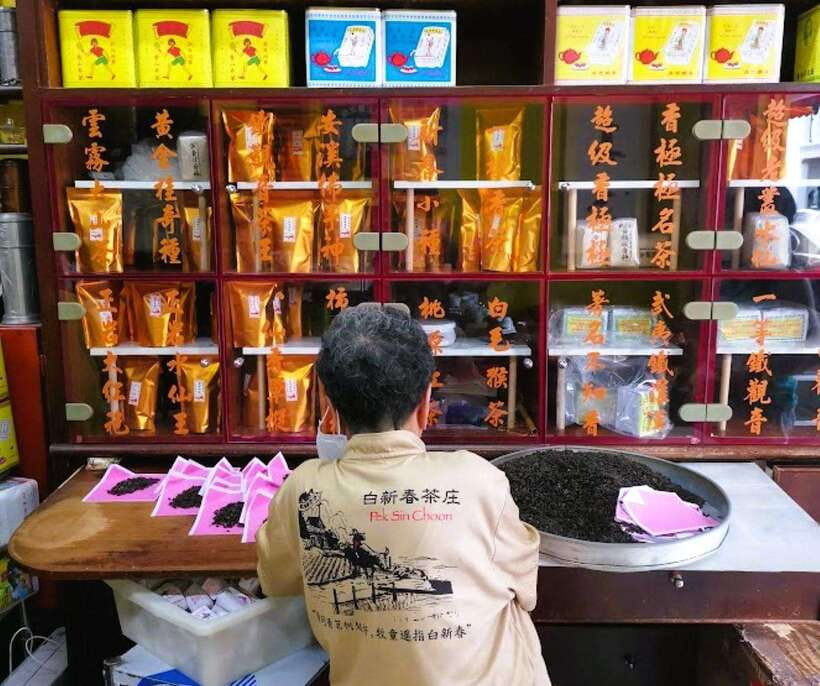
Pek Sin Choon is another especially appealing stop. This tea merchant has more than a century of history, and you have time to look at tea and Cantonese pastries.
This is a practical shopping stop, but it is not only about buying something. Tea shops offer a direct link to habits that have lasted across generations, and Cantonese pastries make an easy edible souvenir. You can browse without committing to a purchase.
Fong Moon Kee gives the tour a similar local-business feel. A traditional medicine shop can be unfamiliar if you have not visited one before, so the guide’s explanation is useful. You can ask questions and see how a family-run business fits into the modern neighborhood.
These stops are stronger than generic souvenir shopping because they are tied to the history and daily routines of Chinatown. They also give you a chance to take home something connected to the area rather than a mass-produced item.
What the $54 price gets you
At $54 per person, the tour includes the guide, the Chiew Kee Noodle House lunch, and a disposable poncho if rain arrives. You pay separately for any purchases, such as tea or pastries, and there is no hotel pickup or drop-off.
The value is strongest if you want one organized morning that combines food, temples, history, and orientation. A private guide would cost far more, while exploring every stop independently would require research and careful navigation. You are paying mainly for the explanation and route design, not for expensive entry tickets.
The price is less compelling if you already know Chinatown well, prefer wandering alone, or want to spend a long time inside just one temple or museum. The tour covers a lot, and its strength is connection between places.
Free cancellation up to 24 hours before the start and the option to reserve now and pay later add flexibility. The tour runs rain or shine. Bring water, wear comfortable shoes, and carry an umbrella if the forecast looks wet, even though a poncho is supplied.
Who should book this walking tour
I would recommend it to first-time visitors who want Chinatown explained rather than simply photographed. It also suits solo travelers, couples, families with older children, and anyone interested in food, religion, architecture, or Singapore’s changing identity.
The tour is particularly good for people who appreciate a guide who can answer questions. Ping is repeatedly praised for her warmth, clear English, sense of humor, photos, and willingness to adjust the pace. If she is leading your departure, expect a personal and energetic morning.
You should think twice if walking for three and a half hours in heat or rain sounds unpleasant. The route is full, with many stops and little dead time. It is rewarding, but it is not a lazy brunch outing.
Should you book it?
Book this tour if you want a well-connected introduction to Chinatown, especially one that includes places you might miss on your own. The combination of Thian Hock Keng Temple, old clubs, local food, tea, pastries, and traditional medicine gives the morning more range than a standard landmark walk.
The best reason to choose it is the guide. Ping’s storytelling and attention to people appear to shape the experience as much as the buildings do. Bring water, wear sensible shoes, and arrive ready to walk in any weather. For $54, lunch and a strong local guide make this a solid choice for your first or second day in Singapore.
FAQ
How long does the Chinatown walking tour last?
The tour lasts 210 minutes, or three and a half hours.
Where does the tour meet?
Meet in front of The Whisky Distillery at One Raffles Place, across from Raffles Place MRT Station Exit A at street level. The meeting time is 9:55 AM, with a 10:00 AM start.
What language is the tour conducted in?
The live tour guide speaks English.
Is lunch included?
Yes. Lunch at Chiew Kee Noodle House is included in the tour price, with soy sauce chicken as the restaurant specialty.
What places of worship are included?
The route includes Yueh Hai Ching Temple, Nagore Dargah, Thian Hock Keng Temple, Sri Mariamman Temple, and Buddha Tooth Relic Temple.
Does the tour run if it rains?
Yes. The tour takes place rain or shine, and a disposable poncho is included if it rains.
What should I bring?
Bring comfortable walking shoes and water. A personal umbrella may also be useful in wet weather, although the tour includes a disposable poncho.
Newest history tours we have reviewed in the world
- Enjoy Ancient Mostar★ 4.0 · 45 reviews
- Private Dublin Historical and Heritage Tour by Bike★ 5.0 · 30 reviews
- Dubrovnik by Night, History, Wine & Bites★ 5.0 · 41 reviews
- DayTripper Dublin: A Guided City Walking Tour★ 5.0 · 90 reviews
- Ancient Old City– Finest tour of Dubrovnik★ 5.0 · 64 reviews
- Historical Walking Tour of Dublin★ 5.0 · 50 reviews
- Dublin LGBTQ Pride Historical and Cultural Walking Tour★ 5.0 · 91 reviews
- Interactive Living History in Dalkey Castle near Dublin City★ 5.0 · 133 reviews
History Walking Tours, compared.
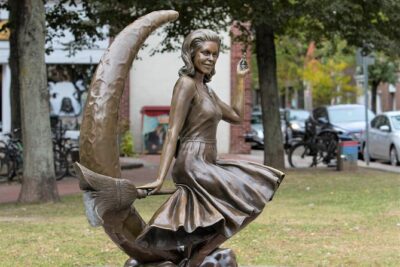
History and Hauntings of Salem Guided Walking Tour
Read our review →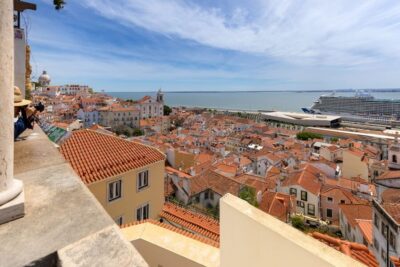
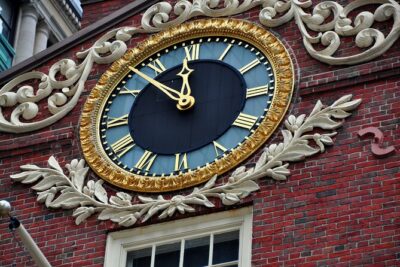
Freedom Trail History Small Group Walking Tour
Read our review →
Historic Charleston Guided Sightseeing Walking Tour
Read our review →
Tapas Walking Tour with Food, Wine, and History
Read our review →
Savannah History and Haunts Candlelit Ghost Walking Tour
Read our review →
A History of Terror – Belfast City Centre Walking Tour
Read our review →Browse the lists this tour appears in