
Review · OLD TOWN & HISTORIC CENTRE WALKS
Santiago: Guided Walking Tour of the Historical Old Town
Santiago reveals itself best on foot, and this route gives you a fast, useful introduction to the city’s old center and its neighboring districts. You begin at La Moneda and finish at Patio Bellavista, passing grand civic buildings, the Cathedral, art museums, a hilltop viewpoint, and restaurant-lined streets along the way.
I like the small group of no more than 10 people, which makes it easier to ask questions and keep up with the guide. I also like how the route links history with practical suggestions for museums, restaurants, and places to return to later. The main drawback is that three hours is a brisk stretch of walking, especially in hot weather, and the tour does not include lunch or entry to Pablo Neruda’s house or San Cristobal Hill.
Key points at a glance
- A strong first-day route: Start at La Moneda and finish in Bellavista, so you can get your bearings and choose places to revisit.
- Eugenio is the central asset: He explains Santiago’s history, politics, architecture, food, and daily life in English, Spanish, or Portuguese.
- The Cathedral dates to 1748: Plaza de Armas gives you one of the clearest introductions to Santiago’s colonial and civic core.
- Santa Lucia Hill adds a viewpoint: You leave the street grid for broad city views, with free entrance from Tuesday through Sunday.
- The route covers several districts: Bellas Artes, Lastarria, Forest Park, and Bellavista each bring a different mood.
- Plan for real walking: Comfortable shoes, sun protection, and a bottle of water are sensible, even though bottled water is included.
Why this three-hour route works
Santiago’s center can feel like a series of separate pieces when you first arrive. La Moneda, the Plaza de Armas, Bellas Artes, Lastarria, and Bellavista are all close enough to connect on foot, but each has its own character. This tour ties them together with a clear story.
At $25 per person, the value comes from the guide rather than admission tickets. Most of the route takes place in public streets, plazas, and outdoor areas. You are paying for a local explanation of what you are seeing, help with orientation, answers to questions, and a planned route that would take more effort to assemble alone.
I would especially consider it if you have only one day in Santiago, a short stop between flights, or a first morning before exploring on your own. Several people have used it to get a basic map of the city, then returned to museums, restaurants, and neighborhoods that caught their interest.
The group size matters. With up to 10 people, Eugenio can keep an eye on the pace and respond to individual questions. His approach also works well for mixed-language groups. He has explained stops in English and Spanish, and the tour is available in Portuguese as well.
More Old Town and Historic Centre Walks in the world:
- Madrid Essential: Historic Center, Plaza Mayor & Royal Palace
★ 5.0 · 6,416 reviews - Lisbon: Live Fado Show with Port Wine in Historic Center
★ 4.7 · 4,166 reviews - Valencia Old Town Tour with Wine & Tapas in 11th Century Historic Monument
★ 5.0 · 3,234 reviews
La Moneda and the civic heart of Santiago
The tour starts at the Palacio de la Moneda, Chile’s best-known government building. From here, the route moves through the city center and introduces you to the public institutions that shaped Santiago.
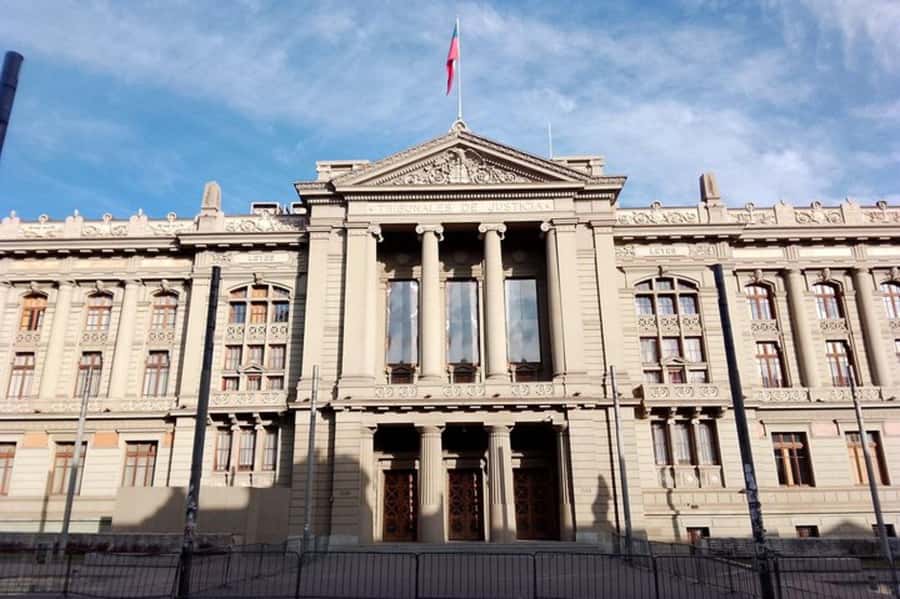
You pass the Stock Exchange Building, Bandera Avenue, and the Palace of Justice. These are not just photo stops. They help you see how commercial power, government, and the courts occupy the same central district.
The guide’s role is important here because the buildings can look impressive without being easy to place in context. Eugenio is particularly good at connecting architecture with Chilean political and commercial life. Expect plenty of questions and a steady flow of facts, but also explanations about how the city functions today.
Bandera Avenue adds a more active street scene to the grand buildings. It is a useful contrast: Santiago’s center is not only a collection of monuments, but also a working part of the city. The walk gives you a look at both the formal and everyday sides of downtown.
Congress, Plaza de Armas, and the 1748 Cathedral
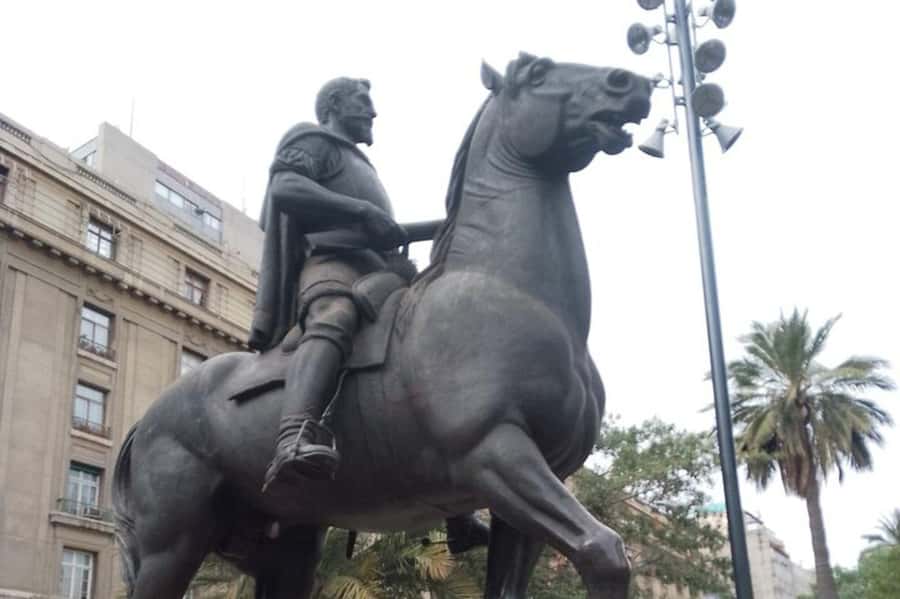
The route continues to the former National Congress and then reaches Plaza de Armas, Santiago’s central historic square. This is one of the most important stops because so many parts of the city’s story meet here.
The square gives you a chance to pause and take in the surrounding buildings before entering or viewing the Cathedral of Santiago. The Cathedral dates to 1748, and its scale makes sense only when you see it in relation to the plaza and the other civic structures around it.
You should not expect a long private visit with detailed interior access included as a separate feature. This is a walking tour, not a cathedral tour. The value is in understanding how the Cathedral fits into Santiago’s central plan and in hearing the history behind the building and its setting.
The City Hall of Santiago follows as another major civic landmark. By this point, the tour has shown you several buildings that can blur together if you explore without context. A good guide separates them with stories about architecture, government, people, and the city’s development.
Bellas Artes brings art and street life together
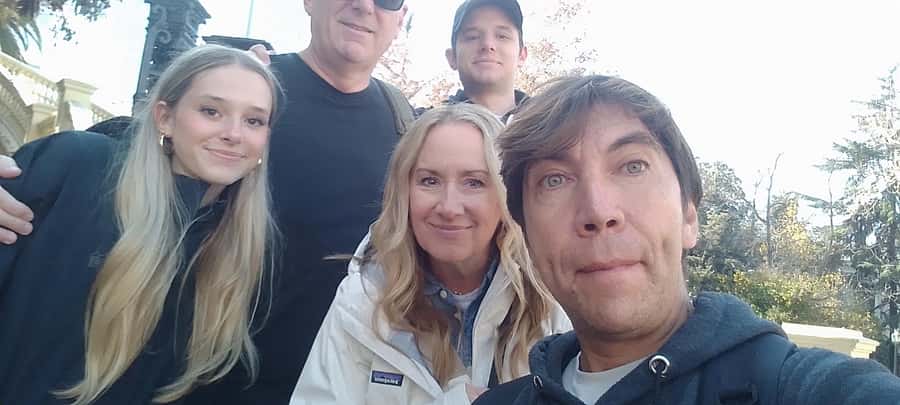
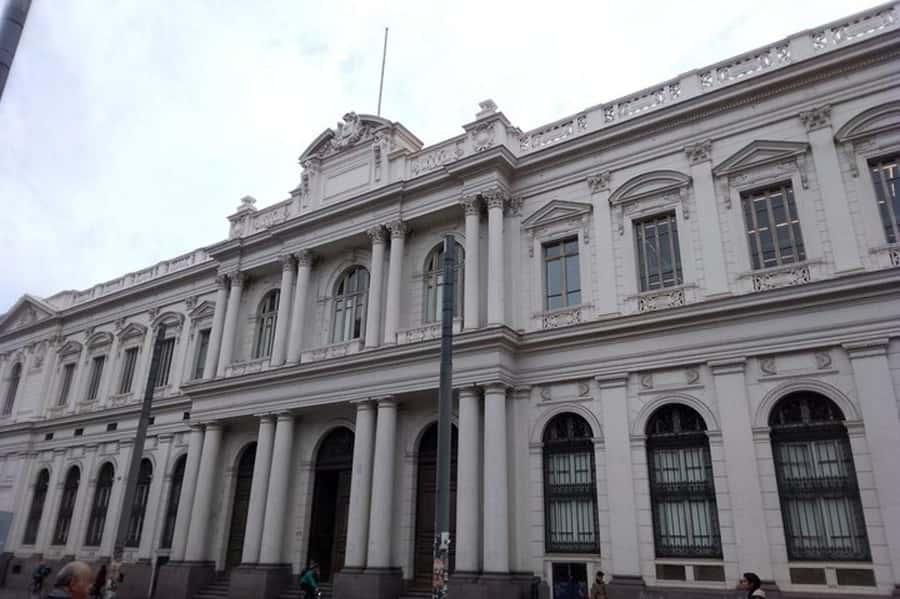
From the main civic center, the route shifts toward the Bellas Artes Neighborhood. The mood changes quickly. Here, you find a more artistic district, along with the Bellas Artes Museum.
The neighborhood is worth seeing even if you do not plan a full museum visit. Its appeal comes from the combination of cultural institutions, streets made for wandering, and a setting that feels different from the formal center. The museum is included in the route as a landmark, but museum admission is not listed as part of the $25 price, so ask your guide or check current entry arrangements if you want to go inside.
This part of the walk suits people who like to connect a city’s monuments with its cultural life. The tour does not keep you in one historic period. Instead, it shows how Santiago’s old center leads into districts shaped by art, cafés, and local social life.
The route is also useful for planning the rest of your stay. Eugenio has suggested museums and restaurants to people who want to continue exploring after the tour. That kind of advice can save you from spending your limited time on places that do not fit your interests.
More History Walking Tours in the world:
- History and Hauntings of Salem Guided Walking Tour
★ 5.0 · 14,564 reviews - Lisbon: History, Stories and Lifestyle Walking Tour
★ 4.8 · 10,902 reviews - Boston: Freedom Trail History Small Group Walking Tour
★ 5.0 · 6,450 reviews - Historic Charleston Guided Sightseeing Walking Tour
★ 5.0 · 6,216 reviews
Santa Lucia Hill and the best pause in the walk
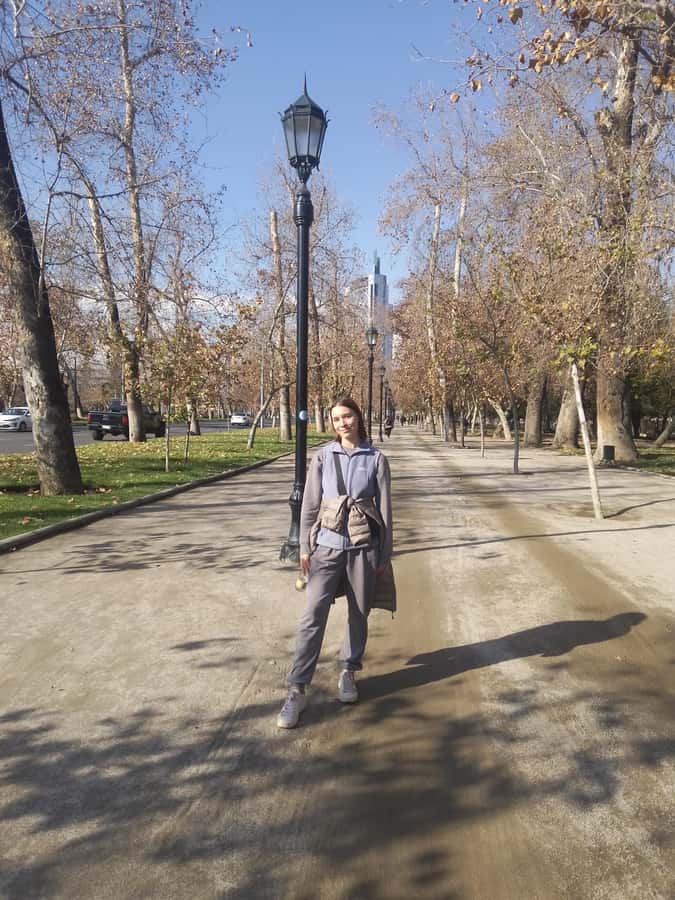
Santa Lucia Hill is one of the route’s most appealing changes of pace. You leave the flat streets and climb for views over the city. The hill offers a chance to understand Santiago from above, even if the weather or air conditions limit visibility.
Entrance is free from Tuesday through Sunday. The provided information does not state the admission arrangement for Monday, so check before you go if your tour falls on that day.
The climb is not a minor detail. You are walking for three hours, and Santa Lucia adds uphill sections and steps. Most people who are comfortable with ordinary city walking should find the route manageable, but it is not a relaxed bus tour. Wear shoes with a firm sole and bring sun protection.
Hot weather can make this section harder. Eugenio has adjusted stops to shaded spots and checked that people were comfortable during warm walks. That is useful, but you should still dress for the conditions. If you dislike heat, a cooler starting time may make the experience more pleasant, depending on availability.
The view is valuable because it changes your sense of scale. After seeing individual buildings at street level, you can look back over the central districts and understand how the city spreads beyond the historic core.
Lastarria and Forest Park slow the pace
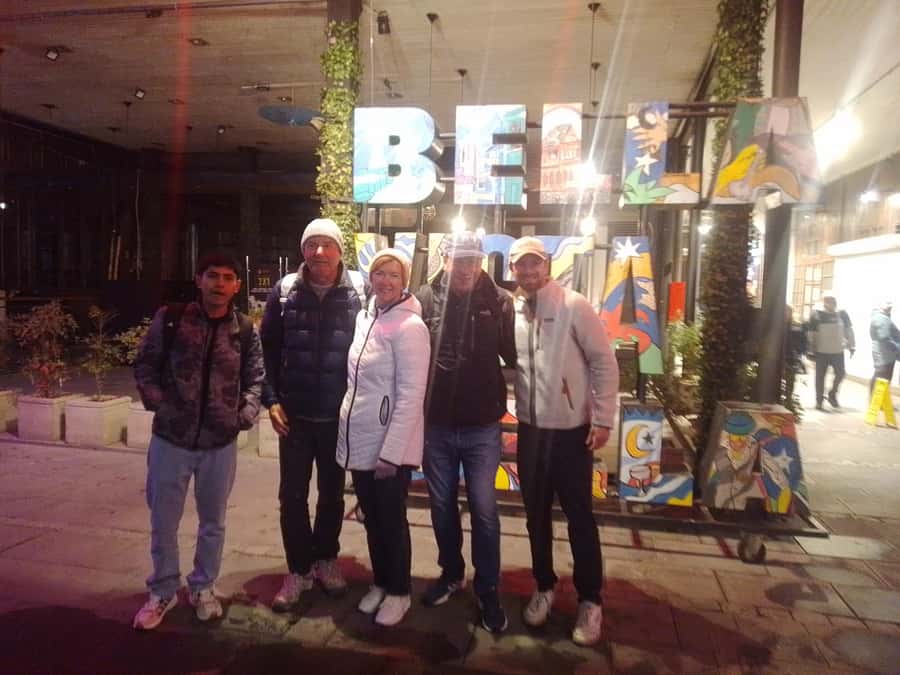
After Santa Lucia Hill, the tour moves through Lastarria and Forest Park. These sections help break up the formal architecture and add more open space to the route.
Lastarria is a good place to note for later. It is close to Bellas Artes and suits an afternoon of cafés, culture, and strolling. The tour gives you an introduction rather than enough time to explore every side street, so mark down the places that interest you and return after the group walk.
Forest Park provides a calmer section before the final neighborhood. It is a welcome pause after the hill and central streets. You can expect the guide to keep the group moving, but the pace has generally been described as manageable, with regular stops for explanations and questions.
That balance is one of the strongest parts of the experience. The tour covers a lot, but it is not designed as a forced march. Eugenio has allowed extra time when questions or explanations required it, and he has been attentive to slower members of the group.
Still, do not confuse manageable with effortless. You will cover several districts on foot, and the tour can run longer than three hours when the group has many questions. That can be a benefit if you want more local detail, but it may matter if you have a fixed reservation afterward.
Bellavista is a practical finish

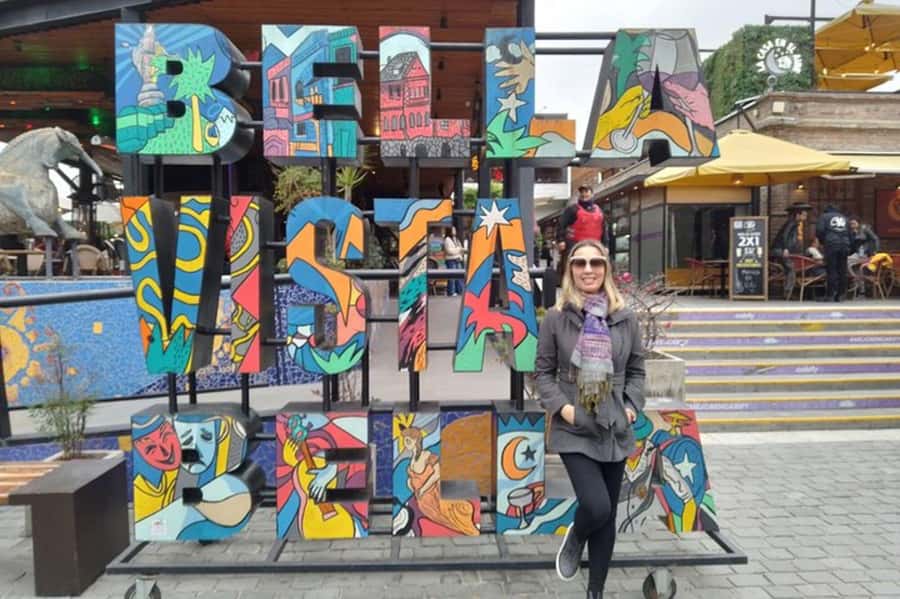
The walk ends in Bellavista, one of Santiago’s best-known food and nightlife districts. The endpoint is Patio Bellavista, which gives you an easy place to continue with lunch, a drink, or further exploration.
Ending here makes practical sense. You are not left at a quiet monument with limited options. Instead, you finish near restaurants and other places to eat, making it simple to turn the walking tour into the first half of your day.
Lunch is not included, so budget separately. The guide can offer restaurant suggestions, but you choose and pay for your own meal. This is also where the tour’s food angle is strongest. Bellavista is presented as a place to explore local flavors, though the activity does not include a tasting menu or a dedicated food tour.
The route does not include San Cristobal Hill or Pablo Neruda’s house. That is important when comparing this with a broader Santiago sightseeing plan. You can add those visits separately, but do not book this walk expecting admission or transport to either one.
What the guide adds to the experience
The repeated strength of this tour is the guide, Eugenio, also referred to as Eugene. He brings a mix of historical, architectural, political, and food-related knowledge, and he is comfortable answering questions beyond the basic route.
His English has been described as clear, though one person found that he sometimes spoke quickly. If you are listening in a second language, stand near him and ask him to slow down when needed. He has also handled groups with different languages and made sure English- and Spanish-speaking participants received the same explanations.
The personal touches matter. He has helped people arrange an Uber back to their hotel, checked that they arrived safely, bought water for the group, and taken photos. These are not guaranteed extras, but they show the kind of attentive service you may receive.
I also like that he does not treat the route as a speech delivered at fixed points. He responds to questions about Chilean culture, history, food, and current city life. That makes the walk feel less like a list of monuments and more like an introduction to how Santiago fits together.
Practical planning for the walk
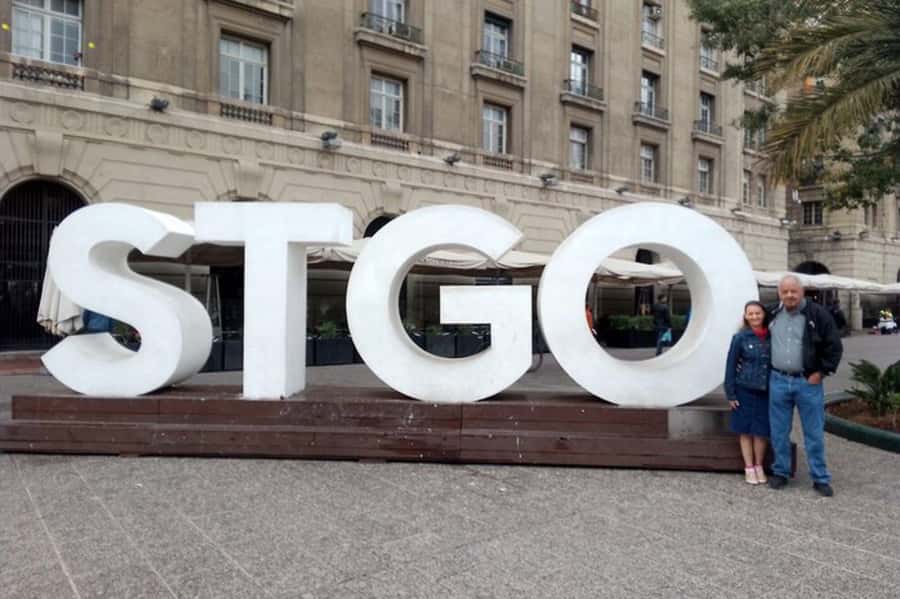
Wear comfortable shoes. This is the most important preparation, since the route includes several neighborhoods, a hill, and plenty of standing while the guide explains each stop.
Bottled water is included, but bring extra water on a hot day. A hat and sunscreen are sensible, especially because some parts of the route are outdoors with limited shade. The guide has used shaded areas for explanations in hot weather, but conditions can change.
The tour is offered in English, Spanish, and Portuguese. Confirm your preferred language when booking, especially if your group includes people with different language needs.
The activity requires good weather. If poor weather causes cancellation, you are offered another date or a full refund. The same applies if the minimum number of participants is not reached. You can cancel up to 24 hours in advance for a full refund, and reserve now while paying later, which is useful when your Santiago schedule is still changing.
The walk is not recommended for pregnant people or those with heart problems or other serious medical conditions. It is also not suitable for very young children, with the restrictions listing children under four and babies under one among those not accepted. The repeated age wording is a little unclear, so confirm the rule if you are booking for a young child.
Is the $25 price fair?
For $25, you receive a three-hour guided walk, bottled water, and a route that covers a large part of central Santiago. You do not receive lunch, museum admission, transport, or entry to San Cristobal Hill or Pablo Neruda’s house.
I think the price is fair if you value explanation and orientation. You could walk through many of these streets without paying, but you would miss the links between the buildings and may overlook places that are easy to pass. The small group and multilingual guide make the price stronger than a basic self-guided stroll.
It is less useful if you want long visits inside museums, a relaxed café crawl, or a tour focused only on food. The schedule favors variety. You see many areas, but you will need to return later for a detailed look at any one of them.
Who should book this Santiago walking tour?
Book it if you are visiting Santiago for the first time, have limited time, or want a clear introduction before exploring independently. It is also a smart choice for a day layover if your schedule allows the full three hours and travel to the meeting point.
I would recommend it to people who enjoy history, architecture, city politics, and local recommendations in equal measure. It also suits solo visitors and couples who prefer a small group instead of a large sightseeing crowd.
Think twice if you have difficulty walking uphill, dislike hot weather, need guaranteed interior access to attractions, or have a tight appointment immediately afterward. The route is full and may run beyond the advertised time when the group has many questions.
For most first-time visitors, I would book this near the start of a Santiago stay. You will leave at Patio Bellavista with a better sense of where the main districts are, what deserves a second visit, and where to stop for your next meal.
FAQ
How long does the Santiago walking tour last?
The scheduled duration is three hours. It may run longer if the group has many questions or needs extra time at certain stops.
Where does the walking tour start?
The tour starts at the Palacio de la Moneda in Santiago’s city center.
Where does the tour end?
It ends at Patio Bellavista, a central area with restaurants and places to continue exploring.
Which languages are available?
The tour is offered in English, Spanish, and Portuguese.
Is the Cathedral of Santiago included?
The Cathedral is included as a stop on the walking route. The tour information does not specify a separate guided interior visit or admission arrangement.
Is lunch included in the price?
No. Lunch is not included, though the tour ends in Bellavista, where you can choose from local restaurants and other places to eat.
Are San Cristobal Hill and Pablo Neruda’s house included?
No. Entry to Pablo Neruda’s house and San Cristobal Hill is not included in this activity.
Should I book the tour?
Book it if you want a well-paced introduction to Santiago’s center, several adjoining neighborhoods, and the city’s major historic sights in one morning or afternoon. At $25, it offers good value for a small group and an attentive guide, especially if Eugenio leads your walk. Skip it only if you need a slower route, extensive museum time, or a tour with meals and admission tickets included.
Newest history tours we have reviewed in the world
- Bilbao Historical Tour in small group★ 4.7 · 52 reviews
- Bologna: Street Food Tour in the Historic Center★ 4.8 · 125 reviews
- CEBU: Cebu City Heritage and Uphill Guided Tour★ 4.2 · 31 reviews
- Bishkek : City Tour (History, Architects, Statues & Culture)★ 4.9 · 54 reviews
- Blenheim: Omaka Aviation Heritage Centre Admission Ticket★ 4.9 · 31 reviews
- Berlin: Nazi History Walking Tour★ 4.8 · 33 reviews
- Best of Baku: 4-Hour City Tour Historic and Modern Landmarks★ 4.7 · 63 reviews
- Belfast: Best of Belfast History, Culture & Art Walking Tour★ 4.9 · 158 reviews
Old Town & Historic Centre Walks, compared.
Madrid Essential: Historic Center, Plaza Mayor & Royal Palace
Read our review →
Live Fado Show with Port Wine in Historic Center
Read our review →
Valencia Old Town Tour with Wine & Tapas in 11th Century Historic Monument
Read our review →
Prague Old Town, Medieval Underground and Dungeon Historical Tour
Read our review →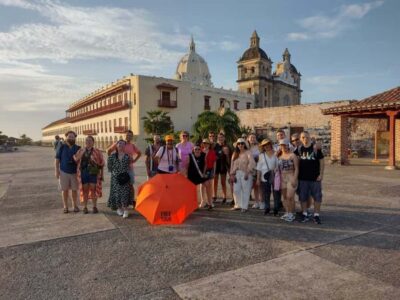
Cartagena: Historic Center and Getsemaní Shared Walking Tour
Read our review →
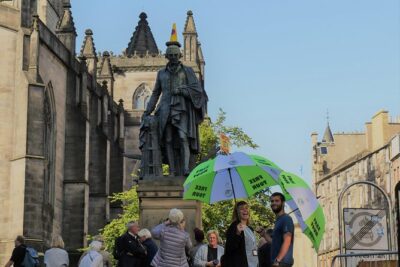
Old Town Walking Tour History and Tales in Edinburgh
Read our review →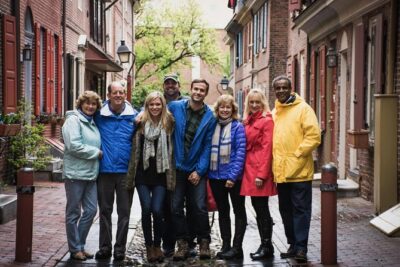
Philadelphia Old City Historic Walking Tour with 10+ Top Sites
Read our review →Browse the lists this tour appears in