
Review · HISTORY WALKING TOURS
Riga: 2-Hour History of Art Nouveau Walking Tour
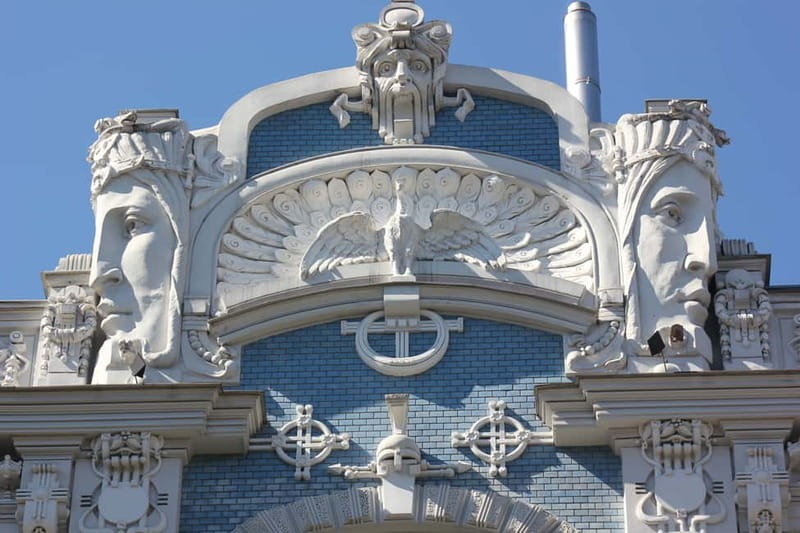
Riga’s Art Nouveau district is best understood from the street, where a guide can point out faces, symbols, curves, and national motifs that are easy to miss on your own. This two-hour walk begins at the House of the Black Heads, crosses central Riga, and finishes among the city’s most famous Art Nouveau buildings, including the celebrated Alberta Street area.
I like the focus on Mikhail Eisenstein, an inventive and controversial architect whose theatrical facades give the tour a strong character. I also like the route’s range: you see both lavish decoration and quieter national romantic designs, while learning how Art Nouveau aimed to join beauty with practical use.
The main drawback is that this is an exterior walking tour, so there are no interior visits or entry tickets included. Children over six pay the regular price, and younger children may lose interest during the final part of the walk.
Key points to know before you book
- See Riga’s Art Nouveau district on foot: Walk from the Old Town to Alberta Street with a guide who explains what you are looking at.
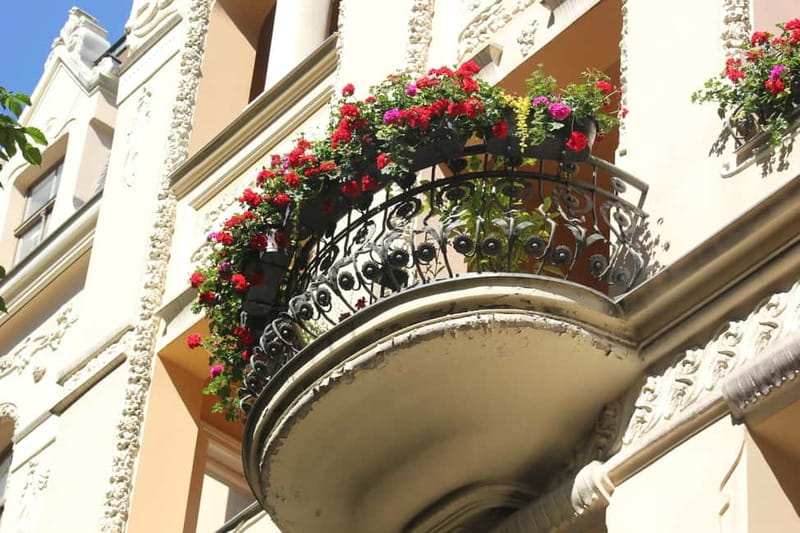
- Focus on Mikhail Eisenstein: Learn about one of Riga’s most distinctive and debated architects.
- Compare several styles: Expect ornate facades, intellectual designs, and national romantic details rather than one repeated look.
- Hear a wider city story: The tour includes Latvian, German, Russian, and Jewish architects who shaped Riga’s buildings.
- Small-group feel when numbers are low: A group may have fewer than 10 people, although at least three participants are needed.
- Simple, flexible booking: The price is $39 per person, with free cancellation up to 24 hours before the start and a reserve now, pay later option.
Why Riga is such a good city for an Art Nouveau walk
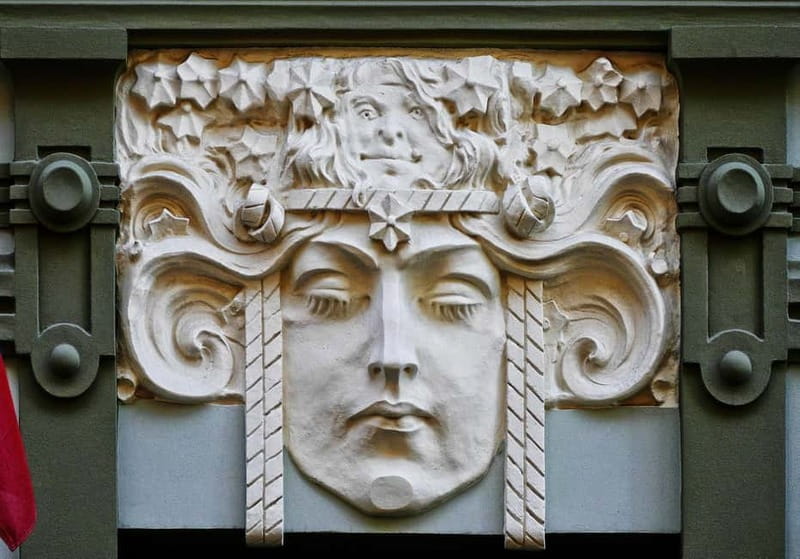
Riga is one of the best places in Europe to study Art Nouveau because the style is not confined to one landmark. It forms a whole part of the city, with blocks of apartment houses showing different versions of the movement side by side.
That variety matters. If you simply walk through the district taking photographs, you may notice the grand entrances and elaborate faces on the buildings, but miss the ideas behind them. A guide gives you a way to read the facades. You learn to look for repeated shapes, unusual ornament, national references, and the balance between decoration and function.
The timing also works well. Two hours is long enough to move beyond a quick photo stop, but short enough to fit into a busy day in Riga. You can schedule it early in your stay, then use what you learn on later walks through the city.
This is not a tour built around entering museums or private buildings. Its value comes from seeing the streets as an open-air architectural collection and having someone explain the details in front of you.
More History Walking Tours in the world:
- History and Hauntings of Salem Guided Walking Tour
★ 5.0 · 14,564 reviews - Lisbon: History, Stories and Lifestyle Walking Tour
★ 4.8 · 10,902 reviews - Boston: Freedom Trail History Small Group Walking Tour
★ 5.0 · 6,450 reviews
Starting at the House of the Black Heads
The meeting point is the Smile Line office in the House of the Black Heads at Townhall Square, 7. This is a useful starting place because you are already in central Riga, close to the Old Town’s major sights.
The House of the Black Heads also gives the tour an attractive opening setting. From here, your guide leads you through the Old Town and onward toward the Art Nouveau district. That transition is important. You do not simply appear in a neighborhood of ornate apartment buildings. You move from Riga’s older central streets into the area where the early 20th-century city expressed new ideas about architecture and urban life.
Look for the guide at the Smile Line office rather than waiting somewhere around the square. Comfortable shoes are essential. The walk is not described as strenuous, but you will be on city streets for the full two hours, and stopping often to look upward can be tiring in poor footwear.
The route may change on some departures. That is worth keeping in mind if you have a particular facade you hope to see. The tour promises a look at Riga’s key Art Nouveau sights, but exact stops can vary.
Crossing the Old Town toward the newer city
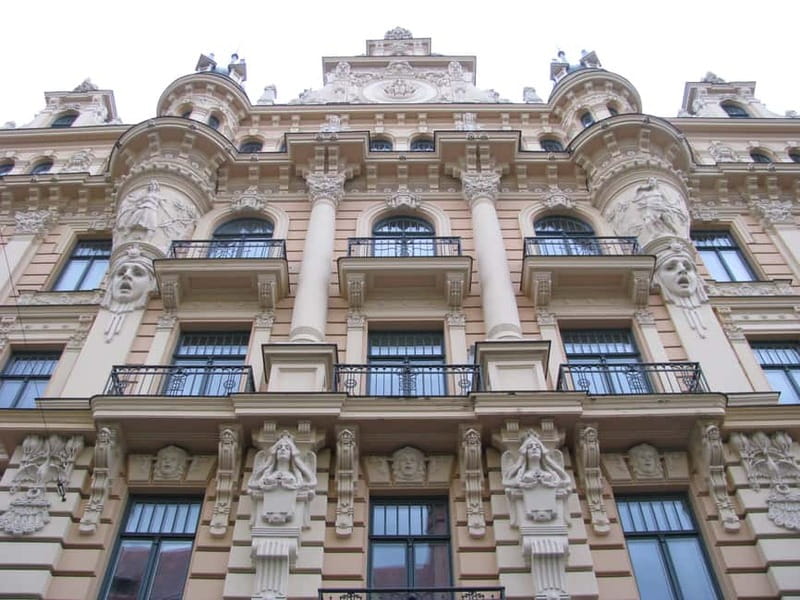
The walk through central Riga helps place Art Nouveau in time. Your guide discusses Riga as an important port city in what was then the Russian Empire and explains the setting in which architects and builders were working.
This part is especially useful if you know little about Riga before arriving. You get more than a parade of attractive buildings. You hear about the city’s changing population and the Latvian, German, Russian, and Jewish architects who contributed to its built character.
The tour also introduces the idea that Art Nouveau was not one fixed style. Some buildings use heavy ornament and theatrical decoration. Others make a quieter argument, with simpler lines and references to local identity. The guide’s job is to help you see those differences rather than place every building under one broad label.
The group format should suit most visitors. A minimum of three participants is required, and the provider may cancel with a full refund if too few people book. A private upgrade may also be offered in that situation. Groups can be small, and one reported departure had fewer than 10 people, which makes it easier to hear the guide and ask questions. Group size is not guaranteed, so expect a standard shared walk rather than a private tour.
Reading the facades on Alberta Street
Alberta Street is the visual center of the experience. This is where the Art Nouveau theme becomes clear in a series of richly decorated buildings, and where you can compare the work of several architects without a long transfer between sights.
Your guide points out the parts that a casual walk often misses. Look above the ground-floor level, where sculpted faces, geometric shapes, plant forms, and decorative framing can draw your eye upward. The buildings are designed to be seen as complete compositions, not just as practical apartment blocks.
This is also where Mikhail Eisenstein receives the most attention. His work is often associated with a bold, dramatic version of Art Nouveau, and his buildings can feel more theatrical than restrained. The tour presents both his talent and his controversial reputation, giving you a more rounded picture than a simple list of famous facades.
I like this emphasis because Eisenstein gives the walk a human center. Architecture can become dry when it is reduced to dates and labels. His story adds questions about taste, reputation, ambition, and the kind of city Riga wanted to become.
Do not expect a visit inside Eisenstein’s buildings. The experience is based on exterior viewing and explanation. That means you can study the street fronts closely, but you will not see staircases, apartments, entrances, or decorative interiors unless they happen to be publicly accessible outside the tour.
More Two-Hour Tours in the world:
- 2-Hour Gettysburg Battlefield Guided History Bus Tour with a National Park Guide
★ 4.5 · 2,201 reviews - Kyoto Gion: 2-Hour Geisha Culture & History Walking Tour
★ 5.0 · 1,186 reviews - 2 Hour LoDo Historic Walking Tour in Denver
★ 5.0 · 1,106 reviews - 2-Hour Historical Walking Tour from Dublin
★ 5.0 · 875 reviews
From lavish decoration to national romanticism
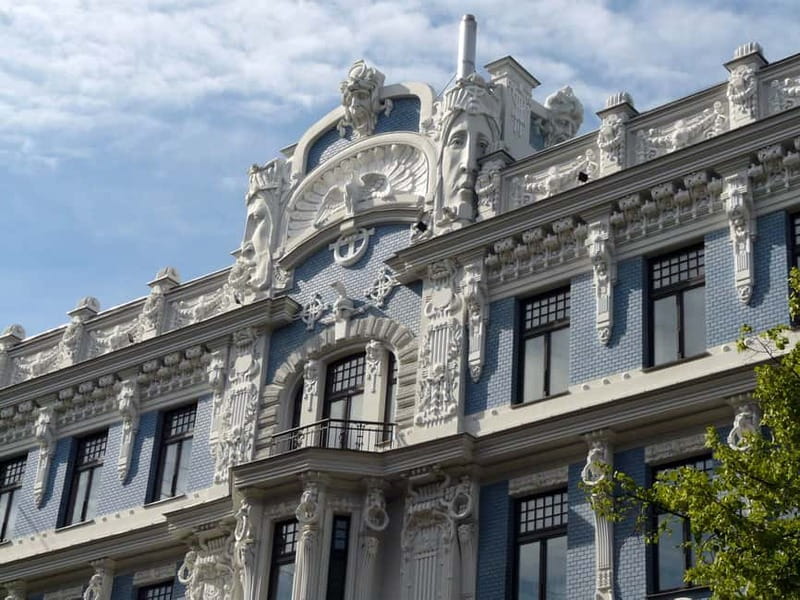
One of the most useful parts of the route is the comparison between highly decorative Art Nouveau and national romanticism. The first may catch your eye immediately, with elaborate surfaces and strong visual drama. The second can feel more rooted in local identity, using design ideas that suggest regional traditions and Latvian culture.
Your guide explains how these approaches fit within the wider Art Nouveau movement. The point is not simply to decide which style is prettier. You are encouraged to consider what a building is trying to do, who it was built for, and how decoration relates to its purpose.
That makes the tour suitable for curious beginners as well as architecture fans. You do not need prior knowledge of European design. A good guide, such as Tatiana, Gunta, Caspars, Liga, or Nelli, can give you enough background to follow the story without turning the walk into a lecture.
The strongest guide feedback centers on clear explanations, patience, and an easy pace. Tatiana has been especially praised for making the subject engaging, while Caspars is noted for organizing the walk well and focusing on small details. The individual guide matters, and the assigned guide may vary. The listed languages are English and German, with Swedish, Norwegian, Polish, Spanish, Portuguese, French, Italian, and Japanese available on request.
How much history fits into two hours
Two hours gives you a focused introduction rather than a complete study of Riga’s architecture. You will learn about the city’s Art Nouveau period, Eisenstein’s place in it, and the architects from several communities who shaped the district.
The guide also addresses the movement’s basic ideal: buildings should be beautiful and functional. You can then judge the buildings for yourself. Do the decorative facades help express the building’s purpose, or do they overwhelm it? Does national romantic design make the architecture feel more local? These questions make the walk more thoughtful than a simple sightseeing loop.
The history is presented while you are standing in front of the buildings it explains. That is a major advantage. Dates, names, and architectural terms are easier to remember when they are attached to a facade you can see.
The pace is described as easy, and the walk is wheelchair accessible. Still, accessibility can depend on the route, street conditions, weather, and the needs of your group. If you use a wheelchair, confirm the current route before booking, especially since some excursions may change course.
Is $39 a fair price?
At $39 per person, this is not the cheapest way to walk around Riga, but it is a reasonable price for a two-hour guided architecture tour if you care about context. You are paying for a local guide, a planned route, language support, and the ability to ask questions as you go.
The value is strongest for first-time visitors. Without a guide, you can see the buildings for free, but you may not know which architect designed them or how the styles differ. The tour can also help you notice details that change the way you look at the rest of Riga.
The value is weaker if you want interior access, a museum visit, or a long general history of the city. Entry tickets are not included, and the tour does not promise access to private buildings. It is a street-based architecture lesson.
Families should think about the age of their children. Children under six can join for free, but children over six pay the standard price. One family found older children somewhat bored by the end, which makes sense: two hours of looking closely at facades requires patience. Families with architecture-loving children may enjoy it, while younger school-age children may prefer a shorter outing.
Practical advice for a better walk
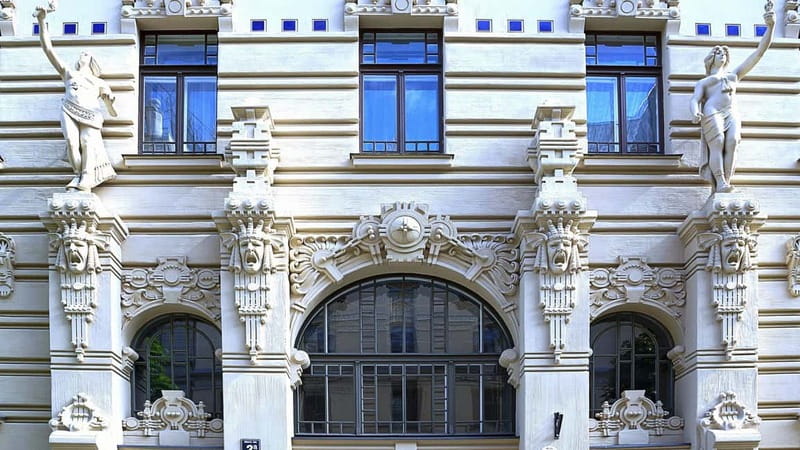
Book this early in your Riga stay if you want the tour to shape later sightseeing. Afterward, you will have a better eye for architectural details across the city, and you can return to favorite streets for photographs.
Choose shoes for walking, not fashion. You will spend the whole tour outdoors, and Riga’s weather can change quickly. A rain layer or warm outer layer is sensible, depending on the season.
Arrive at the House of the Black Heads with enough time to find the Smile Line office. The start is central, but Townhall Square can be busy with other sightseeing activity.
Ask questions as you go. The guides are prepared to discuss more than the buildings themselves, and the tour can also lead to useful recommendations for shops and cafes. The walk is delivered in English or German, and additional languages can be requested ahead of time, but you should not assume every language is available at every departure.
If the group does not reach three people, the tour may be cancelled with a full refund, or you may be offered a private upgrade. The free cancellation policy lets you change plans up to 24 hours in advance, and the reserve now, pay later option is useful if your Riga schedule is still taking shape.
Who should book this Art Nouveau tour?
I would choose this tour if you want to understand Riga through its buildings rather than simply photograph them. It suits first-time visitors, architecture fans, solo visitors who prefer a guided introduction, and anyone who wants a safe, structured way to reach the Art Nouveau district.
It is also a good choice for solo visitors who do not want to explore an unfamiliar part of the city alone. You get a local guide, a clear route, and company without committing to a full-day group excursion.
I would hesitate if your priority is entering buildings, visiting museums, or keeping sightseeing very short. The tour is entirely centered on exterior architecture, and some children may find two hours of close looking too long.
For most adults interested in Riga’s design and history, $39 buys useful insight rather than just transportation between photo stops. The combination of Alberta Street, Eisenstein’s work, national romanticism, and Riga’s mix of architectural traditions gives the walk a clear purpose.
Should you book it?
Book it if you want the city’s Art Nouveau buildings to make sense, not just look impressive. The best reason to go is the range of styles and the guide’s ability to connect them to Riga’s history, architects, and identity.
Skip it if you need interior visits or a child-focused activity. Otherwise, this is a compact and well-priced introduction to one of Riga’s defining features, with enough history to make your later walks more rewarding.
FAQ
Where does the tour begin?
Meet your guide at the Smile Line office in the House of the Black Heads, Townhall Square, 7.
How long is the walking tour?
The tour lasts two hours.
What languages are available?
The listed tour languages are English and German. Swedish, Norwegian, Polish, Spanish, Portuguese, French, Italian, and Japanese tours are available upon request.
What buildings and areas does the route cover?
The walk begins in Riga’s Old Town, continues through central Riga, and reaches the Art Nouveau district, including the famous Alberta Street area. It focuses on Mikhail Eisenstein and other Latvian, German, Russian, and Jewish architects.
Are entry tickets included?
No. This is a guided walking tour focused on exterior architecture, and entry tickets are not included.
Can children join the tour?
Yes. Children under six can join free of charge. Children over six are charged the regular price.
What happens if fewer than three people book?
The tour requires at least three participants. If there are not enough bookings, the tour may be cancelled with a full refund, or you may have the option to upgrade to a private tour.
Newest history tours we have reviewed in the world
- Enjoy Ancient Mostar★ 4.0 · 45 reviews
- Private Dublin Historical and Heritage Tour by Bike★ 5.0 · 30 reviews
- Dubrovnik by Night, History, Wine & Bites★ 5.0 · 41 reviews
- DayTripper Dublin: A Guided City Walking Tour★ 5.0 · 90 reviews
- Ancient Old City– Finest tour of Dubrovnik★ 5.0 · 64 reviews
- Historical Walking Tour of Dublin★ 5.0 · 50 reviews
- Dublin LGBTQ Pride Historical and Cultural Walking Tour★ 5.0 · 91 reviews
- Interactive Living History in Dalkey Castle near Dublin City★ 5.0 · 133 reviews
History Walking Tours, compared.
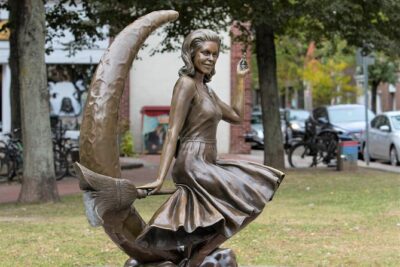
History and Hauntings of Salem Guided Walking Tour
Read our review →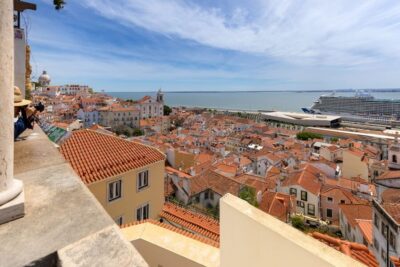
Freedom Trail History Small Group Walking Tour
Read our review →
Historic Charleston Guided Sightseeing Walking Tour
Read our review →
Tapas Walking Tour with Food, Wine, and History
Read our review →
Savannah History and Haunts Candlelit Ghost Walking Tour
Read our review →
A History of Terror – Belfast City Centre Walking Tour
Read our review →Browse the lists this tour appears in