
Review · TANZANIA HISTORY TOURS
Arusha; Walking City Tour History, Culture & Lifestyle
Arusha’s story is easiest to understand on foot, where a museum, a food stall, a government office, and a crowded market can all appear within the same morning. This tour moves beyond safari hotels and takes you into the city’s working center, with guides such as Israel, Daudi, and Innocent explaining what you are seeing along the way.
I like the mix of history and ordinary life. You get the Natural History Museum and Tanzanite Experience, but also the Central Food Market, local streets, and the Maasai Market. I also like the flexible guiding style. Guides have helped with SIM cards, local food, shopping, and changes to the day’s pace.
The main consideration is the walking. This is not a gentle sightseeing loop with a vehicle waiting at every corner. The route takes several hours, the Natural History Museum costs an extra $6 per adult, and hotel pickup depends on how far you are staying from central Arusha.
Key points to know before you book
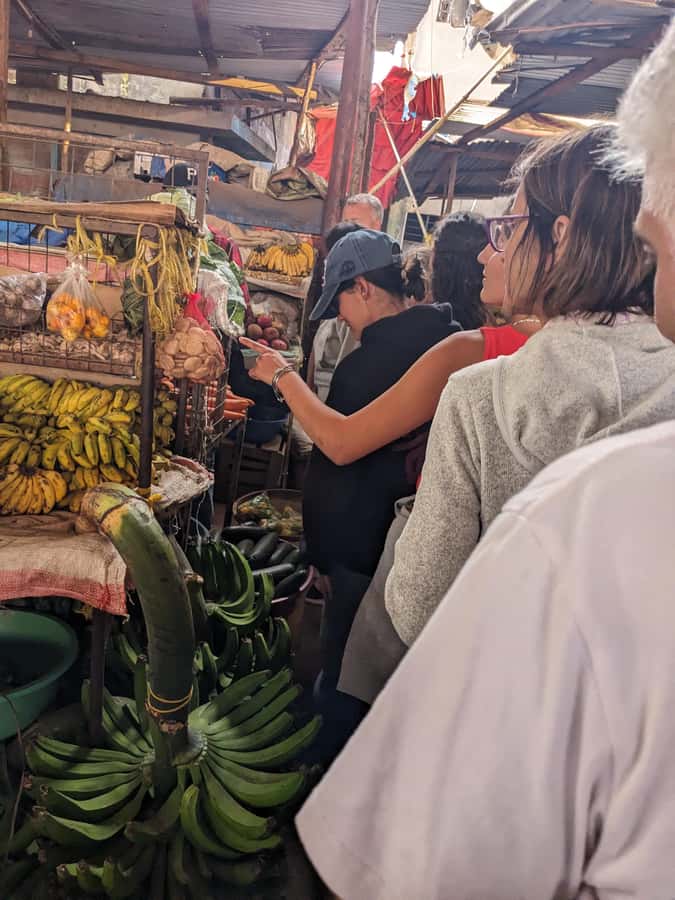
- The Central Food Market is the tour’s best window into daily Arusha, with produce, spices, smells, and local routines all around you.
- The Natural History Museum occupies a former German colonial fort, giving the first stop both historical setting and useful background on the region.
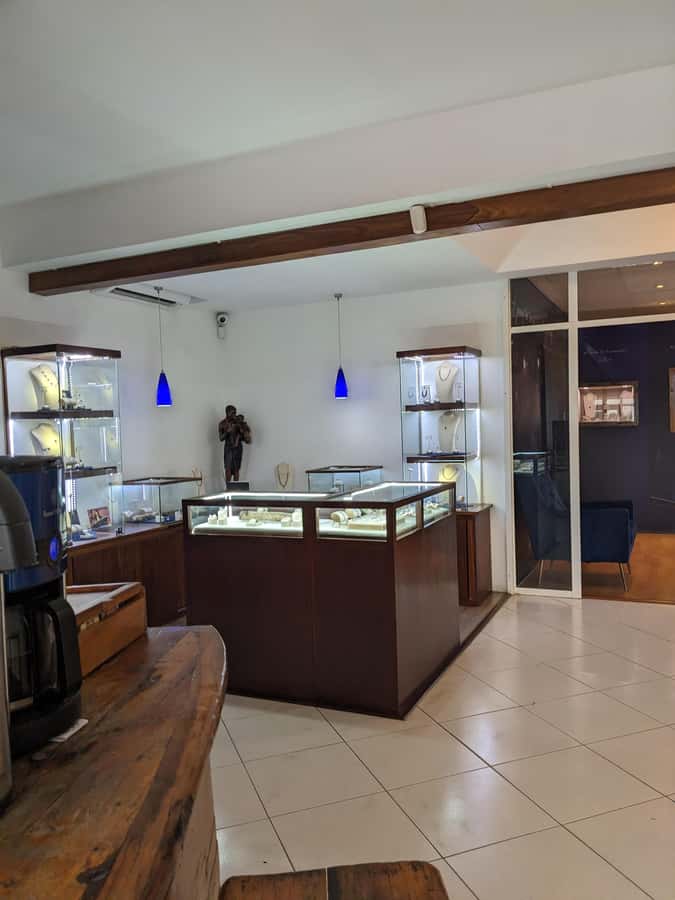
- The Tanzanite Experience explains Tanzania’s famous blue gemstone, with time to shop if you want to buy.
- The guides shape the day around your interests, and past guests have praised Israel, Daudi, Innocent, John, Jackson, and others for their warmth and local knowledge.
- The $28 price is good value for a half-day introduction, though museum admission, food, drinks, and personal purchases cost extra.
- Comfortable shoes matter, since the route involves a moderate amount of walking and is not suitable for wheelchair users or people with mobility impairments.
Why walking Arusha makes sense
Many people arrive in Arusha on the way to the Serengeti, Ngorongoro Crater, or Mount Kilimanjaro. It is tempting to treat the city as a place to sleep before the safari begins. I think that misses something important. Arusha is a major meeting point for northern Tanzania, and its streets bring together government, trade, tourism, food, art, and several layers of national history.
A walking tour gives you time to notice small details. You can see how people move through the center, pause at market stalls, practice a little Swahili, and ask why a building or monument matters. The guide is useful here because the city does not always explain itself to first-time visitors.
The advertised duration ranges from four to eight hours, while the main city visit is described as about 4.5 hours. The difference appears to depend on your starting point, pace, shopping, food stops, and how much time you spend at the museums. I would plan on half a day, with the possibility of a longer outing if you want to linger.
More Local Culture and Traditions Tours in the world:
- Amsterdam Food and Cultural Tour with Tastings
★ 5.0 · 4,315 reviews - Sevilla Food Tour: Tapas, Wine, History & Traditions
★ 5.0 · 3,468 reviews - Tromsø: Reindeer Camp and Sami Cultural Tour with Lunch
★ 4.7 · 3,326 reviews
Starting at the old German fort
The Natural History Museum is a strong opening stop. It is housed in a colonial-era German fortress, so you begin with the physical remains of an earlier period rather than a modern display hall.
Inside, the exhibits cover human evolution, local wildlife, and the area’s past. That makes this more than a quick collection of old objects. It gives you background for the wider region before you head into the streets.
The entrance fee is not included. The stated price is $6 per adult, so add that to the tour cost when working out your budget. If museums are not your priority, you should ask the guide how much time will be spent there. If you want context before a safari, this stop earns its place.
Government buildings, hospitals, and city symbols
From the museum, the route passes through the governmental district. You may see the East African Community Headquarters, Mount Meru Hospital, and the Arusha International Conference Centre, known locally as the AICC.
These stops help explain Arusha’s role beyond tourism. The East African Community connects several countries in the region, while the AICC is an important site for diplomacy and regional meetings. Mount Meru Hospital gives you another view of the city, this time through a major public institution rather than a landmark built for visitors.
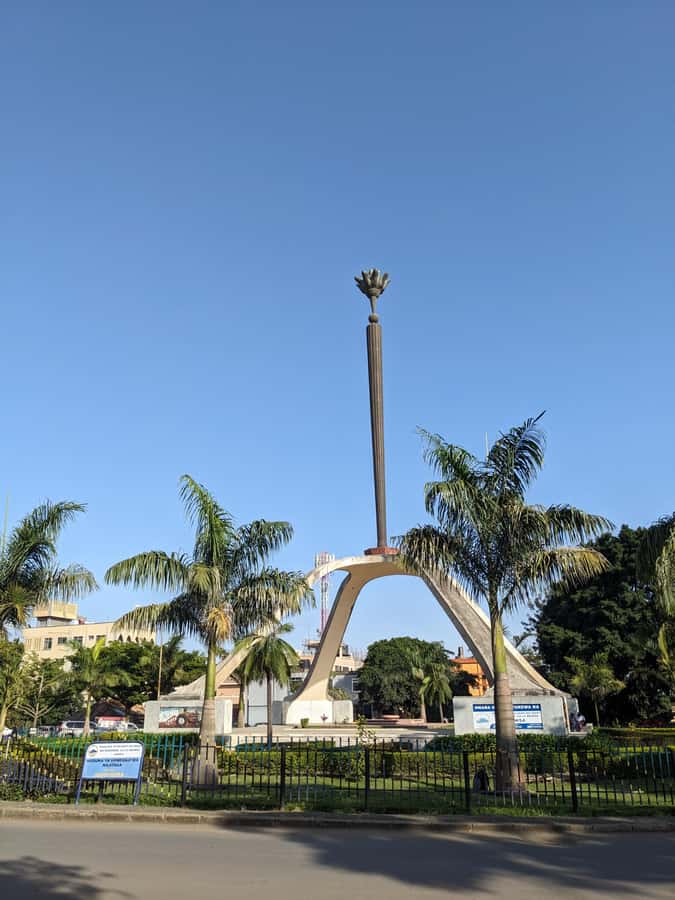
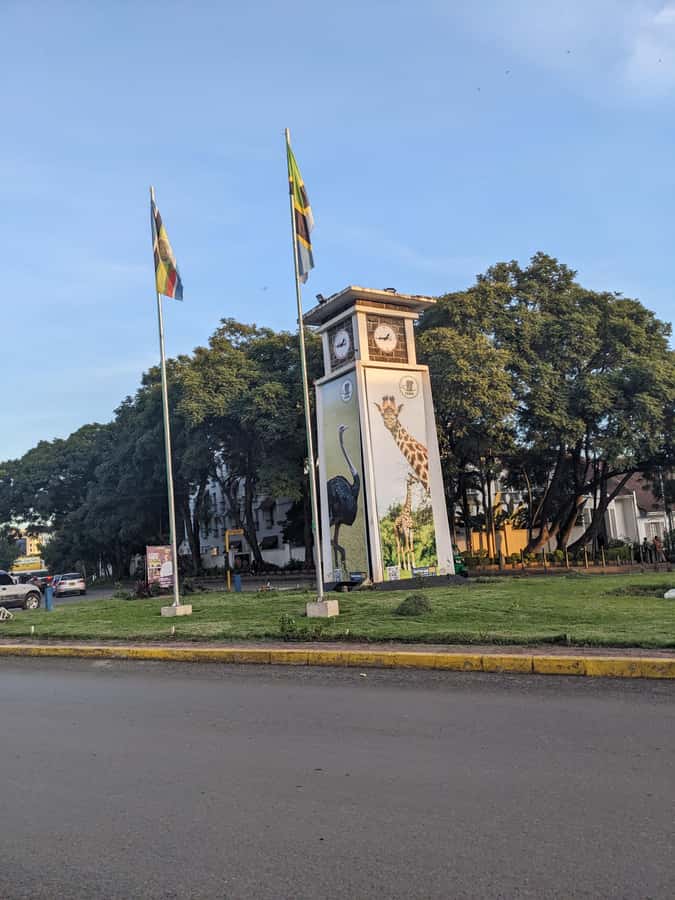
The tour also includes the Arusha Clock Tower, often described as the midpoint between Cairo and Cape Town. It is a familiar meeting place and a useful marker as you move through the center. The guide can connect these places to Tanzania’s political and regional story, which is one reason a local guide adds value.
Tanzanite and the business of souvenirs
The Tanzanite Experience Museum focuses on Tanzania’s best-known gemstone. You learn how Tanzanite became associated with the country and why the stone is considered unusual.
This stop includes the option to shop. The guide can hold time for souvenir buying, and that can be handy if you want a Tanzanian item before leaving Arusha. It can also feel like a sales stop if you are not interested in jewelry. One person specifically noted that the gift-shop visits were not really their thing, though they still found the overall day worthwhile.
I would set your expectations clearly. Tell the guide at the start if you want to shop, browse briefly, or skip purchases. You should also remember that the tour price does not cover personal expenses. The museum visit and shopping are separate from the $28 booking cost.
More History Walking Tours in the world:
- History and Hauntings of Salem Guided Walking Tour
★ 5.0 · 14,564 reviews - Lisbon: History, Stories and Lifestyle Walking Tour
★ 4.8 · 10,902 reviews - Boston: Freedom Trail History Small Group Walking Tour
★ 5.0 · 6,450 reviews - Historic Charleston Guided Sightseeing Walking Tour
★ 5.0 · 6,216 reviews
The Maasai Market and practical shopping time
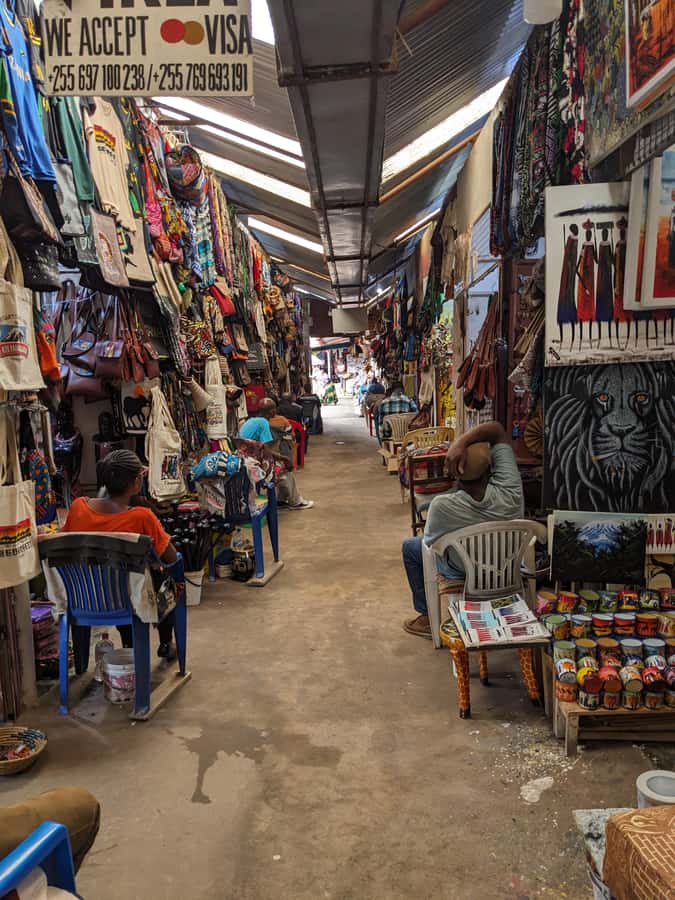
The Maasai Market is the place for traditional crafts, jewelry, and textiles. It is a more commercial part of the experience than the food market, but it gives you a chance to see the kinds of souvenirs sold in Arusha and to compare styles and prices.
You may find colorful fabrics, carved items, beaded work, and other gifts, but the exact selection changes. This is a good place to use your guide. They can help you understand what you are looking at, assist with communication, and hold time for a purchase without letting the entire tour become a shopping trip.
Bring cash. Personal purchases are not included, and cash is also useful for small food or drink stops. If you dislike bargaining or shopping, say so. The guide can keep the visit short and preserve more time for the history, market, and street walking.
The Central Food Market is the real heart of the day
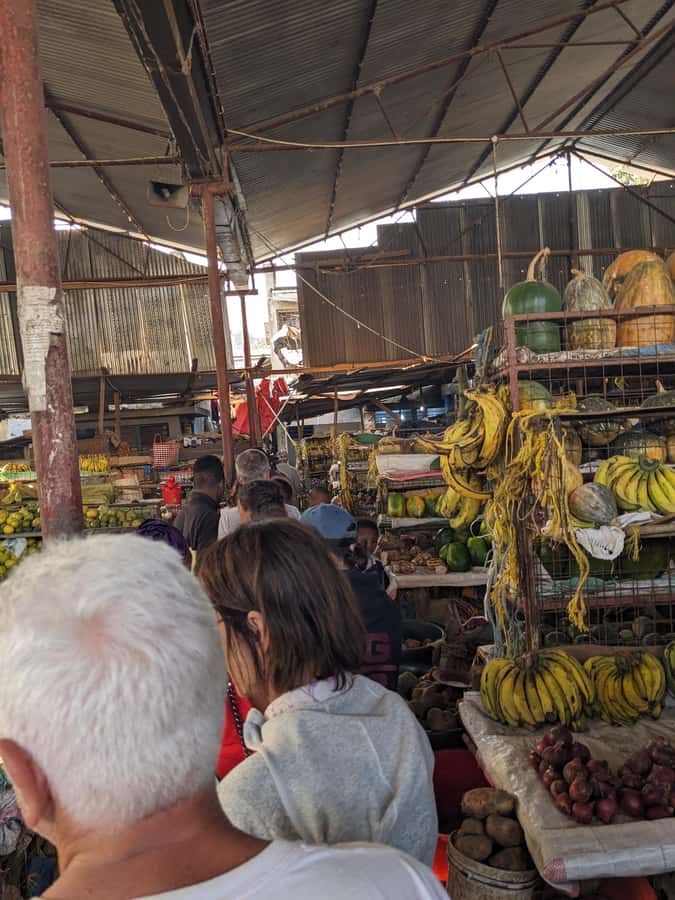
The Central Food Market is likely to be the most memorable stop for anyone who wants to see Arusha as a working city. Here you encounter local produce, spices, food stalls, and the steady movement of everyday commerce.
I like this part because it asks you to use more than your eyes. You notice smells, colors, sounds, and the way vendors arrange their goods. The guide can explain unfamiliar fruits and foods, and may point out places to try something local.
Food and drinks are not included, so any tasting or meal is your responsibility. One guide, Israel, was praised for finding a local place when a group wanted an authentic meal and joining them for lunch. That sounds like a useful strength, but I would not treat a full meal as guaranteed. Ask what is possible on your particular day.
The market can be busy and close-packed. Keep your belongings secure, stay near your guide, and wear shoes you can comfortably use for several hours. If you are sensitive to crowds or strong food smells, this may be the most demanding part of the route.
African art at the Cultural Heritage Centre
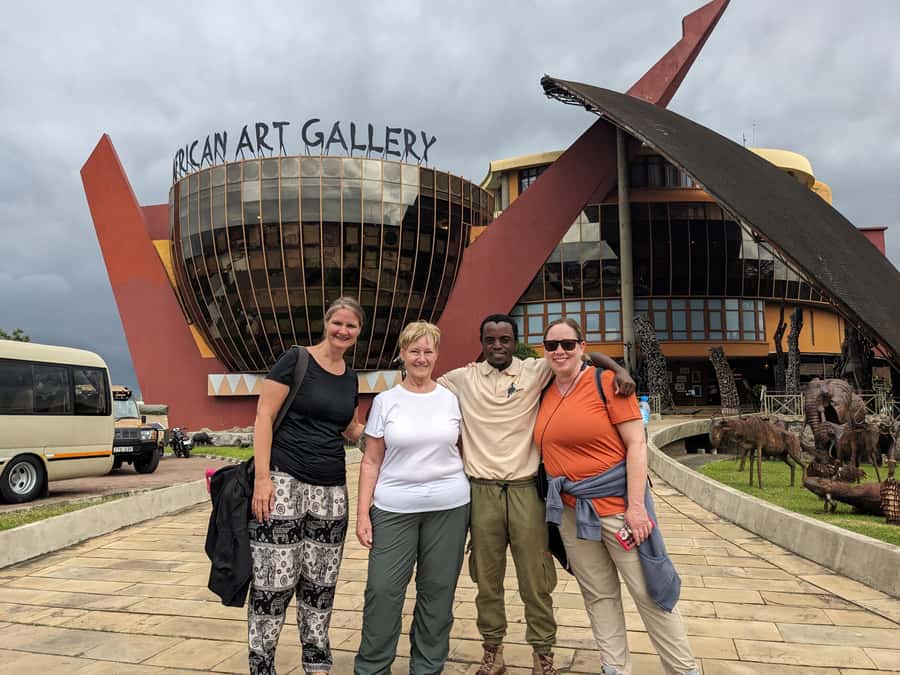
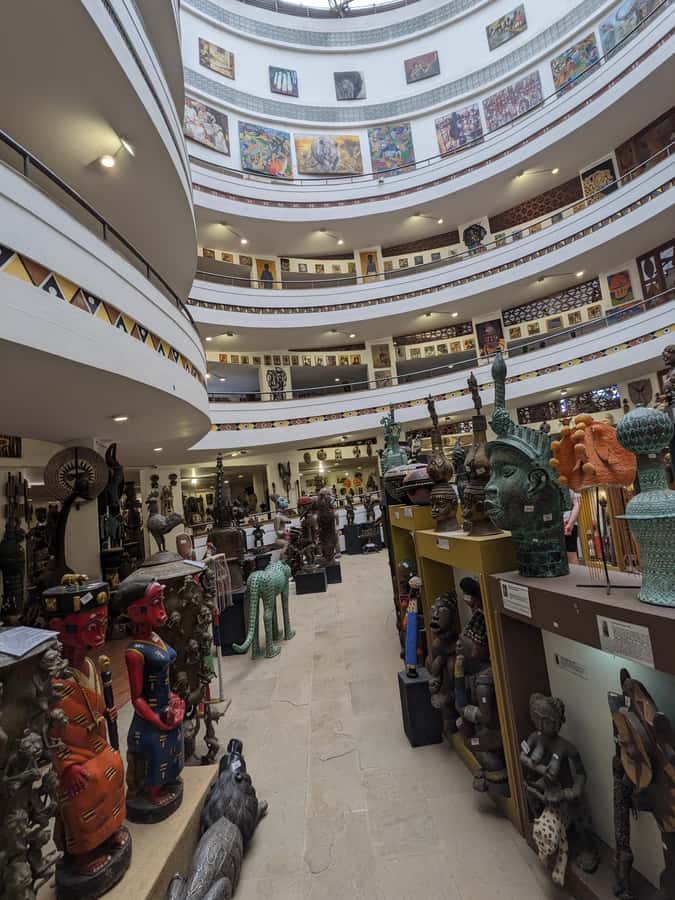
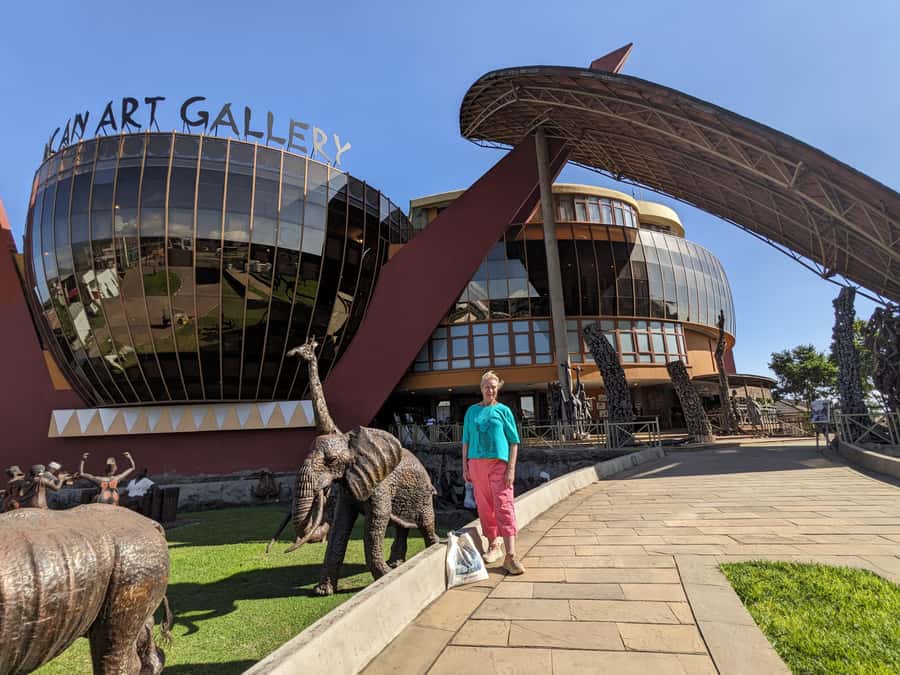
The final cultural stop is the African Art Gallery and Cultural Heritage Centre. The collection is described as one of the largest African art collections on the continent, with a wide range of work from Tanzania and elsewhere in Africa.
This visit gives the tour a quieter change of pace after the markets. You can look at sculpture, paintings, and decorative pieces with the guide’s help, then decide if anything appeals to you. The scale of the collection can feel overwhelming, so do not expect a quick, tightly scripted museum visit.
One person called the amount of Tanzanian and African art overwhelming, which is fair warning. If you enjoy galleries, you could spend a long time here. If not, ask the guide to point out a few important pieces rather than attempting to see everything.
What the guides add to the experience
The strongest part of this tour is the guiding. The named guides include Israel, Daudi, Innocent, John, Jackson, and others. The available experiences describe guides who explain history, culture, politics, food, wildlife, economics, and daily life in a relaxed way.
Daudi has been especially appreciated for making the city feel safe and approachable, answering questions, and helping visitors practice Swahili with local people. Israel is known for adjusting the pace, explaining market foods, and sharing broad information about Tanzania. Innocent has shaped routes around personal interests, while John has guided people through the museum, markets, art gallery, and city landmarks.
You should not expect every guide to deliver the exact same route or personality. That is part of the point of a local walking tour. The useful thing is that the format allows conversation. You can ask about food, SIM cards, customs, history, or where to go next.
Solo visitors may appreciate the company and practical help. Families can also do well, since one group with young children found the guide flexible and accommodating. Still, children need to manage a moderate amount of walking, and the tour is not designed for wheelchairs or people with mobility impairments.
Price, pickup, and what you actually pay
At $28 per person, this is a fair price for a guided half-day introduction to Arusha. The cost covers the walking guide, the listed museum and market visits, the Tanzanite Experience, the Central Food Market, the African Art Gallery and Cultural Heritage Centre, and hotel pickup and drop-off when you are staying near the city center.
The value is strongest if you want explanation, not just directions. You are paying for someone who can connect the old fort to Tanzania’s past, explain the gemstone trade, identify food at the market, and help you navigate local streets.
Budget for these extras:
- $6 for each adult entering the Natural History Museum
- Food and drinks
- Souvenirs and Tanzanite purchases
- Private transport if you need more than the included pickup
- Pickup and drop-off if your hotel is outside the included central area
The pickup wording gives several distance limits, including three kilometers, four kilometers, and five kilometers from the center. Since these details are not fully consistent, confirm the charge after booking. The practical rule is simple: central hotels are included, and farther-out hotels may require an affordable extra fee.
Pickup is optional. After booking, the provider contacts you to arrange the details. The listed drop-off options include Arusha and Chicago studio, so confirm your preferred end point before the day begins.
How to prepare for the walk
Wear comfortable shoes and clothing suited to the weather. A sun hat, sunscreen, water bottle, camera, and cash are all sensible.
The tour involves a moderate amount of walking on city streets. There may be pauses in museums and markets, but you should not approach it as a short stroll between vehicle stops. Start with water and leave room in your schedule.
English is the listed tour language. The guide may help you use a few Swahili words, and several accounts describe friendly interaction with local people. Be polite when taking photographs, especially in markets and around people at work.
The tour offers free cancellation up to 24 hours before the start, and you can reserve now and pay later. Those policies are useful if your safari schedule is still moving around.
Who should book this Arusha tour?
I would book this if you have a free half-day before or after a safari and want to understand the city instead of simply passing through it. It is also a good first activity in Arusha because it helps you get your bearings, learn a little local etiquette, and find out where food and shopping fit into the city.
It suits solo visitors, couples, families with children who can walk, and anyone who prefers conversation to a fixed lecture. It is especially useful if you want help with markets, local food, Tanzanite, or practical questions about Tanzania.
I would think twice if you dislike walking, markets, shopping stops, or city noise. People with mobility impairments, wheelchair users, and pregnant women should choose a different activity. If museums are your main interest, remember that the Natural History Museum admission is extra and the day also includes substantial street time.
Final call: a smart introduction to Arusha
Book this tour if you want a friendly local guide to connect Arusha’s museums, government quarter, markets, art, and daily routines. The $28 base price is reasonable, especially for a private-feeling experience that can be adjusted around food, shopping, and questions.
Just confirm your pickup distance, budget for the $6 museum fee and personal spending, and wear proper walking shoes. If you do, this is a practical way to turn Arusha from a safari stopover into a place you actually understand.
FAQ
How long does the Arusha walking tour last?
The activity is advertised as lasting four to eight hours. The main city visit is described as about 4.5 hours, with the final length depending on the selected option, walking pace, stops, and pickup arrangements.
What is included in the $28 price?
The price includes a walking city tour with a local guide, the Tanzanite Experience Museum, Central Food Market, Cultural Heritage and African Art Gallery, Maasai Market, and pickup and drop-off for hotels near the city center.
Is the Natural History Museum entrance included?
No. The Natural History Museum entrance fee is listed separately at $6 per adult.
Is hotel pickup available?
Yes. Free pickup is offered for travelers staying near the city center. Pickup farther away can be arranged for an additional cost, so confirm your hotel distance and fee after booking.
What language is the tour offered in?
The listed live tour language is English.
Is the tour suitable for people with limited mobility?
No. The activity is not suitable for people with mobility impairments or wheelchair users. It also states that it is not suitable for pregnant women.
What should I bring?
Bring comfortable walking shoes, weather-appropriate clothing, a sun hat, sunscreen, water, a camera, and cash. Food, drinks, and personal purchases are not included.
Newest history tours we have reviewed in the world
- Bilbao Historical Tour in small group★ 4.7 · 52 reviews
- Bologna: Street Food Tour in the Historic Center★ 4.8 · 125 reviews
- CEBU: Cebu City Heritage and Uphill Guided Tour★ 4.2 · 31 reviews
- Bishkek : City Tour (History, Architects, Statues & Culture)★ 4.9 · 54 reviews
- Blenheim: Omaka Aviation Heritage Centre Admission Ticket★ 4.9 · 31 reviews
- Berlin: Nazi History Walking Tour★ 4.8 · 33 reviews
- Best of Baku: 4-Hour City Tour Historic and Modern Landmarks★ 4.7 · 63 reviews
- Belfast: Best of Belfast History, Culture & Art Walking Tour★ 4.9 · 158 reviews
Local Culture & Traditions Tours, compared.

Amsterdam Food and Cultural Tour with Tastings
Read our review →
Sevilla Food Tour: Tapas, Wine, History & Traditions
Read our review →
Tromsø: Reindeer Camp and Sami Cultural Tour with Lunch
Read our review →
Half Day Dominican Republic Cultural Tour : Small Group
Read our review →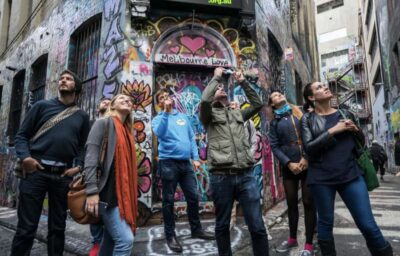
Ultimate Melbourne Walking Tour: History, Laneways & Culture
Read our review →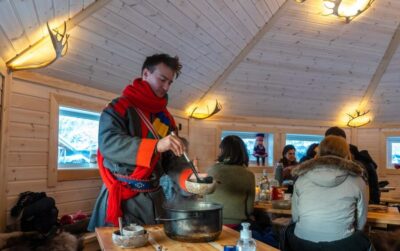
Tromsø: Sámi Reindeer Sledding and Sami Cultural Tour
Read our review →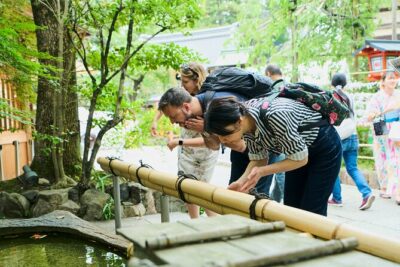
Kyoto Gion: 2-Hour Geisha Culture & History Walking Tour
Read our review →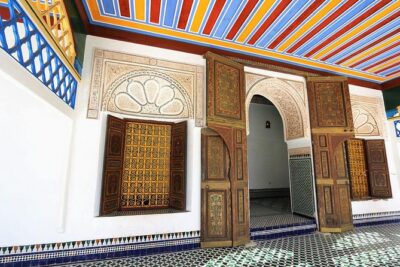
Marrakech Historical and Cultural Tour – Half Day City Tour
Read our review →Browse the lists this tour appears in