
Review · NEW YORK CITY HISTORY TOURS
NYC: History of Slavery & Underground Railroad Walking Tour
New York’s story begins long before skyscrapers and stock tickers. This 150-minute walk shows how enslaved Africans helped build colonial New Amsterdam, how people resisted bondage, and how the city became part of the Underground Railroad. The African Burial Ground National Memorial gives the tour its most solemn moment, while nearby streets reveal history that is easy to miss.
I like the way the walk links major sights such as Wall Street, Trinity Church, and Fraunces Tavern to African American history instead of treating slavery as a separate chapter. I also like the human scale: guides such as Maia, Maya, Shawn, Shaun, Ludie, and Loudy have been praised for clear explanations, thoughtful questions, and an ability to handle painful subjects with care.
The main consideration is the topic itself. This is not a light sightseeing stroll, and you will spend much of the time confronting slavery, exploitation, resistance, and the role of ordinary New Yorkers. The walk is not described as strenuous, but comfortable shoes and weather-ready clothing still matter.
Key points to know before you book
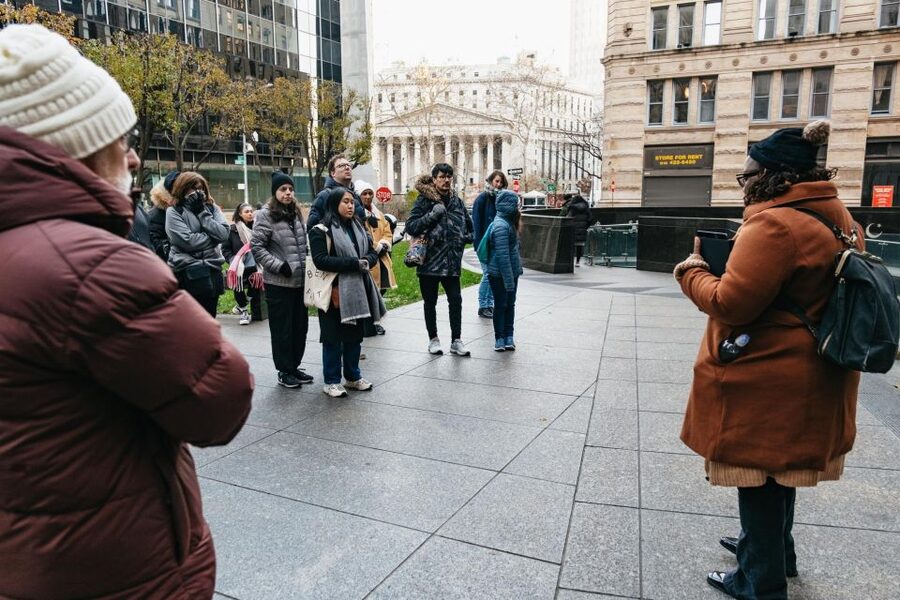
- The African Burial Ground begins the story: Start at an archaeological site and memorial honoring enslaved Africans in colonial America.
- Lower Manhattan becomes a history lesson: Wall Street, Trinity Church, Fraunces Tavern, and nearby streets take on new meaning.
- The Underground Railroad is explained as a network: Learn how secret routes and safe houses helped people reach free states and Canada.
- Guides make the difference: Names associated with this tour include Maia, Maya, Shawn, Shaun, Ludie, Loudy, and Damaras.
- Plan for 150 minutes outdoors: You will walk between stops, so wear comfortable shoes and dress for the weather.
- The $49 price buys context, not just landmarks: It is strongest for visitors who want a serious, guided look at New York’s past.
Starting at the African Burial Ground
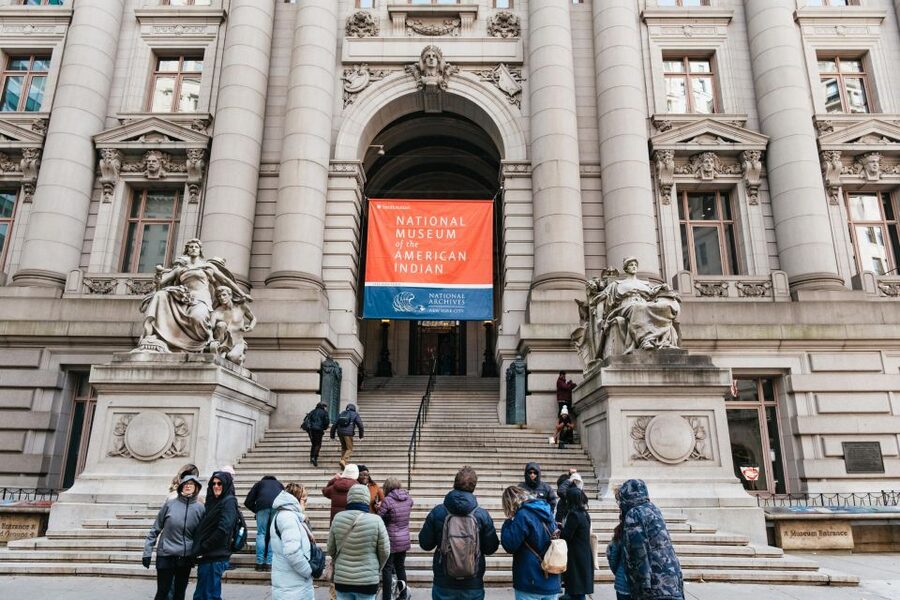
The tour meets in front of the American Indian Museum and begins at an archaeological site and memorial devoted to enslaved Africans in colonial America. That opening choice is important. It places African American history at the center of New York’s story from the first minutes, rather than adding it as a footnote to a standard Lower Manhattan tour.
The African Burial Ground National Memorial is also the emotional anchor of the walk. You come here to honor people who lived and died under slavery, many of whom were buried outside the formal spaces reserved for white New Yorkers. The memorial asks you to slow down and pay attention before moving into the streets where commerce, government, religion, and rebellion all overlapped.
I find this a useful way to begin because it gives the rest of the tour a clear purpose. You are not simply looking at old buildings. You are asking who built the city, who profited from that labor, who resisted, and whose stories were pushed aside.
More History Walking Tours in New York City
- Hamilton and Washington Revolutionary Walking Tour
★ 5.0 · 182 reviews - #1 Rated NYC Chinatown Food and History Walking Tour with FNYT
★ 5.0 · 171 reviews - Tribeca Architecture And History Walking Tour
★ 5.0 · 141 reviews
Colonial New York and the work that built it
The walk reaches back to the formation of New Amsterdam and the early African American presence in New York. You learn about the work enslaved people performed and the ways their labor helped establish the city’s foundations.
The tour also covers revolts, kidnappings, and escapes. These details keep the story from becoming too neat. Slavery was not accepted quietly by everyone who endured it. People resisted in direct and indirect ways, while those who tried to escape faced the danger of capture, violence, and being forced back into bondage.
The guides also connect the past to the people who made choices within that system. You hear about New Yorkers who risked their property and personal safety to help people escape. That focus on individual decisions makes the history easier to grasp, but it does not soften the larger facts of slavery or the harm it caused.
This is one of the tour’s best features: it combines major events with personal stories. A guide might explain a broad change in law, then bring it down to the actions of a person who hid someone, passed along information, or helped move an escape forward.
Wall Street beyond finance
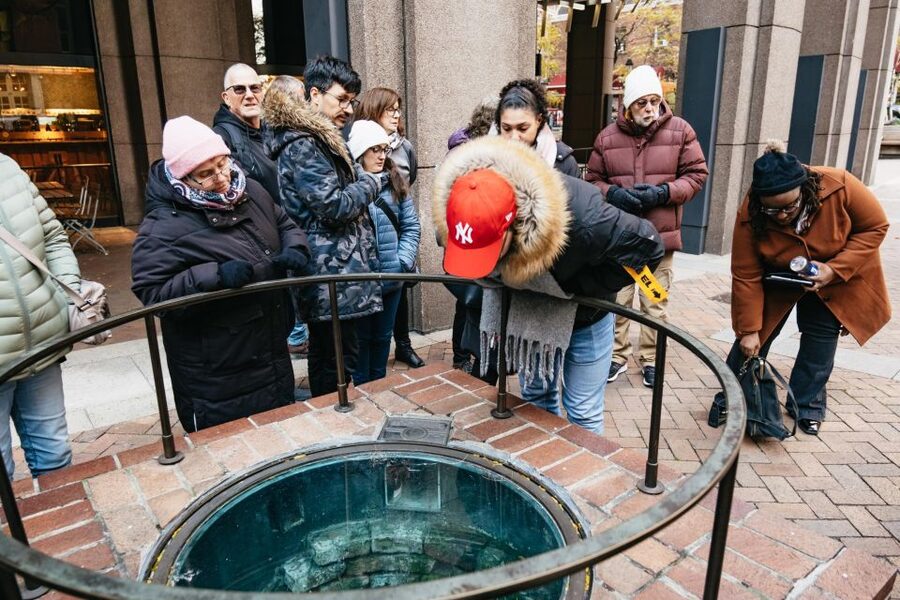
Wall Street is usually presented as the home of American finance. On this walk, you see it through another lens. The surrounding streets are tied to the city’s colonial growth, its political power, and the economic systems that benefited from enslaved labor.
That shift in perspective is valuable even if you already know Lower Manhattan well. The buildings remain familiar, but the questions change. Who controlled the city? Who had legal rights? Who did the work? Who could move freely, and who could be bought, sold, captured, or returned?
The tour does not turn Wall Street into a museum exhibit. You are still walking through an active part of New York. That is part of the point. The history is not isolated behind glass. It sits beneath offices, sidewalks, churches, restaurants, and daily business.
I would pay close attention to the guide here, since the significance comes from the explanation rather than from a single dramatic building. You may pass places that look ordinary until the guide supplies the missing context.
Trinity Church and the city’s religious life
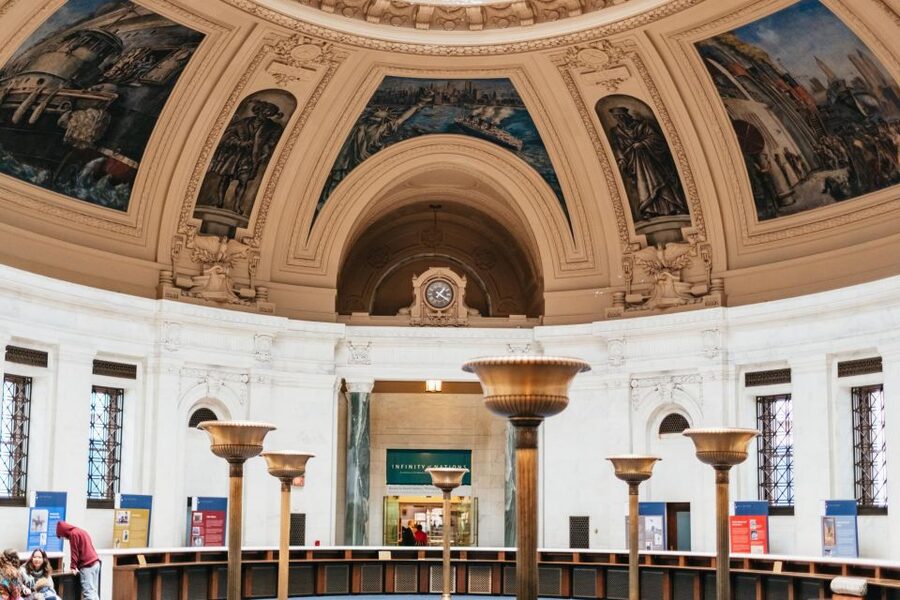
Trinity Church adds another layer to the story. Religious institutions were part of New York’s social and civic life, and the tour uses this setting to discuss the people and systems surrounding slavery and abolition.
The walk encourages you to think about institutions, not only heroes. Churches, businesses, property owners, officials, and private citizens all had roles in the city’s development. Some people benefited from slavery. Others challenged it. Still others offered help to people seeking freedom.
That balance matters. A tour about the Underground Railroad can easily become a series of heroic escape stories. Those stories deserve attention, but the wider setting explains why escape was necessary and why assistance was so dangerous.
Trinity Church is also a useful contrast with the African Burial Ground. One is a prominent historic church, while the other marks a burial place that had to be recovered and formally honored much later. Moving between them gives you a physical sense of how memory and recognition have been unevenly distributed.
More History Walking Tours in the USA
- Lower Manhattan Secrets And History Walking Tour
★ 5.0 · 96 reviews - New York: Rock and Roll History and Culture Walking Tour
★ 5.0 · 22 reviews - NYC: Lower East Side Devour Food & History Walking Tour
★ 4.8 · 19 reviews - History and Hauntings of Salem Guided Walking Tour
★ 5.0 · 14,564 reviews
Fraunces Tavern and stories of resistance
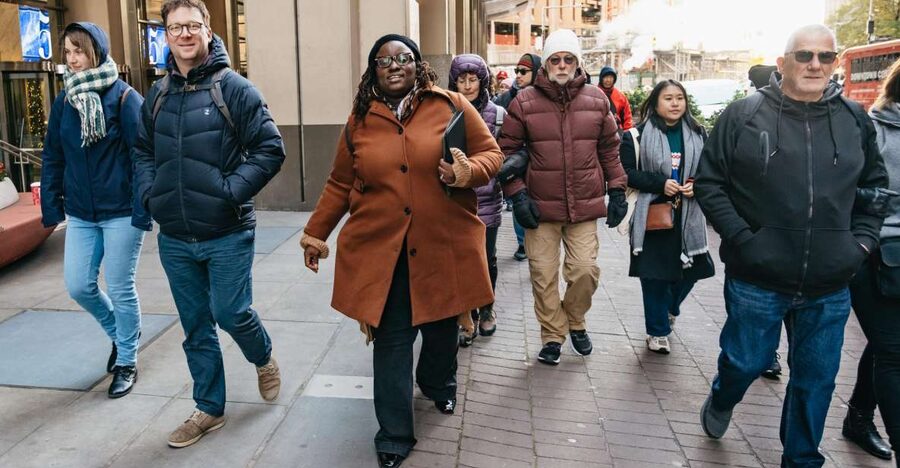
Fraunces Tavern is another major stop. It is one of the recognizable historic sights in Lower Manhattan, but this tour places it within the story of slavery, resistance, and the city’s changing politics.
The stop helps show that New York’s revolutionary and civic history cannot be separated from African American history. Freedom was discussed in grand political language, yet many people in the city remained enslaved or faced laws that sharply limited their choices.
You also hear about uprisings and the fear they caused among those in power. The tour’s subject is not only the Underground Railroad. It includes the pressure building around slavery, the courage of people who resisted, and the political struggle that eventually moved toward abolition.
I like this part of the route because it complicates the familiar version of early American history. New York was not simply a place of liberty waiting to be discovered. It was a city where liberty and bondage existed side by side.
How the Underground Railroad worked
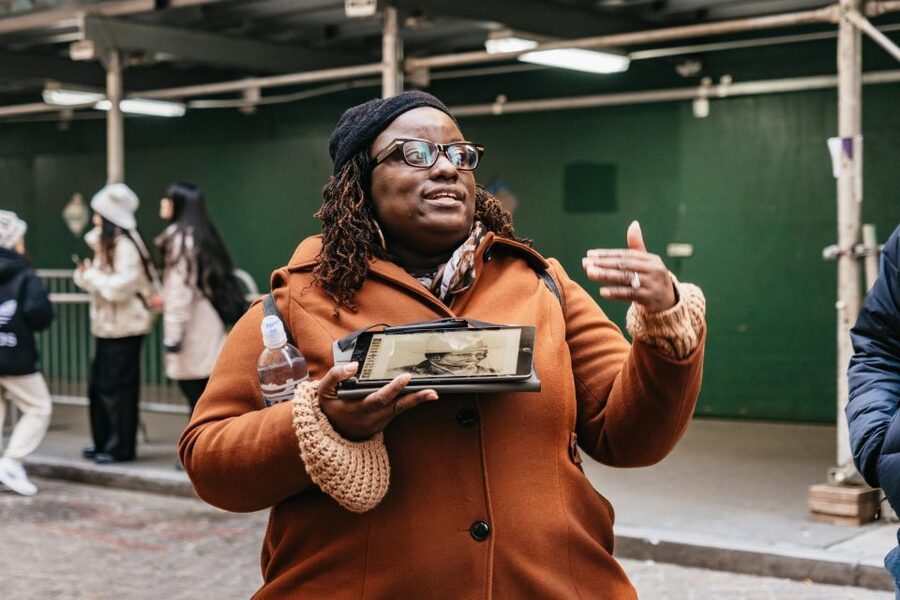
The Underground Railroad was not a literal railroad, and the tour makes clear that it depended on people, secrecy, and risk. You visit former locations connected with the network and learn how clandestine routes and safe houses helped enslaved African Americans move toward free states and Canada.
The network had no single manager or fixed route. Its strength came from scattered cooperation. People offered shelter, directions, transportation, food, money, or warnings. Every part of that chain could fail, and discovery could put both the person escaping and the helper in danger.
The former station stops make this idea more concrete. Instead of hearing only about a national movement, you connect the network to particular places in New York. The city becomes a point of movement, concealment, and decision.
You should not expect every former location to look dramatic today. Some may be ordinary streets or buildings, and that is exactly why a guide matters. The story is often beneath the modern appearance. The walk supplies the names, events, and human choices that a self-guided stroll would likely miss.
The tour also covers kidnappings, an especially important subject because reaching a free state did not always mean permanent safety. People could be pursued, captured, and forced back into slavery. That reality adds weight to the stories of those who helped others escape.
Guides who bring difficult material to life
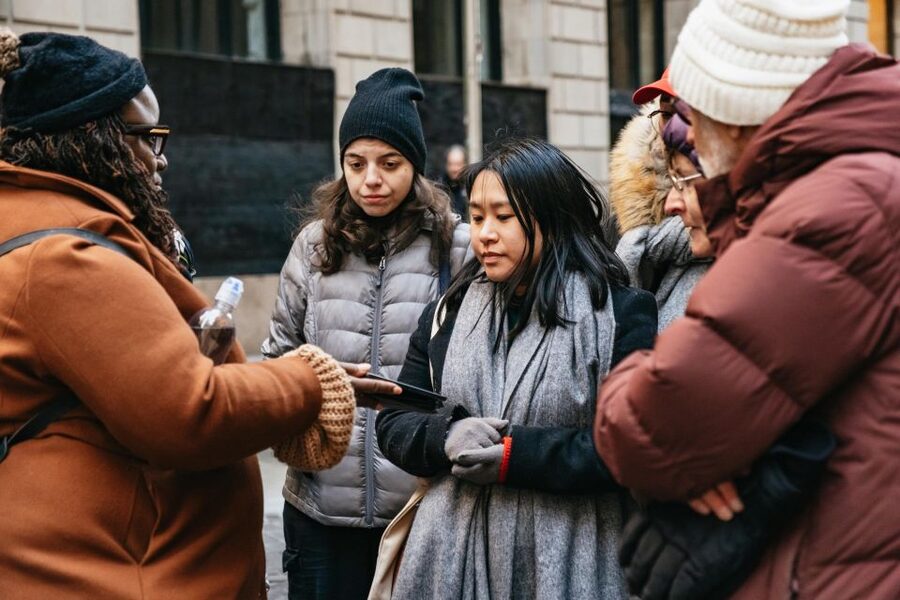
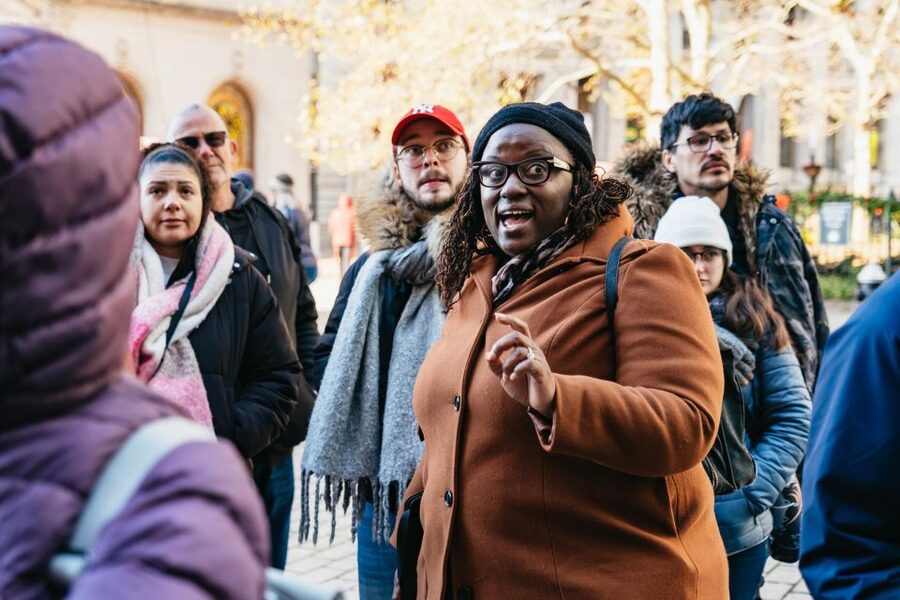
The strongest praise for this experience centers on the guides. Maia and Maya are specifically remembered for thoughtful and informative walks, while Shawn and Shaun are described as clear, well prepared, and able to answer many kinds of questions. Ludie and Loudy are also associated with warm, engaging tours, and Damaras is remembered for answering awkward questions with kindness and humor.
Guide assignments can change, so you should not assume a particular person will lead your departure. Still, the range of guide names gives you a sense of what the operator values: strong storytelling, direct answers, and a willingness to handle difficult subjects without hiding behind vague language.
Some guides use questions to make you think about your own connection to the past. That can make the walk feel more like a conversation than a lecture. It may also ask more of you than a standard sightseeing tour. Come ready to listen and to consider uncomfortable facts.
The best approach is to let the guide set the tone. This history includes racial violence, exploitation, and painful family legacies. A good guide can make the material understandable without making it easy or entertaining in the wrong way.
Walking time, weather, and group feel
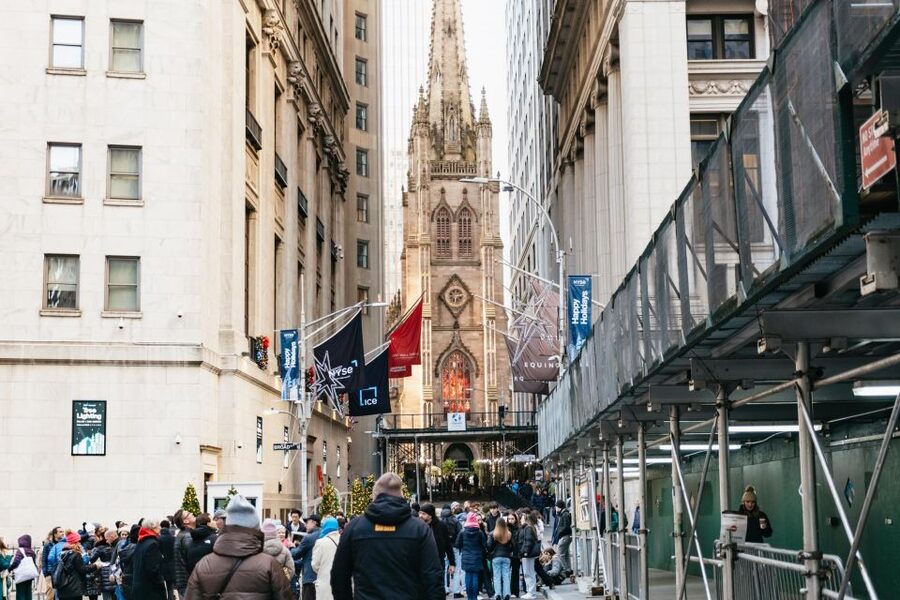
The tour lasts 150 minutes, or two and a half hours. You move between several Lower Manhattan sights, with stops for explanation and discussion. One description of the walk characterizes the amount of walking as manageable, but you should still expect to be on your feet for most of the experience.
Wear comfortable shoes. Bring clothing suited to the forecast, since this is an outdoor walking tour. Rain does not necessarily ruin the experience, and one guide has been praised for giving much of the information from sheltered spots during a wet afternoon, but you should not count on perfect cover at every stop.
Group size may vary. At least one departure was intimate, with only three people, while the tour can also attract an international mix of people from places such as France, Germany, Boston, Ireland, and the United Kingdom. A smaller group can make it easier to ask questions, but the exact size is not guaranteed.
The meeting point is in front of the American Indian Museum. Check the start time carefully when booking, since several departure times may be available depending on the date.
Is $49 a fair price?
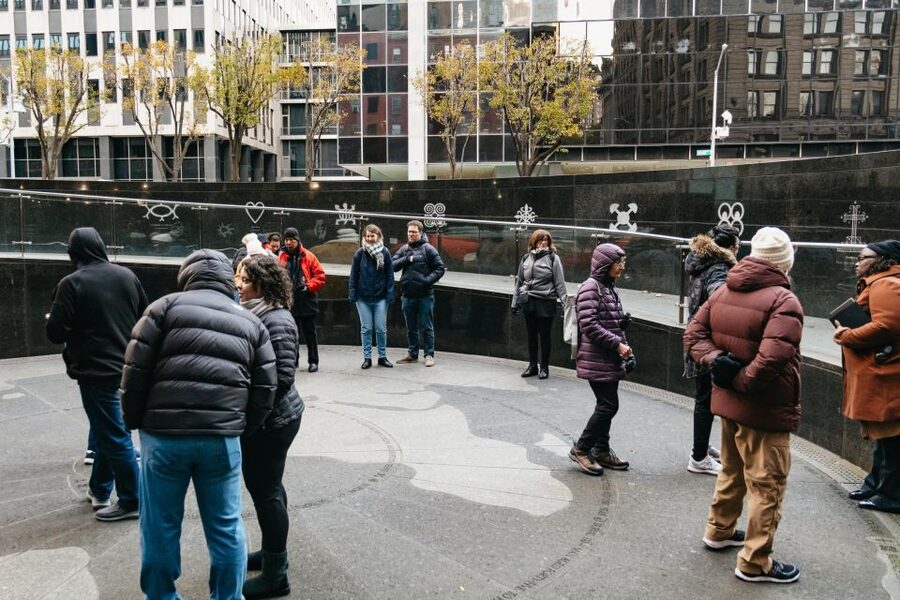
At $49 per person, this is not the cheapest way to walk around Lower Manhattan. You can see Wall Street, Trinity Church, and Fraunces Tavern without paying for a guide.
The value comes from the connections. A self-guided visit might show you the buildings, but it would be much harder to understand the links between colonial labor, slavery, resistance, abolition, the Underground Railroad, and the African Burial Ground. You are paying for interpretation, organization, and access to stories that are easy to overlook.
I think the price is fair if this subject matters to you and you want a focused historical walk. It is less compelling if you only want a quick overview of famous sights or prefer to explore at your own pace.
The tour includes the walking tour and a licensed New York tour guide. Hotel pickup and drop-off are not included, so plan your own way to and from Lower Manhattan.
You can cancel up to 24 hours in advance for a full refund, and you can reserve now and pay later. Those terms make it easier to fit the walk into a changing New York schedule.
Who should book this walk?
I would recommend it to first-time visitors who want more than the usual list of New York landmarks. It also suits lifelong New Yorkers. Several people with years of experience in the city found that the tour changed how they understood familiar streets.
It is a good choice for anyone studying American history, African American history, abolition, or the Underground Railroad. Families with older children may also find it useful, though the serious subject matter means you should decide if it fits your group.
This is not the right pick if you want a cheerful sightseeing loop or a tour focused mainly on architecture. The mood is serious, and the material requires attention. You will get the most from it if you can give two and a half hours to listening, asking questions, and thinking about what the city’s famous places leave out.
Should you book it?
Book this tour if you want to understand how African Americans shaped New York from the era of New Amsterdam through slavery, resistance, abolition, and the Underground Railroad. The combination of the African Burial Ground, former escape routes, Wall Street, Trinity Church, and Fraunces Tavern gives the walk a strong sense of place.
I would especially recommend it early in a New York visit. The stories may change how you see Lower Manhattan for the rest of your trip. At $49, it is a solid buy for a serious, well guided history lesson, provided you are ready for difficult material and a couple of hours on foot.
FAQ
How long is the tour?
The tour lasts 150 minutes, or two and a half hours.
How much does the tour cost?
The price is $49 per person.
Where does the tour meet?
Meet in front of the American Indian Museum.
What language is the tour conducted in?
The live tour guide speaks English, and the activity is offered in English.
What sights are included?
The route includes the African Burial Ground National Memorial, former Underground Railroad locations, Fraunces Tavern, Trinity Church, Wall Street, and other significant sites in Lower Manhattan.
Does the tour include hotel pickup?
No. Hotel pickup and drop-off are not included.
What should I bring?
Bring comfortable shoes and clothing suitable for the weather.
Can I cancel or pay later?
You can cancel up to 24 hours in advance for a full refund. You can also reserve your place and pay later.
Newest history tours we have reviewed in New York City
- Soul of Harlem: Strivers Row, Apollo Theatre, Gospel History★ 4.6 · 87 reviews
- NYC: Lower East Side Devour Food & History Walking Tour★ 4.8 · 19 reviews
- New York: Rock and Roll History and Culture Walking Tour★ 5.0 · 22 reviews
- New York: Mafia and Gangster History Tour in Little Italy★ 4.6 · 79 reviews
- NYC: Night Out Prohibition History Bar and Speakeasy Tour★ 4.6 · 128 reviews
- New York City: Flatiron Food, History, and Architecture Tour★ 4.8 · 43 reviews
- NYC: New York City History of Stand-Up Comedy Tour★ 4.8 · 21 reviews
- NYC: Central Park Pedicab Tour and Natural History Access★ 4.7 · 52 reviews
History Walking Tours, compared.

History and Hauntings of Salem Guided Walking Tour
Read our review →

Freedom Trail History Small Group Walking Tour
Read our review →
Historic Charleston Guided Sightseeing Walking Tour
Read our review →
Tapas Walking Tour with Food, Wine, and History
Read our review →
Savannah History and Haunts Candlelit Ghost Walking Tour
Read our review →
A History of Terror – Belfast City Centre Walking Tour
Read our review →Browse the lists this tour appears in