Review · UZBEKISTAN HISTORY TOURS
Khiva: Historical City Highlights Guided Walking Tour
Khiva’s old town is one of Central Asia’s most striking places, but its blue tiles and mud-brick walls tell only part of the story. This four-hour walking tour gives you the people, legends, religious customs, and everyday details that are easy to miss when you explore Itchan Kala alone. Guides such as Iroda, Bonu, and Shaxzodabonu are praised for clear English and lively storytelling.
I like the way the route covers the major sights without using a bus or car, and I like the chance to ask questions about present-day Uzbekistan as well as past rulers. The main thing to watch is the extra entrance fee. The $19 tour price covers the guide and taxes, but you must buy tickets separately before entering the monuments.
Key points to know before booking
- Four hours on foot inside Itchan Kala: Expect steady walking over historic streets, with little shade in hot weather.
- The ticket price is separate: Your guide helps you buy access tickets at the start, but they are not included in the $19 cost.
- Strong local guiding: Iroda receives especially frequent praise for her English, patience, humor, and personal insight into life in Uzbekistan.
- The route covers Khiva’s essential sights: You visit Allakuli Khan Madrasah, Islam Khoja Minaret, Pahlavan Mahmoud Mausoleum, Juma Mosque, and the wider old city.
- Small groups or private departures: A smaller group gives you more room for questions and makes it easier to adjust the pace.
- Bring practical gear: Wear walking shoes, carry water, and take a hat and sunscreen in warm months.
Why a guide helps inside Khiva’s old walls
Itchan Kala is compact enough to explore on foot, yet it can feel like a maze of lanes, courtyards, domes, and tall brick facades. You can take excellent photographs without a guide, but it is harder to understand which building was a school, which was a shrine, and how the city worked as a living center of trade and faith.
That is where this tour earns its keep. The guide connects the grand monuments with local stories, old legends, Uzbek customs, food, and modern life. Iroda, one of the most frequently praised guides, is described as clear, warm, funny, and patient with questions. Several people also appreciated her advice on restaurants, local dishes, souvenirs, and places to continue exploring.
The tone seems to be conversational rather than stiff. You are not simply marched from one facade to the next while someone recites dates. The strongest guides explain the meaning behind the buildings and adjust their pace to the group. One guide even included bread tasting and comments on local cuisine, while others pointed out quieter corners of the old town.
Still, guide quality can vary. One less enthusiastic assessment found the historical material too focused on key dates, with fewer stories and details than expected. That is a fair warning. If you want an academic lecture on every dynasty, ask questions early and tell the guide what interests you. The tour works best when you take part in the conversation.
More History Walking Tours in the world:
- History and Hauntings of Salem Guided Walking Tour
★ 5.0 · 14,564 reviews - Lisbon: History, Stories and Lifestyle Walking Tour
★ 4.8 · 10,902 reviews - Boston: Freedom Trail History Small Group Walking Tour
★ 5.0 · 6,450 reviews
Starting at Allakuli Khan Madrasah
The meeting point is either the Caravan monument or the ticket office at the entrance to Khiva’s old town, depending on the option you book. Your guide helps you sort out the entrance process first, which matters because the principal museums and monuments require a separate ticket.
Allakuli Khan Madrasah is the first scheduled sight. Built in the 19th century, it gives you an early look at Khiva’s Islamic architecture, with its formal facade and tiled decoration. The stop lasts about 20 minutes, enough for an introduction, photographs, and a first explanation of how madrasahs functioned as places of religious study.
I like starting here because it gives you useful context before the tour reaches the taller and more famous monuments. You can ask about education, religious life, and the role of Khiva’s rulers before moving deeper into the old city.
This is also a good time to check your shoes, water, and camera. The walking has only just begun, and the old paving can be uneven in places. Photography is allowed, but flash is forbidden inside some sites.
Looking up at Islam Khoja Minaret
The Islam Khoja Minaret is the most obvious vertical marker on the route. Its height and narrow shape make it easy to spot above the low roofs of Itchan Kala, and it has become one of Khiva’s best-known symbols.
The scheduled visit takes about 30 minutes, including walking and guided explanation. Your guide can help you read the details of the minaret rather than treating it as a quick photo stop. Look at the pattern of brick and tile, the changing bands of decoration, and the way the tower controls the view across the old town.
This is one of the places where timing matters. The minaret is popular for photographs, so a small group can move more easily than a large one. If you want to spend extra time taking pictures, say so. The itinerary allows some flexibility, but the group still needs to keep moving to finish the later stops.
Some tours of Khiva offer access to climb a minaret, but that is not stated as part of this activity. Do not book this walk assuming you will go to the top. The advertised experience is a guided visit and walk around the monument.
A quieter pause at Pahlavan Mahmoud Mausoleum
The Pahlavan Mahmoud Mausoleum adds a different mood to the tour. This is not just another decorated building. It is a sacred site dedicated to Pahlavan Mahmoud, a respected Sufi saint, poet, and figure in Khiva’s religious tradition.
The stop lasts around 20 minutes. Your guide explains the site’s importance and the customs that matter when visiting a mausoleum. You should dress and behave respectfully, keep your voice low, and follow any local rules about photography.
I like this part of the route because it slows the tour down after the visual punch of the minaret. The blue tilework and enclosed spaces reward careful looking, but the value comes from understanding why people still regard the place as more than an architectural attraction.
If your interest is mainly photography, this may feel like a short stop. If you enjoy learning how faith and local identity shape a city, it is one of the more meaningful visits on the route.
More Guided Tours in the world:
- Edinburgh: Edinburgh Castle Guided History Tour with Tickets
★ 4.8 · 9,933 reviews - Historic Charleston Guided Sightseeing Walking Tour
★ 5.0 · 6,216 reviews - Rome: Colosseum with Arena, Roman Forum and Palatine Guided Tour
★ 4.0 · 5,598 reviews - Venice: St. Mark’s Basilica Guided Tour & VR History Intro
★ 3.9 · 4,880 reviews
Entering the Juma Mosque
Juma Mosque is known for its forest of wooden columns and its unusual interior atmosphere. The mosque dates back to the 10th century, and its design feels very different from the tiled facades outside. Instead of one grand exterior gesture, the interior draws your attention to repeated wooden supports, shadow, and quiet.
The planned visit takes about 20 minutes. That is enough for your guide to explain the mosque’s age, structure, and religious role, though you may want more time if you are interested in architectural details.
This stop also shows why a guide is useful. At first glance, a room filled with columns can seem simple. Once someone points out how the layout creates a distinct worship space and why the woodwork matters, the building becomes easier to read.
Please remember the photography rule here. Flash is not allowed inside certain sites, and a respectful approach matters more than getting one perfect interior photograph.
The wider walk through Itchan Kala
The route allows about 40 minutes for Itchan Kala itself, though the whole tour takes place within this historic walled city. This is the part where the separate monuments begin to make sense as one place rather than a string of unrelated stops.
You will walk through lanes lined with madrasahs, minarets, courtyards, shops, and historic walls. Your guide may point out details you would pass without noticing, along with quieter corners away from the main photo positions. Several guides are praised for adding stories about local traditions and ordinary life, which helps keep the tour from becoming a parade of royal names and construction dates.
The old city is best enjoyed at walking speed. You can notice the texture of the brick, the contrast between turquoise tile and sun-baked walls, and the way the tall monuments guide you through the lanes. At the same time, four hours is a long period to be outside in summer. Take water, use sunscreen, and wear a hat. A short coffee break is not listed, and one person specifically wished the tour had included one.
The route finishes at either the old town ticket office or inside Itchan Kala. That makes it easy to continue exploring on your own, return to your accommodation, or stop for a meal nearby.
What the $19 price really covers
At $19 per person, this is a low-cost way to add structure and local explanation to a visit that you could otherwise make independently. The price includes a professional guide and taxes. It does not include admission to the monuments.
That distinction is important. You may need to pay a separate combined or site ticket before entering the main museums and attractions. The exact amount can change, and one past booking described paying roughly €20 per person for access. Confirm the current ticket price when you arrive rather than treating the $19 tour cost as the full expense.
Even with the extra admission, the tour can offer good value if you want help understanding what you see. A self-guided visit costs less, but you must research the sites, find the entrances, work out the ticket system, and decide what details matter. The guide also saves you from missing smaller corners of Itchan Kala and can suggest where to eat afterward.
The value is strongest for first-time visitors, people with limited time, and anyone who wants cultural context rather than photographs alone. If you have already read deeply about Khiva and prefer to set your own pace, the extra guiding fee may feel less necessary.
Language, group size, and pace
Tours are offered in English, Uzbek, or Russian. The English-speaking guides are generally described as easy to understand, with Iroda receiving particular praise for her clear explanations and ability to answer a wide range of questions.
Private and small-group formats are available. I prefer the smaller option here because the sights are close together but the lanes can feel tight. You can hear the guide more easily, ask follow-up questions, and spend longer at a building that catches your interest.
The pace is usually adaptable. Guides have adjusted the route for people who wanted more time at one place, skipped a stop, or asked for additional suggestions for modern Khiva. One group found the final sites rushed because the buildings were close to closing time and suggested starting earlier. If your available start time is late in the afternoon, ask how much time will remain at each monument.
The tour is not suitable for wheelchair users or people with mobility impairments. Even without a stated accessibility need, you should expect four hours of walking and possibly uneven historic surfaces.
Practical advice for a better afternoon
Add your WhatsApp number when booking. The activity specifically asks for it, and you should download WhatsApp if you do not already use it so the meeting arrangements can reach you.
Wear shoes that you can walk in for several hours. Sandals may be fine for some people, but sturdy, comfortable footwear is the safer choice on old streets.
Carry water, sunscreen, and a hat during warmer months. Khiva can feel very exposed under the sun, and the itinerary does not promise a café stop.
Bring a camera, but leave the flash switched off. Ask before photographing inside religious or sacred spaces, and keep your voice low at the mausoleum and mosque.
Tell your guide what you want from the tour. If you care about architecture, ask for building details. If you want modern culture, ask about family life, food, women’s lives, and current customs. The best part of this experience is the chance to connect the monuments with present-day Uzbekistan.
Who should book this Khiva walk?
I would choose this tour if you have one day or less in Khiva and want to understand the old city quickly. It covers the essential monuments, stays on foot, and gives you a human point of contact for questions about food, customs, and life beyond the tourist lanes.
It also suits solo visitors and couples who want company without committing to a large coach tour. A small group can keep the price low while still allowing conversation. Families with older children may also find the stories more engaging than reading labels alone, though four hours of walking may be too much for young children.
I would think twice if you need wheelchair access, dislike walking in hot weather, or want every monument admission included in the advertised price. I would also avoid booking at the latest possible start time if you want a relaxed visit to the final sites.
Should you book it?
For $19, this is a sensible introduction to Khiva, provided you budget separately for entrance tickets. I especially like it for the combination of major sights and local conversation. Guides such as Iroda and Bonu appear to add real warmth, clear English, restaurant advice, and stories about modern Uzbek life, not just dates on a timeline.
Book it if you want your first look at Itchan Kala to have a clear shape and a local voice. Skip it only if you strongly prefer wandering alone, already know the monuments well, or need an easier route with fewer hours on foot.
FAQ
How long does the Khiva walking tour last?
The tour lasts four hours. Some past departures have finished slightly earlier, but you should plan for a full half-day on foot.
What sights are visited?
The route includes Allakuli Khan Madrasah, Islam Khoja Minaret, Pahlavan Mahmoud Mausoleum, Juma Mosque, and the UNESCO-listed Itchan Kala old city.
Are entrance tickets included in the $19 price?
No. Entrance tickets are not included. You buy them at the start of the tour, and the guide assists with the process.
What languages are available?
Live guiding is available in English, Uzbek, and Russian.
Is the tour suitable for wheelchair users?
No. The activity is not suitable for wheelchair users or people with mobility impairments.
What should I bring?
Wear comfortable walking shoes and prepare for changing weather. In warm months, bring water, sunscreen, and a hat. Photography is allowed, but flash photography is prohibited inside certain sites.
Newest history tours we have reviewed in the world
- Bologna: Street Food Tour in the Historic Center★ 4.8 · 125 reviews
- Bilbao Historical Tour in small group★ 4.7 · 52 reviews
- CEBU: Cebu City Heritage and Uphill Guided Tour★ 4.2 · 31 reviews
- Bishkek : City Tour (History, Architects, Statues & Culture)★ 4.9 · 54 reviews
- Blenheim: Omaka Aviation Heritage Centre Admission Ticket★ 4.9 · 31 reviews
- Berlin: Nazi History Walking Tour★ 4.8 · 33 reviews
- Best of Baku: 4-Hour City Tour Historic and Modern Landmarks★ 4.7 · 63 reviews
- Belfast: Best of Belfast History, Culture & Art Walking Tour★ 4.9 · 158 reviews
History Walking Tours, compared.
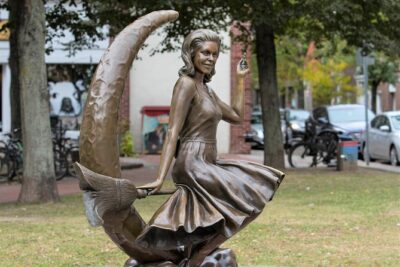
History and Hauntings of Salem Guided Walking Tour
Read our review →

Freedom Trail History Small Group Walking Tour
Read our review →
Historic Charleston Guided Sightseeing Walking Tour
Read our review →
Tapas Walking Tour with Food, Wine, and History
Read our review →
Savannah History and Haunts Candlelit Ghost Walking Tour
Read our review →