
Review · IRELAND HISTORY TOURS
The Queenstown Story @ Cobh Heritage Centre , Great Stories of Emigration.
Cobh Heritage Centre tells Ireland’s emigration story inside a restored Victorian railway station, the same kind of place where families once waited before leaving their homeland. You follow the lives of more than three million Irish emigrants, from departures in the 1600s through the Great Famine and later crossings to America and the West Indies. I especially like the personal emigrant trail, which gives the displays an emotional focus, and the museum’s mix of text, audio, film, and hands-on features.
The location is superb for a cruise stop or a quick visit from Cork. You are close to the water, the cruise pier, and Cobh train station. The main drawback is that this is a self-guided museum, not a continuously led tour, and some displays require careful reading. If the genealogy service is important to you, it may not be staffed during your visit.
Key points before you go
- Follow one emigrant through the museum: The personal trail helps turn a large subject into a human story.
- See more than Titanic history: The centre covers Irish emigration, the Great Famine, military links, and Cobh’s wider port history.
- Use the convenient location: The building is very close to the cruise pier and about a four-minute walk from Cobh train station.
- Allow 90 minutes if you want to read: A quick visit takes about an hour, while a careful visit can fill 1 to 2 hours.
- Finish with a café stop: Coffee, tea, scones, cream, jam, and a gift shop make it easy to pause before continuing around Cobh.
- Expect independent exploration: The displays combine reading, listening, watching, and interactive elements rather than a single spoken tour.
Why Cobh’s departure story matters
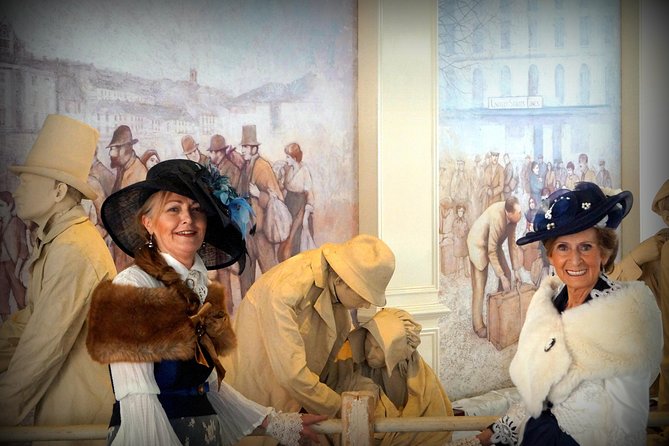
Cobh was once known as Queenstown, and its location on Cork Harbour made it an important point of departure. The centre begins in the 1600s, when Irish people left for the American Colonies and the West Indies, then follows later waves of emigration and the destinations where people settled.
That long view matters. It keeps the museum from reducing Irish emigration to one event or one destination. You see that people left for different reasons and at different times, including the devastating years of the Great Famine.
The story is personal as well as historical. At the entrance, you may be given the name of an emigrant to follow through the displays. This simple idea gives you a human viewpoint as you move from departure to settlement. Instead of only reading dates and totals, you can imagine the uncertainty of leaving home, boarding a ship, and starting again somewhere unfamiliar.
I like this approach because the subject could easily become a wall of statistics. The individual trail gives you a thread to hold onto, especially if you have Irish family connections.
More History Tours in Ireland:
- Dublin Historical Centre Food Tour with 8 Food Tastings & Drinks
★ 5.0 · 1,718 reviews - 2-Hour Historical Walking Tour from Dublin
★ 5.0 · 875 reviews - Celtic Boyne Valley & Ancient Sites Day Tour From Dublin
★ 4.5 · 865 reviews
Inside the restored Victorian railway station
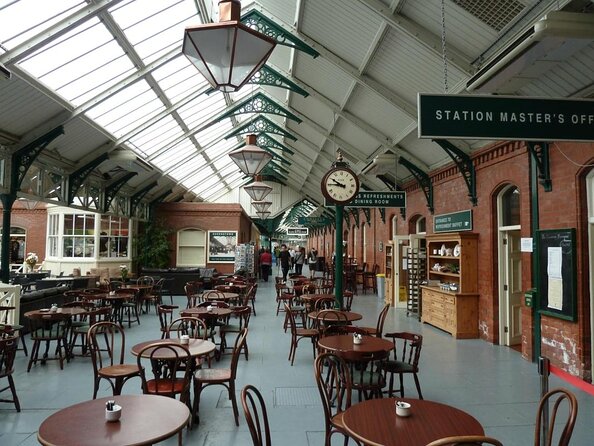
The building itself is part of the experience. Cobh Heritage Centre occupies a beautifully restored Victorian railway station at Deepwater Quay. Its high ceilings and old railway character suit the subject: this was a place of movement, waiting, and final goodbyes.
The setting also helps you understand the practical side of departure. You are not looking at an abstract museum far from the waterfront. You are in a former transport building, near the harbour where ships connected Ireland with the wider world.
The centre is particularly easy to reach. From the cruise pier, it is less than 200 yards away, making it a useful choice if your time in Cobh is limited. From Cork City, the train ride takes about 25 minutes, and the centre is roughly a four-minute walk from Cobh station.
That makes this one of the simplest heritage stops in the area. You do not need a long taxi ride or an elaborate day plan. You can visit the centre, walk through Cobh, and continue to the Titanic experience, which is about another four minutes away on foot.
A chronological walk through Irish emigration
The displays follow a broad timeline. You begin with departures in the 1600s, then move through later centuries and the different places where Irish emigrants settled.
This order is useful because it shows change over time. The story is not simply Ireland to America. The centre includes destinations in the American Colonies, the West Indies, and other parts of the world connected to Irish migration.
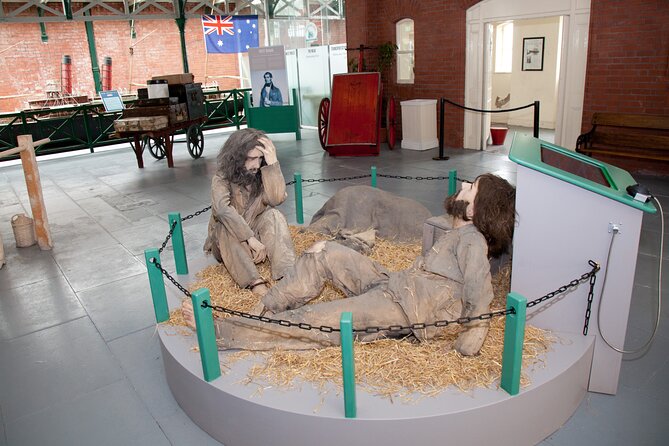
The Great Famine receives its own attention. This section is likely to be the emotional centre of the visit. It explains one of the major forces that pushed people from Ireland and places those departures within the wider suffering of the period.
You should give yourself time here. The displays are designed for an independent visit, so you can read at your own pace and pause when a story catches you. The museum does not force you to move with a group, which is helpful when a particular family story or historical event matters to you.
The amount of reading also creates the main weakness. If you have only a short break between ship arrival and departure, you will need to choose your pace. An hour gives you a useful visit, but 90 to 100 minutes is more comfortable if you want to listen, watch, and read without rushing.
Titanic, Lusitania, and Cobh’s maritime past
Cobh’s connection with Titanic and Lusitania adds a familiar chapter, but the centre does not treat those ships as the whole story. Instead, their stories appear within the larger history of the port and Irish departures.
The Titanic connection is especially relevant because Cobh was the final port of call for the ship. The Lusitania story brings another important maritime link and helps show how the harbour’s history extends beyond emigration.
If you arrive expecting only Titanic displays, you may be surprised by how much more you find. That is a strength. You get context for the port, the ships, and the people who passed through it.
The centre also covers Cobh’s military and maritime roles. These sections help explain why the town mattered as a harbour, not only as a departure point for emigrants. They give you a wider picture before or after you visit the waterfront.
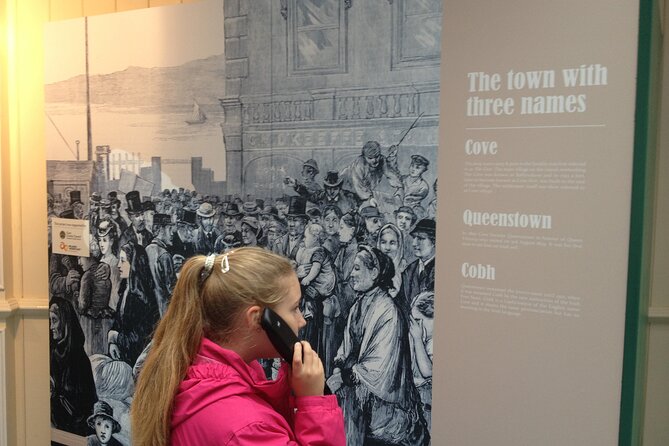
The displays use several formats. You can expect material to read, things to listen to, films or presentations to watch, and interactive features. One memorable option lets you learn how to type Morse code. That kind of activity gives younger visitors something to do while adults spend more time with the historical panels.
Same streets, a different century:
- Historical 2-Hour Guided Walking Tour of Dublin
★ 4.7 · 865 reviews - From Dublin: Celtic Boyne Valley and Ancient Sites Tour
★ 4.5 · 618 reviews - Dublin to Cork, Blarney Castle & Cóbh Heritage Centre by train
★ 4.5 · 510 reviews - Dublin: Jeanie Johnston Tall Ship Irish Famine History Tour
★ 4.8 · 431 reviews
How long should you allow?
The official visit takes about one to two hours. In practical terms, I would allow one hour for a focused visit and 90 to 100 minutes if you want to take your time.
A one-hour visit can cover the main sequence and the major themes. It suits a cruise stop, especially if you want to add a walk through Cobh afterward.
With closer to 90 minutes, you can spend more time with the individual emigrant trail, the Great Famine section, and the maritime displays. You can also pause at the interactive features instead of treating them as quick extras.
You are not pushed out after one circuit. The centre allows you to remain and return to displays on the same day. That is useful if you want to break the visit with a café stop or combine it with another Cobh attraction.
The best plan is to arrive early enough that you do not have to watch the clock. The museum is open daily from 9:30 a.m. to 4 p.m. for the stated period of September 1 through December 30, 2026. Check your timing carefully if you are visiting from a cruise ship, since the attraction itself may be close to the pier but the ship’s departure time remains the limit.
What the self-guided format feels like
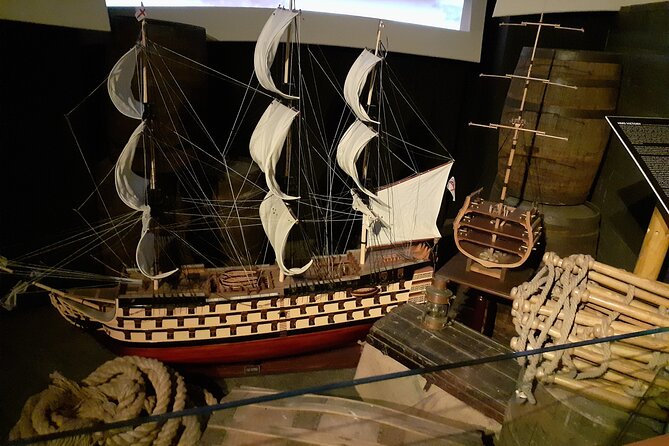
This is not a traditional guided tour where someone leads you from room to room. You enter independently and work through the displays in sequence.
That format suits people who want control over their pace. You can stop for a family connection, skim a familiar section, or spend longer with a subject that is new to you. You can also return to a display instead of trying to remember everything during one pass.
The tradeoff is that you will not have a guide explaining every panel or answering questions as you go. A driver or guide is listed as included with the experience, but the centre itself is described as self-guided. If personal interpretation is important to you, confirm exactly what is provided when booking.
One visitor also described a walking tour led by Aideen. That suggests additional guided activities may sometimes be available, but you should not assume that a walking tour is part of this museum admission unless it is clearly included in your booking.
The independent format works well for families with different interests. One person can read about the famine while another tries the Morse code activity. It also works for anyone researching family roots, since the displays can be approached as both a general history lesson and a personal journey.
Genealogy help and family connections
A genealogy consultant and access to Ancestry.com are available inside the centre, which can add real value if you are tracing an Irish ancestor. The centre’s location is especially meaningful for people whose relatives left through Cobh.
You should treat this service as a useful possibility, not a guaranteed appointment. The genealogy desk may not be staffed during your visit, and an advance appointment is not clearly provided in the booking information.
If your family connection is the main reason for visiting, plan your expectations carefully. The museum itself will still give you historical context, but genealogy assistance may depend on staff availability.
Even without a consultation, the emigrant stories can make the visit personal. The centre focuses on the people who left, the circumstances that shaped their decisions, and the destinations where they settled. For anyone with an Irish grandparent or great-grandparent who moved abroad, that context can make a family story easier to picture.
Café, gift shop, and nearby Cobh sights
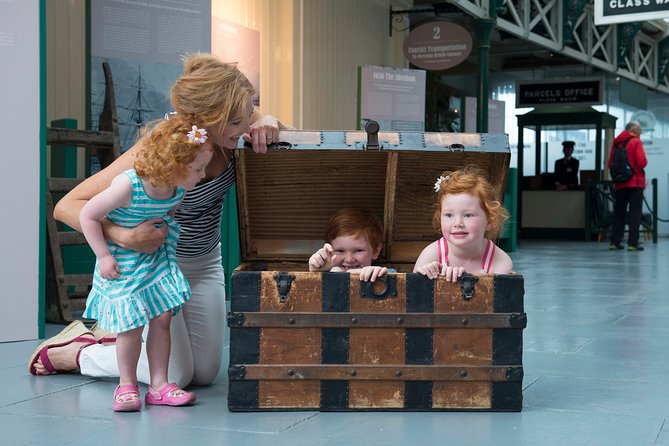
The café is a practical part of the visit rather than just an afterthought. You can stop for coffee or tea, and scones with cream and jam are available. If you have finished before your companions, the café gives you somewhere comfortable to wait.
There is also a gift shop. The information provided does not specify its full range, but it gives you another reason to allow a few extra minutes before leaving.
After the centre, Cobh is easy to explore on foot. The train station is nearby, the cruise pier is close, and the Titanic attraction is around four minutes farther along the waterfront. You can build a compact half-day plan without needing additional transport.
This arrangement is particularly handy if you are staying in Cork City. The 25-minute train ride lets you reach Cobh without arranging a private transfer, and the short walk from the station keeps the visit straightforward.
Is the $18.15 price fair?
At $18.15 per person, the admission is reasonable if you have an interest in Irish family history, emigration, or Cobh’s maritime past. You are paying for more than a small Titanic display. The visit covers several centuries, the Great Famine, settlement overseas, and the port’s connections with major ships.
The value is strongest when you can give the centre at least 90 minutes. The interactive displays, personal emigrant trail, and varied presentation methods make the experience more useful than a quick pass through static panels.
It is less compelling if you only want a short, dramatic Titanic attraction. In that case, the broader emigration story may feel like more information than you need.
Skip-the-line entry is included, though the practical benefit depends on the day. If there is no queue, you may not save much time. Still, advance admission can make sense during busy cruise periods, especially when your schedule is tight.
Food and drinks are not included in the ticket. The café is available on site, so you can budget separately for coffee or a scone.
Who will enjoy this most?
I would recommend the centre most strongly to:
- People tracing Irish ancestors
- Visitors interested in the Great Famine and Irish emigration
- Cruise passengers who want a convenient Cobh attraction
- Families who prefer a mix of reading and interactive displays
- Anyone with 60 to 120 minutes before exploring the town
- Visitors interested in Titanic but willing to look beyond that single story
It may suit younger children best if they enjoy interactive features, since much of the visit still depends on reading and listening. Older children and adults are more likely to appreciate the full historical sequence.
The site is near public transportation, service animals are allowed, and most people can take part. The group size is capped at 40, though the independent format means the experience does not feel like a large guided procession.
Should you book The Queenstown Story?
Book it if you want to understand why Cobh mattered and how Irish emigration shaped families around the world. The personal emigrant trail, Great Famine displays, maritime material, and convenient location make it a strong use of a morning or afternoon.
I would especially choose it for a cruise stop, a family-history visit, or a first trip to Cobh. It is close to the pier, easy to reach by train, and simple to combine with a walk through town and a Titanic visit.
Skip it only if you want a short, guide-led attraction with little reading. This centre rewards patience and independent exploration. Give it 90 minutes, stop for a scone or coffee afterward, and you will have a fuller understanding of Cobh than Titanic alone can provide.
Free cancellation is available up to 24 hours before the scheduled start time. Changes or cancellations made less than 24 hours ahead are not accepted for a refund.
FAQ
Where is The Queenstown Story located?
It is at Cobh Heritage Centre, Deepwater Quay, Ringmeen, Cobh, County Cork, Ireland. The building is close to the cruise pier and near Cobh train station.
How long does the visit take?
Allow about one to two hours. A focused visit can take about an hour, while 90 to 100 minutes gives you more time to read and use the interactive displays.
Is the experience guided?
The museum visit is self-guided. The booking information also includes a driver or guide, but it does not specify that a guide leads the museum visit. A walking tour led by Aideen was available for at least one visitor, so confirm what your booking includes.
What subjects does the museum cover?
It covers Irish emigration from the 1600s onward, the Great Famine, Cobh’s maritime and military roles, and the town’s links with Titanic and Lusitania.
Is the museum suitable for cruise passengers?
Yes. The centre is less than 200 yards from the cruise pier, making it convenient for a short visit during a port call.
How far is it from Cobh train station?
The centre is about a four-minute walk from Cobh train station. The train journey from Cork City takes about 25 minutes.
Is food included in the admission?
No. Food and drinks are not included, but the centre has a café serving refreshments such as coffee, tea, and scones with cream and jam.
Is genealogy help available?
A genealogy consultant and access to Ancestry.com are available inside the centre. Staff availability is not guaranteed, so you should not assume that a consultant will be present during your visit.
Can I cancel for a refund?
Yes. You can cancel at least 24 hours before the experience start time for a full refund. Cancellations or changes made less than 24 hours in advance are not accepted.
Newest history tours we have reviewed in Ireland
- Private Dublin Historical and Heritage Tour by Bike★ 5.0 · 30 reviews
- Historical Walking Tour of Dublin★ 5.0 · 50 reviews
- DayTripper Dublin: A Guided City Walking Tour★ 5.0 · 90 reviews
- Dublin LGBTQ Pride Historical and Cultural Walking Tour★ 5.0 · 91 reviews
- Interactive Living History in Dalkey Castle near Dublin City★ 5.0 · 133 reviews
- Hidden Dublin: Haunted History Walking Tour v2.0 2026★ 4.5 · 188 reviews
- Full-Day Irelands Ancient Boyne Valley Private Guided Tour★ 5.0 · 36 reviews
- Interactive Guided Tour of Printing History★ 5.0 · 23 reviews
Ireland History Tours, compared.

Dublin Historical Centre Food Tour with 8 Food Tastings & Drinks
Read our review →
Historical 2-Hour Guided Walking Tour of Dublin
Read our review →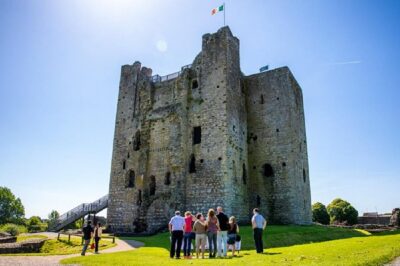
Celtic Boyne Valley & Ancient Sites Day Tour From Dublin
Read our review →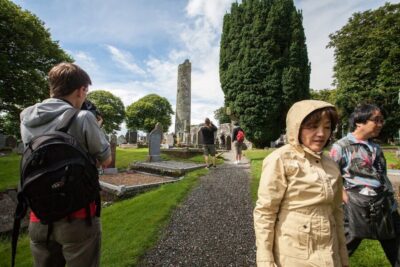
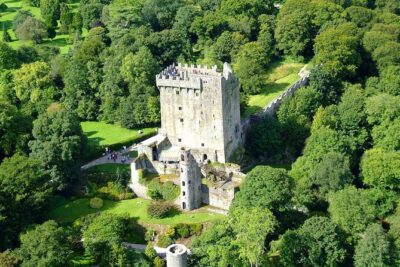
Dublin to Cork, Blarney Castle & Cóbh Heritage Centre by train
Read our review →
Jeanie Johnston Tall Ship Irish Famine History Tour
Read our review →
Browse the lists this tour appears in