
Review · KATHMANDU HISTORY TOURS
Pick 2-Wonders of Kathmandu: A 3-Hour Heritage Hop
Kathmandu’s greatest strength is its density. In a short ride from Thamel, you can move from royal courtyards to a hilltop stupa, or from Hindu cremation ghats to one of Nepal’s most important Buddhist shrines. This tour lets you choose two major heritage sites instead of rushing through a long checklist.
I like the private car and flexible pace, especially when a guide such as Nilakantha Acharya can slow down for questions, photographs, or a closer look at a ritual. I also like the low price: at $3.94 per person, it is an inexpensive way to get oriented during a short stay.
The main catch is time. Three hours is enough for two carefully chosen stops, but not for a relaxed visit to every temple, courtyard, and museum. Entrance fees are extra, and busy roads can reduce your sightseeing time.
Key points to know before booking
- Choose two sites: Select from Kathmandu Durbar Square, Swayambhunath, Pashupatinath, Boudhanath, Patan, and Bhaktapur.
- Private hotel pickup: The tour begins and ends in Thamel, with an air-conditioned private vehicle and bottled water.
- A guide makes the difference: Nilakantha Acharya, Prakash, and other guides explain symbols, rituals, royal history, and local customs in English or Hindi.
- Good for a short schedule: Three hours gives you a useful first look at Kathmandu without committing to a full-day tour.
- Kumari may be part of the visit: Kathmandu Durbar Square offers a chance to see the Kumari, Nepal’s living goddess, though a sighting cannot be guaranteed.
- Budget for admission: Monument entrance fees and personal spending are not included in the low advertised price.
Why two sites can work better than six
Kathmandu Valley has an unusual concentration of important monuments. Seven World Heritage zones are often discussed as part of the valley’s heritage, while this tour presents a choice of six major sites and asks you to select two. That narrow format is useful because each site deserves more than a quick photograph.
A longer sightseeing day may cover more ground, but it can also leave you with a blur of pagodas, statues, and courtyards. Here, your guide can adjust the pace to your interests. If you care about religion, you can give more time to Pashupatinath and Boudhanath. If royal buildings and Newari design appeal to you, Patan and Kathmandu Durbar Square make a strong pair.
The cost is unusually low for a private vehicle, guide, hotel pickup, and three-hour visit. Still, read the price correctly. It does not cover admission to the monuments, meals, or drinks beyond bottled water. At this rate, the tour works best as a guided introduction, not as an all-inclusive day out.
The private format is one of the strongest features. You are not tied to a large group’s pace, and the guide can respond to your questions. Several tours were led by Nilakantha Acharya, while Prakash also received especially warm praise. Hari and Ram were named as drivers on some outings. The practical benefit is simple: you can spend longer at the places that matter most to you.
More Three-Hour Tours in the world:
- Berlin: 3-Hour World Heritage Cruise to Potsdam
★ 4.5 · 1,569 reviews - Edinburgh: 3-Hour Historical Walking Tour in Italian
★ 4.7 · 734 reviews - 3-Hour Porto Jewish Heritage Walking Tour with Local Guide
★ 4.5 · 396 reviews
Option 1: Kathmandu Durbar Square and Swayambhunath
This is the best pairing if you want royal architecture, local religious life, and a broad view over Kathmandu in one outing.
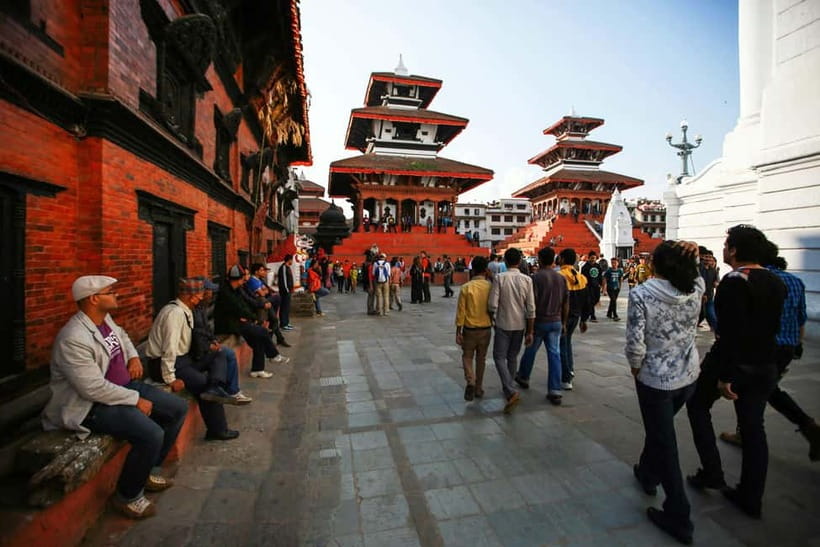
Kathmandu Durbar Square sits at the core of the old city. The square is filled with palace courtyards, temples, carved windows, shrines, and buildings linked to the Malla and Shah dynasties. The nine-storied Nautale Durbar is one of the major landmarks, but the appeal is not limited to one structure. The setting works like an open-air history lesson, with layers of political power, worship, and daily city life close together.
Your guide can help you read the details that are easy to miss. Newari architecture often packs meaning into timber carvings, roof shapes, statues, and courtyard layouts. Without help, you may see an attractive old square. With explanation, you can better understand how royal space and religious space overlap.
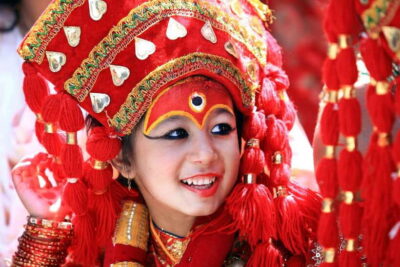
The Kumari Temple is another reason to choose this option. The Kumari is a living goddess, selected according to traditional requirements and honored as a sacred figure. You may have an opportunity to see her, but the timing and circumstances are not under your control. Treat it as a possible part of the visit, not a promised performance.
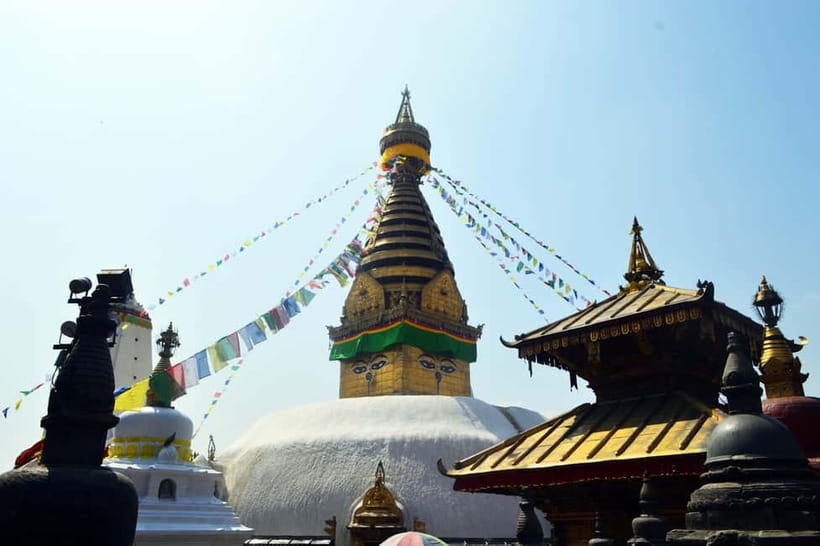
Swayambhunath, often called the Monkey Temple, sits on a hill and is known for its large stupa, monkeys, shrines, and prayer activity. The hilltop location gives you sweeping views across Kathmandu Valley, including the advertised 360-degree panorama when conditions allow. This is the stop for photographs and orientation.
There is a physical consideration. Reaching the hilltop involves an ascent, and the site is not suitable for wheelchair users according to the tour information. The combination of a city square and hilltop shrine also means you should wear practical shoes and avoid bringing a large bag.
This option received the strongest pattern of praise in the supplied feedback. Nilakantha Acharya was repeatedly singled out for explaining the monuments clearly, answering many questions, and adjusting the pace. One especially useful touch was a break at a rooftop for coffee when jet lag became a problem. That sort of flexibility is valuable on a first day in Nepal.
Option 2: Pashupatinath and Boudhanath
Choose this pair if spiritual traditions are your main interest. It gives you two powerful religious settings, but they feel very different from one another.
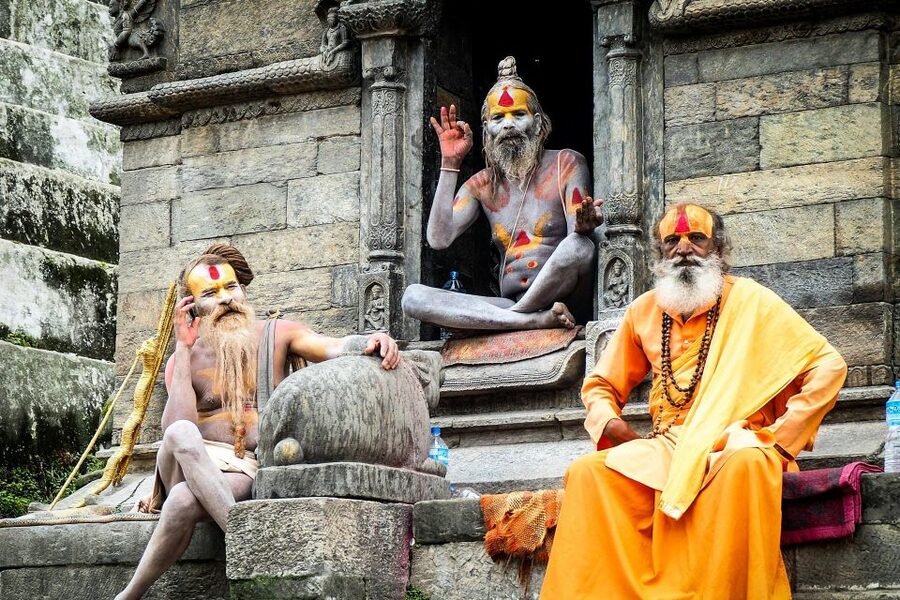
Pashupatinath Temple is dedicated to Lord Shiva and lies beside the Bagmati River. It is one of Hinduism’s most important sacred places. Along the river, you may witness traditional cremation rituals. This is not staged cultural entertainment. It is an active religious site, so you should follow your guide’s advice, dress respectfully, and keep a quiet and considerate manner near ceremonies.
The experience can be visually and emotionally strong. Temple buildings, worshippers, priests, river activity, and funeral rites all share the same setting. Your guide’s explanations matter here because symbols and rituals may not be obvious to someone seeing them for the first time.
Access inside parts of the temple complex may depend on religious rules. The supplied information presents the site as a place to experience from the complex and its surrounding areas, not as a guarantee of entry into every building. Ask your guide what is open and what can be viewed from outside.
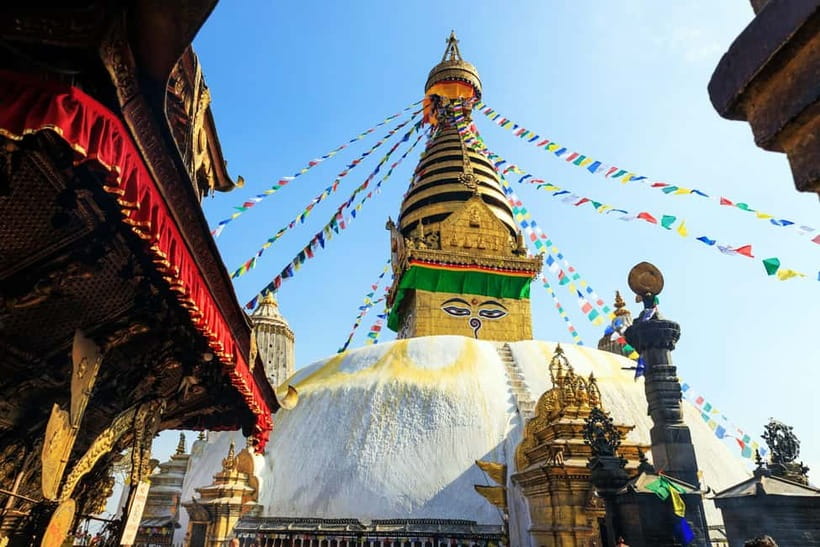
Boudhanath Stupa offers a different mood. This enormous Buddhist stupa is one of Nepal’s most important mandala-shaped monuments and was once connected to the trade route toward Tibet. Its broad circular setting gives you room to walk, observe, and take in the design.
Look for the painted Buddha eyes and the strong geometric form of the stupa. The site’s importance comes not only from its size but also from its role in Tibetan Buddhist life and the older movement of people and goods across the Himalaya. Your guide can connect the architecture with Buddhist ideas and local practice.
This pair was especially successful when a festival was taking place at Pashupatinath. Nilakantha Acharya explained the rituals and symbols as events unfolded, making the visit more than a quick stop. Of course, festivals are not guaranteed on your date, so choose this option for the sites themselves, not for a particular ceremony.
A three-hour visit is enough to gain a strong sense of both places, but you will need to keep moving. Pashupatinath can raise difficult feelings, especially around cremation rituals. If you prefer royal buildings and decorative courtyards, choose another pairing.
Option 3: Patan and Kathmandu Durbar Squares
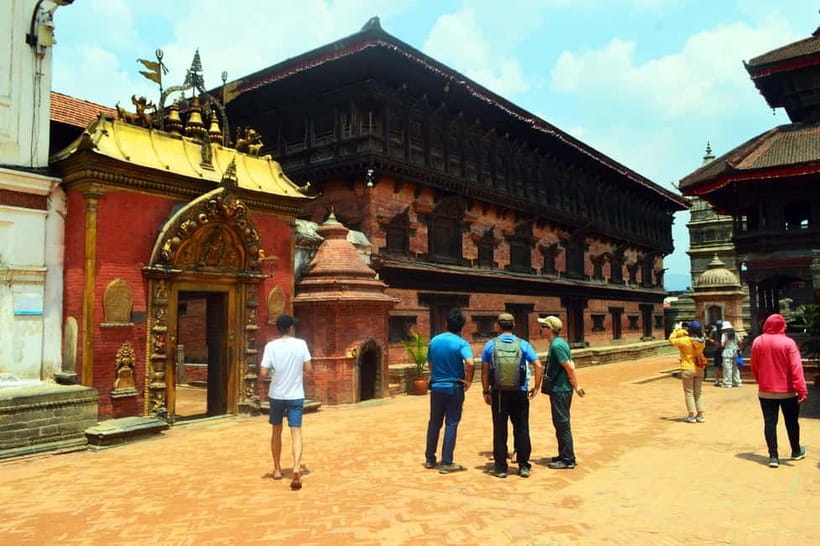
This is the strongest choice for architecture and palace history. Patan, also known as Lalitpur, is often associated with fine Newari craftsmanship, while Kathmandu Durbar Square gives you another view of royal Kathmandu.
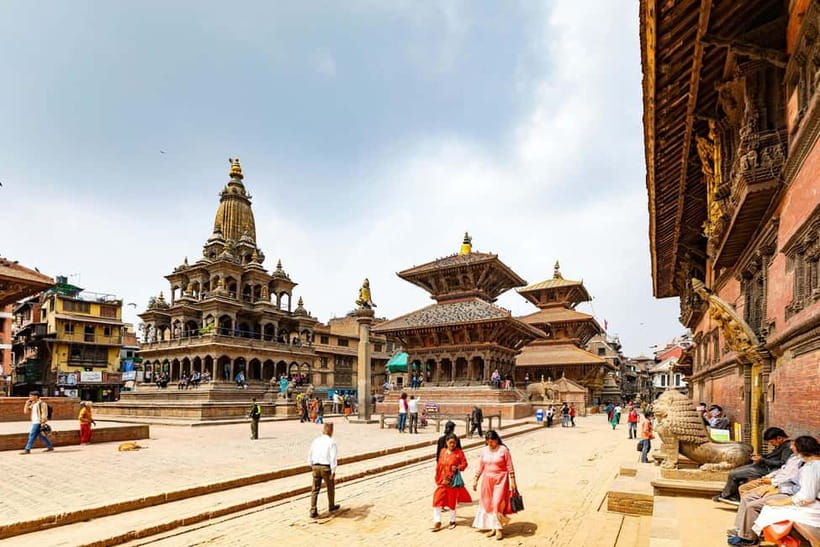
Patan Durbar Square is paved in red brick and framed by temples, palace buildings, statues, and carved architectural details. The square is compact enough to reward close looking. I would choose this stop if you care about woodwork, brick construction, bronze figures, and the way temples shape an urban courtyard.
The former royal palace complex adds political context, while the surrounding temples show how closely court life and religious life were tied together. Your guide can point out the differences between buildings instead of letting the square become one long row of similar-looking shrines.
Kathmandu Durbar Square provides a useful comparison. You can see more royal structures, including the Nautale Durbar, and learn about the dynasties that ruled from this center. The Kumari tradition adds a living religious element to the historical setting.
The drawback is that both stops share some visual themes. If you want maximum variety, pair a Durbar Square with Swayambhunath or Boudhanath instead. If your main goal is Newari architecture, though, this is a focused and worthwhile choice.
This option also makes sense for repeat visitors. A guide can bring out details you missed before, and a private pace lets you spend time on particular carvings or courtyards instead of following a fixed group schedule.
More History Tours in the world:
- New York City: American Museum of Natural History Ticket
★ 4.5 · 15,447 reviews - History and Hauntings of Salem Guided Walking Tour
★ 5.0 · 14,564 reviews - Colosseum: Underground and Ancient Rome Tour
★ 4.7 · 12,691 reviews - Lisbon: History, Stories and Lifestyle Walking Tour
★ 4.8 · 10,902 reviews
Option 4: Bhaktapur’s four connected squares
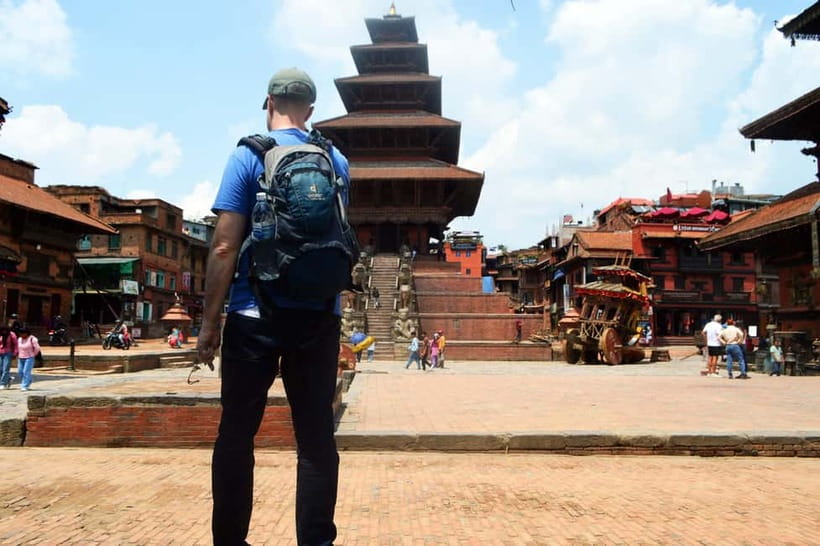
Bhaktapur is the most self-contained option and the clearest choice if you want to step into an old royal city. The information provided describes Bhaktapur Durbar Square as the largest Durbar Square in Nepal, made up of four smaller squares.
The great landmark is Nyatapola Temple, a five-storied pagoda and Nepal’s tallest temple. Its height gives the square a strong focal point, while the surrounding buildings add more examples of traditional Newari design.
Bhaktapur rewards slow observation. You can look at brick façades, carved timber, temples, and the shape of the courtyards without constantly changing sites. It may be a better fit for you than a two-stop combination if your priority is atmosphere and architecture.
There is one planning point to clarify before booking. The tour description presents Bhaktapur as Option 4, while the wider experience is described as a choice of two heritage sites. Ask the provider exactly how the Bhaktapur option is structured when you reserve, especially if you want to combine it with another named site.
Because the whole tour lasts three hours, Bhaktapur may leave little time for another distant stop. The private car helps, but road conditions still affect the schedule. Pick it when Bhaktapur itself is your priority.
The guide, car, and pace
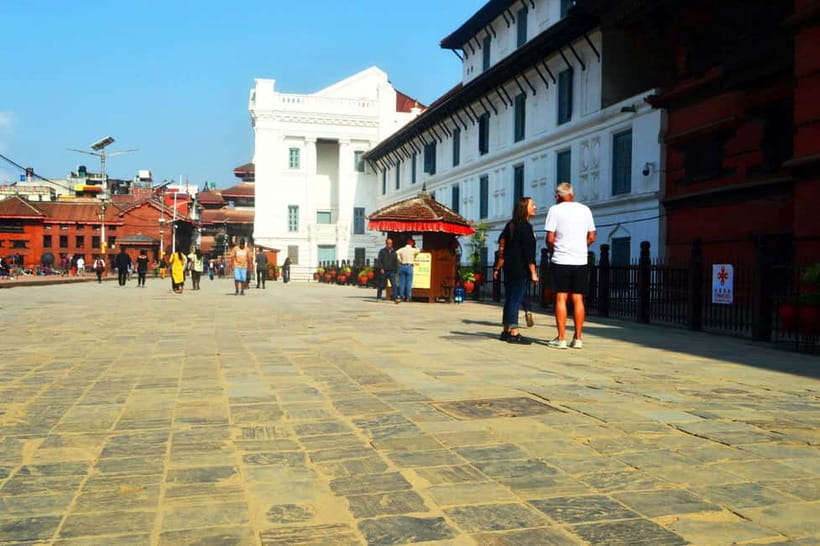
Pickup and return are arranged from your hotel in Thamel. Wait in the lobby or at the entrance of your apartment five to ten minutes before the agreed time. The private, air-conditioned car is a real advantage in Kathmandu, where road conditions and city traffic can make short distances take longer than expected.
The tour is private rather than a fixed large-group outing. That lets the guide ask what interests you and adjust the balance between explanation, photographs, and walking. One guest with jet lag was able to pause for coffee, while other visits moved at a quicker pace because of time limits.
English and Hindi are available. Nilakantha Acharya was praised for his explanations at Kathmandu Durbar Square, Swayambhunath, Pashupatinath, and Boudhanath. Prakash was also described as a strong guide, and drivers Hari and Ram were noted for their support.
You should not expect a full meal break. Bottled drinking water is included, but meals and other beverages are not. Bring cash for entrance fees and personal expenses, and carry your passport as requested.
What to bring and what to expect
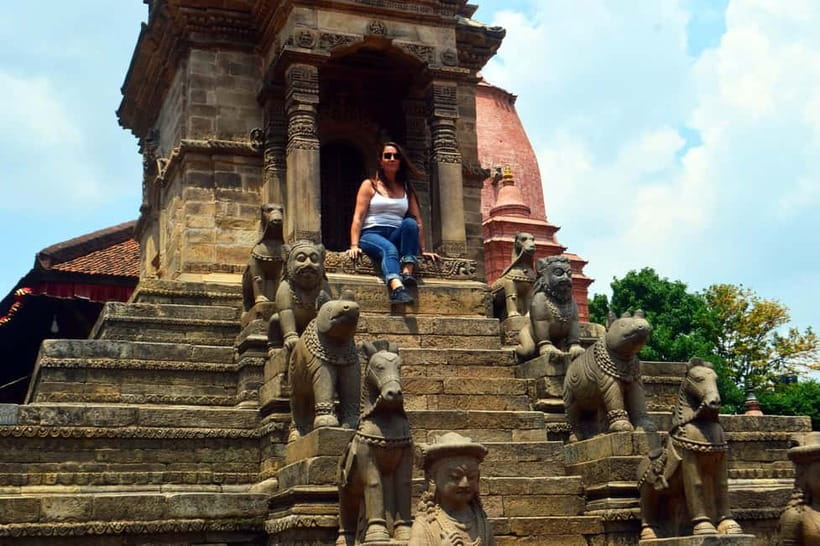
Keep your luggage at the hotel. Large bags are not allowed on the tour, and alcohol and drugs are prohibited. Comfortable walking shoes are sensible, especially for Swayambhunath and the temple squares.
The activity is not suitable for wheelchair users, babies under one year, or people over 95. Those limits matter because the itinerary involves historic sites, uneven access, and walking between monuments.
The tour offers free cancellation up to 24 hours before the start, and you can reserve now and pay later. Starting times depend on availability, so check the schedule before you commit to a particular pair of sites.
Entrance fees are an important extra cost. The advertised $3.94 price is excellent for transport and guiding, but it is not the final amount you will spend if your chosen monuments charge admission. The provider offers an entrance-fee add-on, so compare that option with paying at the sites.
Who should book the Heritage Hop
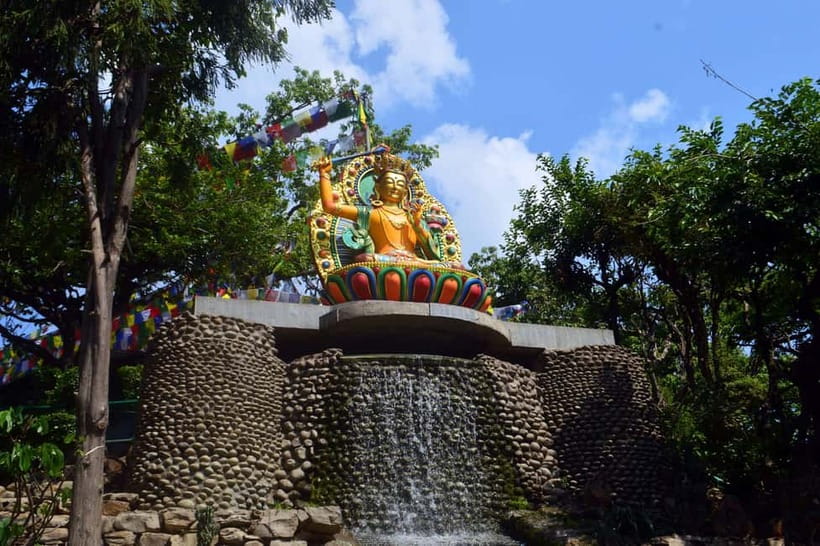
I would recommend this tour most strongly to first-time visitors with only a morning or afternoon available. It gives you a useful introduction without demanding a full day, and the private setup is helpful if you want to ask questions or control the pace.
It also suits repeat visitors who want a focused look at one pair of sites. Patan and Kathmandu are good for architecture. Pashupatinath and Boudhanath are best for religious traditions. Kathmandu and Swayambhunath offer the broadest mix of history, local culture, and views.
I would not choose it if you want a slow museum visit, a full exploration of Bhaktapur, or time at every major monument in the valley. Three hours is a sampler, not a complete survey.
Should you book it?
Book it if you want two meaningful sites, private transport, and a guide at a very low starting price. The strongest value comes from choosing a pairing that matches your interests and letting the guide explain what you are seeing.
Before confirming, decide on your option, ask how entrance fees will be handled, and leave room for traffic. If you do that, this short tour can give you a clear first look at Kathmandu’s royal squares, temples, Buddhist shrines, and living traditions without wasting your limited time.
FAQ
How long does the tour last?
The tour lasts three hours, including pickup and return to Thamel.
Where does pickup take place?
Pickup is from your hotel in Kathmandu. The stated itinerary begins and ends in Thamel.
How many heritage sites can I visit?
You choose two sites or the specified tour option before confirming your booking. The choices include Kathmandu Durbar Square, Swayambhunath, Pashupatinath, Boudhanath, Patan, and Bhaktapur.
Which languages are available?
The live guide service is available in English and Hindi.
Is the vehicle private?
Yes. The tour includes an air-conditioned private vehicle and is arranged for a private group.
Are entrance fees included?
No. Monument entrance fees are not included in the base price. An entrance-fee add-on is available.
Is hotel pickup included?
Yes. Hotel pickup and drop-off in Kathmandu are included. You should wait in the hotel lobby or at your apartment entrance five to ten minutes before pickup.
What should I bring?
Bring your passport and cash. Large bags and luggage are not allowed.
Can I cancel the booking?
Yes. You can cancel up to 24 hours in advance for a full refund. You can also reserve now and pay later.
Newest history tours we have reviewed in the world
- Private Dublin Historical and Heritage Tour by Bike★ 5.0 · 30 reviews
- Dubrovnik by Night, History, Wine & Bites★ 5.0 · 41 reviews
- Enjoy Ancient Mostar★ 4.0 · 45 reviews
- Historical Walking Tour of Dublin★ 5.0 · 50 reviews
- DayTripper Dublin: A Guided City Walking Tour★ 5.0 · 90 reviews
- Ancient Old City– Finest tour of Dubrovnik★ 5.0 · 64 reviews
- Dublin LGBTQ Pride Historical and Cultural Walking Tour★ 5.0 · 91 reviews
- Interactive Living History in Dalkey Castle near Dublin City★ 5.0 · 133 reviews
Kathmandu History Tours, compared.
Private Kathmandu Sightseeing Tour | UNESCO World Heritage sites
Read our review →
Nepal Discovery Tour: Heritage Sites & Scenic Hill Easy Hike
Read our review →
Kathmandu Private Sightseeing Tour | UNESCO World Heritage Sites
Read our review →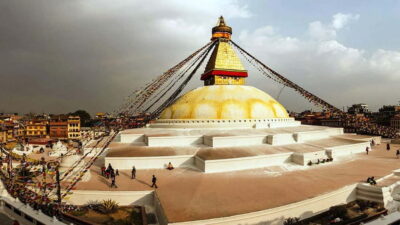
Private Kathmandu UNESCO World Heritage Sites Tour
Read our review →Browse the lists this tour appears in