
Review · LIVERPOOL HISTORY TOURS
Liverpool: Theatrical History Tour and The Dead House
The tour’s big surprise comes at the end: a trapdoor leads into Liverpool’s Dead House, an underground morgue closed to the public for more than a century. Before that, theatrical guides turn the city center into a stage, using old streets, grand buildings, and dark lanes as scenery.
I like the mix of solid local history and playful performance. I also like the route through Liverpool’s original seven streets, which gives you a better sense of how the modern center grew. The main drawback is practical: the underground site is dark, uneven, and entered at your own risk, so this is not a good choice if you have limited mobility or dislike confined, eerie places.
Key points to know before you book
- The finale is an underground morgue: Enter the Dead House beneath the Church of Our Lady and St. Nicholas through a trapdoor.
- The route covers old Liverpool: See Castle Street, Liverpool Town Hall, Nelson Monument, historic lanes, and the city’s original seven streets.
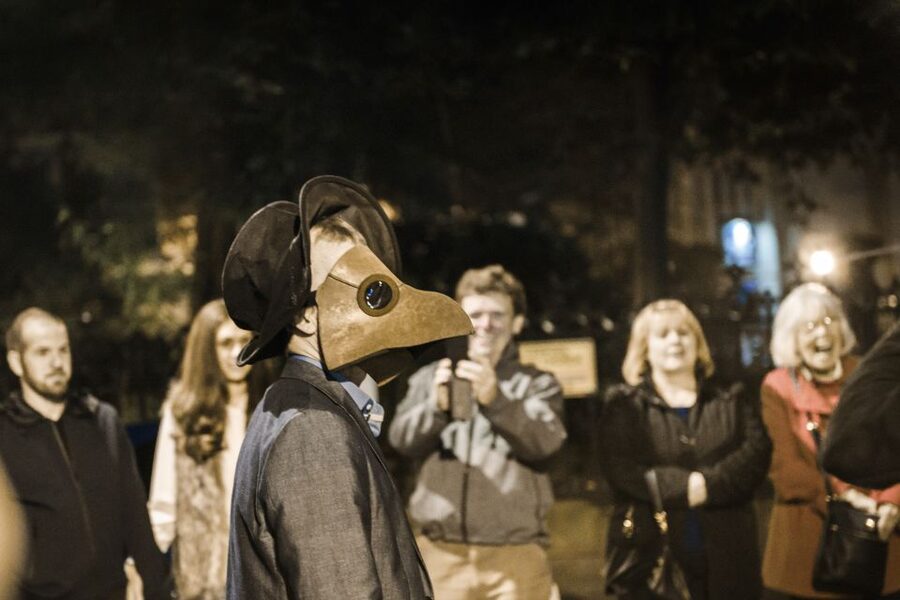
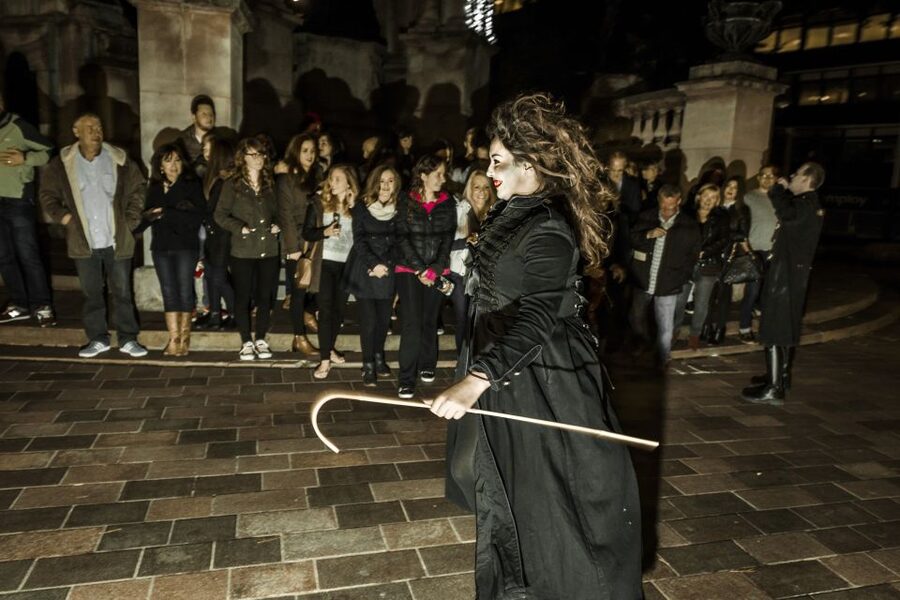
- The guides perform the history: Expect jokes, audience participation, theatrical costumes, grim stories, and occasional scares.
- Bring your own torch: Torches are not supplied, and you need one for the underground section.
- The tour costs $26 and lasts 90 minutes: That is fair value for a guided city walk with access to a place normally closed to the public.
- It is family-friendly but not for everyone: Children need an accompanying adult, and the tour is unsuitable for wheelchair users and people with limited mobility.
Why the Dead House makes this Liverpool walk different
Many city walks finish at a famous monument or a pub. This one ends underground, in a former morgue known as Liverpool’s Dead House. That unusual finish gives the tour a clear shape: you begin with the city’s streets and buildings, then move into a darker story about death, public curiosity, policing, and old Liverpool customs.
The name was given by American author Hermann Melville, who found the place grisly enough to deserve it. In the eighteenth and nineteenth centuries, people could look through iron grilles at the faces of the dead. That detail gives the site an unsettling edge without needing a made-up ghost story.
The Dead House also has a less macabre wartime connection. During World War II, it served as a temporary police station. You get more than a spooky room at the end of the walk. You get a small, strange place that reflects several layers of Liverpool’s past.
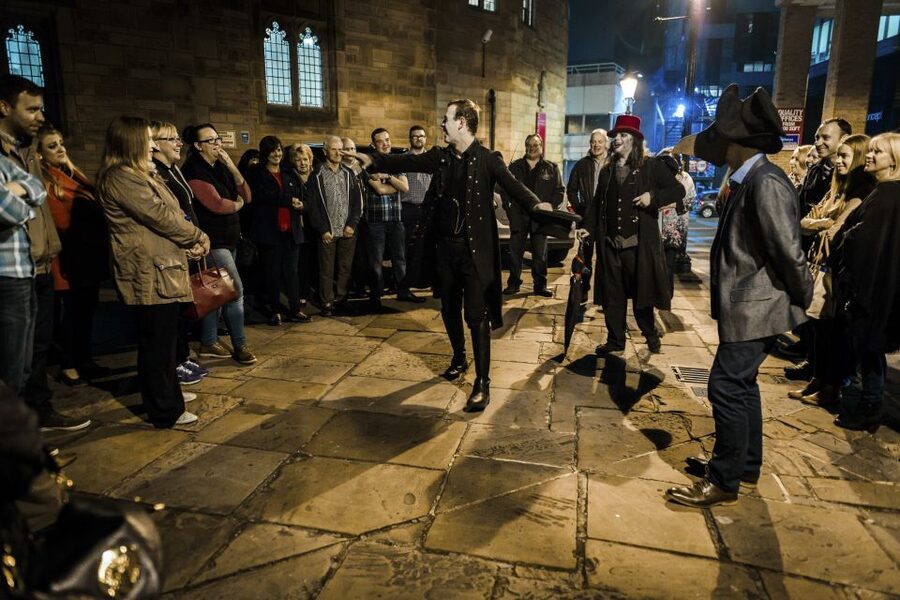
The mood depends heavily on the guides. This is not a quiet academic walk. The performers use humor, drama, and audience involvement to keep the group engaged. Past tours have included a comic double act, grim costumes, dramatic pauses, and moments when passersby seemed as entertained and puzzled as the tour group.
More History Tours in the UK:
- London Small Group Tour of Historical Pubs
★ 5.0 · 10,422 reviews - Edinburgh: Edinburgh Castle Guided History Tour with Tickets
★ 4.8 · 9,933 reviews - A History of Terror – Belfast City Centre Walking Tour
★ 5.0 · 2,883 reviews
Starting at Queen Victoria Monument
The meeting point is the Queen Victoria Monument at Derby Square. This is a practical place to start because you are already in Liverpool’s historic center, close to the Town Hall and the old commercial streets.
From here, the guides set the tone with street theater. You can expect the past to be acted out rather than simply recited. That matters if you find standard walking tours too static. You may be asked to join in, respond to the performers, or play along with a scene.
The theatrical approach also makes the tour accessible to people who do not know much about Liverpool. You do not need to arrive with a long list of dates. The buildings and streets provide the backdrop, while the guides supply the story.
The trade-off is that the performance may not suit everyone. If you want a calm, detailed architectural lecture, this could feel noisy or exaggerated. If you enjoy character acting and a little audience participation, it gives the walk much more energy.
Liverpool’s original seven streets
The route focuses on the original seven streets of Liverpool. This is one of the tour’s strongest historical ideas because it helps you picture the small medieval settlement beneath today’s city center.
The walk passes through streets that now serve shops, offices, banks, and public buildings. The contrast is useful. You see a modern commercial district, but the guides point toward the older street plan and the darker corners that are easy to miss when you are shopping or heading between attractions.
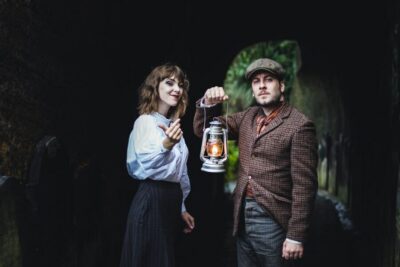
Some sections use crooked back lanes and lamp-lit passages. These are not simply spooky decoration. They show how different the city must have felt before modern lighting, wide roads, and the steady movement of cars and shoppers.
You will walk for several short stretches, including sections of about 15, 25, 15, 10, and five minutes. The 90-minute length keeps the route manageable, but you should still wear comfortable shoes. The tour is outdoors for much of its duration, so weather can affect your comfort.
Castle Street’s banking halls and the Town Hall
Castle Street brings a grander side of Liverpool into the story. Its lofty banking halls show the confidence and wealth of the commercial city. The theatrical guides use these impressive buildings as part of the narrative, giving you a reason to look up rather than simply pass through.
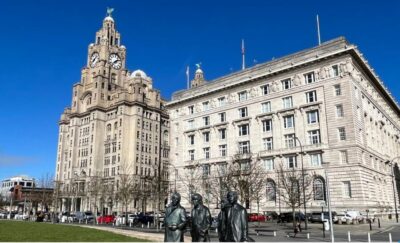
Liverpool Town Hall is another major stop. Its regal appearance creates a sharp contrast with the narrow lanes and grim underground rooms later in the route. I like this change of scale. The tour does not show you only the city’s darker side. It also connects the old stories to the civic pride displayed in one of Liverpool’s grandest buildings.
The Town Hall stop is guided from outside, based on the supplied route details. Do not book this expecting a full interior visit or a long architectural tour. The value comes from seeing the building in context, as one piece of the city’s story.
Same streets, a different century:
- Edinburgh: Whisky Tasting with History and Storytelling
★ 4.9 · 2,451 reviews - Edinburgh: Old Town History and Tales Walking Tour
★ 4.8 · 2,361 reviews - Old Town Walking Tour History and Tales in Edinburgh
★ 5.0 · 2,168 reviews - Soho Music & Historic Pubs Tour
★ 5.0 · 1,993 reviews
Nelson Monument and the turn toward darker streets
The Nelson Monument provides another recognizable point along the way. From there, the route moves through more of the older city center before reaching the final location.
This middle part of the tour helps prevent the Dead House from feeling like a stand-alone attraction. The guides build the mood gradually. You see the grand civic and commercial streets first, then move toward narrower, less familiar corners.
The route is also a good choice if you have already visited Liverpool’s headline sights. It does not depend only on the usual waterfront views or museum stops. One strong memory from the experience can be the sense that you have seen parts of the center that you might otherwise walk past.
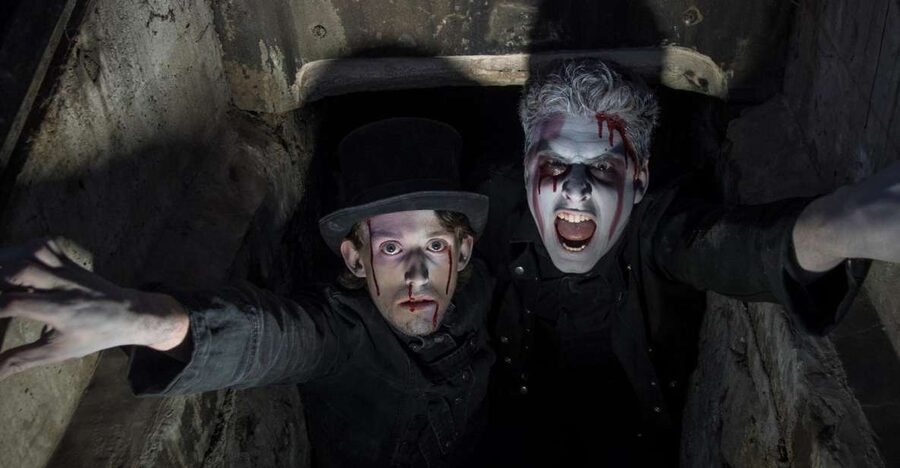
The tour has a spooky tone, but it is not described as a pure ghost hunt. You may hear grim stories and encounter a few scares, yet the emphasis is theatrical history. If you want constant paranormal claims, you may find the focus too historical. If you prefer stories with a firm connection to real streets and buildings, that balance works well.
Entering the Dead House beneath the church
The final destination is at 5 Old Churchyard, within the surroundings of the Church of Our Lady and St. Nicholas. The setting is quieter than the main commercial streets, and the entrance is reached through a trapdoor beneath a Gothic spire.
That entrance is part of the experience. You are not simply walking into a brightly lit museum room. You need to descend into an underground location that has not been open to the general public for more than 100 years.
Bring your own torch. This is an important instruction, not a minor packing suggestion. Torches are not included, and you will need one in the underground section. A small handheld torch is likely more useful than relying on a phone light, though the supplied information only requires that you bring a torch.
The Dead House is not wheelchair accessible, and the tour is not recommended for people with limited mobility or visual impairments. The underground location is entered at your own risk. You should also think carefully about the atmosphere if you are of a delicate disposition or dislike dark, enclosed spaces.
The room’s history is the real draw. In earlier centuries, locals came to peer through iron grates at the faces of the deceased. That public display of death feels distant from modern customs, which is precisely why the story is so striking.
How the theatrical style works
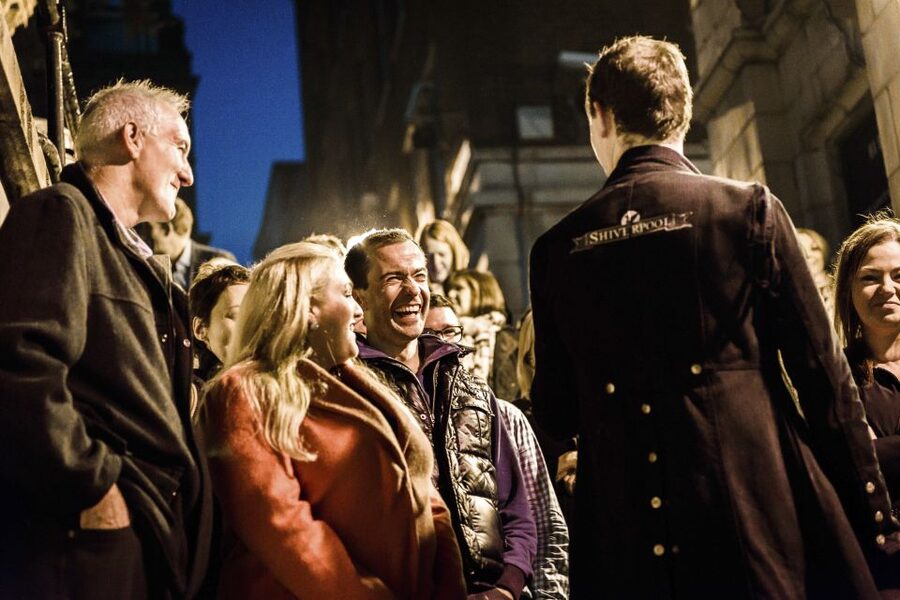
The guides are actors as well as history presenters. They use wit, dramatic delivery, costumes, and audience interaction to keep the group involved. The strongest praise for the experience centers on this performance style: people found the guides funny, friendly, professional, and able to bring the stories to life.
You should expect a lively double-act feel rather than a single guide delivering a long speech. Audience participation is part of the design, but you are not forced into a major role. The reviews describe the interaction as fun and good-natured.
The theatrical format also gives the walk a sense of occasion, especially in the evening. Lamp-lit lanes, grim costumes, and the approach to the Dead House create a clear build-up. The finale can include a fright, so do not assume this is only a history walk with a mildly spooky title.
At the same time, the style is not completely serious. Jokes and playful moments sit beside stories of death and old police work. That mixture is why the activity can suit families with older children and groups of friends, but it may not be ideal for anyone seeking a solemn account of Liverpool’s past.
Price, timing, and overall value
At $26 per person, the tour offers reasonable value for a 90-minute experience. You are paying for a guided historic walk, live performance, and special access to a closed underground site. Comparable city walks may cover the streets, but few finish inside a place like the Dead House.
The value is strongest if you enjoy performance. The guides are central to the experience, and the theatrical delivery is not an extra layer added to a standard walk. It is the main way the stories are told.
The price is less compelling if you plan to skip the underground section or dislike audience interaction. The Dead House is the tour’s defining feature, so you should be comfortable with its dark setting before booking.
The activity offers free cancellation up to 24 hours before the start time, and you can reserve now and pay later. Starting times vary, so check availability when choosing your date. The tour is conducted in English.
Who should book this experience
I would choose this tour for a first visit to Liverpool if you want a city walk with personality rather than a standard sightseeing route. It is also a good fit if you have already seen the main waterfront sights and want something less familiar in the city center.
It suits:
- Adults who enjoy theatrical storytelling and dark history
- Families with children who can handle spooky themes
- Groups of friends looking for a funny evening activity
- Visitors interested in old streets, civic buildings, and unusual sites
- Anyone who enjoys a few scares without booking a full ghost investigation
I would think twice if you need step-free access, have limited mobility, or have a visual impairment. Guide dogs are allowed, but the policy is strictly Guide Dogs Only. Smoking, vapes, and e-cigarettes are not permitted.
Children must be accompanied by an adult, and unaccompanied minors are not allowed. The tour is family-friendly in tone, but the Dead House and stories of the dead may not suit very young children.
Simple ways to prepare
Bring a torch and wear shoes suitable for a city walk and an underground descent. The tour does not include refreshments, so eat or drink beforehand if you need something during the 90 minutes.
Arrive at the Queen Victoria Monument in Derby Square with enough time to find the group. Keep your plans flexible around the weather, since much of the experience takes place outdoors.
Do not expect coffins or refreshments to be supplied. The activity information makes a joke of the missing coffins, but the practical point is simple: bring only what you need for walking and the underground section.
You may also want to leave room in your evening afterward. The route finishes in the old churchyard area, not back at the starting monument. The supplied details do not promise a pub stop or live music, so treat any post-tour plans as your own rather than part of the booking.
Should you book the Liverpool Dead House tour?
Book it if you want Liverpool history with a performance twist, especially if the thought of entering a long-closed underground morgue appeals to you. The combination of the original seven streets, Castle Street, the Town Hall, Nelson Monument, theatrical guides, and the Dead House gives you more variety than a simple ghost walk.
Skip it if you need wheelchair access, dislike dark enclosed places, or want a quiet and highly detailed architectural tour. For everyone else, $26 is a fair price for a lively 90-minute experience with a genuinely unusual finale. Bring your own torch, expect to laugh as well as flinch, and let the performers lead you from Liverpool’s grand streets into its most unsettling room.
FAQ
Where does the tour start?
It starts at the Queen Victoria Monument in Derby Square, Liverpool.
Where does the tour finish?
The tour finishes at 5 Old Churchyard, Liverpool L2 8GW, near the Church of Our Lady and St. Nicholas.
How long does the tour last?
The experience lasts 1.5 hours.
What is the Dead House?
The Dead House is an underground morgue beneath the Church of Our Lady and St. Nicholas. It has been closed to the public for more than a century.
Do I need to bring a torch?
Yes. You must bring your own torch because torches are not provided.
Is the tour wheelchair accessible?
No. The tour is not wheelchair accessible, and it is not recommended for people with limited mobility.
Is the tour suitable for children?
It is described as family-friendly, but all children must be accompanied by an adult. Unaccompanied minors are not allowed.
What language is the tour conducted in?
The live tour is conducted in English.
Can I cancel the booking?
Yes. You can cancel up to 24 hours in advance for a full refund. You can also reserve now and pay later.
Newest history tours we have reviewed in the UK
- Ilfracombe Seafront History Walking Guided Tour★ 5.0 · 18 reviews
- Walking Bogside History Tour in Guildhall★ 5.0 · 280 reviews
- Private tour of the stunning Cotswolds with an expert local guide★ 5.0 · 45 reviews
- Curious Cambridge – The History Tour that’s FUN!!!★ 5.0 · 80 reviews
- Birmingham Gangs Nighttime Historical Walking Tour with Pub Stops★ 5.0 · 53 reviews
- 2.5-Hours Walking Tour of Birmingham into Black Heritage Madiba★ 5.0 · 49 reviews
- Private Political History & Murals Tour Belfast★ 5.0 · 182 reviews
- Belfast Walking Tour: City Centre History, Troubles & Stories★ 5.0 · 39 reviews
Liverpool History Tours, compared.
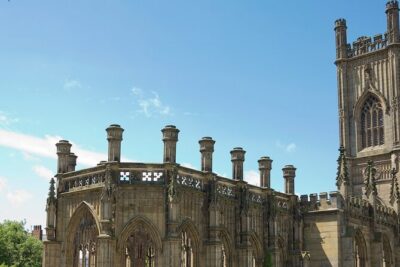
A Walk Through Time: History of Liverpool Walking Tour
Read our review →
Best Of Liverpool Heritage, History & Culture Guided Walking Tour
Read our review →
History Guided Tour of Liverpool and the Beatles
Read our review →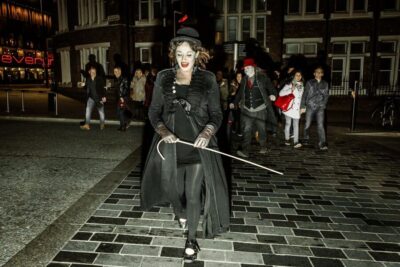
Browse the lists this tour appears in