Review · HISTORY TOURS
Barbados: St Nicholas Abbey Distillery, CTH Heritage Railway
St Nicholas Abbey gives you two good Barbados experiences in one afternoon: a rare 17th-century plantation house and a pleasant train ride through the hills to Cherry Tree Hill. Along the way, an engaging driver fills in the island story, and the restored railway adds a bit of old-fashioned fun.
I like the authentic house and the fine view from the railway turnaround. I also like the mix of history, rum, countryside, and transport, rather than spending four hours in one museum. The main drawback is the small rum tasting, and the ride to the abbey can be rough if you suffer from motion sickness.
Key points to know before you book
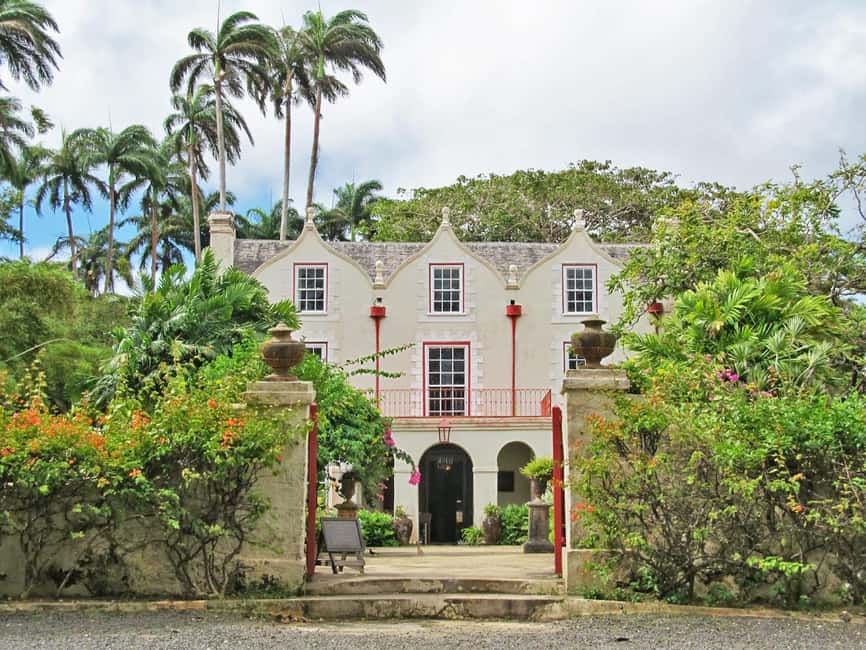
- St Nicholas Abbey is a rare survivor: The plantation house is presented as one of the last authentic 17th-century houses in the New World.
- Cherry Tree Hill is the scenic payoff: The train stops for views that many people consider the best part of the outing.
- The train may be diesel or steam: A steam engine is not guaranteed, though the ride remains enjoyable either way.
- The rum tasting is modest: Expect two small samples and a taste of a very strong cooking rum, not a full rum seminar.
- The road journey matters: Barbados country roads can be winding and bumpy, so take motion-sickness precautions if needed.
- The tour suits active visitors: It is not suitable for wheelchair users or people with mobility impairments.
A four-hour route into Barbados history
This excursion leaves the coast behind and takes you into Saint Andrew, one of Barbados’s hillier parishes. Hotel pickup and drop-off are included, which matters here because St Nicholas Abbey is not a quick walk from the main resort areas.
Your driver is part of the experience. Several drivers have been praised for their humor, local commentary, and ability to point out sights along the way. One driver even turned a slow return through traffic into a useful running tour of the island.
The trip to the abbey can take longer than expected because the roads are winding and traffic can build on the return. Treat the drive as part of the day rather than dead time. You get to see more of Barbados, but you should not book this outing if bumpy transport makes you miserable.
Pickup instructions are simple: wait in your hotel lobby 10 minutes before the scheduled time. Drivers wait no more than five minutes after pickup time, so be ready. One booking showed a confusing difference between the listed start time and the actual pickup time, so I would confirm the pickup hour carefully before the day of the tour.
More Train Trips in the world:
- Puffing Billy Railway: Heritage Steam Train Journey
★ 4.6 · 1,195 reviews - Ancient Ostia Antica Semi-Private Day Trip from Rome by Train with Guide
★ 4.5 · 579 reviews - Dublin to Cork, Blarney Castle & Cóbh Heritage Centre by train
★ 4.5 · 510 reviews
St Nicholas Abbey, a plantation house with real character
The Plantation House is the heart of the visit. It is described as one of the last remaining authentic 17th-century houses anywhere in the New World, and that gives the stop more weight than a standard historic-house tour.
You see a limited number of rooms, not an enormous mansion open from cellar to attic. That is worth knowing in advance. The visit is fairly compact, but the rooms offer a clear sense of how the former owners lived and how a plantation house was arranged.
An old film shown at the abbey adds useful context. It helps turn the furniture and rooms into a story about people, work, and daily life rather than a simple display of old objects. I would pay attention to the guide here, since the house is best understood through its details and explanations.
The tour does not try to recreate every part of plantation life, and it is not a full study of Barbados’s sugar industry. Still, the house provides a direct link to the island’s colonial past. It is a good stop for anyone who prefers a real historic building to a modern museum exhibit.
The pace can vary. One account described a house visit being shortened because of the driver’s planned departure, although the driver added sightseeing on the way back. That appears to have been an exception, but it is a useful reminder to stay with the group and keep an eye on the agreed schedule.
The distillery visit and what the rum tasting is really like
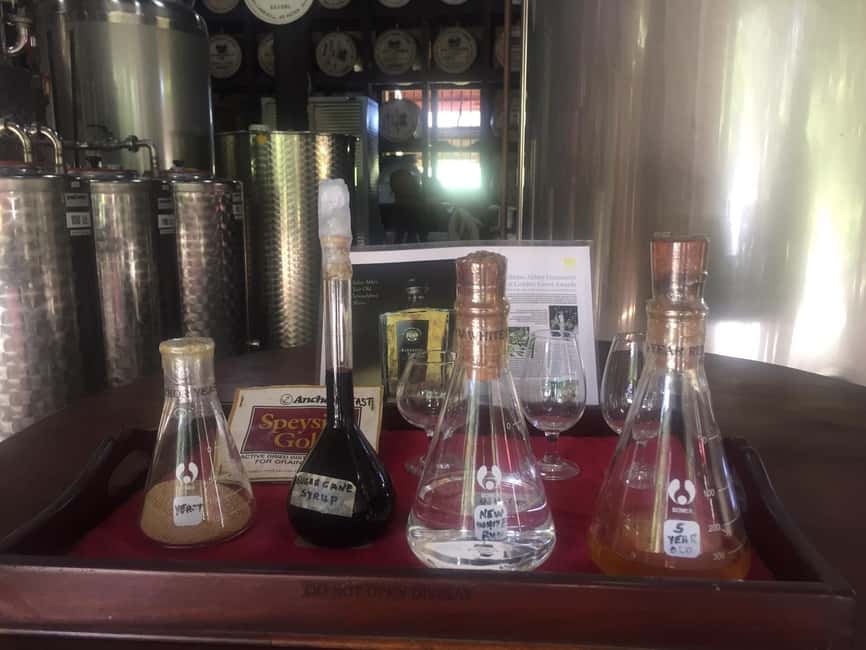
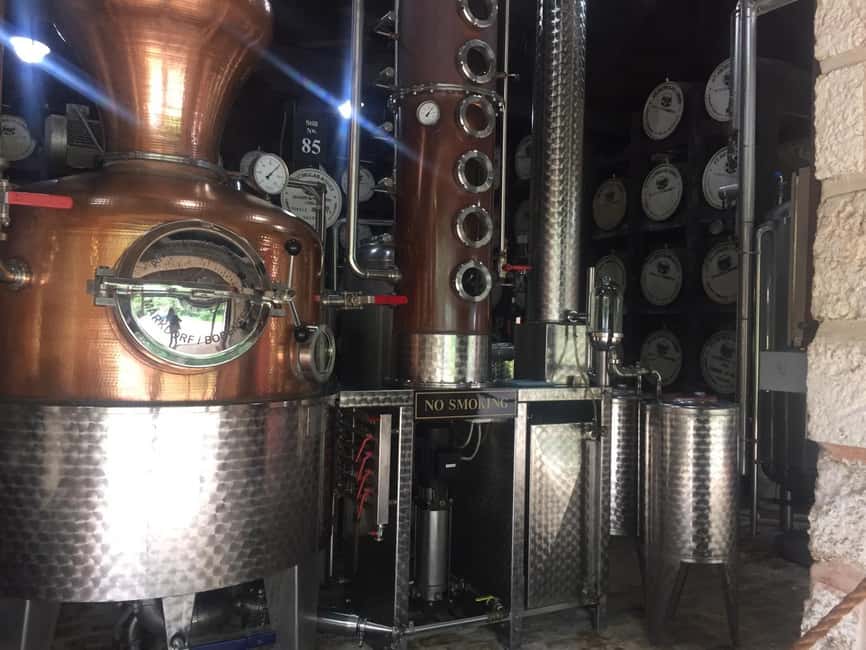
St Nicholas Distillery is small, so you will not spend a long time walking through a huge production plant. That is not necessarily a flaw. The compact size lets you get a quick look at the rum-making side of the estate without turning the afternoon into a technical factory tour.
The estate produces award-winning rum, and the tasting is included in the admission. Set your expectations correctly: this is a small sample, not a long series of pours. The tasting generally includes two rums, plus an opportunity to sample a very hot rum intended for cooking.
I like the chance to taste the product where it is made, but the amount can feel sparse for a tour that places such emphasis on rum. If you are hoping to compare many varieties or learn the full production process, you may want a separate distillery visit elsewhere in Barbados.
The tasting is still a pleasant part of the afternoon, especially when paired with the house tour. It gives the plantation a working connection to the modern island rather than leaving it frozen in the past. Drink slowly, and remember that the hot cooking sample is not meant to be treated like an ordinary sipping rum.
Boarding the Heritage Railway
After the house and distillery, you check in at the railway station. There is a small cafe near the boarding area, useful if you want a drink or snack before the train leaves.
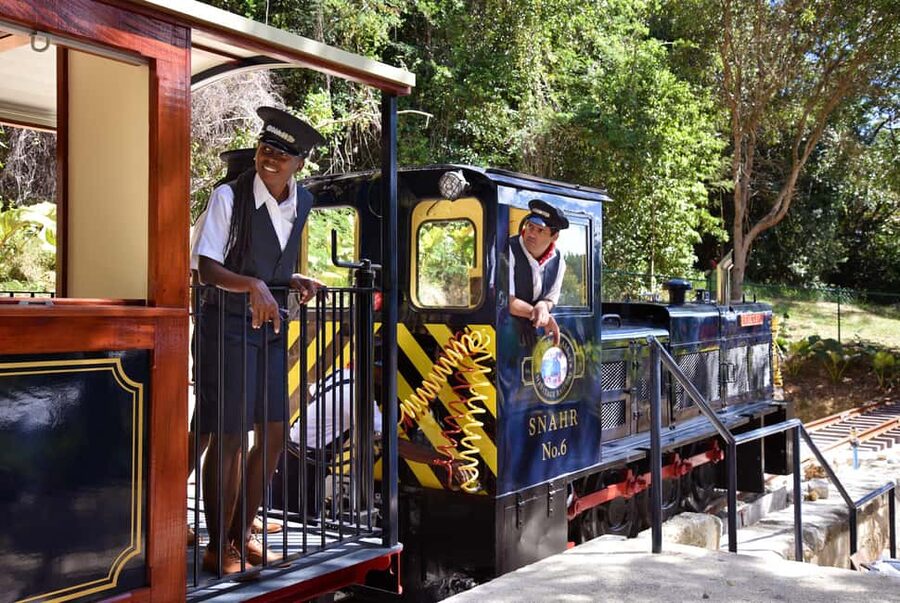
The Heritage Railway uses restored railway equipment and runs from St Nicholas Abbey toward Cherry Tree Hill before returning. The journey is fairly short, but it is not filler. It gives you a relaxed way to see the estate grounds and the surrounding hills without another walk or bus ride.
The train may use a steam engine, but it may also be hauled by a diesel engine. One person specifically expected steam and received diesel instead, so do not book this excursion on the assumption that a steam locomotive is guaranteed. The restored train experience remains appealing, but the equipment can affect how special the ride feels to you.
The onboard guide is an important part of the trip. Shaun received particular praise for making the ride friendly and informative, and the train staff have been described as welcoming. Listen as you ride, since the commentary helps connect the railway, sugar estates, and countryside.
The line is not a long scenic railway journey. You will not spend hours rolling across the island. Think of it as a pleasant heritage ride with a memorable viewpoint at the end. That distinction helps explain why some people find the train brief but still consider it a highlight.
More History Tours in the world:
- New York City: American Museum of Natural History Ticket
★ 4.5 · 15,447 reviews - History and Hauntings of Salem Guided Walking Tour
★ 5.0 · 14,564 reviews - Colosseum: Underground and Ancient Rome Tour
★ 4.7 · 12,691 reviews - Lisbon: History, Stories and Lifestyle Walking Tour
★ 4.8 · 10,902 reviews
Cherry Tree Hill delivers the big view
The train’s turnaround at Cherry Tree Hill is the scenic high point. You get time to take in the view before heading back toward the abbey, and this is where the excursion feels distinctly different from a house-and-rum tour.
The viewpoint is described as breathtaking, with pretty scenery spreading out from the elevated road and railway area. It gives you a chance to pause, take photographs, and appreciate the shape of Barbados beyond the beaches and resort strips.
The stop is also a good reason to tolerate the bumpy drive into the hills. The scenery changes as you leave the coast, and the train offers a slower, more open view than you get from a vehicle window.
Do not expect a long hike or a major walking excursion. The attraction is the viewpoint and the railway ride, not a demanding trail. Even so, the stop may require some walking and standing, which is one reason the tour is not suitable for people with mobility impairments or wheelchair users.
How the day feels from pickup to drop-off
The advertised duration is four hours. A typical afternoon includes hotel pickup, the drive to Saint Andrew, the abbey and house visit, the distillery and rum tasting, the railway ride to Cherry Tree Hill and back, and the return to your hotel.
The actual timing can shift with traffic and the pace of the group. One afternoon ended with hotel drop-off around 4:30, while the drive back took longer because of traffic. The vehicle is air-conditioned when working properly, but one trip had an air-conditioning problem and required a replacement bus. The quick vehicle change was handled well, but it shows that island transport can sometimes be less smooth than planned.
Small groups can make the drive more social and give you a chance to ask the driver questions. They can also make timing more important. If one part of the tour runs late, another section may be shortened. Keep your plans after the excursion flexible.
The transport has earned high marks overall, with 91 percent of ratings giving it a perfect score. That points to generally dependable service, but it does not remove the practical issues of traffic, winding roads, and occasional vehicle problems.
Is $128 good value?
At $128 per person, this is not a budget sightseeing trip. The price includes hotel pickup and drop-off, entry to St Nicholas Abbey, the Heritage Railway, and a small rum tasting. You are paying for transport to a remote-feeling part of the island as well as admission to several attractions.
I think the value is strongest if you want a broad afternoon rather than a single focused visit. In four hours, you get a historic house, a distillery, a railway ride, a viewpoint, and local commentary from the driver. Organizing all of that independently could be awkward, especially if you do not have a rental car.
The value is weaker if rum is your main interest. The distillery visit is short, and the tasting is limited to very small samples. The value is also less convincing if you expect a long steam-train journey. The train is fun and the scenery is worthwhile, but it is a short ride, and the engine may be diesel.
For me, the strongest reasons to pay the price are the transport convenience, the unusual house, and Cherry Tree Hill. The tasting is a bonus, not the main event.
Practical advice for a smoother afternoon
Take motion-sickness precautions before pickup if you are prone to nausea. The roads can be bumpy and winding, and the operator specifically asks you to tell the guide if motion sickness is a concern.
Do not bring luggage or large bags. A small personal item is the sensible choice, but the stated restriction means this is not a good way to transfer directly between a hotel and the airport.
Wear shoes you can walk in comfortably. The tour includes the house, railway station, and viewpoint, and you may spend time standing. The experience is not suitable for wheelchair users or people with mobility impairments.
Cruise ship passengers should not book this particular outing. The tour is designed around hotel pickup and drop-off, and cruise ship guests are listed as unsuitable.
English is the tour language. The guides and drivers provide the information in English, including the house, distillery, and train sections.
Cancellation is flexible up to 24 hours before departure for a full refund, and you can reserve now and pay later. That is useful if your Barbados schedule is still moving around, but check the exact start and pickup time before committing.
There is also an unpleasant but important transport rule. If you become ill in the vehicle, you may be charged a cleaning fee of $75 to $150. That makes motion-sickness preparation more than a minor suggestion.
Who should book the St Nicholas Abbey railway tour?
I would recommend this tour to you if you want a manageable introduction to Barbados beyond the beach. It works particularly well for anyone interested in architecture, plantation history, rum, railway rides, and countryside views, all without arranging separate transport.
Families and mixed-interest groups may like the variety. One person can enjoy the house, another can focus on the train, and the Cherry Tree Hill stop gives the afternoon a clear scenic reward. The guide commentary also keeps the drive from feeling like a simple transfer.
I would think twice if you need step-free access, dislike winding roads, or want a serious rum tasting. You should also lower your expectations if the words steam railway make you picture a long journey behind a roaring locomotive. The train may be diesel and the ride is short.
Should you book it?
Book this outing if you want a well-rounded half-day in Barbados with convenient hotel transport, a rare historic house, a fun railway ride, and an excellent hilltop view. The guides and drivers add real value, and the variety keeps the experience moving.
Skip it if you are highly prone to motion sickness, have mobility limitations, or expect a large rum tasting and a long steam journey. For the right visitor, the strongest memory will probably be the view from Cherry Tree Hill and the feeling of stepping into an old Barbados estate, not the quantity of rum in the glass.
FAQ
How long does the tour last?
The experience lasts about four hours, including hotel pickup and drop-off.
What is included in the price?
The price includes hotel pickup and drop-off, entrance to St Nicholas Abbey, entrance to the Heritage Railway, and a small rum tasting.
Where does the tour take place?
The tour visits St Nicholas Abbey and its distillery in Saint Andrew, Barbados, then travels by Heritage Railway to Cherry Tree Hill and back.
Is the railway train always steam-powered?
No. A steam engine is not guaranteed. The railway may use a diesel engine instead.
How much rum is included in the tasting?
The tasting is small. It includes two rum samples and an opportunity to taste a very hot version intended for cooking.
Is the tour conducted in English?
Yes. The tour language is English, including the live guide commentary.
Is hotel pickup included?
Yes. Pickup and drop-off at your hotel are included. You should wait in the hotel lobby 10 minutes before the scheduled pickup, and drivers wait no longer than five minutes.
Is this tour suitable for people with mobility impairments?
No. The experience is not suitable for people with mobility impairments or wheelchair users.
What should I do if I suffer from motion sickness?
Take precautions before the tour and tell your guide. The roads can be bumpy and winding. If you become ill in the vehicle, a cleaning charge of $75 to $150 may apply.
Newest history tours we have reviewed in the world
- Bilbao Historical Tour in small group★ 4.7 · 52 reviews
- Bologna: Street Food Tour in the Historic Center★ 4.8 · 125 reviews
- CEBU: Cebu City Heritage and Uphill Guided Tour★ 4.2 · 31 reviews
- Bishkek : City Tour (History, Architects, Statues & Culture)★ 4.9 · 54 reviews
- Blenheim: Omaka Aviation Heritage Centre Admission Ticket★ 4.9 · 31 reviews
- Berlin: Nazi History Walking Tour★ 4.8 · 33 reviews
- Best of Baku: 4-Hour City Tour Historic and Modern Landmarks★ 4.7 · 63 reviews
- Belfast: Best of Belfast History, Culture & Art Walking Tour★ 4.9 · 158 reviews
History Tours, compared.


History and Hauntings of Salem Guided Walking Tour
Read our review →
Colosseum: Underground and Ancient Rome Tour
Read our review →
Oldtown, Medieval Underground & Dungeon History Tour
Read our review →
Charleston’s Old South Carriage Historic Horse & Carriage Tour
Read our review →