
Review · NEPAL HISTORY TOURS
Afternoon Tibetan cultural tour
The most memorable part of this Pokhara outing is the chance to move beyond monuments and meet people who are preserving Tibetan culture in Nepal. Thupten Gyatso, a Tibetan guide with a personal connection to the subject, explains Buddhist practice, refugee life, education, and the meaning of everyday symbols in clear English.
I like the small groups of up to eight, which leave room for real questions, and I like the family visit, where tea and simple Tibetan food turn a cultural lesson into a social experience. The main drawback is its narrow focus: this is an educational tour, not a broad Pokhara sightseeing trip, and four hours can feel short if you want more time in the settlement.
Key points at a glance
- A personal guide: Thupten Gyatso leads the tour and brings his own Tibetan background to the stories.
- Two distinct monastery visits: See Pema Ts’al Sakya Monastic Institute, then attend afternoon prayer chanting at another monastery.
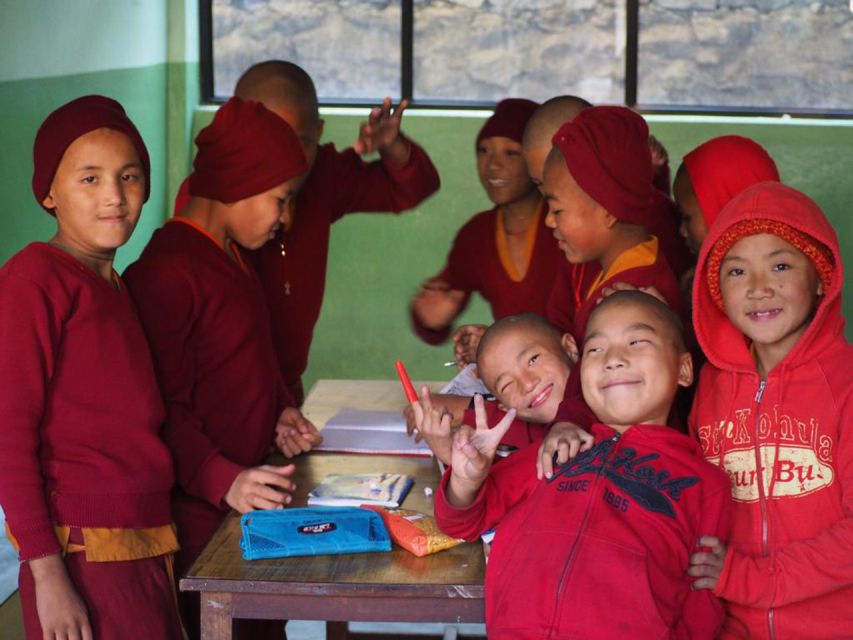
- A real conversation: Speak with a young Buddhist monk about study, vows, monastic life, and daily routines.
- Tashi Palkhel up close: Walk through a Tibetan settlement and learn how language, identity, and Buddhist customs continue in Nepal.
- Tea with a family: Taste salted butter tea, tsampa, Tibetan bread, honey, butter, and peanut butter in a local home.
- A short, focused outing: The four-hour schedule works well as a half-day cultural stop from Pokhara Lakeside.
Why this four-hour tour feels different from ordinary Pokhara sightseeing
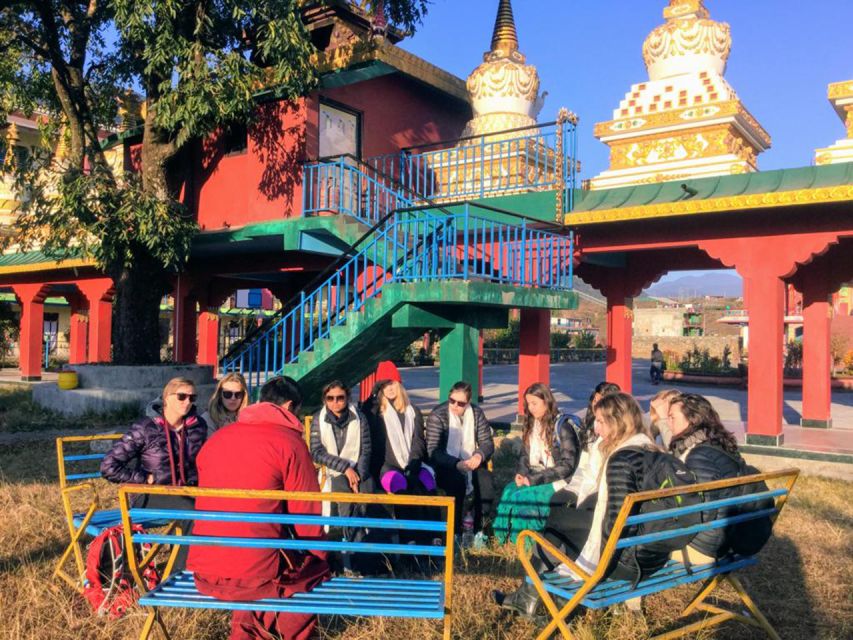
Pokhara is famous for mountain views, boating, trekking, and adventure sports. This experience takes you in another direction. Its subject is not a single grand sight, but the way a community maintains its religion, language, food, schooling, and customs away from Tibet.
That makes the tour especially useful if you have already seen the main sights around Lakeside and want a more thoughtful afternoon. You are not simply shown a monastery, handed a few facts, and sent on your way. Thupten explains why prayer wheels are turned clockwise, what prayer flags represent, why stupas matter, and how Buddhist ideas appear in daily life.
The human side matters just as much. You learn about Tibetan people living in Nepal, their adjustment to a new home, and their efforts to protect their identity. The experience also touches on the Dalai Lama, Tibetan education, the government in exile, and the practical challenges of preserving a culture across generations.
That subject can be serious. Thupten’s role is not just to point out attractive buildings. He gives the visit context, and you should arrive ready to listen, ask questions, and consider a complicated modern story.
More Local Culture and Traditions Tours in the world:
- Amsterdam Food and Cultural Tour with Tastings
★ 5.0 · 4,315 reviews - Sevilla Food Tour: Tapas, Wine, History & Traditions
★ 5.0 · 3,468 reviews - Tromsø: Reindeer Camp and Sami Cultural Tour with Lunch
★ 4.7 · 3,326 reviews
Pema Ts’al Sakya Monastic Institute and the first hour
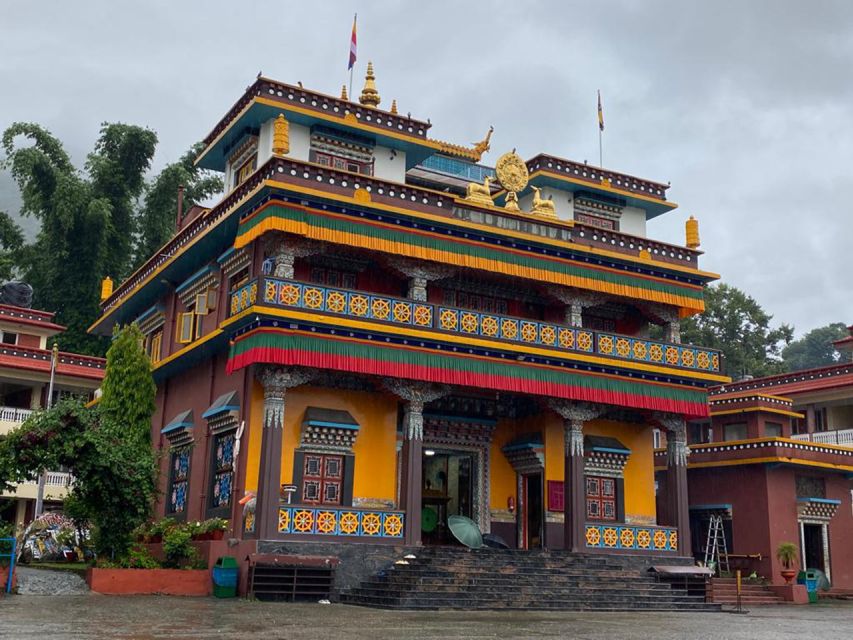
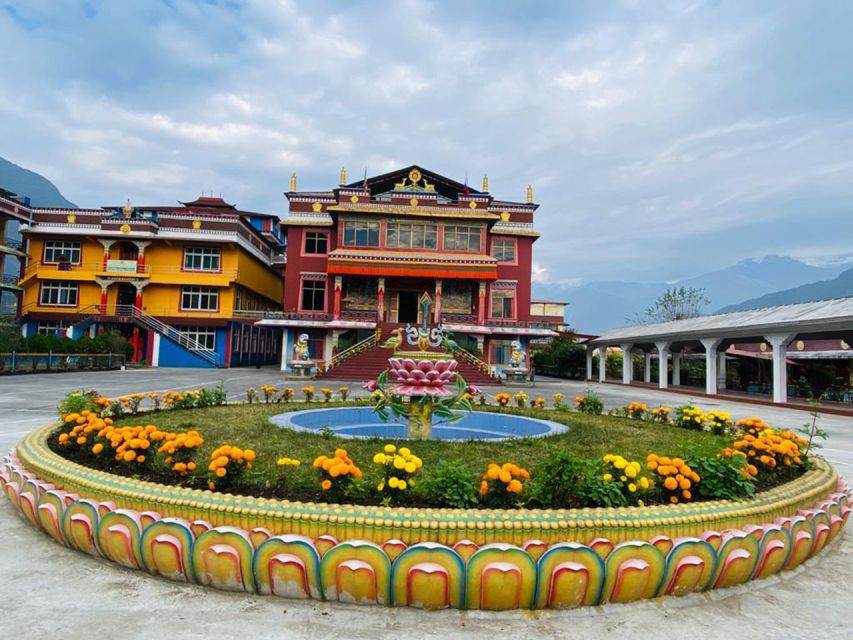
Pickup is arranged around Pokhara Lakeside, followed by a scenic drive to Pema Ts’al Sakya Monastic Institute. This first stop lasts about an hour and includes walking, sightseeing, and a guided visit.
The institute gives you an early introduction to Tibetan Buddhist symbols and monastic education. Instead of rushing through a prayer hall, you can ask what you are seeing and why it matters. The focus includes prayer wheels, prayer flags, stupas, butter lamps, and other signs connected with Buddhist practice.
A particularly strong part of the visit is the conversation with a young monk. You can ask about his studies, monastic routines, Buddhist philosophy, and ordinary life inside the institute. One subject that has come up during this experience is Buddhist debate, which offers a useful correction to the idea that monastic life is only silent meditation and prayer.
The conversation is arranged as an exchange, not a performance. That distinction matters. You are given space to ask sincere questions, and the guide helps explain ideas that may be unfamiliar. If you are curious about vows, education, belief, or the daily schedule of a monk, this is likely to be the most personal part of the afternoon.
You should still keep your expectations sensible. This is a four-hour cultural visit, not a formal course in Tibetan Buddhism. The value comes from asking good questions and paying attention to the explanations around you.
Tashi Palkhel Tibetan Settlement and everyday life
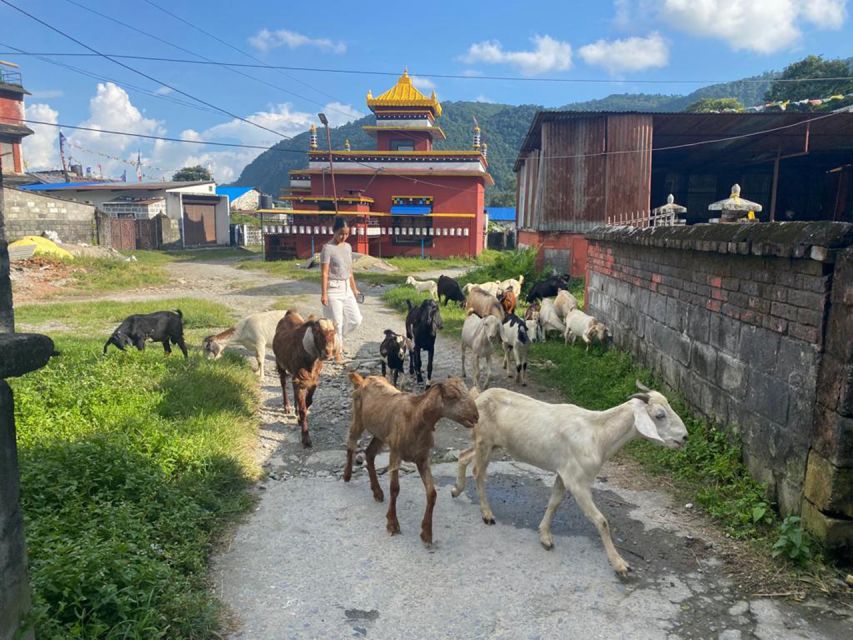
The second major stop is Tashi Palkhel Tibetan Settlement, where you spend about two hours. The visit combines a walk, sightseeing, local food, conversation, and time to look at the settlement at a human pace.
Here the emphasis shifts from monastic life to community life. Thupten explains how Tibetan people in Nepal maintain their language, religious customs, and sense of identity. You may hear about the difficulties of adapting from Tibet’s colder mountain environment to life in Nepal, as well as the work involved in passing traditions to younger people.
The settlement also has an educational side. The tour includes information about Tibetan schools and their teaching system. This is an important detail because culture is not preserved only in temples. It is also carried through classrooms, language lessons, family routines, and community institutions.
As you walk, look for the ordinary details that help make the explanations concrete. Prayer wheels and flags are not just decorative items. Stupas are not simply attractive structures for photographs. Their place in daily life becomes clearer when Thupten explains how people interact with them and why movement, direction, and ritual matter.
There is time for photographs and scenic views along the way, but photography is not the main event. If you treat the settlement as a photo stop only, you will miss the point. The best approach is to look, listen, and ask how each place or object connects to Tibetan belief and community life.
Prayer chanting at the monastery
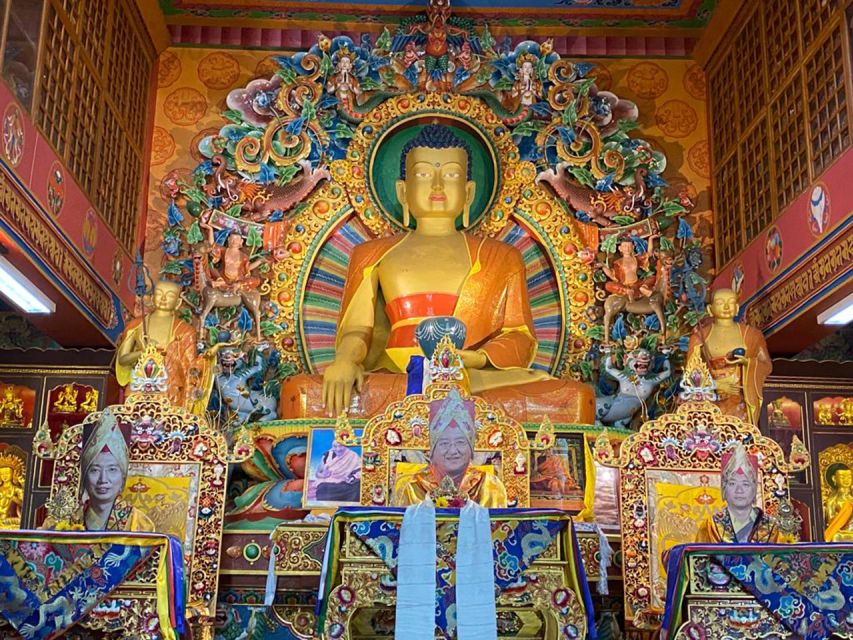
During the settlement visit, you go to another monastery for afternoon group prayer chanting. You observe the service and hear the monks use several instruments as part of the prayer session.
The sound is a major part of the experience. Chanting, instruments, and the shared rhythm of the monks create an atmosphere that is very different from a museum visit or a standard sightseeing stop. You may notice a physical vibration in the sound, but the more important point is that you are seeing a living religious practice rather than a display prepared for tourists.
Respect is essential here. Follow the guide’s instructions, dress and behave appropriately, and remember that the prayer session has its own purpose. The available information describes this as observing the puja or prayer chanting, so you should not expect to lead or perform the ceremony yourself.
This stop also helps connect the earlier explanations to something real. After hearing about Buddhist signs, monastic education, and religious practice, you can watch a community carry out one of its regular spiritual activities.
More History Tours in the world:
- New York City: American Museum of Natural History Ticket
★ 4.5 · 15,447 reviews - History and Hauntings of Salem Guided Walking Tour
★ 5.0 · 14,564 reviews - Colosseum: Underground and Ancient Rome Tour
★ 4.7 · 12,691 reviews - Lisbon: History, Stories and Lifestyle Walking Tour
★ 4.8 · 10,902 reviews
Tea, tsampa, and a Tibetan family home
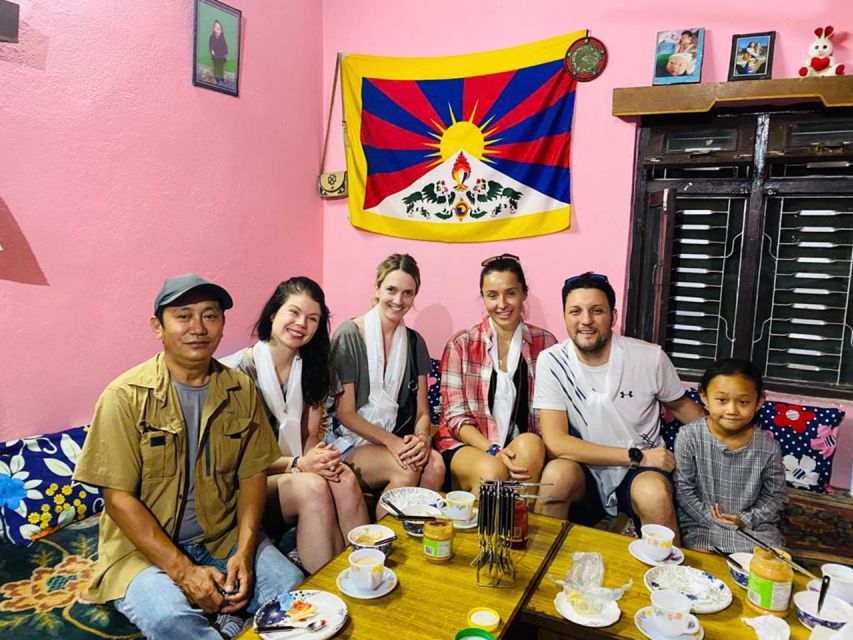
The food portion takes place at a local Tibetan family home. This is one of the most appealing elements for anyone who likes to understand culture through food, but it is a tasting of traditional snacks rather than a full restaurant meal.
You can try salted butter tea, tsampa made from roasted barley flour, and Tibetan homemade bread with honey, butter, and peanut butter. Mineral water is also included. The tea may surprise you if you are used to sweet tea, since butter tea is salty and rich rather than sugary.
Tsampa is another useful introduction. It is made from roasted barley flour and can be mixed into a simple, filling food. The bread and spreads make the tasting approachable, while the tea and barley offer a clearer sense of traditional Tibetan food habits.
The setting gives this stop its meaning. Sitting in a family home allows the guide to connect food with hospitality, migration, and daily life. You are not just sampling unfamiliar flavors. You are hearing how people live and how food helps carry identity from one generation to the next.
If you plan to eat a large meal immediately afterward, leave some flexibility. The tasting includes substantial snacks, and the afternoon may satisfy you more than you expect. If you have dietary concerns, ask about the food when booking or before the tasting, since the available details do not provide a full list of dietary options.
What Thupten Gyatso adds to the experience
The guide can make or break a culture tour, and this experience depends heavily on Thupten Gyatso’s ability to explain. He is presented as a Tibetan native rooted in the region, and the tour gives him room to talk about his culture, religion, history, and the lives of Tibetan refugees in Nepal.
The strongest reports about the experience focus on his storytelling, clear English, warmth, and willingness to answer questions. That matches the structure of the tour: there are several drives and walks where explanation matters just as much as the places themselves.
Thupten does not only explain Buddhist terms. He also talks about education, the Dalai Lama, community preservation, and the emotional weight of living away from Tibet. His personal passion is a benefit, especially if you want more than a neutral list of dates and definitions.
It can also make the afternoon feel intense. The subject includes displacement, cultural survival, and political history. If you prefer a light outing with little discussion, this may feel more serious than expected. If you want to understand the people behind the settlement, the guide’s personal approach is the reason to choose it.
Is $56 good value?
At $56 per person, the price is fair if you value access and explanation rather than simply counting the number of sights. The fee covers an English-speaking Tibetan guide, Lakeside pickup and return, visits to a settlement and monasteries, the monk conversation, prayer chanting, family hospitality, Tibetan food and tea, and mineral water.
You are also paying for a small group, limited to eight people. That matters here. A conversation with a monk works better when several dozen people are not waiting behind you, and a family home visit feels more suitable in a compact group.
The transport is another practical benefit. Pickup and drop-off are included for hotels around the Lakeside area. If your hotel is elsewhere in Pokhara, an extra transport fee applies based on the location, so check that cost before booking.
The value is strongest for people who want cultural context. If you only want scenic views, the price may seem high compared with a simple local taxi outing. If you want a guide who can explain symbols, monastic life, refugee history, education, food, and religious practice in one afternoon, the package makes more sense.
The operator offers free cancellation up to 24 hours before departure and a reserve-now, pay-later option. The tour has a five-star rating from 41 submitted ratings, and transportation received a perfect score from those who assessed it. Treat those figures as useful signals, but make your decision based on the kind of experience you want.
Timing, walking, and who should book
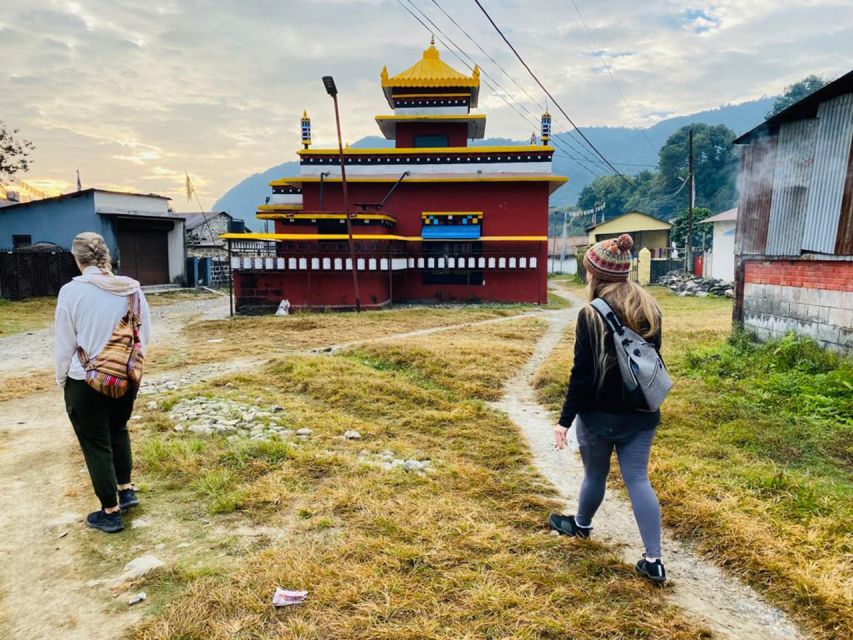
The tour lasts four hours and begins in the afternoon, with start times depending on availability. That makes it easy to fit around a morning walk, a relaxed lunch, or another Pokhara activity.
You will ride between stops and walk around the monastery and settlement. The available details do not give a precise distance or difficulty level, but the experience includes walking, standing, sightseeing, and time in religious spaces. Children under five are not accepted, and the tour is not suitable for wheelchair users.
I would recommend it most strongly to:
- People who want to understand Tibetan culture beyond photographs.
- Visitors interested in Buddhism, monastic education, and religious symbols.
- Anyone curious about Tibetan refugee life and cultural preservation in Nepal.
- Food lovers who enjoy trying butter tea, tsampa, and homemade bread.
- Solo visitors or couples who prefer a small group and open conversation.
- People with only half a day available in Pokhara.
I would choose another activity if you want a mountain excursion, a long scenic drive, or a full meal at a restaurant. This is a focused cultural lesson with several personal encounters, not a general tour of the Pokhara Valley.
Should you book the Tibetan Cultural Tour?
Book it if you want your time in Pokhara to include a serious look at Tibetan life in Nepal. The monk conversation, afternoon chanting, and family tea make the experience more personal than a standard monastery visit, while Thupten Gyatso gives the afternoon a clear thread.
The four-hour format is convenient, but it also limits the time available at the settlement. Several people who enjoyed the afternoon wished they had chosen the longer full-day option, when available. Still, the half-day tour gives you the key elements: a monastery, a monk, a settlement, prayer, symbols, food, and a guide who can explain how they fit together.
My advice is simple: choose this tour when you want to learn, not just look. If that sounds like your kind of afternoon, $56 buys a thoughtful and unusually direct introduction to Tibetan culture near Pokhara.
FAQ
Where does the Tibetan Cultural Tour begin?
Pickup and drop-off are provided around the Lakeside area of Pokhara.
How long does the tour last?
The tour lasts four hours and takes place in the afternoon.
What language does the guide speak?
The live tour guide speaks English.
Who leads the tour?
The tour is led by Thupten Gyatso, a Tibetan guide connected to the region and its culture.
Which places are included?
The tour includes Pema Ts’al Sakya Monastic Institute and Tashi Palkhel Tibetan Settlement near Pokhara Valley. It also includes a visit to another monastery for afternoon prayer chanting.
Can I speak with a Buddhist monk?
Yes. The tour includes a conversation with a young Buddhist monk about monastic life, studies, Buddhist ideas, and daily activities.
What food and drink are included?
You can taste salted butter tea, tsampa, Tibetan homemade bread, honey, butter, and peanut butter at a local Tibetan family home. Mineral water is also included.
Is transportation included?
Round-trip transportation is included for hotels in the Lakeside area. Hotels outside Lakeside may require an additional transportation fee based on location.
Can I cancel the booking?
You can cancel up to 24 hours in advance for a full refund. A reserve-now, pay-later option is also available.
Newest history tours we have reviewed in the world
- Bilbao Historical Tour in small group★ 4.7 · 52 reviews
- Bologna: Street Food Tour in the Historic Center★ 4.8 · 125 reviews
- CEBU: Cebu City Heritage and Uphill Guided Tour★ 4.2 · 31 reviews
- Bishkek : City Tour (History, Architects, Statues & Culture)★ 4.9 · 54 reviews
- Blenheim: Omaka Aviation Heritage Centre Admission Ticket★ 4.9 · 31 reviews
- Belfast: Best of Belfast History, Culture & Art Walking Tour★ 4.9 · 158 reviews
- Berlin: Nazi History Walking Tour★ 4.8 · 33 reviews
- Best of Baku: 4-Hour City Tour Historic and Modern Landmarks★ 4.7 · 63 reviews
Local Culture & Traditions Tours, compared.

Amsterdam Food and Cultural Tour with Tastings
Read our review →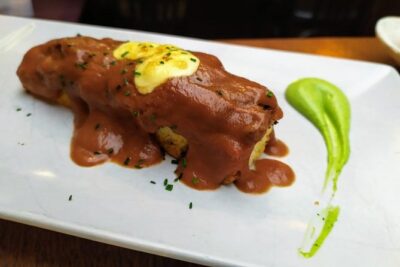
Sevilla Food Tour: Tapas, Wine, History & Traditions
Read our review →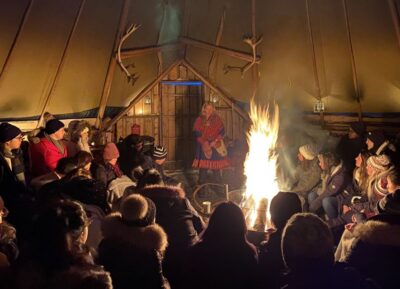
Tromsø: Reindeer Camp and Sami Cultural Tour with Lunch
Read our review →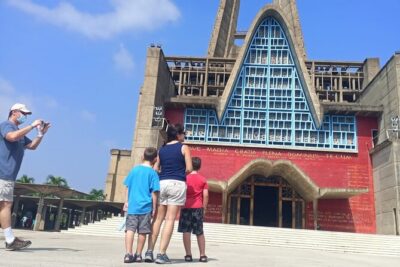
Half Day Dominican Republic Cultural Tour : Small Group
Read our review →
Ultimate Melbourne Walking Tour: History, Laneways & Culture
Read our review →
Tromsø: Sámi Reindeer Sledding and Sami Cultural Tour
Read our review →
Kyoto Gion: 2-Hour Geisha Culture & History Walking Tour
Read our review →
Marrakech Historical and Cultural Tour – Half Day City Tour
Read our review →Browse the lists this tour appears in