
Review · ALBANIA HISTORY TOURS
From Tirana: Durres & Kruja History and Local Food Day Trip
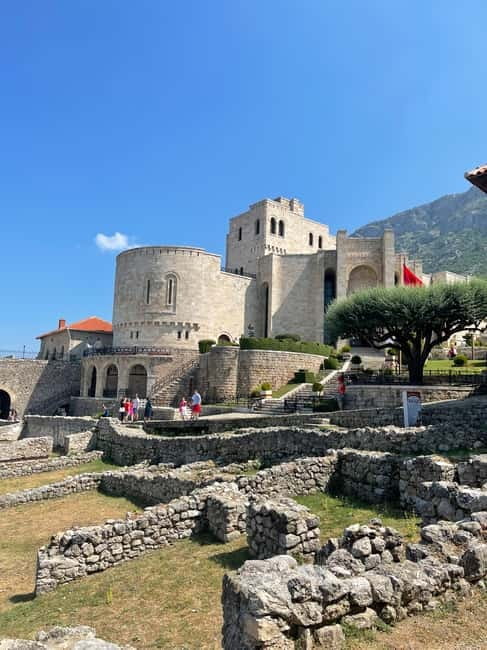
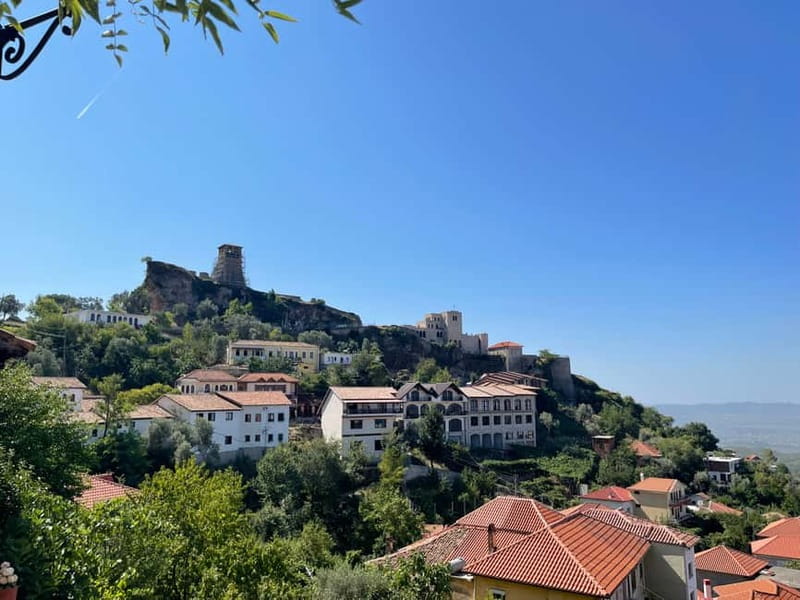
Kruja gives this day its strongest moments: a hilltop castle tied to Albania’s national hero, Skanderbeg, a handsome old bazaar, and a lunch table looking across the plain below. I especially like the small group of no more than eight and the way lunch, coffee, transport, and museum tickets are folded into the price. The guides Nikola and Xhino have also earned praise for their warmth and clear explanations.
Durrës adds Roman, Byzantine, and Venetian layers to the day, though it is less immediately charming than Kruja. The main drawback is the length: ten hours is a full day, and summer heat can make the castle, bazaar, and open-air ruins tiring. September or October should feel more comfortable than August.
Key points at a glance
- Kruja Castle comes first, with a guided visit to the Dollma Bektashi Tekke and the castle grounds.
- The Skanderbeg Museum gives the day its central story, explaining the Albanian hero connected with Kruja.
- Lunch comes with a view, served at a local restaurant overlooking the Kruja plain and valley.
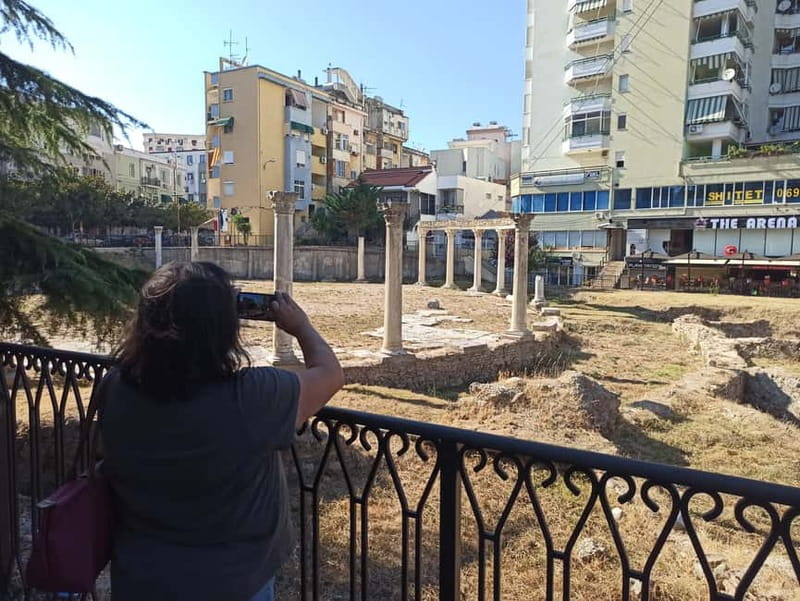
- Durrës packs several ancient sights into a short walking visit, including the Roman Amphitheatre, Byzantine Forum, thermal baths, city walls, and Venetian Tower.
- A group capped at eight keeps the guiding personal, with English and Italian available.
- The $194 price covers the main extras, including hotel transport, lunch, coffee, admissions, and a tour director.
Why Kruja makes the best opening
The tour begins with pickup at your hotel in Tirana, or in Durrës if that suits your plans. You travel in a climate-controlled car or van, which matters on a long summer day when the road, walking, and exposed ruins can add up.
Kruja is the emotional center of the trip. Its castle is linked to Gjergj Kastrioti, better known as Skanderbeg, the 15th-century Albanian commander who resisted Ottoman expansion. You are not simply walking around old stone walls. The setting introduces one of the defining stories of Albanian national identity.
Your guide leads you through the castle area and the Dollma Bektashi Tekke. The tour includes about an hour for the castle visit, enough time for an explanation of the site and a look at its religious and defensive sides without turning the morning into a long lecture.
I like this guided approach because Kruja’s meaning can be easy to miss if you only arrive, take a few photos, and leave. The castle grounds and buildings do not explain themselves in a neat sequence. A guide gives you the basic story, points out what matters, and helps connect the setting to the museum visit that follows.
More Day Trips in the world:
- Kyoto: Fushimi Inari, Kinkakuji, Bamboo Grove 1 Day Bus Tour
★ 4.8 · 4,316 reviews - From Bangkok: Ayutthaya Historical Park Guided Day Trip
★ 4.6 · 3,020 reviews - Discover the Ancient Ruins of Pompeii: Day Trip from Rome
★ 3.5 · 2,247 reviews
The Skanderbeg Museum and the story of Albania
The Skanderbeg Museum receives its own guided hour. That is a good amount of time for a first visit, especially if you want context rather than a quick pass through display cases.
The museum focuses on Skanderbeg and the period in which he became a symbol of resistance. The guide helps turn names, dates, and objects into a readable story. If Albanian history is new to you, this stop is likely to be far more useful than trying to piece the subject together from labels alone.
The strongest guides on this tour appear to be the people who treat the day as more than a transfer between sights. Nikola has been praised for making people feel at home while adding information during the visits. Xhino has also led a private version of the tour when no other participant was booked, bringing a warm, personal tone and strong enthusiasm for Albania. Guide assignments can change, so you should not book on the assumption that one particular person will lead your group, but English and Italian are offered.
The museum is also a practical reason to choose this trip over a simple transportation service. You receive museum admission and a guided visit as part of the day, so you can focus on the story instead of sorting out tickets and interpretation yourself.
Time for Kruja’s Old Bazaar
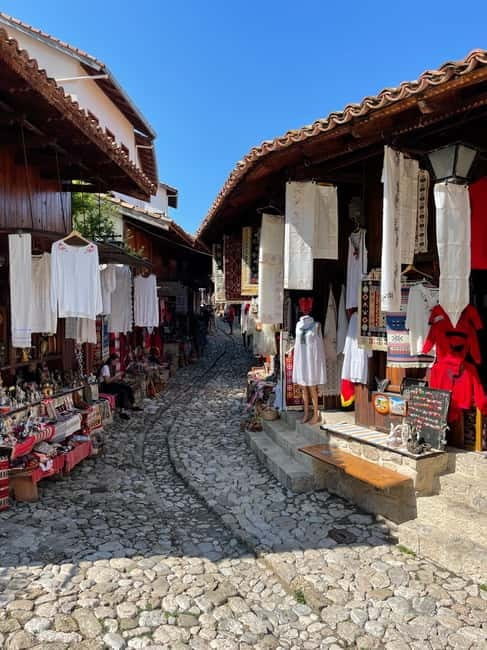
After the castle and museum, you get free time in Kruja’s Old Bazaar. The cobbled alleys and old buildings make this the most atmospheric part of the morning, and the slower pace is welcome after two guided visits.
This is where you can browse for a souvenir rather than merely look at monuments. The bazaar is described as colorful and lively, with small shops set along the old lanes. The tour does not specify particular products, so I would treat it as a chance to browse local crafts and keepsakes rather than arrive with a fixed shopping list.
You should keep an eye on the clock. The free time is useful, but it is part of a tightly planned ten-hour day that still includes lunch and Durrës. If you stop at every shop, you may end up rushing your meal or the later ruins.
The bazaar also gives you a break from formal guiding. You can wander, take in the old architecture, and enjoy Kruja at your own pace before meeting the group for lunch.
Lunch above the Kruja plain
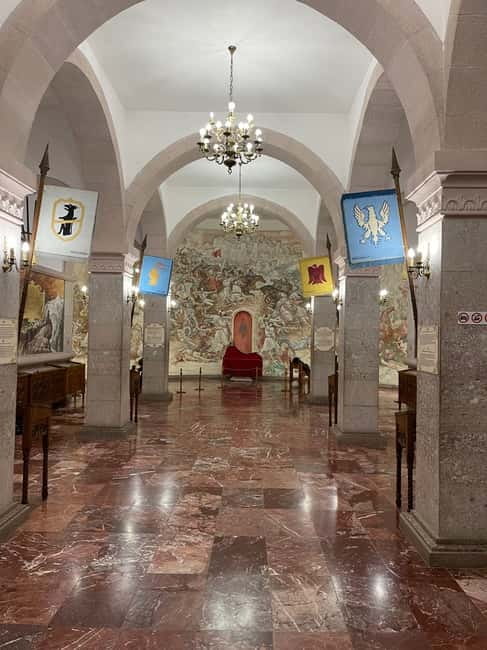
Lunch lasts about an hour and a half at a local restaurant with views over the city and the Kruja valley. This is more than a practical refueling stop. It gives you a chance to sit down, enjoy the view, and try traditional Albanian dishes.
The meal is included, but the exact menu is not specified. That is worth noting if you have allergies or strict dietary needs, since you will want to check the available choices before booking or at the start of the day.
I like the placement of lunch. It follows the castle and bazaar, when you have already spent the morning walking and concentrating. The view adds a sense of place, while the local food helps keep the tour from feeling like a string of museum rooms and archaeological sites.
One practical point: the setting is part of the appeal, so the meal may take longer than a quick roadside stop. That is good for a relaxed day, but it also means the schedule has less spare time if traffic or a late start causes delays.
More History Tours in the world:
- New York City: American Museum of Natural History Ticket
★ 4.5 · 15,447 reviews - History and Hauntings of Salem Guided Walking Tour
★ 5.0 · 14,564 reviews - Colosseum: Underground and Ancient Rome Tour
★ 4.7 · 12,691 reviews - Lisbon: History, Stories and Lifestyle Walking Tour
★ 4.8 · 10,902 reviews
Durrës, where Roman and Venetian layers meet
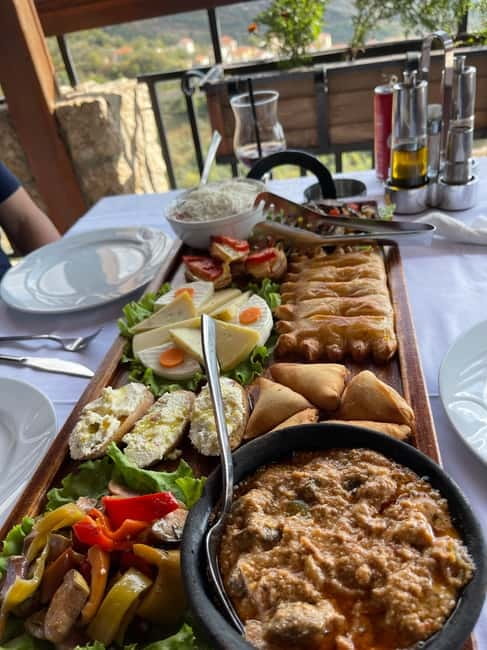
After lunch, the tour heads to Durrës for a final digestive stop and guided walk. The Durrës portion is shorter than Kruja, with roughly 30 minutes for the city tour and another 30 minutes at the amphitheater.
Durrës has a different feel from Kruja. Kruja is shaped by its hilltop castle, national story, and old bazaar. Durrës is a city where ancient and later layers sit among everyday streets, and the tour brings you close to several of those remains.
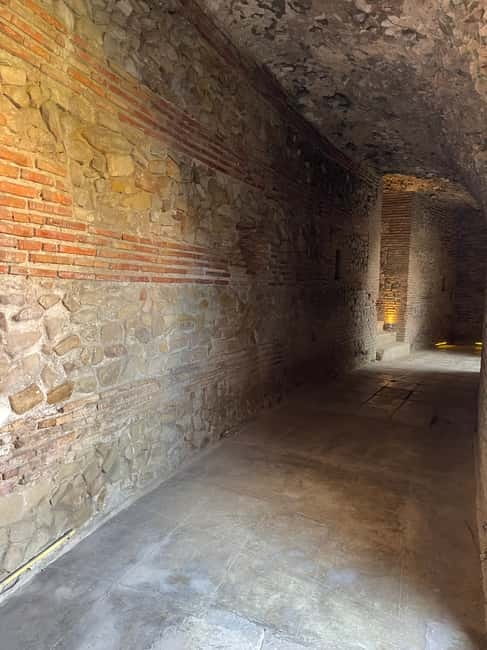
The walk includes the City Walls, Byzantine Forum, Roman Thermal Baths, Venetian Tower, and Roman Amphitheatre. You also get a look at street art around the ancient ruins, an unexpected modern counterpoint to the archaeology.
The City Walls help explain Durrës as a fortified urban center. Your guide provides the background, so you can understand why the surviving sections matter even when the remains are not presented as one complete monument.
The Byzantine Forum and Roman Thermal Baths add another layer. Together, they show that the city was not only a military outpost but also a place of civic life and public amenities. The stop is compact, so expect an overview rather than a long archaeological study.
The Roman Amphitheatre and Venetian Tower
The Roman Amphitheatre is the main Durrës sight for many people. Its scale and purpose are easier to understand with a guide who can explain how it fitted into city life. The tour gives the amphitheater its own 30-minute guided visit, enough for the main points and photographs without keeping you there for most of the afternoon.
The Venetian Tower shifts the story forward to a later period. Seeing it alongside Roman and Byzantine remains helps you read Durrës as a city with many eras layered together, rather than as a single ancient stop.
Durrës may not make as immediate an impression as Kruja. One supplied assessment was clear on that point, finding Kruja more appealing while still praising the guide. I think that is a fair way to set expectations. Choose this day for the combination of two cities and several historical periods, not because every stop in Durrës will feel polished or dramatic.
How the schedule feels over ten hours
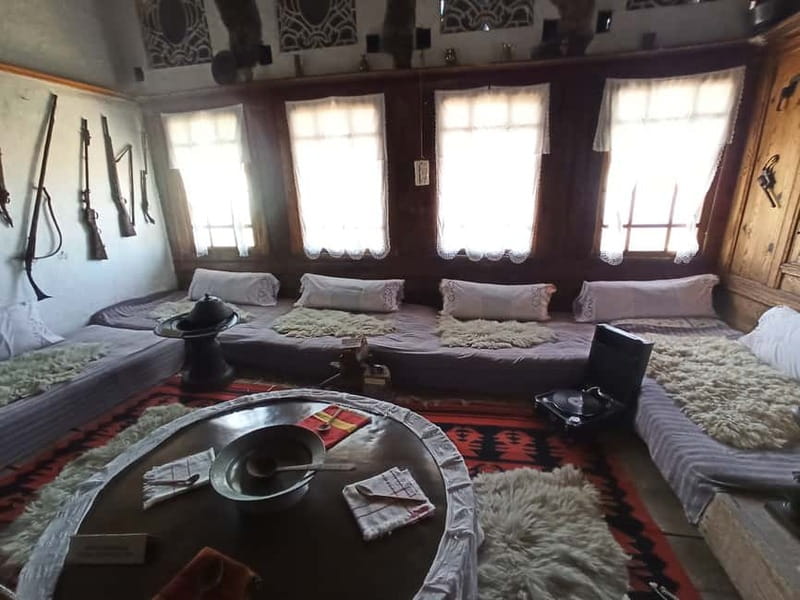
A ten-hour day gives you a lot: hotel pickup, the drive to Kruja, two guided castle and museum visits, bazaar time, a full lunch, coffee, then Durrës and the return journey. You see more than you could comfortably manage alone without planning, ticket research, and transport coordination.
It is also a full day. You will spend time in a vehicle, walk around historic sites, stand during explanations, and deal with summer heat. One participant specifically advised choosing September or October instead of the hotter months. That is practical advice, especially since the tour includes exposed castle areas and archaeological ruins.
The coffee break adds a small but useful pause. It gives you a chance to reset between the main stops, though the exact location and timing are not provided.
Because the group is limited to eight, the guide can usually keep the walking pace and explanations more personal than on a large coach outing. A small group also makes hotel pickup and drop-off less cumbersome. The tradeoff is that this is not an independent day. You follow a set route and schedule, with free time mainly reserved for the bazaar.
Is $194 a fair price?
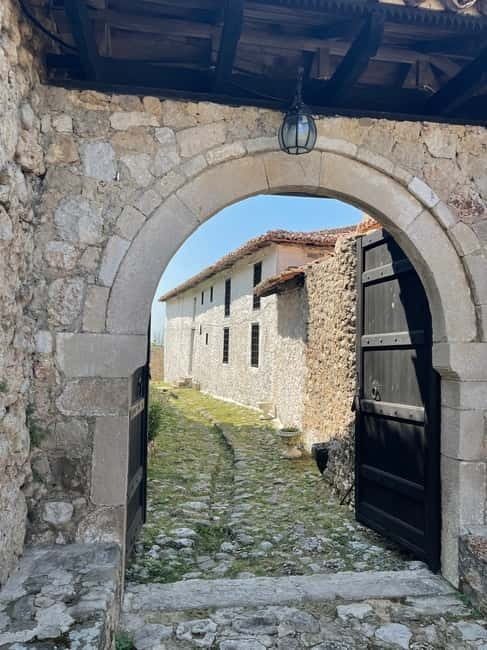
At $194 per person, this is not the cheapest way to see Kruja and Durrës. The value depends on how much you want handled for you.
The price includes transportation, hotel pickup and drop-off, a tour director, lunch, a coffee break, and museum entrance fees. You also receive live guiding in English or Italian, with a group limited to eight. If you hired separate transport, paid admissions, arranged lunch, and tried to coordinate both cities yourself, the package becomes easier to justify.
The real value is the interpretation. Skanderbeg’s story, the castle, and Durrës’s ancient remains all benefit from explanation. You are paying for a long, organized day that links the sites efficiently, not simply for entry to one attraction.
It is less compelling if you already have a rental car, prefer long unstructured visits, or want to spend most of a day in one place. In that case, the fixed schedule and price may feel heavy. If you are based in Tirana and want a straightforward history-and-food day without arranging the pieces yourself, the inclusions make more sense.
Who will enjoy this day most?
I would recommend it to a first-time Albania visitor who wants a strong introduction to two important places. It suits people who like history but also want lunch, shopping, views, and a manageable group rather than a formal academic tour.
It is a good choice for solo visitors and couples who would rather not navigate transport alone. The option of hotel pickup removes much of the morning uncertainty, and a group of eight or fewer can feel more social without becoming anonymous.
The tour also works well for Italian speakers, since Italian guides are available as well as English guides. The warmth and language skills praised in the guiding, including the work of Nikola and Xhino, are important here because the day contains a lot of historical information.
I would think twice if you dislike early starts, long excursions, or hot-weather walking. The day is rewarding, but it is not leisurely from beginning to end. Families should also consider how well children handle castle walks, museum time, ruins, and a ten-hour schedule. No child-specific program is listed.
Should you book the Kruja and Durrës day trip?
Book it if you want the main historical highlights of Kruja and Durrës in one organized day, with lunch and transport already arranged. Kruja is the stronger half, especially the castle, Skanderbeg Museum, and Old Bazaar, while Durrës broadens the picture with Roman, Byzantine, and Venetian remains.
The best reasons to choose this tour are the small group, included lunch and admissions, hotel pickup, and the chance to ask questions as you go. Try to schedule it in September or October if you can, when the heat should be less punishing.
Skip it if you want a slow, independent day or if Durrës alone is your priority. For most visitors staying in Tirana, though, $194 buys a useful mix of history, local food, views, and practical organization, with enough free time to make the day feel like more than a checklist.
FAQ
How long does the tour last?
The tour lasts 10 hours, including transportation, visits to Kruja and Durrës, lunch, and the return journey.
Where can pickup take place?
Pickup is available in Tirana and Durrës. Hotel pickup takes place at the tour starting time.
Where can I be dropped off?
Drop-off is available in Tirana and Durrës.
What languages are offered?
The live tour guide is available in English or Italian.
How large is the group?
This is a small-group tour limited to eight participants.
Is lunch included?
Yes. Lunch at a local restaurant is included, with views of the Kruja city and valley.
Are museum entrance fees included?
Yes. Museum entrance fees are included in the price.
What places are visited in Kruja?
The tour visits Kruja Castle, the Dollma Bektashi Tekke, the Skanderbeg Museum, and the Old Bazaar.
Can I cancel for a full refund?
Yes. You can cancel up to 24 hours in advance for a full refund.
Newest history tours we have reviewed in the world
- Private Dublin Historical and Heritage Tour by Bike★ 5.0 · 30 reviews
- Dubrovnik by Night, History, Wine & Bites★ 5.0 · 41 reviews
- Enjoy Ancient Mostar★ 4.0 · 45 reviews
- Historical Walking Tour of Dublin★ 5.0 · 50 reviews
- DayTripper Dublin: A Guided City Walking Tour★ 5.0 · 90 reviews
- Ancient Old City– Finest tour of Dubrovnik★ 5.0 · 64 reviews
- Dublin LGBTQ Pride Historical and Cultural Walking Tour★ 5.0 · 91 reviews
- Interactive Living History in Dalkey Castle near Dublin City★ 5.0 · 133 reviews
Albania History Tours, compared.
Guided tour in Tirana – discoveries, history, culture (in FRENCH)
Read our review →
Durres city & Golem beach, Sun & History Day Trip
Read our review →
Tirana Walking Tour: History, Culture &Gems by a Passionate Guide
Read our review →
Walking Tour through Attractions of Historic Center
Read our review →
“Tirana to Albania: Tracing a Historical Path Tour”
Read our review →Browse the lists this tour appears in