
Review · KYOTO HISTORY TOURS
Historical Kyoto E-Bike Tour
Kyoto’s major sights are spread across the city, and this small-group e-bike tour connects them in one long, active outing. You ride through ordinary streets and quieter back lanes, then park and explore the temples and bamboo grove on foot. It is a smart way to cover western and northern Kyoto without spending the whole day on buses.
I especially like the maximum of eight people, which gives guides such as Jody, Pohan, Diego, Jorge, and George room to answer questions and keep the group together. I also like the mix of famous stops and local riding, plus the chance to learn Japanese customs rather than simply photograph temple gates. The main consideration is city cycling: you share roads with cars, buses, mopeds, pedestrians, and other bikes, so this suits confident riders better than complete beginners.
Key points to know before you book
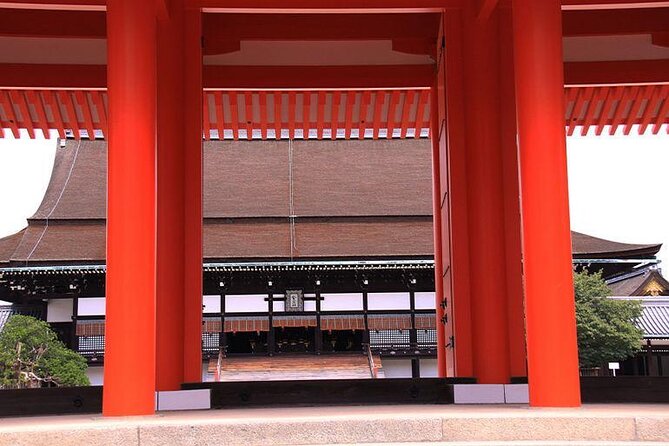
- Four major Kyoto sights in one day: Visit Kitano Tenmangu, Kinkaku-ji, Arashiyama Bamboo Grove, and Tenryu-ji.
- E-bikes reduce the strain: The electric assistance helps you cover a large part of Kyoto, though you still walk quite a bit at the stops.
- A genuinely small group: The tour is capped at eight people, allowing for more personal explanations and easier adjustments.
- Guides add cultural context: Guides including Jody, Pohan, Diego, Jorge, and George explain temple rituals, shrine customs, cycling rules, and local life.
- Bring yen for lunch and small offerings: Lunch may be at a cash-only ramen restaurant or another local food spot, and coins are useful for temple and shrine customs.
- The meeting point takes effort to find: Memory Kyoto Bike Tour is at 8-6 Umaryo-cho in Nishikyo Nakagyo-ku, near public transportation, but the entrance can be tucked down a back road.
Why an e-bike is a good match for Kyoto
Kyoto looks compact on a map, but its best-known sights are not gathered in one neat walking district. Kitano Tenmangu and Kinkaku-ji sit north of the central area, while Arashiyama and Tenryu-ji are farther west. A walking tour cannot sensibly link all four in one half-day, and buses can be slow when streets are crowded.
The e-bike gives you a practical middle ground. You cover much more distance than you could on foot, without the full effort of a conventional bicycle. The bikes are supplied with helmets, and several guides have been praised for checking traffic, explaining local riding rules, and keeping the group together.
Still, do not picture five hours of effortless sitting. The ride between locations takes a large part of the day, but each temple and shrine involves walking. One detailed account described the outing as roughly 75 percent walking and 25 percent biking, which is a useful reminder. Wear shoes you can walk in, not just something chosen for the bike.
You will ride on city streets rather than on a protected sightseeing route all day. People who regularly cycle in traffic should be comfortable here. Families have taken the tour with teenagers who were capable city riders, but the experience is less suitable for young children or anyone nervous around traffic.
More History Bike, Segway and Tuk-Tuk Tours in Japan
- Sakurajima Century Lava Climb Journey with E-bike
★ 5.0 · 54 reviews - Tokyo: 3-Hour Bike/E-Bike Tour of the City’s Hidden Gems
★ 5.0 · 47 reviews - Nara: Bike Tour in Ancient Capital UNESCO World Heritage
★ 5.0 · 43 reviews
Starting at Kitano Tenmangu Shrine
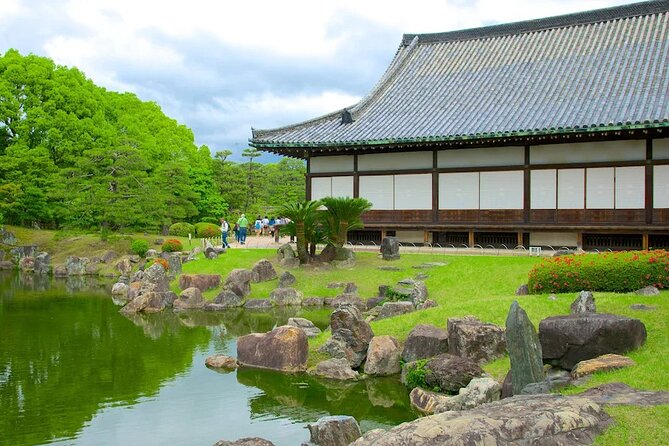
The first stop is Kitano Tenmangu, a major Shinto shrine linked to Sugawara no Michizane, a revered figure associated with learning. This gives your guide a natural opening to explain how Shinto shrines differ from Buddhist temples, and how people approach each type of sacred place.
You have about 30 minutes here, with admission included. The shrine is also known for around 1,000 plum trees, which can make an early spring visit especially attractive. Seasonal flowers are never guaranteed on a particular day, but the plum connection adds a worthwhile reason to include this shrine beyond its architecture.
This is one place where a good guide matters. The most useful part is not just seeing the buildings, but learning how to behave at a shrine and what different customs mean. Guides on this tour have helped people understand rituals and pointed out ways to participate, such as buying prayer candles or making wishes.
Bring a few low-value coins if you want to take part in such customs. The tour price covers admission, but it does not cover personal purchases or food.
Kinkaku-ji and the Golden Pavilion
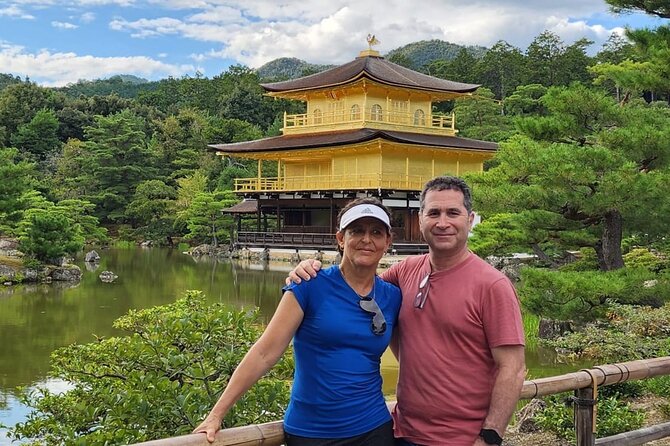
Kinkaku-ji, often called the Golden Pavilion, is the visual showpiece of the day. Its gold-leaf exterior reflects across the pond, creating the classic Kyoto image that appears in countless photographs.
You have about 45 minutes here, and admission is included. The time is enough to walk through the principal viewing area and hear the temple’s background, but it is not a long, quiet meditation stop. Kinkaku-ji is one of Kyoto’s most visited places, so expect crowds, especially during popular travel seasons.
That crowd is the tradeoff for seeing such a famous sight. The e-bike helps you reach it without wasting time on a long transfer, but it cannot make the pavilion private. I would pay close attention to the guide’s explanation, then allow yourself a few minutes to enjoy the pond and take photographs.
A winter visit can be particularly striking. One group encountered heavy snow, and the guide rearranged parts of the day to make the conditions more comfortable. That flexibility is useful, though weather can affect the riding and the order of stops.
Riding west toward Arashiyama
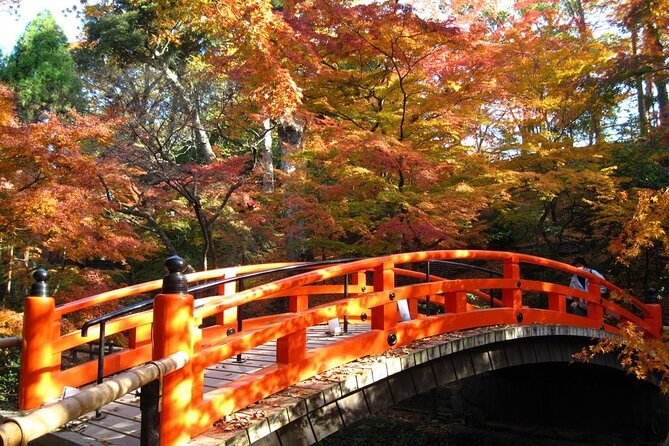
The transition from the formal temple grounds to Kyoto’s streets is an important part of the experience. You are not simply being transported between attractions. You see residential areas, narrow streets, and everyday parts of the city that are easy to miss from a bus window.
The route also gives you a sense of Kyoto’s scale. You move from the northern shrine and Golden Pavilion area toward Arashiyama, where the scenery and pace change. Guides have pointed out streets, explained road rules, and adjusted the ride when rain or snow made the original plan less comfortable.
Traffic is the part to take seriously. You may encounter stop signs, cars, buses, mopeds, pedestrians, and cyclists sharing limited space. A guide riding at the front and another at the back can help keep a group together, but you remain responsible for controlling your own bike and following instructions.
If you are a confident adult cyclist, the riding is likely to feel manageable. If you rarely ride in cities, this may be the least comfortable part of the day. The electric motor helps with effort, not with traffic judgment.
Same streets, a different century:
- Kyoto: Fushimi Inari, Kinkakuji, Bamboo Grove 1 Day Bus Tour
★ 4.8 · 4,316 reviews - World Heritage Shirakawa-go and Experience Tours from Kanazawa
★ 5.0 · 4,049 reviews - Tokyo: Imperial Palace and Shogun Historical Walking Tour
★ 5.0 · 2,251 reviews - World Heritage Kyoto & Nara Uji Authentic Matcha Experience
★ 5.0 · 1,573 reviews
Walking the Arashiyama Bamboo Grove
The Bamboo Forest Trail is one of Kyoto’s signature sights. Tall bamboo rises on both sides of the path, creating a striking scene that feels very different from the open temple gardens earlier in the day.
The walking portion lasts about 45 minutes. The grove is famous, so it can be crowded, and your experience depends heavily on the time and season. The tour lets you reach it without making a separate transit plan, but the e-bike does not change the fact that this is a popular public path.
This is a good place to slow down after the city riding. You will have plenty of photo opportunities, but try not to spend the entire stop looking at a screen. The bamboo is most memorable when you pay attention to the height, shade, and shifting light around the path.
The group may have some flexibility about where the walk ends in Arashiyama. One route variation included a chance to see the Kimono Garden, though this should not be treated as a guaranteed stop. The important point is that the guide may help shape the final part of the walk around the group’s needs.
Tenryu-ji’s garden and Buddhist setting
Tenryu-ji follows the bamboo grove with a more spacious temple setting. You spend about 45 minutes walking through its celebrated garden, which is part of a UNESCO World Heritage Site designation dating from 1994.
This stop balances the intense popularity of the bamboo path. The garden gives you room to look at designed views, water, trees, and temple buildings rather than moving along a narrow corridor with many other people.
Your guide can also connect the setting to Japanese Buddhism and the customs you have seen earlier at Kitano Tenmangu. That comparison is one of the tour’s strongest features. Instead of treating each stop as a separate photo opportunity, the day builds a clearer picture of how shrines, temples, ceremonies, and daily life fit together.
The listed route places Tenryu-ji after the bamboo forest, but the order can be adjusted in response to weather or local conditions. Do not count on every minute being fixed to the printed sequence.
Lunch and the useful cost details
The price is $99.49 per person. For a five- to six-hour outing, that includes the e-bike, helmet, bottled water, guided visits, and admission to the listed sights. Compared with arranging separate transport to four major sites, the price can make sense, particularly if you value the guide’s explanations and want to avoid figuring out the route yourself.
Lunch is part of the time allocation, but food is not described as included. Some groups have stopped at a ramen restaurant, while another lunch option had a wider range of Japanese food. At least one ramen stop was cash only, so bring yen. The same advice applies to small shrine or temple offerings.
The meal adds a local pause to a long day, but it also means you should not expect every minute to be sightseeing. If you have strict dietary needs, tell the guide early. A guide has been able to help with dietary requests, but the available restaurant choices are not fully specified.
The included bottle of water is welcome, especially in warm weather. I would still plan around the possibility of needing more water, though the supplied details do not promise additional bottles.
The guides make the difference
The tour has received especially strong praise for its guides, and that is where much of the value lies. Jody has been described as an engaging guide with long experience living in Japan and a gift for explaining culture in clear terms. Pohan has been praised for making history approachable and for adapting the day in difficult weather.
Diego has led families through the temples and bamboo forest, adding historical details and helping groups find a pleasant food stop. Jorge and George have also been singled out for humor, patience, safety guidance, and thoughtful answers.
Guide quality can vary from person to person, but the repeated pattern is clear: this is not meant to be a silent escorted ride. You should expect explanations about Japanese culture, temple and shrine customs, and the streets you are using. One especially useful feature is the focus on cycling laws and road crossings, something many visitors would not know before riding in Kyoto.
The small group supports that style. With no more than eight participants, it is easier to hear the guide, ask a question, or mention a dietary concern than it would be on a large coach tour.
What the day feels like in practice
You should set aside most of a morning and afternoon. Two morning tour options provide some scheduling choice, but the exact start time is not provided here, so check the available option before booking.
The outing begins and ends at the Memory Kyoto Bike Tour meeting point at 8-6 Umaryo-cho, Nishikyo Nakagyo-ku, Kyoto. The location is near public transportation, but it can be hard to spot because it is down a back road with limited signage. Give yourself extra time to find it, especially if you are unfamiliar with Kyoto.
The tour returns to the same meeting point. That matters because the final stop is in Arashiyama, far from the start, and you do not have to arrange your own return from the western part of the city.
Confirmation is provided when you book, and a mobile ticket is accepted. Most people can participate, but cycling ability is the practical test. You need to handle an e-bike in city traffic and walk around the temple grounds.
The tour has a 98 percent recommendation rate and a 4.9 rating from 181 reviews. Those figures suggest a very dependable experience, though they should not hide the two real issues: traffic can feel demanding, and the meeting point may take some searching.
Who should book this Kyoto e-bike tour?
I would choose this tour if you have limited time in Kyoto and want to see several major sights in one day. It works especially well for adults, older teenagers, and families whose members already ride comfortably on city streets.
It is also a good first-day activity for someone who wants cultural orientation. The guides explain customs, history, and practical cycling rules, giving you useful context for the rest of your Japan trip.
You may want a different plan if you dislike traffic, need a slow and quiet temple visit, or want complete control over how long you spend at each sight. The itinerary covers a lot, so the stops are structured rather than leisurely.
Book at least 24 hours before the start if you want the option of a full refund. Cancellations or changes made less than 24 hours before the experience are not accepted for a refund.
Should you book it?
Book this tour if you want efficient sightseeing with real cultural explanation, and if you are comfortable riding a bike in Kyoto traffic. The combination of four major sights, quiet streets, e-bike assistance, and a group capped at eight is hard to match in a standard walking tour.
Skip it if you want a purely relaxed day or feel uneasy cycling around cars and buses. For the right rider, though, the $99.49 price buys more than transportation. It gives you a practical route, admission, local guidance, and a well-shaped introduction to Kyoto’s shrines, temples, gardens, and street life.
FAQ
How long does the Historical Kyoto E-Bike Tour last?
The tour lasts approximately five to six hours, including cycling, walking at the sights, and time for lunch.
What sights are included?
The route includes Kitano Tenmangu Shrine, Kinkaku-ji Temple, the Arashiyama Bamboo Forest Trail, and Tenryu-ji Temple.
Is an e-bike included?
Yes. Each participant uses an e-bike, and a helmet is provided.
How large is the group?
The tour has a maximum of eight travelers.
Are entrance tickets included?
Admission tickets to the listed stops are included in the tour.
Is lunch included in the price?
Lunch time is part of the tour, but the supplied details do not state that food is included. Bring yen, since at least one ramen restaurant used for lunch is cash only.
Where does the tour start and finish?
It starts and ends at Memory Kyoto Bike Tour, Japan, 604-8492 Kyoto, Nakagyo Ward, 8-6 Umaryo-cho, Nishikyo Nakagyo-ku, Kyoto city.
Is the meeting point easy to find?
The meeting point is near public transportation, but it may be down a back road with little signage. Allow extra time to locate it.
Can most people participate?
Most travelers can participate, but you should be comfortable riding a bicycle on city streets and walking at the temples, shrine, and bamboo forest.
What happens if I need to cancel?
You can receive a full refund if you cancel at least 24 hours before the experience start time. Cancellations or changes made less than 24 hours before the start are not accepted for a refund.
Newest history tours we have reviewed in Japan
- Authentic Sapporo: Nijo Market Seafood Lunch & History Tour★ 4.8 · 20 reviews
- Asakusa: 3.5-hour Big-picture History Walk★ 4.7 · 39 reviews
- Asakusa: A Big-picture History Walk to Know Japan★ 4.6 · 77 reviews
- 2.5-Hour Nagoya Tour: Castle History, Local Food & City View★ 4.5 · 36 reviews
- 1-Day Tour from Nagoya: Hiking the Historic Nakasendo Trail★ 4.9 · 34 reviews
- Tokyo: Nikko World Heritage Private Day Trip Hotel Pick-up★ 4.8 · 145 reviews
- 2.5 Hour Private History and Culture Tour in Himeji Castle★ 5.0 · 185 reviews
- From Tokyo: Nikko World Heritage Sight Full Day Private Tour★ 4.9 · 127 reviews
History Bike, Segway & Tuk-Tuk Tours, compared.
Historical Singapore Bike Tour on Full-Sized Bicycles
Read our review →
Charlotte’s Ultimate Southern Charm Historical City Cart Tour
Read our review →

Asheville Historic Downtown Guided Electric Bike Tour with Scenic Views
Read our review →
Private Guided Historic Electric Cart Tour of St. Augustine
Read our review →
60-Minute Guided Segway History Tour of Savannah
Read our review →
Historic Athens: Small Group Electric Bike Tour
Read our review →
90 Minute Historic Uptown Neighborhood Segway Tour of Charlotte
Read our review →Browse the lists this tour appears in