

Review · INDONESIA HISTORY TOURS
Jakarta Heritage of Old Batavia Private City Tour (Historical)
Jakarta’s traffic can turn a short city visit into a full-time negotiation. This private tour solves that problem by pairing you with a driver, guide, and air-conditioned vehicle, then linking the city’s major heritage sights from Old Batavia to Sunda Kelapa harbor.
I like the flexible pickup times and the chance to see places that are awkward to connect by public transport. I also like the contrast between the grand Istiqlal Mosque, nearby Jakarta Cathedral, old Chinatown streets, colonial buildings, and wooden ships at the harbor. The main drawback is traffic. A five-hour plan can stretch, and some stops may be shortened or skipped if rain, flooding, or congestion takes over.
Key points to know before booking
- Old Batavia is the heart of the tour: You visit Fatahillah Square, the Jakarta History Museum, colonial buildings, and a puppet studio.
- The religious sites are unusually close together: Istiqlal Mosque and Jakarta Cathedral offer a useful look at Indonesia’s tradition of religious tolerance.
- A tuk-tuk ride adds local character: It is fun and memorable, though it may not operate in heavy traffic or poor conditions.
- Private transport matters in Jakarta: Your driver handles the roads while your guide adjusts the schedule around traffic.
- Lunch can be a major highlight: The local meal offers a broad taste of Indonesian food, while Cafe Batavia is an optional upgrade with personal expenses.
- Check closure days carefully: Museums are closed Mondays, and Istiqlal Mosque is closed Fridays.
Why this private Jakarta tour works well for a short stay
At $65 per person, this experience offers solid value if you want to see several distant parts of Jakarta in one day. The price includes a private air-conditioned vehicle, licensed driver and guide, bottled water, pickup and drop-off, museum admission, religious-site donations, lunch under the applicable option, walking tours, and the tuk-tuk experience.
The value is less obvious for a solo visitor, since the cost is still based on a private setup. For two or more people, the convenience improves quickly. You avoid arranging several rides, locating the museums yourself, and trying to understand Jakarta’s complicated roads while watching the clock.
Pickup is available from Jakarta hotels, rentals, ports, and airports. That makes this especially useful if you have a long stop between flights or a cruise arrival. Confirm the meeting point and timing in advance through the operator. The tour is usually five to six hours, but Jakarta traffic makes that an estimate rather than a promise.
The schedule can begin in the morning or later in the afternoon. An early start gives you the best chance of fitting in every major stop. A late departure may suit a short layover, but the puppet studio closes at 4 pm, and museums close on Mondays.
More Private History Tours in the world:
- Private Historical Walking Tour of York
★ 5.0 · 1,324 reviews - Private Guided Historic Electric Cart Tour of St. Augustine
★ 5.0 · 1,194 reviews - Istanbul: Acemoglu Historical Turkish Bath w/Private Options
★ 4.6 · 1,190 reviews
Fatahillah Museum and the old Dutch town
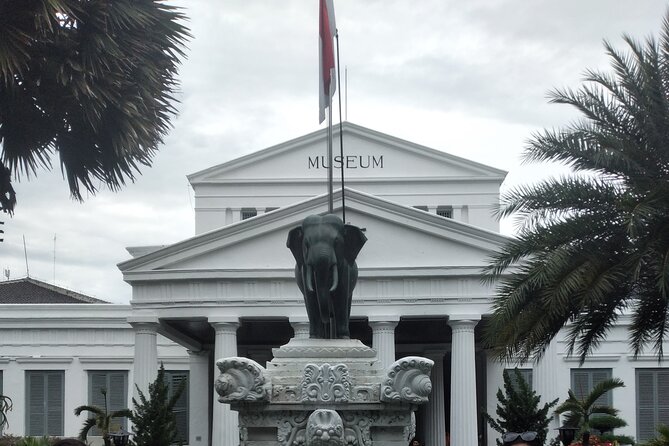
The Jakarta History Museum, also called Fatahillah Museum, occupies the former Batavia City Hall. The building dates to the early eighteenth century and gives the tour a strong starting point: Jakarta’s colonial story is introduced inside a building that once handled the city’s official business.
You get about an hour here, including admission. The guide’s role matters. A room full of old objects can feel disconnected without context, while a good explanation links Batavia’s administration, trade, colonial control, and the later development of Jakarta.
The museum is one of the places I would not rush. If you care about architecture, archaeology, or urban history, ask for extra time here and accept a shorter photo stop elsewhere. The museum is closed every Monday, so check the date before booking.
From the museum, the route moves through Jakarta Old Town, known locally as Kota Tua. Former offices, banks, churches, and other colonial buildings surround the historic area. Much of the experience happens outdoors, so comfortable walking shoes and protection from sun or rain are useful.
Istiqlal Mosque and Jakarta Cathedral
Istiqlal Mosque is one of the tour’s most important stops. It is described as the largest mosque in Southeast Asia and is known for its modern design. The visit generally allows time for photographs outside and entry with other visitors, subject to the site’s current arrangements.
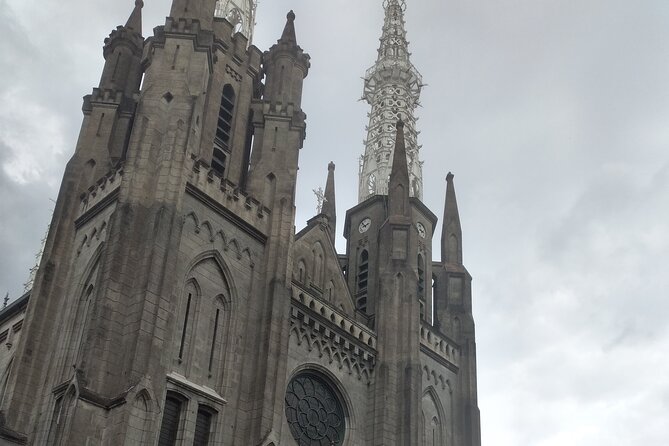
Across the road, Jakarta Cathedral offers a striking contrast. The cathedral is one of the city’s old churches, and its position opposite the mosque is presented as a symbol of religious tolerance. Together, the two sites say more about modern Indonesian society than either building could say alone.
The mosque visit requires some flexibility. Istiqlal is closed every Friday, and religious sites can adjust access rules. Dress respectfully and follow the guide’s instructions. The cathedral stop is shorter, around ten minutes, so think of it as a focused visit rather than a long church tour.
I like this pairing because it adds meaning to the day. You are not simply collecting monuments. You are seeing two major places of worship placed side by side in central Jakarta, with the guide explaining the social and historical connection.
Monas and the road through central Jakarta
The National Monument, or Monas, rises 132 meters in the center of Merdeka Square. It symbolizes Indonesia’s fight for independence and is one of Jakarta’s clearest visual markers.
The scheduled stop is about twenty minutes, mainly for photographs. The tour passes the presidential palace area on the way, giving you a quick look at the civic center of the capital. This is not the separate Monas elevator program, so do not expect a long interior visit or a trip to the top unless you arrange a different option.
That short stop is sensible on a compact city tour. Monas is more useful here as a way to understand Jakarta’s modern national identity than as a full museum visit. If the monument matters greatly to you, ask before departure whether a longer visit is possible and how it will affect Old Batavia.
More History Tours in the world:
- New York City: American Museum of Natural History Ticket
★ 4.5 · 15,447 reviews - History and Hauntings of Salem Guided Walking Tour
★ 5.0 · 14,564 reviews - Colosseum: Underground and Ancient Rome Tour
★ 4.7 · 12,691 reviews - Lisbon: History, Stories and Lifestyle Walking Tour
★ 4.8 · 10,902 reviews
Glodok, Jakarta’s Chinatown
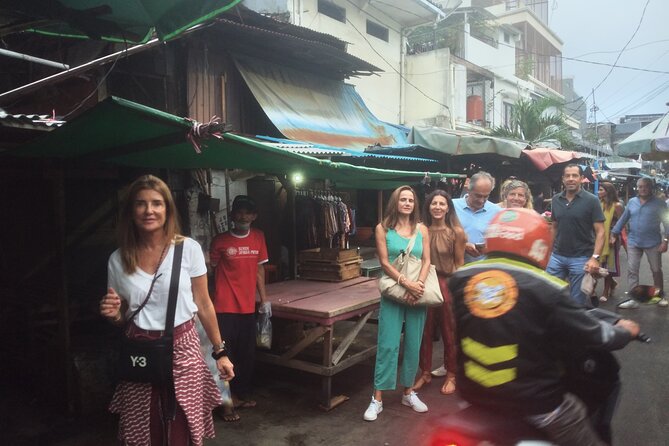
Glodok is one of the most enjoyable parts of the route because it feels like a lived-in district rather than a formal attraction. The area includes old temples, markets, shops, and narrow streets shaped by Jakarta’s Chinese Indonesian community.
The tour allows roughly twenty minutes, though the guide can adapt the walk. You may see a historic pagoda dating to 1650, visit part of the market, and learn how Glodok developed through trade and city life.
I would give this stop your attention instead of treating it as a quick photo break. The streets, food, smells, and daily activity provide a different view of Jakarta from the polished monuments in central Jakarta. A local guide also helps you notice details you might otherwise pass without understanding.
The timing is the limitation. Twenty minutes is enough for an introduction, not a thorough market visit. If Chinatown interests you most, tell the guide early. The private format allows some adjustment, but every extra minute here comes from another stop.
Lunch, local dishes, and Cafe Batavia
Lunch is included with the applicable package and is described as a local food experience. Several people found the meal generous, with a broad selection of Indonesian dishes. That makes lunch more than a practical pause. It gives you a chance to try several flavors without having to choose from an unfamiliar menu on your own.
The operator may also recommend Cafe Batavia in the old town. This option involves personal expenses if it is not part of your selected package. It offers a more atmospheric setting near the historic square, but you should confirm exactly which lunch option you booked.
Timing can be tricky. Jakarta traffic has caused some tours to eat in the vehicle or shorten the restaurant stop. If a proper meal matters to you, mention it at the beginning. The guide can help place lunch at a sensible point in the route.
Jamu, a traditional Indonesian herbal drink, may also come up during the food portion of the day. The guide can explain local dishes and drinks, which is useful if you want more than a standard sightseeing circuit.
The tuk-tuk ride and Kota Tua on foot
The tuk-tuk ride is one of the tour’s most distinctive touches. It gives you a short, open-air look at the old town and adds a bit of fun to a schedule otherwise built around museums, monuments, and walking.
Expect the ride to be brief and practical rather than a long excursion. Traffic conditions can affect it, and one account noted that the tuk-tuk was not used because the roads were too difficult. The ride can also feel lively, since Jakarta’s driving style is not gentle. Keep your belongings secure and listen to the guide.
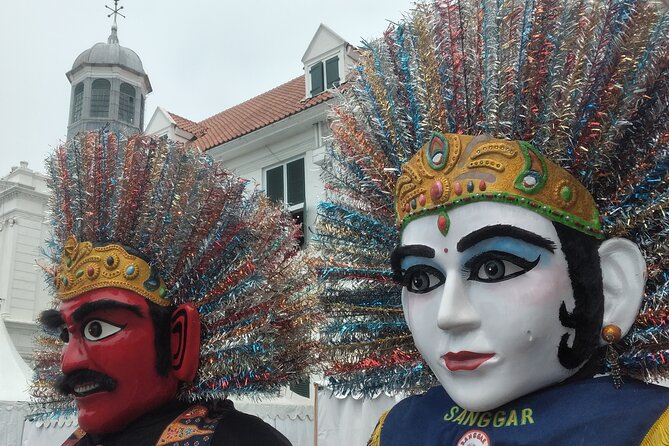
After arriving in Kota Tua, you walk around Fatahillah Square and nearby historic buildings. The guide explains how the old town developed under European rule and points out ruins, restored structures, and archaeological traces.
This section works best when you allow yourself to slow down. The square is not only a backdrop for photos. It is where the different threads of the day come together: trade, colonial administration, local communities, religion, and modern city life.
Makutharama Puppet Studio
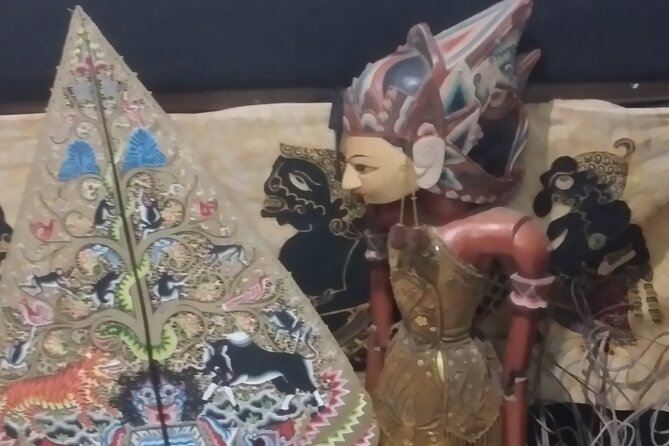
The puppet studio is a small stop with a different tone from the formal museums. It occupies one of the old town’s repurposed buildings, many of which once served as offices, churches, or banks.
The visit introduces Indonesian puppet traditions and may include a demonstration or explanation of the craft. One person found the stop more focused on selling items than explaining the tradition, so keep your expectations realistic. It can be interesting, but its quality may depend on who is present and how much time the guide has to explain the cultural background.
The studio closes at 4 pm. If you book a late-afternoon departure, this stop may not be possible. It is worth confirming the timing before you commit to a later start.
Sunda Kelapa and the old harbor
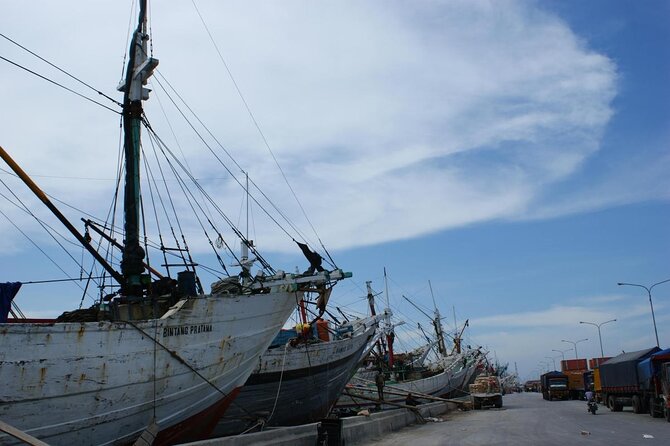
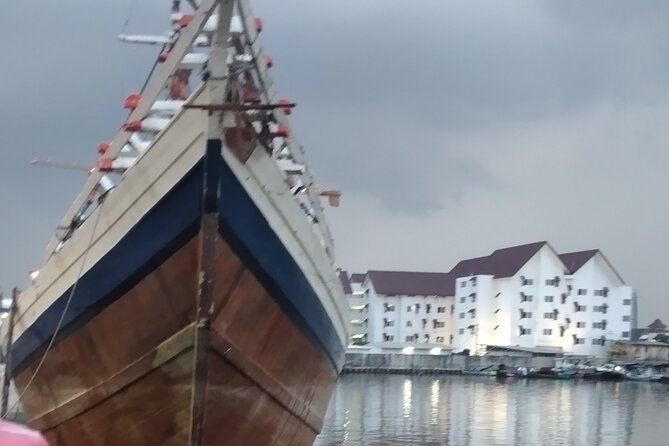
Sunda Kelapa is the historic port area where trade helped shape the city. The tour includes about forty-five minutes here, with a route that passes Kota Intan Bridge before reaching the harbor.
The wooden ships are the visual prize. They connect the modern capital with the older port that served traders and sailors before Jakarta grew into a vast metropolitan area. This is a working waterfront, not a polished attraction, and that is part of its appeal.
The harbor is also the least predictable stop. Heavy rain has caused flooding, and traffic around the port can be severe. In poor conditions, the guide may shorten or cancel the visit. The route should not be treated as guaranteed in every season.
The current experience focuses on seeing the harbor rather than promising a separate boat excursion. Older arrangements involving boat access were considered difficult for some people, especially during boarding and unloading. If you have limited mobility, ask what the harbor visit will involve on your date.
Guides, drivers, and the private format
The strongest part of this experience is the human service. Guides named in the tour feedback include Fitri, Ferdy, Enok, Borneo, Saleh, Agung, Dedi, Sheria, Haider, Ine, and others. Fitri is praised for clear English and strong explanations of culture and history. Enok is noted for adjusting the route for a participant who walked with difficulty. Ferdy is repeatedly described as flexible and good at handling changing plans.
That does not mean every guide will offer the same depth. One person found a newer guide pleasant but wished for more detailed storytelling about geography and Indonesian history. If historical explanation is your priority, state that when booking and ask whether a guide with a strong history background is available.
The driver is just as important. Jakarta’s traffic can consume hours, and several guides and drivers adjusted pickup times, routes, and lunch plans to keep the day moving. You are paying partly for that local road sense. On a private tour, you can also ask to slow down at a favorite site or skip something that interests you less.
Who should book this experience?
I would recommend it to first-time visitors with one day in Jakarta, cruise passengers, people staying near the airport, and anyone who wants to cover Old Batavia without managing transport alone.
It suits you if you want a broad introduction: colonial history, Chinatown, religious landmarks, a national monument, food, a puppet tradition, and the old port. It is also a good choice for families or small groups who value a private vehicle and flexible pacing.
It is less suitable if you want deep museum study, a leisurely Chinatown food walk, or a guaranteed harbor visit in the rainy season. The itinerary covers a lot, so some stops are short. Solo visitors should compare the $65 price with their own budget, since a private tour costs more per person when you are alone.
The tour offers free cancellation up to 24 hours before the start time. Changes or cancellations within 24 hours are not refunded, and all times follow Jakarta local time.
Should you book the Jakarta Heritage of Old Batavia tour?
Book it if you want a practical first look at Jakarta and would rather spend your day seeing the city than fighting its roads. The best parts are the private guide, the central religious landmarks, Glodok, the old square, and the chance to reach Sunda Kelapa in one organized route.
Before booking, check three things: the day of the week, the lunch option, and your preferred departure time. Avoid Monday if the museums matter, avoid Friday if Istiqlal Mosque is essential, and choose an early start if you want the fullest version of the itinerary.
You will not get an unhurried study of every site. You will get something more useful for a short stay: a well-connected introduction to Jakarta, with enough flexibility to make the city feel less intimidating.
FAQ
How long does the Jakarta Heritage of Old Batavia tour last?
The tour lasts approximately five to six hours. The exact duration can change because of traffic, weather, and the program option you select.
What is included in the price?
The inclusions are a private air-conditioned vehicle, licensed driver and guide, bottled water, pickup and drop-off, religious-site donations, museum admission, lunch under the applicable option, walking heritage touring, and a tuk-tuk experience.
Is lunch included?
Lunch is included with the applicable lunch package. A cafe option, including Cafe Batavia, may involve personal expenses, so confirm your selected package before the tour.
Can I be picked up from an airport or port?
Yes. Pickup and drop-off are offered from Jakarta hotels, rental properties, ports, and airports.
Is this a private tour?
Yes. Only your group participates in the private activity.
Is Istiqlal Mosque open every day?
No. Istiqlal Mosque is closed every Friday, so check the date before booking if entering the mosque is important to you.
Are the museums open on Mondays?
No. The museums are closed every Monday. The puppet studio also has its own closing time and may not be available for late-afternoon departures.
Can I choose a morning or afternoon start?
Yes. A wide range of departure times is available, from morning through late afternoon. Earlier departures give you more protection against traffic and closing times.
Is the tuk-tuk ride guaranteed?
The tuk-tuk experience is included, but traffic and weather can affect whether it operates. In difficult road conditions, the guide may use the vehicle instead.
Can I cancel for a full refund?
You can cancel at least 24 hours before the start time for a full refund. Cancellations or changes made less than 24 hours before the tour are not refunded.
Newest history tours we have reviewed in the world
- Bologna: Street Food Tour in the Historic Center★ 4.8 · 125 reviews
- Bilbao Historical Tour in small group★ 4.7 · 52 reviews
- CEBU: Cebu City Heritage and Uphill Guided Tour★ 4.2 · 31 reviews
- Bishkek : City Tour (History, Architects, Statues & Culture)★ 4.9 · 54 reviews
- Blenheim: Omaka Aviation Heritage Centre Admission Ticket★ 4.9 · 31 reviews
- Berlin: Nazi History Walking Tour★ 4.8 · 33 reviews
- Best of Baku: 4-Hour City Tour Historic and Modern Landmarks★ 4.7 · 63 reviews
- Belfast: Best of Belfast History, Culture & Art Walking Tour★ 4.9 · 158 reviews
Private History Tours, compared.
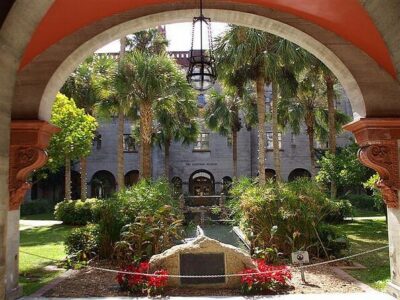
Private Guided Historic Electric Cart Tour of St. Augustine
Read our review →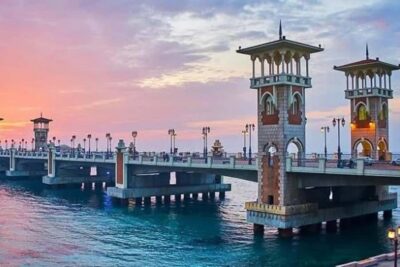
Private Full-Day Tour of Historical Alexandria
Read our review →
Private Tour of the Historic City in a Ford T Car
Read our review →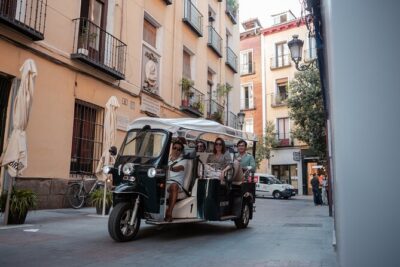
Madrid Historical Tour with Local Guide in Eco Tuk Tuk Private
Read our review →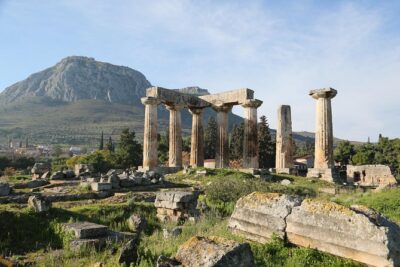
Private Biblical Tour Ancient Corinth & Isthmus Canal from Athens
Read our review →
Private Kathmandu Sightseeing Tour | UNESCO World Heritage sites
Read our review →
Historic Porto by Private Electric Tuk Tuk to Top Landmarks
Read our review →Browse the lists this tour appears in