
Review · TOKYO HISTORY TOURS
Tokyo: The Best of Izakaya in Shinjuku Food & Cultural Tour
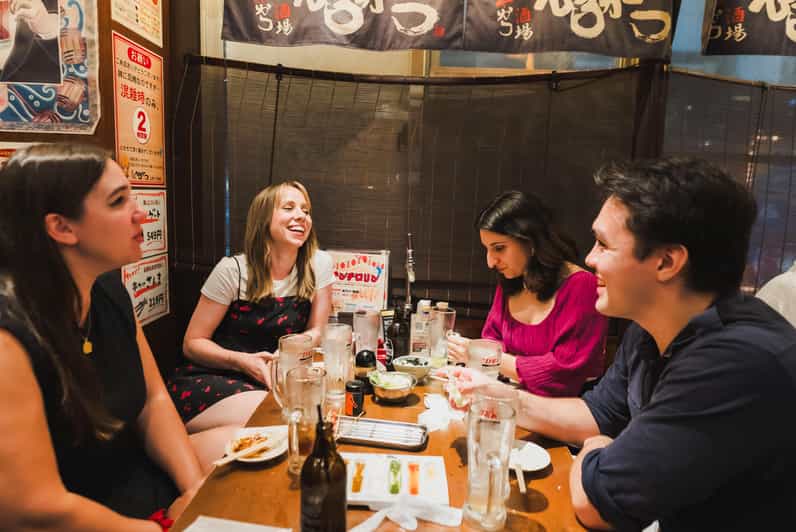
Shinjuku after dark is best understood one small plate and narrow alley at a time. This tour takes you from the neon streets of Kabukicho to tiny Golden Gai, then into local izakayas for chicken skewers, sashimi, croquettes, dumplings, sake, and other dishes that can be hard to order on your own.
I like the generous amount of food, which is closer to dinner than a few polite samples. I also like the small group size and the way guides such as Joe, Max, Chizuru, Nobu, and Ayaka mix food with stories about Shinjuku, Japanese customs, and useful restaurant tips.
The main drawback is price. At $129 per person, this costs far more than eating cheaply on your own in Tokyo. You are paying for access, translation, planning, drinks, and company, not just the food.
Key points before you book
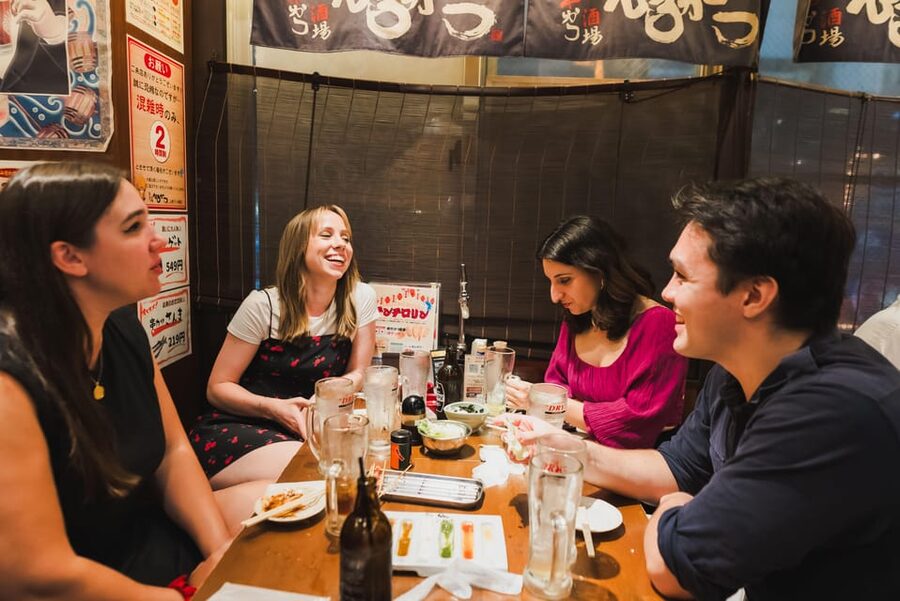
- More than 14 tastings: Expect a full meal, with dishes such as sashimi, chicken skewers, croquettes, dumplings, tonkotsu, and izakaya snacks.
- Three major Shinjuku areas: The route includes Kabukicho, Golden Gai, and Omoide Yokocho, each with a different look and feel.
- Two alcoholic drinks included: Sake is part of the experience, with nonalcoholic options available for those who do not drink.
- Small English-speaking group: The tour is limited to 10 people, making it easier to ask questions and meet others.
- Strong guide-led experience: Guides including Joe, Max, Chizuru, Megan, Julian, Taiga, and Ayaka are praised for food knowledge, humor, and local recommendations.
- Useful for first-time visitors: You get help with unfamiliar dishes, Japanese pronunciation, restaurant manners, and ordering in places you may otherwise pass by.
Why Shinjuku makes such a good food tour setting
Shinjuku is not a single neighborhood with one clear personality. It is a huge transport, shopping, entertainment, and dining center, and its streets change quickly from bright commercial avenues to cramped lanes with tiny bars and old eateries.
That contrast gives this tour its shape. You begin near Kirin City Shinjukuhigashi, then spend roughly 40 to 50 minutes walking through nearby streets before settling in for the food portion. This first walk matters. It helps you understand where the polished modern city ends and the older drinking districts begin.
Shinjuku Station is famously enormous and busy, so meeting in front of a recognizable beer hall is sensible. Look for the guide carrying a Ninja Bowl logo tote bag. Give yourself extra time to reach the meeting point, since finding the correct exit and crossing the station area can take longer than expected.
The tour is scheduled for the early evening, generally from 17:00 to 20:30, though the activity is also described as lasting about three hours. Check the exact start time when booking. Starting before dinner gives you a useful advantage: you can eat at a comfortable pace instead of arriving at every stop already full.
More Local Culture and Traditions Tours in Japan
- Kyoto Gion: 2-Hour Geisha Culture & History Walking Tour
★ 5.0 · 1,186 reviews - Nara: Half-Day UNESCO Heritage & Local Culture Walking Tour
★ 4.8 · 250 reviews - 2.5 Hour Private History and Culture Tour in Himeji Castle
★ 5.0 · 185 reviews
Golden Gai: tiny bars and a preserved slice of Shinjuku
Golden Gai is one of the most distinctive parts of the walk. Its narrow lanes are packed with very small bars, unusual building shapes, and signs that can feel confusing if you do not read Japanese.
The visit lasts about 30 minutes. You are not simply being sent into a bar to figure things out alone. The guide explains how this nightlife district fits into Shinjuku and points out details you could easily miss while trying to navigate the lanes.
Golden Gai is atmospheric, but it is not spacious. You will walk through tight passages, and the area may feel crowded or visually chaotic. It is better approached as a short cultural stop than as a long drinking session. The value comes from seeing the district with context and then knowing where it is if you want to return later.
I especially like this part for first-time visitors. Tokyo can feel polished and carefully ordered, but Golden Gai reveals a scruffier, more personal side of the city. The tiny bars are part of the point. They were built for intimate local drinking rather than large groups of sightseers.
Shinjuku food stops: a real dinner, not a sample tray
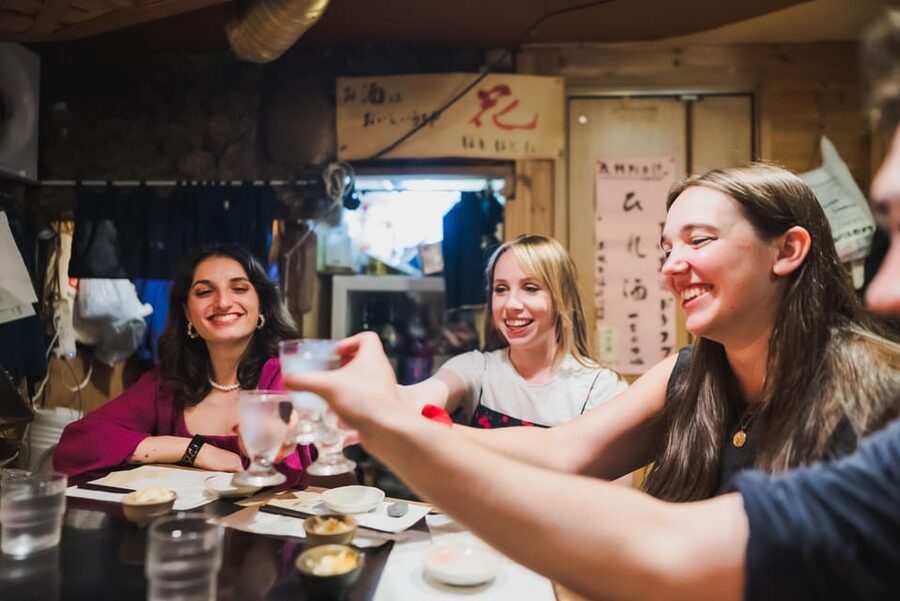
The central food portion takes about two and a half hours. The plan focuses on popular local restaurants and izakayas, with the menu changing according to the day’s fresh ingredients.
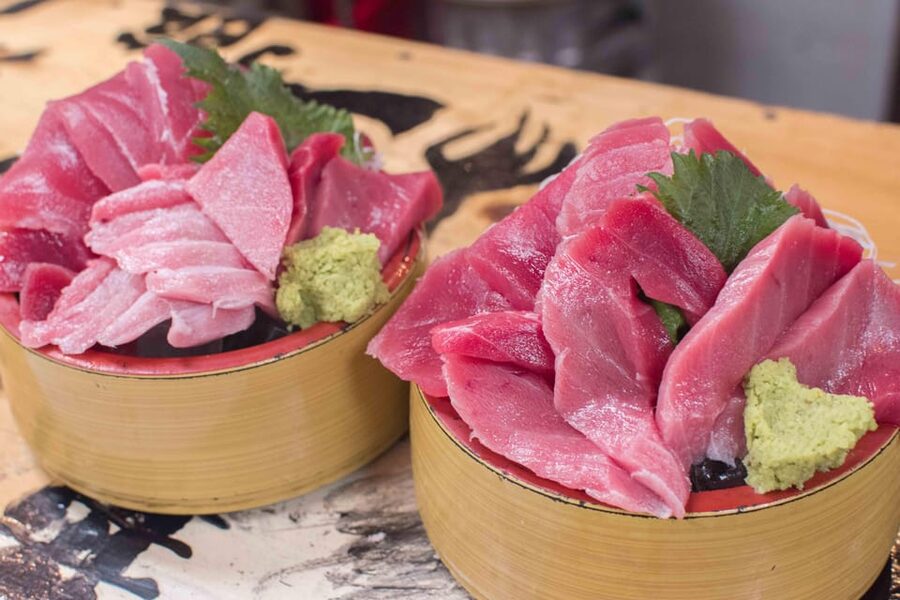
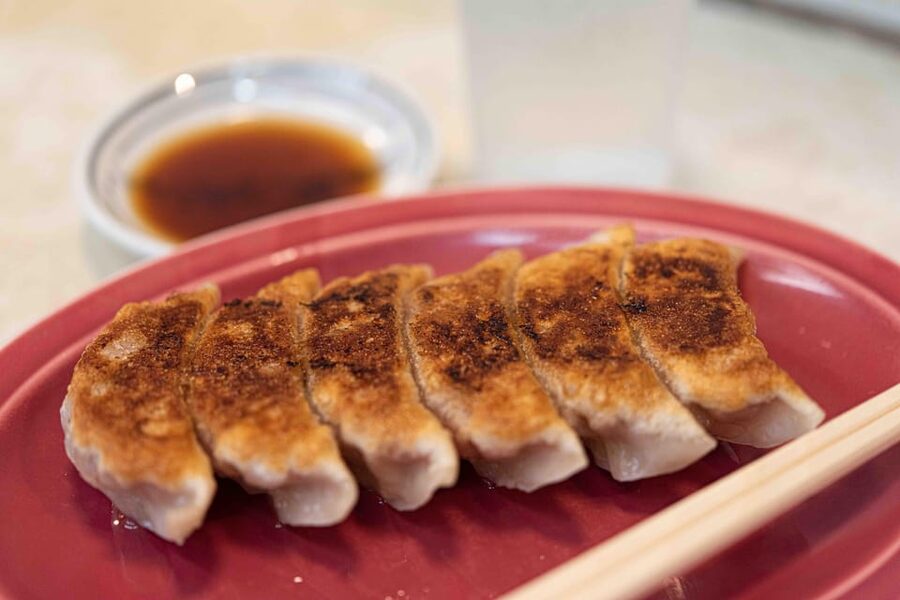
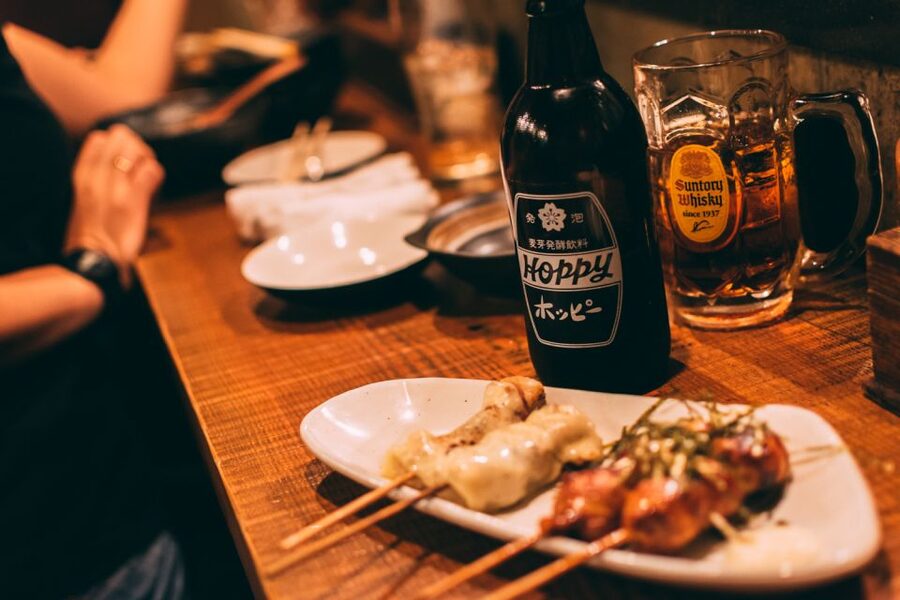
Expect more than 10 food samplings and usually 14 or more dishes in total. The exact list is not fixed, which is useful in a city where season and supply affect what is best. Possible dishes include chicken skewers, fresh sashimi, handmade Japanese croquettes, dumplings, tonkotsu, and other traditional izakaya plates.
The portion sizes are one of the strongest reasons to consider this tour. Several descriptions of the experience make clear that you should expect to finish full. This is not a food walk built around one bite of sushi followed by another tiny taste. You may want to eat lightly beforehand.
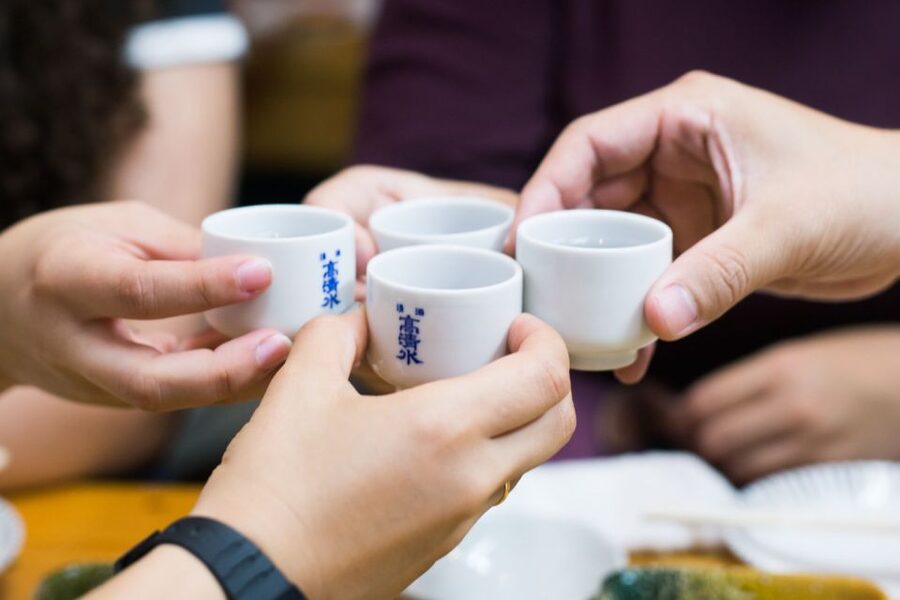
A typical evening includes two alcoholic drinks of your choice. Sake is a major part of the experience, and the guide can explain how to approach it and what makes certain bottles different from the sake commonly available outside Japan. If you do not drink, you can still take part and receive more than 10 food samplings.
The menu can accommodate food allergies and dietary restrictions when arranged in advance. I would treat this as a reason to communicate clearly before the tour, not as a guarantee that every dish can be changed. Japanese cooking often uses ingredients in sauces, broths, marinades, and garnishes, so precise information helps the guide prepare.
What the food selection adds to the evening
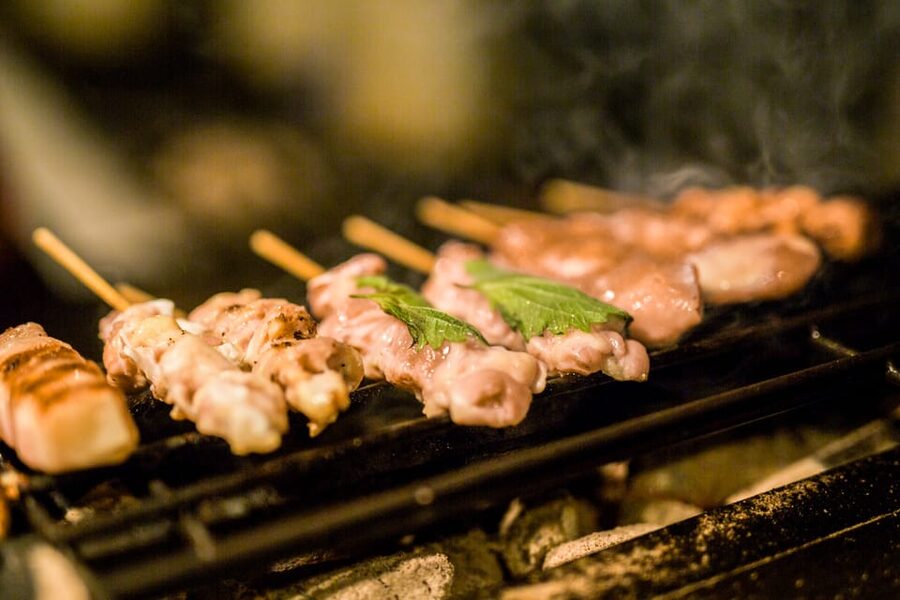
An izakaya is not simply a Japanese pub. It is a place where people order several dishes for the table, share them, and pair them with beer, sake, or other drinks. That style suits a guided group because you get to try many things without ordering a full serving of every dish yourself.
Sashimi shows the fresh, clean side of the meal. Chicken skewers and croquettes bring more heat and texture. Dumplings and noodles can make the evening feel more substantial. The point is the range, not one signature plate.
The best guides explain what is in front of you and how to eat it. Chizuru has been singled out for explaining both the food and the customs around it. Max is known for his enthusiasm for Japanese cuisine and for suggesting drinks. Joe has a reputation for adding cultural background and extra restaurant recommendations.
That human explanation is worth paying for if you are cautious with unfamiliar food. I would rather have a guide explain a dish, its texture, and the usual way to eat it than guess from a menu filled with Japanese characters. You can still dislike something, of course, but you are less likely to skip an excellent dish because its name is unfamiliar.
More Local Culture and Traditions Tours in Tokyo:
- Amsterdam Food and Cultural Tour with Tastings
★ 5.0 · 4,315 reviews - Sevilla Food Tour: Tapas, Wine, History & Traditions
★ 5.0 · 3,468 reviews - Tromsø: Reindeer Camp and Sami Cultural Tour with Lunch
★ 4.7 · 3,326 reviews - Half Day Dominican Republic Cultural Tour : Small Group
★ 4.5 · 1,862 reviews
Omoide Yokocho: a short stop with a strong sense of place
Omoide Yokocho is listed as a 15-minute visit. The lanes are known for compact eateries and an older, more intimate look than the broad streets around Shinjuku Station.
Because this stop is brief, do not expect a full meal there or a long guided tour of every alley. Think of it as another quick look at the city’s small-scale drinking culture. It helps connect the polished station district with the low-key restaurants tucked into narrow spaces.
The short timing is also practical. The main meal remains the focus, and you are not asked to spend the whole evening walking. The route gives you enough movement to see several sides of Shinjuku without turning the tour into a tiring city march.
Kabukicho after dark
Kabukicho receives about 30 minutes of attention. This is Shinjuku’s famous entertainment district, known for its intense signs, nightlife businesses, and constant movement.
You will see the area in its most active period, but the guide’s role is important here. Kabukicho can be visually overwhelming, and a local explanation helps you distinguish its history and everyday function from the exaggerated image often presented in popular culture.
The walking portion also gives you a chance to ask practical questions. Guides have explained local food customs, Japanese words, restaurant etiquette, and places worth visiting later. Some, including Julian and Joe, have also offered additional recommendations beyond the official route.
Do not expect an extensive architecture tour. The cultural information is woven into a food-focused evening rather than presented as a formal lecture. That balance works well for me. You learn enough to read the streets, then move on to eating.
The guide can make or break the evening
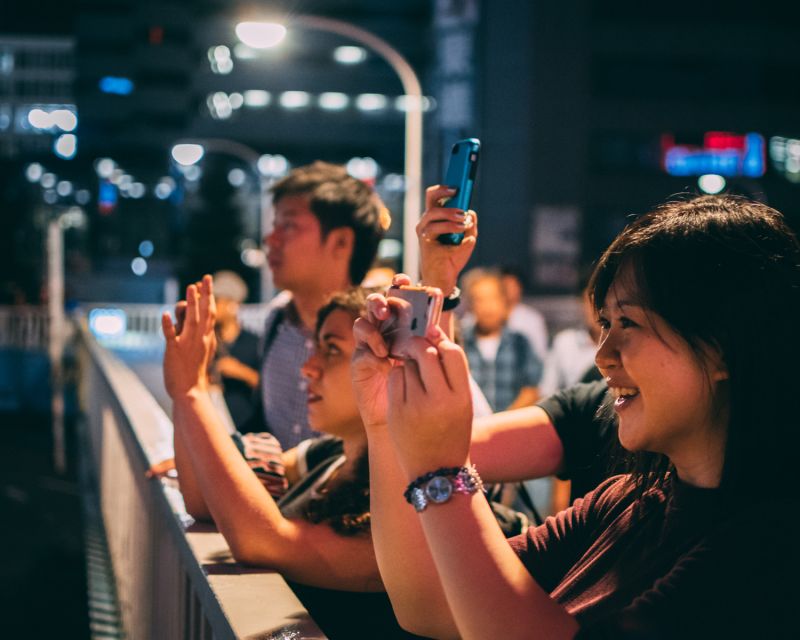
This experience depends heavily on the person leading it. The guide needs to manage restaurant timing, explain several dishes, keep a group together, answer food questions, and make conversation among people who may have just met.
The available guide roster includes Joe, Max, Chizuru, Nobu, Megan, Julian, Taiga, Ayaka, Harumi, and others. Individual styles differ. Joe and Hawaii Joe are described as energetic and funny. Max brings obvious enthusiasm for food. Chizuru combines warmth with lessons on Japanese culture. Nobu is especially good at helping a new group relax and interact.
That matters if you are traveling alone. The group is limited to 10, and the format naturally encourages conversation over shared plates. Solo diners can join without needing to arrange a table for one in unfamiliar restaurants.
Families and older visitors should consider the walking and nightlife setting. The tour is not described as difficult, but it includes narrow lanes and an evening in entertainment districts. The food is varied, and portions are substantial, so it may suit older children who are comfortable trying new dishes. The supplied information does not specify a minimum age.
Is $129 a fair price?
At $129, this is not the cheapest way to eat in Tokyo. You can find inexpensive noodles, rice dishes, skewers, and set meals for much less if you are willing to choose restaurants yourself.
The comparison changes when you count what is included. The fee covers the guide, meals, two alcoholic drinks, restaurant planning, translation, neighborhood orientation, and a small group capped at 10. You also avoid spending your first evening guessing which door to enter or trying to understand a menu without help.
I would call the value good for a first night in Tokyo, a solo visitor, or anyone who wants a carefully planned food introduction. I would call it less appealing for an experienced Japan visitor who already knows Shinjuku, speaks Japanese, and enjoys finding inexpensive places independently.
The strongest value is not the number of dishes alone. It is the combination of access and confidence. You get to try places you might not identify from the street, and you leave with an idea of what to order when you return on your own.
Timing, meeting point, and practical details
The meeting point is in front of Kirin City Shinjukuhigashi. The guide will be holding a Ninja Bowl logo tote bag. Transportation is not included, so you need to reach the starting point yourself and arrange your own way home from the finish near Nishishinjuku.
Wear comfortable shoes. The walking section is not presented as a long-distance hike, but the route includes several areas, narrow lanes, and time on your feet before the meal begins. I would avoid arriving overly full, since the meal can be generous enough to surprise you.
The tour is conducted in English. It is offered as a small group, with no more than 10 participants. You can cancel up to 24 hours ahead for a full refund, and the reserve-now, pay-later option gives you some flexibility when your Tokyo schedule is still changing.
The food menu depends on fresh ingredients that day. If you have allergies or restrictions, provide the details when booking and repeat them to the guide at the start. If you do not drink alcohol, say so. You can still enjoy the food and the izakaya atmosphere without using the included drinks.
Who should book this Shinjuku food tour?
I would recommend it most strongly to:
- First-time Tokyo visitors who want help reading Shinjuku
- Solo visitors who would like an easy social evening
- Diners who want to try sashimi, skewers, sake, and other Japanese dishes with explanations
- People who value local context more than the lowest possible meal price
- Anyone nervous about choosing small restaurants alone
- Visitors who want to combine food with Golden Gai, Kabukicho, and Omoide Yokocho
I would hesitate if your main goal is a cheap dinner. I would also hesitate if you dislike shared dining, evening nightlife districts, or trying food selected by someone else. The route is designed around variety, so it will suit a curious eater better than someone who wants a single specific restaurant or dish.
Should you book it?
Book this tour if you want your first Shinjuku night to feel easy, social, and well guided. The combination of a full meal, sake, narrow historic nightlife streets, and an English-speaking host gives you more than a restaurant reservation.
Skip it if you already know Shinjuku well or prefer to spend $129 on several independent meals. For most first-time visitors, though, the price buys useful access and a confident start. Eat lightly beforehand, share your dietary needs early, and arrive ready to try dishes you may not have found by yourself.
FAQ
How long does the Tokyo izakaya tour last?
The experience is described as lasting about three hours, with the scheduled route running from 17:00 to 20:30. Check the available starting time when booking.
What food is included?
You can expect more than 14 Japanese dishes in total, with examples including chicken skewers, sashimi, handmade croquettes, dumplings, tonkotsu, and other izakaya dishes. The menu changes with the day’s fresh ingredients.
Is this tour enough food for dinner?
Yes. The portions are described as generous, and the experience is intended to provide enough food for dinner rather than only small samples.
Are drinks included?
Yes. The price includes two alcoholic drinks of your choice. Sake is one of the drinks you may try.
Can I join if I do not drink alcohol?
Yes. You can skip the alcoholic drinks and still receive more than 10 food samplings and enjoy the izakaya setting.
Can food allergies or dietary restrictions be accommodated?
Food requests can be accommodated based on allergies and restrictions. Provide your requirements in advance so the guide can prepare appropriately.
Which Shinjuku areas does the tour visit?
The route includes Golden Gai, Kabukicho, Omoide Yokocho, and surrounding parts of Shinjuku.
Where does the tour meet?
Meet in front of Kirin City Shinjukuhigashi, the beer hall. Look for a guide holding a Ninja Bowl logo tote bag.
How many people are in the group?
The tour is limited to 10 participants and is conducted in English.
Is transportation included?
No. Transportation to the meeting point and from the finish location is not included.
Newest history tours we have reviewed in Tokyo
- Asakusa: 3.5-hour Big-picture History Walk★ 4.7 · 39 reviews
- Asakusa: A Big-picture History Walk to Know Japan★ 4.6 · 77 reviews
- Tokyo: Nikko World Heritage Private Day Trip Hotel Pick-up★ 4.8 · 145 reviews
- From Tokyo: Nikko World Heritage Sight Full Day Private Tour★ 4.9 · 127 reviews
- From Tokyo: Nikko World Heritage Site Private Full-Day Trip★ 4.9 · 243 reviews
- Tokyo: 3-Hour Bike/E-Bike Tour of the City’s Hidden Gems★ 5.0 · 47 reviews
- Imperial Palace East Garden and Edo Castle Walking Tour in Tokyo★ 5.0 · 510 reviews
- Tokyo: Shinjuku Historical Walking Tour & Secret Backstreets★ 5.0 · 530 reviews
Local Culture & Traditions Tours, compared.
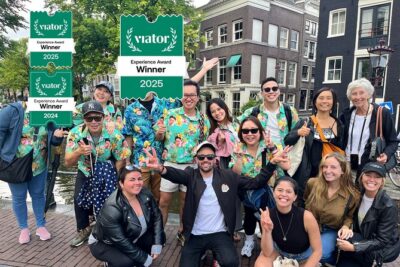
Amsterdam Food and Cultural Tour with Tastings
Read our review →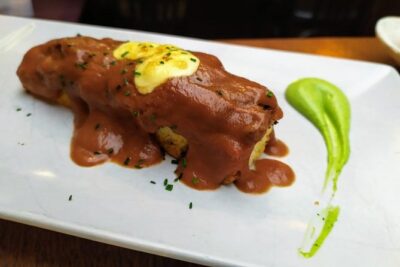
Sevilla Food Tour: Tapas, Wine, History & Traditions
Read our review →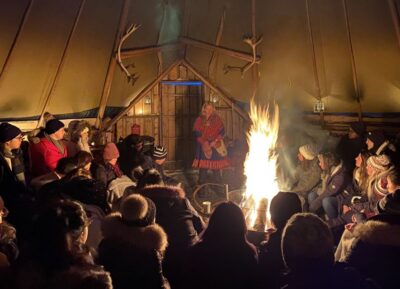
Tromsø: Reindeer Camp and Sami Cultural Tour with Lunch
Read our review →
Half Day Dominican Republic Cultural Tour : Small Group
Read our review →
Ultimate Melbourne Walking Tour: History, Laneways & Culture
Read our review →
Tromsø: Sámi Reindeer Sledding and Sami Cultural Tour
Read our review →
Kyoto Gion: 2-Hour Geisha Culture & History Walking Tour
Read our review →
Marrakech Historical and Cultural Tour – Half Day City Tour
Read our review →Browse the lists this tour appears in