
Review · ROME HISTORY TOURS
Rome: Rome at Night Evening Historical Walking Tour
Rome is at its most atmospheric after sunset, when the Trevi Fountain, Pantheon, and Piazza Navona glow under carefully placed lights and the city shifts into its evening rhythm. This 2.5 to 3-hour walk links four of central Rome’s essential sights without asking you to spend the night inside a museum.
I like the timing after aperitivo, when restaurants open, street artists appear, and locals head out for a stroll. I also like the private or small-group format, which gives you a better chance to ask questions than you would on a large city walk. The main drawback is simple: this is a walking tour in all weather, and the cobblestones, crowds, and late-day fatigue can test anyone in poor shoes.
Key points to know before booking
- Four major sights in one evening: Visit the Spanish Steps, Trevi Fountain, Pantheon, and Piazza Navona.
- A guide-led history walk: Hear stories about Rome’s monuments, artistic details, and the influence of France, Spain, and England.
- After-aperitivo timing: See the city when fountains and squares are lit and evening activity is underway.
- Private or small-group options: Choose a more personal format instead of a large group walk.
- Guides with strong personal praise: Angela and James were singled out for their historical detail, pleasant manner, and recommendations.
- Bring practical gear: Comfortable shoes, water, an umbrella, sunscreen, and a hat are all advised.
Why Rome after dark works so well
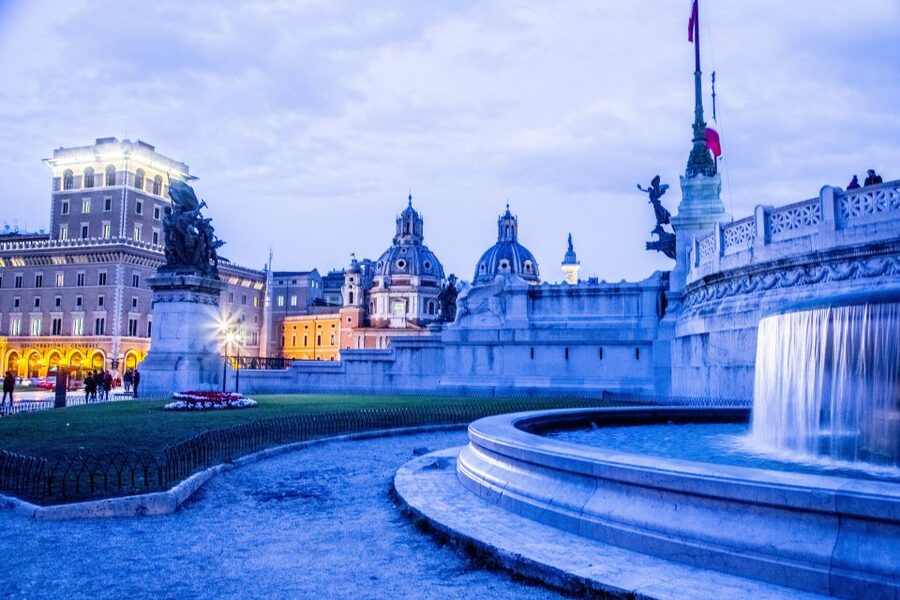
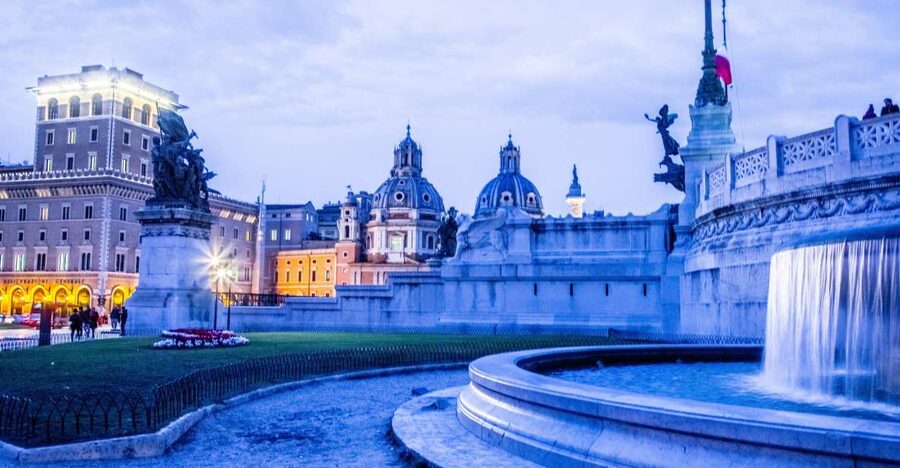
Rome’s grand sights can feel different at night. Daylight puts every crack, traffic lane, and tour group on display. Evening light narrows your attention to marble, water, church façades, and the outlines of old buildings. The result is less about checking off monuments and more about seeing how Rome’s public spaces function after work.
That is the real appeal of this walk. You are not simply moving from one famous place to another. You are following the way central Rome opens up at night, from the Spanish Steps and luxury shopping streets to fountains, restaurants, painters, street performers, and people out for an evening walk.
The tour lasts about 2.5 to 3 hours, long enough to give each stop some attention without taking your entire night. You meet the English-speaking guide after aperitivo. The meeting point uses an orange sign with the local partner’s logo, so arrive at least 10 minutes early and look carefully for the guide.
This is not a bus tour, and transportation to or from the meeting point is not included. Plan your route before you leave your hotel, and keep enough time for the walk to the meeting place.
More History Walking Tours in Italy
- Rome: Forbidden History Walking Tour & Pub Crawl with Drinks
★ 4.9 · 688 reviews - Ancient Rome Guided Walking Tour: Colosseum, Forum and Palatine
★ 4.5 · 455 reviews - Colosseum & Ancient Rome Guided Walking Tour
★ 5.0 · 332 reviews
The Spanish Steps begin the evening
The tour starts in Piazza di Spagna, home to the Spanish Steps. This is a smart opening stop because it gives your guide a natural way to explain how several European powers shaped Rome. The square’s name points toward Spain, while the guide also discusses the influence of France and England in the area.
You will see the steps lit against the surrounding buildings and get a look at the famous Italian fashion shops nearby. Even if you have no interest in shopping, those windows help explain why this part of Rome remains one of the city’s most polished evening meeting places.
The fountain at the foot of the steps also receives attention. Your guide can point out details that are easy to miss when you are busy finding a clear spot for a photograph. Expect a public square rather than a quiet historical site. The Spanish Steps are popular, and the evening atmosphere is part of the scene.
I would not choose this tour if you want extended time to sit on the steps or shop. The guide needs to keep the group moving through the full route. But if you want context about the square and a strong first look at Rome after dark, it is a useful start.
The Trevi Fountain under evening lights
From Piazza di Spagna, you continue through central Rome toward the Trevi Fountain. The route takes you along cobblestone streets, with artists, booksellers, and restaurants adding to the walk. These connecting streets matter because they show you the scale of the old center between the headline sights.
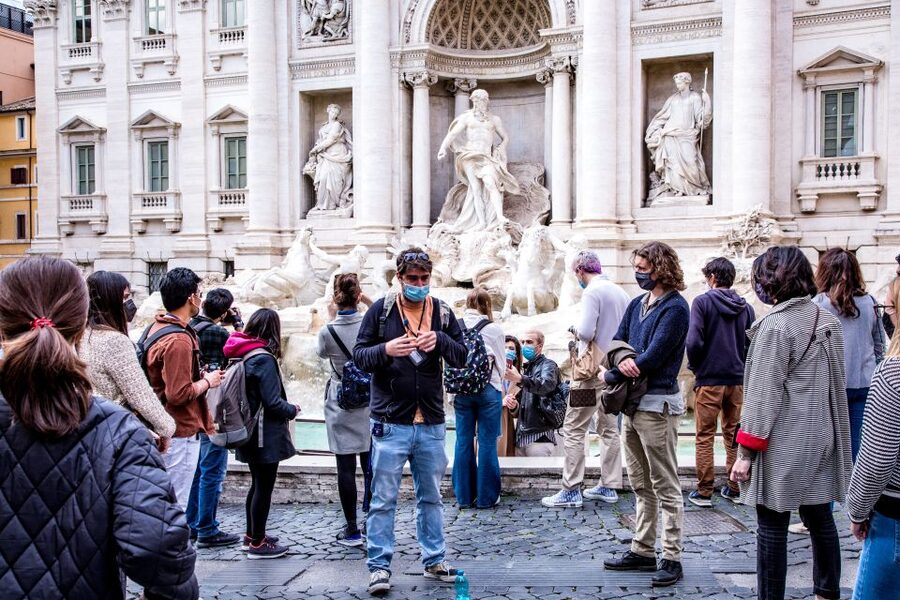
At Trevi, the fountain becomes the evening’s most theatrical stop. Lights catch the marble and water, making the whole composition feel brighter and more animated than it often does in daylight. Your guide explains the fountain’s history and helps you notice the sculptural details instead of treating it as a quick photo stop.
You can toss a coin into the fountain if you want to follow the familiar Rome tradition of returning to the city. That small ritual is not the reason to book the tour, but it adds a bit of fun to the visit.
The practical warning is the crowd. Trevi Fountain is one of Rome’s busiest public places, and no walking tour can remove that pressure. Keep your belongings secure, listen for the guide’s meeting instructions, and do not expect a private view of the water. The value here comes from seeing the fountain at night and receiving an explanation of what you are looking at.
This is also where a good guide can make a real difference. Angela was praised for combining historical detail with useful recommendations, while James received especially strong praise for his command of the subject. Guide assignments can vary, so those names are useful examples rather than a promise that either person will lead your walk.
The Pantheon and the details above eye level
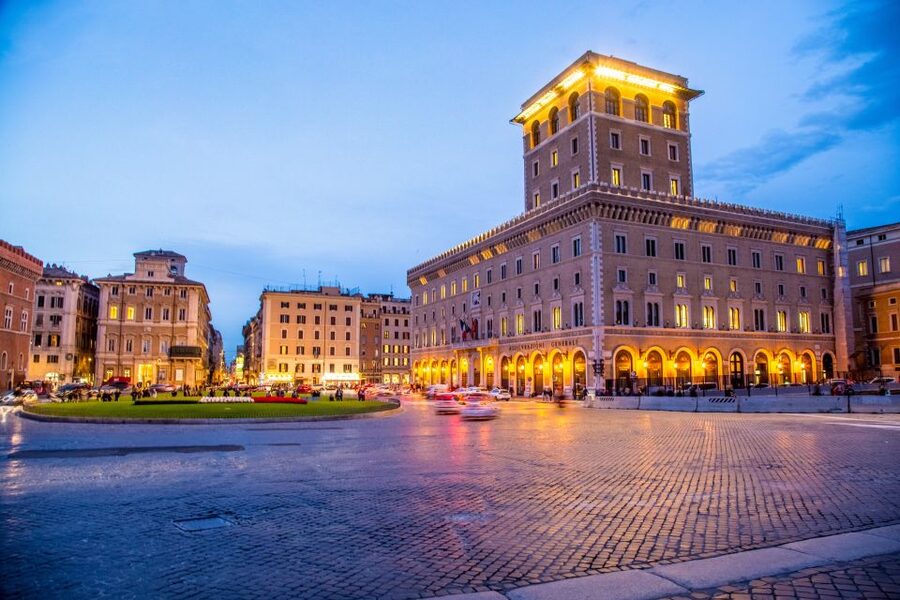
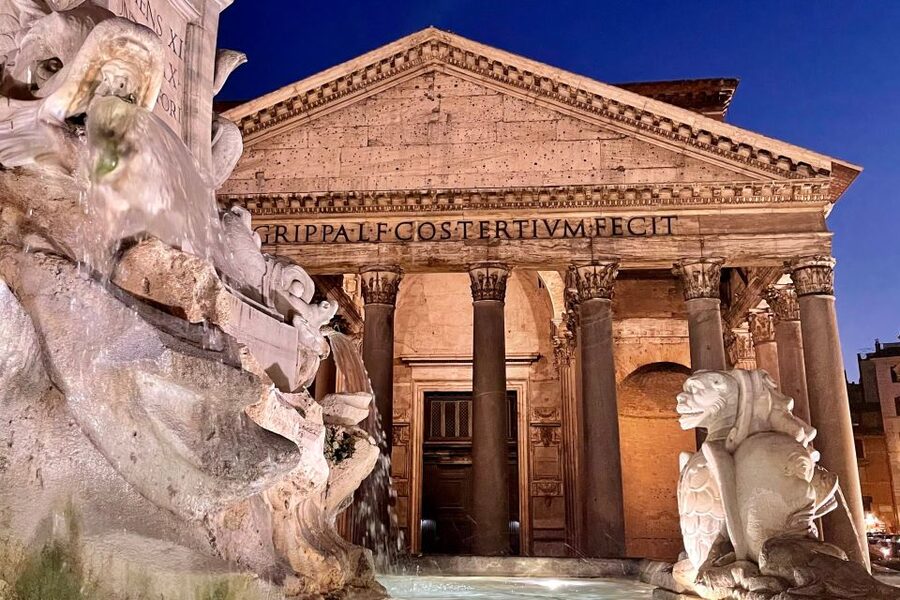
The route continues toward the Pantheon through Rome’s old streets. The guide points out viewpoints and details in the surrounding square, then explains the building’s origins, including its construction in 125 AD.
The Pantheon is a place where slowing down pays off. From outside, you can study its columns, pediment, and broad façade. The evening light gives the ancient structure a strong outline and helps separate it from the surrounding buildings. Your guide’s role is to explain how the monument fits into Rome’s long story and to direct your attention to features you might otherwise pass without noticing.
The tour description focuses on admiring the Pantheon and learning about it from the square. Do not book this walk assuming it includes a full interior visit unless your confirmation says so. The listed inclusions name an expert local guide, not admission tickets or interior access.
You will also want sensible clothing. The practical notes advise a cover for bare shoulders inside churches during warmer months. That is worth carrying in Rome generally, even though this walk centers on outdoor squares and monuments.
More History Walking Tours in Rome
- Ancient Rome at Twilight Walking Tour
★ 5.0 · 276 reviews - Rome: Colosseum and Ancient Rome Guided Walking Tour
★ 4.8 · 237 reviews - Rome: Colosseum and Ancient Rome Guided Walking Tour
★ 4.5 · 95 reviews - Rome: Colosseum and Ancient Rome Guided Walking Tour
★ 4.8 · 93 reviews
Piazza Navona after sunset
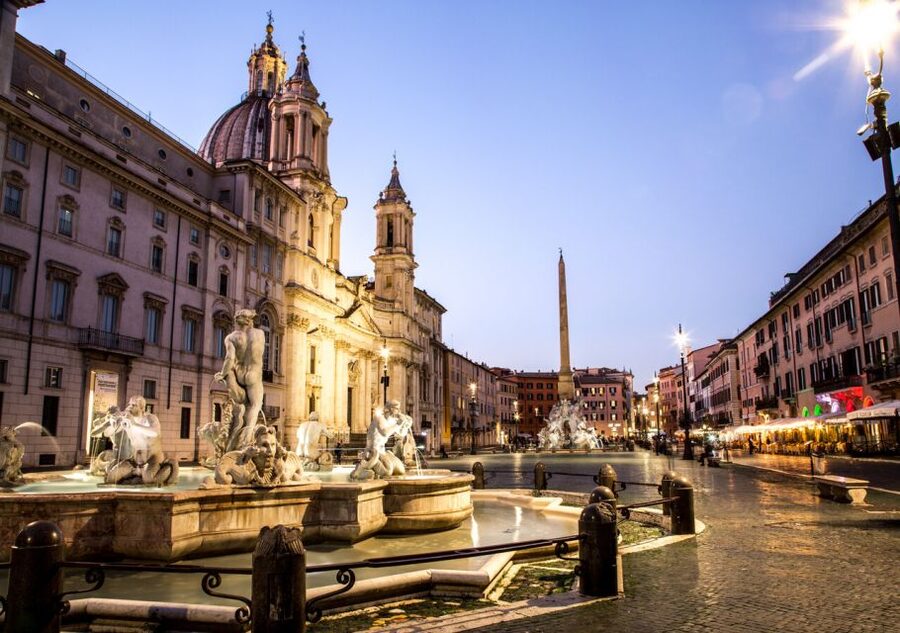
Piazza Navona is the final major stop and one of the best places to end an evening walk. The long, open square is known for its fountains, including works by Bernini, and for the mix of restaurants, painters, street performers, and local people out for a stroll.
Here, the tour shifts from ancient monuments to Rome as a living city. You get art, architecture, dining, and street life in one place. The square can feel busy, but that is exactly what makes it useful for understanding how Romans use public space after dark.
Your guide points out the fountains and explains the square’s history. Pay attention to the way the lighting changes the scale of the space. Details in a fountain or façade may be easy to miss at noon, while the lit monuments draw your eye across the square.
Piazza Navona is also a good place to continue your night after the tour. Food and drinks are not included, so you can choose your own restaurant or stop for a drink afterward. Prices in famous squares can be high, so I would compare menus before sitting down if you are watching your budget.
What the guide adds to the walk
The monuments are famous enough that you can find them without a guide. The question is what you gain by joining one. Here, the answer is connection. The guide links the Spanish Steps to European influence, the Trevi Fountain to Roman design and tradition, the Pantheon to ancient construction, and Piazza Navona to public life and Baroque art.
The strongest praise has gone to the guides’ historical knowledge and personal manner. Angela received specific praise for her recommendations, and James was remembered for explaining history and places with unusual depth. Another comment simply described the guide as fun, which matters on a long evening walk. A dry lecture can make even beautiful Rome feel like homework.
You should also use the guide for practical questions. Ask where to eat after Piazza Navona, what details to revisit the next day, or which nearby sights deserve more time. Recommendations are not guaranteed as a formal part of the tour, but the guide is a useful local resource while you have their attention.
Private or small group: how much value do you get?
At $59 per person, the price is reasonable if you want a guide to interpret several major sights in one evening. You are paying mainly for the guide’s time and the structure of the walk. Food, drinks, entry tickets, and transportation are not included.
The value rises if you are new to Rome, want a clear introduction, or prefer to see the center after the heat of the day. It is also a good fit for couples, families, or friends who want a more personal format. Private and small-group options are available, though the exact group arrangement depends on the booking choice.
The value drops if you already know these monuments well or prefer to wander without a schedule. You can visit the squares independently, and the tour does not include a special attraction ticket. The guide’s explanations are the main product, so choose this walk for interpretation and orientation, not for access behind closed doors.
The evening schedule can also help in summer. One review specifically appreciated walking after the heat had eased. Rome’s stone streets can be tiring in hot weather, so a later start may feel much better than a midday sightseeing route.
What to wear and carry for a comfortable walk
Wear shoes with real support. Rome’s cobblestones are uneven, and the tour lasts several hours. Sandals with thin soles or fashionable shoes that pinch may turn an enjoyable night into a slow march.
Carry water, even after sunset. The guidance also recommends sunscreen and a hat, which may sound more useful for a daytime outing but still make sense if the tour begins before full darkness. Bring an umbrella because the tour operates in all weather.
In colder months, dress warmly. In warmer months, pack something to cover bare shoulders if you may enter a church. Since food and drink are not included, bring enough water and plan your meal separately.
Arrive 10 minutes before the scheduled start. Late arrivals cannot delay the tour, and missed tours are not refunded. That rule is especially important in central Rome, where a wrong turn or crowded street can quickly cost you time.
Who should book this Rome night walk?
I would recommend it to first-time Rome visitors who want an organized introduction without spending an entire day indoors. It suits people who enjoy stories, public squares, architecture, and evening street life more than long museum visits.
It also works well for returning visitors who have seen the monuments by day and want a different look at them. Families and older walkers should consider the cobblestones and duration before booking. The route is on foot, and the tour proceeds in all weather.
If you want an in-depth look at the Colosseum, Vatican Museums, or Roman Forum, this is not that tour. None of those sites is part of the stated route. This walk is about the historic center, its fountains, its squares, and the way Rome changes after sunset.
Cancellation and booking flexibility
You can cancel up to 24 hours before the tour for a full refund. A reserve-now, pay-later option is also available, which helps if your Rome schedule is still changing.
The tour is offered in English, with private or small-group formats. Check the available starting times when booking because the exact schedule can vary.
Should you book the Rome at Night tour?
Book it if you want a well-organized evening introduction to central Rome, especially if this is your first visit. The route covers the Spanish Steps, Trevi Fountain, Pantheon, and Piazza Navona, while a guide adds the history and small details that are easy to miss alone.
I would be less keen if you want interior visits, free time at every stop, or a food-focused night out. At $59, the price makes sense when you value a strong guide, a manageable route, and the beauty of Rome under lights. Bring good shoes, arrive early, and treat the walk as a starting point for the rest of your Roman evening.
FAQ
How long does the Rome at Night walking tour last?
The tour lasts approximately 2.5 to 3 hours.
What sights are included on the route?
The route includes the Spanish Steps, Trevi Fountain, Pantheon, and Piazza Navona.
What language is the tour offered in?
The tour is offered in English with a live guide.
Is the tour private or shared?
Private and small-group options are available.
Is transportation included?
No. Transportation to and from the meeting point is not included.
Are food and drinks included?
No. Food and drinks are not included in the tour price.
What should I bring?
Bring comfortable shoes, water, and an umbrella. Sunscreen and a hat are also recommended, and you should dress warmly in colder weather.
What happens if it rains?
The tour operates in all weather conditions, so bring an umbrella and dress appropriately.
How early should I arrive?
You should check in at the meeting point 10 minutes before the scheduled start. Late arrivals cannot delay the tour, and missed tours are not refunded.
Can I cancel the booking?
Yes. You can cancel up to 24 hours in advance for a full refund. A reserve-now, pay-later option is also available.
Newest history tours we have reviewed in Rome
- Rome: Colosseum and Ancient Rome Guided Walking Tour★ 4.5 · 95 reviews
- Secrets of Rome: Historical True Crime Small Group Tour★ 4.9 · 85 reviews
- Rome: Private Colosseum Experience and Ancient Ruins Tour★ 4.6 · 25 reviews
- Rome Secrets: Dark History & Tasty Bites Tour★ 5.0 · 37 reviews
- Rome: Guided Tour of Colosseum and Ancient Rome★ 4.9 · 74 reviews
- Rome: Introduction to the Colosseum and Ancient City Tour★ 4.8 · 75 reviews
- Rome: Guided Group Colosseum & Ancient City Tour★ 4.8 · 62 reviews
- Rome: Food Tour of the Historic Center with Rooftop Spritz★ 4.7 · 43 reviews
History Walking Tours, compared.

History and Hauntings of Salem Guided Walking Tour
Read our review →

Freedom Trail History Small Group Walking Tour
Read our review →
Historic Charleston Guided Sightseeing Walking Tour
Read our review →
Tapas Walking Tour with Food, Wine, and History
Read our review →
Savannah History and Haunts Candlelit Ghost Walking Tour
Read our review →
A History of Terror – Belfast City Centre Walking Tour
Read our review →Browse the lists this tour appears in