Review · ROME HISTORY TOURS
Rome: Colosseum and Ancient Rome Guided Walking Tour
The Colosseum is the star, but the Roman Forum and Palatine Hill give the arena its meaning. You see where public spectacle, politics, religion, and imperial power met, then climb to one of Rome’s finest city views. Entry fees and headsets are included, which keeps the visit focused on the sites rather than ticket logistics.
I like the tour’s 2.5-hour format, long enough to cover the ancient center without swallowing your whole day. I also like the guides’ strong record for clear storytelling: Joseph kept teenagers interested with humor, while Stefania De Majo used her archaeology background and chose shaded stopping points. The main caution is pace. This is a walking tour over ancient, uneven ground, with limited breaks and possible security queues.
Key points to know before booking
- Three major sites in one visit: The route covers the Colosseum, Roman Forum, and Palatine Hill.
- Guides in five languages: Tours may be offered in English, Italian, French, Spanish, or German.
- A useful Rome orientation: The Via Sacra, temples, markets, and political center help connect separate ruins into one story.
- Expect a security queue: Even with entry included, checks can delay your entrance to the Colosseum.
- Bring identification: Full names are required for everyone in the booking, and each child needs a passport or ID card.
- Best for active sightseers: Wheelchair users and people with mobility impairments should choose another visit.
Why the Colosseum feels different with a guide
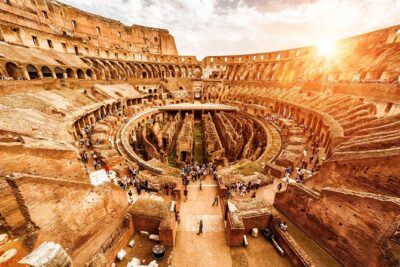
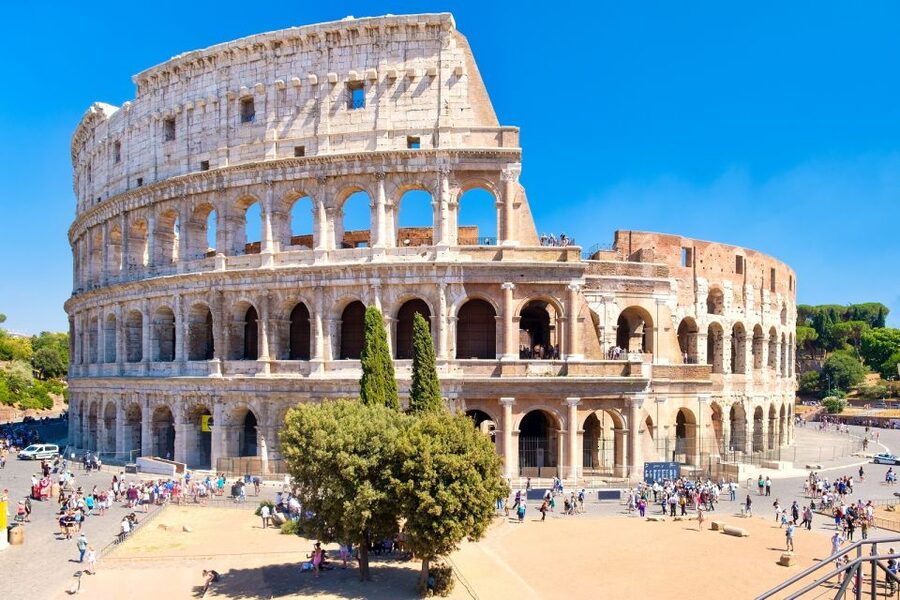
The Colosseum can look like a giant stone shell when you first approach it. A guide gives the building a human scale. You begin to picture the roaring crowd, the arena floor, the gladiators, and the animals brought into spectacles where people and beasts met their final moments.
The visit focuses on both fact and ancient story. That mix matters here. Rome’s ruins are powerful, but many are incomplete, and it is easy to walk past a wall without understanding what happened there. A live guide can explain the arena’s role and connect its structure to the society that built it.
The supplied headsets are a practical advantage. Rome’s traffic and crowds can be loud, and you do not want to spend the tour standing shoulder to shoulder with a guide just to hear the next point. You can look around, take photographs, and still follow the explanation.
Expect a security check before entry. A queue may form even though your admission is included, so do not schedule a tight lunch reservation or another timed attraction immediately afterward. Large bags, luggage, glass objects, weapons, alcohol, drugs, and pets are not allowed.
The Colosseum is not a quiet museum visit. You are moving through a major monument with other groups, and the experience can feel brisk. That pace works well if you want a strong overview. It is less ideal if you prefer to linger over every arch or read every sign.
More Ancient History Tours in Italy
- Colosseum: Underground and Ancient Rome Tour
★ 4.7 · 12,691 reviews - Colosseum & Ancient Rome with Arena Floor Option I Max 6 People
★ 5.0 · 3,306 reviews - Rome: Colosseum, Ancient Rome Tour or AudioGuided Tour
★ 4.4 · 2,879 reviews
The Roman Forum and the Via Sacra

After the arena, the route brings you into the Roman Forum, the political and social center of ancient Rome. This is where the tour gains depth. The Colosseum shows public spectacle, while the Forum shows the machinery of daily power.
The Via Sacra runs through the heart of the Forum. Along it, you see remains connected with temples, public life, markets, and ceremonies. The stones are fragmented, but the setting helps you understand how Rome operated as a city rather than simply as a collection of monuments.
This is also the part where the guide’s skill matters most. Without context, the Forum can feel like a field of columns and broken foundations. With a clear explanation, the remains become clues to political ambition, religious practice, and ordinary commerce.
One point deserves attention: the advertised focus is the Colosseum, Forum, and Palatine Hill. Some past descriptions connected this kind of visit with central squares such as the Trevi Fountain, Piazza Navona, and the Pantheon, but you should not assume those are part of this 2.5-hour itinerary. The ancient sites are the reliable focus here.
A four-star assessment is understandable if you want more time in the Forum. One visitor felt too much time was given to Rome generally rather than the Forum itself. The itinerary segments can also change when Colosseum ticket availability shifts. If the Forum is your top priority, confirm the day’s route with the operator.
Climbing Palatine Hill for the wider view
Palatine Hill adds a change of pace and height. You leave the low ruins and climb toward a viewpoint over Rome. From above, the ancient center makes more sense: the Colosseum, Forum, and surrounding city can be read as parts of one connected area.
The views are one of the tour’s strongest rewards. The hill gives you a chance to pause and take photographs while looking across the sprawling city. It also helps explain why this location mattered to Rome’s emperors and elite.
The climb is not a minor detail. The activity is specifically marked as unsuitable for people with mobility impairments and wheelchair users. Ancient paving, slopes, and extended walking can make the route demanding, particularly in hot weather or during rain.
A past guide, Stefania De Majo, was praised for stopping in shaded areas and allowing time for photographs. That is exactly the sort of practical judgment you want on Palatine Hill. Still, conditions vary by guide and weather, so bring water, sun protection, and shoes with a firm grip.
What the guides add to the ancient sites
The strongest praise centers on the guides rather than on the monuments, which is saying something in Rome. Maria was described as making the visit feel spectacular, while Joseph combined clear explanations with humor and kept two teenagers engaged. Stefania De Majo was especially valued for her archaeology background, polished English, patience with a ten-year-old, and thoughtful shade breaks.
Those details suggest a tour built around spoken interpretation rather than a simple escort through the gates. You are likely to hear historical facts and ancient myths as you move between the three sites. The guide’s personality will shape the day, so language ability and presentation style are worth considering when you book.
The tour is offered in German, Spanish, English, Italian, and French. Availability depends on the selected departure and guide. If you need a particular language, check it before paying rather than assuming every time slot offers every option.
The comments also point to a good family use. One guide kept children aged ten, fifteen, and sixteen involved. That does not mean the walk is easy for every child, but the combination of stories, arena drama, and large-scale ruins can hold young attention better than a silent archaeological visit.
Breaks are limited. One person liked that the tour kept moving and filled the time with information. Another felt the group sometimes had to hurry to keep up. If you enjoy a brisk outing, that is a benefit. If you need frequent rests, plan carefully.
More Ancient History Tours in Rome
- Colosseum Underground & Ancient Rome Guided Tour
★ 4.5 · 2,590 reviews - Pantheon Elite Guided Tour – Rome’s Iconic Ancient Temple
★ 5.0 · 1,447 reviews - Ancient Rome: Colosseum Underground Group Tour
★ 4.5 · 1,059 reviews - Colosseum Express Guided Tour and Ancient Rome Admission Included
★ 4.0 · 1,008 reviews
Price and practical value at $41
At $41 per person, the tour offers a fair package for someone who wants the three central ancient sites with admission and a live guide. You are paying for more than a ticket: the guide, headsets, and a planned route reduce the work of understanding a very large archaeological zone.
The value depends on how you visit Rome. If you already know the Forum well or prefer to explore at your own speed, a guided walk may feel restrictive. You will be tied to the group’s pace and may not get as long as you want at a favorite ruin.
For a first visit, the price is easier to justify. The Colosseum, Forum, and Palatine Hill are too important to rush past without context, and the tour gives you a practical starting point for later independent wandering. You also avoid having to build a route between separate entrances and monuments.
Transportation is not included. That is not a serious drawback because the meeting point is close to the Colosseo metro station, but you must make your own way there. From the station, reach the terrace above the platforms, walk about 100 meters along Via Nicola Salvi, then turn left toward Via delle Terme di Tito 93.
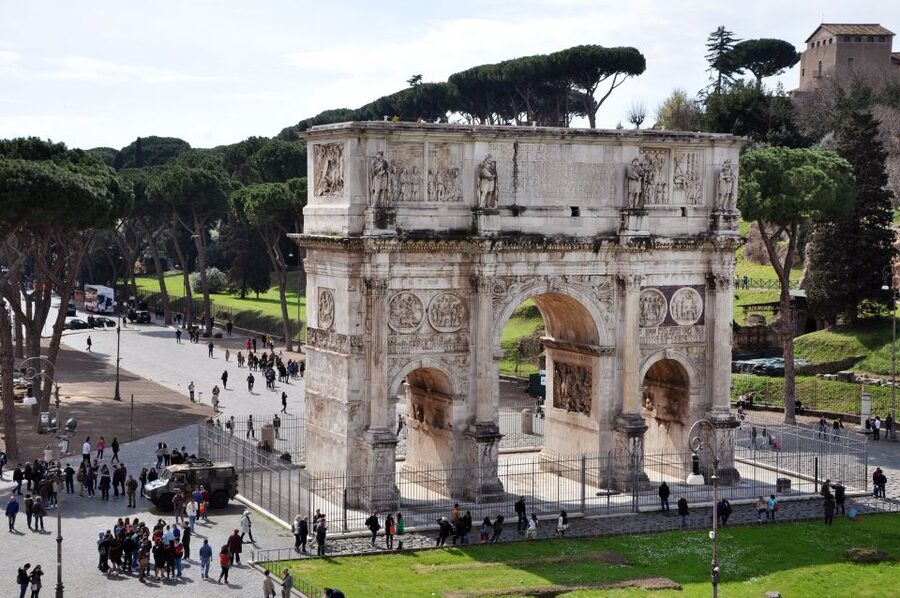
Allow extra time to find the meeting point. Older directions have caused confusion between a newspaper stand and Constantine’s Arch. The current meeting instructions identify Via delle Terme di Tito 93, and the meeting time can change. You should watch for a phone call or text from the operator.
Late arrival has a firm consequence: no refund is issued. Rome’s traffic, metro exits, and crowds around the Colosseum can slow you down, so arrive early rather than aiming for the exact meeting minute.
Weather, clothing, and walking demands
The tour operates in all weather. Rome can be punishingly sunny, and rain can turn old paving into a slippery nuisance. Wear comfortable shoes, carry water, and bring protection from sun or rain according to the forecast.
You should pack light. Large bags and luggage are not permitted, and the list of prohibited items also includes glass objects, sharp objects, alcohol, and drugs. A small practical bag is the safer choice, but the stated restrictions should guide what you bring.
Bring a passport or ID card. Children need identification too. Complete names for every person in the reservation are required, and incomplete information can prevent entry. This is an important booking detail, not paperwork to sort out at the last minute.
The tour runs for 2.5 hours, but the security queue and site conditions can affect the exact rhythm. Keep the rest of your day flexible. You will be walking for most of the visit, with climbs and limited breaks.
Who will get the most from this tour
I would choose this tour for a first-time Rome visitor who wants the major ancient sights explained in one morning or afternoon. It also suits families whose children respond better to stories and questions than to long museum labels.
It is a good match if you want a human guide, need a route through a large site, and appreciate included headsets. The guides have shown they can combine facts with humor, adjust stopping points, and explain the monuments in clear English.
I would hesitate if you have limited mobility, use a wheelchair, dislike group pacing, or want a slow photographic study of every ruin. The route is active, the hill is real, and one past participant felt the group moved too quickly at times.
I would also think twice if your main goal is a broad city tour. The ancient center is the stated focus. The Colosseum, Roman Forum, and Palatine Hill deserve the time, but the Trevi Fountain, Piazza Navona, and Pantheon should be planned separately.
Should you book the Colosseum and Ancient Rome tour?
Book it if you want the essential ancient sites in a compact visit, with admission, headsets, and a guide who can turn broken stone into a readable story. The $41 price is sensible for a first visit, especially if you value clear explanations and do not want to plan the archaeological zone yourself.
Skip it if you need step-free access, frequent rests, or complete control over your pace. Arrive early, enter every name correctly, bring identification, and keep your bag small. Do that, and this tour gives you a strong, practical introduction to the Rome of emperors, citizens, temples, markets, and arena crowds.
FAQ
How long does the tour last?
The tour lasts 2.5 hours.
Which sites are included?
The visit includes the Colosseum, Roman Forum, and Palatine Hill.
Is admission included in the price?
Yes. Entry fees are included.
Are headsets provided?
Yes. Headsets are included.
Which languages are available?
The live tour guide may be available in German, Spanish, English, Italian, or French.
Where is the meeting point?
Meet at Via delle Terme di Tito 93. From the Colosseo metro station, reach the terrace above the station, walk about 100 meters along Via Nicola Salvi, and turn left.
What identification should I bring?
Bring a passport or ID card. Children must also have a passport or ID card.
Can I cancel for a full refund?
You can cancel up to three days in advance for a full refund. No refund is issued for late arrivals.
More History Walking Tours in Rome
- Rome: Colosseum and Ancient Rome Guided Walking Tour
★ 4.8 · 237 reviews - Rome: Colosseum and Ancient Rome Guided Walking Tour
★ 4.8 · 93 reviews - Rome: Rome at Night Evening Historical Walking Tour
★ 4.9 · 24 reviews
More History Walking Tours in Italy
- Rome: Forbidden History Walking Tour & Pub Crawl with Drinks
★ 4.9 · 688 reviews - Ancient Rome Guided Walking Tour: Colosseum, Forum and Palatine
★ 4.5 · 455 reviews - Colosseum & Ancient Rome Guided Walking Tour
★ 5.0 · 332 reviews - Ancient Rome at Twilight Walking Tour
★ 5.0 · 276 reviews
Newest history tours we have reviewed in Rome
- Secrets of Rome: Historical True Crime Small Group Tour★ 4.9 · 85 reviews
- Rome: Private Colosseum Experience and Ancient Ruins Tour★ 4.6 · 25 reviews
- Rome Secrets: Dark History & Tasty Bites Tour★ 5.0 · 37 reviews
- Rome: Guided Tour of Colosseum and Ancient Rome★ 4.9 · 74 reviews
- Rome: Rome at Night Evening Historical Walking Tour★ 4.9 · 24 reviews
- Rome: Introduction to the Colosseum and Ancient City Tour★ 4.8 · 75 reviews
- Rome: Guided Group Colosseum & Ancient City Tour★ 4.8 · 62 reviews
- Rome: Food Tour of the Historic Center with Rooftop Spritz★ 4.7 · 43 reviews
Ancient Rome & Colosseum Tours, compared.
Colosseum: Underground and Ancient Rome Tour
Read our review →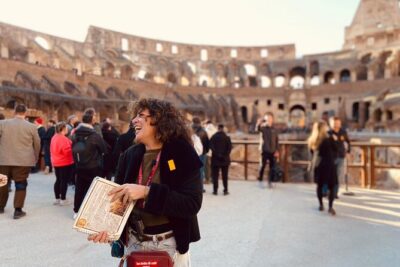
Colosseum with Arena, Roman Forum and Palatine Guided Tour
Read our review →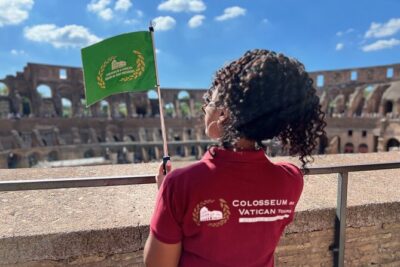
Colosseum with Arena, Roman Forum and Palatine Hill Guided Tour
Read our review →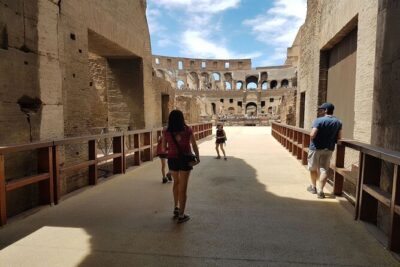
Colosseum & Ancient Rome with Arena Floor Option I Max 6 People
Read our review →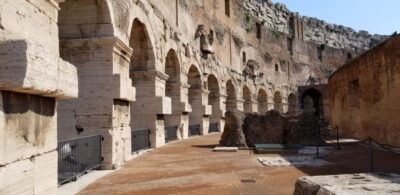
Colosseum, Ancient Rome Tour or AudioGuided Tour
Read our review →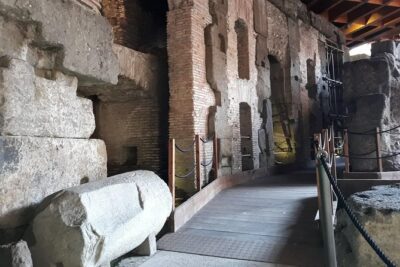
Colosseum Underground & Ancient Rome Guided Tour
Read our review →
Colosseum Arena, Roman Forum & Palatine Hill Tour
Read our review →