
Review · PERU HISTORY TOURS
Arequipa: Walk through the Historic Center of the City
Arequipa reveals itself best on foot, and this small-group walk gets you beyond the main plaza. You’ll pass the grand Cathedral, old cloisters, ancient tambos, and quiet corners that are easy to miss on your own, then finish with views of Misti, Chachani, and Pichu Pichu.
I like the personal feel here. Groups are capped at six, and guides such as Joss, Jose, and Joseph are praised for explaining architecture, local customs, geography, and food spots in a friendly way. I also like the practical advice, including restaurant and bar suggestions you can use for the rest of your stay.
The one caution is that the tour can feel uneven if your guide spends too much time walking between stops. One four-star assessment found too little explanation along some streets and felt the price was high for a basic route. Your experience may depend heavily on the guide and group size.
Key points at a glance
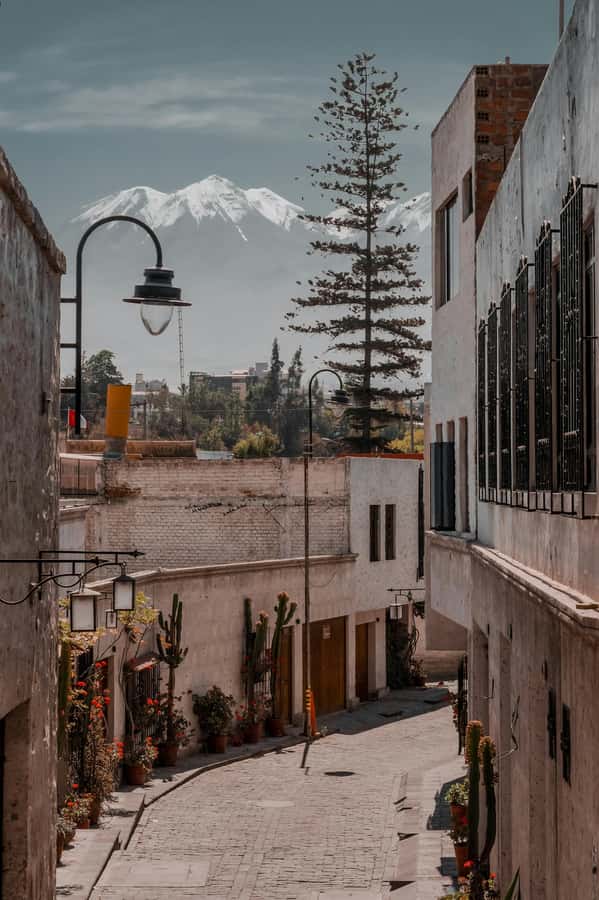
- End at a volcano-view lookout: The final viewpoint gives you a broad look at Arequipa and the volcanoes around the city.
- Visit five historical sites: The route includes the Cathedral, colonial cloisters, tambos, and other central landmarks.
- Small groups make a difference: With no more than six participants, it is easier to ask questions and keep the pace personal.
- Guides add local context: Joss, Jose, and Joseph are noted for connecting buildings with Arequipa’s traditions, geography, and culture.
- Useful first-day orientation: You receive suggestions for restaurants, bars, museums, and other things to do in Peru.
- Good value at $15: The price is reasonable if you want both sightseeing and practical local advice, but less so if you expect long interior visits at every stop.
Why this is a smart first walk in Arequipa
Arequipa’s historic center is compact enough to explore on foot, but its details can blur together if you simply wander from one white-stone facade to the next. This tour gives the streets a storyline. You learn why the city is called the White City, how older buildings were used, and how local traditions continue to shape daily life.
I would schedule it near the beginning of your stay. Several guides provide recommendations for places to eat, drink, and visit, and one participant used Joss’s suggestion to arrange a separate Cathedral visit afterward. That is useful in a city where a good first orientation can save you time and steer you toward places you might otherwise skip.
The format is also more personal than a large city walk. Six people is the stated limit, and some departures have ended up with only two or three people. In those cases, the guide can answer more questions and adjust the pace. If other bookings cancel, the tour may even become nearly private rather than being canceled, as happened for one pair visiting with Jose.
The two-hour description includes an approximately one-and-a-half-hour walk, with time likely set aside for gathering, entering sites, and reaching the final lookout. Do not expect a full-day historical program. This is a focused introduction to central Arequipa.
More Old Town and Historic Centre Walks in the world:
- Madrid Essential: Historic Center, Plaza Mayor & Royal Palace
★ 5.0 · 6,416 reviews - Lisbon: Live Fado Show with Port Wine in Historic Center
★ 4.7 · 4,166 reviews - Valencia Old Town Tour with Wine & Tapas in 11th Century Historic Monument
★ 5.0 · 3,234 reviews
Meeting at Campo Redondo in San Lázaro
The meeting point is Campo Redondo in the San Lázaro area, at coordinates -16.3934138, -71.5336117. That puts you near one of Arequipa’s historic quarters rather than at a hotel pickup point, so you need to make your own way there.
This is a useful starting area because the tour is built around walking through the old center. You begin close to traditional streets and older buildings, rather than spending part of the two hours in transport. The route then moves through the central sights and ends at a viewpoint.
Because the walk begins outdoors, wear shoes that can handle cobblestones. You will be on foot for much of the experience, and the tour is designed around streets, courtyards, buildings, and viewpoints rather than vehicle travel. Bring water and sun protection, especially for an afternoon departure.
The activity is offered in English or Spanish. If language matters to you, select the right option when booking. The available information also notes that some content may be presented in its original language, so it is reasonable to ask your guide for clarification whenever a local term or story moves too quickly.
The Cathedral: Arequipa’s grand opening statement
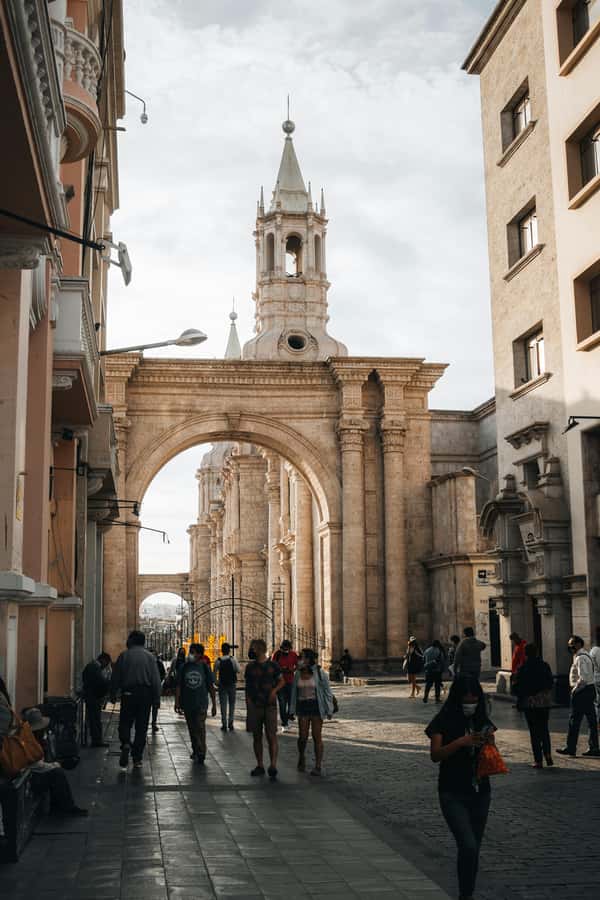
The Cathedral is the most obvious landmark on the route and a strong place to begin. It is one of the city’s main symbols, and the visit gives you a visual introduction to the scale and style of Arequipa’s historic center.
Your guide’s role here is not simply to point at the facade. The useful part is hearing how the building fits into the city’s development, religious life, and architectural character. Guides are also able to answer questions about cultural influences and the way Arequipa’s position among the volcanoes affects its identity.
Do keep your expectations measured. The tour includes a visit to the Cathedral, but it is not advertised as a long, specialist interior tour. If you want a fuller look, ask your guide for details about a separate Cathedral visit. One participant followed that recommendation and found it worthwhile.
For me, this is a good example of where the tour’s value depends on interpretation. A quick look at a major church is easy to arrange alone. The reason to join a guide is to connect the building to the streets and traditions around it.
Colonial cloisters and the pleasure of looking up
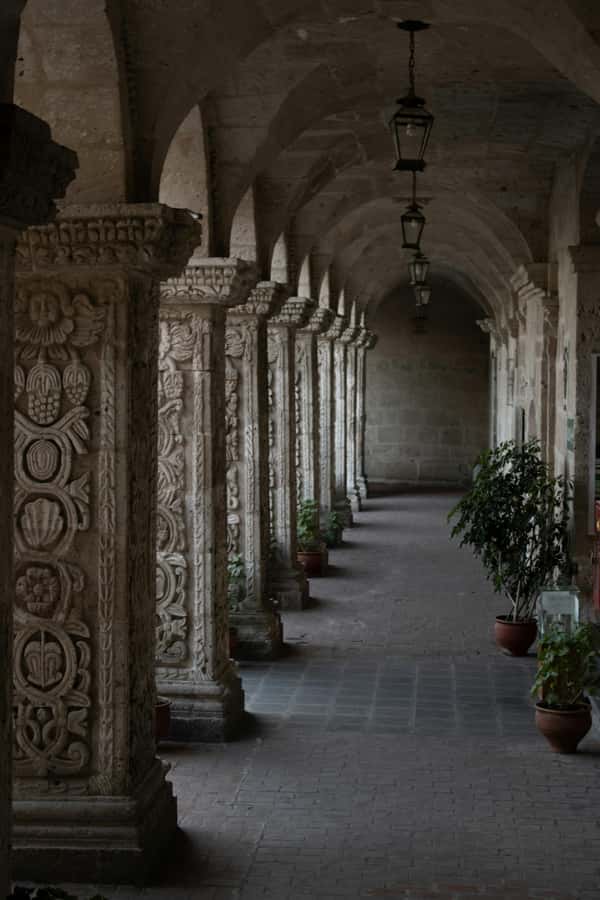
The next part takes you into colonial cloisters, where arches, courtyards, and quiet passages offer a change from the open streets. These spaces are often more rewarding when someone explains their original purpose and the people who used them.
The cloisters also give you a chance to slow down. Arequipa’s white stone can look simple from a distance, but the details become clearer in enclosed courtyards, where you can study the masonry, proportions, and decorative work without the noise of the street.
Ask questions here. The guides are especially praised for discussing architecture and cultural influences, not just reciting dates. Joss, in particular, is described as connecting the city’s buildings with geography and local identity. That wider explanation is what makes a short stop feel useful rather than rushed.
There is a possible limitation. Since the complete route lasts about two hours, you should not assume every cloister will receive a long formal presentation. If you want detailed architectural analysis, tell your guide early. A small group makes that request easier.
More History Walking Tours in the world:
- History and Hauntings of Salem Guided Walking Tour
★ 5.0 · 14,564 reviews - Lisbon: History, Stories and Lifestyle Walking Tour
★ 4.8 · 10,902 reviews - Boston: Freedom Trail History Small Group Walking Tour
★ 5.0 · 6,450 reviews - Historic Charleston Guided Sightseeing Walking Tour
★ 5.0 · 6,216 reviews
Tambos: old lodgings with a living connection
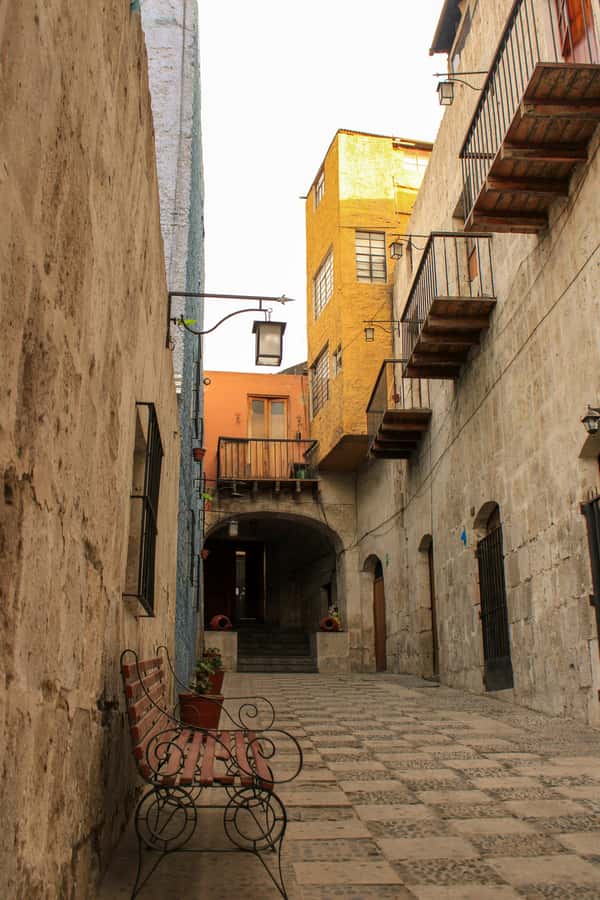
The tambos are among the most distinctive stops because they offer a look at a less familiar part of Arequipa’s past. These were ancient lodgings and have played an important role in city life for centuries.
This stop helps explain how the old center functioned beyond churches and grand public buildings. A historic city is not only its most impressive facade. It is also the places where people stayed, traded, passed through, and built routines. The tambos bring that everyday side into the tour.
Your guide will also share legends, traditions, and curious facts passed down through generations. These stories add local character, though you should treat them as cultural storytelling rather than a tightly academic lecture. That mix of documented history and local memory is part of the appeal.
The quality of this section will depend on how much time your guide gives it. One four-star assessment wanted more explanation about streets and buildings along the way. If you prefer constant historical commentary, say so. If you like a balance of facts and stories, the tambos should be one of the route’s strongest sections.
Cobblestone streets, local stories, and less obvious corners
Between the formal stops, you will walk through picturesque cobblestone streets and hear about Arequipa’s traditions and legends. This is where the tour can feel most different from a standard checklist of landmarks.
Several guides take pride in showing places they personally like, including corners that are not always easy to find online. The aim is not to rush from one famous building to another. You get a sense of how the old center fits together and where local life continues outside the main sights.
The practical advice is another benefit. Guides have pointed people toward restaurants, cafes, bars, museums, and other places to visit. One guide shared a list of restaurants and bars, while another stayed available after the walk to answer questions and send recommendations.
That help is especially valuable on a first day. You can ask where to eat, what to see next, and which parts of the city deserve more time. Still, remember that recommendations are personal. Use them as a starting point, then choose places that fit your budget and interests.
The walk may also include San Camilo Market, depending on the route and guide. It was included during one private outing, but it is not listed as a guaranteed stop in the core itinerary. Ask before you set your expectations around the market.
The final lookout and Arequipa’s volcanoes
The tour ends at a viewpoint, and this is the payoff. From above, you can see the city spread out beneath the surrounding volcanoes, including Misti, Chachani, and Pichu Pichu.
The view gives useful context to everything you have seen below. Arequipa is not just a collection of colonial buildings. Its setting among major volcanic peaks is part of the city’s character, and the lookout lets you understand that relationship at a glance.
The timing may shape the mood. Morning departures offer clear daylight for reading the city’s layout, while afternoon departures may give you a softer end to the walk. The exact quality of the view will depend on the weather and the chosen lookout, so I would not promise a perfect sunset every time.
Still, the ending sounds more memorable than simply returning to the plaza. Some routes have finished on a rooftop or terrace where participants enjoyed a pisco sour and views over different parts of the city. That rooftop stop appears in the experience of some groups, but it should not be treated as a guaranteed inclusion unless your guide confirms it.
What $15 buys you
At $15 per person, this tour is priced as an affordable introduction rather than a full private sightseeing service. You are paying for a live guide, visits to five historical sites, local stories, city recommendations, and a small group limited to six people.
The price works well if you value context. A self-guided walk can show you the Cathedral and cobbled streets, but it will not answer questions about the tambos, legends, cultural influences, or where to go for dinner afterward. A good guide can also help you make better use of the rest of your time in Arequipa.
The value is less clear if you expect extended access to every interior or a detailed lecture at every building. The route is short, and one participant felt there was too much walking without enough information. That is the main reason not to book this blindly.
I would call it good value for a first look, especially if you are traveling alone or as a couple and appreciate a small group. If your main goal is specialist architecture, museum interiors, or a long Cathedral visit, you may want a more focused tour.
Morning or afternoon?
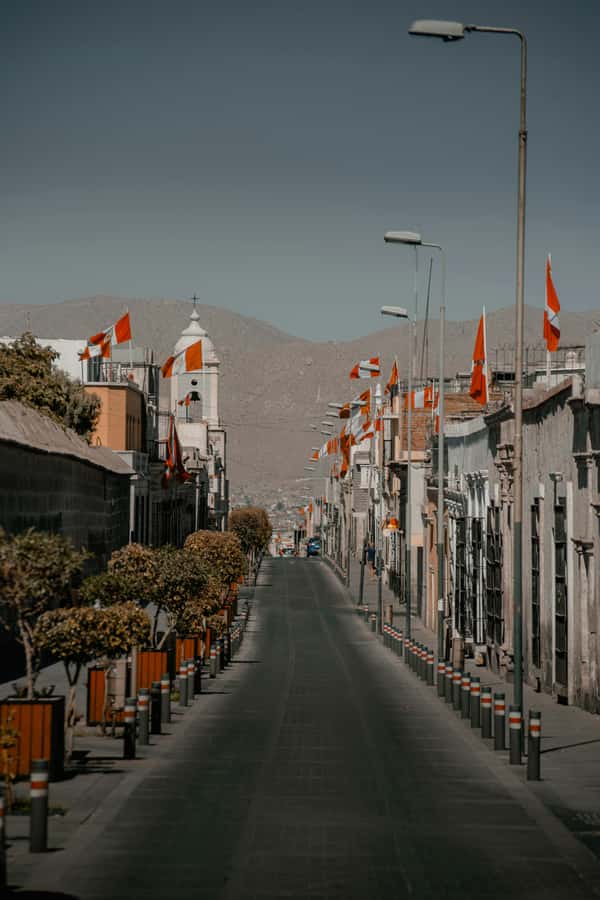
You can choose a morning or afternoon start, subject to availability. Morning is the safer choice if you want to use the tour as your orientation for the day. You finish with restaurant and sightseeing suggestions while there is still time to act on them.
An afternoon departure may suit you if you arrive late, prefer a slower morning, or want to finish near the viewpoint. A late route can also make the final stop feel more atmospheric, though the actual light and sunset depend on conditions.
Either way, keep the schedule flexible. The tour lasts two hours, and some walks may run close to the full time because of questions, interior visits, or the pace of a small group.
Who will enjoy this walk most?
I would recommend it to first-time visitors who want a quick, human introduction to Arequipa. It also suits solo travelers and couples who want conversation without joining a large crowd.
It is a good fit if you enjoy:
- Local stories mixed with historical facts
- Architecture explained in plain language
- Small groups and time for questions
- Restaurant and bar recommendations
- A final city view rather than a simple return to the starting point
Families and older walkers should consider the amount of time spent on foot and the cobblestone streets. The available information does not provide a specific accessibility assessment, so ask the provider if you have mobility concerns.
History specialists may want more depth. The tour offers a broad introduction to the Cathedral, cloisters, tambos, streets, and volcano views, but it is not presented as an expert seminar.
Booking details worth knowing
The provider is Huallata Experiences. Tours run in English or Spanish, with a live guide and a maximum of six participants.
The price is $15 per person. You can cancel up to 24 hours before the activity for a full refund, and the reserve-now, pay-later option lets you hold a place without paying immediately. Starting times vary, so check availability for your date.
Names matter here because the guide shapes the experience. Joss, Jose, and Joseph have led highly praised walks, and participants valued their warmth, local knowledge, and willingness to help after the scheduled route. You cannot assume a particular guide will be assigned, but it is worth asking who is leading your departure.
Should you book it?
Book this walk if you want to get your bearings, understand what makes Arequipa different, and receive practical advice for the rest of your stay. The strongest features are the small group, the mix of major sights and lesser-known corners, and the volcano view at the end.
I would be cautious only if you want a highly detailed presentation at every street corner or a guaranteed long visit inside each building. The route is short, and the amount of explanation can vary by guide.
For most first-time visitors, $15 is a fair price for a two-hour introduction, especially when Joss, Jose, or Joseph leads the walk with the same warmth and detail praised by past participants. Schedule it early, ask questions, and use the final recommendations to shape the rest of your Arequipa visit.
FAQ
Where does the Arequipa walking tour meet?
The meeting point is Campo Redondo in San Lázaro. The coordinates are -16.3934138, -71.5336117.
How long does the tour last?
The tour is listed as two hours. The walking portion is described as approximately one and a half hours.
How much does the tour cost?
The price is $15 per person.
Which languages are available?
The live tour guide service is available in English and Spanish. Some content may be shown in its original language.
How large is the group?
The tour is limited to six participants.
What places are included?
The route includes five historical sites, including the Cathedral, colonial cloisters, and ancient tambos. It also passes through cobblestone streets and ends at a viewpoint.
Can I choose a morning or afternoon tour?
Yes. The activity is offered in the morning and afternoon, with exact starting times depending on availability.
Is the volcano viewpoint included?
Yes. The tour culminates at a lookout with views toward volcanoes such as Misti, Chachani, and Pichu Pichu.
Can I cancel for a refund?
You can cancel up to 24 hours in advance for a full refund. A reserve-now, pay-later option is also available.
Newest history tours we have reviewed in the world
- Bilbao Historical Tour in small group★ 4.7 · 52 reviews
- Bologna: Street Food Tour in the Historic Center★ 4.8 · 125 reviews
- CEBU: Cebu City Heritage and Uphill Guided Tour★ 4.2 · 31 reviews
- Bishkek : City Tour (History, Architects, Statues & Culture)★ 4.9 · 54 reviews
- Blenheim: Omaka Aviation Heritage Centre Admission Ticket★ 4.9 · 31 reviews
- Berlin: Nazi History Walking Tour★ 4.8 · 33 reviews
- Best of Baku: 4-Hour City Tour Historic and Modern Landmarks★ 4.7 · 63 reviews
- Belfast: Best of Belfast History, Culture & Art Walking Tour★ 4.9 · 158 reviews
Old Town & Historic Centre Walks, compared.
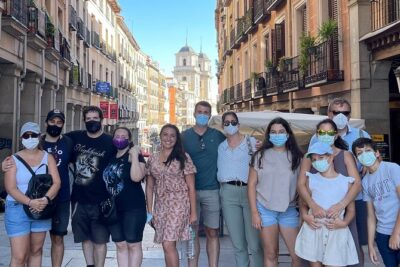
Madrid Essential: Historic Center, Plaza Mayor & Royal Palace
Read our review →
Live Fado Show with Port Wine in Historic Center
Read our review →
Valencia Old Town Tour with Wine & Tapas in 11th Century Historic Monument
Read our review →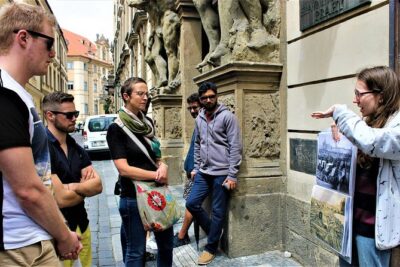
Prague Old Town, Medieval Underground and Dungeon Historical Tour
Read our review →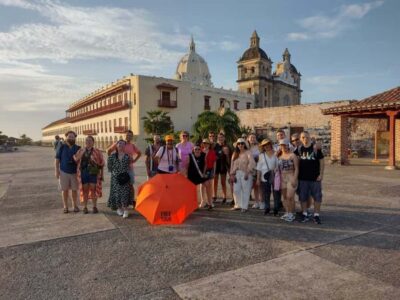
Cartagena: Historic Center and Getsemaní Shared Walking Tour
Read our review →
Old Town Walking Tour History and Tales in Edinburgh
Read our review →
Philadelphia Old City Historic Walking Tour with 10+ Top Sites
Read our review →Browse the lists this tour appears in