
Review · PERU HISTORY TOURS
Aymara Route Mystical Cultural Tour
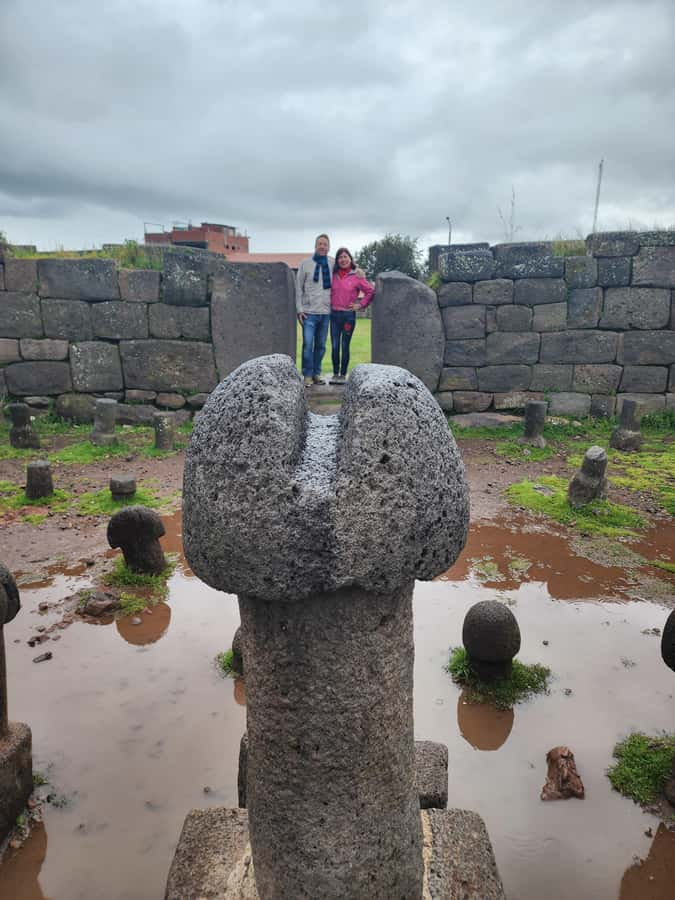
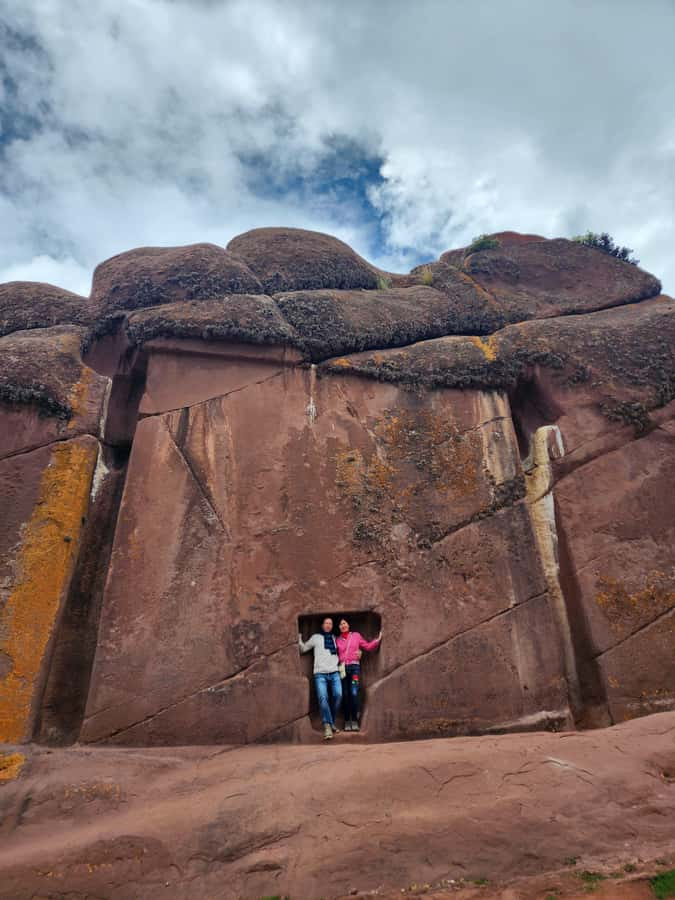
The most unusual stop comes early: Chucuito’s Temple of Fertility, where six small phalluses and one larger central figure make this a memorable, slightly cheeky introduction to Aymara traditions. The day then moves through ancient burial towers, agricultural experiments, and the striking stone portal of Aramu Muru before ending near Juli.
I like the mix of archaeology and living tradition, rather than a day spent only looking at ruins. I also like the value: about $32 covers transport, an official guide, and entrance tickets. The main drawback is that the schedule is full, and at Aramu Muru you may need to choose between a short trek and the ceremony.
A few practical details matter. The outing lasts roughly seven to eight hours, pickup is included, and the guide can work in Spanish or English. Comfortable transport has been praised, and some departures have included free drone videos, but ask ahead if that feature matters to you.
Key points to know before booking
- Chucuito’s Temple of Fertility offers an unusual look at ancient fertility symbolism, with seven stone phalluses in total.
- Molloco’s chullpas differ from the better-known towers at Sillustani, with square and circular forms plus floor-level niches.
- Circular waru warus show how Andean farmers tested ways to protect and grow grains and tubers.
- Aramu Muru combines dramatic stone formations with meditation and an optional cultural ceremony.
- Juli’s lakeside stop adds a more relaxed finish, with a beach and optional activities.
- The price includes transport, tickets, and an official guide, making this a strong low-cost choice for a full day outside Puno.
Why this route is different from a standard Puno day trip
Many day trips from Puno focus on Lake Titicaca and its islands. This one heads south into the Puno Region, where the sights are less familiar and the subject matter is more varied.
You move from fertility symbolism to pre-Inca burial architecture, then to agricultural engineering and spiritual practice. That variety gives the day a clear sense of place. You are not simply ticking off ruins. You are seeing how Aymara communities expressed ideas about birth, death, food production, and sacred places.
The tour is also a good choice if you have already seen the main sights around Puno and want something different. It does not replace a Lake Titicaca excursion, but it adds another side of the region that many visitors miss.
The route returns to Puno at about 4 or 5 pm, depending on the day. The stated duration is eight hours, while the detailed schedule gives about seven hours and ten minutes of activity. Allow for a full day, not a quick half-day outing.
More Local Culture and Traditions Tours in Peru:
- 6-Day Cultural Tour to Machu Picchu
★ 5.0 · 76 reviews - Amsterdam Food and Cultural Tour with Tastings
★ 5.0 · 4,315 reviews - Sevilla Food Tour: Tapas, Wine, History & Traditions
★ 5.0 · 3,468 reviews
Chucuito and the Temple of Fertility
The first major stop is Chucuito, south of Puno. You receive a guided visit, time for photos, and a chance to walk around the site.
The Temple of Fertility is the kind of place that gets your attention fast. Its stone forms are direct and unmistakable: six smaller phalluses and one larger central phallus. The site connects fertility with agriculture and human reproduction, though your guide will provide the cultural explanation rather than leaving you with a simple photo opportunity.
This is also a useful first stop because it sets the tone for the day. The Aymara Route is not a polished museum circuit. Some places are quirky, some are solemn, and some require you to use your imagination.
You may also find souvenirs for sale here or nearby. Bring a little cash if you like browsing local crafts or small keepsakes. The visit lasts around 45 minutes to an hour, so you will have enough time for the guide’s explanation and photographs without being stuck for too long.
The subject can feel bold to some people, especially if you are visiting with children or relatives who prefer conventional monuments. The tour presents it as part of local cultural history, but it is still worth knowing what you will see before booking.
Molloco’s square and circular chullpas
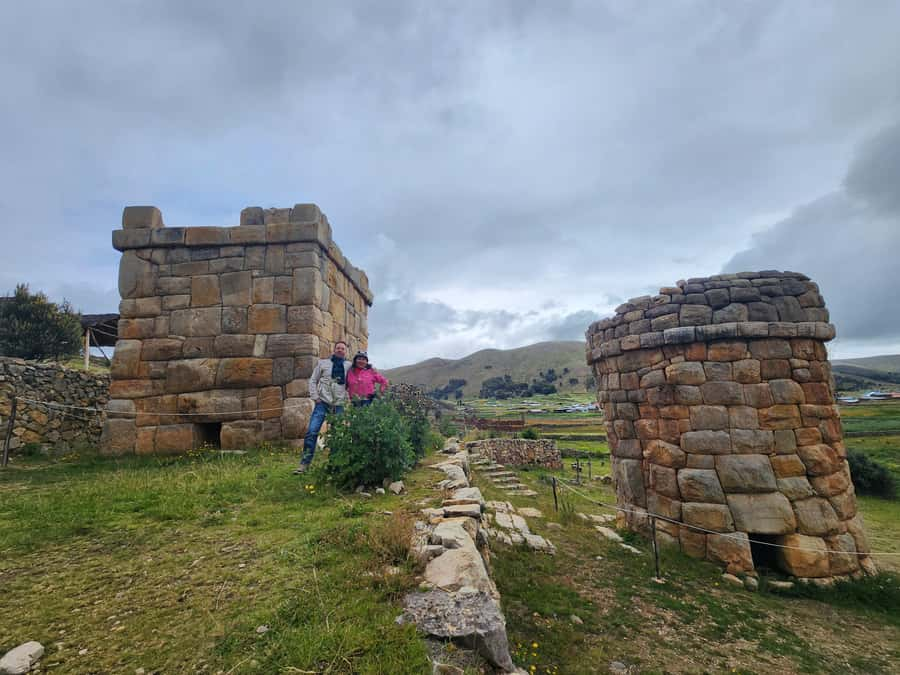
The route continues to Acora for the Chullpas de Molloco. These burial towers are especially interesting because they look different from the more famous chullpas at Sillustani.
At Molloco, you can see three square towers and one circular tower. The contrast helps you understand that Andean funerary architecture was not limited to one standard design. Look closely at the construction and shapes, and ask the guide how the forms relate to the people who built them.
The site also has niches under the floor. These are easy to miss if you are walking quickly, but they are one of the details that make the stop worth taking slowly. Your guide can explain their purpose and how they fit into the burial setting.
Expect about 45 minutes here. That is enough for a guided walk and photographs, though not enough for a long archaeological study. If you want a quiet, unhurried visit at every site, the packed schedule may feel brisk.
The attraction is not grand scale. Molloco works because of its unusual forms and the chance to compare it with Sillustani. If you have visited Sillustani already, this stop gives you a useful point of comparison. If you have not, you still get a distinct archaeological experience without needing to spend another full day elsewhere.
Circular waru warus and old farming science
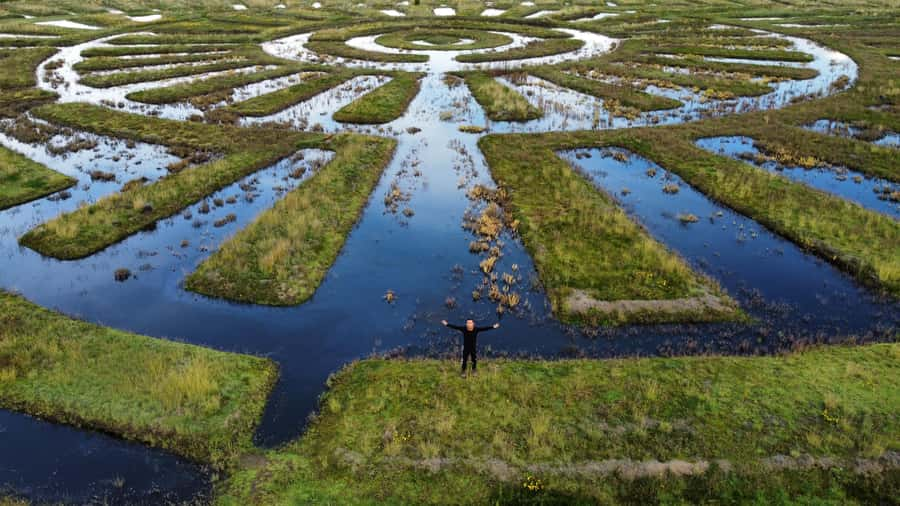
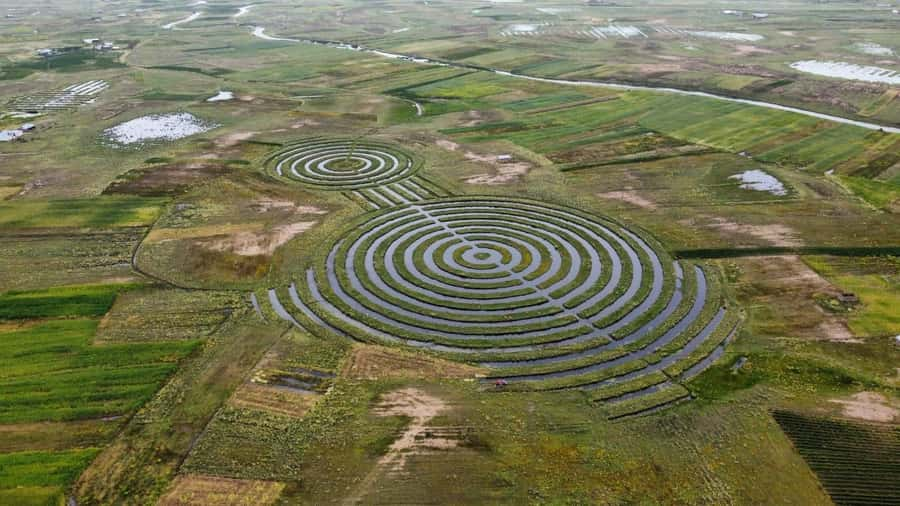
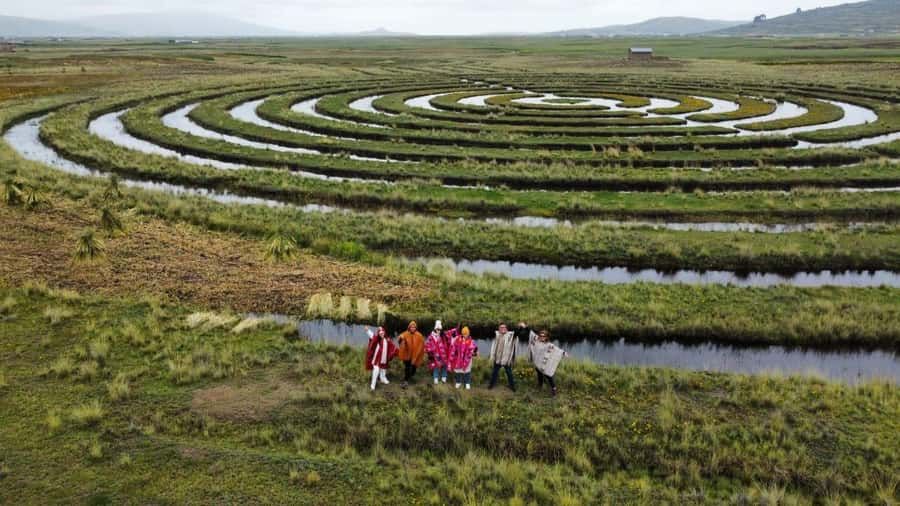
The next stop introduces a completely different subject: the circular Andean waru warus near Acora.
Waru warus are raised agricultural beds surrounded by channels. Here, they are presented as an ancestral farming technique and as a kind of outdoor laboratory for domesticating Andean grains and tubers.
This is where a good guide makes a real difference. From the ground, the pattern can look like a series of earth circles. With an explanation, you begin to see the practical thinking behind it. The channels and raised beds helped manage water and temperature in a difficult high-altitude setting.
The visit lasts around 45 minutes to an hour. You can walk, take photographs, and hear how the system supported crops such as Andean grains and tubers. The site does not have the immediate visual impact of a dramatic stone portal, but it gives the route useful depth.
I like this stop because it moves the tour beyond temples and tombs. It shows that local ingenuity was also about food and survival. You are looking at an agricultural system, not simply an old monument.
Wear shoes with a good grip. The information asks you to bring comfortable footwear, and that is sensible for every stop, especially if you take the optional walk later in the day.
More History Tours in Peru:
- Lima’s Vibrant Heritage: Exploring the City’s Landmarks Half-day
★ 4.5 · 581 reviews - Lima: Historic Center Street Food, Market, and Eateries Tour
★ 4.9 · 216 reviews - Walking tour in the Historic Center of Arequipa
★ 4.4 · 180 reviews - Cusco: Historical Guided City Tour with 4 Inca Ruins
★ 4.5 · 99 reviews
Aramu Muru and the choice between ceremony and walking
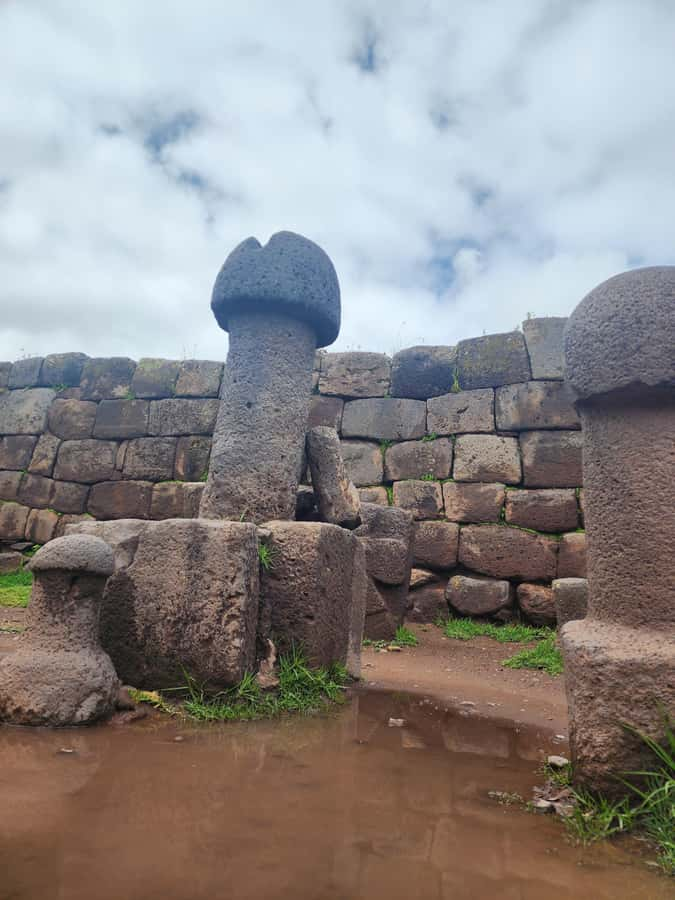
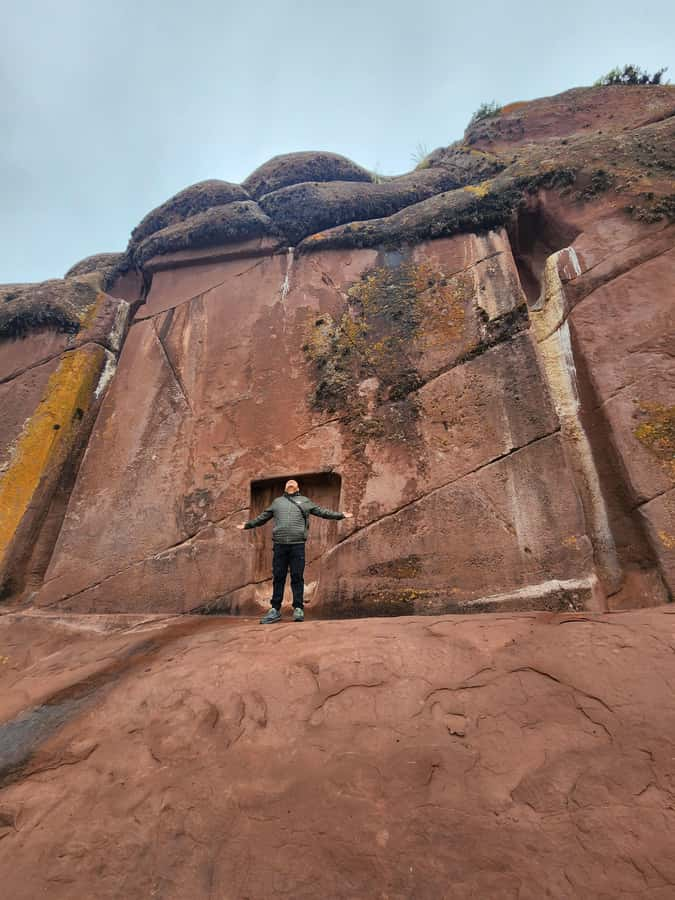
Aramu Muru is the emotional high point of the route. The stone portal and nearby rock formations have a striking, mysterious appearance, and the stop allows about an hour.
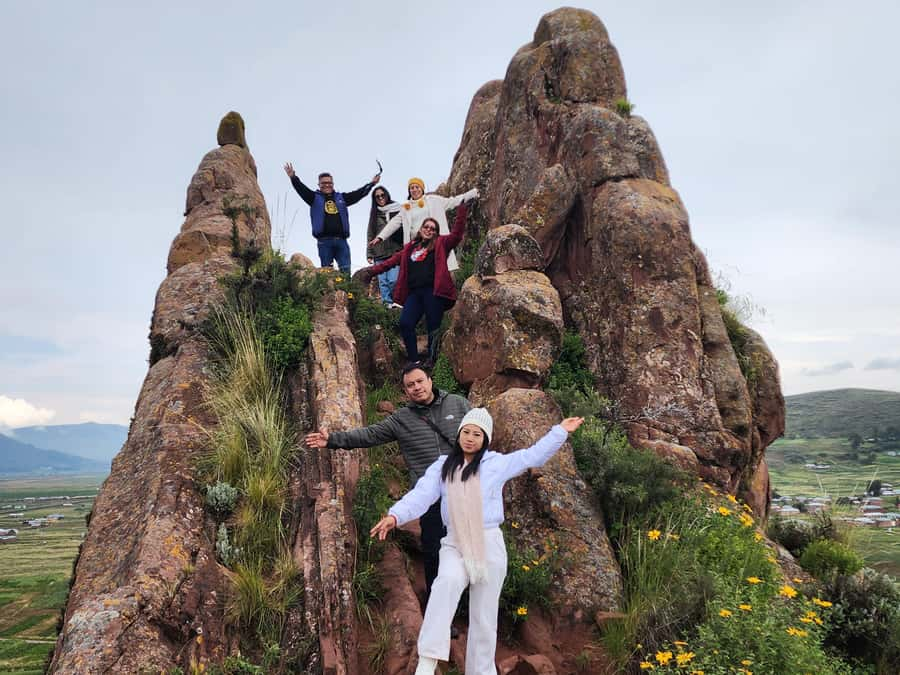
The program includes meditation here. Depending on the departure and the options arranged with the guide, you may also take part in a ceremony or choose a short trek for better views and photographs.
That choice is important. The ceremony offers a more inward, symbolic experience. The short hike gives you movement and a wider view of the rock formations. You may not have time to do both fully, so decide what matters most before arriving.
If you want the ceremony, tell the guide early. If you prefer photography, ask how much walking is involved and where the best viewpoints are. Some departures have included drone filming, with short videos showing the group and individuals from above. This can make the unusual shape of the site easier to understand, but drone footage should be confirmed rather than assumed as a guaranteed part of every booking.
Meditation at Aramu Muru may appeal to you if you enjoy quiet, reflective activities. It may feel less meaningful if you are expecting a conventional archaeological explanation only. The guide can connect the site to local beliefs, but the experience also depends on your own willingness to slow down.
Bring a hat, sunglasses, and water. The open setting offers little reason to expect shade, and the sun at high altitude can be strong even when the air feels cool.
Juli, the Rome of America, and the final break
The last area is Juli, sometimes called the Rome of America because of its churches and religious heritage. The tour description also includes time at the beach and optional activities.
This stop gives the day a gentler finish. After the archaeological sites and the ceremony or walk at Aramu Muru, you have time to look around, take photographs, shop, or simply pause.
The schedule lists about an hour in Juli. It is not presented as a long church tour or a full city sightseeing program, so keep your expectations in line with the available time. The attraction here is the change of pace and the chance to see another side of the southern Puno Region.
A meal may be arranged during the route, with options such as a barbecue restaurant mentioned by the operator. Food is not listed among the included services, so carry cash and ask the guide about the choices and prices. This is also a sensible place to use your free time for a small purchase.
The route then returns to Puno, finishing at Cajamarca 236, Puno 21001, or at the agreed end point listed for your booking.
Transport, guiding, and what the $32 covers
At about $32 per person, this is a strong-value outing if you want to see several sites in one day. The price includes first-class transportation, an official tourism guide, and entrance tickets. You do not need to pay an admission fee at each stop.
The included vehicle matters because the route covers several locations south of Puno. A comfortable bus makes the day easier, especially when you are combining walking, sitting, and high-altitude sun. A mechanical problem on one departure was handled with a replacement vehicle in about half an hour, which suggests the operator has a practical response when transport trouble occurs, though delays are still possible on any full-day road trip.
The guide is available in Spanish and English. Clear communication matters here because the route depends on explanations. The Temple of Fertility and the chullpas can be visited quickly without context, while the waru warus and Aramu Muru benefit greatly from interpretation.
The drone videos are a pleasant possible extra. They have been provided free on some departures and can show the circular waru warus or Aramu Muru from above. Treat them as a bonus, not part of the listed inclusions.
The price does not list meals, drinks, or personal purchases. Bring cash for lunch, souvenirs, and optional activities.
How to prepare for the full day
Ask the operator to confirm your hotel address before pickup. Sending a phone number or WhatsApp contact makes coordination easier, particularly if your lodging is difficult to find.
Pack light, but bring the basics:
- Comfortable walking shoes
- Sunglasses and a hat
- Comfortable clothing
- A camera or phone
- Cash
- Biodegradable insect repellent
Check the weather and local conditions one day before departure. The operator also advises checking for social problems that could affect roads or public movement. Keep a contact number available in case the pickup plan changes.
The activity is not suitable for people with epilepsy. If you have a medical concern, contact the operator before reserving.
Because the route is outdoors, you should expect changing conditions. The stops include open archaeological areas, rock formations, agricultural ground, and a beach area. You will be more comfortable if you prepare for sun, wind, and uneven walking rather than dressing as if this were a city tour.
Free cancellation is available up to 24 hours before the activity for a full refund. You can also reserve and pay later, which is useful if your Puno schedule depends on weather or road conditions.
Who will enjoy the Aymara Route most
I would recommend this tour to you if you want a broad cultural day rather than one famous headline attraction. It suits visitors who enjoy unusual monuments, local traditions, short walks, and clear explanations from a guide.
It is also a smart choice for a limited budget. The combination of tickets, transport, and guiding for about $32 is hard to match if you tried to arrange several separate visits.
You should think twice if you dislike full schedules or prefer to spend a long time at one archaeological site. The day moves often, and the stop at Aramu Muru may force you to choose between the ceremony and the trek.
This is not the best fit if your main goal is Lake Titicaca. The route does not replace a Uros, Taquile, or Amantani excursion. It offers a different kind of day, focused on the southern Puno Region and Aymara cultural sites.
Should you book the Aymara Route?
Book it if you want an affordable, well-filled day with unusual archaeology, farming traditions, and a spiritual stop rather than the usual Puno circuit. The official guide, included tickets, and comfortable transport make the $32 price especially appealing.
Before paying, confirm the pickup address, language, lunch arrangements, and whether the Aramu Muru ceremony or short trek is available on your date. If you are comfortable with a busy schedule and open-air sites, this route gives you a memorable look at places that are easy to miss on your own.
FAQ
How long does the Aymara Route take?
The activity is advertised as lasting eight hours. The detailed timing adds up to about seven hours and ten minutes, with the return to Puno usually around 4 or 5 pm.
What languages are available?
The live guide is available in Spanish and English.
Is hotel pickup included?
Yes. Pickup is included, but you should send the exact hotel address and a phone number or WhatsApp contact to help coordinate the meeting point.
What does the price include?
The price includes an official tourism guide, first-class transportation, and entrance tickets for the listed sites.
Is food included?
Food is not listed among the included services. A restaurant stop may offer choices such as barbecue, so bring cash and ask the guide about the available meal options.
What should I bring?
Bring comfortable shoes, sunglasses, a hat, comfortable clothing, a camera, cash, and biodegradable insect repellent.
Can I cancel the booking?
You can cancel up to 24 hours in advance for a full refund. The reserve now and pay later option is also available.
Newest history tours we have reviewed in Peru
- 6-Day Cultural Tour to Machu Picchu★ 5.0 · 76 reviews
- Piramids of Tucume Tour, Sican Museum and Lambayeque city tour★ 5.0 · 30 reviews
- Arequipa, Historic and Colonial City and Santa Catalina Monastery★ 4.5 · 42 reviews
- Machu Picchu: historical and photographic guided tour★ 4.9 · 27 reviews
- Lima: Historic Downtown, Miraflores & Catacombs Private Tour★ 4.5 · 28 reviews
- Lima: Historical, Colonial, and Modern City Tour★ 4.3 · 21 reviews
- Cusco: Historical Guided City Tour with 4 Inca Ruins★ 4.5 · 99 reviews
- Cusco: Historic Walking Tour with Pisco Sour and Music Show★ 4.6 · 65 reviews
Local Culture & Traditions Tours, compared.

Amsterdam Food and Cultural Tour with Tastings
Read our review →
Sevilla Food Tour: Tapas, Wine, History & Traditions
Read our review →
Tromsø: Reindeer Camp and Sami Cultural Tour with Lunch
Read our review →
Half Day Dominican Republic Cultural Tour : Small Group
Read our review →
Ultimate Melbourne Walking Tour: History, Laneways & Culture
Read our review →
Tromsø: Sámi Reindeer Sledding and Sami Cultural Tour
Read our review →
Kyoto Gion: 2-Hour Geisha Culture & History Walking Tour
Read our review →
Marrakech Historical and Cultural Tour – Half Day City Tour
Read our review →Browse the lists this tour appears in