Review · GERMANY HISTORY TOURS
Munich: Nazi History 2-Hour Small Group Walking Tour
Munich’s Nazi past is not tucked away in a distant museum. It sits in the city center, beside beer halls, grand squares, the Bavarian State Opera, and the Residenz. This two-hour walk with Alun Evans connects those ordinary-looking places to the rise of Hitler and the Nazi Party.
I like the small group size, which gives you room to ask questions, and I like the serious but human way Alun handles a grim subject. The main drawback is time: two hours gives you a strong introduction, but history fans may wish the tour ran longer.
Key points at a glance
- Start at Marienplatz: Meet in front of the Tourist Information Center in Munich’s central square.
- Follow the Nazi rise: See places tied to the Party’s beginnings, the SS, and the failed Beer Hall Putsch of 1923.
- Enter the Hofbräuhaus story: Learn how Hitler used the famous beer hall for speeches and Party meetings.
- Walk through Munich’s grandest spaces: Odeonsplatz, the Bavarian State Opera, and the Residenz add important political context.
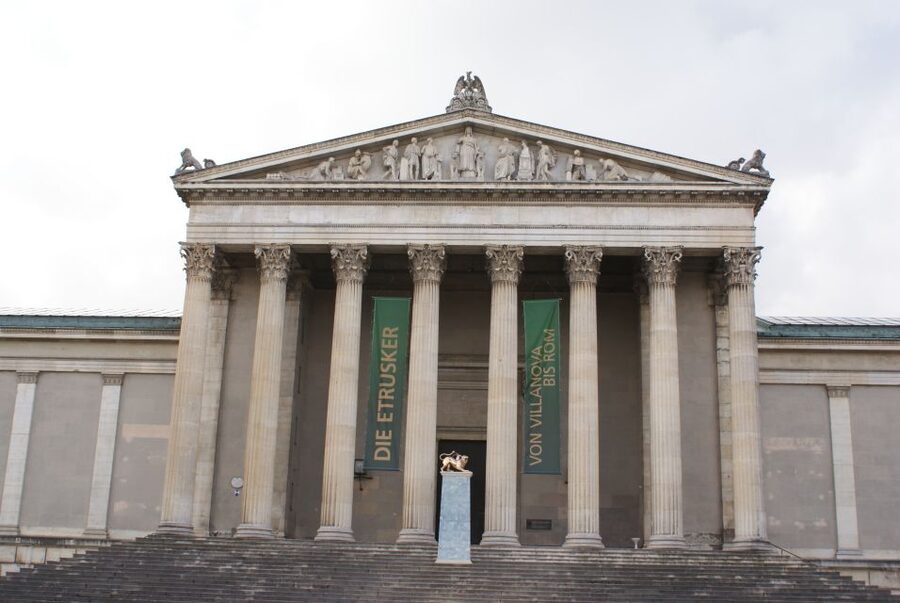
- Finish near Königsplatz: See the square where the Nazis held major rallies.
- Travel in a compact group: The advertised limit is 10 participants, while the tour description also refers to a maximum of 15.
Why this two-hour walk matters in Munich
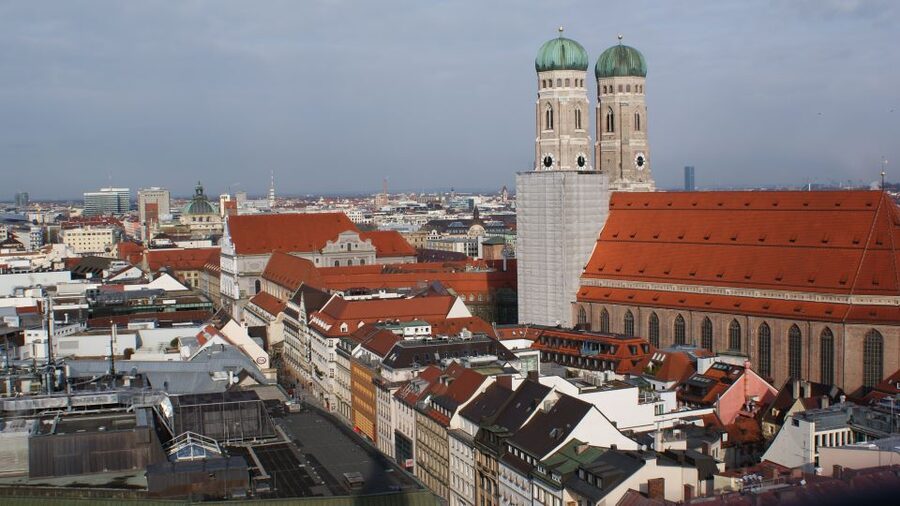
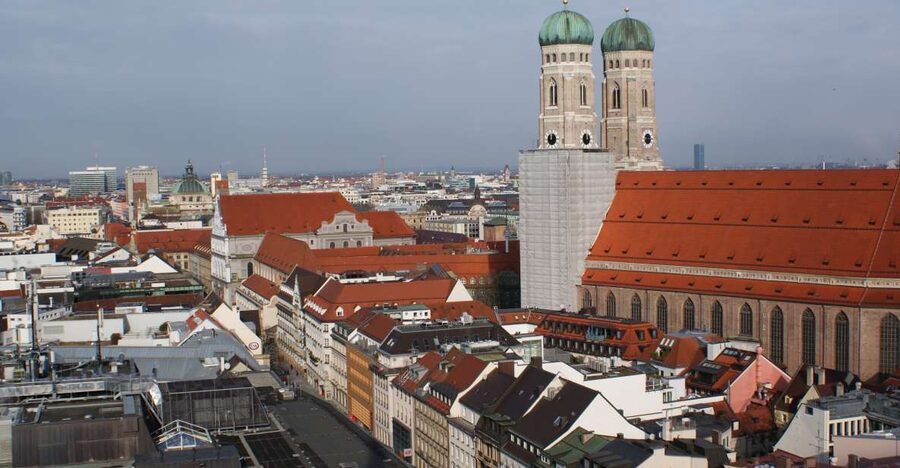
Munich is often sold through its palaces, museums, beer halls, and Oktoberfest traditions. That is only half the story. The city also served as the birthplace of the Nazi Party’s political movement, and many of its important early locations remain part of everyday Munich.
That contrast is what makes this tour useful. You are not only looking at old photographs or reading dates on a display panel. You are walking through active city streets and hearing how familiar places became stages for propaganda, political violence, and mass rallies.
The tour begins with Hitler’s arrival in Munich in 1913, when he was 24 and had no clear prospects. From there, Alun traces the people, rooms, squares, and political events that helped turn a fringe movement into a force that took control of Germany.
I appreciate the focus on places rather than a long classroom lecture. The setting gives the story weight, but it also demands care. This is not a light sightseeing walk, and the best approach is to arrive ready to listen.
More History Walking Tours in Germany
- Leipzig: 1.5-Hour Historical Walking Tour in German
★ 4.7 · 2,217 reviews - Berlin: History of the Third Reich Guided Walking Tour
★ 4.7 · 791 reviews - Trier: Guided Old Town Highlights and History Walking Tour
★ 4.7 · 687 reviews
Marienplatz and the opening chapter
You meet in front of the Tourist Information Center on Marienplatz. Look for the guide holding a sign with the local tour operator’s name. Since this is a fixed meeting point, you do not need to arrange hotel pick-up or find a vehicle outside the city center.
Marienplatz is one of Munich’s most familiar spaces, which makes it an effective starting point. The square is central, easy to reach, and surrounded by major sights, but the tour uses it to introduce a darker chapter. Here, you begin to see how Munich’s political identity developed after Hitler arrived in the city.
The opening section lasts about 30 minutes and is handled on foot. That is a sizeable part of a two-hour tour, so expect the guide to build the story gradually rather than rush from one address to the next.
Alun’s approach, based on the supplied experience details, combines facts with personal explanation and room for questions. His calm, respectful manner is especially important here. One review describes him as caring, humble, welcoming, and tactful, while another praises the way he balances facts, stories, and personal insight.
For you, that means the tour should feel like a guided conversation rather than a list of dates. Still, the subject is difficult, and the tour does not soften the reality of Nazi rule for the sake of easy sightseeing.
Hofbräuhaus and Hitler’s early speeches
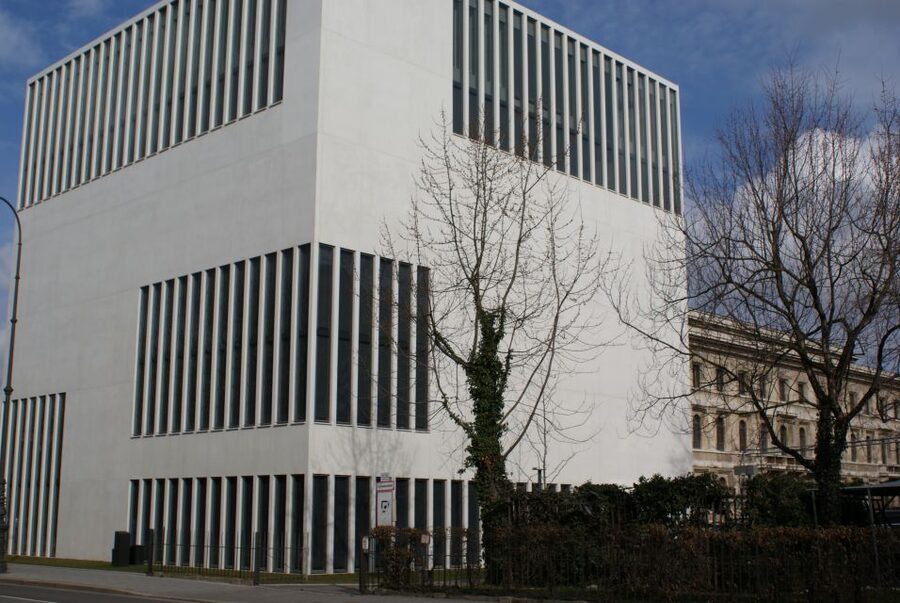
The walk continues to the Hofbräuhaus, one of Munich’s best-known beer halls. You receive about 10 minutes of guided explanation here, focusing on the role the building played in the Nazi Party’s early public life.
Hofbräuhaus is a particularly striking stop because it is still associated with food, beer, and Munich’s tourist culture. During the period covered by the tour, however, it was also a place where the Nazi Party met and where Hitler gave speeches.
That contrast helps explain how extremist politics could enter ordinary public life. The story is not confined to secret rooms or remote government offices. Political movements grow through places where people gather, listen, argue, and choose what to support.
The stop is brief, so you should not expect a long interior visit or a full architectural tour. The value lies in the explanation of what happened there. If you want to order a drink or sit down for a meal, that is not included in the experience. Refreshments are your responsibility, and the tour schedule is built around walking and commentary.
This is one reason I would take the tour early in a Munich visit. Once Alun explains the building’s political past, you may look at the Hofbräuhaus differently if you return later for the famous beer-hall atmosphere.
Odeonsplatz, the Residenz, and the Beer Hall Putsch
From Hofbräuhaus, the route moves toward Odeonsplatz. The guided explanation here lasts about 15 minutes and places the square beside the Bavarian State Opera and the Residenz.
Odeonsplatz matters because Munich’s monumental buildings provide the setting for the failed Beer Hall Putsch of 1923. That attempted takeover was a turning point in Hitler’s early career. The march failed, but the event helped make him nationally known and became part of the mythology the Nazi movement later used.
A good guide needs to explain both the event and the propaganda built around it. Alun’s presentation is praised for getting the level of detail right, which matters on a short walk. Too little detail leaves you with empty dates. Too much can bury the main point beneath names and political theory.
The location also helps you understand how power is staged. The Residenz and Bavarian State Opera represent older institutions and civic prestige. The Nazi movement sought to place itself within that grand setting, using public space to make its claims look permanent and legitimate.
You will be walking on city streets and stopping outdoors. The tour operates in all weather, including cold and snow, so wear shoes suited to pavement and dress for the forecast. A winter experience in heavy snow showed that the tour can continue, but cold weather will affect how long you want to linger at each stop.
More Small-Group History Tours in Germany
- Small group Potsdam: A Journey Through History and Palaces
★ 4.7 · 317 reviews - Historic Dresden Small-Group Walking Tour in English
★ 5.0 · 160 reviews - Berlin Wall History Small Group Cycling Tour
★ 4.9 · 152 reviews - Small group Potsdam: A Journey Through History and Palaces
★ 4.5 · 151 reviews
Königsplatz and the Nazi rally ground
The route’s final major historical focus is Königsplatz, where the Nazis held rallies. The square is one of the clearest places to discuss how architecture and public gatherings were used to project power.
Large rallies were not simply political meetings. They were carefully staged events designed to create a feeling of order, unity, and strength. Standing in the space gives Alun a chance to explain how the Nazi Party used Munich’s public areas to build its image and draw people into its movement.
The supplied route information is slightly mixed about the ending. It identifies Königsplatz as the final historical location, while the tour starts and ends at Marienplatz and offers a return to Marienplatz with the guide on request. Ask Alun at the start where the walking portion will finish on your date, especially if you have a timed reservation afterward.
That small uncertainty does not change the value of the stop, but it matters for planning. Two hours can pass quickly, and you should not schedule a tight museum entry or restaurant reservation immediately afterward.
What Alun Evans adds to the experience
The guide makes or breaks a history walk, especially one covering Nazi Germany. A map and a list of famous addresses are not enough. You need someone who can explain why each place mattered and how one event led to another.
Alun Evans receives particularly strong praise for clear delivery, patience, warmth, and thoughtful treatment of the subject. A history-minded couple described the walk as the highlight of their Munich visit, while another participant appreciated the way Alun made a snowbound, freezing day more bearable through his explanations and candid presentation.
That does not mean the tour is only for World War II specialists. The structure should work for first-time learners because it begins with Hitler’s arrival in Munich and moves through key locations in a logical order.
If you already know a great deal about the Third Reich, you may want more time for questions and discussion. One history enthusiast wished the tour were longer and hoped for a chance to continue the conversation over a beer. That is a fair criticism of a two-hour format, not a sign that the material is thin.
The small group helps here. With a stated limit of 10 participants, and a maximum of 15 in the tour description, you should have a better chance to hear the guide and speak up than on a large coach tour. The actual number may vary, but the experience is designed to remain compact.
Price, pace, and what you receive for $58
At $58 per person, this is not the cheapest way to walk around central Munich. You are paying for a live English-speaking guide, a focused route, and interpretation of difficult historical material rather than entry to a museum or a major monument.
I think the price can make sense if you value context. The same locations are free to see on your own, but the political meaning is not obvious from the pavement. A well-told explanation can turn Hofbräuhaus, Odeonsplatz, and Königsplatz from sightseeing stops into connected chapters.
The two-hour length also keeps the cost and physical commitment manageable. You do not need to give up a full day, and you can fit the walk into a wider Munich schedule. The trade-off is limited time at each location. The itinerary includes roughly 30 minutes at Marienplatz, 10 minutes at Hofbräuhaus, and 15 minutes at Odeonsplatz, with the rest spent walking and explaining the route.
You receive no refreshments, hotel pick-up, or separate attraction admission. The experience is best understood as a guided city walk, not a package with transport and tickets.
Who should book this Munich history tour?
I would recommend it most strongly to:
- First-time Munich visitors who want to understand the city beyond its postcard sights.
- People interested in Hitler’s rise, the Nazi Party, the SS, or the Beer Hall Putsch.
- Visitors who prefer a small group and live discussion to a self-guided audio tour.
- Families with older teenagers who can engage seriously with the subject.
- History-minded visitors who want to connect events with real locations.
You may want another option if you prefer a lighter introduction to Munich, dislike walking outdoors in poor weather, or need a highly detailed museum-style examination of the Nazi period. The tour offers a strong framework, but two hours cannot cover every institution, victim group, wartime development, or postwar response.
This is also not a general city tour. You will see famous central buildings, but the purpose is to examine their connection to Nazi history. If you want a broad introduction to Munich’s art, food, architecture, and royal past, choose a separate tour.
Practical tips for getting the most from the walk
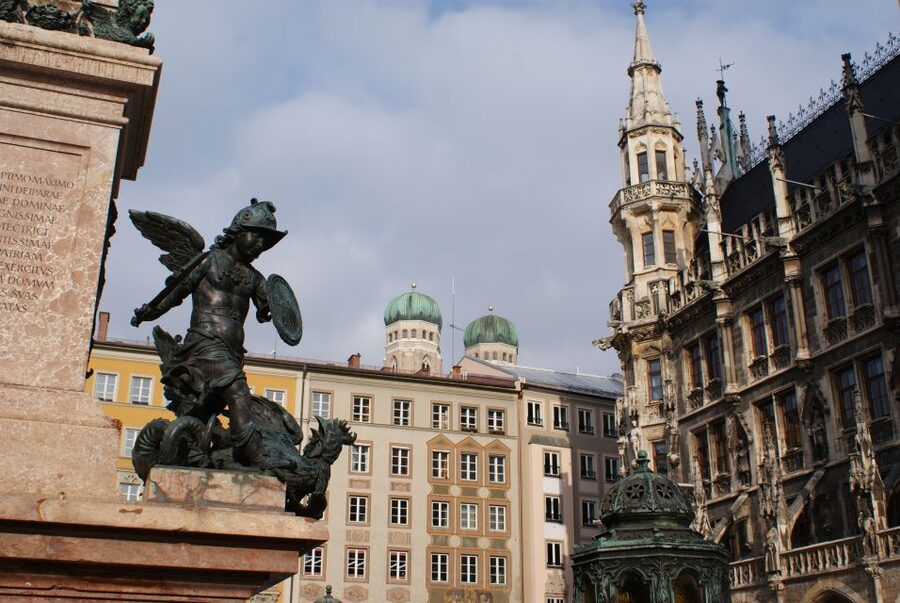
Meet in front of the Tourist Information Center at Marienplatz a little early so you can identify the guide’s sign without stress. The location is central, but Marienplatz can be crowded.
Wear comfortable walking shoes and bring an outer layer suitable for changing weather. The tour runs in all conditions, and cold or wet weather will affect your concentration during outdoor explanations.
I would also leave room in your schedule afterward. The subject may prompt questions, and the route’s final point may require a return to Marienplatz with the guide. You can request that return, but confirm the plan before the tour begins.
Finally, treat the walk as a history experience rather than a photo opportunity. The locations are important, but the guide’s explanation is the main reason to book. Give yourself time to listen, ask questions, and consider how ordinary civic spaces were used for extraordinary political harm.
Should you book it?
Book this tour if you want a focused, serious introduction to Munich’s role in the rise of the Nazi Party and you value a guide who can explain difficult material with care. Alun Evans appears to be especially well suited to visitors who want clear facts, thoughtful commentary, and an opportunity to engage in a small group.
The strongest reasons to go are the compact route, the central locations, and the guide’s praised mix of warmth, patience, and historical detail. The main limits are the short duration, outdoor format, and lack of included refreshments or attraction admissions.
For $58, I consider it a good buy for history-minded visitors who would otherwise walk past these sites without understanding their meaning. Just keep your expectations realistic: this is a well-focused introduction, not a full study of Nazi Germany.
FAQ
How long is the Munich Nazi history walking tour?
The tour lasts two hours.
Where does the tour meet?
Meet in front of the Tourist Information Center on Marienplatz in central Munich. The guide will hold a sign with the local tour operator’s name.
What language is the tour conducted in?
The tour is conducted in English by a live, local guide.
How much does the tour cost?
The listed price is $58 per person.
Which places are included on the route?
The route begins at Marienplatz and includes Hofbräuhaus and Odeonsplatz. It also covers locations connected with the Nazi Party, the SS, the Beer Hall Putsch, the Bavarian State Opera, the Residenz, and Nazi rallies at Königsplatz.
Is the tour suitable for a small group?
Yes. The activity is described as a small-group tour limited to 10 participants, with a maximum of 15 also stated in the tour details.
Does the tour operate in bad weather?
Yes. The tour operates in all weather conditions, so dress accordingly.
Can I cancel the tour for a refund?
You can cancel up to 24 hours in advance for a full refund. You can also reserve now and pay later.
More Two-Hour Tours in Germany
- 2-Hour Gettysburg Battlefield Guided History Bus Tour with a National Park Guide
★ 4.5 · 2,201 reviews - Kyoto Gion: 2-Hour Geisha Culture & History Walking Tour
★ 5.0 · 1,186 reviews - 2 Hour LoDo Historic Walking Tour in Denver
★ 5.0 · 1,106 reviews - 2-Hour Historical Walking Tour from Dublin
★ 5.0 · 875 reviews
More WWII and D-Day Tours in Germany
- The History of Berlin: WWII PRIVATE Walking Tour With Locals
★ 5.0 · 209 reviews - Berlin: Guided Bike tour of the Berlin Wall and Third Reich
★ 5.0 · 160 reviews - Eagle’s Nest-Berchtesgaden-Obersalzberg Private Half Day WWII Historical Tour
★ 5.0 · 64 reviews - Berlin: Nazi History Walking Tour
★ 4.8 · 33 reviews
Newest history tours we have reviewed in Germany
- Historic Dresden Private Walking Tour★ 5.0 · 32 reviews
- Walking Through Dresden’s Past with Dr. Fraser Macdonald★ 5.0 · 72 reviews
- Berlin Food & Cultural Tour: Must-Try German & Berliner Classics★ 5.0 · 51 reviews
- Private Tour: Jewish Heritage Walking Tour of Berlin★ 5.0 · 29 reviews
- Small-Group Historical Bike Tour in Berlin★ 4.5 · 103 reviews
- Historic center of Berlin – Tour in Italian★ 5.0 · 143 reviews
- East Berlin Food & History Tour with Eating Europe★ 5.0 · 204 reviews
- Private Berlin WWII and Cold War History Tour with Local Expert Guide★ 5.0 · 28 reviews
WWII & D-Day Tours, compared.
Zagreb: City & History Walking Tour & WW2 Tunnels
Read our review →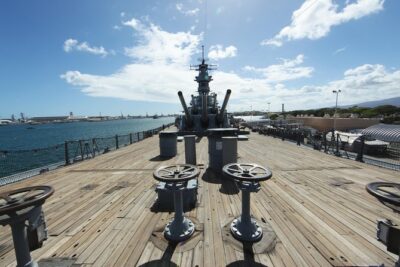
Pearl Harbor History Remembered Tour from Ko Olina
Read our review →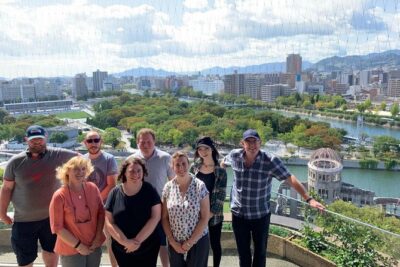
Hiroshima Peace (Heiwa) Walking Tour at World Heritage Sites
Read our review →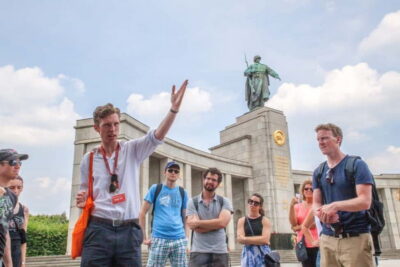
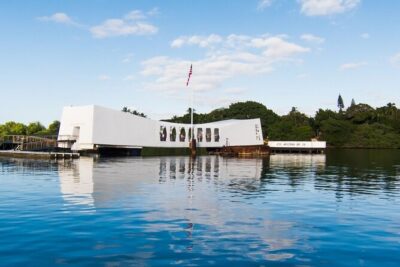
Pearl Harbor & USS Arizona Small-Group Tour [Early Access]
Read our review →
Anne Frank and the Jewish History of Amsterdam Private Tour
Read our review →