
Review · NORWAY HISTORY TOURS
Longyearbyen: Historic Coal Mine Tour at Gruve 3
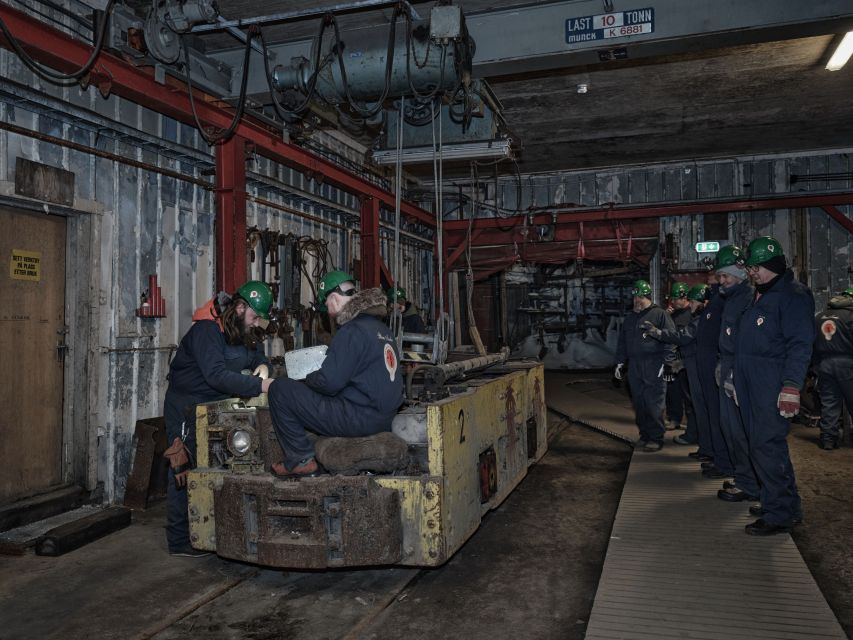
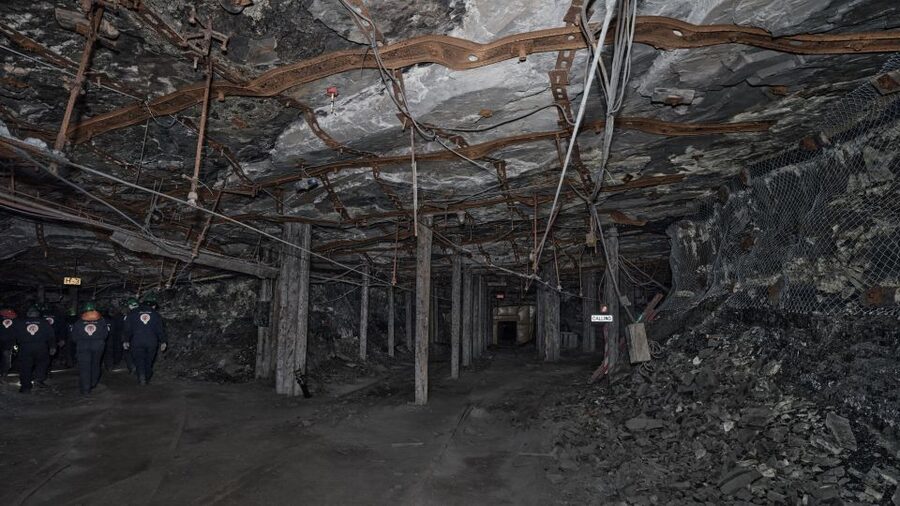
Gruve 3 gives you a blunt, physical look at how Longyearbyen was built: you walk into the mine itself, then squeeze into a production tunnel only about 60 centimeters high. The old machinery, rough rails, timber supports, and helmet lamps make mining feel like hard work rather than a tidy museum display.
I like the mix of practical details and human stories, especially when guides such as Anders, Camilla, Caroline, and Michael explain what daily work was like. I also like the stop outside the Global Seed Vault, because Mine 3 helped inspire Svalbard’s first seed storage project. The drawback is simple: uneven ground, low tunnels, and tight spaces make this a poor choice if you have mobility limits or claustrophobia.
Key points at a glance
- Nearly 800 meters underground: Walk through the old main tunnel and enter three side tunnels.
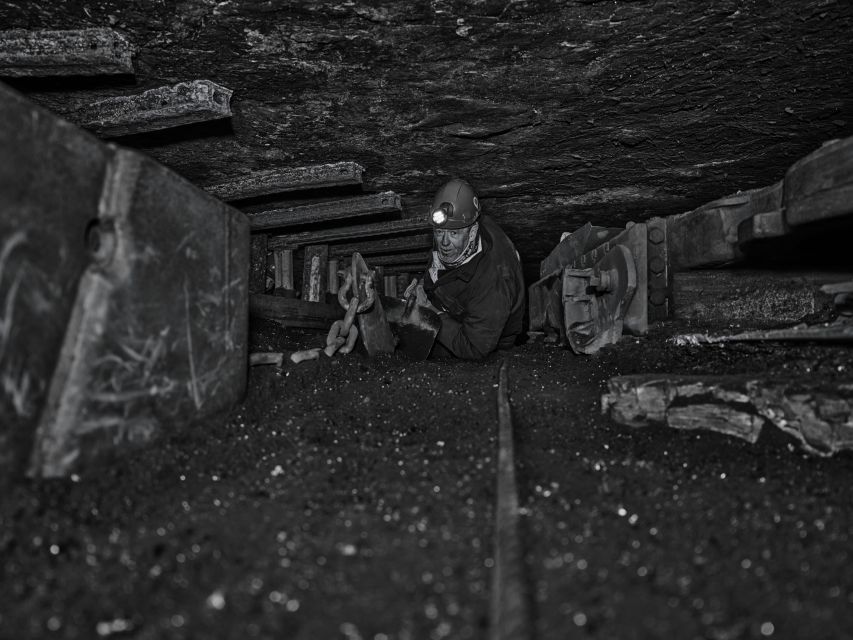
- A real production tunnel: Put on a miner’s overall and crawl through a space about 60 centimeters high.
- Mining and seed storage together: Pass the Global Seed Vault and learn how Mine 3 helped inspire Svalbard’s first seed bank.
- Strong local guiding: Guides including Anders, Camilla, Caroline, Michael, and Sophie have received especially warm praise for their stories and humor.
- Three hours from hotel to hotel: Pickup and drop-off are included at selected Longyearbyen locations.
- Dress for the cold: The mine stays chilly, and the floor can be rough and uneven.
Why Gruve 3 explains Longyearbyen better than a standard museum
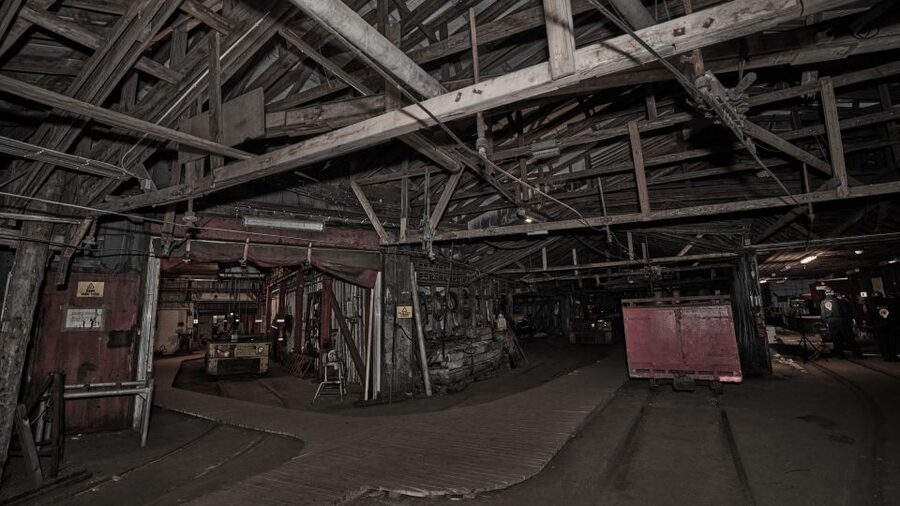
Longyearbyen can seem like a small Arctic outpost built around tourism, science, and polar expeditions. But coal mining is the reason the settlement exists in its present form. Gruve 3 lets you see that story where it happened, underground, in the working spaces left behind when the mine closed in 1996.
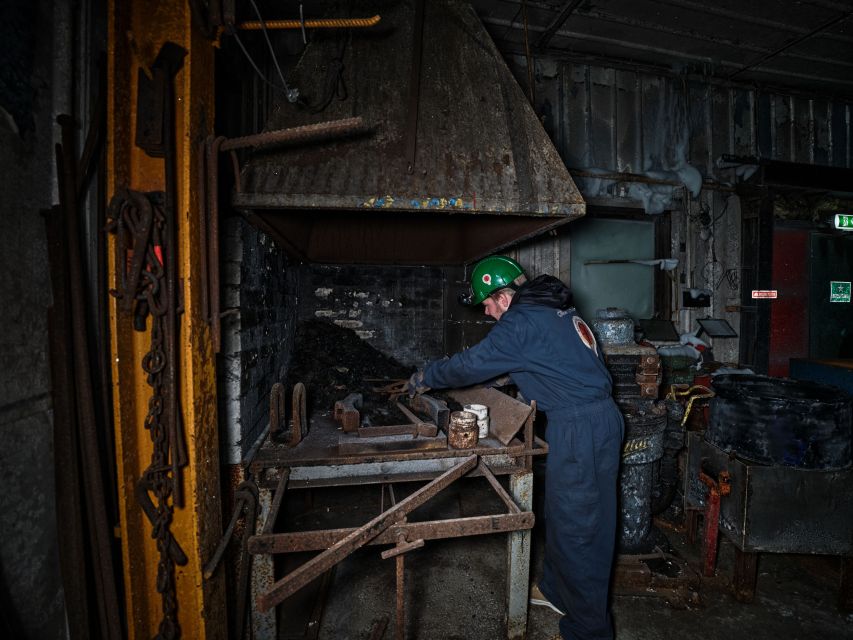
This is not a polished attraction with reconstructed rooms and neatly labeled displays at every turn. You walk through workshops where machinery and tools were left in place. The equipment gives you a better sense of the scale and strain of the job than a few photographs could manage.
The guide supplies the missing pieces. You hear why men came north around a century ago, how coal shaped the town, and how miners worked seams that were too thin for comfortable movement. The best guides use the mine itself as their teaching aid, pointing to supports, rails, machines, and the rock around you.
The tour has earned a 4.8 rating from 401 reviews, with repeated praise for the guides’ warmth, humor, and command of the subject. That matters here. A mine can be quiet and visually spare, so the quality of the explanation makes a major difference.
More History Tours in the world:
- New York City: American Museum of Natural History Ticket
★ 4.5 · 15,447 reviews - History and Hauntings of Salem Guided Walking Tour
★ 5.0 · 14,564 reviews - Colosseum: Underground and Ancient Rome Tour
★ 4.7 · 12,691 reviews
Pickup in Longyearbyen and the short ride to Mine 3
Your three-hour outing begins with pickup at a selected hotel, guesthouse, harbor stop, or tourist information point. Options include Svalbard Hotell Polfareren, Funken, Gjestehuset 102, Basecamp Hotel, the Longyearbyen harbor, Radisson Blu Polar Hotel, Svalbard Hotell The Vault, Svalbard Turistinformasjon, Coal Miners’ Cabin, and Mary-Ann’s Polarrigg.
Choose the pickup point carefully when booking. The guide looks for you outside or just inside the main entrance, and the tour requires a specific meeting location. This is a small but important detail in Longyearbyen, where several accommodations and public stops are spread around town.
The drive to Mine 3 is short, but it adds useful context. You pass the Global Seed Vault, the famous secure storehouse for seeds from around the world. The vault itself is not the main stop on this tour, but the guide explains its connection to Mine 3.
Svalbard’s first seed bank opened in Mine 3 in 1984. The idea was straightforward and perfectly suited to the Arctic: seeds could be stored in permafrost without constant electricity. That earlier project helped lead to the modern Global Seed Vault nearby.
This connection gives the ride more weight. You are not simply passing a famous building for a photograph. You are seeing how an old coal mine became part of a newer story about food security and scientific storage.
Maps, models, and the story of thin-seam mining
Inside the facility, you begin with maps of Longyearbyen and Svalbard. This helps you place the mine in the wider setting before going underground. You also see a model showing how coal was extracted at Mine 3.
Gruve 3 was the last mine in Longyearbyen where thin-seam production was used. In plain terms, miners worked coal seams that offered little room to stand or move. The model helps show how the method worked, while the later crawl lets you feel the practical problem in your own shoulders, knees, and back.
The guide explains why people settled in this remote place and what coal meant to the town. Mining in Svalbard was not only a matter of extracting fuel. It created jobs, housing, transport, and a reason for a permanent community to remain in one of the world’s most demanding environments.
The early briefing is worth paying attention to. It gives you the basic terms and layout before the darker underground sections begin. Several people have singled out this short talk as a good way to get oriented without being buried under too much technical detail.
The workshops still show the mine’s working life
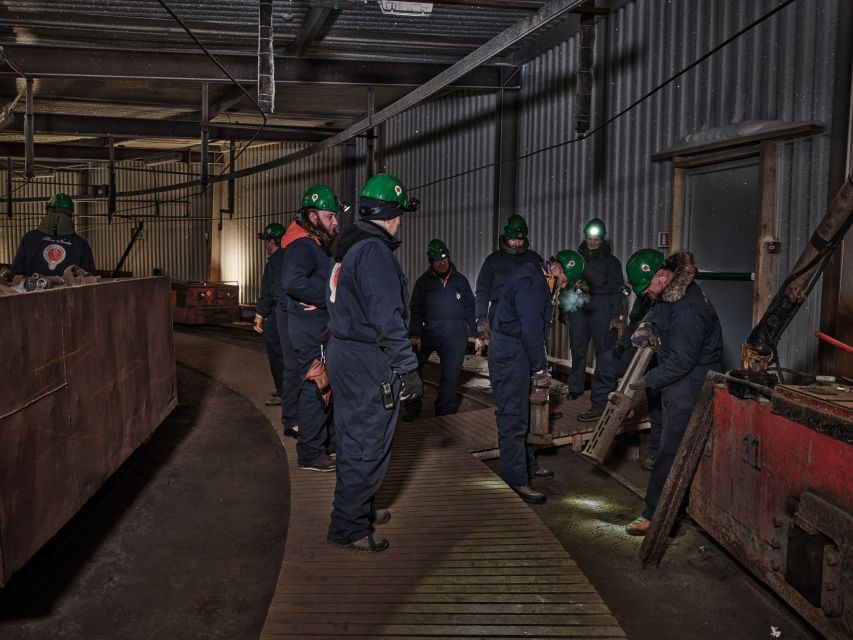
The workshop section is one of the most effective parts of the visit. Tools, machinery, and equipment remain from the period before the mine closed in 1996. You can examine the practical side of the job rather than only hearing about it.
The equipment is old-fashioned by current standards, but it does not feel like a collection of random objects. The guide connects each item to the work it supported. You begin to understand how much depended on basic mechanical systems, careful support work, and the miners’ ability to function in darkness and cramped conditions.
You also see how the mine was organized. The workshops explain the preparation and maintenance behind the coal face. Mining was not just a matter of swinging a pick or loading coal. Machines had to work, tunnels had to be supported, and workers had to move safely through a difficult underground setting.
The strongest guides add personal color. Camilla has been praised for bringing the miners’ stories to life, while Anders has been described as funny, engaging, and generous with information. Caroline has also been singled out for combining clear explanations with a friendly manner. Guide assignments can change, but the experience clearly depends heavily on who leads your group.
Same streets, a different century:
- Lisbon: History, Stories and Lifestyle Walking Tour
★ 4.8 · 10,902 reviews - London Small Group Tour of Historical Pubs
★ 5.0 · 10,422 reviews - Prague: Oldtown, Medieval Underground & Dungeon History Tour
★ 4.3 · 10,277 reviews - Charleston’s Old South Carriage Historic Horse & Carriage Tour
★ 5.0 · 10,023 reviews
Put on the overall, then try the production tunnel
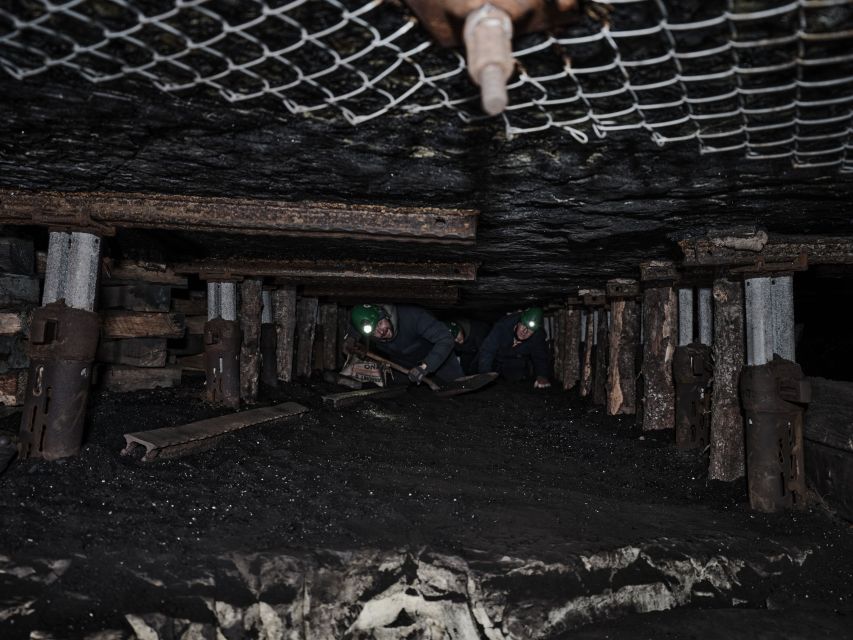
At some point, you put on a miner’s overall and get a more direct sense of the job. This is not a theatrical costume change. It prepares you for the low, dirty, physical nature of the production section.
The optional crawl is the tour’s most memorable challenge. The tunnel is about 60 centimeters high, so you move on hands and knees or in another low position. It is short enough to be manageable for many people who are comfortable in tight places, but it is not a casual walk.
You do not have to crawl if you do not want to. That choice is useful, since the main walking route already offers plenty to see. Still, trying it changes how you understand the miners’ work. A few minutes in a narrow passage makes the old descriptions of long shifts much more concrete.
This is also the clearest reason to think about your physical ability before booking. The mine has uneven flooring, ties, and rough ground. One older visitor found the walking difficult, and that is a fair warning. The attraction is safe for its intended use, but it is not smooth, level, or wheelchair accessible.
Almost 800 meters into the main tunnel
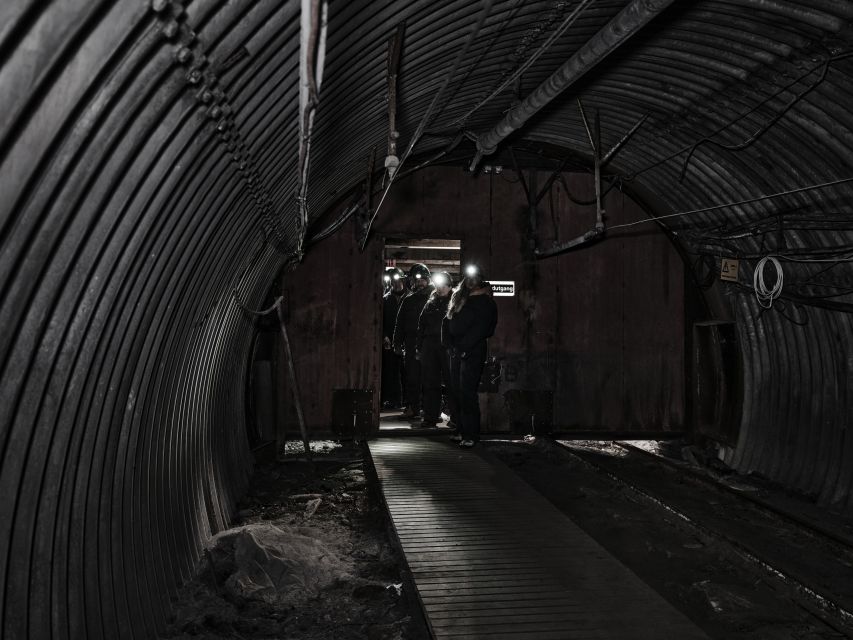
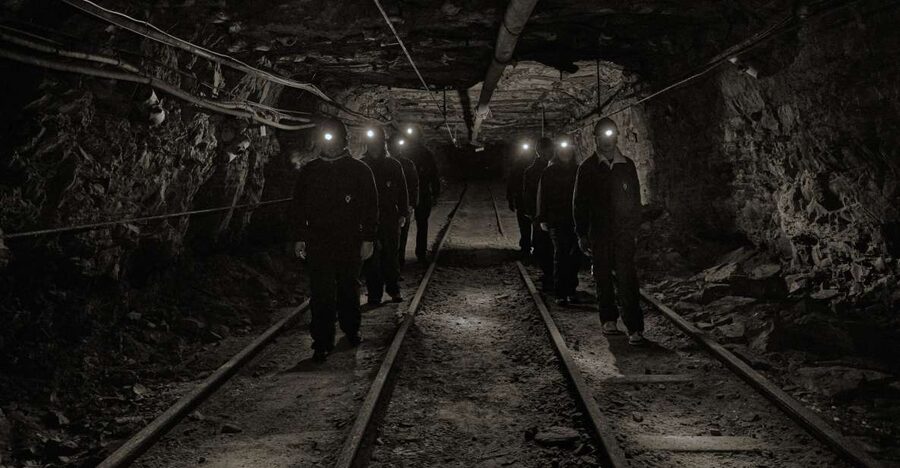
The final underground section takes you nearly 800 meters into the mine. You walk through the main tunnel, excavated in the 1970s, and enter three separate side tunnels.
Helmet and headlamp are included. The limited light is part of the experience, since you rely on the lamp on your helmet rather than bright overhead lighting. That makes the space feel closer to a working mine, although the guide remains with the group and the tour is arranged for safe public access.
The walking itself is not a fast march. You stop for explanations and look at the tunnel structure, equipment, and evidence of the work. Expect an active walk rather than a conventional indoor museum visit.
The mine is cold underground, even in summer. Bring warm clothing, as several people have found the temperature sharper than expected. Good shoes are also sensible because the floor is uneven, though the supplied information specifically requires warm clothing rather than naming a particular type of footwear.
The combination of distance and darkness gives this part its value. You do not simply look at an entrance and then return to town. You move far enough inside to gain a physical sense of the mine’s scale, while the side tunnels reveal how the working areas branched away from the main route.
What the guides add to the experience
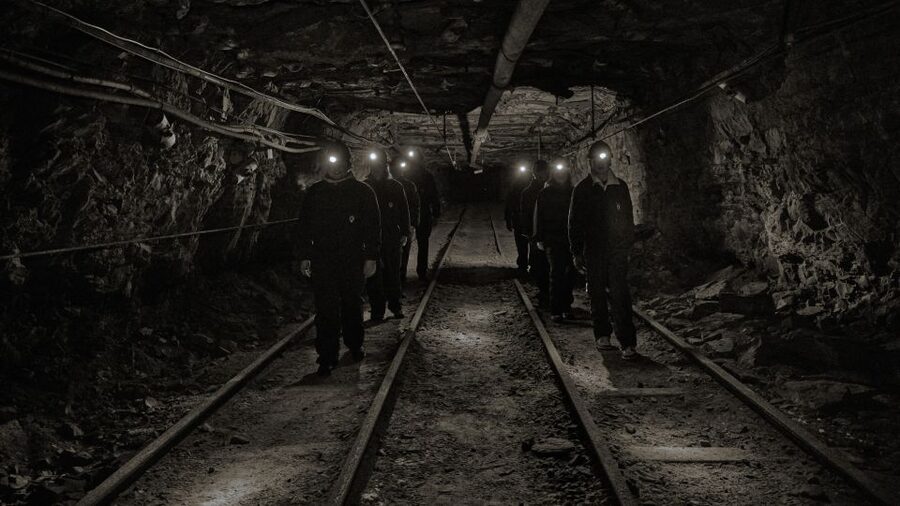
The subject can sound technical on paper, but the guide’s storytelling keeps it human. The most effective explanations connect mining methods to people: where workers stood, how they moved, what the conditions demanded, and why anyone chose to settle in Svalbard.
Guides have included Anders, Camilla, Caroline, Michael, Sophie, and others. Recent praise has focused on their ability to explain the mine without making the tour feel like a lecture. Humor helps too, especially in a cold, dark setting where three hours could otherwise feel heavy.
One guide, Camilla, has mining experience, according to the information shared about her tour. That sort of background can give the stories an added sense of authority, though guide availability is not guaranteed. The tour is offered in English, and Scandinavian-speaking guides may also lead some departures.
The guide is especially important because much of the mine’s meaning is not immediately obvious. A machine may look like a pile of metal until someone explains its purpose. A low tunnel may look like a cramped passage until you learn that this was the working height for miners dealing with a thin seam.
Is $120 a fair price?
At $120 per person, this is not a cheap quick stop. It is a three-hour experience that includes hotel pickup and drop-off, transport, a live guide, helmet, headlamp, and access to the historic mine.
I think the price is reasonable for Longyearbyen if you value local history and hands-on experiences. Transport alone is useful in an Arctic settlement, and the tour gives you much more than a short look at mining equipment. You receive the town’s backstory, a visit to a mine that shaped its development, and a physical walk through the old workings.
The value is strongest if this is your first visit to Svalbard. The tour helps explain why Longyearbyen exists and connects coal mining with the Global Seed Vault and newer forms of Arctic storage. It also fills a few hours in a way that does not depend on wildlife sightings or weather conditions outside.
The price is harder to justify if you dislike confined spaces, struggle with uneven walking, or are mainly looking for scenery. This is a history and industrial heritage tour, not a mountain excursion. The views are limited once you are inside, and the experience asks you to listen, walk, and occasionally crawl.
You can reserve now and pay later, and cancellation is free up to 24 hours before the start time. Those terms help if your Svalbard plans depend on changing conditions, though you still need to check the available departure time and select your pickup point.
Who should book this mine tour?
I would put Gruve 3 high on the list for anyone interested in industrial history, Arctic settlement, engineering, or the everyday lives of workers in extreme places. It also suits solo visitors and groups because the guide provides a clear structure and plenty of conversation.
It is a good choice after visiting Longyearbyen’s other attractions because it supplies the background that makes the town easier to understand. If you have already seen the Global Seed Vault from the outside, Mine 3 gives you an older and more surprising part of that story.
Parents should consider the low tunnel and uneven floor before booking for children, since the supplied information does not specify a minimum age. People with mobility impairments, wheelchair users, and anyone with claustrophobia should choose another activity.
The tour does not include food or drink, so plan around your three-hour outing. Alcohol and drugs are not allowed. Most importantly, dress warmly. The mine stays cold, and the underground sections can feel much colder than the weather in town.
My verdict on Gruve 3
Book this if you want to understand Longyearbyen beyond its polar scenery. The mine gives you machinery, darkness, old tunnels, and a low crawl, but its real strength is the way the guide ties those details to the people who built their lives around coal.
I especially like the mix of history and physical experience. You hear about thin-seam mining, then try to move through a space that shows what the term really meant. You pass the seed vault, then learn that Mine 3 played an earlier role in storing seeds in permafrost.
Skip it if tight spaces or rough walking will spoil the day. For most other visitors, the three hours and $120 make sense, particularly if you want a distinctly Svalbard experience that remains available regardless of wildlife or outdoor conditions.
FAQ
Where does the Gruve 3 tour take place?
The tour takes place at Coal Mine 3, also called Gruve 3, outside Longyearbyen.
How long does the activity last?
The full activity lasts three hours. The guided mine visit itself is listed as approximately two and a half hours.
Is hotel pickup included?
Yes. Pickup and drop-off are included at selected hotels, guesthouses, the Longyearbyen harbor, and other listed town locations.
Which pickup locations are available?
Pickup options include Svalbard Hotell Polfareren, Funken, Gjestehuset 102, Basecamp Hotel, Longyearbyen harbor, Radisson Blu Polar Hotel, Svalbard Hotell The Vault, Svalbard Turistinformasjon, Coal Miners’ Cabin, and Mary-Ann’s Polarrigg.
What should I wear?
Bring warm clothing. The mine is cold underground, and the walking route has uneven ground.
Will I need to crawl?
The tour includes an optional crawl into an old production tunnel about 60 centimeters high. You can choose not to take part in that section.
Is the tour suitable for wheelchair users?
No. The tour is not suitable for wheelchair users or people with mobility impairments.
Is the mine suitable for people with claustrophobia?
No. The tour is not recommended for people with claustrophobia because it includes narrow, enclosed tunnels.
What equipment is supplied?
A helmet and headlamp are supplied for safety during the mine visit. A miner’s overall is also available for the production tunnel experience.
Is food included?
No. Food and drink are not included, so plan to eat before or after the tour.
What language is the tour offered in?
The live tour guide speaks English. Scandinavian-speaking guides may also be available.
Can I cancel the booking?
You can cancel up to 24 hours in advance for a full refund. Reserve now and pay later is also available.
Newest history tours we have reviewed in the world
- Bilbao Historical Tour in small group★ 4.7 · 52 reviews
- Bologna: Street Food Tour in the Historic Center★ 4.8 · 125 reviews
- CEBU: Cebu City Heritage and Uphill Guided Tour★ 4.2 · 31 reviews
- Bishkek : City Tour (History, Architects, Statues & Culture)★ 4.9 · 54 reviews
- Blenheim: Omaka Aviation Heritage Centre Admission Ticket★ 4.9 · 31 reviews
- Berlin: Nazi History Walking Tour★ 4.8 · 33 reviews
- Best of Baku: 4-Hour City Tour Historic and Modern Landmarks★ 4.7 · 63 reviews
- Belfast: Best of Belfast History, Culture & Art Walking Tour★ 4.9 · 158 reviews
Norway History Tours, compared.
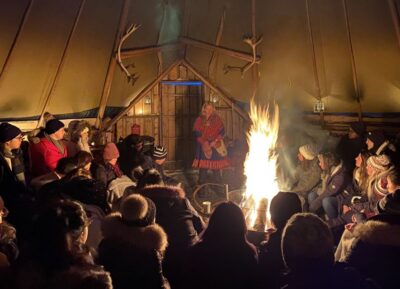
Tromsø: Reindeer Camp and Sami Cultural Tour with Lunch
Read our review →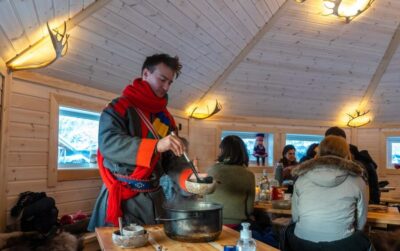
Tromsø: Sámi Reindeer Sledding and Sami Cultural Tour
Read our review →
Oslo: Historic Myths & Legends Evening Walking Tour
Read our review →
Bergen: Sightseeing Cruise of Bergen’s Historic Landmarks
Read our review →
Browse the lists this tour appears in