
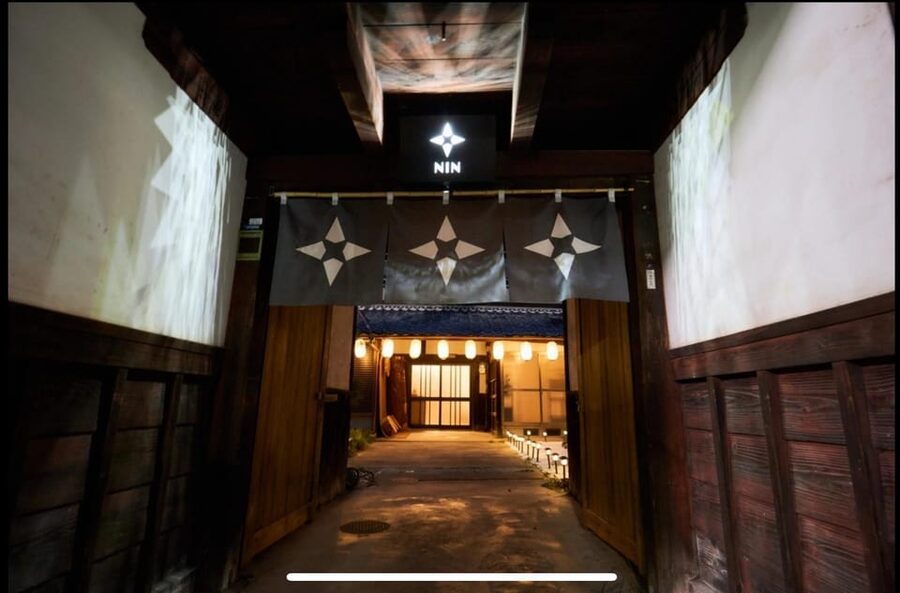
Review · KYOTO HISTORY TOURS
Kyoto: Ninja Weapon Forging Experience
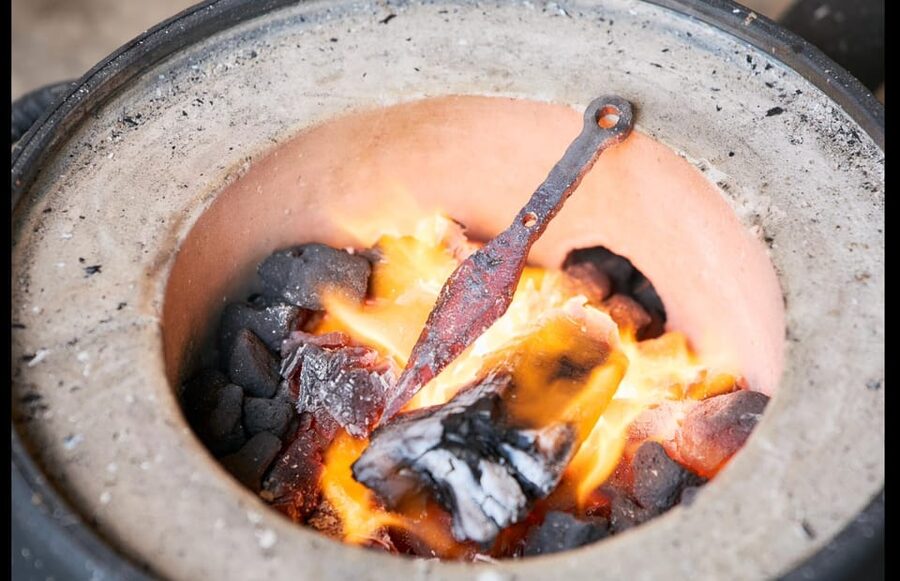
The hot steel is the star here. You watch it glow in an 800°C furnace, then take a hammer to it under close guidance as sparks fly. This is not a quick photo stop. You make several real choices, from the type of shuriken to the kanji engraved on its surface, and leave with a boxed piece you worked on yourself.
I like the hands-on sequence, especially the shift from rough metal to a clean, darkened finish. I also like the friendly English-speaking team, with Taka often leading the session and Mits, Ako, Yok, and others helping at each stage. The main drawback is the price: $148 is a serious spend for a two-and-a-half-hour activity, and a kunai costs another ¥3,000.
Key points
- Hammer steel heated to 800°C: You take part in the forging rather than simply watching a demonstration.
- Choose your finished piece: Pick from three shuriken styles, or reserve the kunai option for an extra ¥3,000.
- Personal kanji engraving: Select a character that matters to you and have it engraved on the weapon.
- Traditional blacksmith clothing: Samue and a tenugui head wrap set the tone before the work begins.
- A practical Kyoto location: The studio is listed as a one-minute walk from Hieizanguchi Station, though you should expect a short uphill approach.
- Take-home souvenir: Your finished weapon goes into a beautiful box, but it must travel in checked luggage on a flight.
What this Kyoto forging class really offers
Kyoto has no shortage of tea ceremonies, shrine visits, and cooking lessons. This activity gives you something quite different: a chance to work with steel, tools, heat, and finishing techniques while learning about ninja culture.
You are not signing up for a full blacksmith apprenticeship. The class is designed for visitors, and the instructors guide each step closely. That is good news if you have never held a forging hammer. You still do enough yourself to feel the material change under your hands, without needing years of experience.
The experience lasts 150 minutes. That is long enough for the process to feel substantial, but short enough to fit into a busy Kyoto itinerary. I would reserve it for a day when you want a practical activity rather than another attraction where you mainly look and take pictures.
The rating is 4.8 from 478 reviews, and the strongest pattern is clear: people praise the staff, the amount of participation, the clear English instruction, and the satisfaction of taking home a personal object. One useful point comes through as well: some people would like more time at the forge. You should expect a guided workshop, not unlimited hammering.
Other history walks and heritage tours readers book in Japan:
- Kyoto: Fushimi Inari, Kinkakuji, Bamboo Grove 1 Day Bus Tour
★ 4.8 · 4,316 reviews - World Heritage Shirakawa-go and Experience Tours from Kanazawa
★ 5.0 · 4,049 reviews - Tokyo: Imperial Palace and Shogun Historical Walking Tour
★ 5.0 · 2,251 reviews
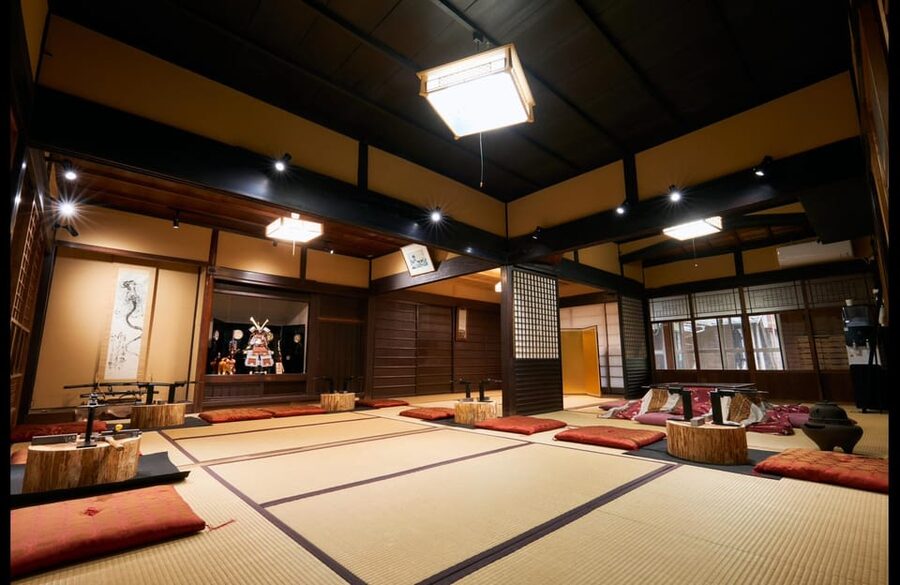
Dressing for the part at Studio NIN
The session starts with a change into samue, the simple work clothes traditionally associated with Japanese craftspeople. A tenugui, or Japanese hand towel, is wrapped around your head as a head covering.
This may sound like a small theatrical touch, but it serves a purpose. The clothing helps shift the mood from sightseeing to workshop. It also makes for good photographs, especially once you are standing beside the furnace with a hammer in hand.
The studio team can take photos and videos of your work, and you should bring a phone or camera if you want your own record of the process. The furnace scene is particularly photogenic. Ask before stepping close to hot equipment, and follow the staff’s instructions about where to stand.
The atmosphere appears friendly rather than stern. Taka is often singled out for his energy and humor, while Mits, Ako, Yok, and other team members help with individual steps. English is used throughout, and the staff explain the process before you try it.
Choosing between a shuriken and a kunai
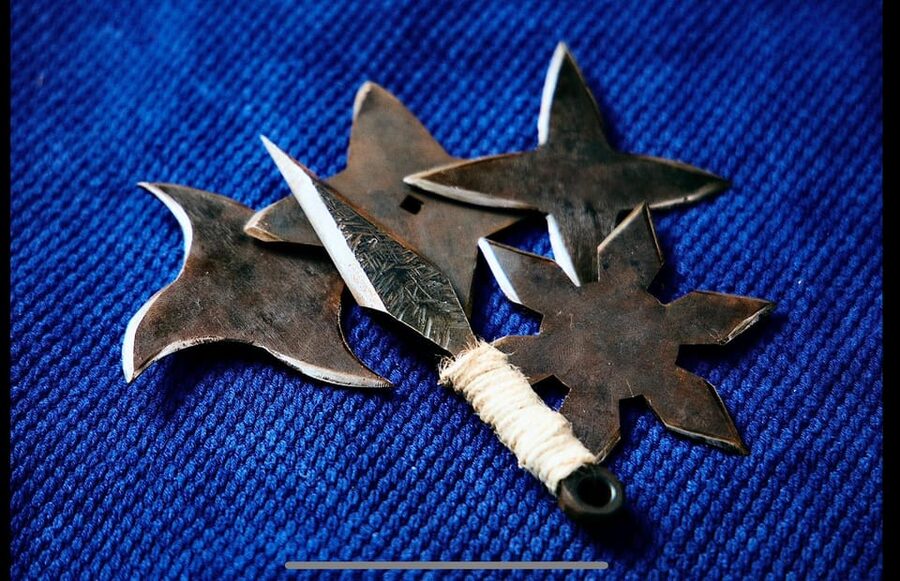
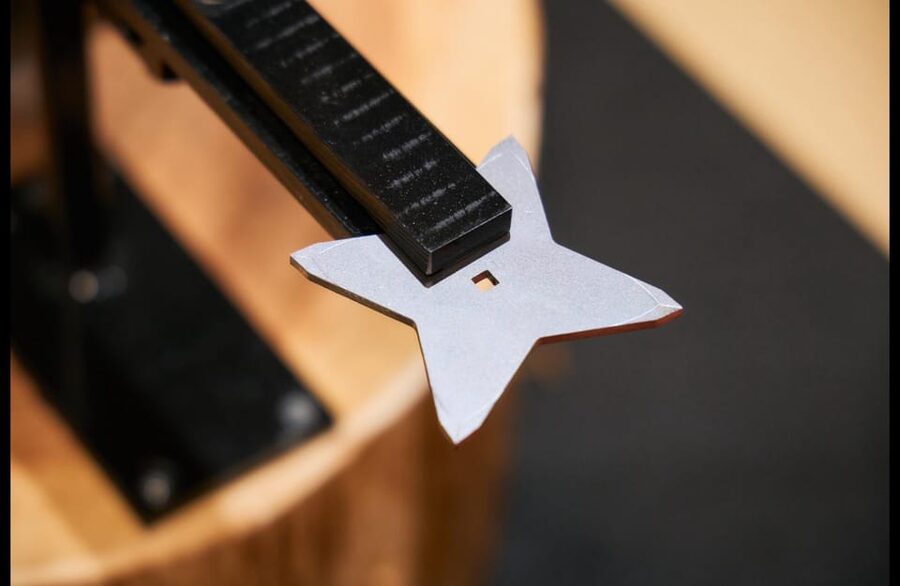
You choose your weapon early. The included options are three distinct shuriken styles. A kunai is also available, but you must select the Kunai option when booking and pay an additional ¥3,000 for processing and materials.
The shuriken options give you some choice without making the decision complicated. Each style has a different shape and character, so look closely before committing. If you want the kunai, do not assume you can simply change your mind at the studio. The booking information specifically says to select that option in advance.
The finished item is made from real steel. That gives the class more weight than a costume prop session, but it also brings practical baggage. You are making a metal weapon for display and collection, not a toy. The class does not include a chance to test or throw it, and you should handle and store it responsibly.
Replica swords are sold separately at the studio. They are not part of the $148 price, so budget for them only if you genuinely want another souvenir.
Heating, hammering, and shaping the steel
The most memorable stage begins at the furnace. The steel is heated to about 800°C, producing the orange glow that makes this feel like a working forge rather than a craft table.
Under instruction, you strike the hot metal with a hammer. Sparks may appear, and the shape changes with each blow. You will not be left to guess what to do. The team demonstrates the movement and steps in when you need help.
I like this section because it gives you a direct sense of cause and effect. You hit the metal, then see an alteration. It is a simple lesson in force, heat, and patience, and you do not need prior experience to appreciate it.
At the same time, keep your expectations realistic. The class is built around safety and a smooth visitor experience, so the instructors control the work closely. Some of your piece may already have a basic form, and the amount of individual hammering can vary with the pace of the group. If your dream is to shape a blade from a completely raw bar of steel, this is not that kind of course.
For most people, the balance is sensible. You get the thrill of the furnace and the hammer without having to master a dangerous process in one afternoon.
Same streets, a different century:
- World Heritage Kyoto & Nara Uji Authentic Matcha Experience
★ 5.0 · 1,573 reviews - Kyoto Gion: 2-Hour Geisha Culture & History Walking Tour
★ 5.0 · 1,186 reviews - Tokyo Castle & Imperial PalaceーShogun Walking Tour
★ 4.7 · 1,068 reviews - Kanazawa: World Heritage Shirakawa-go Morning Guided Tour
★ 4.9 · 988 reviews
Refining the form with a belt sander
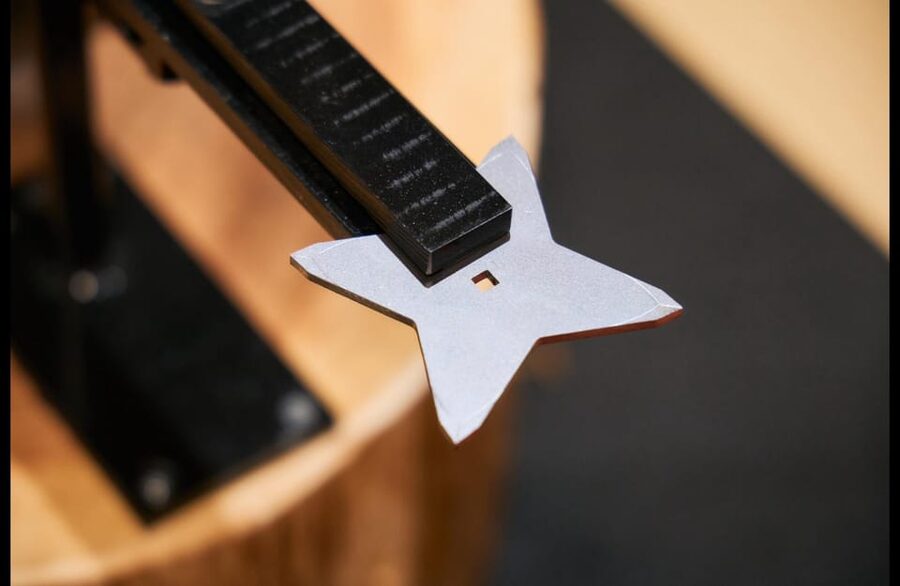
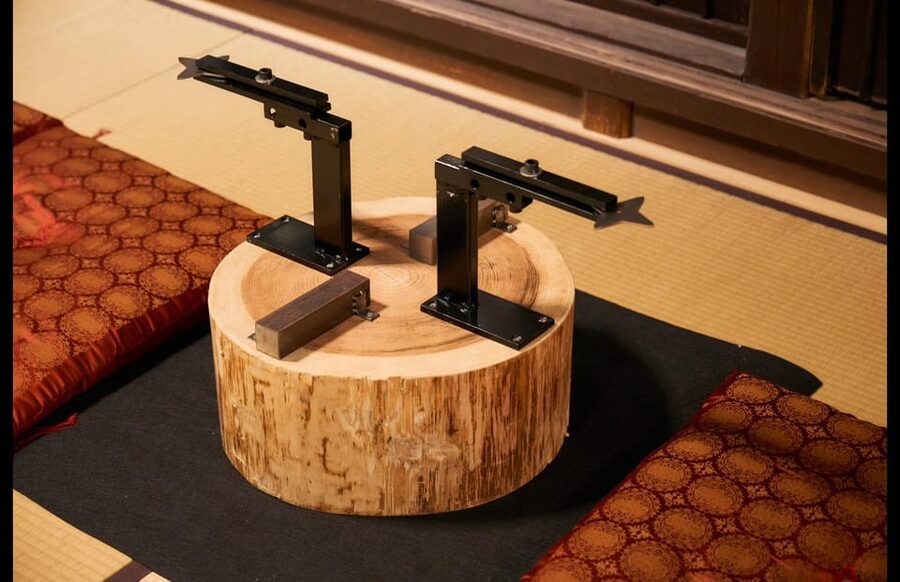
After the heated metal has taken shape, you move to a professional belt sander. This is where rough edges become cleaner lines and the shuriken or kunai begins to look like a finished object.
The sanding stage often gives you a stronger feeling of progress than the first hammering. The forge creates the shape, but sanding reveals it. You can see the edges become more precise and decide how much refinement you want under the instructor’s direction.
This is also a stage where patience matters. You are not simply pressing a button and receiving a finished souvenir. The staff guide you through the tool, and you take part in smoothing and sharpening the piece. A parent accompanying a child should pay close attention here, even though the class is described as safe and families with children have enjoyed it.
The final sharpness can be part of your personal choice. One participant chose a relatively dull finish so the shuriken could be taken into a classroom. That example is useful: tell the staff what you intend to do with your piece, rather than assuming every item must have the same edge.
Adding a kanji character of your choice
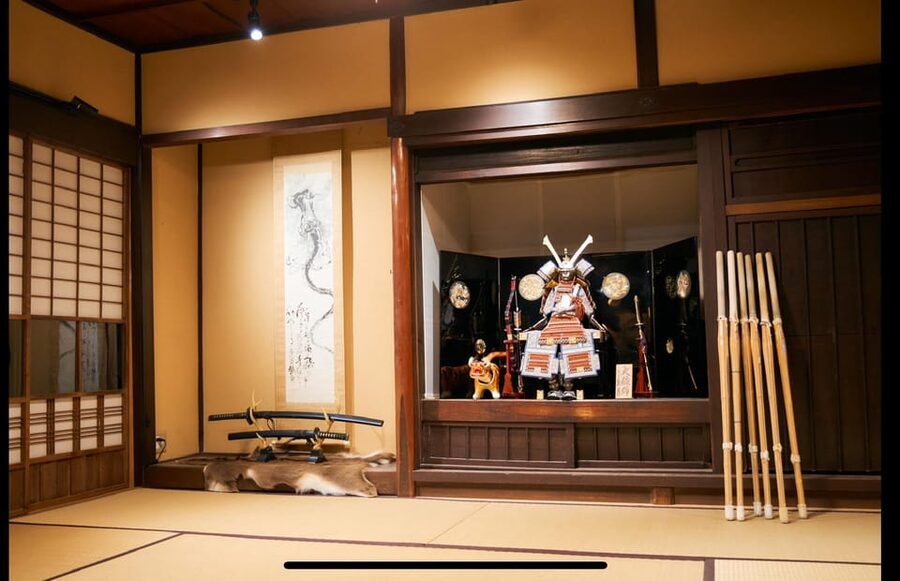
The kanji engraving is one of the best personal touches. You choose a character that inspires you, and a staff member engraves it onto the steel.
This step turns the piece from a general ninja souvenir into something connected to you. Think about your choice before the session, but do not feel pressured to choose something elaborate. A character linked to strength, courage, peace, family, or a personal goal can make the finished item more meaningful.
The engraving is handled by the staff, not by you with a hand tool. That is a sensible arrangement because clean lettering requires precision. Yok is praised specifically for engraving, and the team helps you through the choice and placement.
If you are making several weapons with friends or family, choosing different kanji makes it easier to tell them apart later. It also gives everyone a small creative decision within a tightly guided process.
Learning about ninja culture between the tools
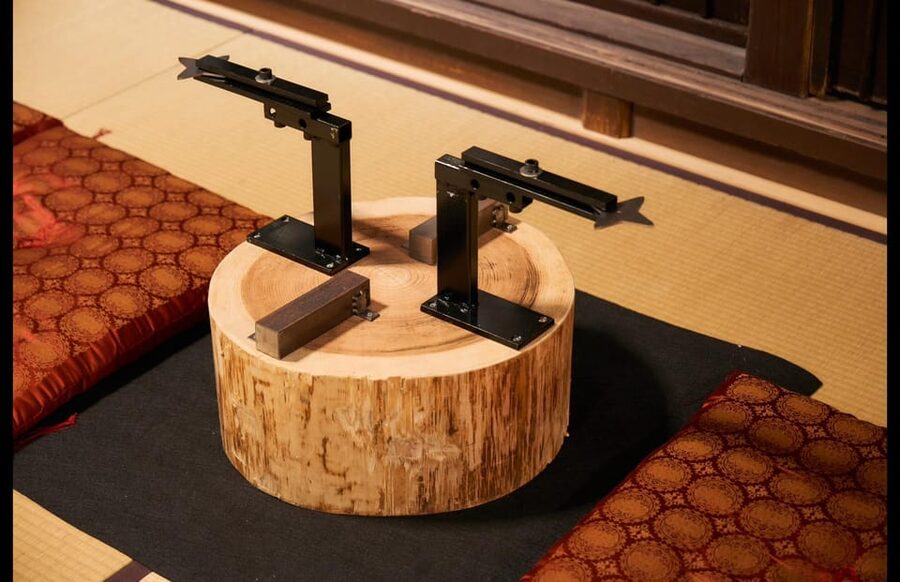
The history session adds useful context to the workshop. You learn about ninja traditions, symbolism, and techniques connected with the weapons.
Do not expect a university lecture. The information is designed to fit naturally into the work, with explanations given as the group moves from one stage to the next. The friendly presentation is part of the appeal. Taka is often described as energetic and engaging, and the other instructors help keep the teaching moving.
This matters because the object otherwise risks becoming just a cool metal souvenir. Learning why the weapon has its particular form, and how it fits into popular ideas about the ninja, gives the craft a cultural frame.
The class uses the word ninja in its presentation, but you should also keep a little distance from movie-style expectations. You are learning about historical ideas and traditional techniques through a modern visitor workshop. The result is meaningful as a handmade keepsake, but it is not a field lesson in actual covert operations.
Blackening, polishing, and the finished box
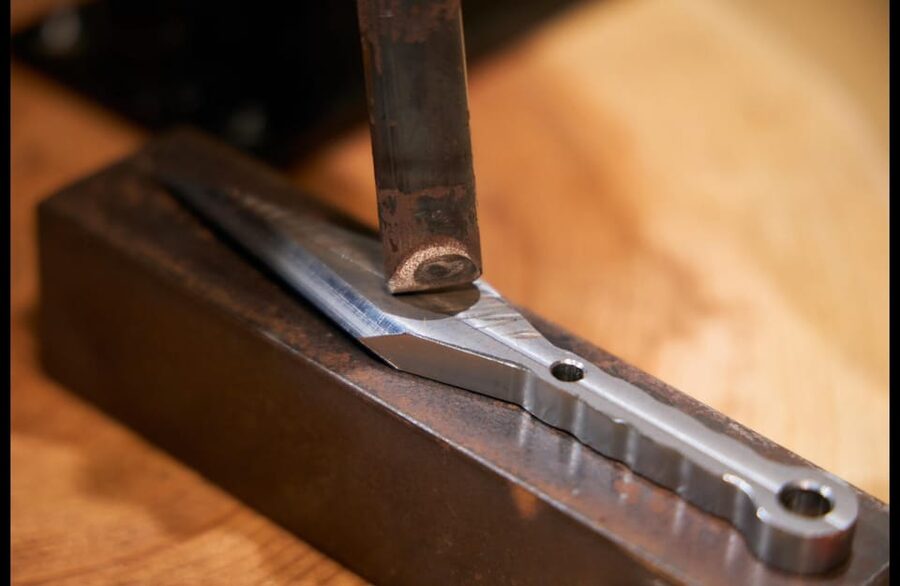
Once the shape and engraving are complete, a special solution darkens the steel and helps protect it from rust. This black finish gives the piece a dramatic look and makes the engraved kanji easier to appreciate.
You then polish the weapon. This final stage brings out selected areas of the metal and gives the object a more finished appearance. It is satisfying because you can compare the final piece with the rough steel from the start.
Your weapon is placed in a beautiful box to take home. That packaging matters when you are carrying a metal object through the rest of a Japan trip. It also makes the piece easier to display or give as a gift, although I would still protect the box inside your luggage.
The finished object may show small differences from one participant’s work to another. That is part of the point. This is not a factory-made souvenir with an identical result for every customer.
Getting there and planning your time
The meeting point is about a one-minute walk from Hieizanguchi Station. The directions say to go up the hill where a red postbox is in front of the station.
Pay attention to the uphill detail. One account describes a roughly 40-minute bus ride from central Kyoto, while another says a taxi was needed because public transport did not bring them close enough without a hill walk. The stated meeting point is very near the station, but the final approach is not completely flat or central-city convenient.
Allow extra time, especially if you are carrying luggage or visiting in the evening. The residential setting can feel peaceful, but it is not right beside Kyoto Station or the major downtown sights.
The activity takes 150 minutes, and your day may run longer if you factor in the ride to the studio and your return. I would not place it between two tightly timed temple visits. Give yourself a relaxed half-day window.
Is $148 a fair price?
At $148 per person, this is expensive compared with a short craft demonstration. The value depends on how much you want to participate.
The price includes the instructor, uniform, tools, weapon-making class, and the weapon you create. You also receive the kanji engraving, blackening, polishing, and boxed take-home piece as part of the process. Those inclusions make the price easier to justify than a simple photo session or souvenir purchase.
The kunai costs another ¥3,000. Replica swords are extra as well. I would decide on your spending limit before arriving because the studio offers additional purchase options.
For me, the strongest value is the time spent doing the work. You get a clear beginning, middle, and end: dress, heat, hammer, sand, engrave, darken, polish, and pack. If you want a rare hands-on memory and would otherwise buy an expensive ninja souvenir, the class can make sense. If you mainly want a low-cost activity, choose something else.
Who will enjoy this most?
This is a strong choice for families, couples, friends, and solo visitors who like making things. Children have taken part successfully, including an eight-year-old and teenagers, but adults should stay alert around the furnace and sanding tools.
I also think it suits solo visitors better than many group activities. The instructors work directly with participants, and one solo visitor even made friends during the session and later went for drinks with them. The team’s humor and encouragement help keep the mood open.
You should book it if you like Japanese craft, metalwork, ninja culture, or unusual souvenirs. It is also a good answer for a rainy Kyoto day, provided you are willing to spend much of the afternoon indoors.
It may not suit you if you dislike heat, noise, protective instructions, or guided group activities. You will not have total freedom over the design, and the forging section may feel shorter than expected if you want a long blacksmith session.
Practical details before you book
Cancellation is free up to 24 hours before the activity for a full refund, and you can reserve now and pay later. Starting times vary, so check availability when choosing a date.
The activity is conducted in English. The staff explain each stage and help when you need it, but this is still a practical class, so listen carefully before using the equipment.
Plan your flight packing in advance. The weapon can be taken home by air only in checked luggage, not in your carry-on. If you are traveling with only hand luggage, this detail alone may decide whether the activity works for you.
Should you book the Kyoto Ninja Weapon Forging Experience?
I would book it if you want one Kyoto activity that produces a personal object rather than another photograph. The furnace, the hammering, the kanji engraving, and the dark final finish give the afternoon a clear sense of purpose.
The cost and transport time are the main reservations. The workshop is not a complete traditional blacksmith course, and a kunai requires an added fee. But for families, craft-minded visitors, and anyone tired of passive sightseeing, the chance to make a real-steel shuriken or kunai with Taka and the Studio NIN team is unusually memorable.
Book the shuriken option for the included price, choose the kunai in advance if that is your preference, and leave room in your checked suitcase.
FAQ
How long does the Ninja Weapon Forging Experience last?
The experience lasts 150 minutes, or two and a half hours.
How much does the experience cost?
The listed price is $148 per person. Making a kunai costs an additional ¥3,000.
Which weapons can I make?
You can choose from three shuriken styles. You can also make a kunai if you select the Kunai option when booking and pay the additional fee.
Is the activity conducted in English?
Yes. The instructor language is English, and the staff guide you through the process in English.
What is included in the price?
The price includes the instructor, weapon-making class, uniform, tools, and the weapon you make to take home. The weapon is also placed in a box.
Where is the meeting point?
The studio is about a one-minute walk from Hieizanguchi Station. Go up the hill where the red postbox is located in front of the station.
Can I take the weapon home on a plane?
Yes, but it must go in checked luggage. It cannot be carried onto the plane in your carry-on luggage.
Can I cancel for a refund?
You can cancel up to 24 hours in advance for a full refund. Reserve now and pay later is also available.
Newest history tours we have reviewed in Japan
- Authentic Sapporo: Nijo Market Seafood Lunch & History Tour★ 4.8 · 20 reviews
- Asakusa: 3.5-hour Big-picture History Walk★ 4.7 · 39 reviews
- Asakusa: A Big-picture History Walk to Know Japan★ 4.6 · 77 reviews
- 2.5-Hour Nagoya Tour: Castle History, Local Food & City View★ 4.5 · 36 reviews
- 1-Day Tour from Nagoya: Hiking the Historic Nakasendo Trail★ 4.9 · 34 reviews
- Tokyo: Nikko World Heritage Private Day Trip Hotel Pick-up★ 4.8 · 145 reviews
- 2.5 Hour Private History and Culture Tour in Himeji Castle★ 5.0 · 185 reviews
- From Tokyo: Nikko World Heritage Sight Full Day Private Tour★ 4.9 · 127 reviews
Kyoto History Tours, compared.
Fushimi Inari, Kinkakuji, Bamboo Grove 1 Day Bus Tour
Read our review →
Kyoto Gion: 2-Hour Geisha Culture & History Walking Tour
Read our review →

Browse the lists this tour appears in