
Review · WARSAW HISTORY TOURS
Warsaw: Historic Private Tour in Retro Fiat
The most memorable part of this tour is the way Warsaw’s painful past comes into focus from the passenger seat of a 1980s Fiat 125p. You move between the reconstructed Old Town, Jewish ghetto remains, Praga’s surviving streets, and places tied to the Warsaw Uprising, with a guide explaining what changed and what disappeared.
I like the private format, which lets you ask questions and adjust the balance between walking and driving. I also like the personal touches: a Polish doughnut, a vodka shot, and photos sent afterward. The main consideration is space. Groups larger than four use a blue vintage minivan rather than the Fiat, and four hours can feel quick if you want long stops at every site.
Key points at a glance
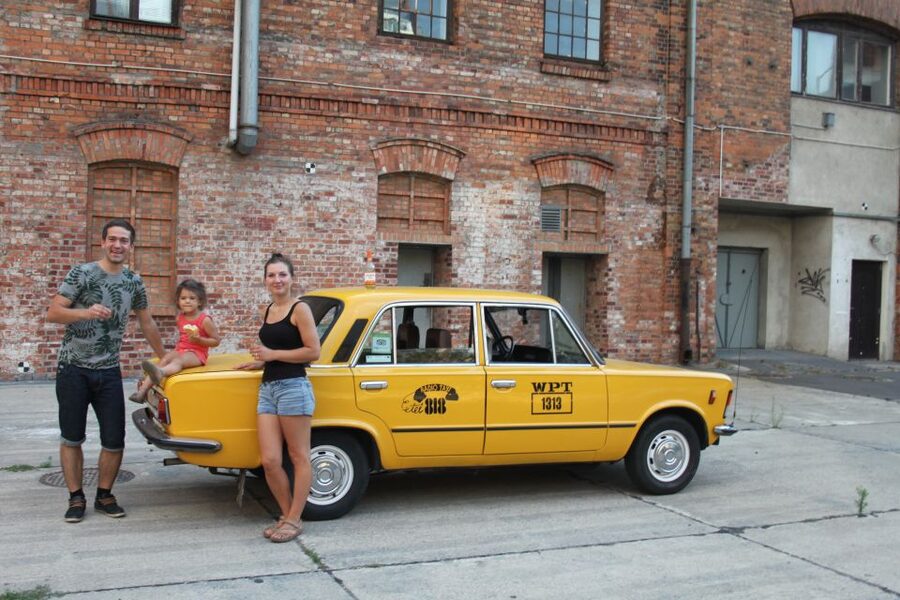
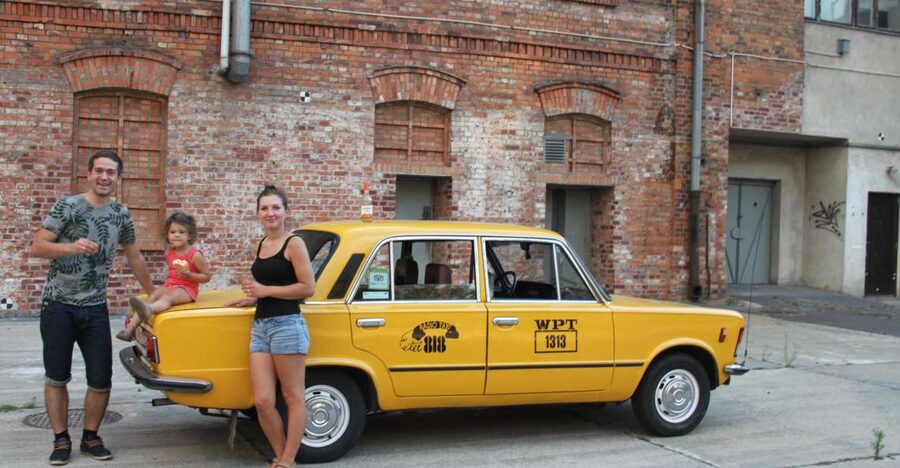
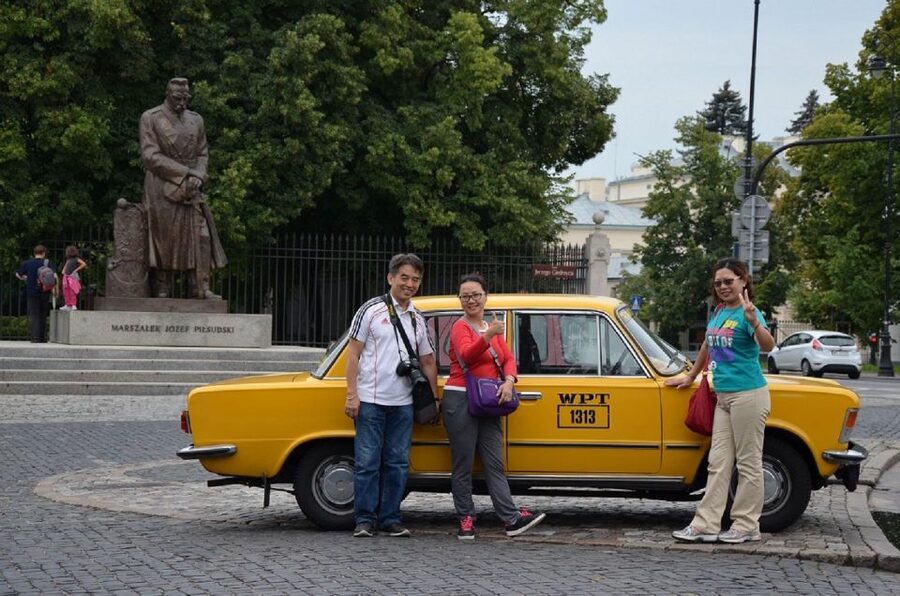
- The Fiat is part of the tour: You ride through Warsaw in a historic 1980s Polski Fiat 125p, an entertaining way to connect with the city’s Communist-era past.
- The route covers more than Old Town: You see Jewish ghetto remains, Praga, Warsaw Uprising sites, and areas rebuilt under Stalin’s rule.
- Praga adds a different side of Warsaw: Surviving buildings and a small Jewish shrine give this part of the tour a more personal feel.
- The guide shapes the day: Guides including Karol, Martin, Jakob, Olga, Pavel, and Jurek have been praised for clear English, humor, and strong local knowledge.
- Walking and driving are balanced: The tour can be adapted to suit your needs, but comfortable shoes are still important.
- Groups over four change vehicles: Larger parties ride in a blue vintage minivan, so check the photos if the Fiat is central to your plans.
Why a retro Fiat is a smart way to see Warsaw
Warsaw is a city where the distance between past and present can be hard to grasp on foot. One street may show carefully rebuilt historic façades, while another points to wartime destruction, postwar planning, or decades under Communist rule.
The Fiat helps make that contrast visible. It is not just transport between stops. The car places the tour in the period of 1980s Poland, when the country was still under Communist rule. You get a moving introduction to the city before stepping out to examine its streets and monuments.
A private car also saves time. Warsaw’s main sights are spread across several areas, and four hours is a useful block for seeing the broad outline of the city. You will not explore every museum or spend hours inside one attraction, but you can connect the major historical subjects without piecing together several taxis or public transport journeys.
This works especially well at the start of a Warsaw stay. You can use the tour to learn the city’s layout, then return later to the places that deserve more time.
More Private History Tours in Poland:
- Private Historical Walking Tour of York
★ 5.0 · 1,324 reviews - Private Guided Historic Electric Cart Tour of St. Augustine
★ 5.0 · 1,194 reviews - Istanbul: Acemoglu Historical Turkish Bath w/Private Options
★ 4.6 · 1,190 reviews
Old Town, rebuilt almost from the ground up
Warsaw’s Old Town is one of the essential stops, but it needs context. Much of what you see today was rebuilt after World War II. The colorful squares and historic-looking streets are not simply preserved by luck. They reflect a huge postwar effort to restore a city that had been devastated.
Your guide can help you read the Old Town beyond its pretty façades. You may hear how the wartime destruction affected the center, how the rebuilding took shape, and why the area matters so much to modern Warsaw.
The Old Town is also the part of the route most likely to feel familiar from photographs. That makes it a useful opening chapter, but not necessarily the most distinctive part of the tour. If you have already spent a full day walking there, tell your guide. The private setup lets you put more time into Praga, the ghetto remains, or Communist-era sites instead.
Several guides have been praised for using old photographs to show how locations looked before the war. That visual comparison is particularly useful in a city where restored buildings can make the destruction difficult to imagine.
The Jewish ghetto remains and Warsaw’s lost community
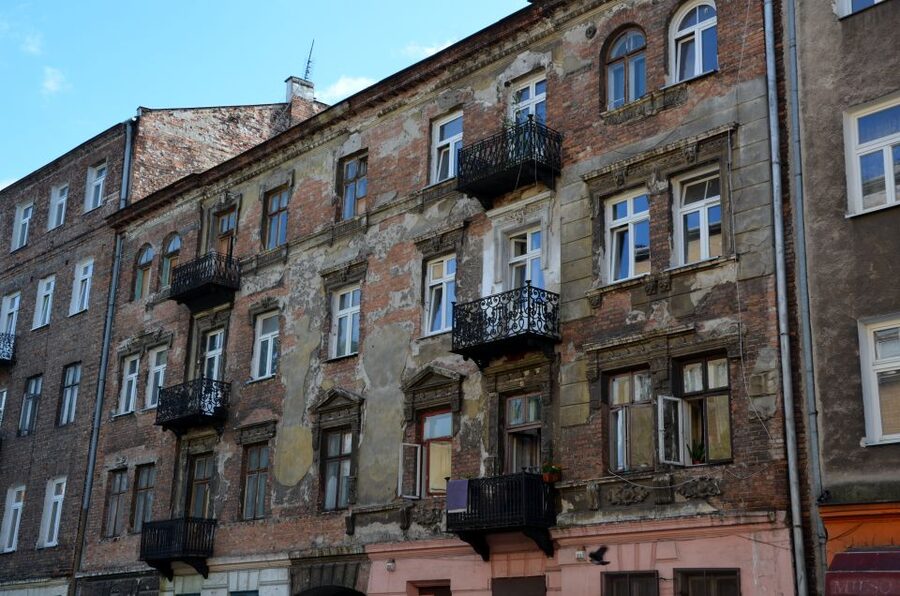
The tour then turns to the history of Warsaw’s Jewish community and the remnants of the former Jewish ghetto. This is the most solemn section of the route, and it deserves a slower pace and careful attention.
You will not be seeing a preserved medieval quarter. Much of the ghetto was destroyed, altered, or absorbed into later city development. The remaining traces therefore require explanation. A local guide can point out what survived, what vanished, and how the wartime story connects with the streets around you.
This section is valuable because it prevents Warsaw’s past from becoming a string of attractive buildings and dates. The ghetto history shows the human cost of occupation and the scale of the city’s wartime loss.
Expect some walking here. Comfortable shoes are listed as essential for good reason, and the tour is roughly half on foot and half in the car. You should also be ready for a serious mood. The vodka and doughnut come later as small Polish touches, but this part is about listening and looking closely.
Praga, surviving streets, and a small Jewish shrine
Praga lies on the eastern bank of the Vistula and gives you a different view of Warsaw. Compared with the carefully reconstructed Old Town, Praga is presented as a place where more of the prewar and postwar street character survived.
The most useful part of visiting Praga with a guide is knowing where to stop. One particularly memorable point is a secluded courtyard with a Jewish shrine. It is the sort of place you could easily miss without local direction, and it adds a quiet, personal detail to the larger story of Warsaw’s Jewish past.
Praga also helps explain why Warsaw cannot be understood through the Old Town alone. Its streets and older buildings offer a look at a side of the city that feels less polished and more layered. You might find the area more visually uneven than the rebuilt center, but that is part of its value.
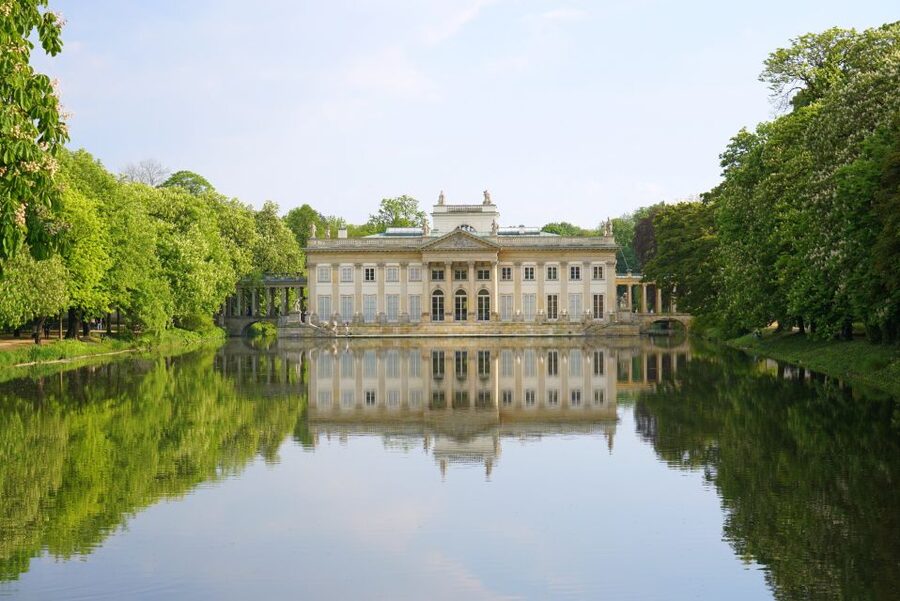
You can choose Praga instead of Łazienki Park if time is limited. Several visitors made that choice and visited the park independently later. The decision depends on your interests: choose Praga for urban history and surviving buildings, or save the tour time for Warsaw’s famous palace and park setting on another outing.
More History Tours in Poland:
- Gdansk: City Cruise on Historical Polish Boat
★ 4.8 · 2,913 reviews - Warsaw: POLIN Museum of the History of Polish Jews Ticket
★ 4.7 · 1,142 reviews - Gdańsk: Sunset Cruise on a Historic Polish Boat
★ 4.9 · 977 reviews - Gdańsk City Sights & History Guided Walking Tour in English
★ 4.8 · 876 reviews
The Warsaw Uprising and the cost of resistance
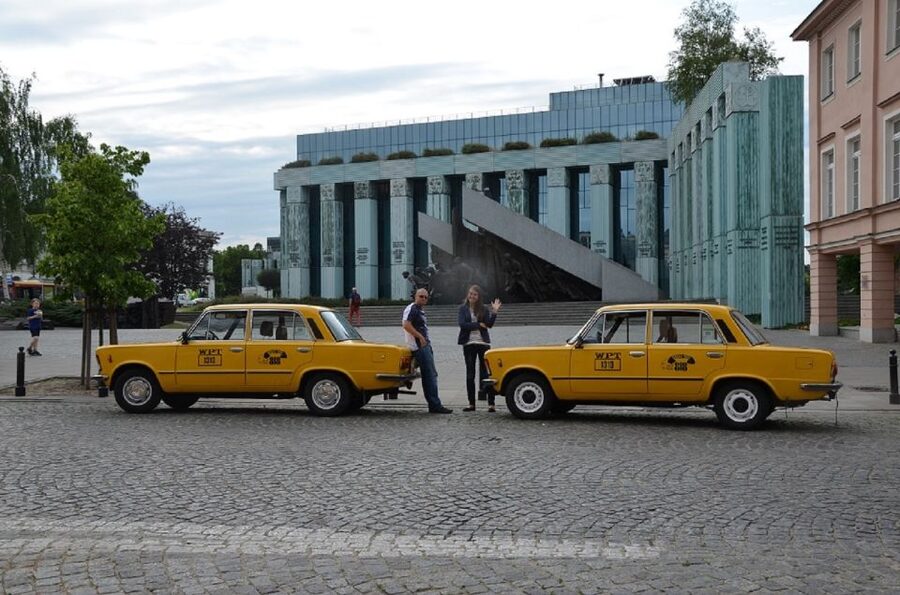
The route includes key places connected with the Warsaw Uprising, the major armed revolt by Polish civilians against German occupation during World War II.
This subject can be difficult to understand from a short visit. The uprising was not just one monument or one date. It affected neighborhoods, families, and the physical shape of the city. A guide can connect the locations you pass with the decisions and suffering behind them.
You should expect a mix of driving commentary and short walks rather than a long museum lecture. That format works well if you want an overview before deciding which museum or memorial deserves a separate visit.
The best guides add stories and local detail without turning the tour into a list of military facts. Pavel, Karol, Martin, Jakob, Olga, and Jurek have each been described as engaging and clear in English. Their role matters here because the subject needs more than a quick label on a street sign.
Stalin-era rebuilding and Communist Warsaw
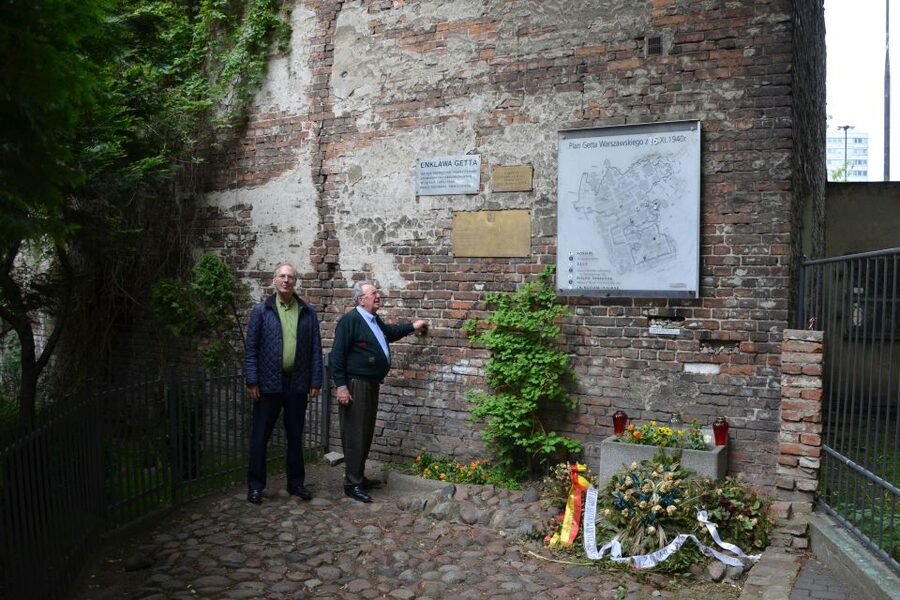
The final historical thread concerns the rebuilding of the Polish capital after its wartime destruction under Stalin’s regime. This part helps you understand why Warsaw can feel so different from other European capitals.
Postwar rebuilding was not only about restoring what had been lost. It also reflected the political system and planning ideas of the time. The tour uses the city itself to show how Warsaw changed under Communist rule, after the wartime destruction had left much of the capital in ruins.
The Fiat is a good match for this subject. Riding in a vehicle from the 1980s gives the Communist-era discussion a physical connection to everyday Polish life. It is a light, enjoyable detail, but it also helps the period feel less remote.
Do not expect a specialist architectural tour of every Communist building. The emphasis is on a broad city story: wartime destruction, postwar rebuilding, Soviet influence, and the Warsaw you see now. If you enjoy urban history, this may be one of the most useful parts of the four hours.
What the private format changes
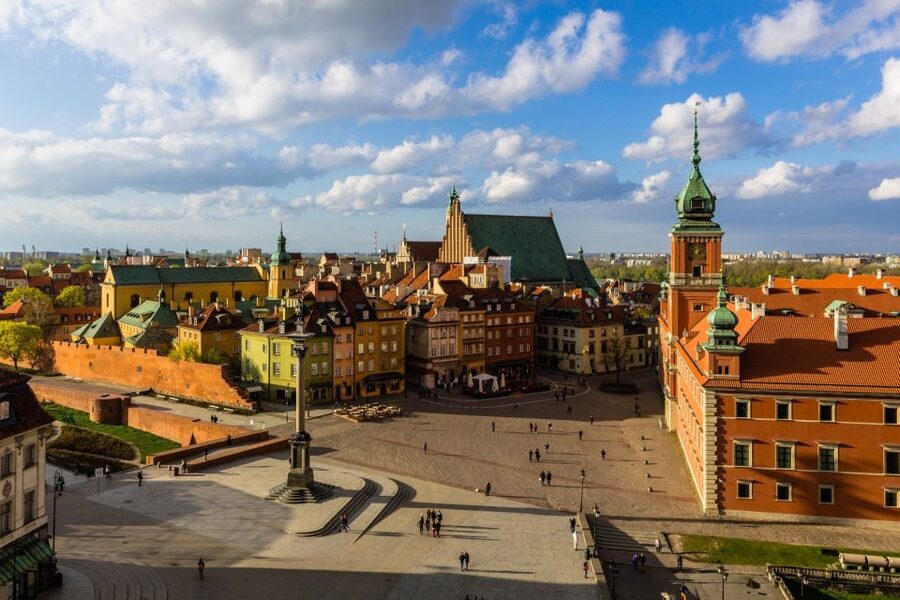
A private guide makes this more than a fixed sightseeing loop. You can ask for more detail about the Jewish ghetto, spend extra time in Praga, or adjust the walking portion if you need a slower pace.
The tour is listed as easily adaptable, although the route may change because of traffic. That matters in a large capital, where road conditions can affect how much time you spend at each stop. I would treat the advertised route as a strong framework, not a promise that every visit will follow the same order.
The English-language guiding has been a consistent strength. Jurek, Jakob, Karol, Martin, Pavel, and Olga are among the guides associated with particularly strong experiences. Specific guide assignments may change, so you should not book on the assumption that one named person will definitely lead your tour.
The private format also works well for first-time visitors who have limited time. One Canadian visitor used the tour to cover more ground during a short stay and appreciated that the guide adjusted the outing around places already seen and personal interests. That is the main advantage over joining a large group: your four hours can be shaped around what you still need to understand.
Comfort, vehicle size, and practical limits
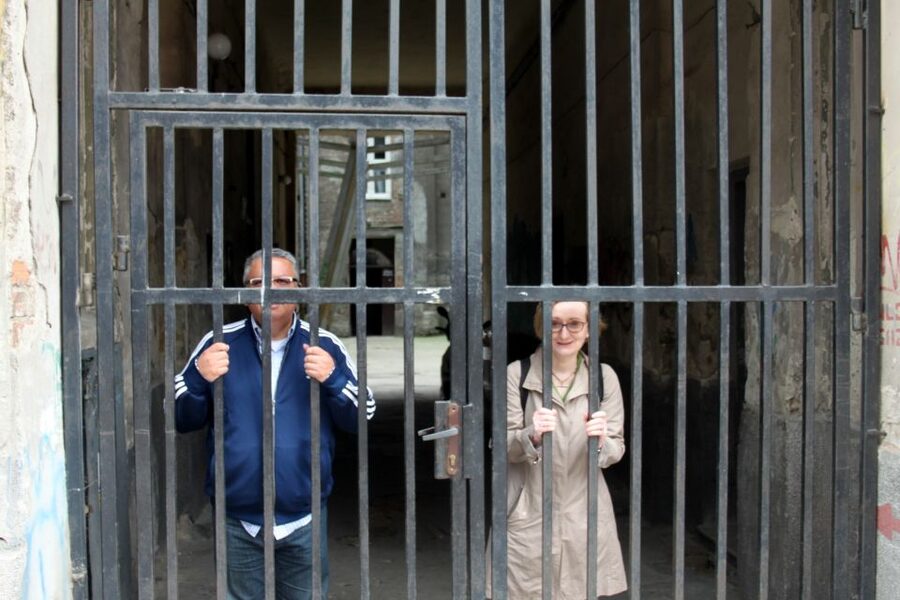
The Fiat 125p is a historic 1980s vehicle, so expect charm rather than modern touring-car comfort. The car is part of the appeal, but it may feel snug, especially on a four-hour outing.
Groups of more than four are driven in a blue vintage minivan. That vehicle may be more practical for a larger party, but it changes the character of the experience. If the classic Fiat is the main reason you are booking, keep your party size in mind.
Hotel pickup and drop-off are included within central Warsaw. Pickup is also available from another centrally located point. The guide provides transportation, but meals are not included.
You receive a Polish sweet, usually described as a doughnut, and a complimentary vodka shot. These are modest extras, not substitutes for lunch. Plan your meal separately if you book around midday.
The tour includes photos sent by email afterward. That is useful if you prefer to stay engaged with the city instead of taking pictures at every stop.
Is $105 per person fair value?
At $105 per person, this is not the cheapest way to see Warsaw. The value depends on how much you would otherwise spend on taxis, private guiding, and the time needed to connect widely separated areas.
For a private group, the price includes an English-speaking local guide, transportation, central pickup and drop-off, photos, and the small food and drink extras. You are also paying for route planning and for the ability to ask questions throughout the day.
I think the price makes the most sense if you have only a short stay, want a private guide, or prefer not to manage Warsaw’s transport system while learning its history. It is less compelling if you enjoy slow independent walking and already know you will visit each district at length.
The four-hour length is long enough for a city overview but short for detailed visits. Consider it a first orientation rather than a complete Warsaw history course.
Who should book this tour?
I would recommend it to first-time visitors, couples, families, and small groups who want Warsaw’s major historical themes explained in one outing. It is also a good match for anyone with limited time who wants more than the Old Town.
History-focused visitors will appreciate the combination of Jewish Warsaw, the Uprising, wartime destruction, Praga, and Communist rebuilding. The Fiat adds a playful note without taking over the serious subjects.
You should think twice if you dislike small historic vehicles, want long museum visits, or prefer to explore every stop at your own pace. The route covers a lot, so some locations receive an overview rather than an extended visit.
Book it if you want a friendly guide, a flexible private route, and a clear introduction to how Warsaw was destroyed and rebuilt. Skip it if you have several days and would rather divide the same subjects among museums and long walks.
FAQ
How long is the Warsaw retro Fiat tour?
The tour lasts four hours.
What vehicle is used?
The standard vehicle is a historic 1980s Fiat 125p. Groups larger than four are driven in a blue vintage minivan.
Is the tour private?
Yes. It is offered as a private group tour with a live English-speaking guide.
What parts of Warsaw does the tour visit?
The route includes Warsaw’s Old Town, remnants of the Jewish ghetto, the Praga district, locations connected with the Warsaw Uprising, and areas linked to Stalin-era rebuilding.
Is hotel pickup included?
Yes. Pickup and drop-off are included from hotels or other centrally located points in the city center.
Is the tour suitable for someone who cannot walk much?
The tour is half walking and half driving, and it can be adapted to suit your requirements. Comfortable shoes are recommended because some walking is required.
Are food and drinks included?
Meals are not included. The tour does include a Polish sweet, described as a doughnut, and a complimentary vodka shot.
What language is the tour offered in?
The live tour guide speaks English.
Can I cancel the booking?
You can cancel up to 24 hours in advance for a full refund. A reserve-now, pay-later option is also available.
Newest history tours we have reviewed in Poland
- Best of Wroclaw 3-Hour History and Culture Walking Tour★ 4.9 · 49 reviews
- Schindler’s List Movie Tour: Historic Sites & Film Location★ 5.0 · 23 reviews
- Krakow: Vistula River Cruise with Historical Views★ 3.5 · 357 reviews
- Krakow Old Town Segway Tour — 2H of History, Fun & Discovery★ 4.8 · 91 reviews
- Krakow: Kościuszko Mound Ticket – History & Views!★ 4.4 · 303 reviews
- Small-Group Historical Guided Tour of Warsaw with pick up/drop off. Public Tour.★ 4.5 · 343 reviews
- Warsaw: Jewish History Guided Walking Tour in English★ 4.7 · 324 reviews
- Krakow: Tipsy Polish Food Tour With History, Pierogi & Shots★ 4.9 · 439 reviews
Private History Tours, compared.
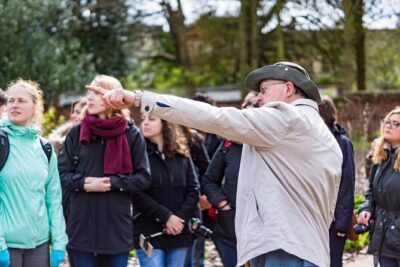
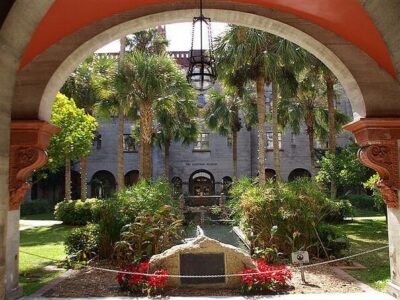
Private Guided Historic Electric Cart Tour of St. Augustine
Read our review →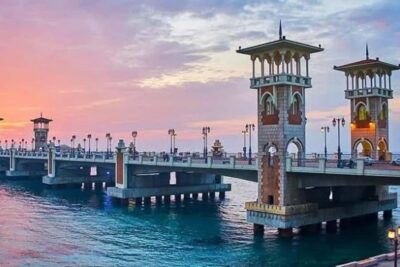
Private Full-Day Tour of Historical Alexandria
Read our review →
Private Tour of the Historic City in a Ford T Car
Read our review →
Madrid Historical Tour with Local Guide in Eco Tuk Tuk Private
Read our review →
Private Biblical Tour Ancient Corinth & Isthmus Canal from Athens
Read our review →
Private Kathmandu Sightseeing Tour | UNESCO World Heritage sites
Read our review →
Historic Porto by Private Electric Tuk Tuk to Top Landmarks
Read our review →Browse the lists this tour appears in