
Review · POLAND HISTORY TOURS
Gdansk: City Cruise on Historical Polish Boat
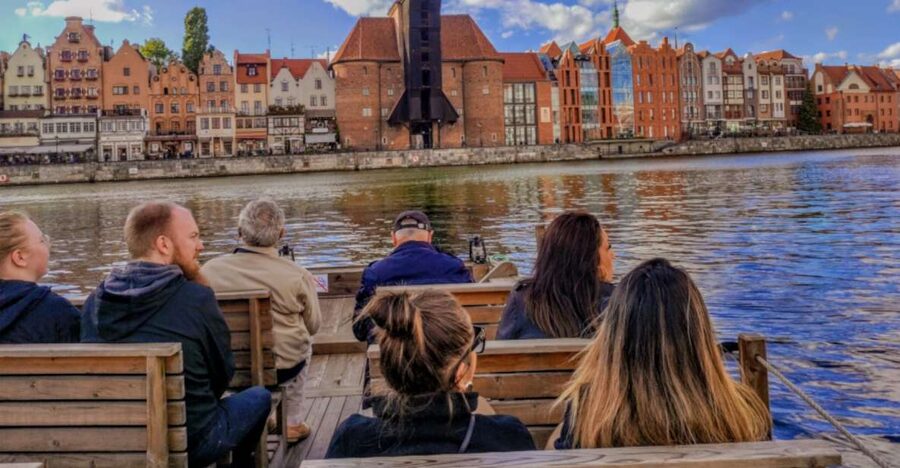
The best part of this Gdańsk cruise is the boat itself: a small wooden replica of a Polish river vessel used for more than 400 years. With only 12 seats, it can slip through canals and along quays that larger sightseeing boats cannot reach. I especially like the quiet ride and the view of the city from the water, with no loud onboard music competing with the guide. The Old Town looks different from the river, and the shipyard gives the trip real historical weight.
I also like the helpful human touches: blankets, umbrellas, and a proper safety briefing. Guides such as Borna, Szymon, Danusia, Jarek, David, and Nick have been praised for mixing clear historical detail with humor. The main drawback is the departure point at Dokowa 1, which is in the former shipyard area rather than the heart of Old Town. It may feel remote when you first arrive, especially on foot.
Key points to know before you book
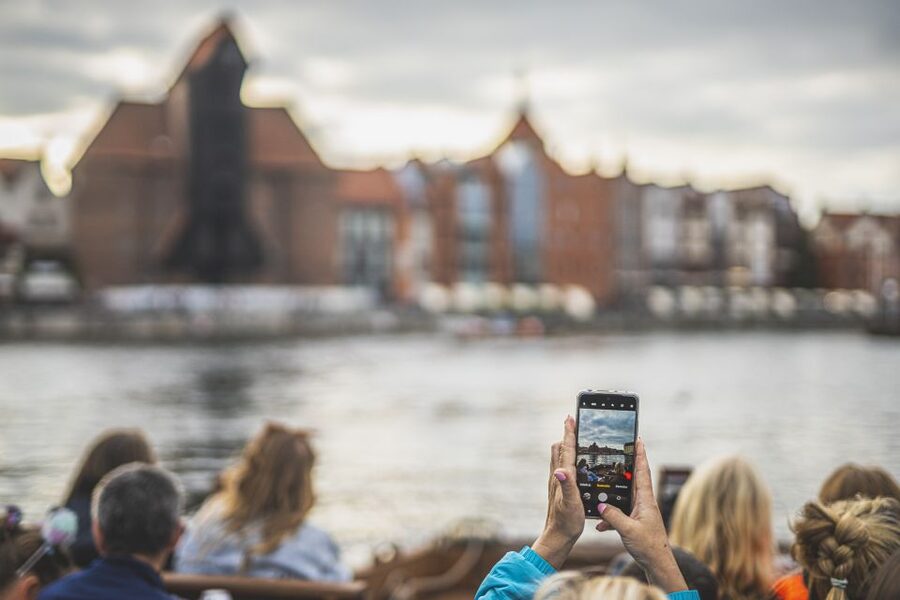
- Small wooden boat: The 12-seat vessel feels intimate and reaches narrow waterways unavailable to large boats.
- Former shipyard departure: Begin near the site linked to the Solidarity movement and Gdańsk’s industrial past.
- Old Town from the Motława: See the water gates, historic crane, old houses, castle ruins, Ołowianka, and Granary Island.
- Port access: The route includes specialist vessels, port cranes, and the internal quay of the Port of Gdańsk.
- Weather-ready setup: Blankets and umbrellas are available, useful on cool, windy, or rainy days.
- Strong value: At $22 for 70 minutes with a live guide, this is a reasonably priced introduction to Gdańsk from a fresh angle.
Why this little Polish boat is worth your time
Gdańsk is easy to admire from its streets, but the Motława River explains the city in a different way. This was a working port long before it became a postcard setting. From the boat, you see the handsome waterfront, but you also see cranes, quays, industrial buildings, shipyard spaces, and working vessels.
That mix is what makes this cruise useful. It is not just a slow ride past pretty façades. You get a compact lesson in how Gdańsk grew through trade, shipbuilding, warfare, and political change.
The boat holds just 12 people. That matters. You are not packed into a large vessel behind rows of heads, and the guide can speak to the group without a microphone or a raised voice. The low passenger count also gives the ride a relaxed feel. You can look around, take photographs, and follow the explanation without fighting a crowd.
The wooden design adds something, too. This is a replica of a Polish river boat used for more than four centuries, especially in the 18th century. It is not a modern speedboat, so the pace is gentle. If you want a fast trip with dramatic turns, this is not it. If you want to sit quietly while the city unfolds around you, the pace works well.
More History Tours in the world:
- New York City: American Museum of Natural History Ticket
★ 4.5 · 15,447 reviews - History and Hauntings of Salem Guided Walking Tour
★ 5.0 · 14,564 reviews - Colosseum: Underground and Ancient Rome Tour
★ 4.7 · 12,691 reviews
Starting at Dokowa 1 in the former Gdańsk Shipyard
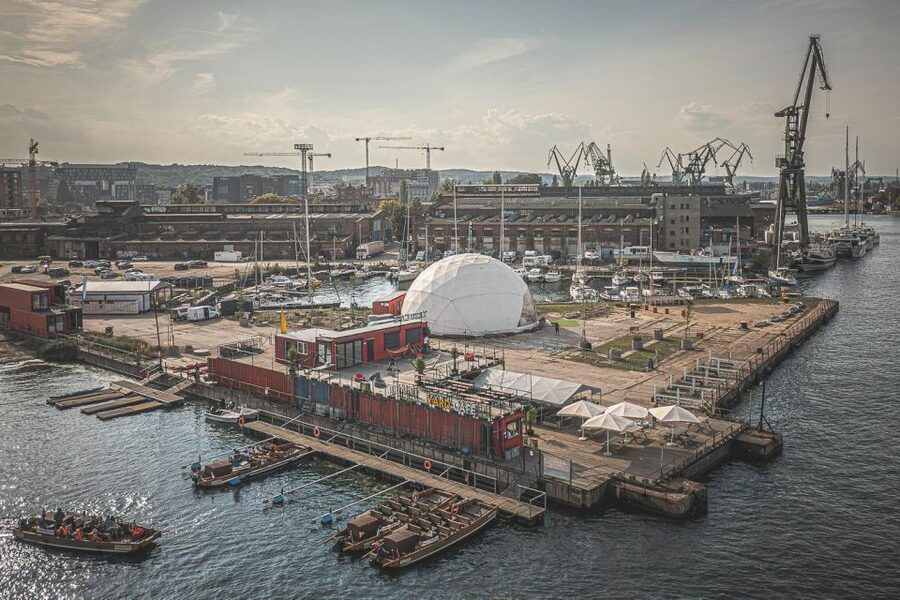
The cruise begins at Dokowa 1, in the former Gdańsk Shipyard. This is not the polished center of the waterfront. The setting can feel a little rough around the edges, and you should allow time to find the meeting point rather than arriving at the last minute.
That slightly out-of-the-way start is part of the story. The Gdańsk Shipyard was established after 1945 on the site of former German shipyards. At its height, it employed nearly 18,000 people. For more than 170 years, much of the area was closed to ordinary visitors.
The shipyard is also where the Solidarity movement began in 1980. That movement helped bring about the fall of communism in Poland. Starting here gives the cruise a stronger opening than a simple departure from a tourist pier. You begin in a place tied to modern Polish history, then move toward the older commercial city.
There is a café and seating area at the departure point, according to the practical details supplied for the tour. You can use it for a drink, snack, or short wait. Some people also enjoy taking photographs around the shipyard before boarding.
The meeting point may vary with the option booked, so check your confirmation carefully. The listed location is Dokowa 1, but the operator provides more than one starting option in its booking details. The departure area is also near the Museum of the Second World War, making it possible to pair the cruise with that museum on the same day. One useful plan is to visit the museum first, then walk to the boat, or take the cruise and continue toward the museum afterward.
What the 70-minute route shows you
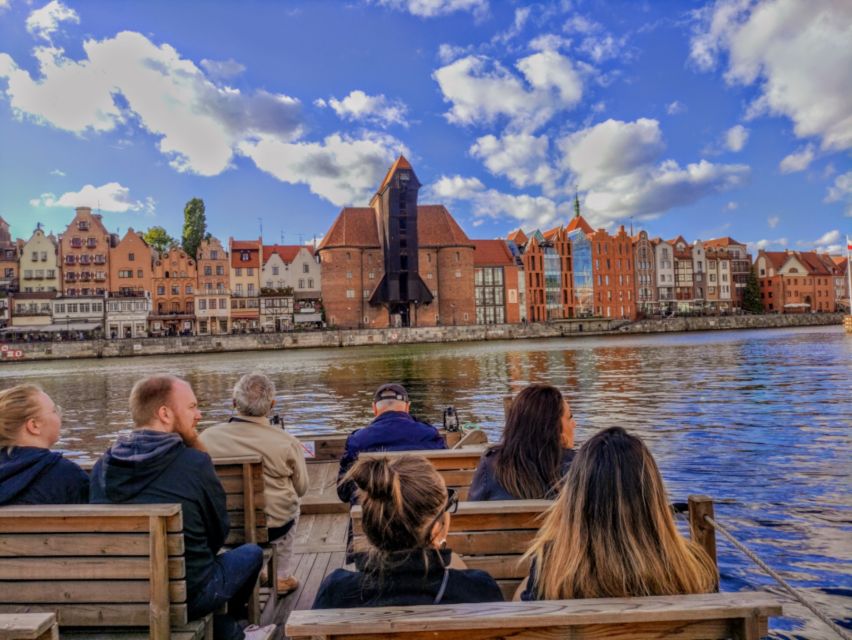
Once underway, the boat heads toward the central Motława and the Old Town waterfront. You will pass sights that are familiar from land, but the water changes their scale and arrangement.
The route includes the old water gates leading into the city. These gates are a reminder that Gdańsk was built around access to the river and port. From street level, you may notice one gate at a time. From the boat, you can understand how the waterfront pieces fit together.
You also see the famous wooden crane dating from the 15th century. It is one of Gdańsk’s most recognizable sights, but the river gives you a close, low view that is hard to get while walking along the busy waterfront. The crane’s timber structure and large profile make more sense when seen beside the river that once powered the city’s trade.
The cruise continues past old tenement houses and their newer surroundings. From the water, you can compare the restored historic waterfront with modern buildings behind it. This is a useful reminder that Gdańsk is not a preserved stage set. It is a rebuilt, changing city with old forms and new uses side by side.
You will also see the ruins of the Teutonic castle. The view is brief rather than a full castle visit, but it adds another layer to the route. The cruise is best understood as an overview, not a substitute for walking tours, museums, or time spent inside individual monuments.
Ołowianka and Granary Island from the river
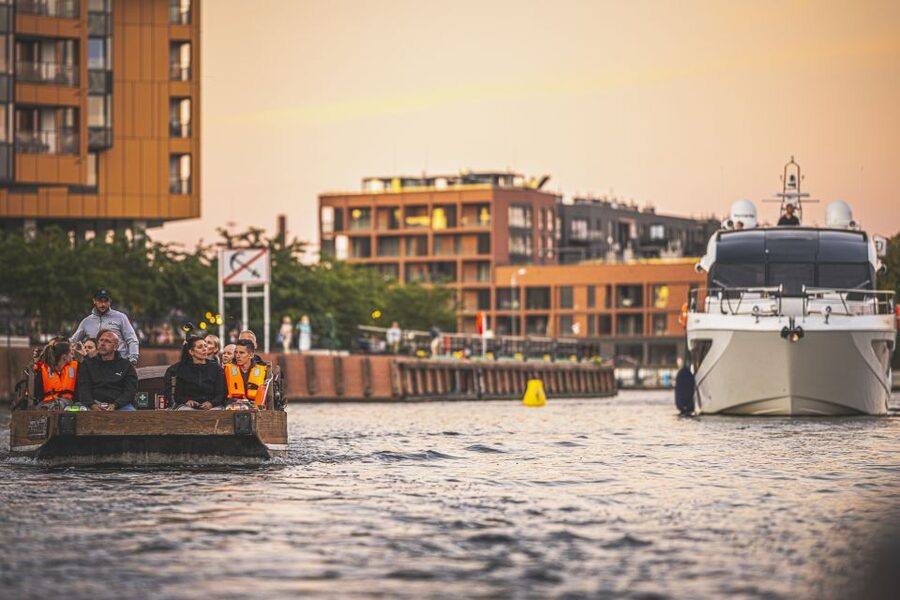
The boat passes Ołowianka and Granary Island, two parts of the waterfront that are especially rewarding from the water. These areas show how storage, transport, and river access shaped Gdańsk’s economy.
Granary Island is closely tied to the city’s trading past, while its newer buildings show how the waterfront has been redeveloped. From the boat, you get a clean view of old and new construction without having to thread through streets or crowded promenades.
Ołowianka adds another change of mood. The river opens up, and the view becomes less about one famous building and more about the relationship between islands, bridges, quays, and the central city. If you have already walked the Old Town, this section helps you see how the waterfront connects to the streets you have been exploring.
This is also a good part of the cruise for photographs. The low boat gives you a different angle from the usual promenade viewpoint. You may find the best images come from looking back toward the city rather than simply photographing the next landmark ahead.
Same streets, a different century:
- Lisbon: History, Stories and Lifestyle Walking Tour
★ 4.8 · 10,902 reviews - London Small Group Tour of Historical Pubs
★ 5.0 · 10,422 reviews - Prague: Oldtown, Medieval Underground & Dungeon History Tour
★ 4.3 · 10,277 reviews - Charleston’s Old South Carriage Historic Horse & Carriage Tour
★ 5.0 · 10,023 reviews
The port, cranes, and working side of Gdańsk
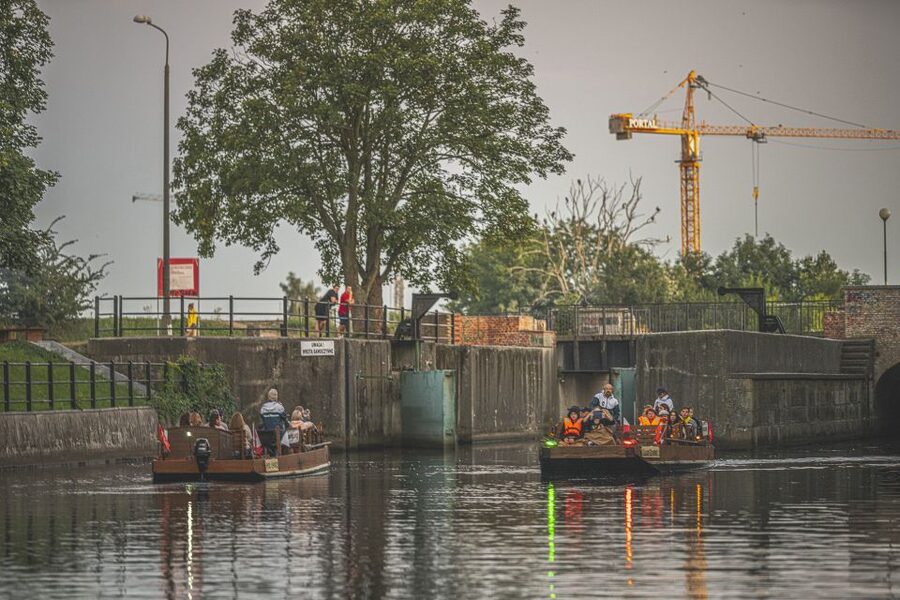
One of the most useful parts of the route is its look at the working port. The boat can approach specialist vessels, Gdańsk port cranes, and the internal quay of the Port of Gdańsk.
Large sightseeing ships cannot always enter these tighter spaces. The small boat is not just a novelty here. Its size gives you access to parts of the port that would otherwise remain distant. You see the machinery and vessels that keep the waterfront active, not just the buildings designed for visitors.
The port cranes are symbols of Gdańsk, but they also tell a practical story. This is a city shaped by loading, unloading, shipbuilding, and river transport. The guide links those physical details to the wider story of the port and town.
The route also passes areas connected with German submarine production during the Second World War. This is a sobering part of the trip. It adds wartime history to the older trade and shipbuilding story, and it shows how the waterfront was used for military production as well as commerce.
The guide’s role matters most here. Names reported for different departures include Borna, Szymon, Danusia, Jarek, David, and Nick. The supplied tour information identifies Polish and English as the guide languages. English-speaking visitors should be able to follow the tour, though the exact guide depends on the departure.
Guides who keep the history lively
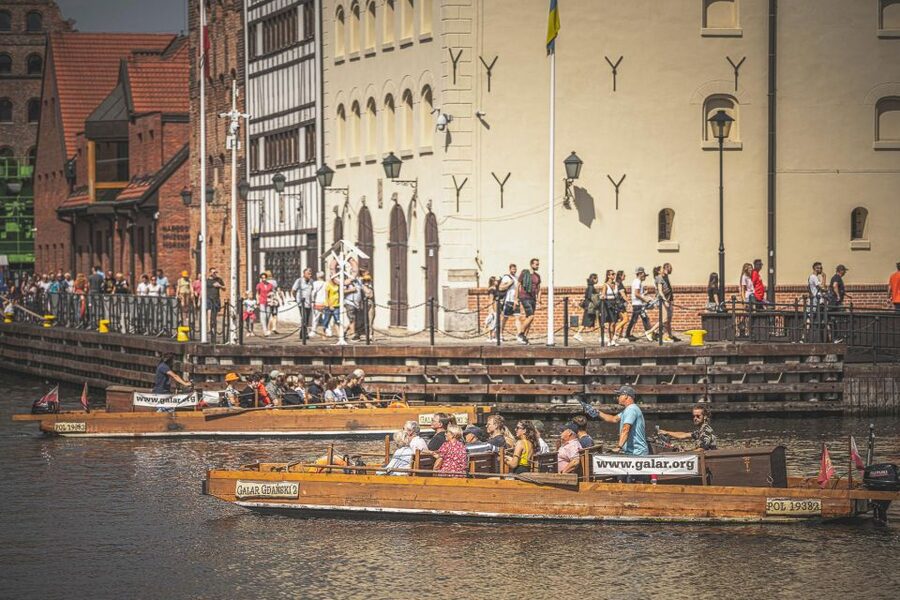
The strongest part of the experience is often the guide’s delivery. The content covers a lot in 70 minutes: the shipyard, Solidarity, the Old Town, the port, the crane, islands, wartime production, and newer waterfront buildings.
A dry list of dates would make this ride drag. The guides are described as friendly, funny, and clear, with Borna and Szymon receiving particular praise for their mix of humor and information. Danusia has also been singled out for being helpful and personable. Guides have used stories and jokes to keep the explanation moving rather than turning the trip into a lecture.
That style suits this route. You are looking in several directions at once, and the boat keeps moving. Short explanations connected to visible sights are easier to remember than a long speech about events you cannot see.
I would book this early in your stay. It gives you a quick sense of the Old Town, port, and shipyard before you explore those areas on foot. It also helps you decide which subjects deserve more time later, such as the Second World War or the Solidarity movement.
Do not expect a specialist academic tour. The experience gives you an approachable introduction, not a detailed study of one period. That is a strength for most first-time visitors, but history enthusiasts may want to follow it with the relevant museums.
Comfort in cool, wet, or windy weather
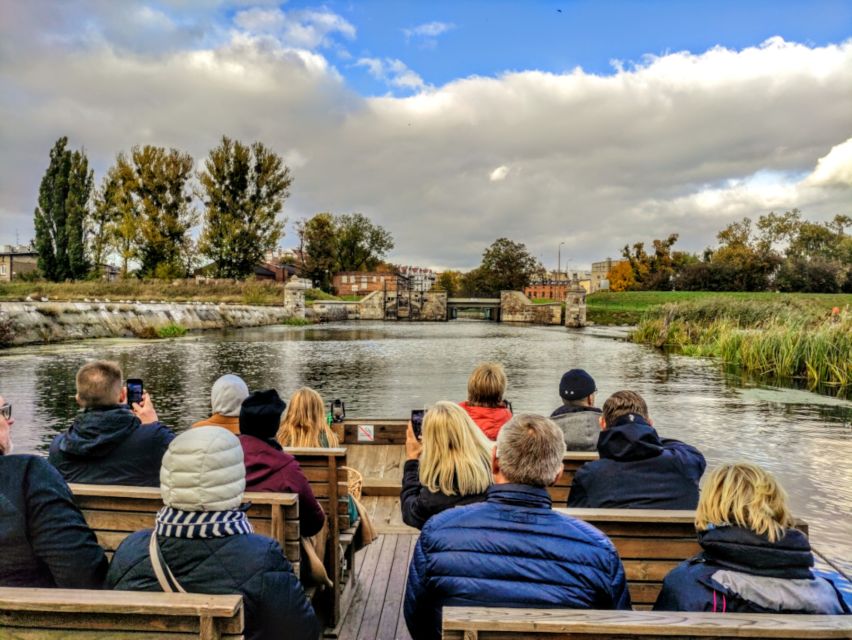
Gdańsk weather can change quickly along the water. Even on a pleasant day, the boat’s open setting may feel cool. Blankets are provided, and umbrellas are available for rain or sudden weather changes.
The blankets are more than a decorative touch. Several departures have taken place in chilly or windy conditions, and having one within reach makes it easier to enjoy the ride instead of spending the hour worrying about the temperature. On rainy days, umbrellas help keep the experience going, though you should still dress for outdoor conditions.
The boat has comfortable seats and a practical setup. A safety briefing takes place at the start, and life jackets are included. The cruise is listed as wheelchair accessible, which is useful information when comparing it with smaller boats that may have more limits.
There is no promise of perfect weather or a fully enclosed cabin in the supplied details, so plan as you would for any open-air waterfront activity. A waterproof outer layer is sensible even when the forecast looks promising.
Is $22 a good price for 70 minutes?
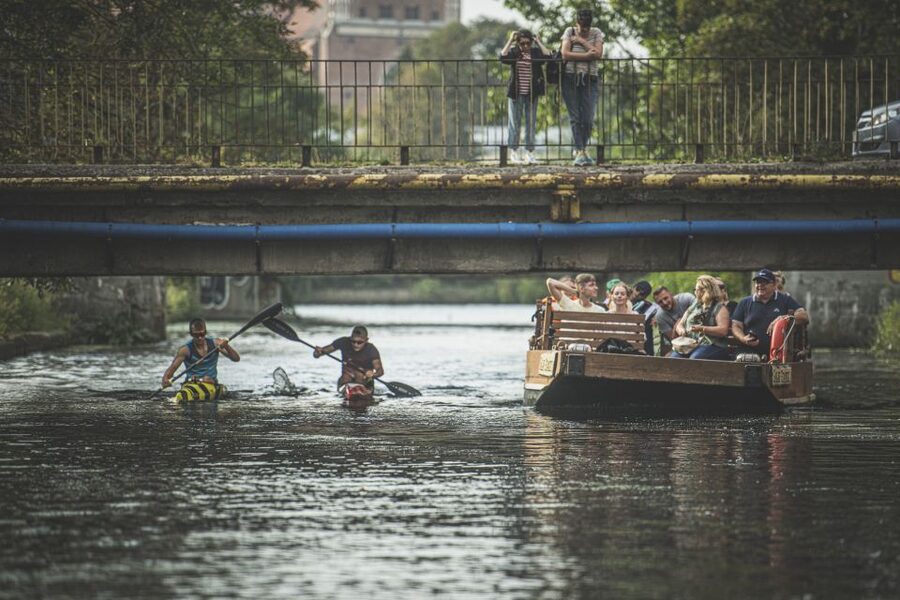
At $22 per person, this is good value if you want both sightseeing and explanation. You are paying for a 70-minute guided cruise in a 12-seat historical-style boat, not just transport along the river.
The small group is important to the price calculation. A large boat may offer a lower headline fare, but you may get a more crowded deck and a less personal explanation. Here, the guide can address a small group, and the boat’s size allows a more varied route.
You also see several sides of Gdańsk in one short outing. The former shipyard, Solidarity history, central Old Town, historic crane, islands, port machinery, and wartime submarine areas would take longer to connect on your own. The cruise does not replace time on land, but it gives you a useful framework.
I would consider it especially good value for a first visit, a short city break, or a day when you want a break from walking. Families may appreciate the manageable length, while couples and solo visitors may like the quieter atmosphere. People who dislike boats, need a fully enclosed vessel, or want a long open-water journey should think twice.
You can also reserve now and pay later, and cancellation is available up to 24 hours before departure for a full refund. Those terms make it easier to fit the cruise around weather and museum plans.
Who should book this Gdańsk cruise?
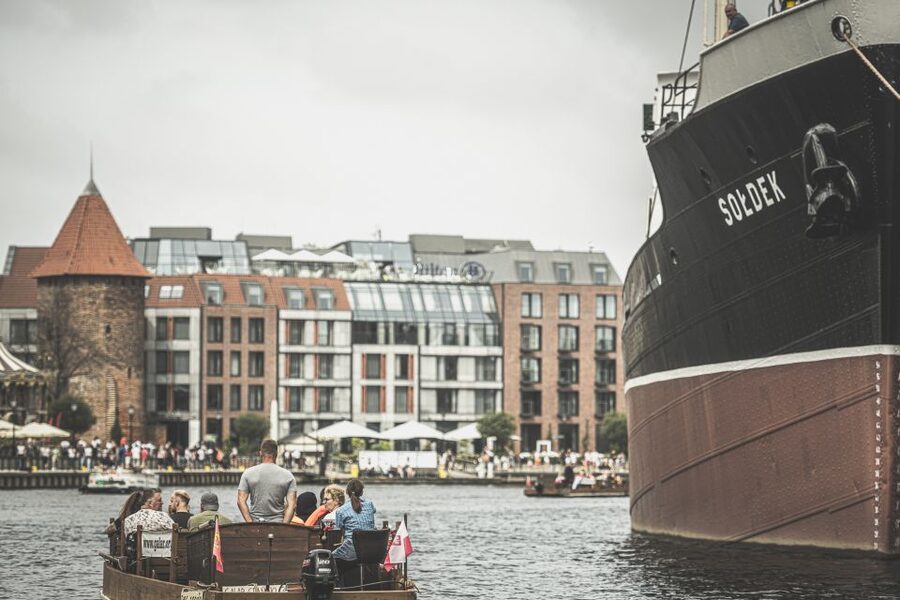
Book it if you want to understand Gdańsk as a port city rather than simply admire its colorful façades. The route connects the medieval waterfront with the shipyard, the Solidarity movement, wartime industry, and the modern port.
It is also a good pick if crowds wear you down. The boat carries only 12 people, and the ride gives you a calm view of major sights without the push of the Old Town streets. The quiet is part of the appeal, especially since there is no mention of loud onboard music.
I would not choose it as your only Gdańsk activity. You still need time to walk the Old Town, visit museums, and explore the shipyard area properly. Think of the cruise as a well-priced introduction that helps the rest of your sightseeing make more sense.
The departure point is the one practical nuisance. It is not right in the center, and the surrounding shipyard area may look unfamiliar at first. On the other hand, that location gives the tour its strongest historical beginning, and the route may offer a more central drop-off after the cruise, depending on the arrangement that day.
Final verdict: book it for the city’s bigger picture
I recommend this cruise for most first-time visitors to Gdańsk. The small wooden boat, narrow waterways, strong guides, and mix of old city sights with working port areas give you more than a standard sightseeing loop.
Book it near the start of your stay if you want a quick orientation. Book it near the end if you prefer a relaxed way to review the city after walking its streets. At $22, 70 minutes, and with blankets and umbrellas available, it offers a lot without taking over your day.
Skip it only if you want a fully enclosed boat, a long excursion, or a specialist history lecture. For a calm, informative look at Gdańsk from the water, this is an easy choice.
FAQ
How long is the Gdańsk boat cruise?
The cruise lasts 70 minutes.
How many people fit on the historical boat?
The wooden replica is an intimate 12-seat boat.
What languages are available?
Live guiding is available in Polish and English.
Where does the cruise start?
The listed departure point is Dokowa 1, in the former Gdańsk Shipyard area. The exact meeting point may vary depending on the option booked.
What sights can I see from the boat?
The route includes the former shipyard, the Motława River and Old Town waterfront, water gates, the 15th-century wooden crane, old tenement houses, Teutonic castle ruins, Ołowianka, Granary Island, port cranes, specialist vessels, the internal quay, and areas connected with German submarine production during World War II.
Are blankets and life jackets provided?
Yes. Blankets and life jackets are included, and umbrellas are available for changing weather. The activity is also listed as wheelchair accessible.
Newest history tours we have reviewed in the world
- Bilbao Historical Tour in small group★ 4.7 · 52 reviews
- Bologna: Street Food Tour in the Historic Center★ 4.8 · 125 reviews
- CEBU: Cebu City Heritage and Uphill Guided Tour★ 4.2 · 31 reviews
- Bishkek : City Tour (History, Architects, Statues & Culture)★ 4.9 · 54 reviews
- Blenheim: Omaka Aviation Heritage Centre Admission Ticket★ 4.9 · 31 reviews
- Berlin: Nazi History Walking Tour★ 4.8 · 33 reviews
- Best of Baku: 4-Hour City Tour Historic and Modern Landmarks★ 4.7 · 63 reviews
- Belfast: Best of Belfast History, Culture & Art Walking Tour★ 4.9 · 158 reviews
Poland History Tours, compared.
POLIN Museum of the History of Polish Jews Ticket
Read our review →
Gdańsk: Sunset Cruise on a Historic Polish Boat
Read our review →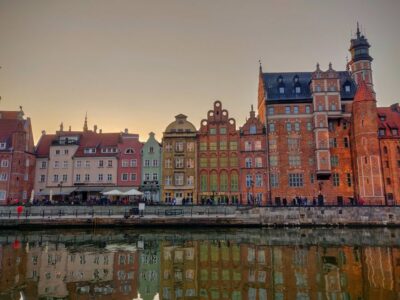
Gdańsk City Sights & History Guided Walking Tour in English
Read our review →


Krakow: Tipsy Polish Food Tour With History, Pierogi & Shots
Read our review →
Small-Group Historical Guided Tour of Warsaw with pick up/drop off. Public Tour.
Read our review →
Browse the lists this tour appears in