
Review · LOCAL CULTURE & TRADITIONS TOURS
10 Days Ghana Cultural and Heritage Trip
Ghana’s story comes into sharp focus on this 10-day heritage trip, especially at Cape Coast Castle, Elmina Castle, and Assin Manso, where the history of slavery is treated as a solemn part of the journey rather than a quick photo stop. You’ll also see a more joyful side of the country through markets, Kente weaving, music, ceremony, and everyday city life.
I like the small maximum group of 10, which should make market visits and emotional historical sites easier to manage. I also like the mix of serious history and outdoor activity, from the Kakum canopy walk to the traditional naming ceremony in Elmina. The main consideration is the price: at $3,500 per person, you are paying for a guided, multi-day package, not a cheap sightseeing circuit.
Key points to know before booking

- Cape Coast, Elmina, and Assin Manso form the emotional center: These sites explain different stages of the slave trade, from capture and detention to shipment and remembrance.
- Nana and the in-country team lead the trip: The published experience identifies Nana as part of the team, with a 5/5 rating from 31 ratings and a 100 percent recommendation rate.
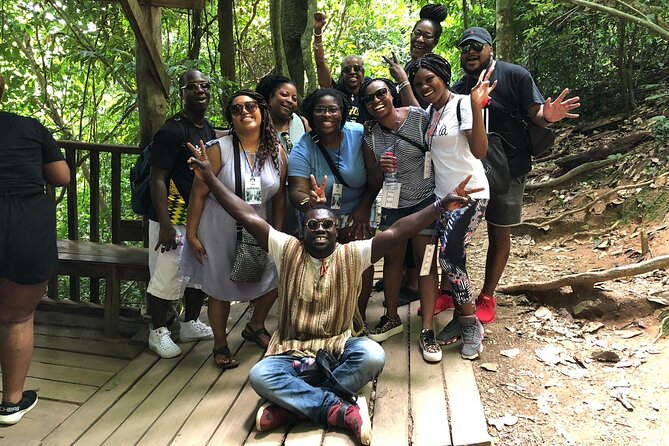
- The group is capped at 10 people: That is a useful size for guided walks, market visits, and discussions at historic sites.
- You travel by air-conditioned vehicle with Wi-Fi: This matters on the longer drives between Accra, the Central Region, and Kumasi.
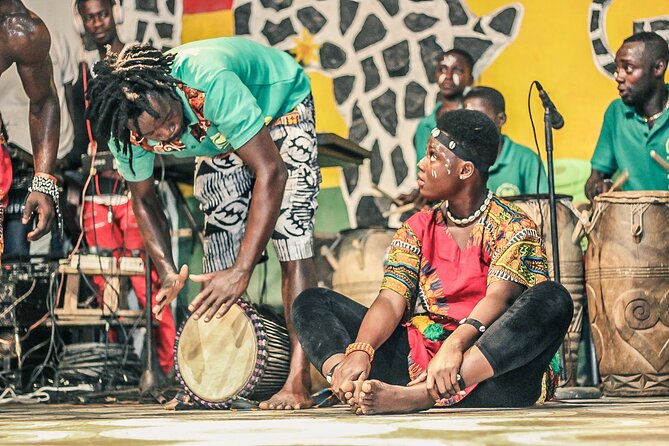
- The itinerary mixes ceremony, nature, and city life: Expect a naming ceremony, Kakum’s hanging bridges, Makola Market, Ashanti traditions, and souvenir shopping.
- English, Spanish, and French are offered: Confirm your preferred language when booking.
Why this Ghana itinerary works
This is not a trip built around one famous sight. It moves through several parts of Ghana’s public memory and living culture. In Accra, you begin with independence, national politics, markets, and museum collections. On the coast, you confront the slave trade at the castles and the final inland stop at Assin Manso. In Kumasi, the focus shifts to the Ashanti kingdom, sacred tradition, and cloth.
That range is the strongest part of the plan. You are not left with only colonial buildings or only modern city sights. You see how national identity is presented, how local traditions continue, and how Ghana remembers an especially painful chapter of its past.
The tour is also designed for travelers who want structure. Airport pickup, hotels, meals, transport, and admissions are built into the package in varying degrees. You will not need to arrange a new driver for every leg, and the small group should help keep the days organized.
Still, ten days is a fairly full schedule. Some stops have only 40 minutes or an hour, so you should expect an overview rather than a slow, independent visit at every location. The vehicle has air conditioning and Wi-Fi, but some road days will still feel long.
More Local Culture and Traditions Tours in the world:
- Amsterdam Food and Cultural Tour with Tastings
★ 5.0 · 4,315 reviews - Sevilla Food Tour: Tapas, Wine, History & Traditions
★ 5.0 · 3,468 reviews - Tromsø: Reindeer Camp and Sami Cultural Tour with Lunch
★ 4.7 · 3,326 reviews
Accra begins with independence and daily life
Your first day starts with pickup at Kotoka International Airport and transfer to your hotel. A welcome dinner and drinks introduce you to Nana, the other in-country leaders, and the rest of the group. Since the trip starts at the airport at 8:30 a.m. for the scheduled meeting, confirm the exact arrival and pickup arrangements before you fly.
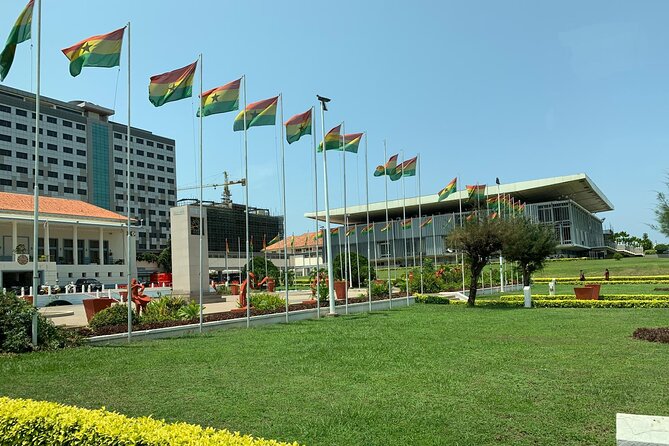
Day two gives you a useful introduction to Accra. At the Kwame Nkrumah Memorial Park, you learn about Ghana’s first president and the country’s independence movement. The collection includes personal belongings, photographs, correspondence, and the smock Nkrumah wore when declaring independence. One hour is enough for a focused visit, but you may want to pay attention to how the memorial presents both the man and the national story.
Next comes Independence Square, also known as Black Star Square. The space is used for Ghana’s Independence Day parade on March 6. The Independence Arch, Black Star Gate, and Liberation Day Monument make this a place of national ceremony rather than a conventional museum. You have about 40 minutes here, which should cover the main monuments and the setting.
Makola Market brings you into a completely different kind of Accra. It is the city’s largest open-air market, with narrow lanes, goods piled close together, people carrying large bowls and packages, and plenty of noise and movement. Your guide helps you find the more interesting areas and photo positions, which is valuable because the market can feel confusing on a first visit.
You are told to allow plenty of time at Makola, though the scheduled stop is one hour. That is a practical point to clarify. If you enjoy markets, you may wish the schedule allowed longer. Wear comfortable shoes, keep your belongings secure, and ask before photographing people.
The National Museum of Ghana rounds out the day. Displays cover chiefs’ regalia, musical instruments, gold weights, beads, textiles, stools, pottery, traditional dance, farming, iron making, and the slave trade. The museum also includes material from other African cultures. This visit gives you background that helps make later stops, especially the castle sites and Ashanti museums, easier to understand.
Aburi and Du Bois add plants and Pan-African thought
Day three leaves central Accra for Aburi Botanical Gardens. The visit focuses on African plants, herbs, medicinal uses, age, and their role in society. It is a quieter change of pace after the capital’s memorials and market.
The schedule allows one hour, so think of this as a guided introduction rather than a full botanical study. If plants and traditional medicine interest you, listen closely to the explanations and ask questions. The value here comes less from dramatic scenery and more from seeing how knowledge of plants fits into daily life.
The W.E.B. Du Bois Center follows. This Pan-African memorial center tells the story of the American sociologist, socialist, and historian who spent his final years in Ghana. It adds an international dimension to the trip, connecting Ghana’s independence story with wider Black political and intellectual movements.
Together, these stops make Day three more thoughtful than flashy. You move from the natural world to the ideas that shaped Pan-Africanism. I would especially recommend this day for anyone interested in political history, social movements, or the links between Ghana and the wider African diaspora.
Cape Coast Castle makes the past physical
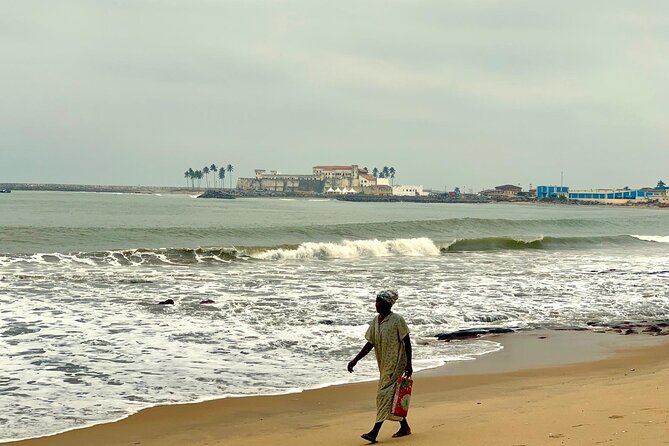
Cape Coast Castle is one of the most serious visits on the tour. The tour takes you through the dungeons where enslaved people were held before being forced onto ships. You also visit the Door of No Return.
The short one-hour visit means you will need to stay with the guide and keep moving. This is not a place for casual sightseeing. The stone rooms, confined spaces, and route toward the shore make the history physical in a way that a museum display cannot.
You should expect this part of the trip to be emotionally difficult. The itinerary presents the site directly, without softening its purpose. Wear shoes suitable for uneven walking and leave room in your day for the experience to sink in.
More History Tours in the world:
- New York City: American Museum of Natural History Ticket
★ 4.5 · 15,447 reviews - History and Hauntings of Salem Guided Walking Tour
★ 5.0 · 14,564 reviews - Colosseum: Underground and Ancient Rome Tour
★ 4.7 · 12,691 reviews - Lisbon: History, Stories and Lifestyle Walking Tour
★ 4.8 · 10,902 reviews
Kakum’s canopy bridges offer a change of pace
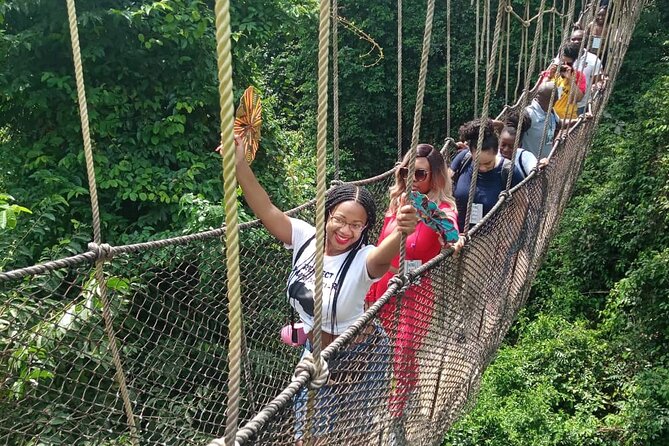
Day five begins at Kakum National Park, one of the best-known nature stops in the itinerary. The highlight is the canopy walk, a series of suspended walkways high among the trees. The scheduled visit lasts about 90 minutes and includes park admission.
This is an active stop, though it is short. You will need to be comfortable walking and crossing elevated bridges. The canopy route gives you a view from above the forest rather than from a standard ground-level trail. If heights make you uneasy, this is worth considering before booking.
Kakum also prevents the coastal history portion from becoming too heavy without relief. After the castle visits, the forest gives you fresh air, movement, and a different sense of Ghana’s natural setting.
Elmina combines a living town with a painful castle
Elmina is more than its castle. A walking tour takes you through historic buildings, the 17th-century Dutch Cemetery, the Posuban Shrine, and an Asafo post. These places help you see the town as a living community shaped by local institutions, religion, military groups, trade, and European contact.
Then you visit Elmina Castle, described as the oldest and largest European building below the Sahara. The tour enters the slave dungeons, forecourt, and Door of No Return. Seeing both Cape Coast and Elmina is worthwhile because the two sites present related history from different settings. It does, however, mean that the subject is repeated over consecutive days.
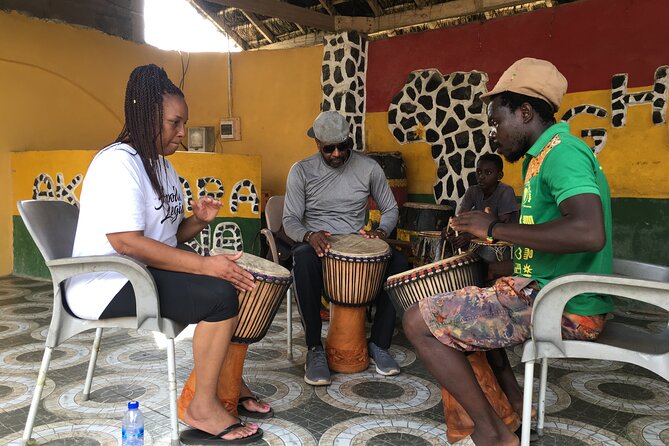
Day six gives you a slower morning in Elmina. Later, you visit the chief’s palace and learn about local customs. The traditional naming ceremony is one of the most personal parts of the trip. You receive a name based on the day you were born and are dressed in African clothing.
This ceremony is not just a photo opportunity. It gives you a direct way to take part in a Ghanaian custom, while the palace visit provides context. Approach it respectfully, follow the guidance of the local hosts, and remember that the ceremony is part of the culture, not a performance staged only for tourists.
Assin Manso turns remembrance into a walk
Assin Manso was the final inland stop where enslaved people were taken for their last bath before being transported to the castles and then shipped away. The visit includes the Slave River and a memorial wall of return.
The most distinctive element is the reverential walk of return. You walk barefoot to the river as a sign of reconnecting with the homeland and honoring those who were taken and those who died. You should be prepared for the ground to be uneven and for the experience to carry a strong emotional weight.
Names are written on the Wall of Return as a sign of reaching home again. This stop connects the inland route to the coastal castles. At Cape Coast and Elmina, you see the places of detention and departure. At Assin Manso, you stand farther inland, at an earlier point in that journey.
The stop is listed as free and lasts about an hour. Because the walk is barefoot, bring a small towel or wipes if you want them, though this is a practical suggestion rather than a supplied service.
Kumasi introduces Ashanti royalty and sacred tradition
Day eight moves the trip toward Kumasi and the Ashanti story. At Manhyia Palace Museum, you learn about the Ashanti Empire and visit the seat of the Ashanti king. The museum helps shift the focus from the coastal slave trade to an African kingdom with its own political structure, royal traditions, and symbols of authority.
The itinerary also includes West Africa’s largest and busiest open-air market. The name is not specified in the tour details, so confirm the exact market and available time with the operator. As with Makola, expect noise, crowds, narrow routes, and a chance to see ordinary commerce rather than a staged cultural display.
At the Okomfo Anokye Sword Site, you hear the story of the mystical sword said to have remained planted for 400 years. The stop lasts about 45 minutes and includes admission. It is a compact visit, but it gives you a glimpse of how spiritual belief, history, and national identity can meet in one object.
Day nine goes to the Bonwire Kente Weaving Centre. You learn about Ghanaian cloth, the symbols woven into it, and the meaning those designs carry in Ghanaian culture. This is an especially useful stop before souvenir shopping because you can look at cloth with some understanding of its patterns and significance.
The final day leaves time for souvenirs
On Day ten, you return to Accra and visit the Accra Arts Center. You have about 45 minutes for final souvenir shopping before airport drop-off. That is not a long buying window, so decide what you want before this day if possible.
The Arts Center is a practical final stop for gifts, but shopping in a craft market often involves browsing and negotiation. The schedule says the group will be taken to the airport in time for flights, yet you should still provide your flight details clearly and avoid booking a very tight departure connection.
What $3,500 includes and what it does not
At $3,500 per person, this is a significant purchase. The value depends on how much you want handled for you. Airport pickup, a 10-day vehicle, in-country trip leaders, attraction admissions, hotel arrangements, breakfast on eight days, four lunches, and a welcome dinner are part of the package.
The air-conditioned vehicle with Wi-Fi is another practical benefit. Ghana’s routes between Accra, the coast, and Kumasi can take time, and having one vehicle for a group of no more than 10 people is easier than arranging separate transport.
The meal coverage is not all-inclusive. Eight breakfasts, four lunches, and one dinner are specified, so budget for other meals and drinks. The tour price also does not remove the need to plan for personal purchases at Makola Market, the Arts Center, and Bonwire.
The strongest value comes from the access and coordination. Nana and the local team handle the movement between places and guide you through ceremonies and sites that would be harder to arrange alone. If you prefer independent travel, the fixed schedule may feel restrictive. If you want a guided introduction with transport already organized, the price is easier to justify.
Who should book this Ghana trip
I would recommend it to you if you want Ghana’s history and present-day culture in one trip, and if you are comfortable with serious discussions about slavery and remembrance. It also suits travelers who prefer a small group, organized transport, and local guidance rather than piecing together hotels, drivers, and admissions.
It may be less suitable if you want long stays in each city, extensive wildlife viewing, or a relaxed beach holiday. The itinerary is active, some stops are brief, and the castle and Assin Manso visits can be emotionally demanding.
The published score is 5/5 from 31 ratings, with a 100 percent recommendation rate. The strongest praise centers on Nana and his team organizing a meaningful pilgrimage through Ghana. That fits the design of the trip: its purpose is not simply to collect sights, but to connect Accra’s independence story, the coastal forts, the inland slave route, Ashanti culture, and living Ghanaian customs.
Should you book it?
Book this tour if you want a guided, small-group journey with a clear focus on heritage, remembrance, and culture. The naming ceremony, Assin Manso walk, Kakum canopy bridges, and Kente visit give it more range than a simple castle tour.
Think twice if $3,500 feels high for a package that does not cover every meal, or if you prefer to set your own pace. Before paying, confirm the hotel details, the exact market in Kumasi, your language preference, and how airport drop-off fits your flight time. For the right traveler, this is a serious and well-rounded introduction to Ghana, with Nana and the local team providing the structure that makes a multi-region trip manageable.
FAQ
How long is the Ghana Cultural and Heritage Trip?
The tour lasts approximately 10 days, beginning with airport pickup in Accra and ending with airport drop-off on Day 10.
Where does the tour begin?
The meeting point is Kotoka Airport in Accra, Ghana. The listed start time is 8:30 a.m.
What languages are available?
The experience is offered in English, Spanish, and French.
How many people can join the group?
The tour has a maximum of 10 travelers.
Is transportation included?
Yes. The tour uses an air-conditioned vehicle equipped with Wi-Fi. Airport pickup and final airport drop-off are included in the itinerary.
Which meals are included?
The package includes breakfast on eight days, lunch on four days, and a welcome dinner. Other meals and drinks are not specified as included.
What are the main historical sites?
The itinerary includes the Kwame Nkrumah Memorial Park, Independence Square, the National Museum of Ghana, Cape Coast Castle, Elmina Castle, Assin Manso, Manhyia Palace Museum, and the Okomfo Anokye Sword Site.
Is the canopy walk included?
Yes. Kakum National Park and the canopy walk are included, with a scheduled visit of about one hour and 30 minutes.
What is the cancellation policy?
You can cancel up to 24 hours before the experience starts for a full refund. Cancellations or changes made less than 24 hours before the start time are not refundable or accepted. If poor weather causes cancellation, you will be offered another date or a full refund.
Newest history tours we have reviewed in the world
- Enjoy Ancient Mostar★ 4.0 · 45 reviews
- Private Dublin Historical and Heritage Tour by Bike★ 5.0 · 30 reviews
- Dubrovnik by Night, History, Wine & Bites★ 5.0 · 41 reviews
- Historical Walking Tour of Dublin★ 5.0 · 50 reviews
- DayTripper Dublin: A Guided City Walking Tour★ 5.0 · 90 reviews
- Ancient Old City– Finest tour of Dubrovnik★ 5.0 · 64 reviews
- Dublin LGBTQ Pride Historical and Cultural Walking Tour★ 5.0 · 91 reviews
- Interactive Living History in Dalkey Castle near Dublin City★ 5.0 · 133 reviews
Local Culture & Traditions Tours, compared.

Amsterdam Food and Cultural Tour with Tastings
Read our review →
Sevilla Food Tour: Tapas, Wine, History & Traditions
Read our review →
Tromsø: Reindeer Camp and Sami Cultural Tour with Lunch
Read our review →
Half Day Dominican Republic Cultural Tour : Small Group
Read our review →
Ultimate Melbourne Walking Tour: History, Laneways & Culture
Read our review →
Tromsø: Sámi Reindeer Sledding and Sami Cultural Tour
Read our review →
Kyoto Gion: 2-Hour Geisha Culture & History Walking Tour
Read our review →
Marrakech Historical and Cultural Tour – Half Day City Tour
Read our review →Browse the lists this tour appears in