
Review · USA HISTORY TOURS
Williamsburg: The Patriots Historical Walking Tour
Colonial Williamsburg makes the American Revolution feel close at hand, but its size can leave you unsure where to begin. This one-hour walk follows a clear route from the Capitol to Palace Green, linking the 1770s political crisis to the buildings where it played out. Guide Lonnie Sandifer keeps the story moving while making room for questions.
I like the focused timeline, which gives you the big picture before you spend time inside individual buildings. I also like the practical route: you see the Capitol, Raleigh Tavern, Powder Magazine, Peyton Randolph House, Courthouse, Governor’s Palace, and Bruton Parish Church without waiting in long lines. The main drawback is its pace. One hour is enough for context, not a full tour of the interiors, and the walk goes on in rain or shine.
Key points to know before you go
- The route covers the main revolutionary sights: From the reconstructed Capitol to Palace Green, the walk ties each stop to the political events of the 1770s.
- Lonnie Sandifer is the guide to look for: His tours focus on both colonial Williamsburg and the later work that rebuilt it.
- The original Powder Magazine adds real depth: This is not only a reconstructed setting, but one of the surviving 18th-century structures on the route.
- You get useful orientation for $25: The tour helps you decide which buildings and exhibits deserve more of your time afterward.
- Questions are welcome throughout: You can steer some of the discussion toward founders, daily life, restoration, or the road to rebellion.
- Plan for outdoor conditions: The tour is wheelchair accessible and operates in all weather, so shoes, water, and rain gear matter.
A one-hour route through the making of a nation
The value of this walk is its order. Colonial Williamsburg can feel like a collection of handsome buildings until someone explains how the pieces fit together. Here, the story begins with government, moves through protest and resistance, and ends at the royal center of power.
You meet at the west entrance gate of the Capitol on East Duke of Gloucester Street. The guide is in front of the gate, at approximately 37.27148, -76.69389. Arrive with the location in mind, since the historic area includes several buildings and open spaces that can look similar at first glance.
The walk lasts one hour and costs $25 per person. That is a sensible price if you want a strong introduction before deciding how to spend the rest of your day. You are paying for a guided explanation, not admission to every historic building or a complete Colonial Williamsburg day pass.
More History Walking Tours in the USA
- History and Hauntings of Salem Guided Walking Tour
★ 5.0 · 14,564 reviews - Boston: Freedom Trail History Small Group Walking Tour
★ 5.0 · 6,450 reviews - Historic Charleston Guided Sightseeing Walking Tour
★ 5.0 · 6,216 reviews
The Capitol: where representative government takes shape
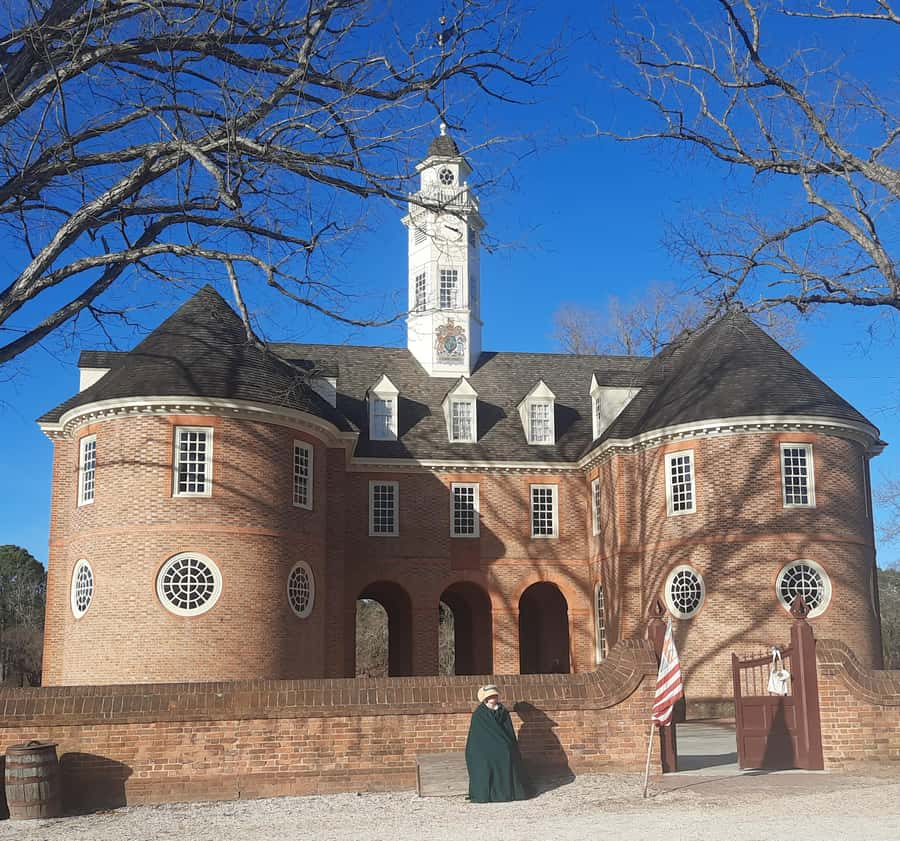
The reconstructed Colonial Capitol is the logical starting point. This is where the tour introduces the creation of the first elected body in the New World, along with the political setting that made Williamsburg important.
The word elected matters here. The story is not simply about grand houses and famous names. It is also about how colonial government worked, who held power, and how arguments over authority grew sharper in the years before independence.
The building you see today is reconstructed, so the stop also opens the door to the story of Colonial Williamsburg itself. You learn how the historic district was brought back to life, not just what happened in the 18th century. That extra layer is one of the tour’s useful features. It helps you separate original buildings from rebuilt ones as you continue walking.
The Capitol is a good place to ask questions about the timeline. If you are visiting with children or teenagers, this early stop gives them a simple framework: colonial government first, growing conflict next, open rebellion later.
Raleigh Tavern and the politics of private rooms
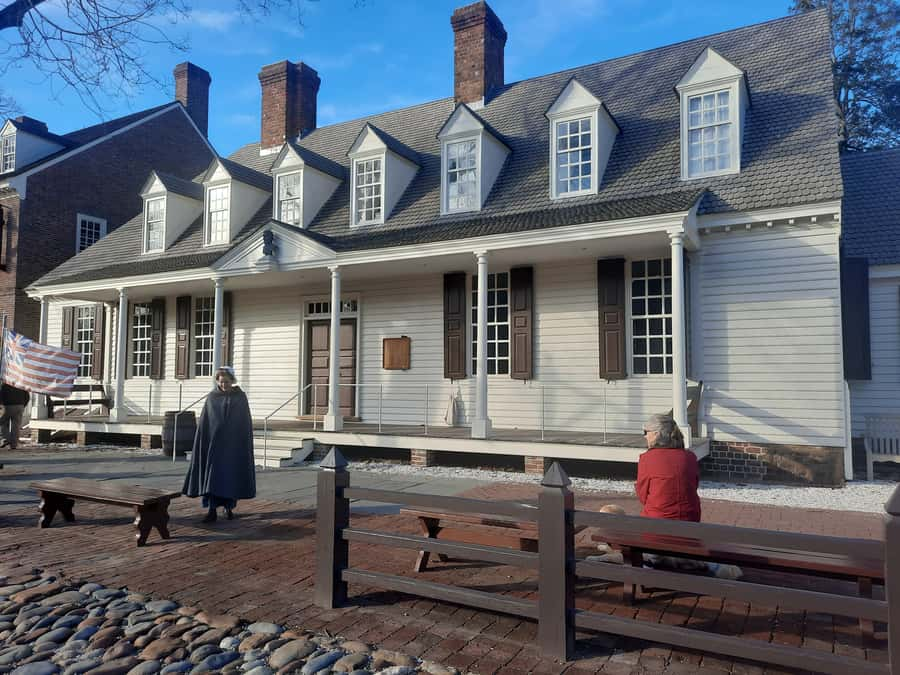
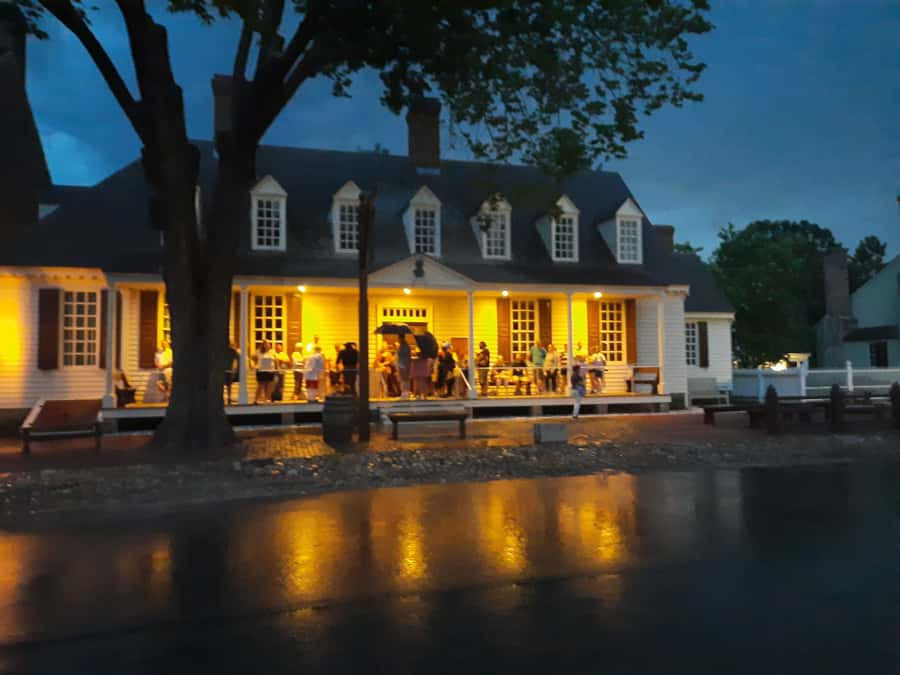
The next stop is the reconstructed Raleigh Tavern. In the 18th century, a tavern was more than a place to eat or sleep. It could also be a meeting place where political plans were made away from official offices.
The tour presents Raleigh Tavern through espionage, subversion, and political intrigue. Those words may sound dramatic, but they help explain why taverns mattered. Political movements need places for people to exchange news, build alliances, and test ideas. A tavern could connect public life with private discussion.
Because the building is reconstructed, the guide’s explanation is especially useful. You are not simply looking at a period facade and guessing what happened inside. You get the role the building played in the larger story and a sense of how unrest moved through the city.
This is also a stop where questions can make the hour more personal. Ask about the founders, the way political arguments spread, or how the restoration team decided what Williamsburg should look like. The tour is designed to allow questions throughout, rather than saving them for the end.
The Powder Magazine and the turn toward rebellion
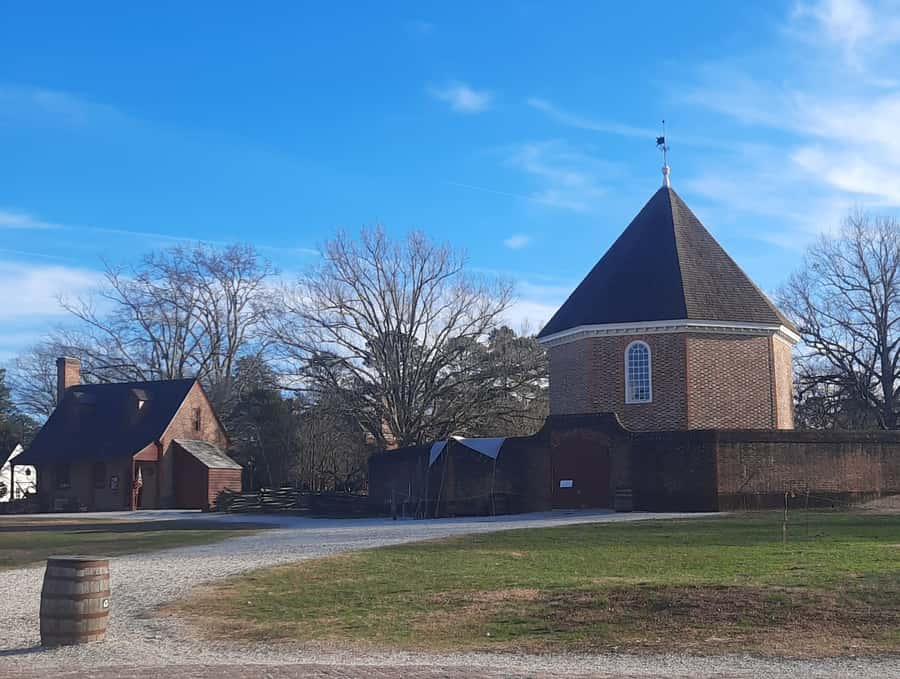
The original 18th-century Powder Magazine is the most striking stop for anyone interested in the mechanics of revolution. It is a surviving structure, not merely a reconstruction, and it marks the point where political disagreement becomes a problem of military control.
Here, the tour explains the events that pushed Virginians toward rebellion against the government. The Powder Magazine gives that change a physical setting. Arguments about authority suddenly involve weapons, public order, and who has the right to control colonial arms.
This stop also keeps the story from becoming a parade of famous buildings. The Revolution did not begin only in legislative chambers or in the homes of major leaders. It grew through disputes over supplies, security, local authority, and the reach of royal government.
Take a moment to look at the structure itself. The Powder Magazine is smaller and less showy than the Capitol or Governor’s Palace, but it may give you the clearest sense of how ordinary political tension became an immediate crisis.
Same streets, a different century:
- New York City: American Museum of Natural History Ticket
★ 4.5 · 15,447 reviews - Charleston’s Old South Carriage Historic Horse & Carriage Tour
★ 5.0 · 10,023 reviews - Beneath The Streets Underground History Tour
★ 4.5 · 8,006 reviews - Big Island in a Day: Volcanoes Waterfalls Sightseeing and History
★ 5.0 · 6,569 reviews
Peyton Randolph House and the Williamsburg Courthouse
As you continue along Duke of Gloucester Street, the route passes the Peyton Randolph House. Peyton Randolph served as president of the First and Second Continental Congresses, making the house an important link between colonial Virginia and the wider movement toward independence.
The tour does not treat the house as an isolated celebrity address. It places Randolph within the political chain that led from colonial government to the Continental Congress. That context is helpful because Williamsburg’s story can otherwise feel detached from Philadelphia and the national events most people already know.
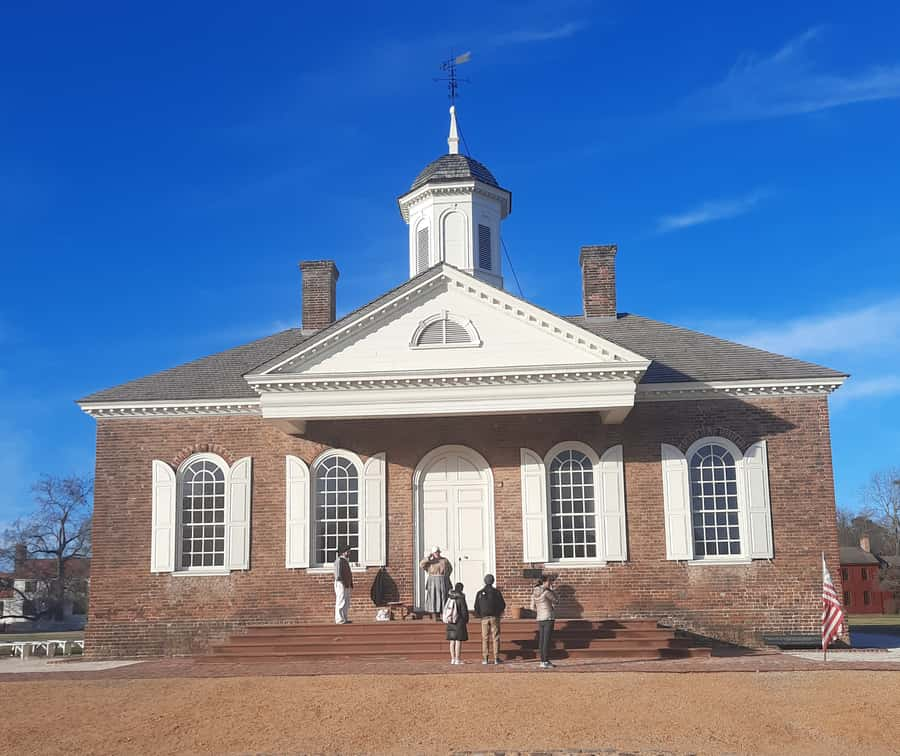
The route also passes the 1770 Colonial Williamsburg Courthouse. You will see the steps where the Declaration of Independence was read to the citizens of Williamsburg. This is the kind of small, specific detail that gives the walk its value. You are not only hearing that independence was announced. You are standing at the place where local residents heard the document.
The courthouse stop also helps you picture public life in the town. Government, law, trade, religion, and politics were close together. The walk’s short distance makes that clear. You move from one major site to another on the same street, rather than treating each event as if it happened in a separate world.
Palace Green and the royal response
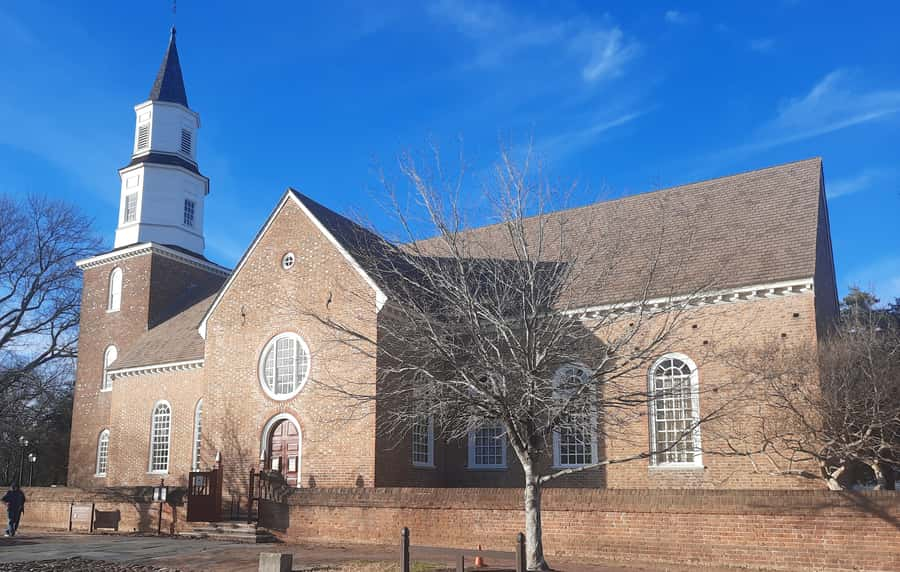
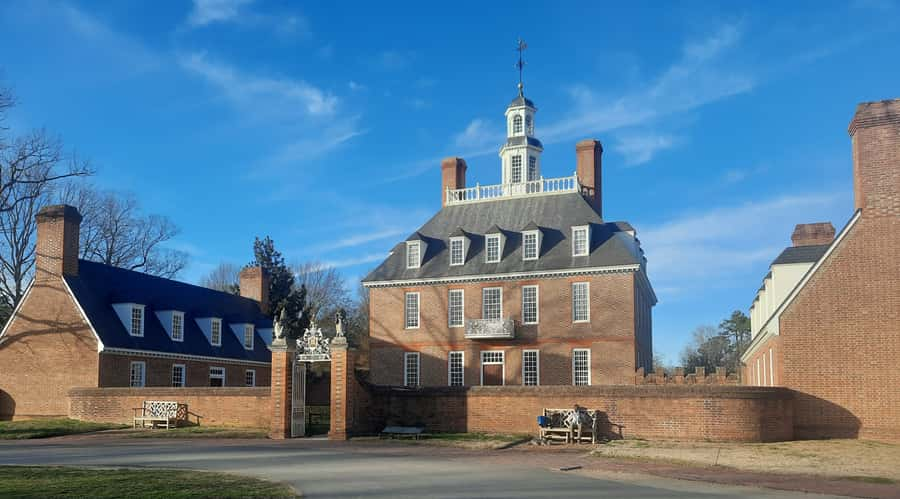
The tour ends on Palace Green, between the reconstructed Governor’s Palace and Bruton Parish Church. This final section brings the story back to royal authority and the response that helped push Virginia toward rebellion.
The Governor’s Palace represents the power of the Crown in Virginia. The guide explains how the royal governor’s decisions and attitudes helped drive the people of Virginia into open resistance. It is a useful counterpoint to the Capitol, where you began. The Capitol shows elected colonial government; the Palace shows royal power and the tension between the two.
The building is reconstructed, so the interpretation matters more than the walls alone. You are looking at a carefully restored historical setting, but you are also considering how later generations chose to present the colonial past. Lonnie Sandifer’s background in both the historical town and its reconstruction adds useful context here.
Bruton Parish Church is the other major landmark on Palace Green. Many of the nation’s founders worshiped here while visiting Williamsburg. The church is open to the public at its discretion, so do not build your entire schedule around entering it immediately after the walk.
Still, ending here works well. The church gives the final stop a quieter tone after the political arguments, public readings, and talk of rebellion. It also leaves you in a useful position for the rest of your day.
What the tour adds beyond individual house visits
You can visit Colonial Williamsburg building by building, but that approach takes time and planning. Opening hours vary, some attractions may be closed, and it is easy to miss the connections between one site and the next.
This walk gives you the connecting thread first. In an hour, you learn:
- How elected government developed in colonial Virginia
- Why Raleigh Tavern mattered as a political meeting place
- How the Powder Magazine became part of the move toward rebellion
- Why Peyton Randolph was important to the Continental Congress
- Where the Declaration of Independence was read in Williamsburg
- How the royal governor and Governor’s Palace fit into the conflict
That does not replace the longer Colonial Williamsburg experience. It makes the longer experience easier to use. After the tour, you can choose to return to a building that caught your interest instead of wandering without a plan.
The tour also covers the history of Colonial Williamsburg’s reconstruction. That is a real advantage for first-time visitors. You learn which places are original and which have been rebuilt, and you gain a better sense of how a modern historic district presents an 18th-century town.
Pace, weather, and physical comfort
The walk is one hour, but it is still an outdoor activity. There may be shade and rest stops along the way, and Lonnie has been attentive to those needs, but you should still prepare for the conditions.
The tour runs rain or shine. In hot weather, wear light clothing, bring water, and expect the sun to affect your comfort. In wet weather, bring rain protection rather than hoping the clouds will pass. Comfortable walking shoes are the simple choice on historic streets and paths.
The tour is wheelchair accessible. If you have specific mobility needs, you should still confirm current conditions when booking, since outdoor routes and access around historic buildings can vary.
The one-hour length is helpful for families and for anyone fitting Williamsburg into a larger Virginia itinerary. It is long enough to hold a serious historical discussion but short enough that you can continue to the museums, shops, dining, or other Colonial Williamsburg attractions afterward.
Who will get the most from this walk
This tour suits first-time visitors who want an overview before paying for a full day of activities. It also works well for parents and grandparents introducing children to Williamsburg, since the timeline is easier to follow than a collection of disconnected house tours.
History fans will appreciate the emphasis on political decisions, the founders, the Continental Congress, and the steps toward rebellion. You do not need advanced knowledge to follow it, though. The guide presents the events in sequence and encourages questions.
It is also a good choice for people who have already visited Williamsburg but want the restoration story explained. Several stops are reconstructed, and the tour makes that distinction part of the experience rather than hiding it.
The main limitation is for anyone hoping to enter many buildings. This is a walking and interpretation tour. It includes discussion of the sites, but the supplied experience does not include admission, transportation, or parking. If you want extensive interior visits, plan to add those separately.
Price, location, and planning the rest of your day
At $25 per person, the tour offers good value if you use it as an orientation. You get a guided route through the most important revolutionary locations without spending several days finding the right buildings, waiting for openings, and piecing together the timeline yourself.
The price is less compelling if you only want a quick stroll or already know Williamsburg’s political story well. In that case, you may prefer to spend your time inside the buildings or at the museums. For most first visits, though, the focused route saves time and gives the town more meaning.
Parking and transportation to the historic area are not included. After the walk, you finish near Bruton Parish Church, only a few blocks from modern shopping and dining areas and the Art Museums of Colonial Williamsburg. That makes it easy to continue your day without arranging another transfer.
Free cancellation is available up to 24 hours before the tour, and you can reserve now and pay later. The guide speaks English, and the experience is offered in English only.
Should you book the Patriots Historical Walking Tour?
Book it if you want a clear first hour in Williamsburg, especially if this is your first visit or you are traveling with family. The route covers the Capitol, Raleigh Tavern, Powder Magazine, Peyton Randolph House, Courthouse, Governor’s Palace, and Bruton Parish Church in a logical sequence. Lonnie Sandifer’s passion for both the colonial story and the town’s reconstruction adds welcome depth.
Skip it if you mainly want long interior visits, theatrical interpretation, or a full-day ticket with many admissions included. This is a compact outdoor overview, not a replacement for exploring Colonial Williamsburg at length.
For most people, I would take the walk early in the day. You will leave with a map in your head, a better grasp of the road to independence, and a short list of places worth seeing next.
FAQ
How long is the Patriots Historical Walking Tour?
The tour lasts one hour.
Where does the tour meet?
Meet your guide in front of the Capitol west entrance gate on East Duke of Gloucester Street in Williamsburg, Virginia.
Where does the tour finish?
The tour ends on Palace Green between the reconstructed Governor’s Palace and Bruton Parish Church.
Is the tour offered in English?
Yes. The live tour guide speaks English, and English is the listed tour language.
Is the walking tour wheelchair accessible?
Yes, the activity is listed as wheelchair accessible.
What happens if it rains?
The tour takes place rain or shine. Bring suitable clothing and rain protection if wet weather is expected.
Newest history tours we have reviewed in the USA
- Self Guided Detroit’s Spirit and History Solo Walking Tour★ 4.5 · 41 reviews
- Best Downtown Detroit Historical Walking Tour★ 5.0 · 56 reviews
- Detroit’s Hidden History Guided Walking Tour★ 5.0 · 48 reviews
- Private Nightlife Tour in Denver: Culture, History, and Cocktails★ 5.0 · 48 reviews
- Historical Walking Tour Of Denver With A Haunting Twist★ 5.0 · 19 reviews
- Tip Based: Capitol Hill History & Ghost Tour★ 5.0 · 34 reviews
- Denver – Capitol Hill Guided Walking Ghost / History Tour★ 4.5 · 75 reviews
- JFK Historical Tour★ 5.0 · 22 reviews
History Walking Tours, compared.
History and Hauntings of Salem Guided Walking Tour
Read our review →
Freedom Trail History Small Group Walking Tour
Read our review →
Historic Charleston Guided Sightseeing Walking Tour
Read our review →
Tapas Walking Tour with Food, Wine, and History
Read our review →
Savannah History and Haunts Candlelit Ghost Walking Tour
Read our review →
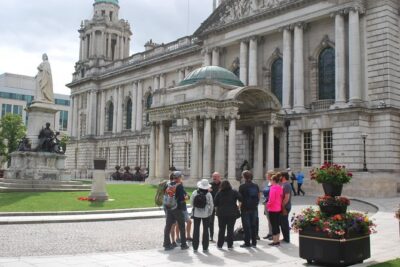
A History of Terror – Belfast City Centre Walking Tour
Read our review →Browse the lists this tour appears in