
Review · QUEBEC CITY HISTORY TOURS
Walking Tour Through Quebec City’s History
Quebec City’s story makes the most sense when you walk it downhill, from the grand upper town to the riverfront lanes where the city began. This small-group tour connects 400 years of Quebecois history with real streets, churches, squares, and views, rather than keeping you inside a lecture room.
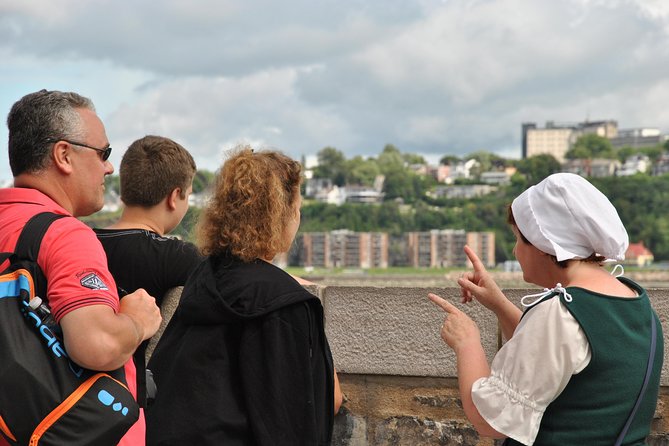
I like the costumed storytelling, which gives the past a human voice, and I like the route’s clear sense of place, from Dufferin Terrace to Place Royale. The main catch is physical: you’ll handle steep hills, cobblestones, and stairs, including a long descent from the upper terrace to the waterfront.
Key Points
- A 2-hour route through Old Quebec: See the upper and lower town in one compact walk.
- Period-costumed storytelling: Guides such as Keven, Mark, Annabelle, Guy, Louise, Chantal, and Gary have brought the city’s past to life in different styles.
- A small group of up to 20 people: This is a more personal format than a large coach tour.
- The route ends at Place Royale: You finish near the birthplace of Quebec City, with time to explore on your own.
- Expect a real workout: The route includes hills, stairs, and a downhill stretch that can tire older walkers.
- Strong value at $24.03: For a two-hour introduction to the city, the price is modest, especially if you take it early in your stay.
Why This Route Helps You Understand Quebec City
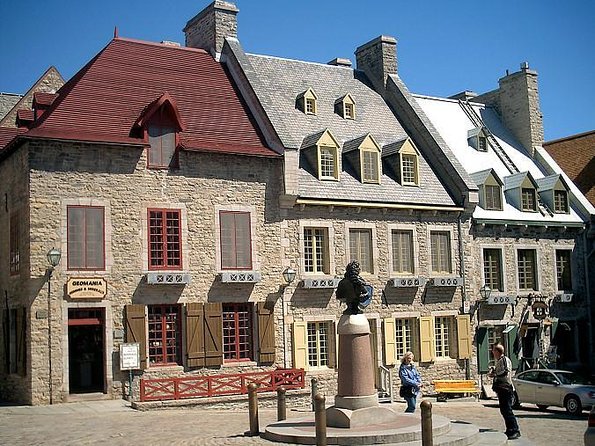
Old Quebec can look almost too pretty to be practical. Stone buildings, church towers, narrow lanes, and the Château Frontenac make the city easy to admire, but harder to understand without a map of its past. This walking tour gives you that map.
You begin at 12 Rue Sainte-Anne, near the upper part of Old Quebec. From there, the route moves through major historical places before descending toward the riverfront. That direction matters. You see the formal upper city first, then reach the older commercial and settlement areas below.
I would take this tour on my first day in Quebec City if I wanted help getting oriented. The route shows you places you may otherwise pass without understanding, and the guides point out streets and corners that are easy to miss when you walk alone.
The storytelling is a major part of the experience. Guides use period characters and personal stories to explain the city’s changing rulers, daily life, religion, and early settlement. Gary, for example, played an historical figure and used that persona to make the past feel immediate. Another guide, Chantal, presented the city’s story through an entertaining narrative rather than a string of dates.
That approach will suit you if you learn best through stories. It may feel a little theatrical at times. One guide’s dramatic performance was described as slightly too much, but the same style also helped make the information memorable.
More History Walking Tours in Canada
- Gastown Historic Walking Food Tour
★ 5.0 · 1,863 reviews - Vancouver: Gastown Historical Walking Food Tour
★ 4.8 · 539 reviews - Quebec City: Old Quebec Historical Walking Tour
★ 4.8 · 409 reviews
Dufferin Terrace Gives You the Big Picture
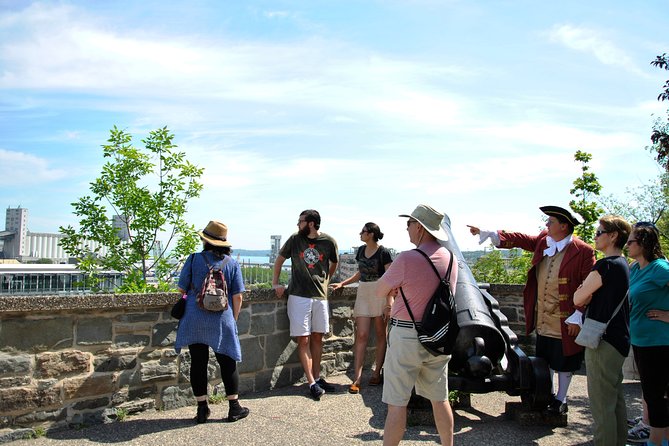
The first scheduled stop is Terrasse Dufferin, the long wooden promenade beside the Château Frontenac. You get striking views toward the St. Lawrence River and the surrounding area, making this a useful opening point for the tour.
The terrace also helps you see Quebec City as a layered place. You are high above the lower streets, so the coming descent is not just a physical change. It shows how the city’s upper administrative and religious areas connect with the waterfront district below.
You have about 10 minutes here. That is enough for an introduction and photographs, though not enough for a slow visit. The terrace is open and scenic in every season, but weather matters. This activity requires good weather, and poor conditions can lead to a different date or a full refund.
The view is one of the tour’s best early moments, but it can be exposed to wind and cold. Dress for the conditions, especially outside summer. Good walking shoes matter more than stylish footwear.
Notre-Dame de Québec Adds Religious and Political Context
The tour also includes the Basilica of Notre-Dame de Québec, a major landmark that has occupied the same location since 1647. It is a Canada National Historic Site because of its architectural importance and its place in Quebec’s story.
The basilica connects the city’s religious life with its political past. Four governors of New France are buried there, along with bishops of the Diocese of Quebec. A funerary chapel is dedicated to François de Laval, and you may also see the Holy Door.
The available information does not guarantee a full interior visit on every departure. One account describes the tour as taking place outside the buildings, which worked well for a group that wanted to decide later which interiors deserved more time. Treat this stop as an introduction to the basilica and its significance, then check opening conditions if seeing the interior is important to you.
That limitation is not necessarily a weakness. The tour has only about two hours, and stopping for a detailed church visit could reduce the time available for the streets and squares that make Old Quebec distinct. You can return later if the building catches your interest.
Place Royale Is Where Quebec City Begins
Place Royale is the historical heart of the lower town. Samuel de Champlain founded Quebec City here in 1608, so the square gives the tour a direct connection to the city’s beginnings.
The buildings around the square reflect both French and British influence. That mix is central to Quebec City’s identity, and it is easier to understand when you see the architecture together rather than as isolated sights.
The square also has the oldest stone church in North America. The tour allows about 15 minutes here, enough to take in the setting and hear why this small place mattered so much.
I like Place Royale as a teaching stop because it is not simply a pretty square. It shows how settlement, trade, religion, and imperial power met in one compact space. Your guide can give the buildings a sequence and purpose, helping you see more than façades.
The tour ends at Place Royale, which is useful. You are not dropped back at the starting point after climbing through the lower town. Instead, you can continue exploring the waterfront area, visit nearby shops or restaurants, or retrace part of the route at your own pace.
More History Walking Tours in the world:
- History and Hauntings of Salem Guided Walking Tour
★ 5.0 · 14,564 reviews - Lisbon: History, Stories and Lifestyle Walking Tour
★ 4.8 · 10,902 reviews - Boston: Freedom Trail History Small Group Walking Tour
★ 5.0 · 6,450 reviews - Historic Charleston Guided Sightseeing Walking Tour
★ 5.0 · 6,216 reviews
Petit-Champlain Feels Like a Different City
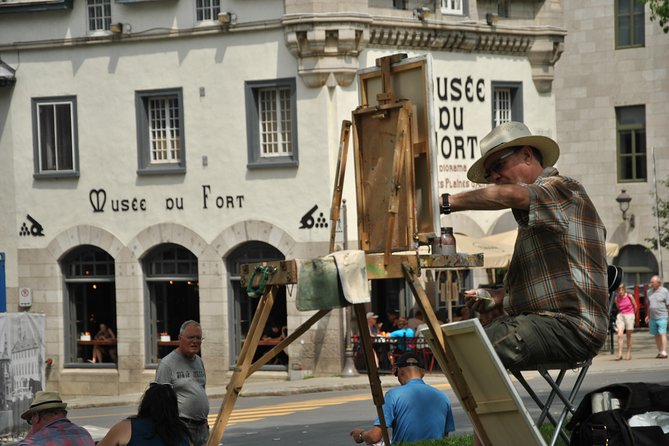
The Petit-Champlain district receives the longest scheduled stop, about 45 minutes. That tells you something about the character of this tour. The route is not only about major monuments. It gives you time in narrow streets and lanes where Quebec City’s old-world appearance is most striking.
The district and Place Royale together create a strong sense of the city’s early years. The streets are picturesque, but the guide adds needed context. Without explanation, Petit-Champlain can become a series of attractive buildings and photo stops. With the history in place, you begin to see how the lower town developed.
This is also the section where the walking conditions become most important. Expect cobblestones, uneven surfaces, and the effects of the downhill route. One family specifically noted the long walk from the upper terrace to the waterfront, while another person wished for a shorter one-hour version. The full two hours works well for people who want substance, but it may feel long if you prefer a quick orientation.
The district’s charm can also make this the most enjoyable part of the walk. You get room to look around instead of rushing from landmark to landmark. I would save time after the tour to wander here again, since the guided visit gives you the background and a second pass lets you explore at your own pace.
The Breakneck Steps Make the Route Physical
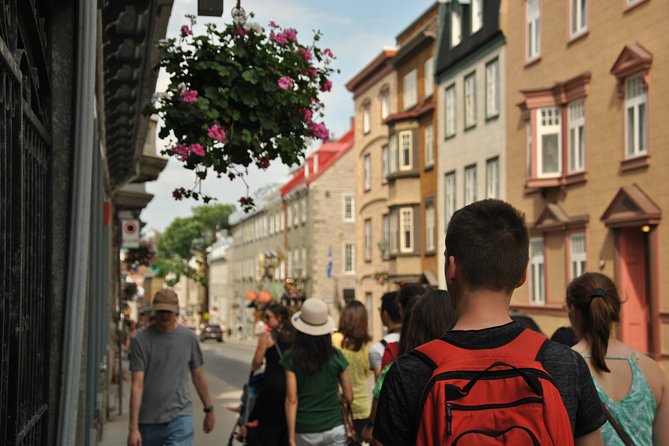
L’Escalier Casse-Cou, or the Breakneck Steps, is the oldest outdoor staircase in Quebec City. The brief five-minute stop is mainly about the view and the setting. From the stairs, you can look toward Rue du Petit-Champlain, one of the city’s most photographed streets.
The name gives you a fair warning. You do not need athletic ability for the tour, but you do need moderate physical fitness and confidence on stairs. Older members of one group found the ascents and descents tiring, and another person said the number of steep hills was greater than expected.
Because the route moves from the upper town to the waterfront, most of the challenge is not one isolated staircase. It is the combined effect of hills, steps, cobbles, and two hours on foot. If you have limited mobility, ask yourself if this kind of route sounds comfortable before booking.
Service animals are allowed, and the meeting point is near public transportation. The tour is offered in English, so you should be comfortable listening for much of the two-hour walk.
Cost, Group Size, and Guide Style
At $24.03 per person, this is a solid-value introduction to Old Quebec. You are paying less than many long-format sightseeing activities for a local guide, a period-costumed presentation, and a route that links the upper and lower parts of the old city.
The value is strongest if you are new to Quebec City. The tour helps you decide where to return, which church or square deserves more time, and how the city’s levels fit together. If you have already spent several days studying the city or taking another detailed history tour, some material may overlap.
The maximum group size is 20 people. That is small enough for a guide to answer questions, though the experience may feel less intimate when the group reaches the maximum. Several guides have received praise for answering questions and keeping the walk personable. Keven was noted for combining a broad overview with detailed stories about the city’s people and events. Mark was described as entertaining, while Annabelle was singled out for a fun and informative presentation.
The character work varies by guide. You might get a highly dramatic performance, a witty historical persona, or a more straightforward story. That variation is part of the appeal, but it also means the tone may not be identical on every departure.
Practical Advice Before You Go
Wear supportive walking shoes. This is not a flat stroll, and sandals or hard-soled dress shoes will make the stairs and cobbles less pleasant.
Arrive at 12 Rue Sainte-Anne with your mobile ticket ready. Confirmation is provided at booking, and the tour is offered in English. Double-check your meeting instructions before setting out, since one poorly handled arrival resulted in a group being sent to the wrong address and then unable to find the guide.
Allow extra energy for the downhill section. Even though downhill walking can sound easier, steep streets and stairs can put real strain on your knees. If you are traveling with older family members, consider their comfort before booking.
Street noise can occasionally affect the presentation. Garbage collection and street cleaning made it hard for one group to hear at times. Stay close to the guide, especially in busy areas, and do not assume every sentence will carry across the full group.
You can cancel for a full refund up to 24 hours before the start time. Changes or cancellations inside that window are not accepted for a refund. The tour also depends on good weather and a minimum number of participants, with a different date, another experience, or a full refund offered if the operator cancels.
Who Should Book This Old Quebec Walk

I would recommend this tour if you want history tied to actual places, prefer walking to riding in a vehicle, and enjoy a guide who tells stories rather than reciting a timeline. It is particularly useful on your first day, when the route can help you get your bearings and plan the rest of your stay.
Families with older children may enjoy the presentation, but the two-hour length requires attention. One practical suggestion is to think of it as best for ages 12 and up if your group does not enjoy long talks. The setting is attractive, but the tour is still an extended history lesson on foot.
You should think twice if steep hills, stairs, or cobblestones are a concern. The guide can explain the route, but cannot remove its physical demands. Likewise, if you want extensive interior time at the basilica, this may not be the right choice. The focus is the streets, views, and historical setting.
Should You Book It?
Book it if you want a lively first look at Old Quebec for $24.03, especially if you like period characters and want the city’s major historic districts connected in one walk. The route is well chosen, the end point is useful, and the guides bring a personal touch to the story.
Skip it if you need a flat route, dislike theatrical presentation, or want a short one-hour outing. For most reasonably fit walkers, though, this is a practical and fairly priced way to understand why Quebec City feels unlike any other place in North America.
FAQ
How long does the walking tour last?
The tour lasts approximately two hours.
Where does the tour begin?
It begins at 12 Rue Sainte-Anne, Québec, QC G1R 3X3, Canada.
Where does the tour end?
The tour ends at Place Royale in Quebec City’s lower town.
Is the tour offered in English?
Yes. The tour is offered in English and includes a local professional guide.
How large can the group be?
The maximum group size is 20 people.
How much walking and stair climbing should I expect?
You should expect a moderate physical outing with steep hills, cobblestones, and stairs, including the Breakneck Steps and a downhill route from the upper town toward the waterfront.
Newest history tours we have reviewed in the world
- Bilbao Historical Tour in small group★ 4.7 · 52 reviews
- Bologna: Street Food Tour in the Historic Center★ 4.8 · 125 reviews
- Bishkek : City Tour (History, Architects, Statues & Culture)★ 4.9 · 54 reviews
- Blenheim: Omaka Aviation Heritage Centre Admission Ticket★ 4.9 · 31 reviews
- CEBU: Cebu City Heritage and Uphill Guided Tour★ 4.2 · 31 reviews
- Berlin: Nazi History Walking Tour★ 4.8 · 33 reviews
- Best of Baku: 4-Hour City Tour Historic and Modern Landmarks★ 4.7 · 63 reviews
- Belfast: Best of Belfast History, Culture & Art Walking Tour★ 4.9 · 158 reviews
History Walking Tours, compared.
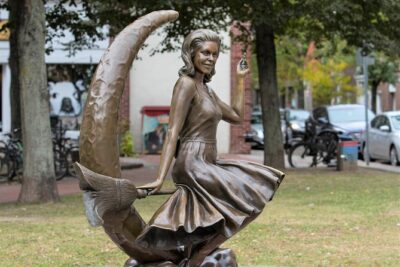
History and Hauntings of Salem Guided Walking Tour
Read our review →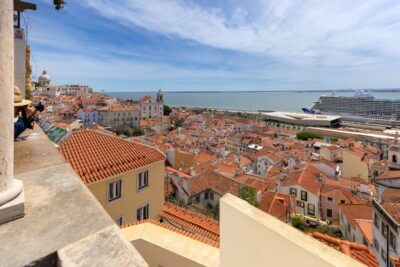
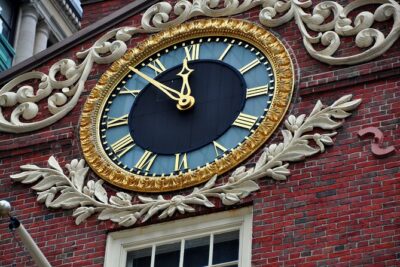
Freedom Trail History Small Group Walking Tour
Read our review →
Historic Charleston Guided Sightseeing Walking Tour
Read our review →
Tapas Walking Tour with Food, Wine, and History
Read our review →
Savannah History and Haunts Candlelit Ghost Walking Tour
Read our review →
A History of Terror – Belfast City Centre Walking Tour
Read our review →Browse the lists this tour appears in