
Review · ROME HISTORY TOURS
Rome: Trastevere street food and history tour – small group
Rome’s best food stories often come from small shops and old neighborhood habits, not grand restaurants. This tour links Rome’s Jewish Ghetto and Trastevere through fried artichoke, sliced pizza, supplì, gelato, and other bites, while your guide explains what you are eating and where you are walking.
I like the small group of up to 12, which leaves room for questions and makes it easier to hear your guide. I also like the route itself: it connects two atmospheric districts, crosses Tiber Island, and includes the Roman church of Santa Maria in Trastevere. The main drawback is that the food can come in bursts. One section may involve a long walk before the next tasting, and some people would prefer more food for the price.
Key points to know before booking
- Two historic districts in one walk: You move from the Jewish Ghetto through Tiber Island and into medieval Trastevere.
- Classic Roman bites: Expect artichoke, sliced pizza, supplì, gelato, and other tastings, with alcohol available at extra cost.
- Strong guide element: Guides including Virginia, Christian, Daniel, Serena, and others have been praised for clear stories, humor, and local tips.
- Small-group format: The maximum is 12 people, though the group may be much smaller.
- Vegetarian planning is built in: Tell the operator about vegetarian, vegan, gluten, or lactose needs when booking.
- Allow for uneven walking: Steps, cobblestones, and uneven streets make this less suitable for anyone who struggles with walking.
Why this Roman food walk works
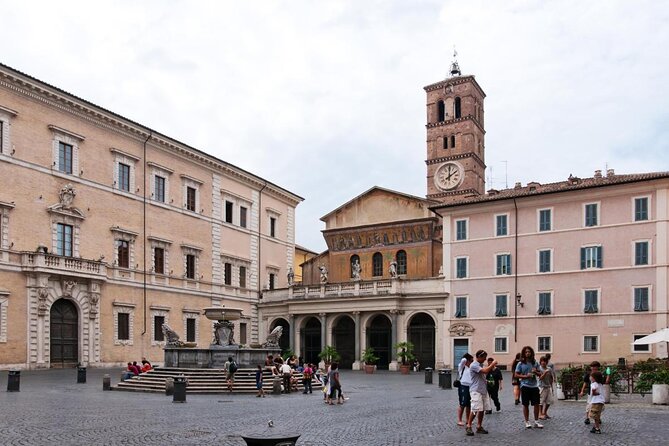
At $66.38 per person, this is not a bargain meal, but it is more than a string of snacks. You are paying for a 2.5-hour neighborhood walk, several tastings, and a guide who adds context to food that might otherwise seem simple.
I like that the route avoids a checklist of Rome’s giant sights. The Jewish Ghetto and Trastevere give you a closer look at ordinary streets, old churches, small food businesses, and local customs. You still get memorable sights, but the focus stays on how Romans eat and how these neighborhoods developed.
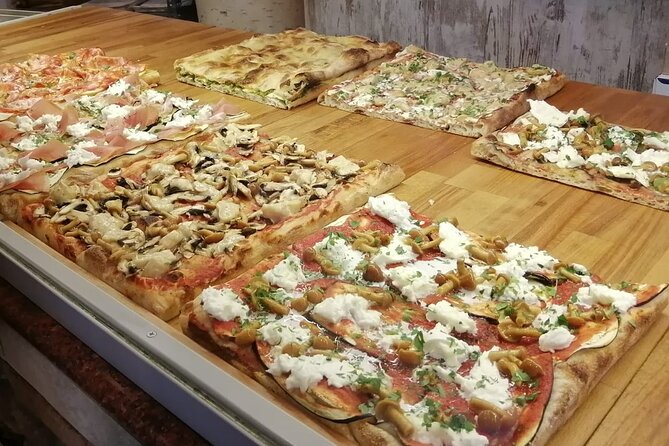
The food also gives the walk a clear rhythm. Fried artichoke offers a crisp, savory start. Supplì gives you a taste of Rome’s beloved fried rice snack. Pizza by the slice is practical and unmistakably Roman, while gelato provides a sweet finish. The exact stops can vary, so you should think of the menu as a sample of local favorites rather than a fixed restaurant crawl.
The tour is offered in English, and the best guides add plenty of useful advice for the rest of your stay. Several guides, including Christian, Virginia, Daniel, and Serena, have been singled out for their warmth, local detail, and ability to explain food without turning the walk into a lecture.
One caution: communication may depend on the individual guide. One account described a strong accent and fast speaking that made parts of the commentary hard to follow. That appears to be an exception among largely positive feedback, but if clear English is especially important to you, stay near the guide and ask questions when needed.
More Food and History Tours in Rome
- Rome Food Tour in the Historic Centre with 8+ Food Tastings
★ 5.0 · 1,000 reviews - Private Rome Food Tour in the Historic Centre with 8+Tastings
★ 5.0 · 135 reviews - Rome: Ultimate Street Food Tour in the Old Town by Do Eat Better
★ 5.0 · 73 reviews
Starting in Rome’s Jewish Ghetto
The tour begins at Piazza Benedetto Cairoli, 118, and heads toward the Jewish Ghetto. This area is an important reference point for Rome’s Jewish community, with the main synagogue and restaurants shaped by Jewish Roman cooking.
The first stop lasts about 20 minutes. That is enough time for an introduction and some orientation, but not enough for a full tour of the district. I would treat this as the opening chapter rather than the main event. The value comes from seeing how the food fits the neighborhood, especially the famous artichoke preparation associated with Roman Jewish cuisine.
The fried artichoke is often the first big food moment. It is a useful example of why this tour works: you are not just handed a snack. You are shown a food connected to a specific part of Rome, then given the chance to decide if it deserves a return visit.
The Ghetto portion may feel short if you want a long look at the synagogue area and its history. If that district is your main interest, plan to return on your own. The tour gives you a taste and a framework, not an exhaustive Jewish Ghetto visit.
Tiber Island and the crossing into Trastevere
From the Ghetto, the route reaches Tiber Island, an unusual strip of land in the middle of the Tiber. The stop is planned for about 15 minutes, so expect a quick look rather than a long pause.
This is a smart connecting point. It breaks up the walk and helps you understand Rome’s geography. You are moving from one side of the river toward Trastevere, and the island makes that transition feel like part of the experience rather than a simple transfer between food stops.
The island itself is not a tasting stop, but it adds variety. The tour is not only about eating. You get streets, bridges, river views, church exteriors, and neighborhood changes between bites.
Entering medieval Trastevere at Piazza in Piscinula
Piazza in Piscinula provides the first approach to Trastevere’s medieval side. The planned stop lasts about 20 minutes, giving your guide time to point out the character of the district and explain how the older lanes differ from Rome’s grand avenues.
This is where the walk becomes more intimate. Trastevere is known for narrow streets, small squares, climbing plants, and old façades. You will not cover every corner in 2.5 hours, but the route gives you a useful introduction to the district’s quieter details.
I would pay attention to the small things here: window glass, workshop fronts, alleyways, and the way streets open suddenly into small piazzas. Those details help you notice the neighborhood when you return later without a guide.
More Small-Group History Tours in Italy
- VIP Colosseum Underground and Ancient Rome Small Group Tour
★ 4.5 · 332 reviews - Small-Group Rome to Pompeii & Amalfi: Day of History & Sea
★ 5.0 · 239 reviews - Colosseum Forum Ancient Rome Small Group Tour for Kids Families
★ 5.0 · 198 reviews - Lecce History and Street Food Tasting Small Group Tour
★ 5.0 · 288 reviews
San Francesco a Ripa Grande and the first food stops
The route continues through the alleys near Chiesa di San Francesco a Ripa Grande, with about 20 minutes set aside for walking and tasting. This is one of the places where food and setting come together well.
The tastings are not designed as a full sit-down meal. You are likely to eat standing or during short pauses, then continue walking. That keeps the tour moving, but it also means you should wear comfortable shoes and avoid arriving overly hungry if you need a substantial lunch.
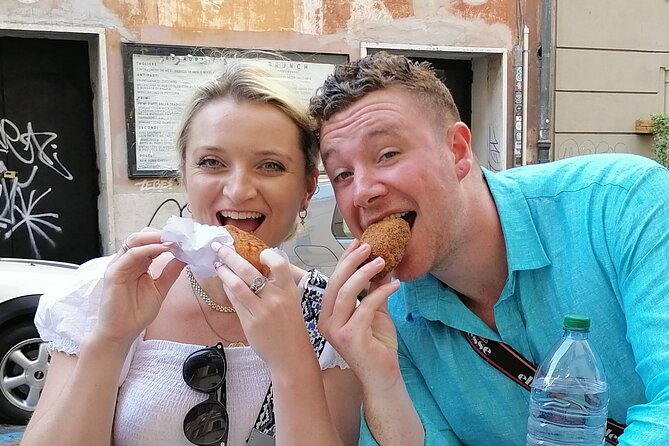
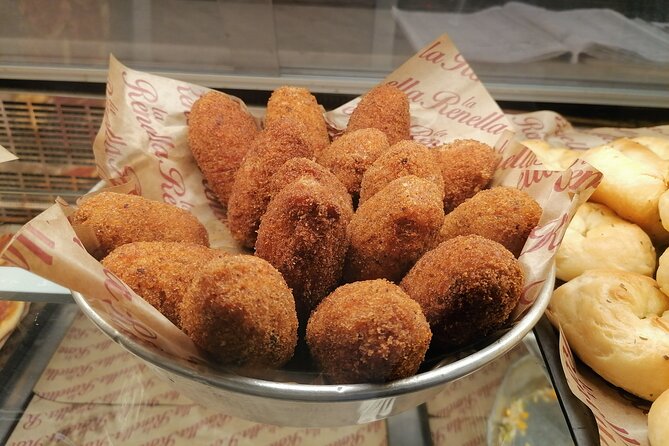
The food selection gives you a good range. Supplì is a fried rice croquette, often associated with Roman street food. Sliced pizza gives you a different texture and style from a restaurant pizza. Artichoke adds a vegetable-based local specialty, and gelato shifts the mood toward dessert.
Some people may want larger portions. One account described the food as good but wished there had been more. Other feedback described enough tastings to feel full, including savory items and two desserts. Your appetite, the exact shop stops, and the day’s group arrangements will affect how substantial the experience feels.
Via della Lungaretta, Trastevere’s working spine
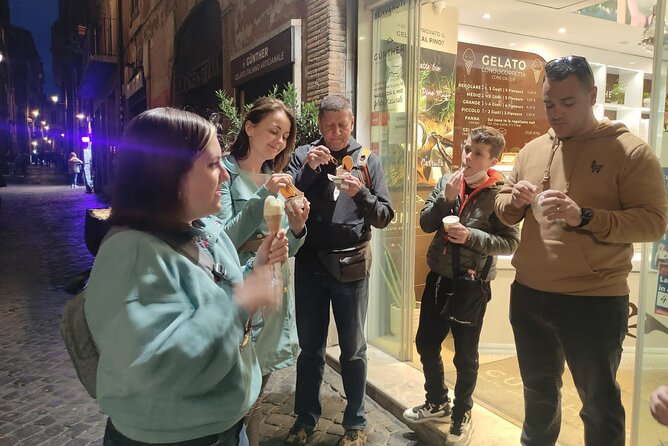
Via della Lungaretta runs through much of Trastevere and forms one of the route’s main stretches. The street is noted for climbing plants, picturesque windows, and small craft shops.
This portion is useful because it gives you time to digest both the food and the commentary. A good guide can turn a simple walk into a series of observations about shopfronts, building styles, neighborhood life, and the difference between a place made for local use and one set up mainly for sightseers.
You may also have a chance to pause for shopping. One person specifically appreciated being able to stop and browse. That flexibility is helpful, though it can slightly change the pace for the group.
Do not expect a private custom route. The group has a maximum of 12, and the guide must keep everyone together. Still, that is a manageable size for questions and conversation, especially compared with a large bus-style walk.
Fontana della Botte and Rome’s wine culture
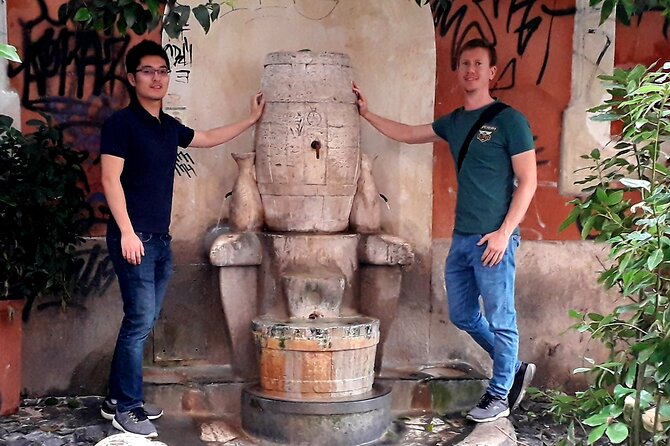
The Fontana della Botte is a small fountain shaped like wine measures. The stop lasts about 15 minutes and adds a touch of everyday Roman culture to the food theme.
This is the kind of detail you could easily pass without noticing. Your guide’s explanation gives the fountain a purpose within the walk, linking the street setting to older habits around wine and neighborhood life.
Alcohol is not included in the tour price, but you can buy alcoholic drinks separately according to your preference. That keeps the base price clearer and avoids forcing everyone into the same drink choice.
Santa Maria in Trastevere and the final stretch
Piazza di Santa Maria in Trastevere is one of the route’s larger set pieces. The tour allows about 20 minutes to see the square and visit the church interior.
This is a welcome change from the food stops and narrow lanes. The church gives the walk a stronger cultural center, while the piazza offers a place to pause and take in the surrounding district. If your main interest is street food, the church visit adds useful variety. If you mainly want Roman churches, the stop is an introduction rather than a detailed art tour.
The final 20-minute walk through Trastevere continues into alleys and less obvious corners. Your guide may point out scenic glimpses and streets away from the main flow. This is also where the practical side of the tour becomes clear: you finish with a better sense of where to return for an evening meal, a drink, or another gelato.
The tour ends at Via dei Pettinari, 45, in the 00186 area. That is useful for planning the rest of your day, but it is not the same location as the starting point. You should allow time to orient yourself after the tour.
What the guides add to the experience
The guide is the key variable. The food is appealing, but the walk depends on clear explanations and a good pace.
Christian has been praised for combining local food detail with history and an easy, personable manner. Daniel is noted for enthusiasm and passion for Roman history. Virginia is repeatedly described as engaging, patient, and good at explaining both food and local customs. Serena is especially noted for handling a group that included an older person with care and patience.
Other guides, including Chris, Emanuel, Marco, Sabrina, Manuele, and Victoria, have also been praised for their stories, humor, and ability to answer questions. The names matter less than the pattern: this is a guide-led experience, not simply a prearranged list of tastings.
The tour can also be a useful first-day activity. A guide may suggest restaurants, bars, and other foods to try during the rest of your visit. Several people wished they had taken the walk earlier, since those suggestions would have helped shape their time in Rome.
Food restrictions, walking, and weather
Vegetarian preferences are planned for, but you need to mention them when booking. Vegan, gluten-free, and lactose-free participants can join, though every tasting cannot be guaranteed for those restrictions. Allergies are not covered by the same assurance, so you should not treat this as a safe choice for a serious food allergy without direct confirmation.
The route includes cobblestones, uneven streets, and some steps. If you have limited mobility, the operator recommends a private tour so the pace does not affect the rest of a shared group. The tour is generally suitable for most people who can walk through central Rome for 2.5 hours.
The walk operates in sun or rain except in extreme weather. Rain alone does not qualify for a last-minute refund, so bring suitable clothing and shoes. You can cancel for a full refund up to 24 hours before the start time, but cancellations inside that window are not refunded.
Who will get the most from this tour
I would choose this tour for a first visit to Rome, especially if you want food guidance before making your own restaurant plans. It also suits anyone who has already seen the Colosseum, Vatican, and other major sights and wants a closer look at two neighborhoods.
It works well for couples, families with older children, and small groups who enjoy tasting several foods rather than sitting down for one long meal. The small format also helps if you like asking questions or want suggestions for the rest of your stay.
I would be more cautious if your priority is a large meal, a deep tour of the Jewish Ghetto, or a fully accessible route. You may also prefer another option if you want a fixed menu with guaranteed portions for strict dietary needs.
Should you book the Trastevere street food tour?
I would book it if you want a compact introduction to Roman food and neighborhood life, and I would try to schedule it near the start of your trip. The combination of fried artichoke, supplì, pizza, gelato, Tiber Island, and Trastevere’s lanes gives you a useful first taste of Rome beyond the headline sights.
At $66.38, the value depends on how you measure a food tour. It is fair for a guided walk with several tastings and a group capped at 12, but it is not the best choice if you judge value by the sheer amount of food. Go for the local context, the route, and the practical eating advice. If those matter to you, this is a well-shaped way to spend an afternoon in Rome.
FAQ
How long does the Rome street food tour last?
The tour lasts approximately 2 hours and 30 minutes.
What food is included?
Included tastings feature artichoke, sliced pizza, supplì, gelato, and other street food items. The exact selection may vary.
Are alcoholic drinks included?
No. Alcoholic beverages can be purchased separately according to your preferences.
Is the tour available in English?
Yes. The experience is offered in English.
How many people can join the group?
The maximum group size is 12 people.
Can vegetarians take this tour?
Yes. The tour is planned to suit vegetarian preferences, but you must mention this when booking.
What happens if I need to cancel?
You can receive a full refund if you cancel at least 24 hours before the experience start time. Cancellations or changes made less than 24 hours before the start are not refunded or accepted.
More Small-Group History Tours in Rome
- London Small Group Tour of Historical Pubs
★ 5.0 · 10,422 reviews - Boston: Freedom Trail History Small Group Walking Tour
★ 5.0 · 6,450 reviews - Madrid Tapas & Taverns Small Group Food & History Tour
★ 5.0 · 2,664 reviews - Hidden Alleyways and Historic Sites Small-Group Walking Tour
★ 5.0 · 2,335 reviews
Newest history tours we have reviewed in Rome
- Ancient Rome: Archeological area Largo Argentina★ 3.9 · 49 reviews
- Ancient Rome Half-Day Segway Tour★ 4.8 · 25 reviews
- Colosseum Forum Ancient Rome Small Group Tour for Kids Families★ 5.0 · 198 reviews
- VIP Colosseum Underground and Ancient Rome Small Group Tour★ 4.5 · 332 reviews
- Colosseum & Ancient Rome Semi-Private Tour★ 5.0 · 208 reviews
- Small-Group Rome to Pompeii & Amalfi: Day of History & Sea★ 5.0 · 239 reviews
- Ancient Rome at Twilight Walking Tour★ 5.0 · 276 reviews
- Colosseum & Ancient Rome Guided Walking Tour★ 5.0 · 332 reviews
Food & History Tours, compared.
Sevilla Food Tour: Tapas, Wine, History & Traditions
Read our review →

Dublin Historical Centre Food Tour with 8 Food Tastings & Drinks
Read our review →


Boston Pizza Lovers Food and History Walking Food Tour
Read our review →
Rome Food Tour in the Historic Centre with 8+ Food Tastings
Read our review →Browse the lists this tour appears in