
Review · PORTUGAL HISTORY TOURS
Ponta Delgada: Historical Walking Tour
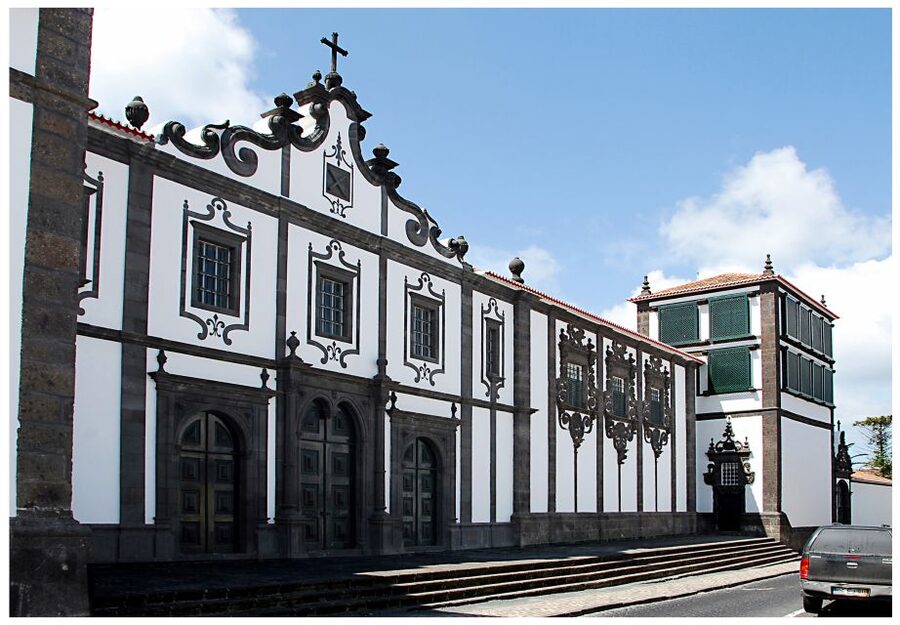
Ponta Delgada reveals itself best on foot, where a market, church, garden, theater, and old fort each add a piece to São Miguel’s story. This three-hour walk links the city’s main sights with local life, Azorean politics, literature, religion, and its long relationship with the sea.
I like the strong mix of places, from the produce stalls at Mercado da Graça to the Carlos Machado Museum and Forte de São Brás. I also like the human scale of the route and the chance to hear about figures such as Antero de Quental from a local guide. The main consideration is that the tone can lean toward religious stories, and some guides may be easier to follow in English than others.
Key points at a glance
- Three hours on foot: A city orientation that covers major sights without using transport.
- A local look at Azorean life: Mercado da Graça, Mercado CORES, gardens, churches, and public spaces give the tour a distinctly local feel.
- Several cultural stops: The Carlos Machado Museum and Teatro Micaelense add art, natural history, and island culture to the walk.
- Religion and politics included: Expect discussion of Santo Cristo, Azorean autonomy, and the role of the islands in Portugal.
- Guide language choice: Tours are offered in English, Portuguese, Scots Gaelic, and Spanish.
- Accessible format: The walk is wheelchair accessible, with entry to the listed attractions included.
Starting beside Luís de Camões
The walk begins at the Ernesto do Canto Public Library, on Rua Ernesto do Canto, beside a bust of Luís de Camões. This is a useful starting point because it places you near the center of Ponta Delgada while introducing the literary side of Portugal before the route turns toward markets, churches, and civic buildings.
You will meet your guide here, so arrive ready to walk rather than expecting a coach or hotel pickup. The tour does not include transportation, and there is no lunch stop included. Bring water, wear comfortable clothes, and choose shoes that can handle three hours on city streets.
The opening discussion also sets up one of the tour’s main themes: Ponta Delgada is not simply a collection of pretty façades. It is a working capital, a cultural center, a religious destination, and the seat of government for the Azores. The best parts of the walk connect those roles instead of treating each building as an isolated photo stop.
More History Walking Tours in Portugal
- Lisbon: History, Stories and Lifestyle Walking Tour
★ 4.8 · 10,902 reviews - Porto: Historic City Center Walking Tour
★ 4.7 · 1,172 reviews - Porto: Historical Center Walking Tour
★ 4.8 · 898 reviews
Mercado da Graça and the everyday Azores
The next stop, Mercado da Graça, is one of the most useful places on the route for understanding daily life. Its colors, smells, and local produce offer a quick lesson in what people buy, cook, and value on São Miguel.
I like this part of the tour because it moves beyond monuments. You see the Azores as a place where people live and shop, not only as a holiday setting. The market gives your guide a natural way to explain local food and island customs, even if the tour does not include a meal or tasting.
Market hours can affect the feel of this stop. If you take the tour on a day when some places are closed, the visit may be more about the building and its role in city life than about a full market experience. Saturday timing deserves particular attention, since not every stop may be open.
Teatro Micaelense and the city’s cultural side
From the market, the route continues to Teatro Micaelense, an important center for performing arts in the Azores. The theater represents the cultural ambitions of Ponta Delgada and helps explain why the city feels more like a regional capital than a small island town.
The value here is context. You may not attend a performance, but your guide can place the theater within the wider artistic life of São Miguel. It is a useful counterpoint to the churches and military buildings that appear later, showing that island identity is expressed through music, theater, literature, and public events as well as faith and politics.
The walk then reaches the Carlos Machado Museum, where natural history and regional culture come together. This is one of the more substantial stops because it gives you a way to connect the wider archipelago with the city itself.
The museum helps explain the islands’ plants, animals, traditions, and material culture. Since the Azores are spread across several islands, a museum visit can provide background that is hard to pick up during a short city stay. You get a broader picture of the place before returning to the streets.
Entry to the attractions listed on the route is included. Still, the exact amount of time spent inside each location can depend on opening hours and the guide’s pacing. Do not expect a long museum study visit. Think of it as a guided introduction that helps the rest of the walk make more sense.
Igreja do Colégio, Antero de Quental, and public life
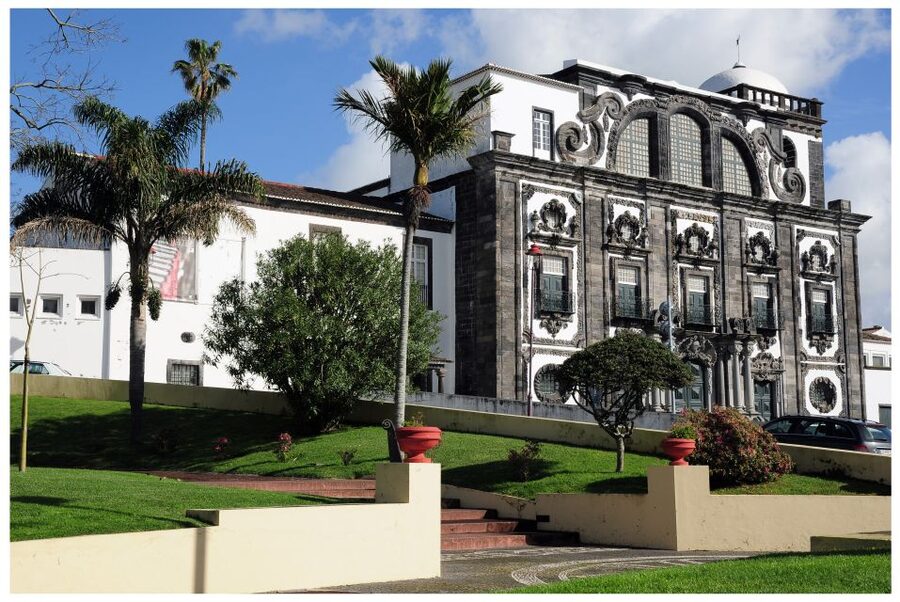
The Igreja do Colégio brings the route into one of Ponta Delgada’s religious and architectural centers. Churches matter greatly in Azorean history, and this stop gives your guide a chance to explain how faith has shaped public life on the islands.
The nearby Antero de Quental Garden shifts the mood from interior space to an open city setting. Antero de Quental was an important Portuguese poet, and the garden provides a natural place to hear about his life, writing, and connection to São Miguel.
This section will suit you if you enjoy literature woven into a city walk. It is less useful if you want only dates, battles, and architectural facts. The tour presents history through people and places, and religious stories may form part of that approach. If biblical material is not your interest, keep this in mind before booking.
The Public Library adds another literary and civic link. Along with the opening reference to Camões and the later discussion of Antero de Quental, it shows how books and writers fit into the identity of Ponta Delgada. You are not simply ticking off buildings. You are seeing how the city remembers its cultural figures.
Same streets, a different century:
- Douro Valley: Historical Sites, Wine Experience, Lunch & Cruise
★ 5.0 · 5,133 reviews - Lisbon: Live Fado Show with Port Wine in Historic Center
★ 4.7 · 4,166 reviews - Porto: An Intimate Fado Show in a Historical Tavern
★ 4.8 · 2,055 reviews - Lisbon: Fado Show with Wine in a Historic Venue
★ 4.8 · 1,294 reviews
Gardens, government, and Azorean autonomy
The Padre Sena Freitas Garden and Palácio da Conceição introduce the political side of the Azores. Here, the guide explains regional autonomy and the way authority is divided among the islands.
This is valuable background for anyone who plans to visit more of the archipelago. The Azores are not one single city or one uniform island culture. Government, local identity, and connections between the islands all matter, and these stops help put São Miguel’s capital in that wider setting.
The gardens also give the group a pause from indoor visits and formal buildings. You can look around, listen, and get a better sense of the city’s public spaces. Since the walk covers a lot in three hours, these open-air stops help keep the pace manageable.
The guide’s style matters here. Manuela has received particularly strong praise for being friendly and well informed, and an authentic local perspective can make political history much easier to understand. At the same time, English fluency may vary by guide. If English is your main language, pay attention to the language offered for your departure and be ready to ask for clarification when needed.
Coliseu Micaelense and Campo de São Francisco
The Coliseu Micaelense is one of the largest theaters in the archipelago. Its size says something about Ponta Delgada’s role as a gathering place for the islands, and it continues the cultural thread introduced at Teatro Micaelense.
The route then moves to Campo de São Francisco, one of the city’s important public spaces. This is where you begin to see the connection between religious celebration, civic life, and the historic waterfront area.
The Santo Cristo festivities take place here. They are described as the second-largest religious celebration in Portugal, which gives the square significance beyond its everyday appearance. If you visit outside the festival period, you will not experience the event itself, but the guide can explain its importance and the role it plays in Ponta Delgada’s calendar.
This part of the route may appeal most to people who want to understand local traditions rather than simply photograph buildings. It also explains why religious life remains visible in the city. The tour does not treat the festivities as a minor detail, but as a major part of São Miguel’s public identity.
Forte de São Brás and the sea-facing city
At Forte de São Brás, the story turns toward defense, shipping, and the strategic value of the islands. The fort reflects Ponta Delgada’s connection to the sea and its position along historic Atlantic routes.
You can expect your guide to explain why a city in the Azores needed defenses and how the islands’ location shaped their history. This is one of the route’s best chances to connect the city’s attractive streets with larger forces such as trade, movement, and military strategy.
The fort also adds variety after the museum, churches, gardens, and theaters. You see a more practical side of the city, one shaped by protection and access to the ocean. The route does not stay in one historical period, which makes the walk more useful as an introduction to Ponta Delgada.
The tour is listed as wheelchair accessible, a meaningful advantage on a route that includes many different types of public spaces. If you have specific mobility needs, confirm the conditions for the date you choose, since access inside older buildings can vary. The supplied information confirms accessibility but does not provide detailed measurements or surface notes.
Portas da Cidade and the city center
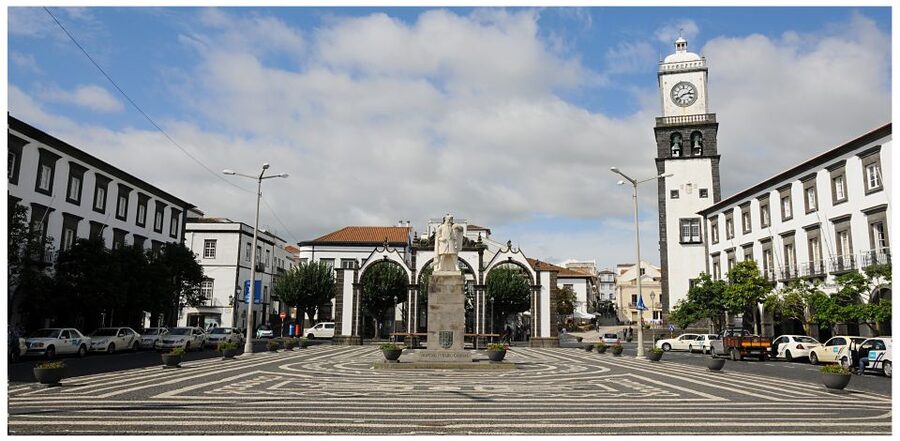
The Portas da Cidade is the symbolic gateway to the Azores and one of the most recognizable places in Ponta Delgada. Reaching it near the end of the tour gives the route a clear visual landmark and brings together several themes introduced earlier: the city’s public identity, its history, and its relationship with visitors arriving by sea.
Nearby, the Câmara Municipal and Igreja Matriz de São Sebastião form the civic and religious heart of the city. Seeing them together helps you understand how government, worship, and public life have long shared the same central space.
This is a good point in the walk to pause and orient yourself. After three hours, you will have a better sense of where the main center lies and how the streets connect. If you are staying in Ponta Delgada, the information can help you plan later visits on your own.
Ending at Mercado CORES
The walk ends at Mercado CORES, associated with Azores for All. Unlike the traditional market earlier in the route, this space focuses on local crafts and creative projects that express Azorean identity.
I like the choice of ending here because it brings the tour into the present. You begin with books, history, and old city institutions, then finish with contemporary local creativity. It suggests that Azorean culture is not frozen in the past.
You may want to allow extra time after the official three hours to look around. The experience does not include lunch, and the final market is not presented as a meal stop. It is better viewed as a place to browse, learn, and perhaps find a locally made item.
What the $41 price delivers
At $41 per person, this is priced as a guided introduction rather than a simple stroll. The fee includes the guide, entry to the listed attractions, and personal accident and liability insurance. That makes the price more reasonable if the museum and other paid sites are open and included as planned.
The value depends on how much you want explanation. You can walk around central Ponta Delgada on your own for less, and the Portas da Cidade, gardens, churches, and public squares are easy to locate. What you pay for here is the link between them: literature, religion, autonomy, island culture, and the sea.
I would consider it good value on a first visit, especially if you have only one day in the city or want a clear introduction before exploring independently. It is less compelling for you if you prefer long, quiet visits at each museum or dislike group pacing.
The published rating is 4.4 from 41 reviews, with especially strong praise for the local character of the guide and for Manuela’s friendly, well-informed approach. There are also clear cautions: one English-language experience was difficult to follow, and one guide placed more weight on biblical stories than on historical facts. Ask yourself how much religious interpretation you are comfortable with before booking.
Who should book this walk?
I would choose this tour if you want a broad first look at Ponta Delgada and enjoy moving between different kinds of places. It suits curious visitors who want more than postcard views, including people interested in literature, local politics, religious tradition, museums, and everyday island life.
It is also a practical choice for solo visitors or couples who prefer a guide’s structure. The route covers enough ground to help you get oriented without requiring a full day.
Families may like the variety, though three hours of walking and several history-heavy stops could feel long for very young children. Visitors using wheelchairs can consider it because the tour is listed as accessible, but it is still sensible to confirm the exact route and building access ahead of time.
I would be more cautious if you want a strictly secular, academic history lesson. The tour includes churches, Santo Cristo, and biblical material, and the balance between factual history and religious storytelling may depend on the guide. Language is another consideration, particularly for English speakers.
Practical details before you reserve
You can cancel up to 24 hours before the start for a full refund, and you can reserve now while paying later. Starting times vary, so check availability for your chosen date.
The walk is offered in English, Portuguese, Scots Gaelic, and Spanish. The meeting point is the Ernesto do Canto Public Library beside the Luís de Camões bust, and the endpoint is Mercado CORES. There is no pickup or drop-off, so plan to reach the starting point independently.
Bring water and comfortable shoes. The route includes three hours of walking through central Ponta Delgada, with stops at museums, churches, gardens, theaters, public squares, and a fort.
Should you book the Ponta Delgada Historical Walking Tour?
Book it if you want a well-rounded introduction to São Miguel’s capital, with a local guide connecting places that might otherwise seem unrelated. The best reasons are the mix of market life, museum displays, literary references, political history, religious tradition, and sea defenses. Manuela is a particularly appealing guide choice if her departure is available.
Skip it if you prefer to explore entirely at your own pace, want a deep museum visit, or would rather avoid biblical and religious themes. Also check the day carefully, since some stops may be closed on Saturdays.
For most first-time visitors, the tour offers a useful three-hour framework. You finish knowing where the city’s main sights are, what they mean, and which ones deserve a longer return visit.
FAQ
How long does the Ponta Delgada Historical Walking Tour last?
The tour lasts three hours.
Where does the tour begin?
It begins at the Ernesto do Canto Public Library, next to the bust of Luís de Camões.
Where does the tour end?
The tour ends at Mercado CORES, associated with Azores for All.
Which languages are available?
The live guide may lead the tour in English, Portuguese, Scots Gaelic, or Spanish.
Is the walking tour wheelchair accessible?
Yes. The experience is listed as wheelchair accessible.
What is included in the price?
The price includes a guide, entry to the attractions listed for the tour, and personal accident and liability insurance.
Is food or hotel transportation included?
No. Lunch, pickup, and drop-off are not included.
Newest history tours we have reviewed in Portugal
- Coimbra’s Historical Highlights: A Self-Guided Audio Tour★ 5.0 · 22 reviews
- In the Heart of the City: Get to know the history of Tomar and taste local Tapas!★ 5.0 · 22 reviews
- All of Tomar’s history and loads of fun.★ 5.0 · 39 reviews
- Albufeira Wine Tasting: Boutique Winery Tour & Historic Silves★ 5.0 · 380 reviews
- Arrábida: Beach, Nature & History★ 5.0 · 89 reviews
- Albufeira Wine Tour: 2 Vineyards, 6 Tastings & Historic Silves★ 5.0 · 123 reviews
- Albufeira History Walking Tour with Wine and Tapas★ 5.0 · 47 reviews
- Private jeep safari with historical highlights of Silves town★ 5.0 · 33 reviews
History Walking Tours, compared.
History and Hauntings of Salem Guided Walking Tour
Read our review →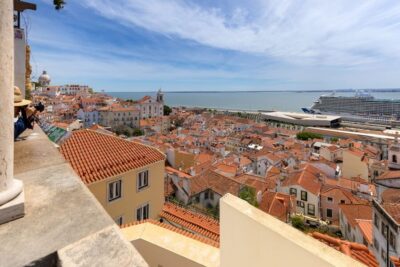
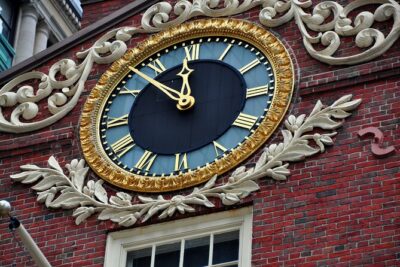
Freedom Trail History Small Group Walking Tour
Read our review →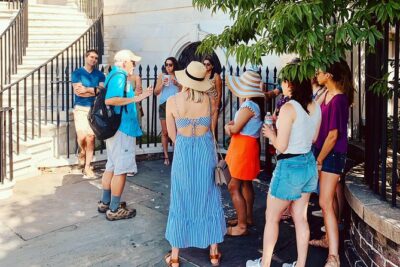
Historic Charleston Guided Sightseeing Walking Tour
Read our review →
Tapas Walking Tour with Food, Wine, and History
Read our review →
Savannah History and Haunts Candlelit Ghost Walking Tour
Read our review →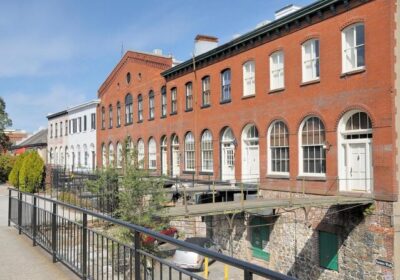
A History of Terror – Belfast City Centre Walking Tour
Read our review →Browse the lists this tour appears in