
Review · PORTO HISTORY TOURS
Porto: Historic City Center Walking Tour
Porto reveals itself best on foot, and this tour gives you a useful first look at the city’s steep lanes, tiled houses, grand avenues, and riverfront. You begin near the cathedral and work through the old center before finishing at Avenida dos Aliados, with plenty of city context along the way.
I like the focus on São Bento Station, where the blue-and-white tile panels are far more than a quick photo stop. I also like the small-group feel when available, since guides such as Barbara, Ricardo, Pedro, and Melissa have been praised for answering questions, adjusting the pace, and sharing local tips. The main drawback is the route itself: Porto is hilly, and this is not suitable for people with mobility impairments.
Key points at a glance
- São Bento’s tile panels: Take time to study the large scenes inside this working railway station.
- A strong first-day tour: The route links the cathedral, Aliados Avenue, Cordoaria Garden, the river, and the old lanes.
- Local guides make the difference: Guides including Barbara, Ricardo, Pedro, Mia, and Melissa have been praised for lively storytelling and practical advice.
- A real walking route: Expect hills, narrow streets, cobbles, and about three hours on your feet.
- Small groups may be available: Private and small-group options make it easier to hear the guide and ask questions.
- Good value at $33: The price is reasonable if you want orientation, history, and recommendations before exploring alone.
Starting at Porto Cathedral
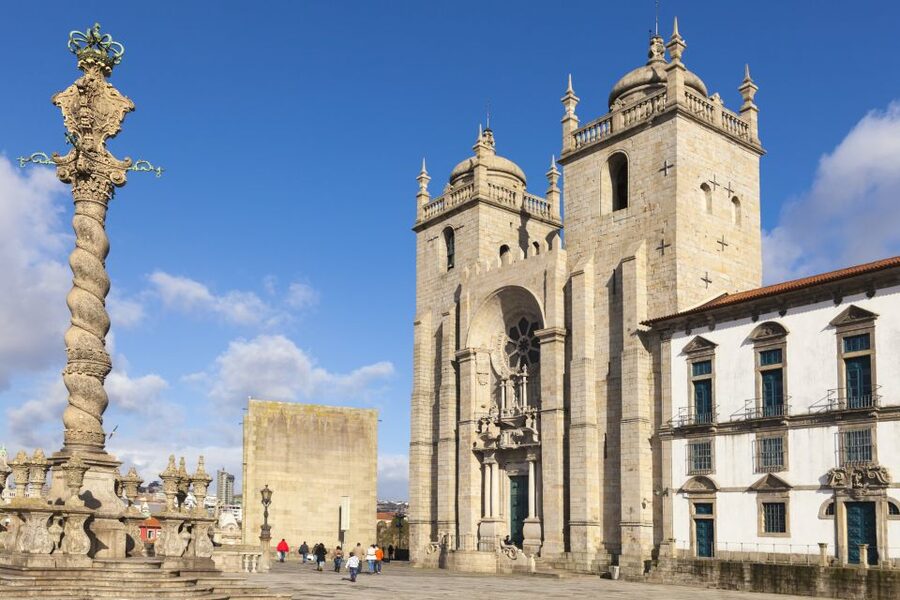
The tour begins near Porto Cathedral, in the Terreiro da Sé. This is a sensible meeting point because you are already high in the old city, surrounded by layers of Porto’s past and views over the rooftops.
Your guide sets the scene before the walk gets going. The tour is not just a march from monument to monument. You learn how Porto developed, how Portugal’s wider story shaped the city, and how the old center still functions as part of daily life.
Several guides have received especially warm praise for this blend of history and modern detail. Pedro has been described as funny, friendly, and passionate about Porto. Ricardo has been praised for making historical details easy to follow, while Barbara has been noted for her enthusiasm and willingness to answer questions. The exact guide depends on the date and booking, but the pattern is clear: the value depends heavily on getting a guide who enjoys telling the city’s story.
Give yourself extra time to find the correct meeting point. The meeting location can vary by booking option, and past visitors have found the instructions near the cathedral a little vague. Look carefully for the guide and any sign or identifying item, since the square can be busy with people arriving for different tours.
More History Walking Tours in Portugal
- Lisbon: History, Stories and Lifestyle Walking Tour
★ 4.8 · 10,902 reviews - Porto: Historical Center Walking Tour
★ 4.8 · 898 reviews - 3-Hour Porto Jewish Heritage Walking Tour with Local Guide
★ 4.5 · 396 reviews
São Bento Station and its blue tile scenes
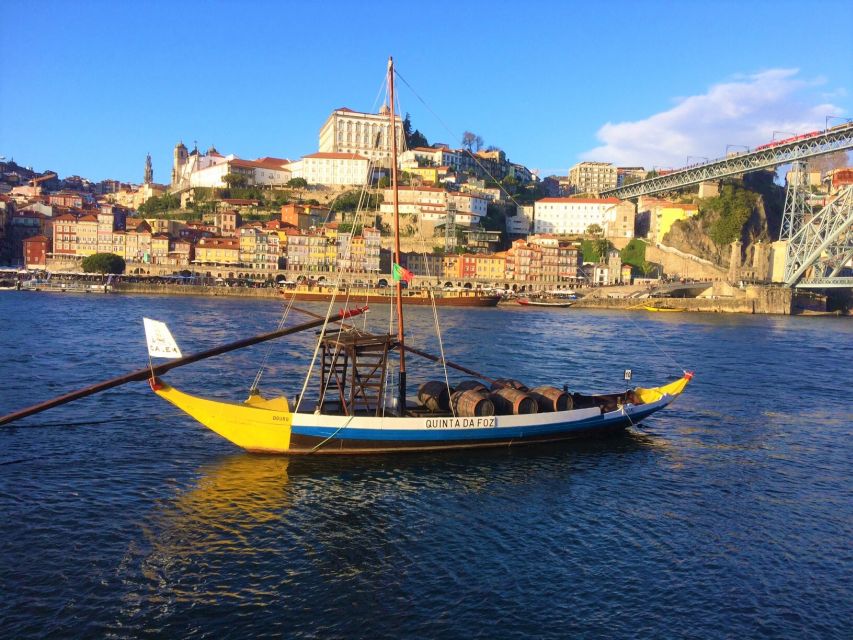
From the cathedral, you walk to São Bento Station. This is one of the strongest parts of the route, even if you are not taking a train.
The entrance hall is lined with large blue-and-white azulejo panels. They show scenes from Portuguese history and traditional life, and they reward a slow look. Your guide helps explain what you are seeing, rather than leaving you to admire the patterns without context.
I like this stop because it gives the tour a clear sense of place. Porto’s tiles are not simply decoration. They appear on churches, homes, railway stations, and other public buildings, helping create the visual character of the city.
The station remains a working transport hub, so it can be crowded. Your guide may need to position the group carefully, and you should stay close enough to hear. This is also a good place to take photographs, but avoid letting the camera turn the visit into a rushed stop.
The scheduled visit and guided walk here take about 30 minutes. That is enough time for an introduction and a close look, though anyone fascinated by tilework may wish for longer. You can return independently later if you want to study the panels in peace.
Aliados Avenue and Porto’s grand civic center
The route continues toward Avenida dos Aliados, Porto’s broad central avenue. The mood changes quickly from medieval lanes to formal city architecture.
This is a useful contrast. The tour shows you that Porto is not only a maze of old streets and colorful facades. Aliados gives you a wider, more polished view of the city, with monumental buildings and open space.
The stop lasts about 20 minutes. Your guide can help you understand how the avenue fits into Porto’s civic life and urban growth. It is also a practical orientation point, since many walks, shops, cafés, and transport connections lead from this area.
The tour finishes here, so remember that the route does not return you to the cathedral. If you are planning dinner, a museum visit, or a later meeting, Aliados is a convenient place to continue. The end point also makes this a useful morning or afternoon activity rather than a tour that consumes your entire day.
Narrow lanes through Porto’s old neighborhoods
The most enjoyable part of the walk may be the movement between major sights. Porto’s historic center is full of narrow streets, tiled houses, small craft shops, and unexpected views.
You pass through older neighborhoods where the route can feel less polished and more lived-in. That matters. A city tour is more useful when it shows you how the major monuments connect to ordinary streets, not just isolated landmarks.
The route includes areas such as Pena Ventosa and Vitória Hill. These places bring the city’s slopes into the experience. You may find yourself climbing, descending, pausing for views, and then turning into another tight lane.
The tradeoff is comfort. Wear shoes with good grip and clothing suited to walking. Porto’s hills can make three hours feel longer than the distance suggests, even at a relaxed pace. One guide, Daniel, was praised for covering the main sights in three hours while keeping the pace manageable, and other guides have received similar comments for not walking too fast.
You should also leave large luggage behind. It is not allowed on the tour, and bulky bags are awkward in narrow streets and crowded public areas.
Same streets, a different century:
- Douro Valley: Historical Sites, Wine Experience, Lunch & Cruise
★ 5.0 · 5,133 reviews - Lisbon: Live Fado Show with Port Wine in Historic Center
★ 4.7 · 4,166 reviews - Porto: An Intimate Fado Show in a Historical Tavern
★ 4.8 · 2,055 reviews - Lisbon: Fado Show with Wine in a Historic Venue
★ 4.8 · 1,294 reviews
Livraria Lello and the city’s literary stop
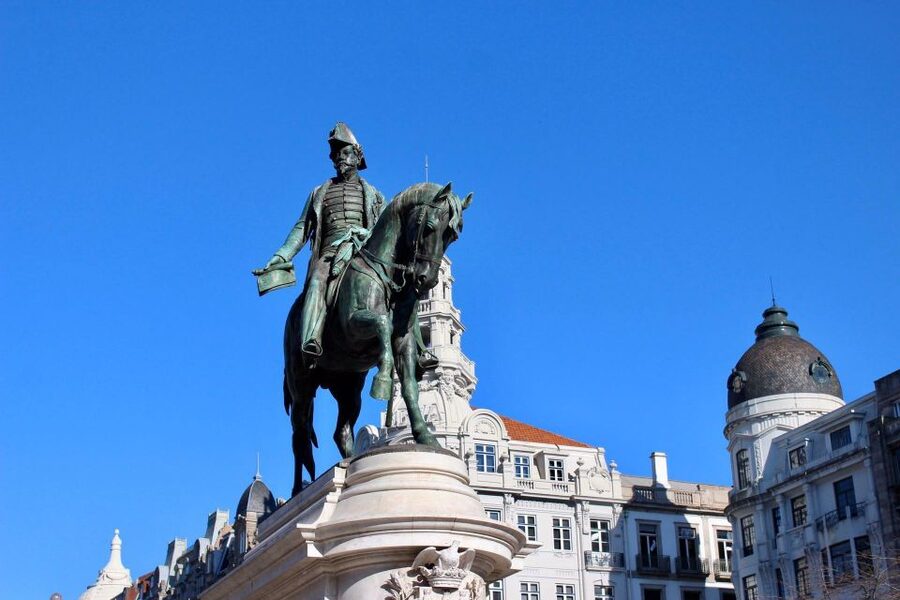
The route passes through the area of Livraria Lello, often described as one of the world’s most beautiful bookshops. The information provided for this tour says you pass through the bookshop, but it does not state that admission is included or that there is a dedicated entry visit.
That distinction matters. Treat this as a look at an important stop along the route, not as a guaranteed extended bookstore visit. If entering Livraria Lello is a priority, check the current booking details before you go.
Even from the outside or during a brief pass, the stop adds another layer to the walk. Porto’s center brings together religious buildings, railway art, civic architecture, traditional homes, and literary culture within a relatively compact area.
A guide can also help you decide how to spend your own time later. Several guides, including Magda and Melissa, have been praised for offering recommendations suited to individual interests. That is one reason I would schedule this tour early in your stay.
Cordoaria Garden and a slower pause
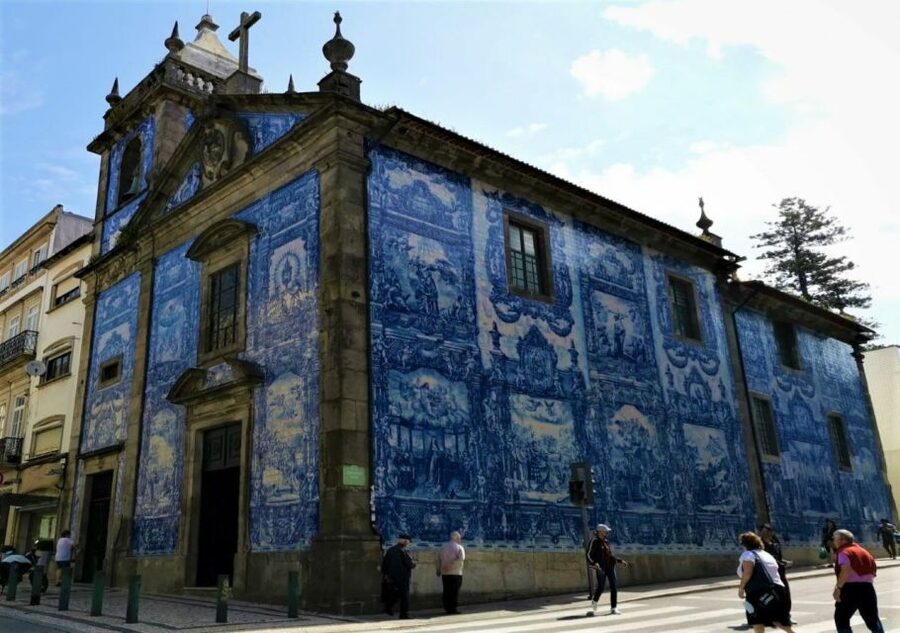
Cordoaria’s Garden gives the group a change of pace. After tight streets and busy public areas, a garden with flowers and open paths offers room to pause.
The guided portion here lasts about 20 minutes. It is not presented as a major botanical visit, but it helps show another side of central Porto. The city’s historic core includes formal gardens as well as stone lanes and dense buildings.
This stop can also make the walk feel less relentless. A good guide uses pauses to answer questions, point out details, and let the group catch up. Review comments repeatedly praised guides for being friendly, relaxed, and willing to adapt. Caterina was praised for covering a lot of the city at an easy pace, while Ricardo was noted for letting the group proceed at its own speed.
That flexibility is most useful in a small group. If you book a private option, you may have more room to shape the conversation around architecture, food, music, history, or practical recommendations. A larger group can still work well, but you may need to stay near the guide to hear every detail.
The Douro River and Ribeira energy
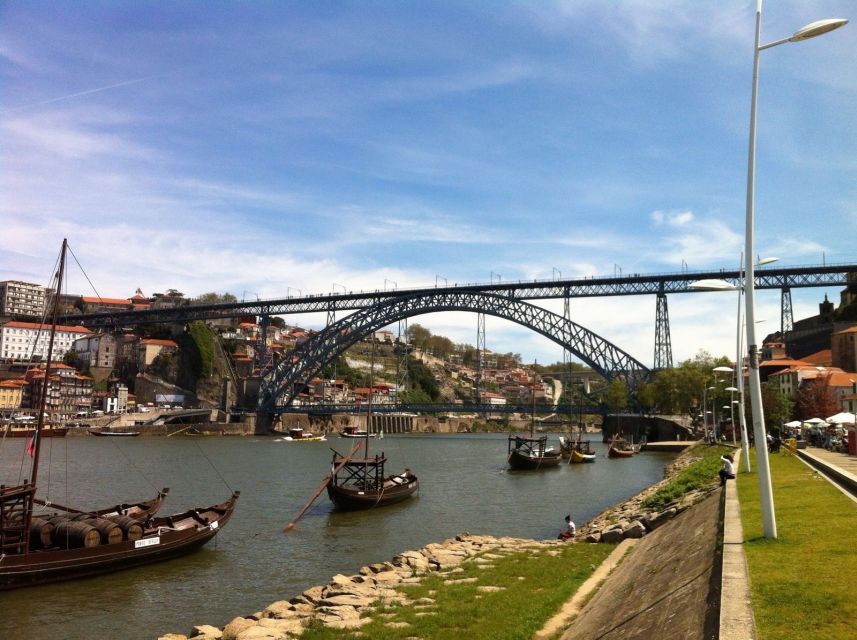
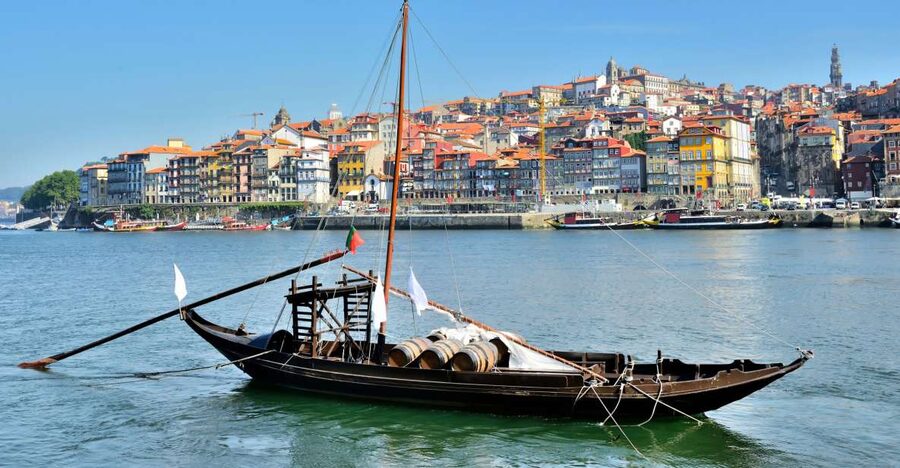
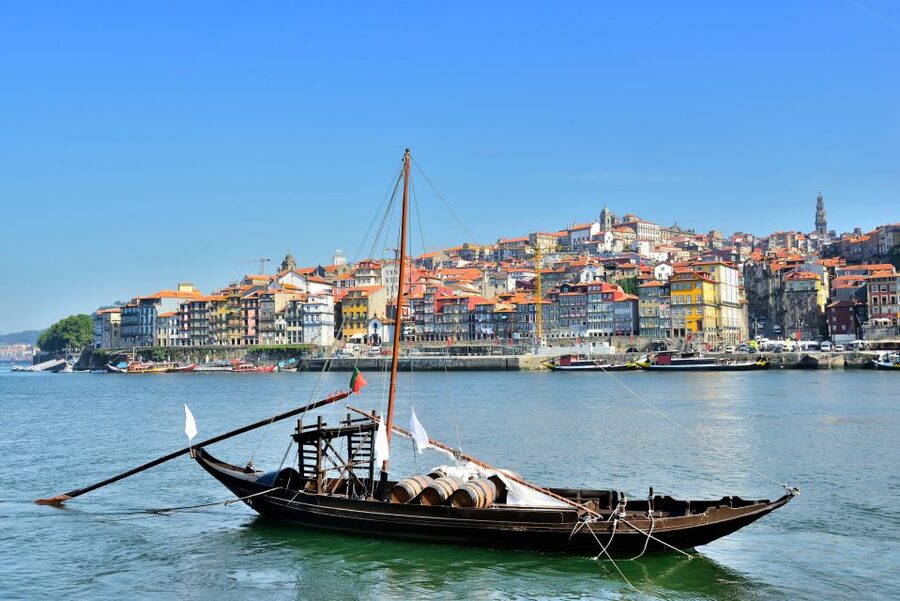
The tour also brings you toward the Douro River and the lively Ribeira area. This is where Porto’s setting becomes easiest to appreciate.
From the riverfront, you can understand the relationship between the city’s upper streets, its waterfront, and the hills between them. The route gives you a chance to feel the movement of the city rather than simply viewing it from a lookout.
The walk beside the Douro lasts about 30 minutes. Your guide discusses the area and points out details that are easy to miss when you are focused on restaurants, boats, or photographs. The riverfront can be active and crowded, so keep an eye on the group.
Food and drinks are not included. That is not a serious flaw for a three-hour city walk, since it gives you freedom to choose your own stop later. Still, avoid assuming you will have a scheduled meal or tasting. Bring only what you need and plan a café or lunch stop after the tour.
What the guides add to the walk
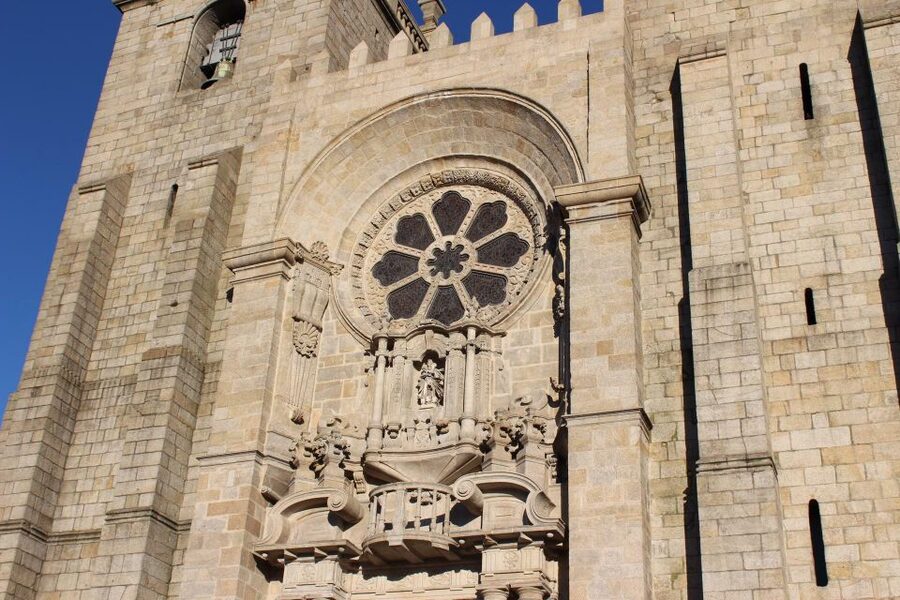
The strongest feature of this experience is the guide. The route itself is easy to understand, but a local guide turns a list of places into a connected story.
Guides have included Barbara, Ricardo, Pedro, Melissa, Mia, Magda, Caterina, Daniel, and others. Their approaches vary, but the most praised qualities are consistent: clear explanations, enthusiasm, patience, humor, and useful recommendations.
Pedro has been praised for connecting Porto’s story from early periods through modern times. Ricardo has been recognized for linking historical events to the streets and buildings in front of you. Melissa has been noted for making the history of Porto and Portugal easy to follow, while Magda has been praised for adjusting the route to individual interests and showing less touristy corners.
You should still remember that no two departures will be identical. The guide, group size, weather, and questions from the group will shape the experience. That is a benefit if you enjoy a flexible walking tour, but less so if you want a fixed script or an exact list of interior visits.
The language options are Spanish, English, German, Portuguese, and French. Confirm your chosen language when booking.
Is $33 a fair price?
At $33 per person, this is a fair price for a three-hour guided walk through central Porto. You are paying for local orientation, historical explanation, and a route that links several important areas without requiring you to plan the order yourself.
The value is strongest if this is your first visit. In three hours, you see the cathedral area, São Bento Station, Aliados Avenue, the old neighborhoods, Cordoaria Garden, the river, and parts of Ribeira. You also receive suggestions for what to see and do afterward.
The value is lower if you already know central Porto well or prefer exploring alone. You will not receive food or drinks, and the experience is primarily an outdoor walking tour. The description also does not promise entry to every attraction along the way.
Private and small-group options are available. A small group is worth considering if you care about hearing every explanation or want to ask many questions. A private tour costs more in many cases, but the supplied information does not give a separate private price, so check the option selected before comparing.
Cancellation up to 24 hours before the start allows a full refund, and reserve-now-pay-later booking is available. Those terms make it easier to place the tour early in your schedule without locking every detail in advance.
Who should book this Porto walking tour?
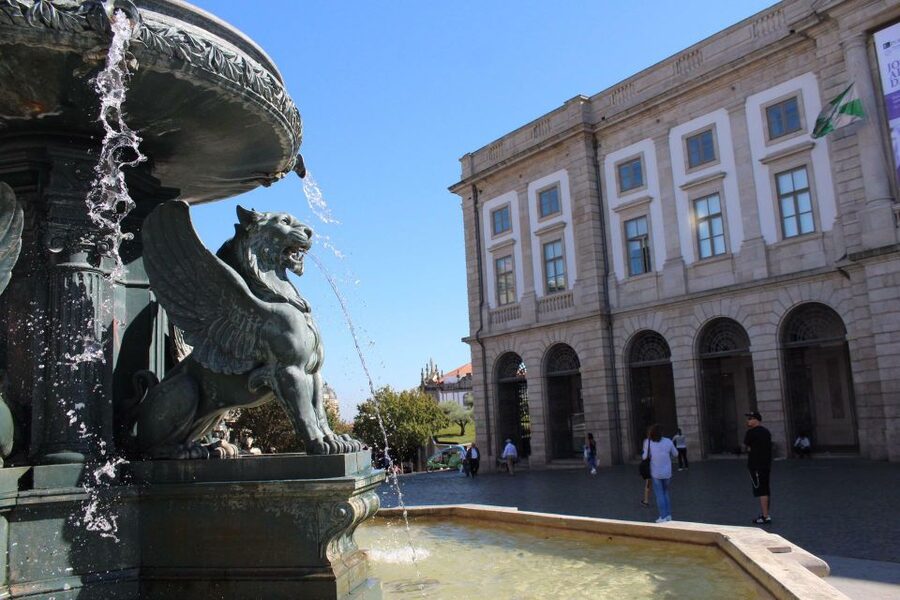
I would choose this tour for a first or second day in Porto. It gives you a map in your head, introduces the main sights, and helps you decide where to return for a longer visit.
It suits you best if you enjoy walking, ask questions, and want history mixed with daily life. It is also a good fit if you prefer a human guide to a recorded audio tour or a large vehicle-based overview.
You should think twice if hills are difficult, if you need frequent seating, or if you want a fully accessible route. The activity is specifically not suitable for people with mobility impairments. Comfortable shoes and clothes are essential, and large bags are not allowed.
Final verdict: book it for orientation and local context
Yes, I would book this tour if you are new to Porto and want a practical introduction before exploring on your own. The combination of São Bento’s tiles, the cathedral quarter, old lanes, Aliados, gardens, and the Douro gives you a broad view in three hours.
The experience is not a food tour, museum tour, or dedicated Livraria Lello visit. It is a city orientation walk, and its success depends on your guide and your comfort with Porto’s hills.
Book it early, stay close to the guide at the meeting point, wear supportive shoes, and choose a small-group or private option if you want more conversation. With a strong guide such as Barbara, Ricardo, Pedro, or Melissa, $33 buys more than a checklist of monuments. It gives you the background needed to see Porto with sharper eyes for the rest of your stay.
FAQ
How long does the Porto Historic City Center Walking Tour last?
The tour lasts three hours.
Where does the tour begin?
The meeting point may vary by booking option, but the listed starting area is near Terreiro da Sé, by Porto Cathedral.
Where does the tour finish?
The tour finishes at Avenida dos Aliados.
Which languages are available?
Live guiding is available in Spanish, English, German, Portuguese, and French.
Is food or drink included?
No. Food and drinks are not included in the tour price.
Is the tour suitable for people with mobility impairments?
No. The activity is not suitable for people with mobility impairments. You should also bring comfortable shoes and clothing, and large bags or luggage are not allowed.
Newest history tours we have reviewed in Portugal
- Albufeira: Old Town History Walking Tour with Tapas & Wine★ 4.7 · 96 reviews
- “Porto: Fado Show with Guided Tour in a Historic Monastery”★ 4.9 · 164 reviews
- Lisbon Fado History Cultural Walking Tour★ 5.0 · 118 reviews
- Lisbon city tour on history, culture and current topics★ 5.0 · 41 reviews
- Porto: Jewish Heritage Walking Tour★ 4.7 · 266 reviews
- Lisbon: Jewish History Tour of Lisbon★ 4.8 · 84 reviews
- Lisbon Jewish Heritage and History – Private Tour Van★ 5.0 · 294 reviews
- Lisbon Essential Walking Tour: History, Stories and Lifestyle★ 5.0 · 316 reviews
History Walking Tours, compared.
History and Hauntings of Salem Guided Walking Tour
Read our review →

Freedom Trail History Small Group Walking Tour
Read our review →
Historic Charleston Guided Sightseeing Walking Tour
Read our review →
Tapas Walking Tour with Food, Wine, and History
Read our review →
Savannah History and Haunts Candlelit Ghost Walking Tour
Read our review →
A History of Terror – Belfast City Centre Walking Tour
Read our review →Browse the lists this tour appears in