
Review · NEW DELHI HISTORY TOURS
Old Delhi: Spices, Heritage and Bazaars Walking Tour
Old Delhi is best understood on foot, one crowded lane at a time. This three-hour walk takes you from the steps of Jama Masjid through old bazaars, traditional havelis, goldsmith workshops, and Khari Baoli, Asia’s largest spice market. Guide Jai Singh is known for explaining both the grand Mughal past and the practical details of daily life today.
I like the small group size, limited to seven people, and the way the route reaches places you could easily miss alone. I also like the strong value: at $13, you get a local guide, a bottle of water, and a focused introduction to one of Delhi’s most fascinating districts. The main drawback is that the walk is crowded, noisy, and physically demanding, with no hotel transport included and an additional fee if you enter Jama Masjid.
Key points to know before you book
- Jama Masjid begins the story: See Shah Jahan’s 400-year-old mosque and opt for city views from inside.
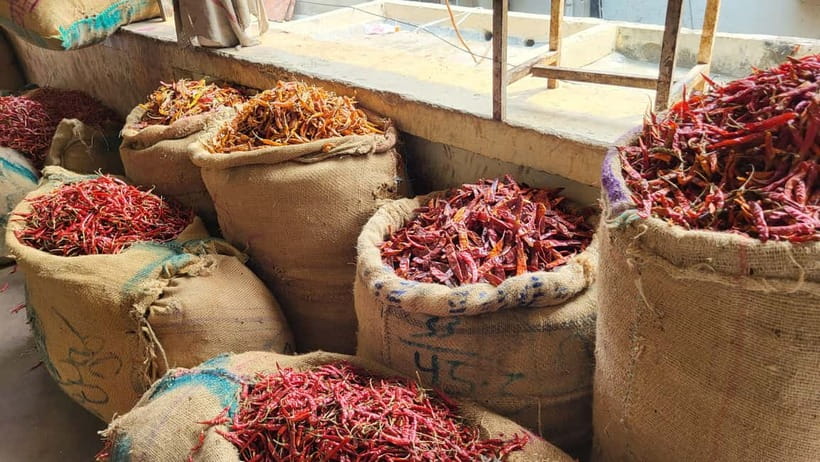
- Khari Baoli is the sensory high point: Walk among open sacks of spices, wholesale warehouses, and strong aromas.
- The route goes beyond headline sights: Explore narrow lanes, old havelis, clothing markets, jewelry shops, and a long-established goldsmith neighborhood.
- Jai Singh adds local context: He explains religion, food, trade, customs, architecture, and modern Old Delhi life.
- Small groups make the lanes easier: The tour is limited to seven people, useful when crossing crowded streets.
- Plan for a real city walk: Large bags are not allowed, mobility can be difficult, and street conditions are uneven.
Starting at Jama Masjid Metro Station
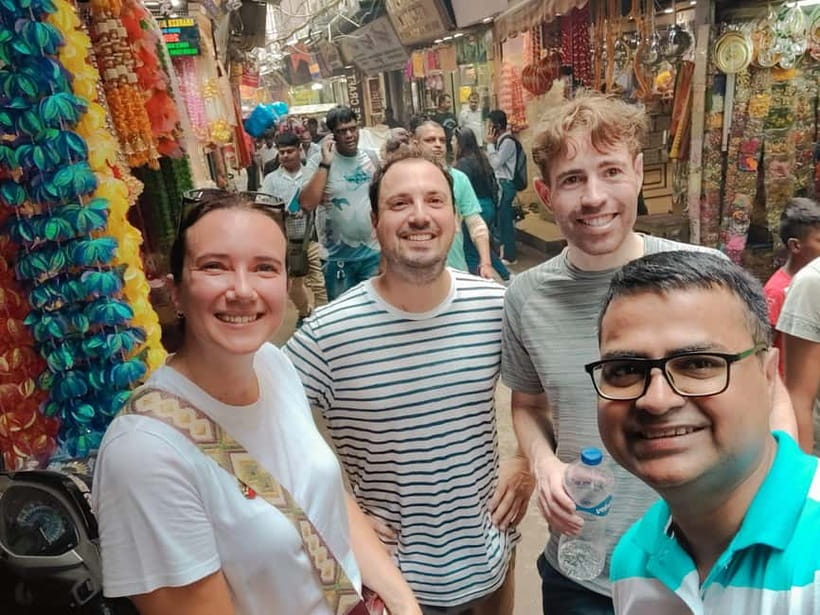
The meeting point is Exit Gate 1 of Jama Masjid Metro Station. This is a useful starting place because you enter Old Delhi directly, rather than spending the first part of the tour in a car or searching for the district’s main entrance.
Send your WhatsApp or local Indian number when booking. The guide uses it to find you if you come out at the wrong side of the station or arrive a few meters away. If you use Uber, the supplied meeting-point pin is more useful than relying on the station name alone.
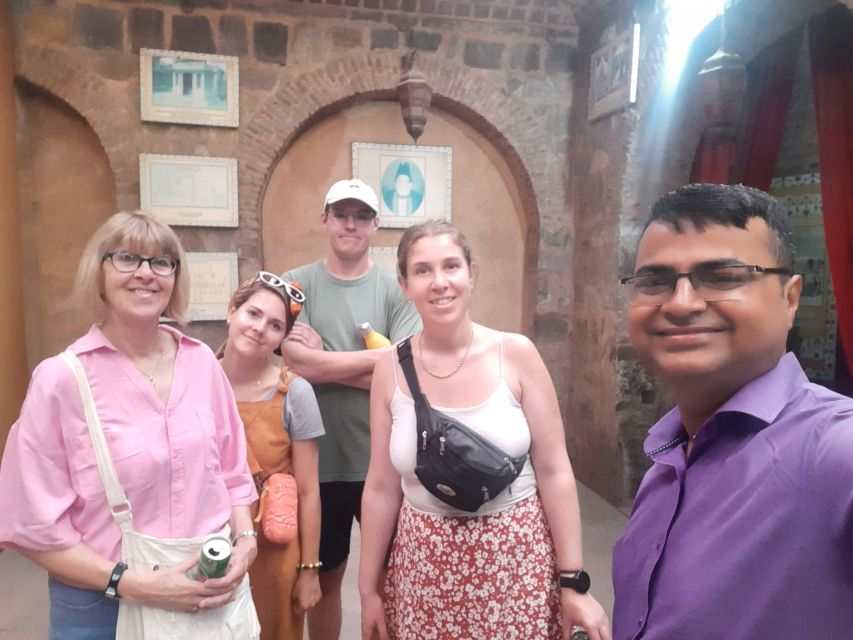
The group is capped at seven people, though some departures may be smaller. A few people have ended up with a private or nearly private walk, which gives you more room to ask questions and adjust the pace. The guide, generally Jai Singh, has been praised for waiting when people are late, helping solo participants feel comfortable, and arranging a ride at the end when needed.
Bring water, comfortable shoes, and as little as possible. Large luggage and big bags are not allowed. Old Delhi is not a place where you want to haul a suitcase through traffic, shopkeepers, pedestrians, and motor rickshaws.
More History Walking Tours in India
- Fontainhas Heritage Walk by Make It Happen
★ 5.0 · 2,834 reviews - The Great Indian Food Tour: Old Delhi Food and Heritage Walk
★ 5.0 · 1,698 reviews - Old Goa Heritage Walk by Make It Happen
★ 5.0 · 797 reviews
Jama Masjid and the Mughal beginning
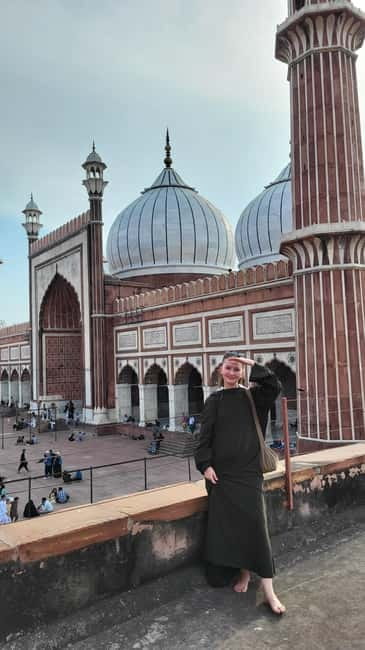
The first major stop is Jama Masjid, built by Shah Jahan, the Mughal emperor also associated with the Taj Mahal. The mosque dates from the seventeenth century and remains one of the defining buildings of Old Delhi.
The approach gives you an immediate lesson in how this district works. Stone steps rise above the surrounding market, while vendors and shoppers move around the base. From the mosque area, you can look over the dense old city and see how little separation there is between sacred buildings, homes, workshops, food stalls, and commerce.
Entry inside the mosque is optional. The stated entrance fee is INR 450 per person, paid separately, and you can skip the visit and take photographs from outside. If you choose to enter, dress respectfully and expect rules about clothing, footwear, and photography. The walk may include the mosque courtyard, and some departures have also included a minaret visit, but you should confirm exactly what is operating on your date.
This optional arrangement is useful. You can keep the cost down if you have already visited several mosques, or spend the extra money for the interior and wider views. The mosque is also the point where the tour moves from famous monument to living neighborhood.
Meena Bazaar and the changing face of Old Delhi
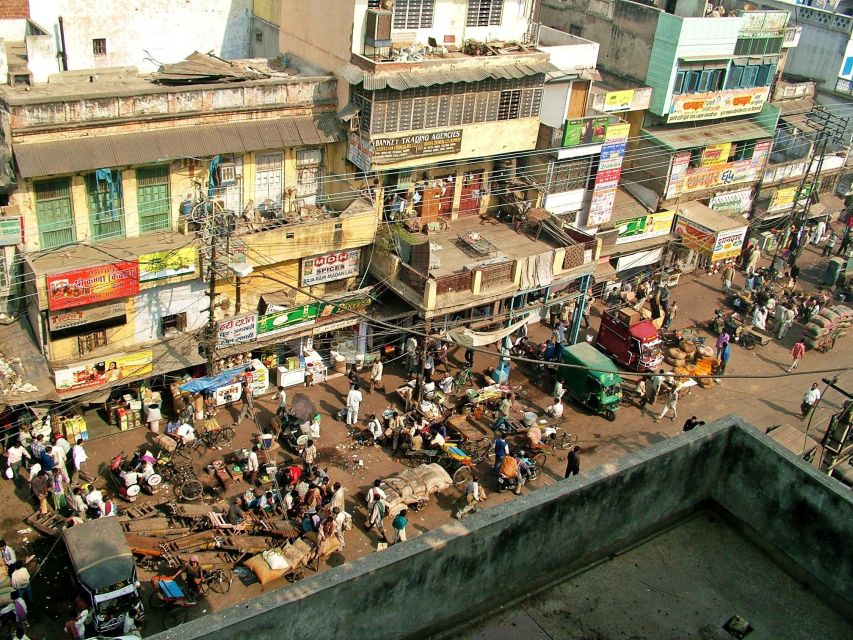
Near Jama Masjid, the route passes through Meena Bazaar. In Mughal times, this area served as a high-end market connected with precious goods and imperial life. Today, it is a much more ordinary market serving local shoppers with inexpensive clothing, household goods, and daily necessities.
That change is part of the appeal. You are not seeing a preserved stage set. You are seeing an old commercial district still doing business, but for a different public and at a different price level. Jai Singh can explain how the area has changed while pointing out details you might otherwise walk past.
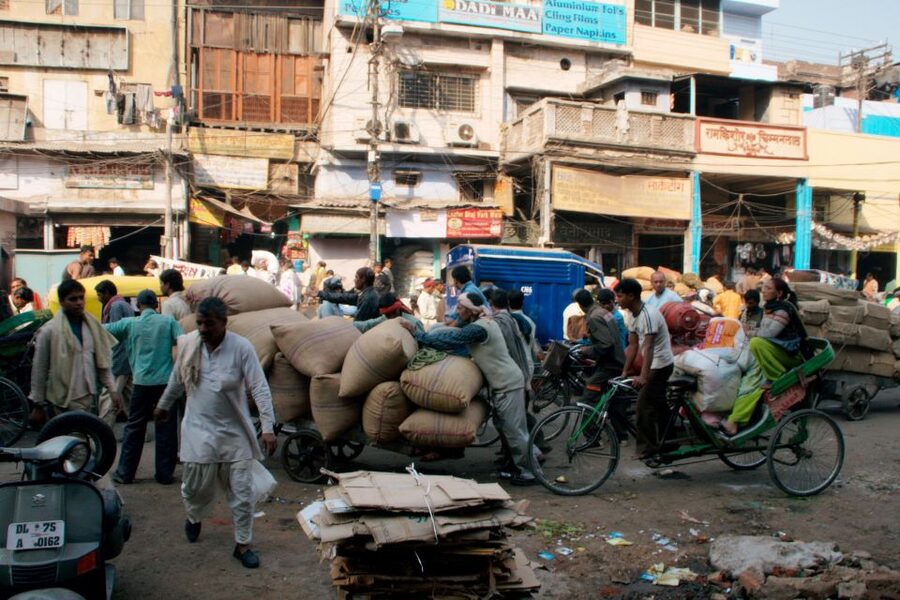
This is also where the traffic and crowding become real. The lanes can be tight, and you may need to stop suddenly for a scooter, handcart, delivery worker, or group of shoppers. Stay close to the guide and keep your phone and wallet secure in a zipped pocket.
Chandni Chowk through lanes and old havelis
The route continues into Chandni Chowk and its smaller side streets. The main road is famous, but the most interesting parts are often the narrow passages leading away from it.
You can expect a mix of old residential buildings, carved facades, havelis, fabric shops, wedding clothing, jewelry stalls, and food businesses. Some lanes specialize in one type of trade, while others reveal homes and workshops tucked behind shop fronts. The streets can feel confusing even after a short distance, which is exactly why a local guide matters here.
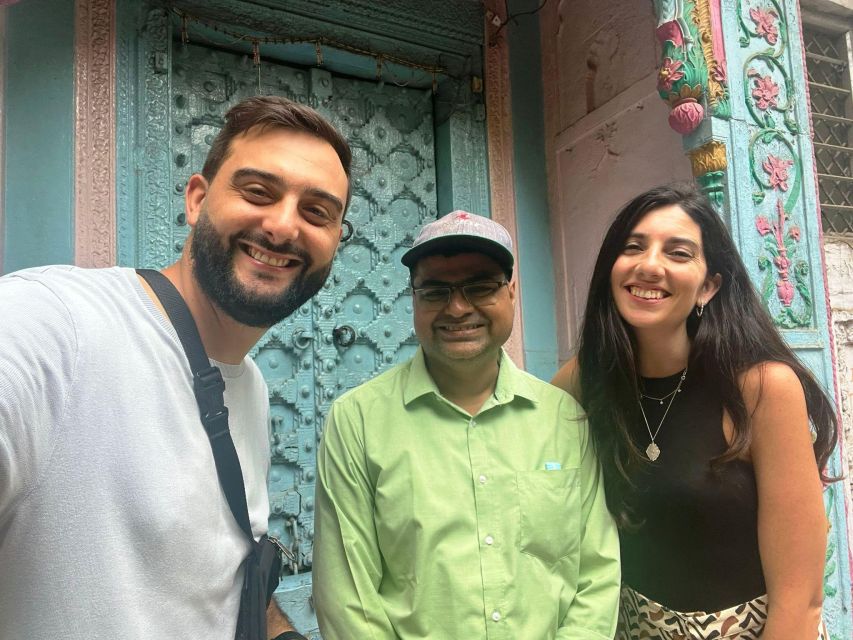
Jai’s strongest contribution is not just naming buildings. He explains how people use the area, how goods move through it, and why different streets developed different trades. You might hear about local customs, religious communities, food culture, and the social rules that shape daily life.
Several tours have included short food or drink stops, such as samosas, local snacks, and masala chai. These extras can vary, and food is not included in the advertised price, so carry some cash if you want to buy something. The guide may also point out different chai preparations or recommend places to eat later in your Delhi stay.
A short rickshaw ride has also been included on some departures, but you should not treat it as guaranteed. The published walk is the main event. Any ride or snack is a bonus that may depend on traffic, timing, and the group’s interests.
Same streets, a different century:
- Old Delhi Food, Heritage&Cultural Walk with Rickshaw ride to Masterji Kee Haveli
★ 5.0 · 742 reviews - Blue City Heritage Private Walking Tour With Pickup and Drop-Off
★ 5.0 · 441 reviews - Kolkata Heritage Tram Tour
★ 4.0 · 395 reviews - Private Heritage Walking Tour in Jaisalmer Fort and Old Bazaar
★ 5.0 · 306 reviews
The goldsmith neighborhood and working Old Delhi
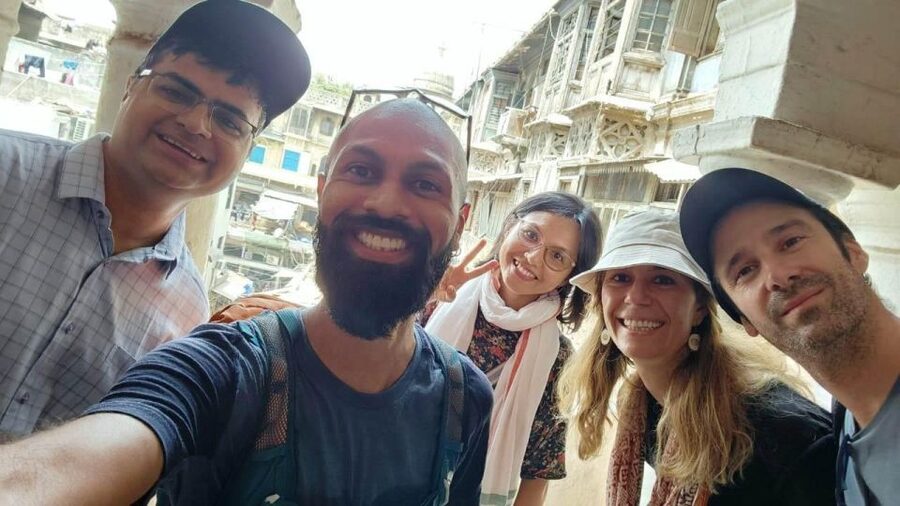
One of the more unusual parts of the route is an old neighborhood associated with goldsmith artisans. Families have worked in this part of the city since the Mughal period, and the area offers a glimpse of skilled trade beyond the usual sightseeing circuit.
You may see shop fronts and working spaces rather than polished museum displays. That distinction matters. The point is not simply to admire old architecture, but to understand how craft, family businesses, and market streets have continued together for generations.
Shopping can be part of the experience, though you are not required to buy anything. The guide can help explain local prices and practices, and some visitors have used the walk to find tea, spices, silverware, fabric, or other small souvenirs. Keep your buying decisions relaxed. Compare prices, ask questions, and do not feel obliged to purchase from every shop you enter.
Khari Baoli and the spice trail
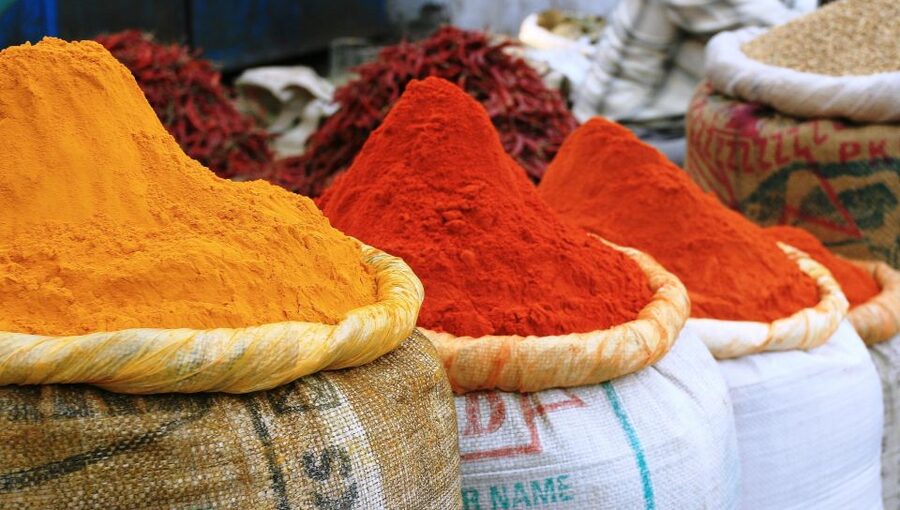
Khari Baoli is the tour’s strongest sensory stop. It is widely known as Asia’s largest spice market, with wholesalers handling large quantities of ingredients used in homes, restaurants, and food businesses.
The route moves through warehouse areas where big sacks are opened for inspection and sale. Depending on the day, you may see piles of whole spices, dried goods, powders, herbs, and blends. The air can become intense, especially near open bags. If strong smells bother you, take a little distance and let the group move at a comfortable pace.
The guide usually explains what common spices are used for, how blends are put together, and why ingredients that seem cheap in India can cost far more in other countries. This is practical information if you enjoy cooking or want to take home a few small packets.
The market is not a quiet food museum. It is a working wholesale district, with sacks, carts, shopkeepers, dust, and constant movement. That can make the visit more memorable, but it also means you need to watch where you step and avoid blocking doorways.
A stop at an old spice depot gives the market some structure. Instead of only looking at colorful piles, you get an explanation of the trade and the ingredients. This is also a good place to ask about buying spices safely, packing them for a flight, and choosing products you will actually use.
What Jai Singh adds to the walk
A good Old Delhi guide needs more than dates and monument names. You need someone who can guide you through traffic, explain local behavior, answer questions without rushing, and adjust the walk to the group.
Jai Singh has received especially strong praise for his calm manner, clear explanations, and care with solo visitors and older participants. He has helped people locate the meeting point, waited for late arrivals, slowed the pace for elderly parents, and helped arrange rides back to hotels or hostels.
His subject range is also broad. Expect discussion of Mughal-era buildings, local religion, social customs, market goods, food, working hours, neighborhood life, and the changes affecting Old Delhi today. The best parts of this walk are often the small explanations between formal stops.
The experience is conducted in English. Since the group is small, you can ask direct questions instead of waiting for a long explanation to finish. If you want more time at a shop, a particular architectural detail, or a food stop, say so early.
Price, timing, and practical value
At $13 per person, this is unusually good value for a three-hour guided walk in central Delhi. The price includes the guide and one mineral water bottle. It does not include Jama Masjid’s INR 450 entry fee, food, drinks, tips, hotel transport, or optional extras such as a rickshaw ride.
The value comes from access and orientation rather than luxury. You are paying for someone to make sense of a difficult district, lead you through lanes that are easy to lose, and provide context while you walk. If you tried to cover Jama Masjid, Chandni Chowk, the goldsmith area, and Khari Baoli alone, you could certainly spend less, but you would likely see a less connected version of the area.
The advertised duration is three hours. Some walks have run longer because the guide wanted to show more shops, side streets, or local stops. That can be welcome if you have time, but plan your day with some flexibility. The walk normally finishes near Khari Baoli or in the direction of Connaught Place, depending on the chosen option.
Hotel pickup is optional for centrally located hotels, but the clearest meeting point is still Jama Masjid Metro Station. Confirm the pickup details before setting out, especially if you have limited time or a morning train.
Who should book this Old Delhi walk
I would choose this experience if you want local life alongside major monuments. It suits first-time visitors who want help with Delhi’s street layout, solo visitors who prefer a guide in crowded areas, food-curious people, shoppers interested in tea and spices, and anyone who enjoys walking through working neighborhoods.
It is also a good fit if you care more about context than polished sightseeing. The route includes famous places, but much of its character comes from havelis, workshops, market lanes, and ordinary commerce.
I would hesitate if you dislike crowds, strong smells, uneven walking, or sudden traffic. The activity is not suitable for people with mobility impairments or pregnant women, according to the tour information. Jama Masjid entry is optional, but skipping the interior does not remove the physical demands of the Old Delhi streets.
Wear modest clothing for the mosque, use comfortable footwear, and carry only what you need. A small crossbody bag is more practical than a backpack or suitcase.
Should you book it?
Book this walk if you want a low-cost, guided introduction to Old Delhi that goes past the obvious photo stops. The mosque, spice market, old bazaars, artisan lanes, and local food possibilities give you a useful first look at how the district works.
The best reason to book is the guide’s local handling of the area. Jai Singh can help you cross the chaos, explain what you are seeing, and keep the pace human rather than hurried. Just budget separately for the mosque, snacks, and any shopping, and leave room in your schedule in case the walk runs beyond three hours.
FAQ
Where does the tour meet?
Meet the guide at Exit Gate 1 of Jama Masjid Metro Station. If you use Uber, use the supplied Google Maps pin because the station has several exits and nearby streets can be confusing.
How long does the walking tour last?
The scheduled duration is three hours. Some walks may last longer if the guide adds extra stops, shopping help, food breaks, or other local experiences.
Is entry to Jama Masjid included?
No. Visiting the mosque interior is optional, and the stated entry fee is INR 450 per person. You can skip the interior and take photographs from outside.
What does the $13 price include?
The price includes a local English-speaking guide and one mineral water bottle per person. Food, drinks, tips, hotel transport, and the Jama Masjid entry fee are not included.
Is the tour suitable for a small group?
Yes. The group is limited to seven participants. Some departures may have fewer people, depending on bookings.
Can I bring luggage?
No. Large bags and luggage are not allowed. Bring only a small day bag with essential items.
Is hotel pickup available?
Pickup is optional from centrally located hotels, depending on the selected option. The standard meeting point is Jama Masjid Metro Station.
What happens at the end of the walk?
The tour can finish near Khari Baoli or in the direction of Connaught Place, depending on the selected option. The guide can help coordinate a ride or directions, but your own transport costs are not included.
Newest history tours we have reviewed in India
- Historical Tour including Unesco Kangra fort & Rock cut temple from Dharamshala★ 5.0 · 27 reviews
- Colonial Heritage Walking Tour in Darjeeling★ 5.0 · 55 reviews
- Georgetown heritage walking tour in Chennai about the founding of Chennai★ 5.0 · 144 reviews
- Private Chennai Day Tour – Art History and Contemporary Chennai★ 5.0 · 21 reviews
- Chennai Heritage & Cultural Walk (2 Hours Guided Walking Tour)★ 3.5 · 32 reviews
- Exploring Mylapore: A Cultural & Historical Walking Tour★ 5.0 · 42 reviews
- See Bangalore through my eyes (Cultural / Historical / Walking Tour)★ 5.0 · 60 reviews
- Bangalore: Walk In the Footsteps of Maharajas & Sultans★ 5.0 · 18 reviews
History Walking Tours, compared.

History and Hauntings of Salem Guided Walking Tour
Read our review →

Freedom Trail History Small Group Walking Tour
Read our review →
Historic Charleston Guided Sightseeing Walking Tour
Read our review →
Tapas Walking Tour with Food, Wine, and History
Read our review →
Savannah History and Haunts Candlelit Ghost Walking Tour
Read our review →
A History of Terror – Belfast City Centre Walking Tour
Read our review →Browse the lists this tour appears in