
Review · MUMBAI HISTORY TOURS
Mumbai: South Mumbai Heritage Walking Guided Tour
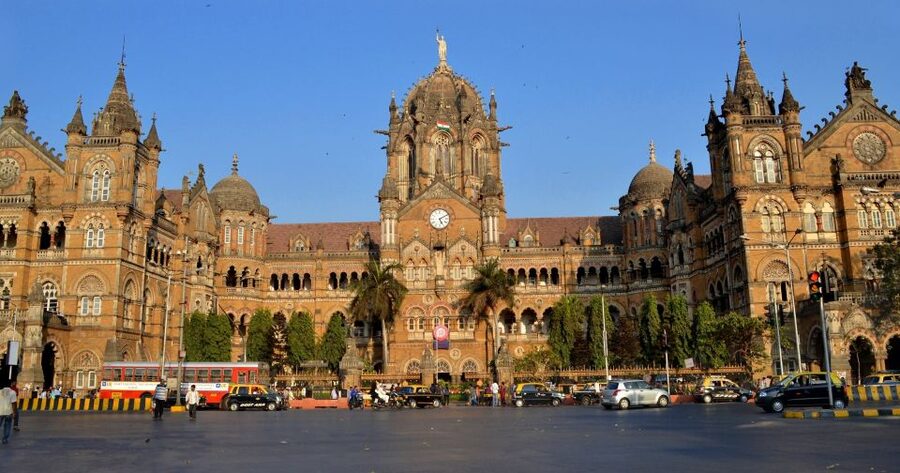
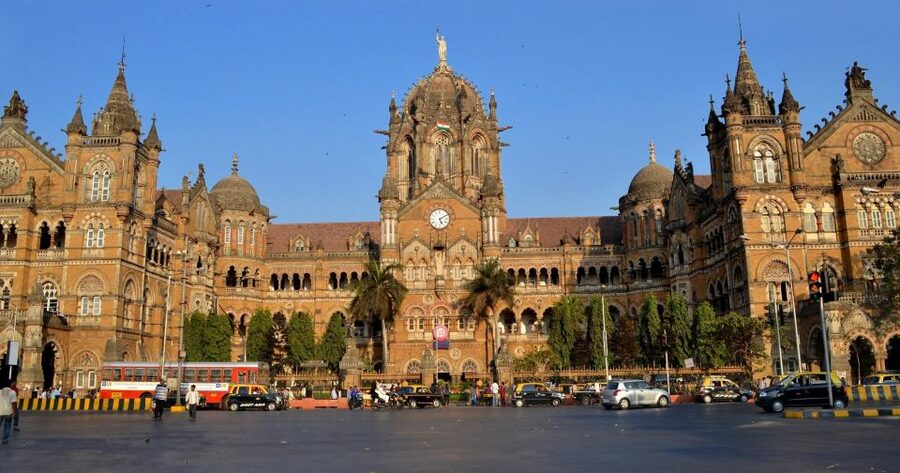
South Mumbai’s grand buildings make far more sense when you walk between them with someone who can explain the details. This tour links Chhatrapati Shivaji Terminus with the Gateway of India, passing churches, courts, libraries, art districts, and old hotels along the way. It is a useful first look at Mumbai’s historic center, not just a photo stop at the waterfront.
I like the three-hour walking format, which gives you enough time to see the main sights without turning the day into a long lecture. I also like the personal feel of the guiding. Sanika, Krishna, Ketan, Abhi, Ketan, Alan, and others are praised for answering questions, adapting the walk, and bringing their own interests in history, literature, and archaeology.
The main consideration is simple: you will be on your feet in a busy city for much of the experience. The tour covers a lot of ground, and the information is focused on architecture and history, so it may feel less suitable if you want a food tour, shopping time, or a slow visit inside every monument.
Key points to know before booking
- CST begins the story: See one of Mumbai’s great railway buildings and a UNESCO World Heritage Site.
- The route connects major sights: Town Hall, St. Thomas’ Cathedral, Flora Fountain, the university, Bombay High Court, Kala Ghoda, Watson’s Hotel, the Taj Mahal Palace, and the Gateway of India are included.
- Guides shape the experience: Sanika, Krishna, Ketan, Abhi, Alan, Alkama, and others have been praised for warmth, clear explanations, and thoughtful answers.
- Plan on about three hours: The walk works well as an introduction to South Mumbai’s old civic and colonial core.
- English is the tour language: This is important if you want detailed explanations of the buildings and their place in Mumbai’s story.
- The price is $28 per person: That is fair value if you want a guided overview rather than simply photographing the landmarks on your own.
Why a walking tour works in South Mumbai
South Mumbai is a city best understood at street level. From a taxi window, you see impressive façades, traffic, and crowds. On foot, you can compare a railway station with a cathedral, a civic fountain with a university building, and an art district with a grand waterfront hotel.
The walking format also helps you notice the small things. The tour is designed around architectural styles, planning features, decorative details, and the social story of the city. That makes it different from a simple checklist of famous places.
I would use this walk near the beginning of a Mumbai stay. It gives you a mental map of the older center and introduces the city’s colonial-era buildings before you return to them independently. It also helps you understand why the area attracts such a mix of commuters, office workers, worshippers, students, art lovers, and sightseers.
The pace will not suit everyone. South Mumbai can be hot, noisy, and crowded, and the city’s roads do not always make relaxed walking easy. Wear practical shoes and treat the tour as an urban walk rather than a polished museum visit.
More History Walking Tours in India
- Fontainhas Heritage Walk by Make It Happen
★ 5.0 · 2,834 reviews - The Great Indian Food Tour: Old Delhi Food and Heritage Walk
★ 5.0 · 1,698 reviews - Old Goa Heritage Walk by Make It Happen
★ 5.0 · 797 reviews
CST: Mumbai’s grand railway starting point
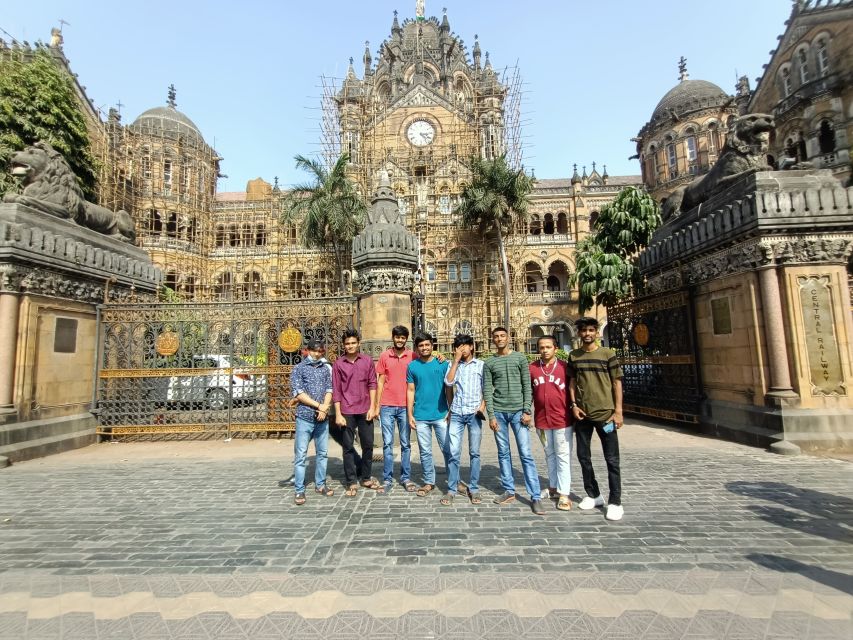
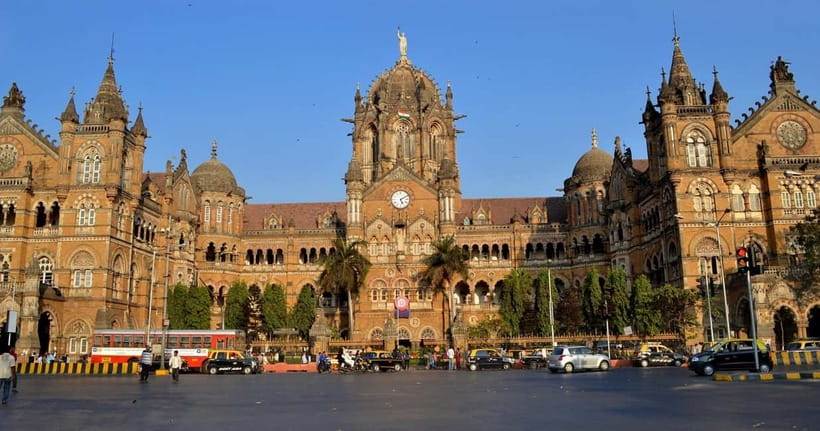
Chhatrapati Shivaji Terminus is one of the most useful stops on the route because it combines daily life with architectural spectacle. It is still a major railway station, so you see the building in its working setting rather than as an isolated monument.
The station is also one of India’s best-known examples of grand Victorian-era architecture and is recognized as a UNESCO World Heritage Site. Its scale helps explain the ambitions of colonial Bombay, while the constant flow of passengers reminds you that this is not merely a preserved relic.
Your guide can help you look beyond the first impression. The value here is not just seeing a beautiful train station. It is learning how transport, commerce, and city growth shaped South Mumbai.
Do not expect a long interior visit or a quiet architectural inspection. The station is active, and the surrounding streets can be hectic. Still, it is an excellent opening stop because it immediately gives the walk a sense of place and purpose.
Town Hall and the Asiatic Society
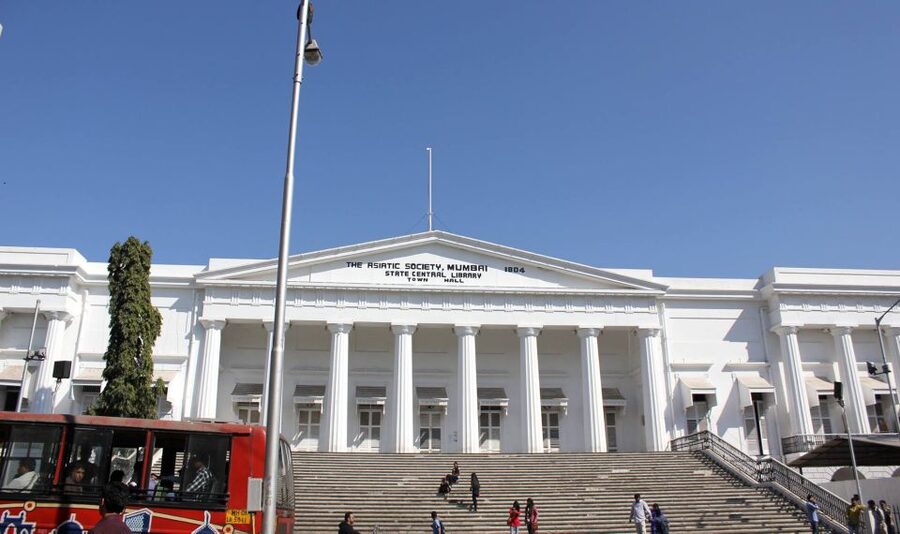
The Town Hall, home to the Asiatic Society Library, shifts the mood from transport to scholarship and civic life. It is a colonial structure and one of Mumbai’s oldest libraries, making it an important reminder that the city’s old center was built around institutions as much as trade.
This stop is valuable if you enjoy buildings with a public role. A library tells you something different from a railway station or a hotel. It points to the city’s interest in administration, education, books, and learned societies.
The building itself is one of the places where a guide’s explanation adds real value. Without context, you may simply see a formal colonial façade. With the right questions, you can connect it to the way Bombay developed as an administrative and commercial center.
The tour does not promise extended access to the library, so think of Town Hall as an exterior and historical stop within a larger route. You will see many sites in three hours, but this is not a detailed building-by-building interior tour.
St. Thomas’ Cathedral and Flora Fountain
St. Thomas’ Cathedral gives the walk a religious and human dimension. The church is about 300 years old and belongs to the Diocese of Mumbai of the Church of North India. Its age makes it one of the clearest links with the early colonial city.
A cathedral also changes the pace of the walk. After the size and movement of CST, you get a place associated with worship, community, and long continuity. Ask your guide about the church’s place in the development of the area, since the wider value of the stop comes from connecting the building to Mumbai’s changing population and institutions.
Nearby Flora Fountain offers a different kind of landmark. Built in 1864, it depicts Flora, the Roman goddess of flowers. It is a decorative civic feature, but it also shows how public spaces were used to give the colonial city a formal visual identity.
I like these two stops together because they keep the walk from becoming a parade of similar façades. One is a church with a long religious history, and the other is a civic fountain designed for the street. The drawback is that both can be surrounded by traffic and ordinary city activity, so you should not expect a hushed or picture-perfect setting.
Same streets, a different century:
- Old Delhi Food, Heritage&Cultural Walk with Rickshaw ride to Masterji Kee Haveli
★ 5.0 · 742 reviews - Blue City Heritage Private Walking Tour With Pickup and Drop-Off
★ 5.0 · 441 reviews - Kolkata Heritage Tram Tour
★ 4.0 · 395 reviews - Private Heritage Walking Tour in Jaisalmer Fort and Old Bazaar
★ 5.0 · 306 reviews
The University of Mumbai and Bombay High Court
The University of Mumbai is one of India’s oldest and premier universities. Its inclusion shows that the walk is not limited to tourist monuments. Education has played a major part in the city’s public life, and the university helps you see South Mumbai as a place of study and intellectual work.
The Bombay High Court adds another institutional layer. It is one of India’s oldest high courts and is seated primarily in Mumbai. Together, the university and court show how the old city gathered education, law, administration, and commerce into a relatively compact area.
These stops are especially useful with a guide who enjoys detail. Ketan, for example, is described as studying Indian literature and archaeology, while other guides are praised for their interest in Mumbai’s past and for taking questions seriously. That sort of personal background can make a formal building easier to understand.
Keep your expectations realistic. The itinerary identifies these buildings as sights on the walking route, but it does not promise interior entry or court proceedings. You are mainly looking, listening, and connecting the buildings to the city’s wider development.
Kala Ghoda, Watson’s Hotel, and the city’s changing identity
Kala Ghoda is a crescent-shaped art district with several heritage buildings. It is one of the more atmospheric parts of the walk because it brings together architecture, culture, and public space.
The area helps explain that Mumbai’s old center is not frozen in the past. Historic buildings can sit beside galleries, cultural venues, shops, and everyday city life. If you enjoy seeing how an old district continues to function, this may be one of the most rewarding sections.
Watson’s Hotel provides a sharper architectural talking point. It is the earliest surviving example of cast-iron architecture in India. That fact alone makes it worth seeing, but it also gives your guide a chance to explain how imported building methods and materials affected Mumbai.
This portion of the walk may appeal most to people who enjoy unusual details. Watson’s Hotel is not simply another grand building with columns. Its construction gives you a specific story about technology and design. At the same time, the structure may not look as polished as the Taj Mahal Palace or the grander civic buildings, so its importance is easier to appreciate with an explanation.
The Taj Mahal Palace and the Gateway of India
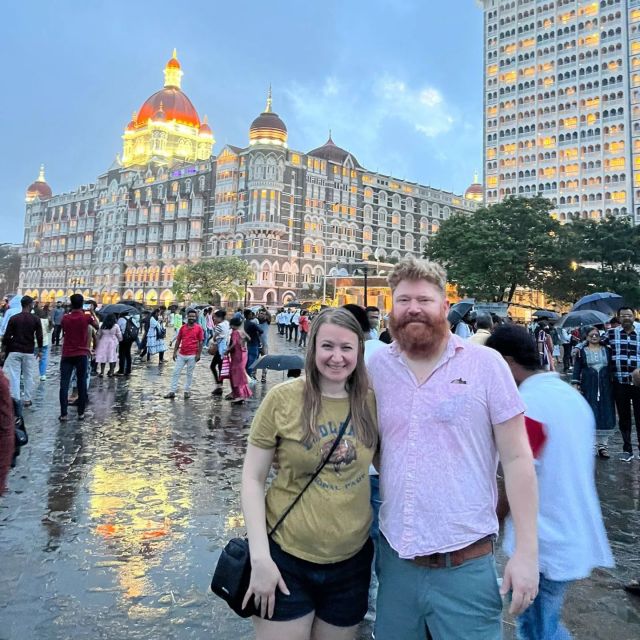
The Taj Mahal Palace is one of Mumbai’s best-known luxury hotels and a heritage property in the Colaba area. Even if you are not staying there, seeing it in context helps you understand the importance of the waterfront district and the city’s long connection with international visitors and trade.
The hotel is also a useful contrast with the public buildings earlier in the tour. CST, Town Hall, the university, and the court represent transport, scholarship, education, and law. The Taj Mahal Palace brings hospitality and private enterprise into the picture.
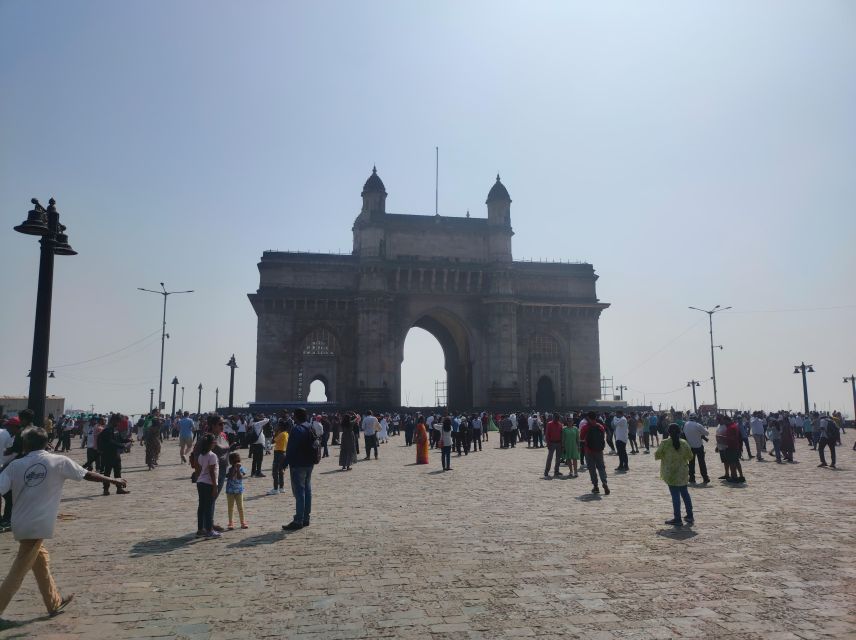
The Gateway of India is the natural grand finish. This arch monument was built in the early 20th century and has become one of Mumbai’s defining sights. It is the kind of place that is easy to photograph and easy to misunderstand if you do not know why it was built or how it fits into the city’s story.
Expect the waterfront to be busy. The Gateway is a major public meeting point, and the final stop can feel crowded. That is part of its character, though it may make quiet photos difficult. The reward is the sense that the walk has carried you from the working railway station through the old civic center to Mumbai’s famous edge.
The guides make the difference
The strongest part of this experience is the guide. A route through South Mumbai is easy to copy from a guidebook, but a person can explain why a building matters and adjust the walk to your questions.
Sanika is praised for being warm, relaxed, and clear about Mumbai’s past. One particularly useful detail is that the walk was described as a good way to get acclimatized to the city while covering the main historic sights. That is exactly how I would use it.
Krishna is noted for making the experience personal, including a walk where the guest was alone and the route could be shaped around individual interests. Abhi is praised for explaining the city clearly to a first-time visitor. Ketan brings a strong interest in Indian literature and archaeology, while Alan is described as both well informed and a good conversationalist.
Other named guides include Alkama, who is praised for enthusiasm and insight into Mumbai’s landmarks, as well as guides such as Glen, An, Katharina, and others who have been described as friendly, sincere, and willing to answer questions. Guide assignments can change, so you should not book expecting one specific person unless the provider confirms it.
The overall rating is 4.5 from 69 ratings, which is strong for a walking tour. The repeated praise centers on guide quality, personal attention, clear explanations, and the amount covered in roughly three hours.
Is $28 good value?
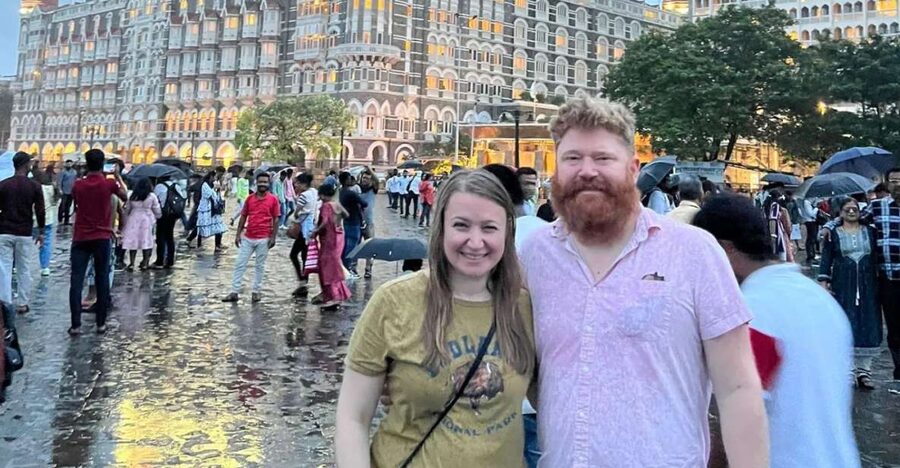
At $28 per person, this is a reasonable price for a guided introduction to South Mumbai. You are paying for the route, the organization, and the interpretation of a long list of landmarks, not for admission to a series of paid attractions.
That distinction matters. If you only want to photograph CST, Flora Fountain, the Gateway of India, and the Taj Mahal Palace, you can see many of them independently. The value comes from learning how they connect and from having someone available to answer questions.
The price looks especially fair if you are visiting Mumbai for the first time, have limited time, or want to avoid spending your first day figuring out the old city’s layout. It is less compelling if you already know South Mumbai well or prefer to move at your own pace.
The reserve-now, pay-later option gives you some flexibility, and cancellation is available up to 24 hours before the tour for a full refund. Those terms are useful if your India itinerary is still shifting.
Who should book this South Mumbai walk?
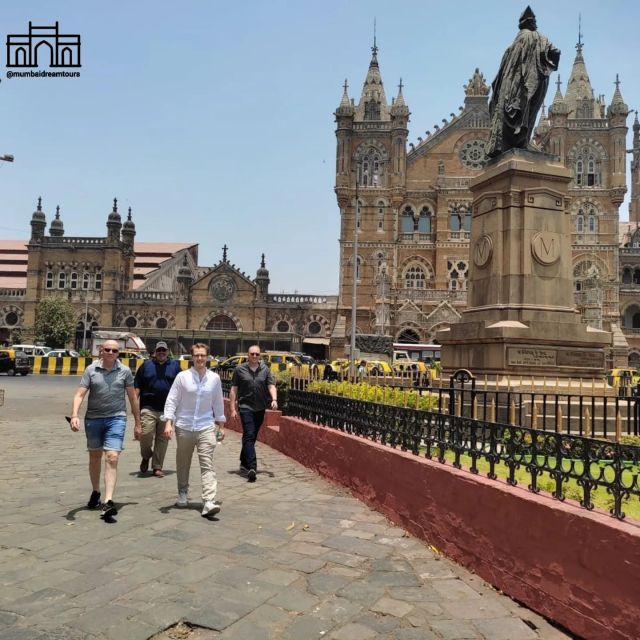
I would recommend it to first-time visitors, architecture fans, history-minded walkers, and anyone who wants a clear introduction before exploring alone. It is also a good choice if you prefer conversation and local explanation over a bus tour viewed through glass.
Families with older children may find the range of buildings helpful, since the route keeps changing from station to church to court to waterfront monument. Solo visitors may also appreciate the social ease of a guided walk, especially when the guide can tailor the discussion.
I would be more cautious if you have difficulty walking for three hours, dislike busy streets, or want extensive interior access. The tour is built around seeing and understanding the city from outside and along the streets.
Final verdict: a strong first look at old Mumbai
Book this tour if you want South Mumbai to become more than a collection of famous photographs. The route covers the essential landmarks, but the real benefit is the link between them: transport, religion, education, law, architecture, culture, hotels, and the sea.
The best reason to go is the guiding. Sanika, Krishna, Ketan, Abhi, Alan, Alkama, and the other guides are described as warm, engaged, and willing to answer real questions. That personal layer turns a standard sightseeing route into a useful introduction to the city.
Skip it if you want a slow, quiet visit to each building or a tour focused on food and shopping. For most first visits, though, $28 buys a practical three-hour orientation and a much clearer understanding of South Mumbai.
FAQ
How long is the South Mumbai heritage walking tour?
The walk takes about three hours, based on the experience described by participants.
What language is the tour conducted in?
The tour is conducted in English.
What places are included?
The route includes Chhatrapati Shivaji Terminus, Town Hall and the Asiatic Society Library, St. Thomas’ Cathedral, Flora Fountain, the University of Mumbai, Bombay High Court, Kala Ghoda, Watson’s Hotel, the Taj Mahal Palace, and the Gateway of India.
Is Chhatrapati Shivaji Terminus part of the tour?
Yes. You will see Chhatrapati Shivaji Terminus, a UNESCO World Heritage Site and one of India’s most notable railway stations.
Is the Gateway of India included?
Yes. The Gateway of India is one of the listed stops on the South Mumbai route.
Who provides the tour?
The experience is provided by Mumbai Dream Tours.
How much does the tour cost?
The listed price is $28 per person.
Can I cancel the booking?
Yes. You can cancel up to 24 hours in advance for a full refund. You can also reserve and pay later, so no payment is required today.
Newest history tours we have reviewed in India
- Agra Fort: Guided UNESCO Heritage Walking Tour★ 4.9 · 21 reviews
- World heritage Ahmedabad city tour in private car with guide and lunch★ 5.0 · 44 reviews
- Private Elephanta Caves UNESCO World Heritage Site Tour★ 5.0 · 34 reviews
- Hill-station & Heritage: Lonavala & Karla Caves Tour from Mumbai★ 5.0 · 60 reviews
- Best South Mumbai Heritage Walk★ 5.0 · 122 reviews
- Heritage Walk: Recommended by Gigi Hadid as a must-do in Mumbai★ 5.0 · 122 reviews
- The Cultural And Historical Walking Tour in Margao★ 5.0 · 280 reviews
- Old Delhi Walking Tour: Food, Culture & Spice Bazaars★ 5.0 · 94 reviews
History Walking Tours, compared.

History and Hauntings of Salem Guided Walking Tour
Read our review →
Freedom Trail History Small Group Walking Tour
Read our review →
Historic Charleston Guided Sightseeing Walking Tour
Read our review →
Tapas Walking Tour with Food, Wine, and History
Read our review →
Savannah History and Haunts Candlelit Ghost Walking Tour
Read our review →
A History of Terror – Belfast City Centre Walking Tour
Read our review →Browse the lists this tour appears in