
Review · ANCIENT HISTORY TOURS
Mdina at Sunset: Small Group Tour of the Ancient city
Mdina is at its best when the sun drops behind its honey-colored walls and the narrow lanes turn quiet. This two-hour walk takes you through Malta’s former capital at that special hour, with stories of knights, rulers, daily life, and screen productions such as Game of Thrones. I especially like the small group of no more than eight and the way the route mixes famous sights with tucked-away lanes.
I also like that guide Ani brings humor and local perspective rather than delivering a dry list of dates. The main consideration is pace: two hours covers a lot, and one booking described Ani as speaking and moving quickly to fit it all in. Add cobblestones, possible rain, and limited time for long photo stops, and comfortable shoes are essential.
Key points at a glance
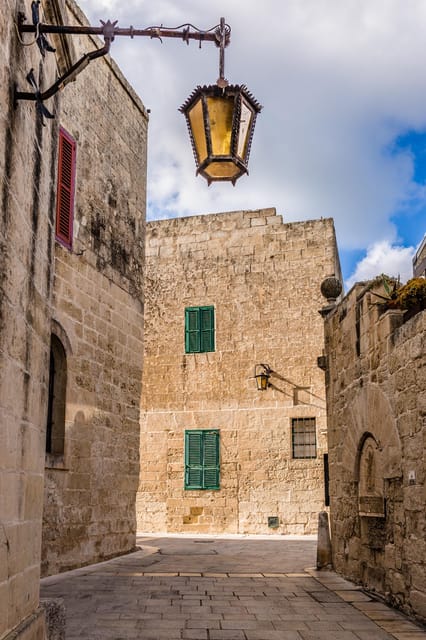
- Sunset timing: Mdina’s stone streets and views take on a different mood as daylight fades and lamps come on.
- Eight-person limit: A small group makes it easier to hear the guide and ask questions.
- Ani’s guiding style: Expect history mixed with personal stories, humor, modern Malta, and restaurant suggestions.
- Film locations: The route includes places used for Game of Thrones and other productions.
- A compact historic walk: In two hours, you visit Mdina Gate, Piazza del Bastione, the cathedral area, Palazz Vilhena, Carmelite Priory, and Greek’s Gate.
- Practical trade-off: It is a walking tour on cobblestones, and food and drinks cost extra.
Why Mdina works so well at sunset
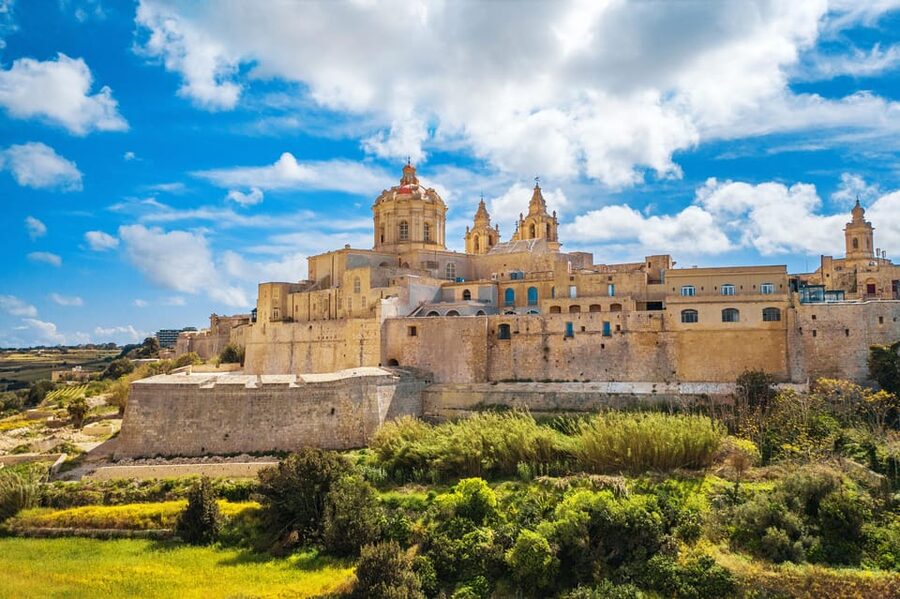
Mdina has a quality that daylight alone does not fully reveal. Its streets are compact, enclosed, and often wonderfully quiet. As the evening arrives, the pale limestone takes on warmer color, shadows lengthen along the walls, and the lamps add a softer glow.
That setting gives the tour more than a standard sightseeing walk. You are not simply moving from one monument to the next. You are watching an old city change character while your guide explains how it functioned as Malta’s center of power.
The route begins and ends at Mdina Gate, so you do not need to navigate an unfamiliar meeting point inside the city. Look for the Lion pillars at the entrance to the Main Gate. Arrive ready to walk rather than expecting a seated talk or a series of long indoor visits.
More Ancient History Tours in the world:
- Colosseum: Underground and Ancient Rome Tour
★ 4.7 · 12,691 reviews - Colosseum & Ancient Rome with Arena Floor Option I Max 6 People
★ 5.0 · 3,306 reviews - Rome: Colosseum, Ancient Rome Tour or AudioGuided Tour
★ 4.4 · 2,879 reviews
The eight-person format makes a real difference
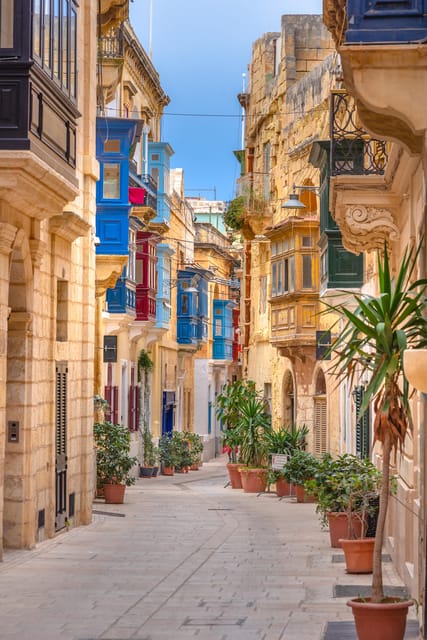
A group capped at eight is one of the strongest reasons to choose this experience. Mdina’s lanes can feel cramped even with a small party, and a large guided group would make it harder to stop without blocking the way.
With fewer people, you have a better chance of hearing the guide clearly and asking about details that catch your eye. This matters especially in streets where sound can bounce off the stone walls. It also gives the walk a more relaxed feel than a large coach excursion.
The format does not mean the tour moves slowly. The route includes several stops in only two hours. One booking praised the pace but noted that Ani speaks and moves quickly to fit the material into the time. If you like a lively walk with plenty of information, that should suit you. If you prefer to linger at every doorway, take dozens of photographs, or read every plaque, you may feel pressed.
Mdina Gate: begin with the city’s grand entrance
Meet at the Lion pillars outside Mdina’s Main Gate. This is a useful starting point because the gate gives you an immediate sense of Mdina’s defensive character and formal design.
Your guide sets the scene here, explaining Mdina’s role as Malta’s former capital and its place in the island’s story. This opening matters because the city can otherwise feel like a beautiful maze. Once you understand why it was built, protected, and used, the tight streets become easier to read.
The gate is also a practical place to gather before the walk. Make sure you have water with you if you need it, and use the meeting time to adjust shoes, clothing, and camera settings. The tour operates in all weather, so a light rain layer can be useful outside the warmer months.
Piazza del Bastione: walls, views, and the wider island
The walk continues to Piazza del Bastione, where the city’s elevated position becomes part of the experience. This is one of the places to pause for views beyond Mdina’s walls and to understand why the site mattered strategically.
The square helps balance the close, enclosed lanes with a broader look across Malta. At sunset, this is likely to be one of the most rewarding places for photographs, though the exact light depends on the season and starting time.
Your guide also uses stops like this to connect architecture with everyday life. The value is not just seeing an old wall. You learn how Mdina’s position shaped its use and why the former capital still carries such weight in Malta’s identity.
Bring a phone or camera if photography matters to you. Photography is allowed, but flash is not permitted inside certain areas. Since the walk takes place outdoors and in historic spaces, do not count on having unlimited time to frame every view.
More Small-Group History Tours in the world:
- London Small Group Tour of Historical Pubs
★ 5.0 · 10,422 reviews - Boston: Freedom Trail History Small Group Walking Tour
★ 5.0 · 6,450 reviews - Madrid Tapas & Taverns Small Group Food & History Tour
★ 5.0 · 2,664 reviews - Hidden Alleyways and Historic Sites Small-Group Walking Tour
★ 5.0 · 2,335 reviews
Mdina Cathedral: the city’s spiritual center
The cathedral area adds a different layer to the walk. Here, the emphasis shifts from walls and power to worship, design, and the role of religious buildings in the life of the city.
The itinerary lists a guided visit to Mdina Cathedral. The supplied details do not promise a specific interior admission arrangement, so treat the stop as a guided look at the cathedral and its setting rather than assuming a full indoor visit. If you are especially interested in entering, check the conditions for your tour date.
This is also one of the places where respectful behavior matters. Flash photography is not allowed in certain areas, and the cathedral is a working religious site rather than only a photo backdrop. Your guide can help you understand what you are seeing without turning the visit into a string of disconnected facts.
Palazz Vilhena: Malta’s grander side
Palazz Vilhena brings aristocratic and civic architecture into the route. It helps show that Mdina was not only a defensive stronghold or a religious center. It was also a place of authority, ceremony, and social rank.
The guided stop is brief enough to fit the larger route, but useful for comparing the palace’s formal character with the modest scale of the surrounding lanes. I like this sort of contrast because it gives the city texture. Mdina is not one single medieval picture. It is a working record of different periods and social worlds.
Do not expect a long museum visit based on the information provided. The appeal here is the explanation of the building and its place in the city, along with the chance to see how grand architecture sits within Mdina’s compact plan.
Carmelite Priory: a quieter architectural pause
The Carmelite Priory offers another look at religious life and Mdina’s architecture. The stop keeps the tour from focusing only on the most obvious postcard views.
A good guide makes a place like this useful even when you have limited time. Ani’s style, based on the available feedback, combines historical explanation with lighter stories and present-day observations. That approach should help you see the priory as part of a living city rather than as a stone facade from a distant age.
The walk between stops is just as important as the named buildings. Mdina’s small lanes provide the connective tissue, and your guide points out details you might miss alone. Expect doorways, corners, and changes in street width to become part of the story.
Greek’s Gate and the film locations
Greek’s Gate is one of the final named stops before returning to Mdina Gate. It adds another perspective on the city’s entrances and its defensive layout.
The tour also includes filming locations connected with Game of Thrones and other productions. This is a nice bonus for screen fans, but it should not take over the whole experience. The real appeal is seeing how Mdina’s old streets provide natural settings for historical and fantasy scenes without requiring elaborate decoration.
Your guide connects pop culture with the older city around it. That mix makes the walk accessible if you are not an architecture specialist. You can enjoy the visual recognition of a filming location while still learning about Malta, Mdina, and daily life on the island.
The return to Mdina Gate completes the loop. Because you finish where you started, you can then decide whether to stay for a drink or meal nearby, provided you budget separately. Food and drinks are not part of the $49 tour price.
Ani’s approach: history without a heavy lecture
The guide is central to this experience. The supplied feedback repeatedly singles out Ani for her clear explanations, humor, energy, and ability to answer questions. Several bookings describe her as friendly and personable, while one especially useful comment notes that she blends history with modern information and personal stories.
That combination is important in Mdina. A list of dates and rulers can make an old city feel remote. Stories about everyday life, local customs, and modern Malta help connect the stones to people.
Ani has also been praised for restaurant recommendations, which can be handy after an early evening walk. Do not treat that as a formal food tour, though. It is an extra benefit of having a local guide, not a promised tasting or meal.
The tone seems particularly suitable for people who want context without minute detail. You will hear enough to understand the monuments, but the tour is not designed as an academic lecture. Families and teenagers may appreciate the mix of film references, stories, and visual stops. One booking specifically found the experience worthwhile even with a teenager.
What $49 buys you
At $49 per person, the tour is priced above a basic self-guided walk but below many longer organized excursions. The question is not simply how many sights you see. It is whether you value having a licensed English-speaking guide interpret the city while you walk through it at the most atmospheric time of day.
I think the price is reasonable if you are visiting Mdina for the first time and want the city to make sense quickly. You get two hours, a small group, a set route, and a guide who can explain details that are easy to overlook. The value is strongest for people who would otherwise spend the same two hours wandering without knowing what they are seeing.
The calculation changes if you already know Mdina well or prefer complete freedom. You can walk the public streets without joining a tour, and you may want to spend longer at the cathedral area or viewpoints than the schedule allows.
The price does not include food or drinks. There are opportunities to buy refreshments during the tour, but plan to pay separately. Free cancellation up to 24 hours before the start and the option to reserve now and pay later also reduce the risk if your Malta plans are still shifting.
Who should book this evening walk
This tour suits you if you want:
- A first introduction to Mdina in a compact two-hour format
- A small group rather than a large organized crowd
- A guide who combines historical facts with humor and local observations
- Sunset atmosphere, views, and photographs
- Film locations alongside architecture and Maltese culture
- A clear meeting point at the Main Gate
It may be less suitable if you have difficulty walking on uneven cobblestones, need frequent long rest periods, or want to spend most of the evening indoors. The tour operates in all weather, and the route involves a lot of walking.
You should also think about timing. Sunset changes through the year, so the exact mood of the walk depends on the start time available for your date. Check the schedule before booking if the light is a major reason you are choosing this experience.
Practical tips for getting more from Mdina
Wear shoes with a solid grip. Mdina’s cobblestones are part of its charm, but they are not ideal for flimsy sandals or smooth soles.
Bring a light layer and weather protection. The tour runs in rain as well as fair weather, and the open viewpoints can feel different from the sheltered lanes.
Keep your camera ready, but do not let photography slow you down too much. The route includes several attractive spots, and the changing light is part of the appeal. Flash is not permitted in certain areas.
Ask questions early. With only two hours, a specific question can help your guide focus on the parts of Mdina that interest you most, whether that is architecture, religion, film, local life, or military history.
Allow extra time after the walk if you want a meal or refreshment. The tour ends back at Mdina Gate, and food and drinks are not included.
Should you book Mdina at Sunset?
Book it if you want a friendly, well-paced introduction to Mdina with strong local storytelling, a small group, and the added atmosphere of evening light. Ani’s blend of humor, personal perspective, Malta’s past, modern life, and film locations appears to be the main strength.
Skip it if you prefer to wander alone, need a very slow pace, or want an in-depth indoor visit to every major building. For most first-time visitors, though, $49 is a fair price for two focused hours in Malta’s former capital, especially when the city is shifting from sunlit stone to lamplight.
FAQ
Where does the Mdina sunset tour meet?
Meet by the Lion pillars at the entrance to Mdina’s Main Gate.
How long does the tour last?
The tour lasts two hours.
What language is the tour conducted in?
The live tour guide speaks English.
How large is the group?
The tour is limited to eight participants.
Is food or drink included?
No. Food and drinks are not included, although there are opportunities to purchase refreshments during the tour.
What should I wear for the tour?
Wear comfortable walking shoes because the route includes substantial walking on cobblestone streets. The tour runs in all weather, so dress appropriately for the forecast.
Newest history tours we have reviewed in the world
- Enjoy Ancient Mostar★ 4.0 · 45 reviews
- Private Dublin Historical and Heritage Tour by Bike★ 5.0 · 30 reviews
- Dubrovnik by Night, History, Wine & Bites★ 5.0 · 41 reviews
- Historical Walking Tour of Dublin★ 5.0 · 50 reviews
- DayTripper Dublin: A Guided City Walking Tour★ 5.0 · 90 reviews
- Ancient Old City– Finest tour of Dubrovnik★ 5.0 · 64 reviews
- Dublin LGBTQ Pride Historical and Cultural Walking Tour★ 5.0 · 91 reviews
- Interactive Living History in Dalkey Castle near Dublin City★ 5.0 · 133 reviews
Ancient History Tours, compared.
Colosseum: Underground and Ancient Rome Tour
Read our review →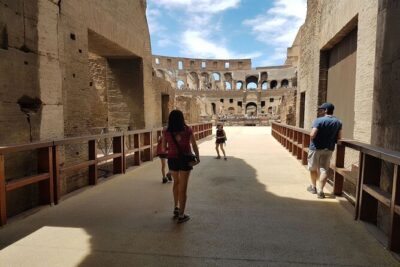
Colosseum & Ancient Rome with Arena Floor Option I Max 6 People
Read our review →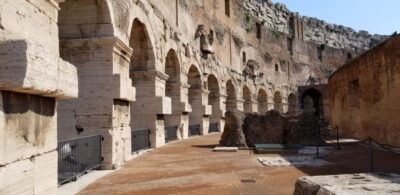
Colosseum, Ancient Rome Tour or AudioGuided Tour
Read our review →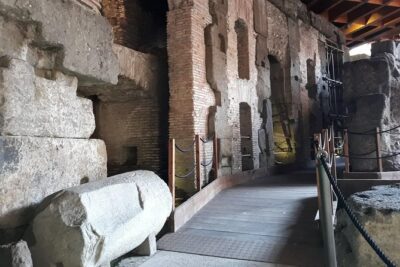
Colosseum Underground & Ancient Rome Guided Tour
Read our review →
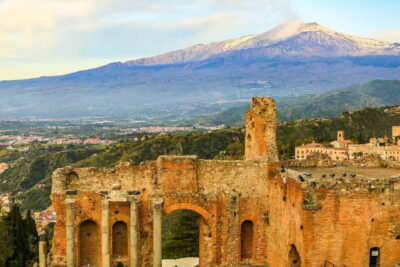
Taormina: Ancient Theater Skip-the-Line Ticket & Audio Guide
Read our review →
Discover the Ancient Ruins of Pompeii: Day Trip from Rome
Read our review →
Discover Matera, the ancient city – English tour
Read our review →Browse the lists this tour appears in