
Review · MEXICO HISTORY TOURS
Guadalajara: Mexican Charro and Charreada Cultural Tour
A loop of rope, a well-trained horse, and a traditional arena tell you more about Jalisco than another city sightseeing ride. This four-hour outing puts you close to charrería, the Mexican horse tradition recognized as an important part of the country’s cultural identity. You’ll visit a lienzo, learn how Charros handle their horses and lassos, and may ride in the parade that opens a charreada.
I especially like the hands-on format. You do not simply watch a performance: you practice roping, help brush and saddle the horses, and take part in traditional tasks. I also like the warm finish with tequila or beer and mariachi, which gives the experience a relaxed social touch. The main consideration is that riding in the parade and seeing a full competition depend on the day’s schedule and conditions, so those parts are not guaranteed.
Key points at a glance
- Meet the tradition at a working lienzo: Campo Charro Jalisco gives you an arena, museum, horses, costumes, and Charros in one place.
- Practice the Charro lasso: You learn how a Mexican lasso differs from ropes used in other cultures, then try the technique yourself.
- Ride when conditions allow: You may help prepare a horse and join the opening parade with other Charros.
- Learn from engaging guides: Jorge is repeatedly singled out for his storytelling, warmth, music, and attention to children and solo visitors. Marco, Mateo, Jesús, and Jorge have also led versions of the experience.
- Finish with local flavor: Two included alcoholic drinks, either beer or tequila, accompany mariachi and conversation.
- Good value at $47: Pickup, admission, water, instruction, riding opportunities, and drinks are included, but food and return transport are not.
Why charrería matters in Jalisco
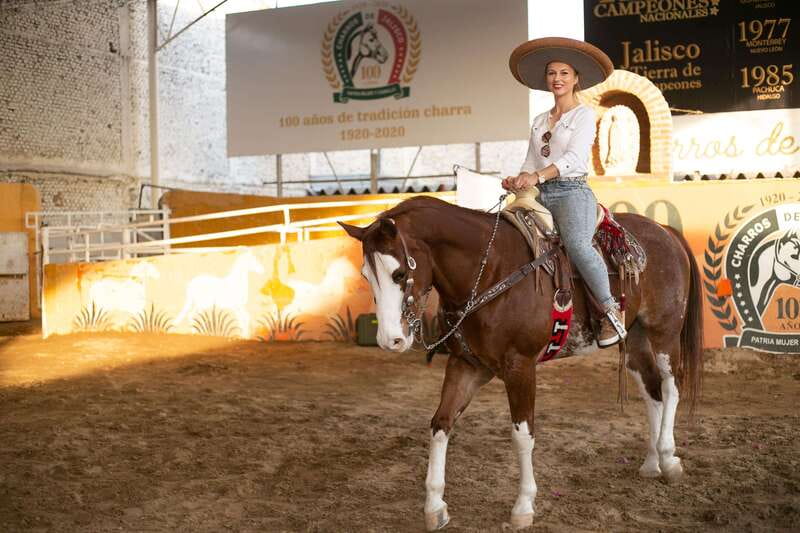
Charrería is more than a Mexican version of a rodeo. It is a formal tradition built around horsemanship, rope work, clothing, ceremony, and community pride. The Charro outfit is not just clothing for a show. Every piece, from the hat to the embroidered jacket and leather accessories, carries a practical and visual role.
Your introduction begins with a drive through older Guadalajara neighborhoods connected with the early development of charrería. That short city segment helps place the activity in its local setting instead of treating it as an isolated tourist attraction. You get a little background before reaching the arena, which makes the costumes, horses, and competitions easier to understand.
The experience is especially useful if your knowledge of Mexican culture begins and ends with mariachi, tequila, and food. Those are part of the afternoon, but charrería adds another layer. You see how rural skills, formal dress, horsemanship, and public celebration come together in Jalisco.
More Local Culture and Traditions Tours in Mexico
- Historical and Cultural Walking Tour of San Miguel de Allende
★ 5.0 · 641 reviews - Historical and Cultural Walking Tour of San José del Cabo
★ 5.0 · 576 reviews - Walking Tour in Mexico City for Exploring their Cultural Heritage
★ 5.0 · 245 reviews
From Guadalajara pickup to Campo Charro Jalisco
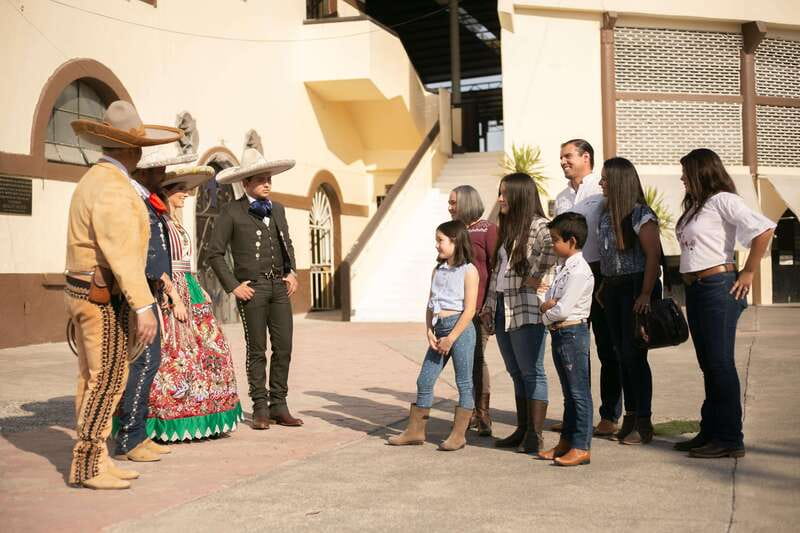
Pickup is available from three areas: Guadalajara, Chapultepec Country, and Tlaquepaque. That makes the tour practical for visitors based in different parts of the metropolitan area. The drive also serves as a brief orientation to the city’s older neighborhoods and their connection to Charro culture.
The tour lasts four hours, including transport, the arena visit, instruction, horse activities, and the closing celebration. A bottle of water is included, but food is not. Plan to eat beforehand or after the tour rather than expecting a meal at the lienzo.
Transport receives a strong rating, and solo visitors have found the hotel pickup easy and reassuring. The return trip is not included, so you need to arrange your own way back. That is a small but important detail when planning the rest of your day, especially if you are staying in one pickup area and want to continue somewhere else afterward.
The lienzo museum and the Charro wardrobe
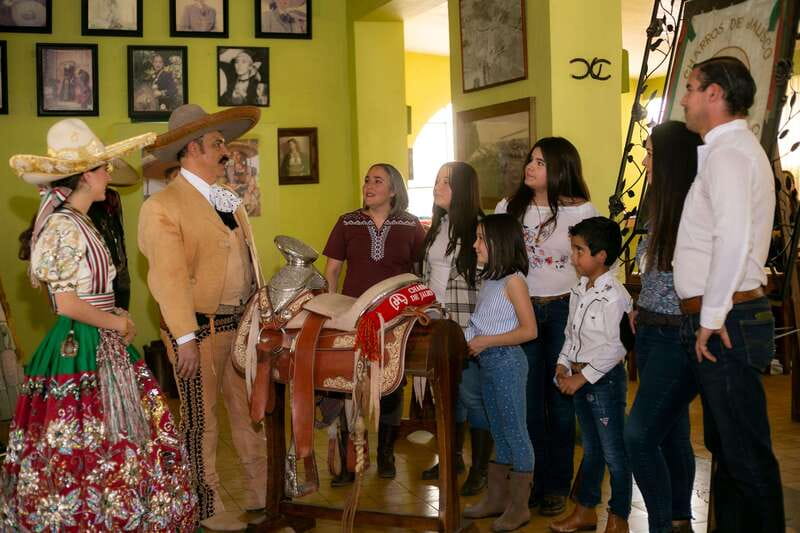
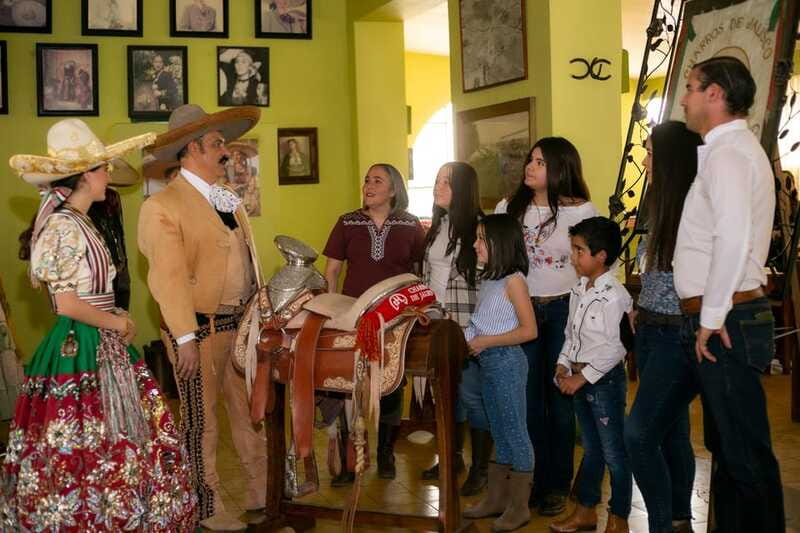
At Campo Charro Jalisco, a Charro welcomes you and introduces the arena’s history. The museum collection displays traditional costumes and accessories used during Sunday charreadas. This is where the activity gains much of its cultural value.
Take time to look at the details. Charro clothing is highly crafted, and the pieces help explain the difference between a casual horseman and a formal participant in charrería. The costumes can appear decorative at first glance, but the guide connects them to the customs and ceremony of the arena.
I would pay close attention to the guide’s explanation rather than rushing through the display. The experience is strongest when you understand why the clothing matters before seeing the riders on horseback. Guides such as Jorge are praised for making this history easy to follow, with storytelling that feels personal rather than like a memorized speech.
The museum section also helps visitors who do not ride horses. You can gain a clear picture of the tradition even if you are nervous about getting in the saddle or cannot participate in every physical activity.
Learning to handle the Mexican lasso
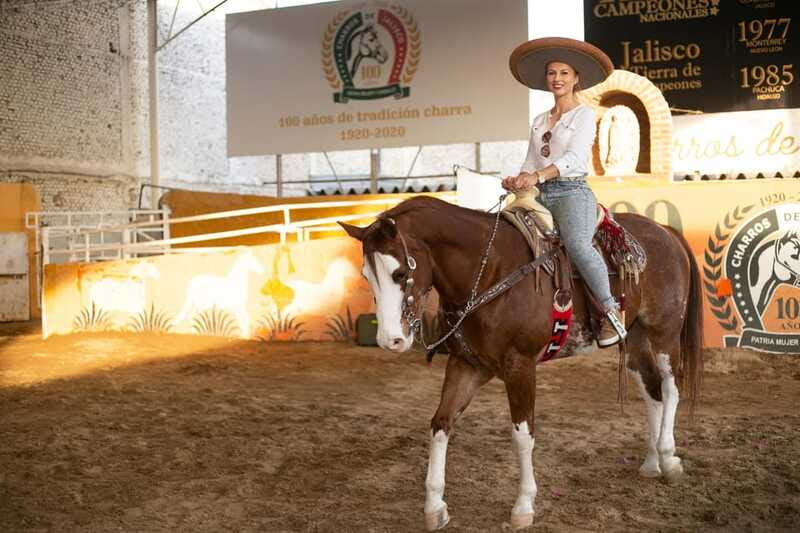
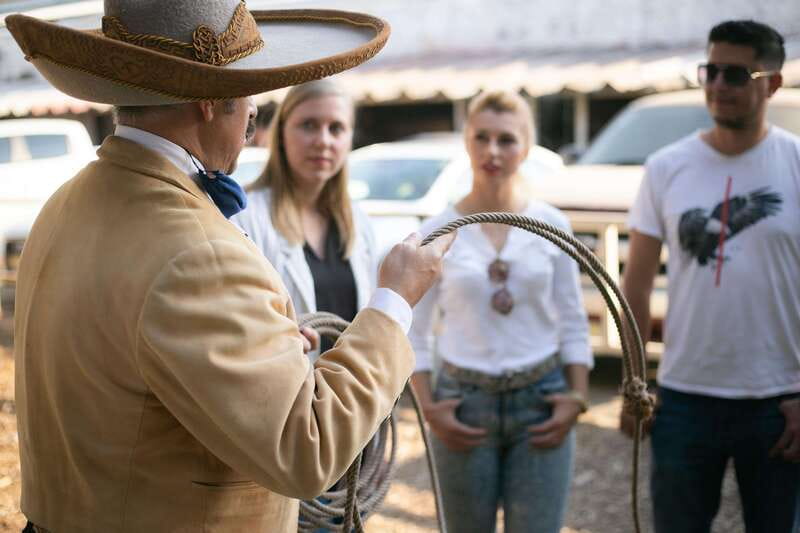
The lasso lesson is one of the tour’s most useful hands-on sections. You learn how the Mexican rope is handled and how it differs from lassos used in other cultures. The point is not simply to swing a rope for a photograph. You get an introduction to the technique and then try to place it on a target.
Some versions of the activity include practice with a wooden bull before moving to a well-trained real animal. That progression gives you a chance to understand the movement before attempting something more demanding. The exact exercises can vary, so follow the guide’s instructions and do not expect to perform like a working Charro after one lesson.
The rope work also shows why charrería requires timing and teamwork. A successful catch depends on the rider, horse, rope, and target working together. Even a short practice session makes the competition easier to appreciate later.
This is a good part of the tour for families and active adults. Children have enjoyed the experience, but the guide controls the pace. The activity is not presented as a rough stunt. It is an introduction to a traditional skill, with trained people nearby to demonstrate and supervise.
Same streets, a different century:
- Historic Downtown Walking Tour
★ 5.0 · 1,289 reviews - Historic Center Food Tour in Mexico City
★ 5.0 · 1,263 reviews - Mexico City: Historic Downtown Walking Tour
★ 4.8 · 1,039 reviews - Walking Tour of the Historic Center of Mexico City
★ 5.0 · 870 reviews
Brushing, saddling, and choosing the parade horses
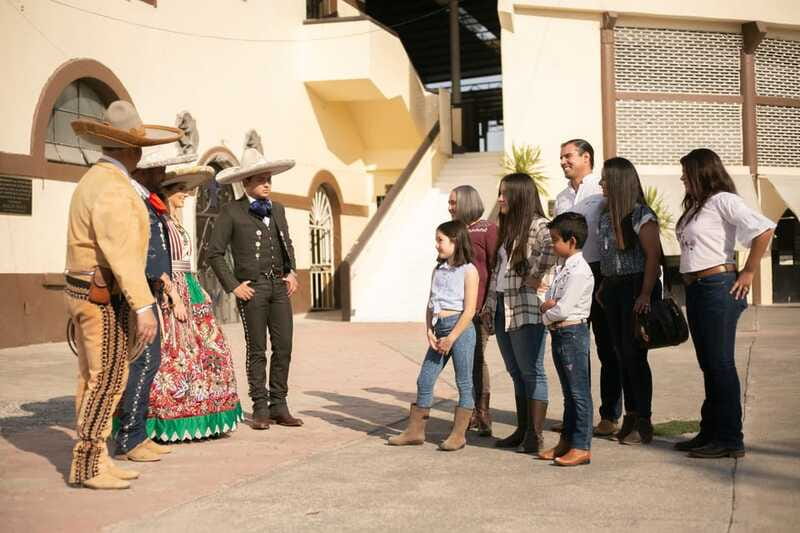
You then meet the horses more closely. The group helps brush and saddle them, and the Charros explain how horses are chosen for the opening parade. This is a quieter part of the experience, but I consider it essential.
Riding can look effortless from the arena seats. Preparing a horse reminds you that the performance begins well before the first rider enters. You see the care given to the animals and gain a better sense of the preparation behind a charreada.
If conditions permit, you may ride with the Charros in the parade that opens the event. This is one of the most memorable possibilities on the tour, but it should be treated as a possibility, not a promise. The schedule, arena activity, and practical conditions determine what can happen.
You do not need to be an experienced rider to appreciate this section, but tell the guide if you are inexperienced or uneasy. The tour’s strongest guides, including Jorge, are attentive and adjust the pace. Still, a horse is a horse, and anyone with allergies or a fear of animals should plan carefully.
Seeing a charreada in the arena
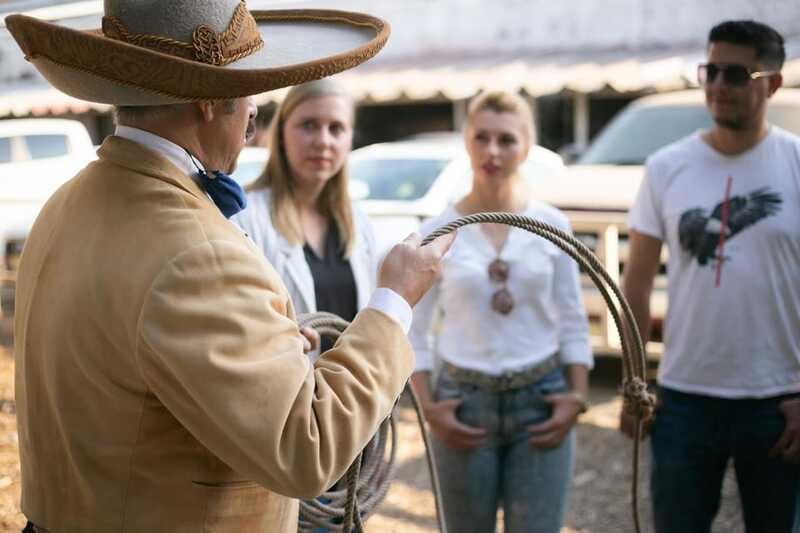
A charreada is a competitive event with some similarities to rodeo, but it has its own rules, traditions, and presentation. The horse parade sets the tone, bringing ceremony and teamwork before the competitive tasks begin.
You may see Charros perform rope work and other traditional activities. Some past outings have coincided with competitions at the arena, allowing the group to stay and watch the event as special visitors. That can add a major bonus to the four-hour schedule.
Do not book this tour solely on the assumption that a full competition will be running during your visit. The basic experience includes an introduction to charrería and practical activities, while the exact arena program depends on the date. Sunday is the day most closely linked with the regular charreada tradition, so it may be the best choice if seeing the event is your top goal.
The activity also gives you a chance to understand the team aspect of the sport. Some tasks involve coordinated work between riders and horses, which explains why the atmosphere can feel both competitive and communal.
Tequila, mariachi, and the human side of the visit
The closing celebration is simple and effective. You receive two alcoholic drinks, either beer or tequila, and listen to mariachi guitars with the Charros. This is not a formal tasting course, so set your expectations accordingly. It is a social ending after the physical and historical parts of the tour.
The personal connection is a major strength. Jorge is known for welcoming solo visitors, sharing music, and keeping the mood relaxed. Other guides, including Marco, Mateo, and Jesús, have also led warm and engaging outings. In one unusual version, Jesús brought visitors to a private family-and-friends practice session, where the setting felt more like a local fiesta than a polished public performance.
That kind of variation is worth understanding. The tour has a clear structure, but the atmosphere can change depending on the day, the arena schedule, and the Charros present. You may get a museum visit and planned demonstrations, or you may also see a practice session or competition.
If you do not drink alcohol, the cultural parts still make the visit worthwhile, though the supplied inclusions specifically mention beer or tequila rather than a nonalcoholic substitute. Ask about alternatives when booking if that matters to you.
Is $47 a fair price?
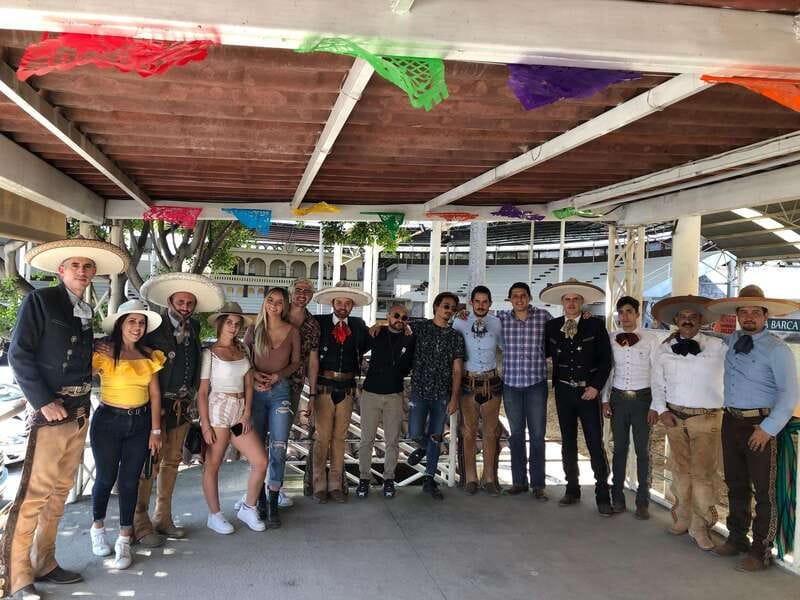
At $47 per person, the tour offers solid value for a four-hour cultural activity. The price includes pickup service, arena admission, a bottle of water, the guide, lasso instruction, horse-related activities, and two alcoholic drinks.
The value comes from the access. You are not paying only for a seat in an arena. You enter the museum, handle the equipment, meet the horses, learn the background, and may ride in the parade. A standard performance ticket would not provide the same contact with the people and preparation behind charrería.
There are two costs to keep in mind. Food is not included, and drop-off is not provided. Those omissions do not make the tour poor value, but they affect your day’s budget and timing. The experience is best viewed as a focused cultural outing rather than a complete half-day package with lunch and return transport.
Free cancellation up to 24 hours before the tour and a reserve-now, pay-later option make it easier to fit into a changing Guadalajara schedule. Check available starting times before committing, since the tour lasts four hours and special arena events may affect what you see.
Who will enjoy this tour most?
I would recommend it to anyone who wants more than a passive city tour. It suits visitors interested in Mexican customs, horses, craftwork, music, and the history of Jalisco. Solo visitors are well served by hotel pickup and the friendly social setting.
Families can also enjoy it. An elementary-aged child has taken part successfully, and the mix of museum objects, horses, rope practice, and music gives children several ways to stay interested. Parents should still consider dust, animal allergies, and the child’s comfort around horses.
This is also a good choice for repeat visitors to Guadalajara. People who have been coming to the city for decades have found it a fresh and informative addition to familiar sightseeing. It provides context you will not get from visiting the cathedral, plazas, or markets alone.
You may want to choose another activity if you dislike animals, dust, physical participation, or uncertain schedules. The tour is not ideal for someone who wants only a polished stage show. Its appeal comes from meeting Charros, trying the skills, and accepting that the day may unfold a little differently from one visit to the next.
Practical advice before you go
Wear clothes that can handle dust and outdoor activity. Long pants and closed shoes are sensible choices for working around horses and practicing with a lasso, although the supplied information does not specify a required dress code.
Bring any medication you need for dust or horse allergies. This warning is worth taking seriously because the tour includes an arena, horses, and hands-on preparation.
If you want the best chance of seeing a full charreada, ask about Sunday availability before booking. If riding is your priority, confirm how that day’s schedule affects the parade, since the opportunity to ride is conditional.
English and Spanish tours are available. If you have a preference, select or confirm the language when reserving. The tour has been especially well received for its guides, and the guide’s storytelling is central to the experience.
Should you book it?
Yes, if you want a personal introduction to Jalisco’s Charro tradition rather than a quick photo stop. The strongest reasons to book are the hands-on lasso lesson, close contact with the horses, the costume museum, and the chance to learn directly from Charros such as Jorge, Marco, Mateo, or Jesús.
Book with realistic expectations. You may ride in the parade and watch a competition, but neither should be treated as guaranteed. Food and return transport are extra, and anyone sensitive to dust or horses should prepare.
At $47, this is a strong choice for culture-minded visitors, families, solo visitors, and repeat guests who want to see a less familiar side of Guadalajara. The tequila and mariachi are pleasant additions, but the real value is the access to a living tradition and the people who care enough to explain it.
FAQ
Where does the tour take place?
The main activity takes place at Campo Charro Jalisco, a lienzo, or Mexican cowboy arena, in Jalisco.
Where can I be picked up?
Pickup is available from Chapultepec Country, Guadalajara, and Tlaquepaque.
How long does the experience last?
The tour lasts four hours.
Is transportation included?
Pickup service is included. Drop-off service is not included.
Is admission to the arena included?
Yes. The entrance fee is included in the price.
Can I ride a horse?
You may be able to ride with the Charros in the opening parade. Riding depends on the day’s conditions and schedule.
Will I see a full charreada competition?
You may see a competition, particularly if the tour coincides with arena activity. A full competition is not guaranteed for every departure.
Are drinks included?
Yes. Two alcoholic drinks are included, either beer or tequila. A bottle of water is also included.
Is food included?
No. Food is not included in the tour price.
What languages are available?
The tour is offered in English and Spanish.
Newest history tours we have reviewed in Mexico
- Private Half Day Cultural Tour to Mayan Ruins and Cenote★ 4.5 · 31 reviews
- Otoch Mayan Experience Tour: Cultural & Historical Adventure★ 3.5 · 18 reviews
- Experience Cozumel Historical Center Mayan and Beach Experience★ 5.0 · 20 reviews
- Colima Volcano Cultural Tour: Coffee Plantation, Hacienda and Comala Magic Town★ 5.0 · 30 reviews
- Private Tour in Chichen Itza Official History Guide★ 5.0 · 36 reviews
- 5 Days Mayan Heritage History Tour★ 4.5 · 31 reviews
- Calakmul Ancient Maya City Tour – From Campeche★ 4.5 · 24 reviews
- Calakmul Ancient Maya City Tour From Xpujil★ 4.5 · 38 reviews
Local Culture & Traditions Tours, compared.
Amsterdam Food and Cultural Tour with Tastings
Read our review →
Sevilla Food Tour: Tapas, Wine, History & Traditions
Read our review →
Tromsø: Reindeer Camp and Sami Cultural Tour with Lunch
Read our review →
Half Day Dominican Republic Cultural Tour : Small Group
Read our review →
Ultimate Melbourne Walking Tour: History, Laneways & Culture
Read our review →
Tromsø: Sámi Reindeer Sledding and Sami Cultural Tour
Read our review →
Kyoto Gion: 2-Hour Geisha Culture & History Walking Tour
Read our review →
Marrakech Historical and Cultural Tour – Half Day City Tour
Read our review →Browse the lists this tour appears in