
Review · MALAYSIA HISTORY TOURS
George Town: Private Half-Day Historical City Tour
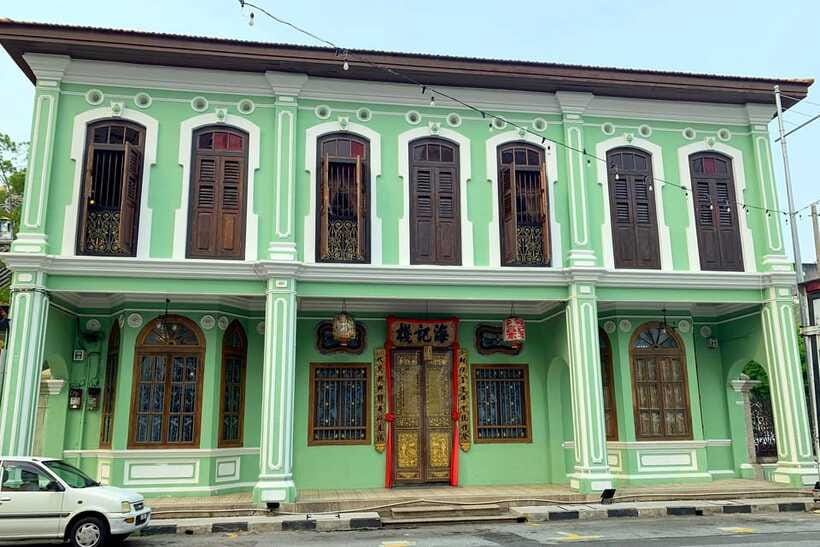
George Town’s story comes into focus through its living waterfront communities, ornate Chinese clan houses, Peranakan interiors, and Buddhist temples. This private half-day tour links those places in one easy ride, with a guide explaining how Chinese immigrants, local customs, religion, and trade shaped Penang.
I like the private car and hotel pickup, especially if you are visiting from a cruise ship or want to avoid figuring out short taxi rides. I also like the chance to adjust the route, as Cynthia did to suit her interests. The main drawback is time: four hours is tight, and one visitor nearly ran out of it before seeing everything.
Key points at a glance
- Chew Clan Jetty: See homes built on stilts above the waterfront and observe a community that remains part of George Town’s daily life.
- Peranakan Mansion: Learn how Chinese and local customs blended into a new Straits Chinese culture through the house’s grand rooms and collections.
- Khoo Kongsi: Study clan rituals, feng shui, family history, and some of the finest Chinese clan-house architecture outside China.
- Pulau Tikus temples: Visit the Reclining Buddha Temple and Burmese temple, including the standing Buddha and Panca Rupa.
- Private, flexible touring: Ride in an air-conditioned car with an English- or Chinese-speaking guide, rather than joining a large group.
- A compact introduction: At $86 per person, the tour is most useful when you want a broad first look at George Town without spending a full day on sightseeing.
Why this four-hour route works
This is a history tour with plenty of visual variety. In a short stretch of time, you move from waterfront homes to a wealthy Peranakan residence, then to a Chinese clan complex and two Buddhist temples.
That range matters. George Town can seem like a collection of handsome old buildings until someone explains how the pieces connect. The jetties show working community life. The mansion shows domestic life among wealthy Chinese families. Khoo Kongsi explains clan identity and migration. The temples add religious traditions from the Chinese and Burmese communities.
You ride between stops in a private air-conditioned car. That saves energy in Penang’s heat and makes the route practical for a short visit. You are not spending half the tour waiting for other people or finding the next stop.
The guide is central to the experience. English and Chinese are available, and several guides assigned to this tour have earned praise for being friendly, patient, and clear. Carol is known for shaping the route around personal interests. Vejay is described as polite, amusing, and careful not to overload visitors with facts. Sudha is praised for handling a tight schedule, while Kris and KT are noted for strong explanations of Penang’s past.
Guide assignments can change, so you should not book solely because you hope for one particular person. Still, the pattern is encouraging: the service is personal, and the guide is more than a driver.
More Private History Tours in the world:
- Private Historical Walking Tour of York
★ 5.0 · 1,324 reviews - Private Guided Historic Electric Cart Tour of St. Augustine
★ 5.0 · 1,194 reviews - Istanbul: Acemoglu Historical Turkish Bath w/Private Options
★ 4.6 · 1,190 reviews
Walking the Chew Clan Jetty
The tour begins at the Clan Jetties along George Town’s waterfront. These are timber homes built above the water, connected by narrow walkways and associated with Chinese clan communities.
The Chew Clan Jetty gives you a look at a living neighborhood rather than a preserved display. The appeal is simple: you can see how houses, docks, and daily routines developed around the coast. It is a useful counterpoint to George Town’s grand temples and mansions.
Your guide can provide the background that makes the scene easier to understand. Chinese immigrants often formed clan networks for mutual support, and the jetties reflect that shared identity. The Chew community remains the focus here, so the visit is not just about taking waterfront photographs.
Be respectful. This is still a residential area. Keep your voice down, avoid blocking walkways, and do not treat private homes as museum exhibits. The activity information asks you to bring comfortable shoes, which is sound advice for the jetties and the temple visits.
The stop may be less appealing if you want a long, quiet waterfront walk. The tour is built around seeing the place and understanding its role, not lingering for hours.
Inside the Pinang Peranakan Mansion
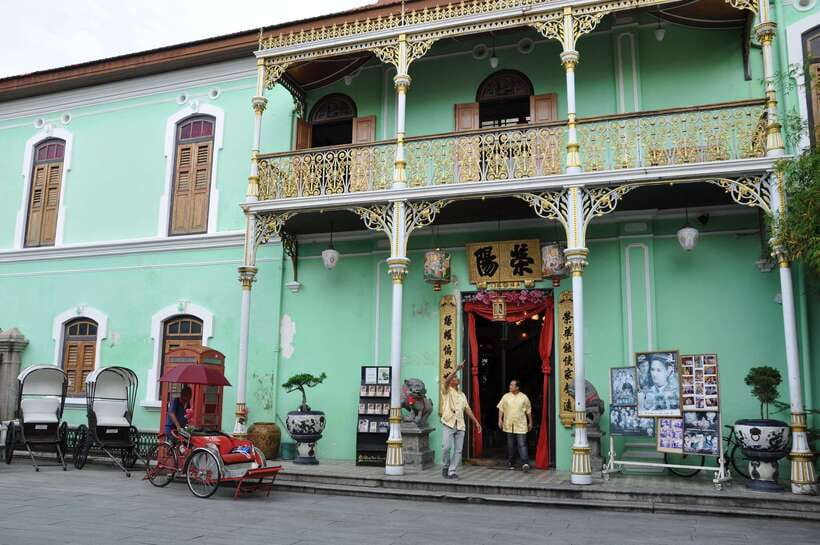
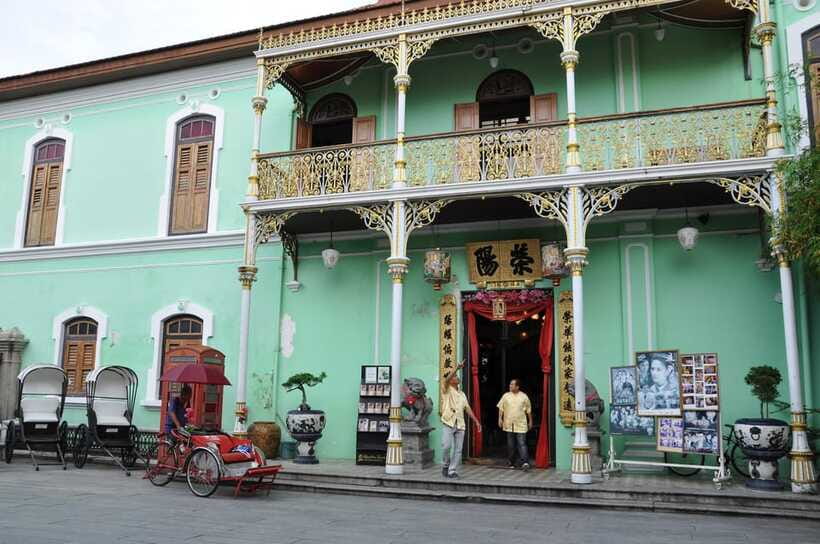
The Pinang Peranakan Mansion offers a very different view of Penang. It was once the home of a Chinese captain, and its rooms and collections show the world of wealthy Peranakan families.
Peranakan culture grew from Chinese immigration and marriage with local communities. The result was not simply Chinese tradition transplanted to Penang. Food, dress, language, household customs, and design developed into something distinct, with influences from both sides.
The mansion gives that cultural mix a physical setting. Its collections help you picture how an elite household lived and how status was displayed. Expect a stop that is more about interiors, objects, and social customs than outdoor scenery.
I find this part especially useful for first-time visitors because it gives context to the rest of George Town. After seeing the mansion, the city’s blend of Chinese and local influences feels less like a random mix of styles.
The drawback is that a four-hour schedule does not allow unlimited time in each room. If you are fascinated by historic houses and collections, you may wish the visit were longer. If you prefer street life and food, this may be the stop where you feel the clock most strongly.
Reading the architecture at Khoo Kongsi
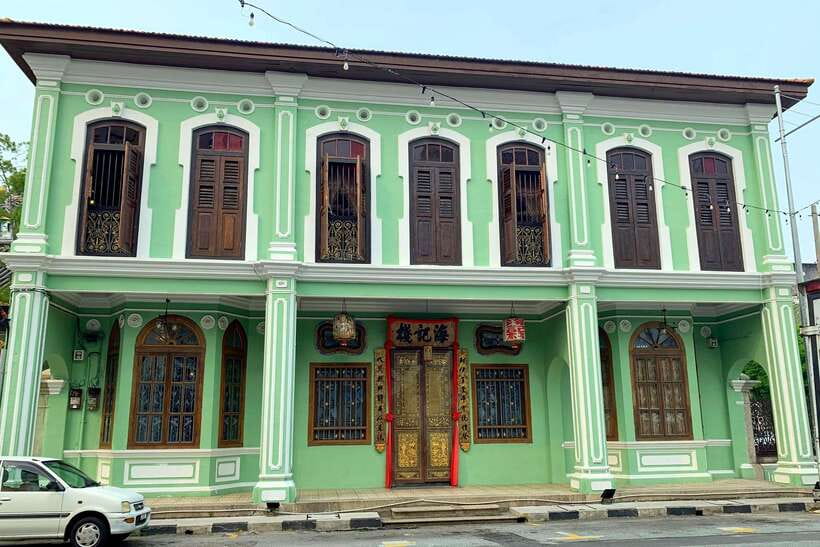
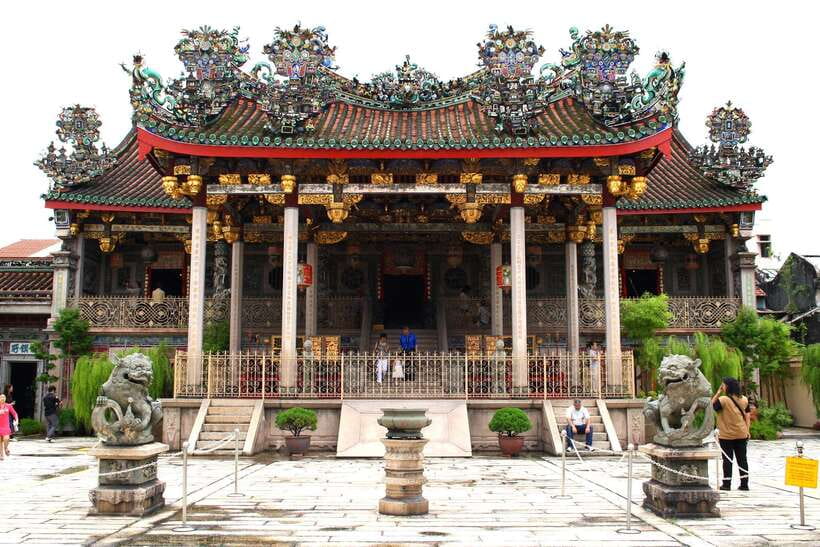
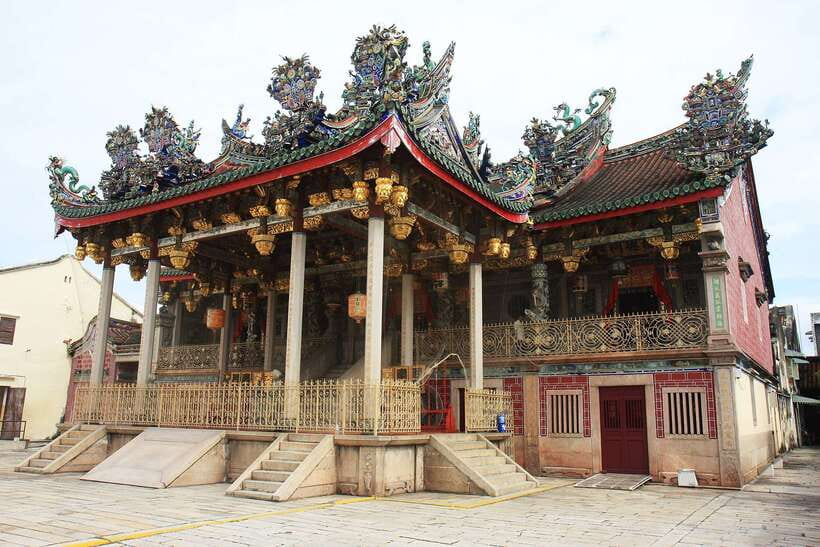
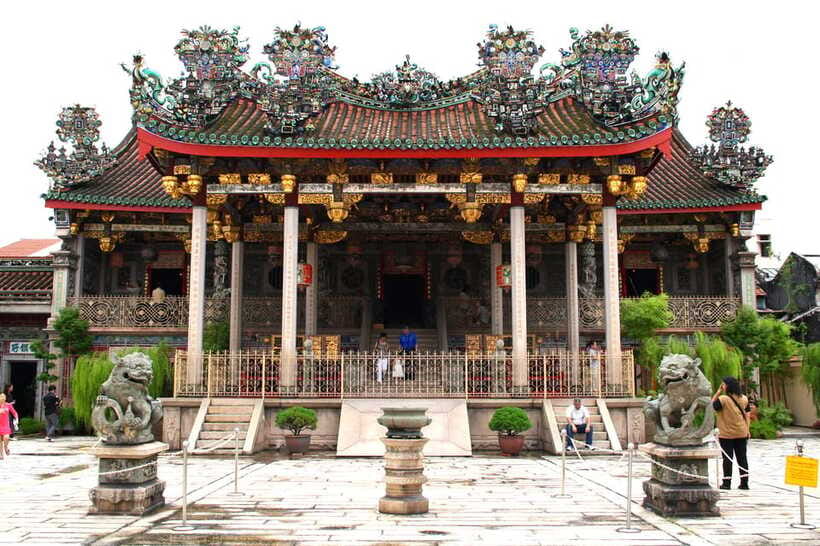
Khoo Kongsi is one of the tour’s major stops. It is a clan house associated with the Khoo family, built with the kind of scale and ornament that signals wealth, lineage, and community power.
The architecture is the immediate attraction, but the guide’s explanation is what gives it meaning. You can learn about clan organization, rituals, feng shui, and the family history connected to the site.
Feng shui is not presented here as a decorative idea. It helps explain why buildings, entrances, courtyards, and surrounding spaces were arranged as they were. Ritual details also show how a clan house served more than one purpose. It could be a place for worship, family gatherings, ceremonies, and social support.
Khoo Kongsi is often described as one of the grandest clan houses outside China. That comparison helps, but the better reason to visit is that it shows how immigrant communities built a strong sense of belonging far from their original homeland.
Look closely at the carved and decorated surfaces, but also pay attention to the building’s scale. The message is clear: a successful clan wanted its collective identity to be visible.
This stop can feel rushed if the earlier visits run long. One visitor nearly ran out of time on the route, with the temples and mansion among the highlights. Your guide may need to keep each stop moving so you see the full circuit.
More Half-Day Tours in the world:
- Lima’s Vibrant Heritage: Exploring the City’s Landmarks Half-day
★ 4.5 · 581 reviews - From Ho Chi Minh: Cu Chi Tunnels Half-Day History Tour with Guide
★ 5.0 · 480 reviews - Naxos: Half-Day Guided History and Culture Sightseeing Tour
★ 4.7 · 435 reviews - Historical Italica: Half-Day Guided Tour from Seville
★ 4.5 · 416 reviews
The reclining Buddha at Pulau Tikus
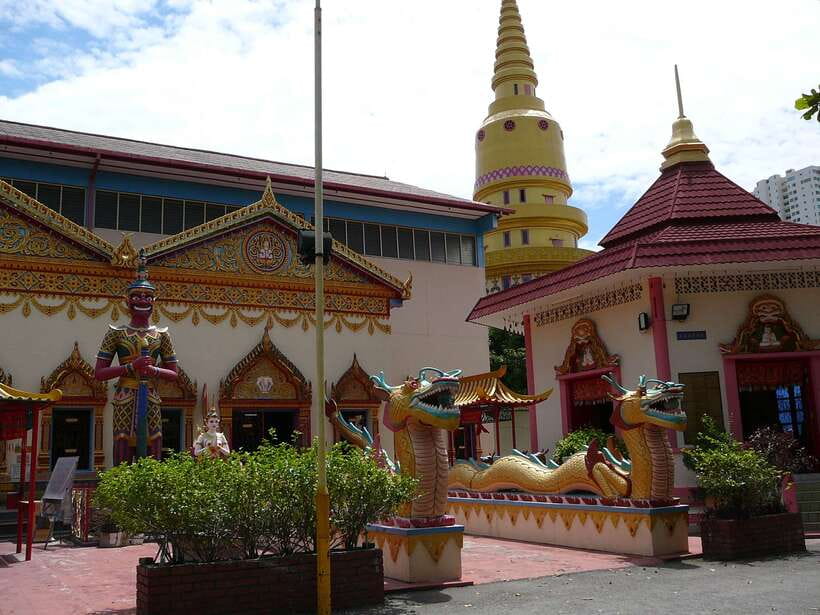
The route then heads to Pulau Tikus, where you visit the Reclining Buddha Temple. The main sight is a very long reclining Buddha statue, described as the world’s third longest.
The statue is an impressive visual stop, but the tour also points out differences between Chinese and Siamese dragons. That detail is useful because temple decoration can blur together when you are moving quickly. A guide helps you notice how symbols and artistic traditions vary.
You will also see a standing Buddha and the Guardian of the World, or Panca Rupa. The stop includes the Fountain of Life, where you can throw a few coins for luck. These small details give the visit a more active feel than simply walking through a hall and taking a photograph.
The temple visit is also a chance to learn about Buddha’s journey and the meaning behind the images. Ask questions if you want more than a quick identification of each statue. The private format gives you room to set the pace, although the total tour length still limits how long you can stay.
The site may not suit you if stairs, uneven surfaces, or extended walking are difficult. The activity is specifically not suitable for wheelchair users, and comfortable shoes are recommended. People with kidney problems are also advised not to take this tour.
The Burmese temple and standing Buddha
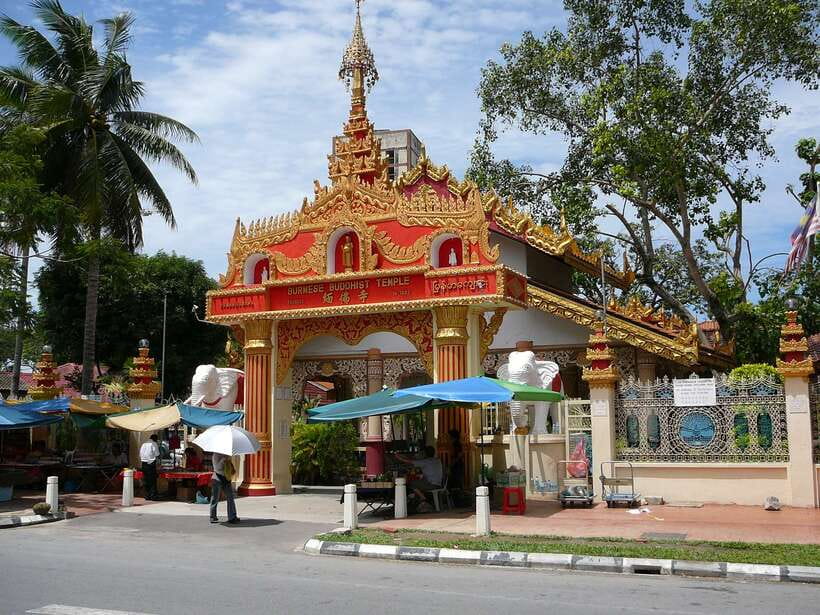
The Burmese temple completes the religious part of the route. It adds another tradition to the Chinese and Siamese elements you have already seen.
The standing Buddha and Panca Rupa are key sights here. The temple also provides a chance to compare religious art and practice across communities rather than treating all Buddhist sites as the same.
This is one reason I like the route’s structure. It does not stop at a single famous temple and call the job done. It places several traditions close together, then lets your guide explain their differences.
The temple portion may be the most satisfying part for people interested in religion, art, and symbolism. It may be less satisfying if you want a long food stop or time for independent shopping, since neither is part of the planned experience.
Food and drinks are not included. One guide, Vejay, has been praised for stopping to buy two especially good samosas, but that should be viewed as a pleasant personal touch rather than a guaranteed part of the tour. Bring your own budget for snacks and drinks if you need them.
What $86 per person buys you
The price is $86 per person. That is not the cheapest way to see George Town, but it buys more than transport from one attraction to the next.
You receive round-trip pickup and drop-off at a George Town hotel or cruise ship port, a private air-conditioned car, an English- or Chinese-speaking local driver guide, and the service charges and taxes. For a solo visitor or couple, the convenience can justify the cost, especially on a short stay.
The value is strongest when you care about context. You could arrange separate rides to the jetties, mansion, Khoo Kongsi, and temples, but you would need to coordinate the route and find explanations at each place. Here, the guide links the stops into one story.
The value is weaker if you only want photographs or prefer to explore slowly on foot. A private tour moves efficiently, but four hours still means a brisk visit. Personal expenses, food, drinks, and any costs not specifically included remain your responsibility, so check what admission fees cover before booking.
For cruise passengers, the private format is especially practical. Pickup at the cruise ship port and a direct return can reduce the worry of getting back to the ship. KT has been praised for helping visitors beat crowds at the sites, although exact crowd levels will depend on the day and timing.
Who should book this private tour
I would choose this tour if you have only half a day in George Town and want a broad introduction without handling transport yourself.
It suits:
- Solo visitors who want easier access to several sights
- Couples who value a private schedule
- Cruise passengers with limited time ashore
- First-time visitors who want history explained as they go
- People interested in Chinese, Peranakan, Burmese, Siamese, and Buddhist culture
- Older visitors who prefer hotel pickup and an air-conditioned car
It is also a good choice if you want to ask questions. Cynthia, an elderly solo visitor, was able to customize the route around her own interests. That flexibility is one of the strongest reasons to select a private tour rather than a fixed group outing.
I would think twice if you use a wheelchair, have kidney problems, dislike temple visits, or want a slow day with long meals and free time. The tour has a lot to cover, and the schedule can become tight.
How to make the most of four hours
Wear comfortable shoes and keep your belongings light. Large bags and luggage are not allowed, and the route includes walking around waterfront homes, clan buildings, and temples.
Tell the guide at pickup what matters most to you. If architecture is your priority, ask for more time at Khoo Kongsi and the Peranakan Mansion. If religion interests you, ask for fuller explanations at the Reclining Buddha and Burmese temples.
You can also ask about customizing the route. The experience is private, and personal interests can shape the day, though the guide still needs to fit the main stops into four hours.
Do not expect a full meal break. Food and drinks are not included. You may want to carry what you need, provided it is not a large bag, and keep in mind that the tour’s goal is sightseeing rather than dining.
The cancellation policy is forgiving: you can cancel up to 24 hours in advance for a full refund. You can also reserve now and pay later, which helps if your Penang schedule is still shifting.
Should you book it?
Book this tour if you want George Town explained, not merely photographed. The combination of the Chew Clan Jetty, Peranakan Mansion, Khoo Kongsi, Reclining Buddha Temple, and Burmese temple gives you a useful first picture of Penang’s people and traditions.
The strongest features are the private car, hotel or port pickup, guide flexibility, and the broad cultural range. The main tradeoff is pace. Four hours is enough for an introduction, but not enough for long visits at every stop.
If you are short on time, traveling solo, arriving by cruise ship, or uneasy about arranging local transport, $86 per person is a reasonable price for the convenience and personal explanation. If you prefer to linger, eat your way through George Town, or wander independently, choose a longer or more flexible plan.
FAQ
How long is the George Town historical city tour?
The tour lasts four hours.
What locations are included?
The route includes the Clan Jetties, Pinang Peranakan Mansion, Khoo Kongsi, the Reclining Buddha Temple, and the Burmese temple in Pulau Tikus.
Is hotel pickup included?
Yes. Pickup and drop-off are included for hotels in the George Town area. Pickup is also available at the cruise ship port.
Is the tour private?
Yes. This is a private group experience with sightseeing by private air-conditioned car.
Which languages are available?
The live guide is available in English or Chinese.
Is food included?
No. Food and drinks are not included. Personal expenses are also excluded.
What should I bring?
Bring comfortable shoes. Large bags and luggage are not allowed.
Is the tour suitable for wheelchair users?
No. The activity is not suitable for wheelchair users. It is also listed as unsuitable for people with kidney problems.
Newest history tours we have reviewed in the world
- Enjoy Ancient Mostar★ 4.0 · 45 reviews
- Private Dublin Historical and Heritage Tour by Bike★ 5.0 · 30 reviews
- Dubrovnik by Night, History, Wine & Bites★ 5.0 · 41 reviews
- Historical Walking Tour of Dublin★ 5.0 · 50 reviews
- DayTripper Dublin: A Guided City Walking Tour★ 5.0 · 90 reviews
- Ancient Old City– Finest tour of Dubrovnik★ 5.0 · 64 reviews
- Dublin LGBTQ Pride Historical and Cultural Walking Tour★ 5.0 · 91 reviews
- Interactive Living History in Dalkey Castle near Dublin City★ 5.0 · 133 reviews
Private History Tours, compared.
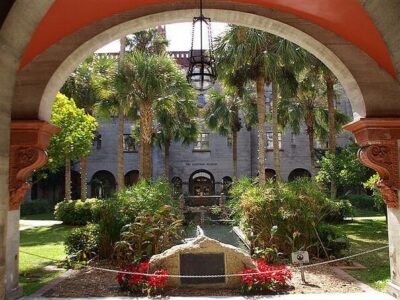
Private Guided Historic Electric Cart Tour of St. Augustine
Read our review →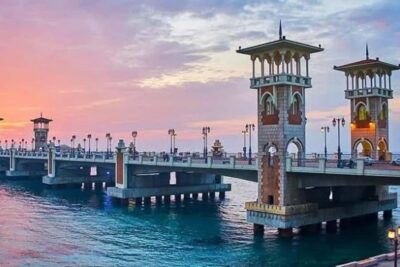
Private Full-Day Tour of Historical Alexandria
Read our review →
Private Tour of the Historic City in a Ford T Car
Read our review →
Madrid Historical Tour with Local Guide in Eco Tuk Tuk Private
Read our review →
Private Biblical Tour Ancient Corinth & Isthmus Canal from Athens
Read our review →
Private Kathmandu Sightseeing Tour | UNESCO World Heritage sites
Read our review →
Historic Porto by Private Electric Tuk Tuk to Top Landmarks
Read our review →Browse the lists this tour appears in