
Review · FOOD & HISTORY TOURS
Cebu City: Historical Street and Food Tour
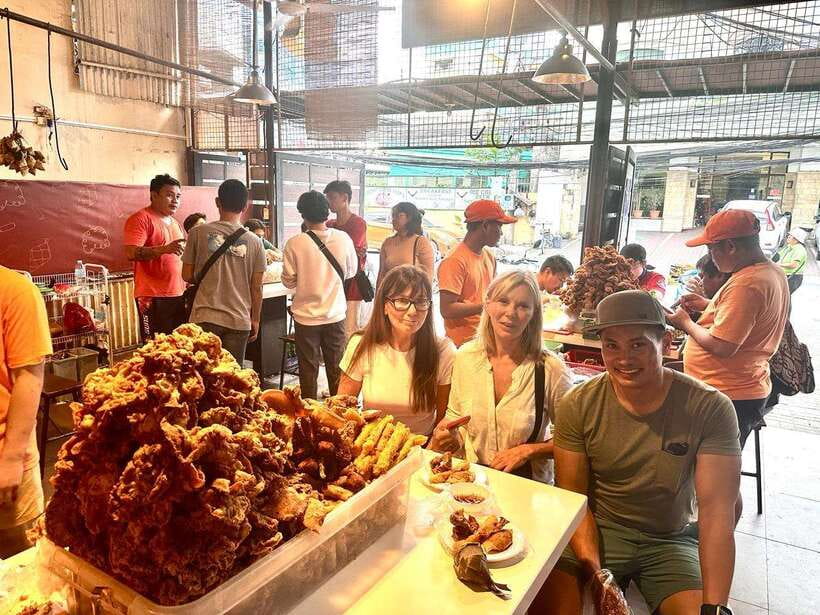
Cebu’s story comes at you quickly on this three-hour walk: a farmers market, a salted duck egg, Spanish-era churches, a coal depot, and the cross linked to Ferdinand Magellan. I like the mix of street food and serious history, and I like that the route reaches places such as the Yap Sandiego Ancestral House that are easy to miss on your own.
The guides are another strength. Philip, Nacien, Nescian, and Kyle are named in the feedback, with particular praise for their English, energy, care, and local knowledge. The main drawback is the $90 price, which is high for three hours, especially if you are comfortable exploring Cebu’s central sights independently and do not care much about guided food tasting.
Key points at a glance
- Balut is part of the lesson: You can taste the famous boiled salted duck egg, along with other Filipino street food.
- The Yap Sandiego Ancestral House dates to 1680: Its coral-stone construction and Chinese-Spanish design make it one of the route’s most distinctive stops.
- You visit major Cebu landmarks: The route includes Basilica Minore del Sto. Niño, Magellan’s Cross, Cebu Metropolitan Cathedral, and the Heritage of Cebu Monument.
- You see Cebu through markets: Cebu Farmers Market and Carbon Market add working-city context to the monuments.
- Small groups keep questions easy: The tour is limited to 10 people and runs in English.
- Expect real walking: Wear comfortable shoes and clothes, carry cash, and be ready to continue in rain or sun.
Why this Cebu walk works
Many city tours separate food from history. This one links them. You begin around the food trade, move through old streets, and then see how Spanish rule, Catholic worship, Chinese influence, war, and modern commerce all overlap in central Cebu.
That combination gives you useful context. Balut is not just a dare for curious eaters. The farmers market helps you see what people buy and sell, while the old buildings show how Cebu developed as the first Spanish settlement and capital in the Philippines.
The route is compact but full. Three hours is enough to cover a lot, though it is not enough for long visits at every stop. You should expect a brisk walking pace, short explanations, food sampling, and frequent changes of scene rather than a slow architectural study.
The group limit of 10 matters here. Central Cebu can be crowded, and a small group makes it easier to hear the guide and ask questions. If you are traveling alone, the setup can also feel more personal. One solo participant received special help from Philip, including assistance catching a taxi home.
More Food and History Tours in the world:
- Sevilla Food Tour: Tapas, Wine, History & Traditions
★ 5.0 · 3,468 reviews - Victoria Guided Food and History Tour
★ 5.0 · 2,015 reviews - Gastown Historic Walking Food Tour
★ 5.0 · 1,863 reviews
Starting with Cebu Farmers Market
The tour begins at Cebu Farmers Market, where your guide introduces local food before the historical walk gathers speed. This is a smart opening because it puts everyday Cebu before the grand landmarks.
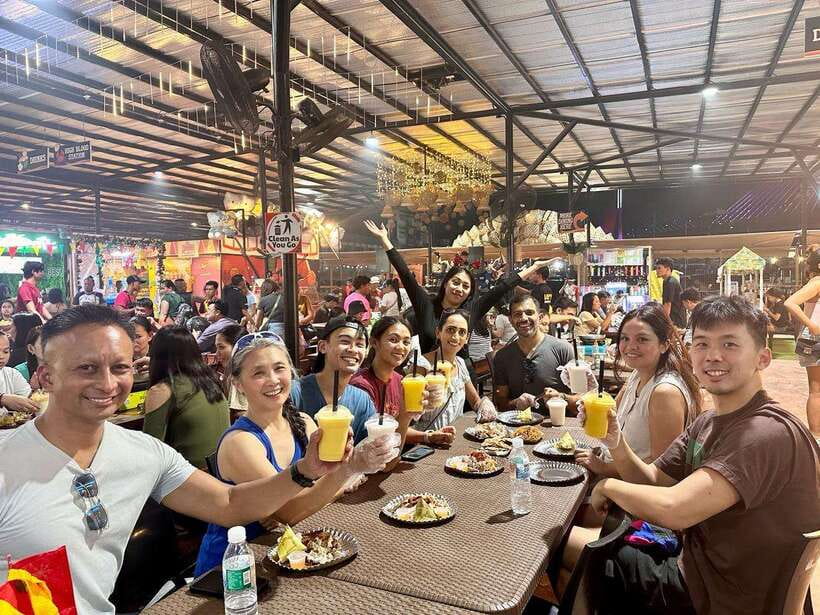
You can learn about ingredients and local eating habits while looking at the market rather than hearing a detached lecture in a quiet room. The food portion is not merely an add-on. It gives you a way to understand how Filipino cooking uses strong flavors, contrasting textures, and simple preparation.
Cash is important. Bring smaller amounts if possible, since the tour information specifically advises carrying cash, and market purchases or food samples may not take cards.
The food stops can include local snacks and street food, with balut as the best-known challenge. Balut is a boiled duck egg traditionally eaten with salt. If you have never tried it, your guide can explain what it is and how it is usually eaten, but you are not required to treat it like a test of courage.
Food quality may vary from person to person. The tasting is useful for cultural context, but one assessment found the food only average for the price. I would book this for the explanation and access to several local tastes, not as a high-end food tour.
Seeing the Heritage of Cebu Monument
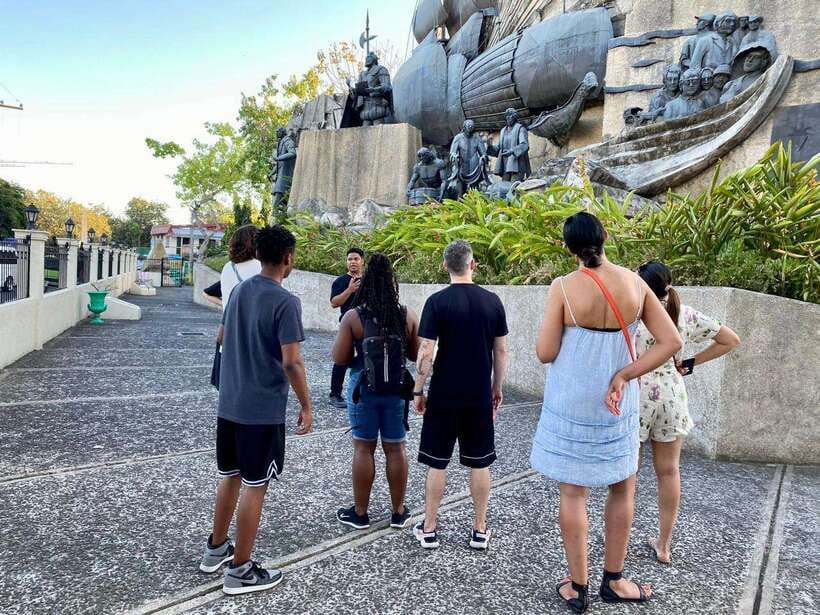
The Heritage of Cebu Monument uses metal sculptures to present important scenes and figures from the city’s past. It gives you a visual pause between the market area and the older buildings ahead.
This is the sort of stop where a guide adds real value. Without explanation, a sculpture group can become a quick photograph. With a clear account of what you are seeing, it can help connect Cebu’s local identity with Spanish arrival, Catholic influence, and the city’s long commercial role.
The monument is also a useful reminder that Cebu’s past is not limited to one colonial story. The tour’s wider route includes Chinese, Spanish, Catholic, and local Filipino influences, and the next stop makes that mix especially clear.
Entering the 1680 Yap Sandiego Ancestral House
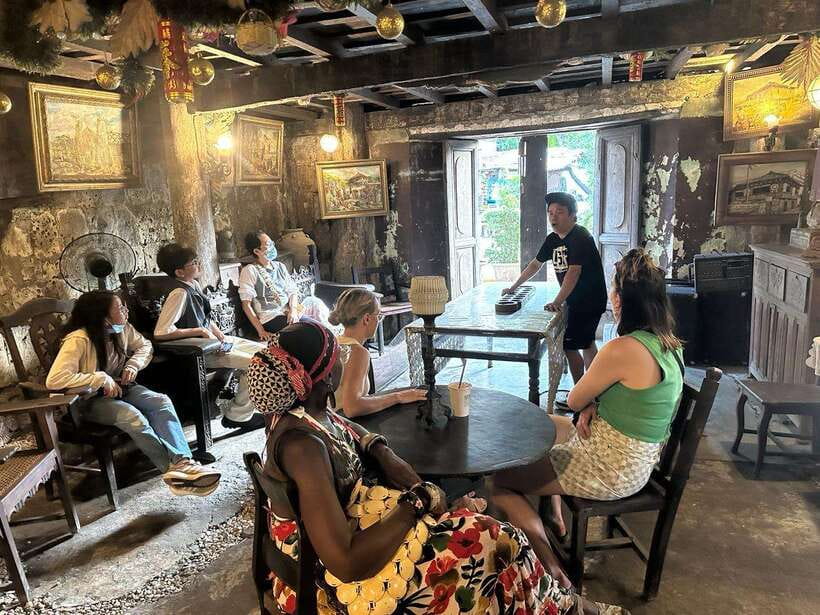
The Yap Sandiego Ancestral House is one of the tour’s strongest stops. Built from coral stone in 1680, it combines Chinese and Spanish architectural influences, a fitting reflection of Cebu’s position as a meeting point for different cultures.
An old home can tell you more about daily life than a formal monument. Look at the materials, proportions, and details as your guide explains how the house fits into Cebu’s past. The coral-stone construction is particularly memorable because it connects the building to local materials rather than imported grandness.
This visit also breaks up the street walking. You get a closer look at a preserved historic structure instead of seeing every building only from the pavement.
Do not expect a long museum visit. The overall schedule includes several major sites, so the house is one part of a quick-moving route. If old homes and architecture are your main interest, you may wish you had more time here. If you want a broad introduction to Cebu, the short stop works well.
More History Tours in the world:
- New York City: American Museum of Natural History Ticket
★ 4.5 · 15,447 reviews - History and Hauntings of Salem Guided Walking Tour
★ 5.0 · 14,564 reviews - Colosseum: Underground and Ancient Rome Tour
★ 4.7 · 12,691 reviews - Lisbon: History, Stories and Lifestyle Walking Tour
★ 4.8 · 10,902 reviews
Basilica Minore del Sto. Niño and Cebu’s Catholic story
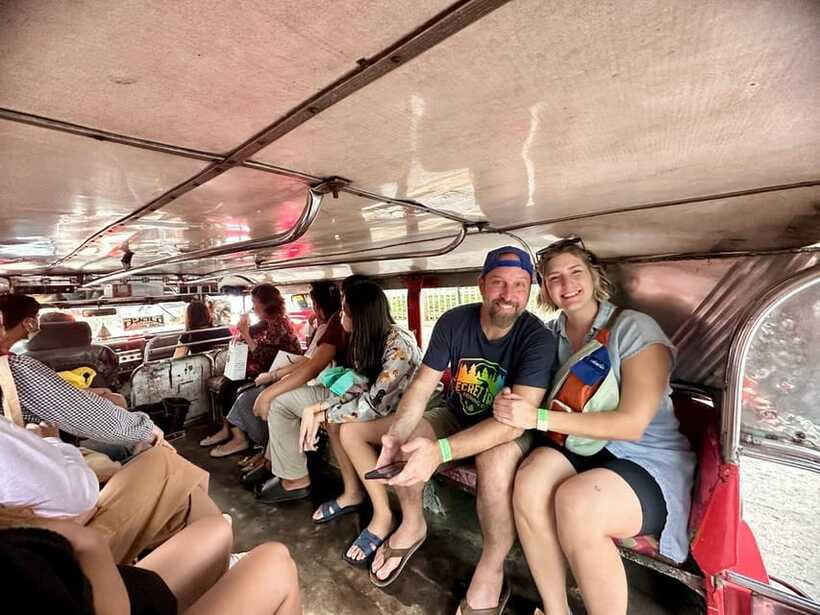
The Basilica Minore del Sto. Niño dates to 1565 and is described as the oldest Roman Catholic church in the Philippines. It is one of the key historical anchors of the experience.
The church matters not only because of its age. It represents the start of a major Spanish and Catholic chapter in Cebu, and your guide can place the building within the larger story of the first Spanish settlement and capital.
This is also a place where the pace may feel fast. The tour covers several churches and historic sites in one afternoon or morning, depending on your chosen start time. You will get a guided introduction, but the schedule is not designed for extended quiet reflection or detailed religious art study.
Bring respectful clothing and behavior for church visits. The official advice calls for comfortable clothes, and that is practical for both walking and entering religious sites.
Carbon Market and the city’s working side
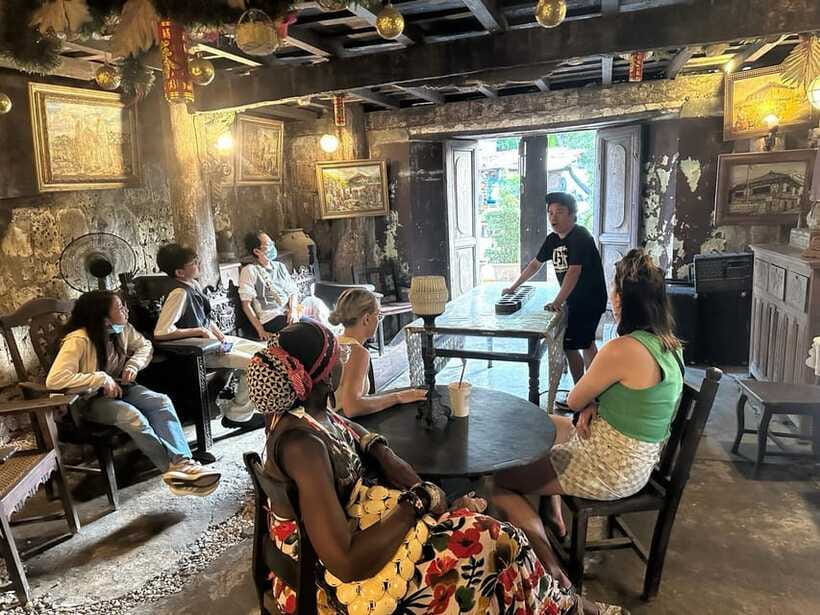
Carbon Market gets its name from the Spanish word for coal. The area was once a coal depot, and the stop gives the tour a different tone from the church and ancestral house visits.
This matters because Cebu is not only an old capital with decorative buildings. It is also a working city shaped by trade, transport, food, and crowded commercial streets. Carbon Market helps you see that daily side of Cebu rather than staying inside a string of polished historic sites.
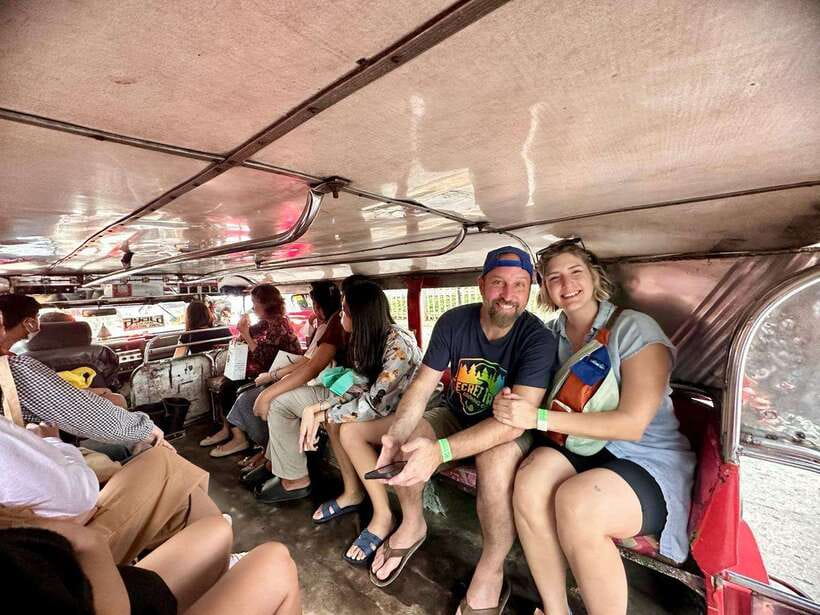
The route may include local buses. One detailed account specifically praised the chance to ride local buses as part of the experience. That adds a practical touch, though it also means you should expect ordinary city movement rather than a private vehicle and a quiet ride.
Keep your belongings close and follow the guide’s directions. The tour information says jewelry is not allowed, and that is worth taking seriously. Leave flashy items at your accommodation and carry only what you need.
Magellan’s Cross and the 1521 turning point
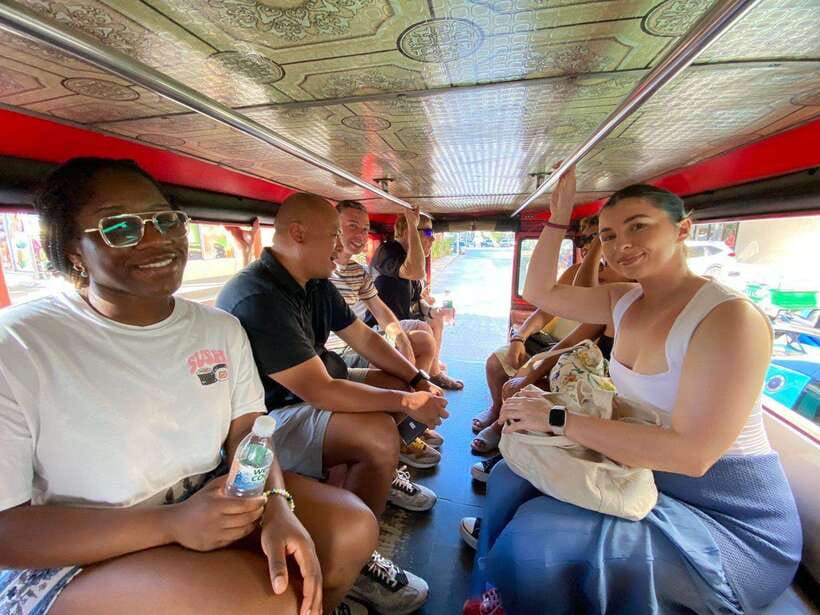
At Magellan’s Cross, you reach the site associated with a Christian cross placed by Spanish explorers led by Ferdinand Magellan in 1521. It is one of Cebu’s most recognizable historical locations and a central point in the tour’s story.
The stop helps explain why Cebu became so important to Spanish expansion in the Philippines. It also lets your guide separate the symbolism of the cross from the wider events of exploration, conversion, settlement, and colonial power.
You may find this stop busy and quick. The value comes from knowing what the site represents, not from expecting a long, peaceful visit. Your guide’s explanation is especially useful here because the physical object alone cannot explain its wider place in Philippine history.
The food and walking remain interwoven at this stage. That keeps the tour from becoming a chain of formal lectures, though it also means you should not expect every stop to receive equal time.
Cebu Metropolitan Cathedral and wartime memory
The final major church is Cebu Metropolitan Cathedral. It was destroyed during the Second World War and rebuilt in the 1950s, giving you a more recent layer of history after the sixteenth-century and early colonial sites.
I like this contrast. The cathedral shows that Cebu’s past is not frozen in the Spanish period. War, destruction, rebuilding, and continued religious use are part of the city’s story too.
By this point, you will have seen religious sites from different periods, along with markets and older homes. The cathedral helps pull those pieces together. It also gives the route a useful closing note before you finish and return to your accommodation independently.
What the $90 price really buys
At $90 per person, this is not a bargain walking tour. You could visit several central Cebu sights on your own for much less, especially if you are comfortable using public transport, finding churches, and reading about the city in advance.
The price makes more sense if you value a guide who can connect the stops, arrange the food experience, and help you move through places such as Carbon Market and Colon Street with greater confidence. The small group, English guidance, and personal attention also add value.
The strongest guide feedback centers on friendliness, clear English, energy, and care. Philip was praised for looking after a solo participant, while Nacien, Nescian, and Kyle were also singled out for being helpful, entertaining, or well informed. One person described receiving the guide’s full attention in a very small group, which is a real advantage if you have many questions.
Still, you should set your expectations correctly. The included items are the tour guide and guided tour. Hotel transfer is not included, although pickup instructions say to wait in the designated area for a guide holding a paper with your name. You can also message the operator through its Facebook page, Cebu City Historical Street and Food Tour, if you need to clarify the meeting point.
Who should book this experience
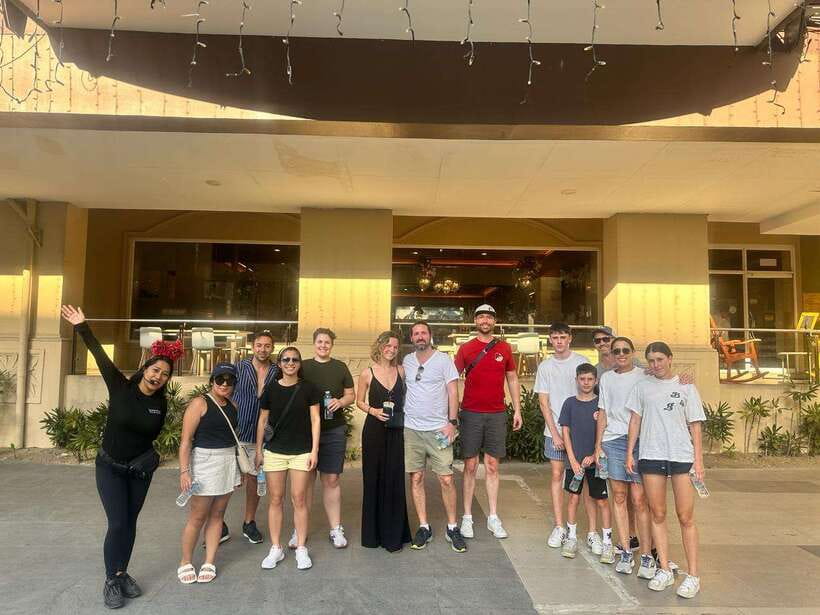
I would recommend this tour to a first-time Cebu visitor who wants a quick orientation and prefers learning through conversation. It suits anyone curious about Filipino food, especially if balut is on your list, but it is not aimed at serious food connoisseurs seeking a long tasting menu.
It is also a good fit for solo visitors who want company and local guidance. The small group and reports of guides helping people get home safely are reassuring, particularly for someone who does not know central Cebu.
You should think twice if you already know the city, prefer exploring at your own pace, or are mainly interested in food quality. The $90 charge is harder to justify if you plan to visit the churches and markets independently.
Wear comfortable shoes. Carry cash, a camera, and only necessary valuables. The tour runs rain or shine, so light weather protection may be sensible even though it is not specifically listed among the required items.
Booking verdict
Book this tour if you want a guided introduction to Cebu’s old center, local food explanations, and help navigating a busy urban route in a small group. Its best qualities are the guides, the mix of everyday markets and major historic sites, and the chance to ask questions as you go.
Skip it if you are price-sensitive and comfortable planning your own route. At $90 for three hours, the value depends heavily on how much you want the guide’s storytelling, food coordination, and local support. For a first visit, especially as a solo visitor, that help may be worth paying for. For an independent repeat visitor, it probably is not.
FAQ
How long does the Cebu City Historical Street and Food Tour last?
The tour lasts three hours.
What language is the tour conducted in?
The live tour guide speaks English.
How many people can join the tour?
It is a small-group experience limited to 10 participants.
Does the tour include hotel transfer?
No. Hotel transfer is not included. You should wait in the designated meeting area for a guide holding a paper with your name.
What food can I try on the tour?
You can sample Filipino street food and local delicacies, including balut, a boiled salted duck egg traditionally eaten with salt.
Which historic buildings and sites are included?
The route includes the Heritage of Cebu Monument, Yap Sandiego Ancestral House, Basilica Minore del Sto. Niño, Carbon Market, Magellan’s Cross, and Cebu Metropolitan Cathedral.
How old is the Yap Sandiego Ancestral House?
The house was built from coral stone in 1680.
What should I bring?
Bring comfortable shoes, comfortable clothes, a camera, and cash.
Does the tour operate in bad weather?
Yes. The tour takes place rain or shine. Jewelry is not allowed.
Newest history tours we have reviewed in the world
- Enjoy Ancient Mostar★ 4.0 · 45 reviews
- Private Dublin Historical and Heritage Tour by Bike★ 5.0 · 30 reviews
- Dubrovnik by Night, History, Wine & Bites★ 5.0 · 41 reviews
- Historical Walking Tour of Dublin★ 5.0 · 50 reviews
- DayTripper Dublin: A Guided City Walking Tour★ 5.0 · 90 reviews
- Ancient Old City– Finest tour of Dubrovnik★ 5.0 · 64 reviews
- Dublin LGBTQ Pride Historical and Cultural Walking Tour★ 5.0 · 91 reviews
- Interactive Living History in Dalkey Castle near Dublin City★ 5.0 · 133 reviews
Food & History Tours, compared.
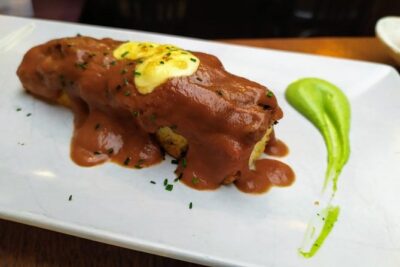
Sevilla Food Tour: Tapas, Wine, History & Traditions
Read our review →

Dublin Historical Centre Food Tour with 8 Food Tastings & Drinks
Read our review →

Boston Pizza Lovers Food and History Walking Food Tour
Read our review →
Rome Food Tour in the Historic Centre with 8+ Food Tastings
Read our review →Browse the lists this tour appears in