
Review · INDIA HISTORY TOURS
Amritsar Heritage Walking Tour
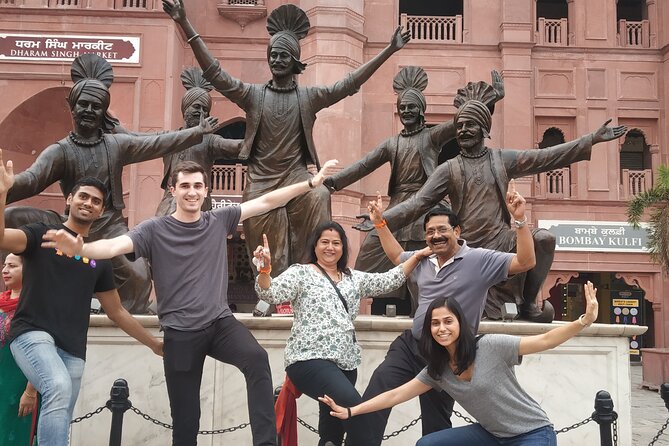
Amritsar reveals itself best on foot, especially in the narrow lanes between the Town Hall and the Golden Temple. This tour links major sites such as Jallianwala Bagh and the Partition Museum with smaller places you could easily miss, including an old banyan tree, a traditional akhara, and the lanes around Guru Bazar.
I like the way the walk joins public history with daily life. You get the major events, but also stories about old business communities, Sikh culture, architecture, food, and local habits. I also like that guides such as Hardik and Prerit have been praised for clear English, warm conversation, and a willingness to answer questions.
The main thing to keep in mind is depth. At about 2 hours 45 minutes, the tour covers eight to ten places, so some subjects arrive as short stories and useful fragments rather than long lectures. Entry fees are not included, and this is a group walk with up to 20 people.
Key things to know before you book
- The route ends outside the Golden Temple, making this a useful first activity in Amritsar.
- Partition history and the 1919 Jallianwala Bagh massacre receive important attention early in the walk.
- Old lanes and local life are central to the experience, not just famous monuments.
- Guides speak English, Hindi, and Punjabi, with Hardik and Prerit named in past tour experiences.
- The $16.66 price covers the guide and walking route, but not admission charges or personal spending.
- The pace suits most people who can walk for nearly three hours, with a maximum group size of 20.
Starting at the Partition Museum in Town Hall
The walk begins at the Partition Museum in Amritsar’s Town Hall area. This is a strong starting point because it puts one of the subcontinent’s most painful events on the table before you begin exploring the old city.
The 1947 Partition of India and Pakistan affected more than 18 million people. The museum presents that upheaval through personal stories and historical material. Admission is not included, and the tour description allows about 10 minutes at the stop, so you should not expect a full museum visit as part of the walk.
That short visit still gives the rest of the route more meaning. Amritsar sits close to the India-Pakistan border, and its streets carry the effects of migration, trade, faith, and political change. If you want to spend longer inside the museum, ask how that will affect the walking schedule.
The meeting point is Hall Road, Town Hall, Katra Ahluwalia. It is near public transportation, and your mobile ticket makes the start fairly simple. I would arrive early enough to find the building without rushing. Old-city addresses can be easier to understand on foot than from a vehicle.
More History Walking Tours in India
- Fontainhas Heritage Walk by Make It Happen
★ 5.0 · 2,834 reviews - The Great Indian Food Tour: Old Delhi Food and Heritage Walk
★ 5.0 · 1,698 reviews - Old Goa Heritage Walk by Make It Happen
★ 5.0 · 797 reviews
Saragarhi Memorial Gurudwara and Sikh courage
From the museum, the group walks toward Saragarhi Memorial Gurudwara. The site honors 21 Sikh soldiers who died while serving in the British army.
This stop gives the guide a chance to explain Sikh military tradition, service, and sacrifice. It also shows how several layers of Punjab’s past sit close together: British rule, Sikh identity, religious memory, and the modern city.
The tour includes Sikh history and culture as a main theme, so this is more than a quick photo stop. Still, the exact time allotted for this part is not stated. The guide’s skill matters here. Hardik and Prerit are specifically associated with friendly, clear storytelling, and that conversational approach should help if you want to ask how the memorial fits into wider Sikh history.
Remember that this is a religious setting. Dress and behavior should be respectful, and follow any instructions given at the site.
Maharaja Ranjit Singh and the Punjab Empire

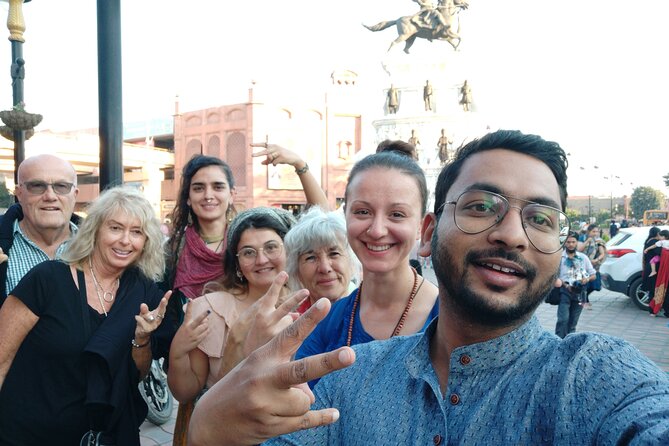
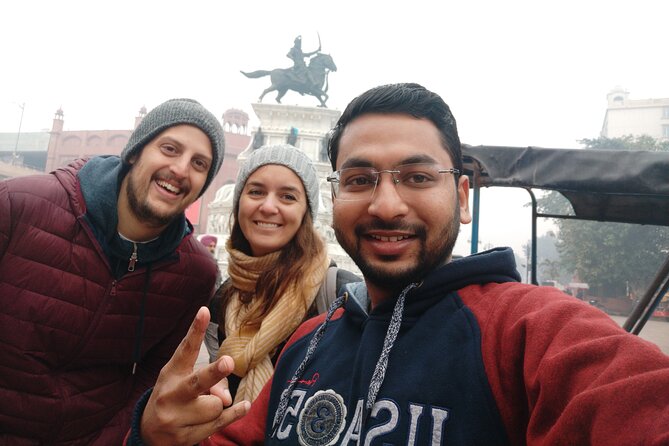
A stop at the Maharaja Ranjit Singh statue brings the story back to the Sikh Empire and one of Punjab’s best-known rulers. The guide explains his role and the growth of the Punjab Empire, adding political context to the religious and military subjects already introduced.
The visit is brief, about 10 minutes, and admission is free. That is a good length for a statue stop. You get the essential story without losing too much time from the older streets later in the route.
I find this kind of stop useful because it gives you a name and a period to hold onto while walking. The city can otherwise feel like a fast succession of shrines, markets, gates, and lanes. A guide who connects those pieces helps you see Amritsar as a place shaped by rulers, communities, and trade, not only as the home of the Golden Temple.
Jallianwala Bagh: the walk’s most serious stop
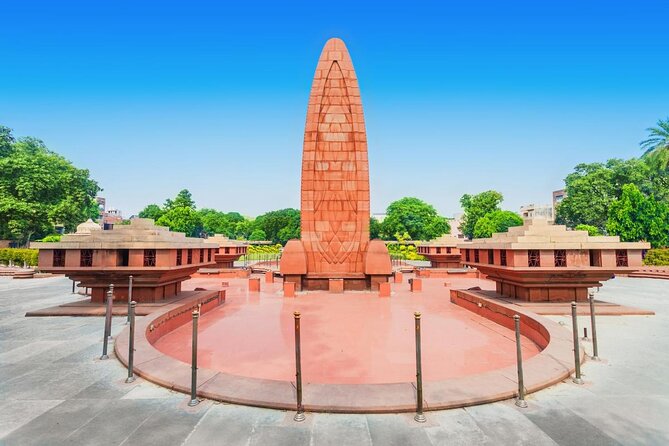
Jallianwala Bagh is the emotional center of the route. The memorial marks the massacre of 13 April 1919, when people gathered on the eve of Baisakhi and British troops opened fire.
About 30 minutes are set aside here, enough for the guide to explain the event and for you to take in the memorial grounds at a measured pace. Admission is not included, so bring a little extra money for any required ticket.
This is not a place to rush through with a camera. The setting has great weight, and the guide’s explanation can help you understand why the event remains central to Amritsar’s public memory. You may hear about the festival setting, the gathering, and the colonial forces involved. The tour description does not list every detail covered, so the quality of the explanation will depend on the guide and the questions you ask.
I would place this visit early in your Amritsar stay. It gives later streets and monuments a stronger historical frame. It also makes clear that the city’s story is not only about devotion, food, and good humor, though those are part of it too.
Same streets, a different century:
- Old Delhi Food, Heritage&Cultural Walk with Rickshaw ride to Masterji Kee Haveli
★ 5.0 · 742 reviews - Blue City Heritage Private Walking Tour With Pickup and Drop-Off
★ 5.0 · 441 reviews - Kolkata Heritage Tram Tour
★ 4.0 · 395 reviews - Private Heritage Walking Tour in Jaisalmer Fort and Old Bazaar
★ 5.0 · 306 reviews
Udasin Akhara and an overlooked side of Amritsar
The route then moves to Udasin Akhara on Sangal Wala Road. The visit lasts about 20 minutes and focuses on the role and meaning of akharas in Amritsar.
This is one of the route’s less familiar stops. An akhara can refer to a religious or ascetic center, and the tour uses the site to discuss a part of local spiritual life that many people would not find on their own. One past description also refers to this as an ashram, so expect a religious setting rather than a conventional museum.
I like this stop because it breaks up the better-known sequence of museums and memorials. It adds a look at living religious practice and the city’s many traditions. The information provided does not promise a particular ceremony or activity, so you should think of it as a guided visit and explanation, not a performance or hands-on workshop.
Guru Bazar and the old lanes
The longest section is the walk through Guru Bazar and the older streets of Amritsar. About 1 hour 30 minutes is assigned to this part, making it the best chance to see how the city works beyond its headline sights.
You move through narrow lanes and older byways, learning about local life, architecture, and the history of Amritsar’s business communities. The route includes Baba Bohar, a large old banyan tree standing in the middle of the city. A tree in such a setting is not just a curiosity. It gives you a fixed point in a crowded old neighborhood and a glimpse of how religious, social, and commercial life can share the same street.
The walk also includes a visit to a 150-year-old feature, though the supplied description cuts off before naming it. I would treat that as a pleasant extra rather than plan your expectations around a specific monument.
This is where the tour earns its price. A map can show you the Golden Temple and Jallianwala Bagh, but it will not explain why a lane bends as it does, which communities shaped its shops, or where a large banyan tree fits into local memory. The guide also offers bargaining tips and ways to save money, practical advice if you plan to shop or eat in the old city afterward.
One caution: the tour does not focus on one single community or one neat version of Amritsar. Most of the material appears to touch several groups and themes, including Sikh history, Partition, trade, and local customs. One strongly negative account objected to an overemphasis on Marwari culture and to stories presented without enough historical support. That criticism is worth keeping in mind, especially if you want an academic treatment. Ask questions when a story sounds uncertain, and separate local folklore from documented fact.
Ending outside the Golden Temple
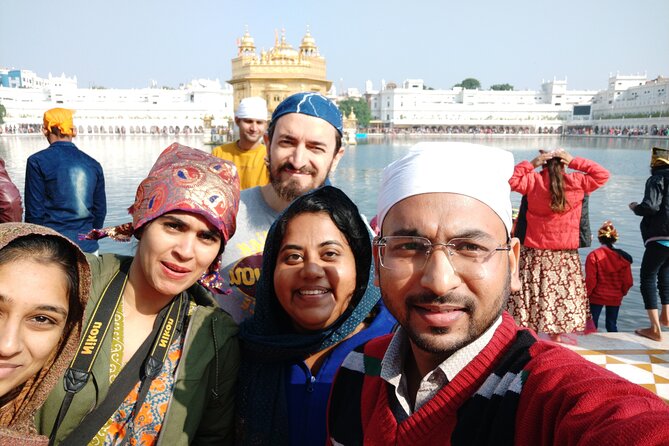
The tour ends at Sri Harmandir Sahib, better known as the Golden Temple, at Atta Mandi in the Katra Ahluwalia area. The meeting point is outside the Golden Temple, so the walk does not include a full guided visit inside the complex.
That ending is practical. You finish near Amritsar’s most important religious site, ready to visit it on your own or return at another time. It also means the tour can serve as an introduction rather than a substitute for a proper Golden Temple visit.
The Golden Temple area has its own rules and rhythms. Since the tour ends outside, you can decide how much time to spend there afterward. Check local entry and clothing requirements before entering, as the provided tour details do not specify them.
What the $16.66 price really covers
At $16.66 per person, this is inexpensive for a guided walk lasting close to three hours. The value comes from the route, the language support, and the guide’s ability to connect places that would otherwise feel separate.
You are paying for a trained guide who can speak English, Hindi, and Punjabi, access to old lanes and less obvious places, stories about Sikh culture, local facts, and advice about bargaining. You are not paying for admission to the Partition Museum or Jallianwala Bagh, and personal expenses are also separate.
The maximum group size is 20. That is small enough for a guide to speak to the group, but it is not a private walk. One person specifically noted that distinction, so book this only if you are comfortable sharing the route and waiting briefly for others.
The tour has a 4.9 rating from 112 ratings, with 99 percent recommending it. The strongest praise centers on guide attitude, clear English, historical explanation, safe and welcoming treatment of solo participants, and access to lanes people would not normally find alone. The weaker feedback points to uneven historical depth and the risk of hearsay being presented too confidently. Those are fair limits for a low-cost, short group walk.
Which guide and which kind of visitor will fit best?
Hardik is described as friendly, clear in English, and happy to answer extra questions. Prerit is praised for punctuality, organization, city knowledge, and storytelling. Your assigned guide may be someone else, but these names give you a useful sense of the expected approach.
I would choose this walk if you are visiting Amritsar for the first time and want to get your bearings before exploring alone. It also suits solo visitors, people interested in Sikh history, and anyone who prefers local streets to a vehicle-based city tour.
You may want something else if you need long, formal lectures on architecture or colonial history. The walk covers a lot of ground and several subjects. It is designed to give you a feel for the city, with stories and conversation along the way, rather than provide a specialist course.
Wear comfortable walking shoes and keep your schedule flexible. The advertised duration is about 2 hours 45 minutes, while one account described a finish closer to two hours and a little more. That difference may come from group size, questions, or how long each stop takes.
Booking, cancellation, and practical details
Confirmation arrives when you book, and the mobile ticket is convenient for the meeting point. Most people can take part, and the start is near public transportation.
Free cancellation is available if you cancel at least 24 hours before the local start time. Within 24 hours, you receive no refund, and changes are not accepted. That rule matters if your train or flight schedule is uncertain.
Because entry tickets are not included, carry money for the Partition Museum and Jallianwala Bagh if you plan to enter. The tour price also excludes personal expenses and any adventure activities.
Should you book the Amritsar Heritage Walking Tour?
Yes, if you want a low-cost introduction to Amritsar that blends major events with old streets and living culture. The best parts are the route through Guru Bazar, the thoughtful stop at Jallianwala Bagh, the Sikh history, and the chance to finish outside the Golden Temple with your bearings improved.
Book it early in your stay, then return to the Golden Temple and Partition Museum with more time. Skip it if you want a private guide, a strictly academic account, or a slow visit to every site. For most first-time visitors who can walk for nearly three hours, $16.66 is a sensible way to start making sense of Amritsar.
FAQ
Where does the Amritsar Heritage Walking Tour start?
It starts at the Partition Museum in the Town Hall building on Hall Road, Town Hall, Katra Ahluwalia, Amritsar.
Where does the tour finish?
It ends outside the Golden Temple at Sri Harmandir Sahib, near Atta Mandi in Katra Ahluwalia.
How long does the walking tour last?
The advertised duration is approximately 2 hours 45 minutes.
What languages does the guide speak?
The guide can speak English, Hindi, and Punjabi.
Are entrance fees included in the price?
No. Admission fees are not included. The tour information specifically lists the Partition Museum and Jallianwala Bagh without included admission tickets.
How many people can join the group?
The maximum group size is 20 people. This is a group tour, not a private tour.
What is the cancellation policy?
You can cancel for a full refund up to 24 hours before the experience start time. Cancellations or changes made within 24 hours are not accepted and are not refunded.
Newest history tours we have reviewed in India
- Historical Tour including Unesco Kangra fort & Rock cut temple from Dharamshala★ 5.0 · 27 reviews
- Colonial Heritage Walking Tour in Darjeeling★ 5.0 · 55 reviews
- Georgetown heritage walking tour in Chennai about the founding of Chennai★ 5.0 · 144 reviews
- Private Chennai Day Tour – Art History and Contemporary Chennai★ 5.0 · 21 reviews
- Chennai Heritage & Cultural Walk (2 Hours Guided Walking Tour)★ 3.5 · 32 reviews
- Exploring Mylapore: A Cultural & Historical Walking Tour★ 5.0 · 42 reviews
- See Bangalore through my eyes (Cultural / Historical / Walking Tour)★ 5.0 · 60 reviews
- Bangalore: Walk In the Footsteps of Maharajas & Sultans★ 5.0 · 18 reviews
History Walking Tours, compared.

History and Hauntings of Salem Guided Walking Tour
Read our review →

Freedom Trail History Small Group Walking Tour
Read our review →
Historic Charleston Guided Sightseeing Walking Tour
Read our review →
Tapas Walking Tour with Food, Wine, and History
Read our review →
Savannah History and Haunts Candlelit Ghost Walking Tour
Read our review →

A History of Terror – Belfast City Centre Walking Tour
Read our review →Browse the lists this tour appears in