
Review · NEW YORK CITY HISTORY TOURS
New York City: American Museum of Natural History Ticket
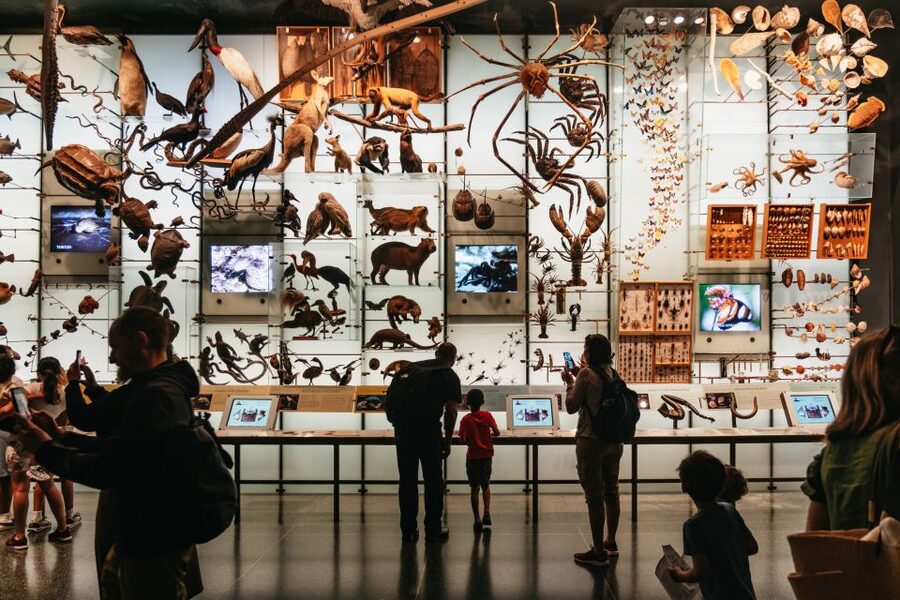
The American Museum of Natural History is less a quick museum stop than a full day of dinosaurs, ocean life, distant cultures, space science, and giant animals. Its 30 million objects are spread across more than 40 halls, just across from Central Park.
I like the freedom to build your own route, and I like that the new Richard Gilder Center gives the museum a fresh, hands-on feel. The main thing to watch is the ticket structure: general admission does not cover every special exhibition, and the building can feel crowded during holiday periods.
The museum is best for families, science fans, and anyone who enjoys wandering without a guide. You can spend four or five hours and still leave with several halls unseen, so arrive with a short plan rather than trying to conquer everything.
Key points to know before you go
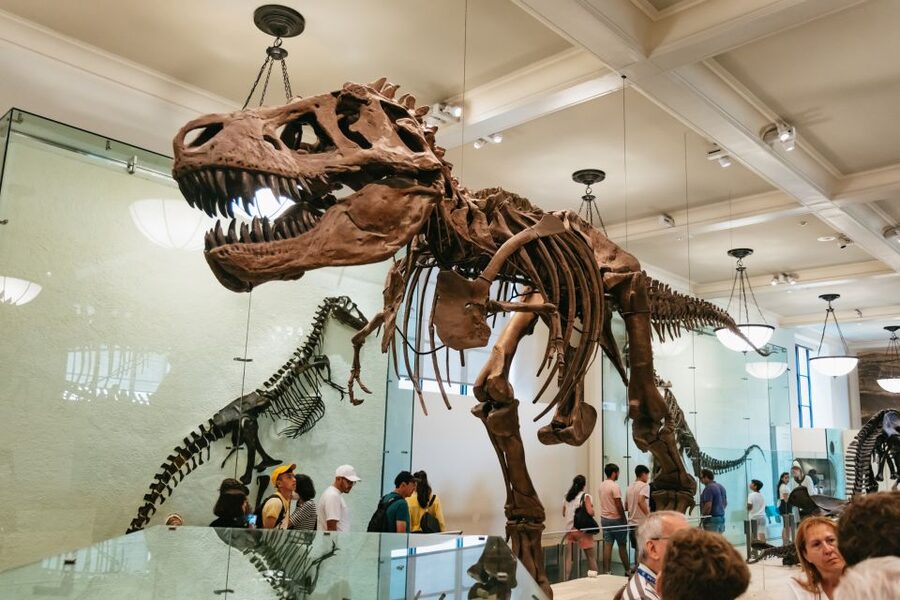
- The dinosaur halls are the big draw: See the iconic Tyrannosaurus rex skeleton and one of the world’s largest dinosaur fossil collections.
- The Gilder Center changes the pace: Expect newer science displays and interactive experiences alongside the traditional halls.
- Your $37 ticket needs checking: General admission covers permanent halls, the Rose Center, and Gilder Center, but special exhibitions may require a higher ticket option.
- The museum can fill most of a day: Four to five hours is a sensible minimum if you want more than a quick look.
- The Explorer app helps with the size: Free Wi-Fi, turn-by-turn directions, quizzes, and self-guided tours make the huge building easier to manage.
- Ticketed extras can shape your visit: The butterfly vivarium, planetarium show, giant-screen film, and special exhibitions each add a different kind of experience.
Why this museum deserves a full day
I think of this museum as several museums joined under one roof. One hall takes you from dinosaur bones to the end of the dinosaur age. Another moves into human cultures. Elsewhere, you can look at diamonds, ocean creatures, butterflies, DNA, or the motion of galaxies.
That range is the main reason to allow a full day. You are not tied to a guide or fixed route, so you can spend an hour with the displays that catch your attention and move quickly through those that do not. This works especially well for families with different interests.
The museum is family-friendly, but it is not only for children. Adults can spend serious time with the dioramas, scientific displays, and space presentations. The sheer size is also part of the experience. It gives you room to return to a favorite subject, but it can leave you feeling that you have only seen part of the building.
If you have only a few hours, choose your priorities before entering. If you have a full day, start with the upper floors and work downward. This approach can help you cover more ground and was specifically recommended by one visitor who wanted to make the most of a tight schedule.
More Museum and Gallery History Tours in the USA
- American Museum of Natural History Admission Ticket
★ 4.0 · 1,931 reviews - Guided African American History Tour with Reserved Museum Entry
★ 4.5 · 1,180 reviews - Chicago: Field Museum of Natural History Ticket or VIP Tour
★ 4.7 · 717 reviews
The dinosaur halls and the end of an era
For many people, dinosaurs are the reason to come. The museum has one of the world’s largest dinosaur fossil collections, and the halls give you the chance to see skeletons rather than simply read about them.
The Tyrannosaurus rex is an obvious stop. The museum also includes the famous Easter Island head connected with Night at the Museum, which adds a playful film connection for children and movie fans. You should still treat that as a small part of the visit. The collection is much larger than its screen appearances.
A ticketed exhibition called Impact: The End of the Age of Dinosaurs focuses on the asteroid collision 66 million years ago. It tells the story before and after the event, including the burst of life that followed. This is a good choice if you want a clear narrative instead of a hall that you simply browse.
The catch is that Impact is not part of basic general admission. Check the option you select before paying, since one ticket may include a single special exhibition while another includes all available ticketed exhibits.
From the Milstein ocean hall to the butterfly vivarium
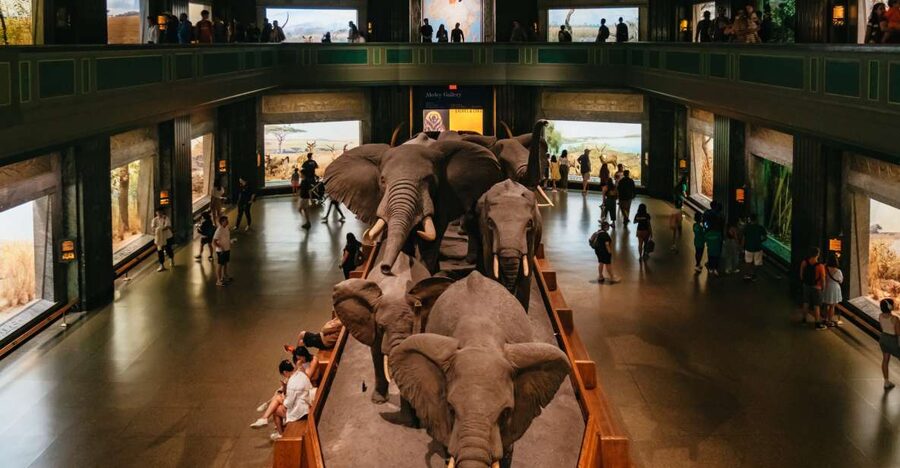
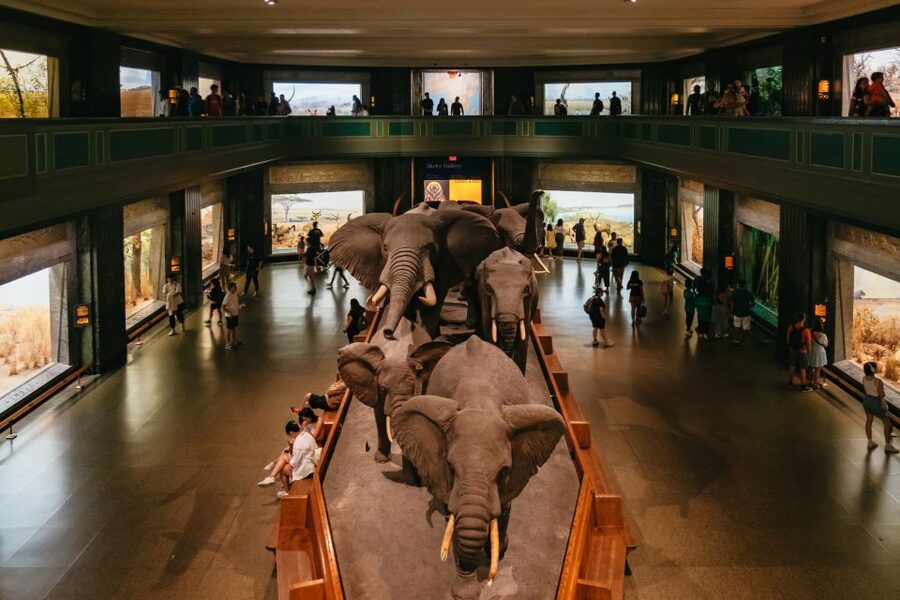
The Milstein Hall of Ocean Life is one of the museum’s most memorable areas. It brings you close to enormous sea creatures and helps show the scale of life beneath the water. The museum also includes a Hall of Biodiversity, where the focus shifts from individual animals to the variety of life on Earth.
The Davis Family Butterfly Vivarium offers a very different pace. Up to 1,000 butterflies fly freely in the year-round exhibit, and one may even land on you. This is a particularly easy stop to enjoy with children, though it is another ticketed feature rather than part of basic general admission.
Life at the Limits: Nature’s Superheroes looks at organisms that survive in extreme conditions. It is a useful choice if you enjoy the strange side of nature, where survival depends on unusual biological abilities rather than size or strength.
The exhibits are not all the same in style. Some rely on detailed displays and dioramas, while others use moving images or interactive elements. That variety keeps the day from becoming a long series of glass cases, though the number of choices can also make planning harder.
Space science inside the Rose Center

The Rose Center for Earth and Space gives the museum a modern, open counterpoint to the older halls. Here, you can consider the structure of the universe, the Earth, and the forces that shape our cosmic neighborhood.
The Hayden Planetarium Space Show is ticketed separately from general admission. Another option is Encounters in the Milky Way, a new space show narrated by Pedro Pascal. It presents a time-traveling journey through the chance encounters and cosmic movements that have shaped our place in the galaxy.
These presentations are worth considering if you want your museum day to include a scheduled event. They offer a change from walking through exhibit halls and give you a set time to sit, look upward, and follow a story. The tradeoff is time. A show adds structure to a visit that otherwise lets you move at your own speed.
The 360-degree theater presentation Invisible Worlds explores hidden parts of nature, from ocean depths to DNA. It is housed in the museum’s permanent theater, but it is listed among the ticketed experiences, so do not assume that a basic entry ticket includes it.
Same streets, a different century:
- History and Hauntings of Salem Guided Walking Tour
★ 5.0 · 14,564 reviews - Charleston’s Old South Carriage Historic Horse & Carriage Tour
★ 5.0 · 10,023 reviews - Beneath The Streets Underground History Tour
★ 4.5 · 8,006 reviews - Big Island in a Day: Volcanoes Waterfalls Sightseeing and History
★ 5.0 · 6,569 reviews
The Richard Gilder Center brings a newer feel
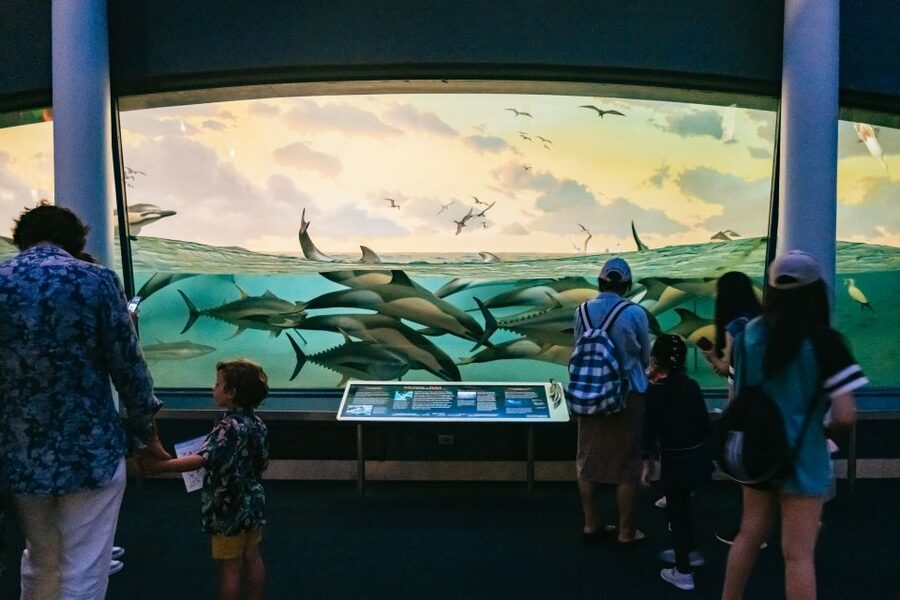
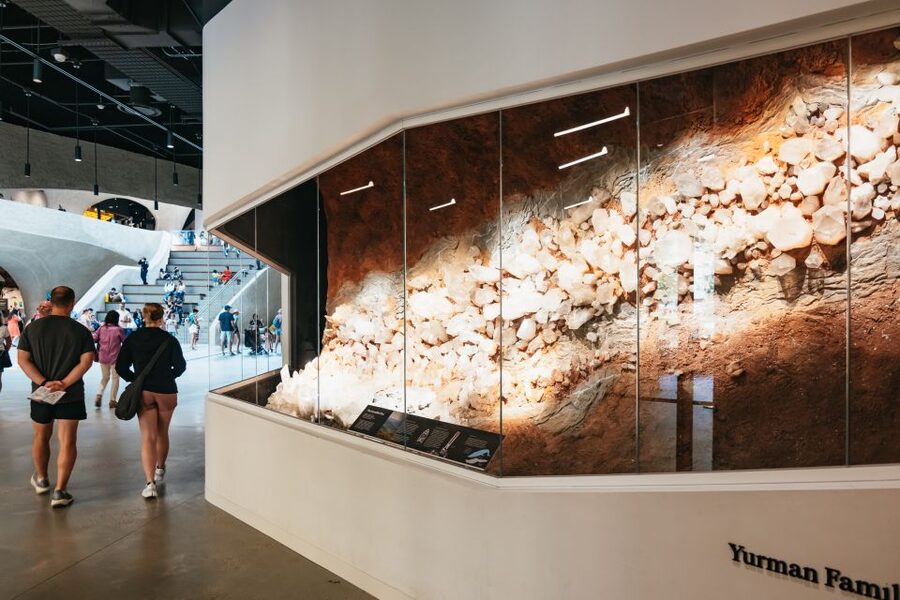
The Richard Gilder Center for Science, Education, and Innovation is the museum’s major newer addition. It includes state-of-the-art exhibits and activities designed for different ages, making it a useful stop when younger children need something more active than traditional displays.
I would plan this area as a reset between older halls. After several rooms of fossils, cultural objects, or animal displays, the Gilder Center gives you a different way to think about science. It is not merely an add-on to the dinosaur collection. It helps show how scientists ask questions, test ideas, and connect different fields.
Because the museum is so large, it is easy to pass through the Gilder Center too quickly. Give it a proper block of time instead of treating it as a corridor between other attractions. You will get more from it if you are willing to pause at the interactive parts.
Ticket choices and what $37 really buys

The listed price is $37 per person, with entry valid for one day. At that price, the value is strong if you plan to stay for several hours. Access to more than 40 permanent halls, the Rose Center, and the Gilder Center gives you plenty to see before adding any extras.
The important detail is that ticket types differ. General admission covers the permanent exhibitions, but it does not include special exhibitions, Invisible Worlds, the butterfly vivarium, the giant-screen film, or the Hayden Planetarium Space Show.
Some options include timed entry to one special exhibition. Others include all ticketed exhibitions. If you already know you want the butterfly vivarium and a space show, compare the higher option before booking separate additions. If you mainly want dinosaurs, cultural halls, and the Rose Center, general admission may be enough.
New York residents have a different arrangement: the amount paid for general admission is up to them, but that access still excludes the ticketed attractions listed above. Visitors from elsewhere should not assume that the resident policy applies to them.
The best value comes from matching the ticket to your pace. Paying for every extra makes sense only if you will attend them. A rushed visit can turn a higher-priced ticket into poor value.
Planning your route through a very large building
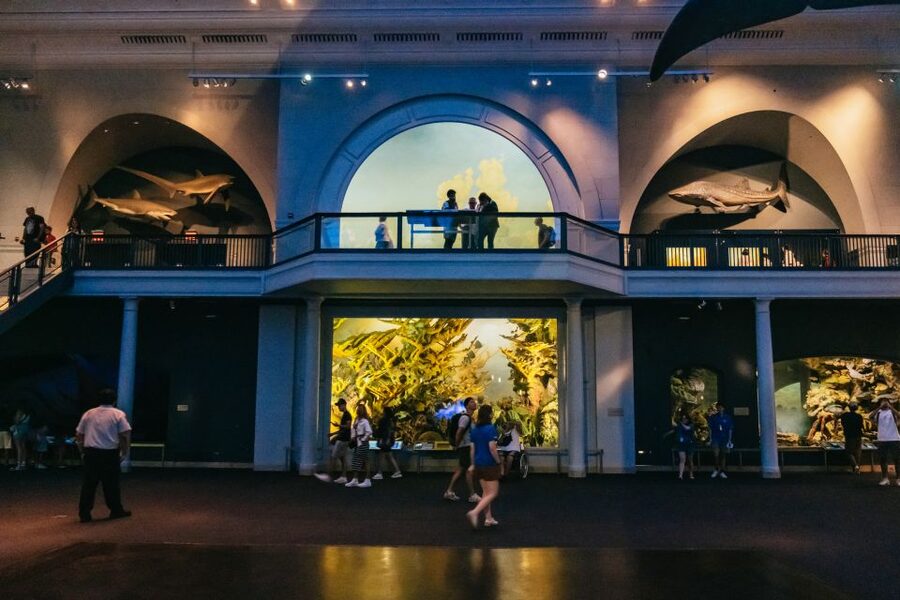
The museum has many floors and a great deal of ground to cover. One practical approach is to begin on the fourth floor and work down, especially if your schedule is tight. This gives you a basic route instead of repeatedly checking the map and crossing the building.
The printed map can take a little effort to understand. Connect to the free Wi-Fi and download the Explorer app before you get too far inside. It offers turn-by-turn navigation, exhibit stories, quizzes, and self-guided routes through popular collections.
The app is available in English, Spanish, French, and Portuguese. That makes it useful for families or groups who prefer to read exhibit help in one of those languages.
You are allowed to set your own pace, but special exhibitions may have timed entry. Build those times into your route and leave enough room to reach them. The museum does not provide a guide with this ticket, so the app and your own plan do most of the work.
Avoid bringing oversize luggage or large bags. Lockers are available on site for an additional charge, but it is easier to arrive with only what you need for the day.
Crowds, comfort, and a realistic timetable
You can easily spend four or five hours here, and a full day is reasonable if you include ticketed shows. Holiday periods can be especially crowded, which makes the building feel harder to navigate and can slow your progress between halls.
For a calmer visit, choose a time that gives you room to move and do not pack every special feature into one schedule. The museum offers many amenities, including cafeterias, lockers, Wi-Fi, and helpful staff, but those conveniences do not change the fact that this is a very large and popular attraction.
A family may want to take a break before everyone gets tired. The butterfly vivarium can provide a gentler stop, while the planetarium or giant-screen film gives you a chance to sit down. If you are visiting with children, the dinosaurs and big ocean animals are natural anchors for the day.
The LeFrak Theater has a 40-foot-high by 66-foot-wide screen and a digital sound system. It shows nature films and offers wheelchair access, along with captioning and audio description devices. Like the other special programs, it requires the correct ticket option.
The museum itself is wheelchair accessible. Still, the building’s size means you should use the Explorer app and allow extra time between areas if you need a less hurried route.
Who will get the most from this visit

I would choose this museum for a first New York visit that includes children, a cold or rainy day, or a group with mixed interests. It works especially well when one person wants dinosaurs, another wants space, and someone else wants cultural displays or animal life.
It also suits adults who enjoy setting their own agenda. There is no need to follow a group or keep up with a guide. You can focus on the halls that matter to you and skip the rest.
It is less ideal if you want a short, quiet museum stop. The size is impressive, but it can also be tiring and confusing. You need to accept that you will not see everything in one visit.
The museum also rewards repeat visits. A first day might focus on dinosaurs, the Gilder Center, and the Rose Center. A later visit could center on the butterfly vivarium, ocean life, or one of the special films.
Should you book the American Museum of Natural History?
Book it if you can give it at least four hours and want a museum with real range. The $37 general admission offers solid value for the permanent halls, Rose Center, and Gilder Center, while the higher ticket options make sense if you plan to attend special exhibitions.
Before you book, decide what matters most. Dinosaur fans should allow time for the fossil halls. Space fans should check the show schedule. Families may want the butterfly vivarium or a giant-screen film. If you are visiting during a busy holiday period, keep your route simple and expect crowds.
This is not a quick tick-box attraction. It is a large, sometimes overwhelming museum that rewards a little planning. For most first-time visitors, that scale is a strength, as long as you do not expect to see every hall in a single afternoon.
FAQ
How long is the American Museum of Natural History ticket valid?
The ticket is valid for one day. You can spend several hours exploring the museum and return to different permanent halls during that day.
What does the $37 ticket include?
The ticket price listed is $37 per person. General admission includes access to more than 40 permanent exhibition halls, the Rose Center for Earth and Space, and the Richard Gilder Center.
Are special exhibitions included with general admission?
No. General entry does not include special exhibitions or ticketed experiences such as the butterfly vivarium, giant-screen film, Hayden Planetarium Space Show, or Invisible Worlds.
Can I add ticketed exhibitions?
Yes. Depending on the option selected, you can choose timed entry to one special exhibition or access to all ticketed exhibitions.
Is the new Gilder Center included?
Yes. Access to the Richard Gilder Center is included with the museum ticket.
Does the ticket include a guide?
No. A guide is not included. You can use the museum’s free Explorer app for directions, exhibit stories, quizzes, and self-guided tours.
Is the museum wheelchair accessible?
Yes. The activity is wheelchair accessible. The LeFrak Theater is also wheelchair accessible, and captioning and audio description devices are available there.
Is Wi-Fi available?
Yes. Wi-Fi is available on site, allowing you to connect and use the Explorer app.
Can I bring large luggage?
Oversize luggage and large bags are not allowed. Lockers are available on site for an additional charge.
What languages does the Explorer app support?
The Explorer app is available in English, Spanish, French, and Portuguese.
Newest history tours we have reviewed in the USA
- Nashville: Belle Meade Historic Mansion Tour★ 4.8 · 63 reviews
- Beaufort: Local History and Film Sites Tour by golf cart★ 4.9 · 102 reviews
- Boston: Guided Seafood Tasting and History Tour★ 4.9 · 90 reviews
- Beaufort: Gullah Heritage Tour★ 4.8 · 26 reviews
- Beaufort: Historic City Tour by Bus★ 4.9 · 228 reviews
- Austin: Downtown Austin Haunted History Tour★ 4.4 · 31 reviews
- Austin: Morning History Walking Tour of Downtown Austin★ 4.9 · 71 reviews
- Atlanta: Beltline Food, Street Art, and History Walking Tour★ 5.0 · 47 reviews
Museum & Gallery History Tours, compared.

Louvre Museum Entry with History of Mona Lisa
Read our review →
Venice’s Best: Basilica, Doge’s Palace, Gondola & History Gallery
Read our review →
American Museum of Natural History Admission Ticket
Read our review →
Guided African American History Tour with Reserved Museum Entry
Read our review →
POLIN Museum of the History of Polish Jews Ticket
Read our review →
Bell Tower & St Mark’s Square History Gallery Ticket
Read our review →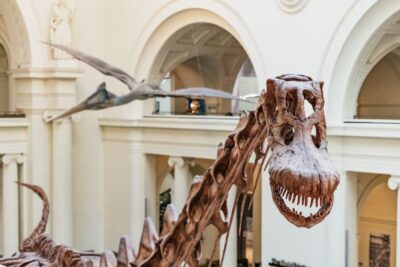
Field Museum of Natural History Ticket or VIP Tour
Read our review →
Madrid in a Day Tour:Royal Palace, Historic Center & Prado Museum
Read our review →Browse the lists this tour appears in