
Review · BOSTON HISTORY TOURS
Boston: 2-Hour Historic Walking Tour
Boston’s story comes into focus on foot, from the meeting halls and burial ground of the Freedom Trail to the gaslit lanes of Beacon Hill and the grand avenues of Back Bay. In two hours, you get a useful first look at several very different parts of the city.
I like the mix of history and architecture, and I like that guides such as Alan keep the walk lively with questions, humor, and lesser-known details. The main drawback is simple: this is a fast outdoor tour, so you will see many major sights from the street without having time to go inside them.
Key Points
- Three Boston districts in two hours: Cover the Freedom Trail, Beacon Hill, Back Bay, and Copley Square in one walk.
- A strong first-day orientation: Start near the Old State House and finish with a clear sense of Boston’s layout.
- Stories rather than dry dates: Guides such as Alan use humor, questions, and local color to explain the city.
- Architecture is part of the lesson: See colonial landmarks, Beacon Hill townhouses, Back Bay streets, Trinity Church, and the John Hancock Tower.
- Easy to plan around: The tour usually runs in the morning and allows free cancellation up to 24 hours before departure.
- Bring the right shoes: Cobblestones, sidewalks, and a two-hour walk call for comfort, plus water in warm weather.
Starting at the Old State House
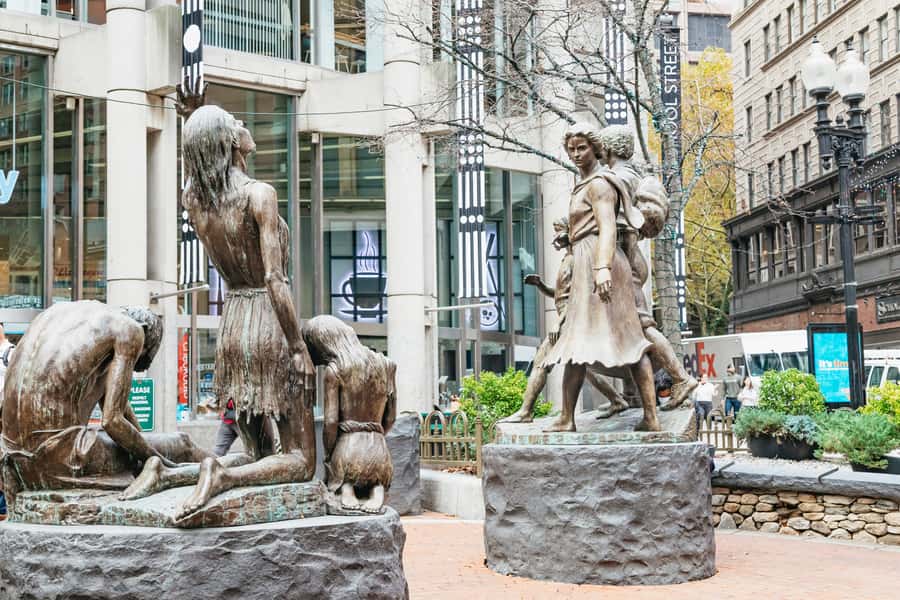
The meeting point is the corner of State and Congress Streets, across from the Old State House and outside 28 State Street. This puts you right in Boston’s old center, where the modern financial district presses close against some of the city’s earliest landmarks.
That contrast is one of the pleasures of the tour. You are not being led through a sealed historic district. You are walking through a working city, with old brick buildings, busy streets, office towers, and layers of American history sharing the same blocks.
The guide begins by setting Boston’s story in context. That matters because the Freedom Trail is more than a string of red-brick sites. It connects places where political meetings, religious disputes, commerce, burial customs, and revolutionary action shaped the city.
The tour is in English, and the small-group format should make it easier to hear the guide and ask questions. Alan has led some departures, bringing a casual, funny style and a habit of asking what the group already knows. The guide can vary, but the experience is built around a live guide rather than an audio recording or fixed script.
More History Walking Tours in Boston
- Boston: Freedom Trail History Small Group Walking Tour
★ 5.0 · 6,450 reviews - Boston: Freedom Trail History Small Group Walking Tour
★ 4.9 · 1,590 reviews - Boston Pizza Lovers Food and History Walking Food Tour
★ 4.5 · 1,082 reviews
Following the Freedom Trail from Faneuil Hall
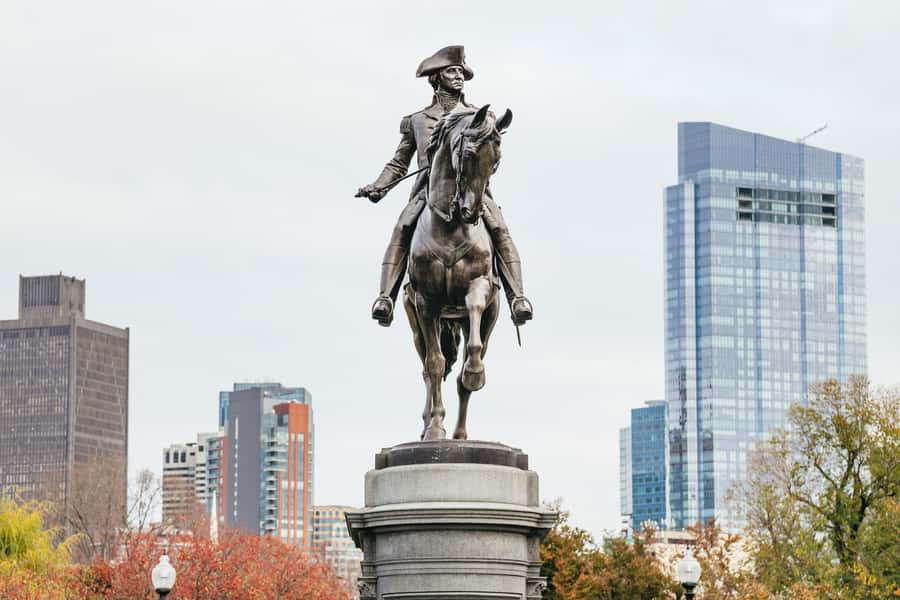
The Freedom Trail section includes Faneuil Hall, one of Boston’s best-known public meeting places. It is a useful stop because the building represents the city’s long tradition of debate, protest, and civic life.
From there, the route takes in the Old and New State Houses. The Old State House is especially striking because of its setting among modern streets and glass buildings. Its age and compact scale remind you how small Boston was when many of the events tied to the American Revolution took place.
The New State House provides a different view of the city’s political story. Together, the two buildings help explain that Boston’s history did not stop with the Revolution. The city remained a center of state government, trade, education, and public argument.
You also pass the Old South Meeting House, the Old Corner Bookstore, and King’s Chapel. These stops add texture to the walk. The Old South Meeting House is tied to the tense political climate before the Revolution, while the Old Corner Bookstore reflects Boston’s literary past. King’s Chapel and its surroundings show how religious institutions helped shape the old city.
The Old Granary Burial Ground gives the route a quieter pause. The site is associated with important figures from Boston’s past, and it helps make the political story more human. Instead of hearing only about speeches and battles, you get a sense of the people and institutions behind them.
Do not expect a long stop at each place. The value is in the connections your guide makes between them. If you want to tour interiors or read every plaque, you will need extra time before or after the walk.
Beacon Hill’s Gaslights and Brick Side Streets
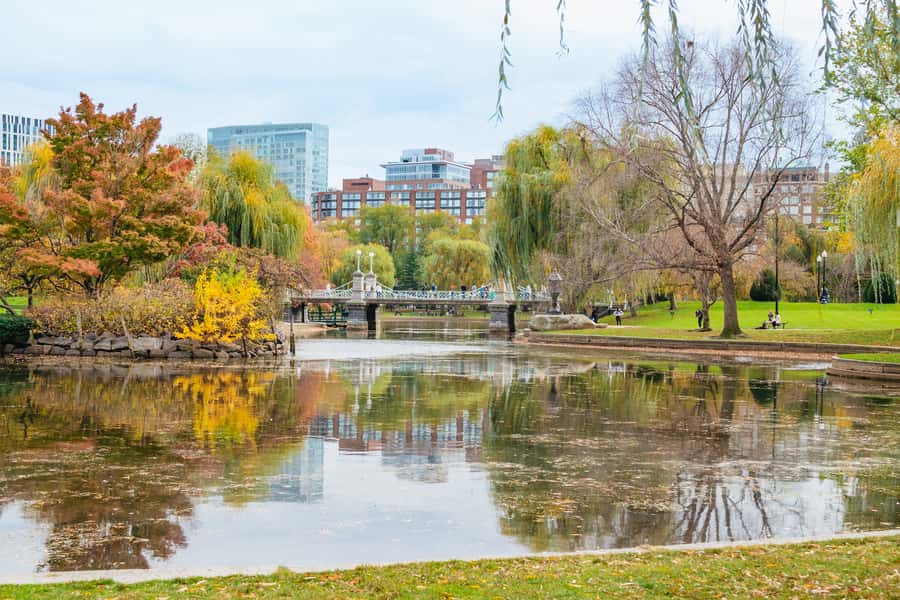
The route then moves toward Beacon Hill, where the mood changes quickly. The district is known for brick sidewalks, narrow lanes, historic houses, and gaslit streets. It is one of the most photogenic parts of Boston, but the tour gives you more than a pretty backdrop.
Beacon Hill was home to wealthy Boston families, and its architecture reflects that social history. The houses, doorways, steps, and small squares help show how the city’s upper class lived during the 19th century. Louisburg Square is a key stop, with its orderly townhouses and formal appearance.
I especially like this part of the walk because it slows the story down. The Freedom Trail focuses on public events and national history. Beacon Hill shifts attention to daily life, status, architecture, and the way a neighborhood can preserve an older sense of place.
The cobblestones and uneven surfaces are part of the charm, but they also affect comfort. Wear shoes with good support. The tour is described as an easy walk, yet easy does not mean smooth, and Boston’s old streets can be tiring in poor footwear.
Beacon Hill is also a good place to listen rather than rush. A guide can point out details you might otherwise pass, including the way buildings meet the sidewalk and how the gaslights shape the streets after dark. The tour is generally offered in the morning, when you can continue exploring the neighborhood on your own afterward.
Walking Through Back Bay and Copley Square
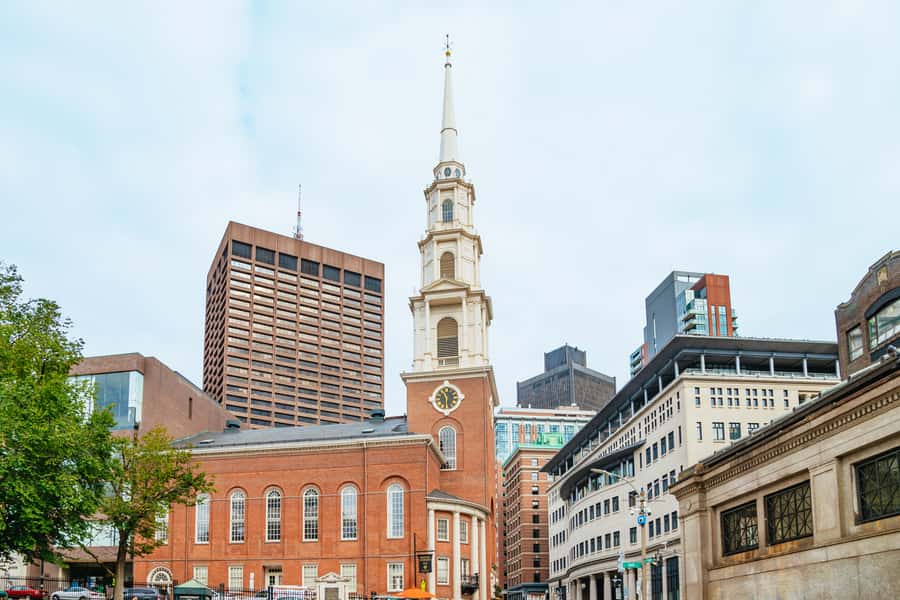
Back Bay offers a sharp change from the old city center. Its broad streets and graceful 19th-century architecture create a more planned, formal feel than Beacon Hill’s tight lanes.
Newbury Street is among the area’s best-known stops. It is a useful place to see how historic buildings have been adapted to modern shops, restaurants, and city life. The route does not treat history as something separate from the present. You see old facades being used in contemporary ways.
The walk also includes the John Hancock Tower, a sleek modern landmark that provides a strong contrast with the surrounding historic buildings. That pairing makes Boston’s growth easy to read. The city is not frozen in its colonial past. It has continued to change, and the tour shows those changes side by side.
Copley Square brings together some of the city’s most graceful architecture. Trinity Church is a major highlight, with its distinctive design and prominent place in the square. The Boston Marathon Finish Line is another stop, linking the area to a living tradition rather than only to the distant past.
The Public Garden adds a gentler setting to the route. It is a welcome change after sidewalks and dense blocks, though the tour remains focused on outdoor viewing and commentary. You will have time to see the main sights, but not to linger at length in each one.
More History Walking Tours in the USA
- Boston History Tour: Scenic Walk Through Time & Landmarks
★ 5.0 · 627 reviews - Boston’s North End Food and History Walking Tour
★ 5.0 · 459 reviews - Beacon Hill Boston History + Photo Walking Tour (SMALL Group)
★ 5.0 · 163 reviews - Boston: Historic Pubs Walking & Ferry, Food & Drink Tour
★ 4.9 · 56 reviews
What Makes the Guide Matter
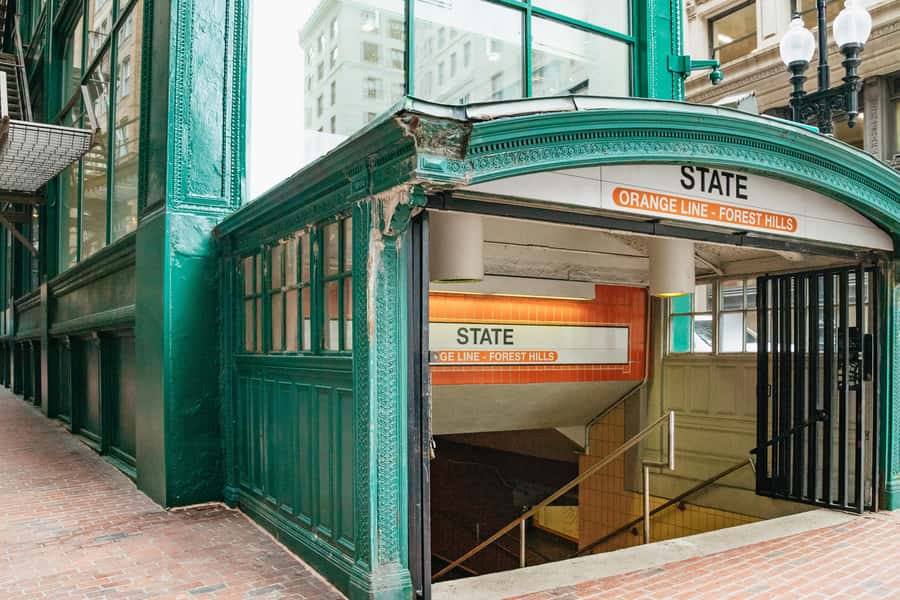
A two-hour city walk succeeds or fails on the guide’s ability to connect places. Here, the best part is not simply ticking off Faneuil Hall, King’s Chapel, Louisburg Square, and Trinity Church. It is understanding why they belong in the same story.
Alan has been praised for being engaging, patient, funny, and willing to spend extra time with the group. One useful trait is his interactive approach. He asks questions, adjusts to what people already know, and uses stories instead of reciting a list of dates.
That style suits Boston. The city’s past includes serious political conflict, strong personalities, religious tension, trade, literature, and plenty of odd local detail. Humor helps keep the information moving, especially during a walk with many stops.
The guide may also point out details that are easy to miss when you explore alone. A good example is the shift from the crowded old center to Beacon Hill’s private-looking squares, then onward to Back Bay’s large avenues and public landmarks.
Still, the experience depends on the individual guide and the group. Some people prefer a tightly timed historical lecture. This tour is more conversational, which is better for many first-time visitors but may feel less formal if you want a strictly academic presentation.
Is $45 a Fair Price?
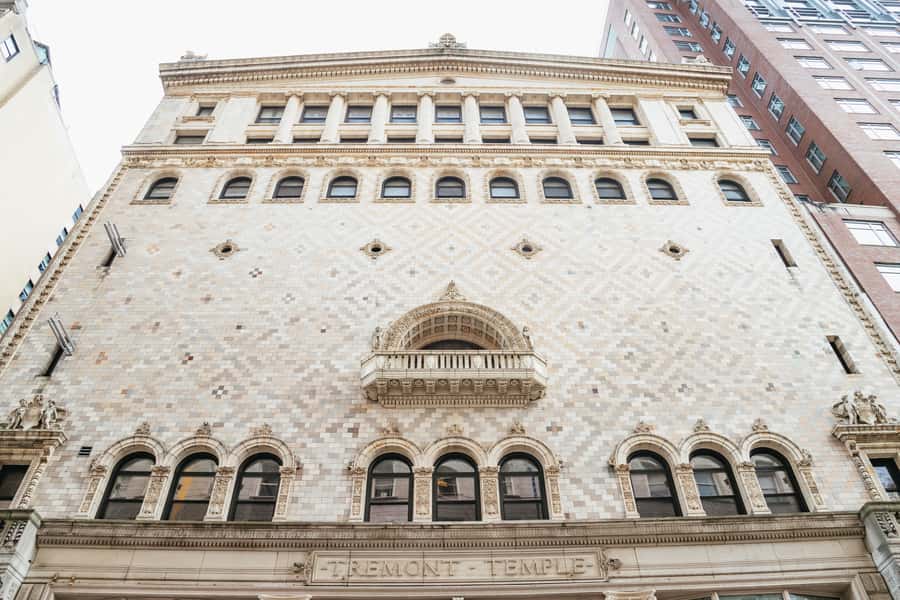
At $45 per person, the tour sits in a reasonable range for a two-hour guided city walk. You are paying for a live English-speaking guide, a small-group setting, and a route that covers several major areas rather than only one short section of the Freedom Trail.
The value is strongest if this is your first visit to Boston. You get a basic map of the city in your head, a list of places worth revisiting, and enough context to make later sightseeing more rewarding. A guide can also save you from spending the first day simply trying to work out how the districts connect.
The price is less attractive if you want extensive interior visits. The tour includes a large number of landmarks, but the format is primarily walking and outdoor explanation. You should think of it as an orientation and storytelling experience, not a substitute for museum admission or a full official tour inside every building.
The included guide is the main benefit. Gratuity is optional and not included. Since the tour is only two hours, you can pair it with a museum, lunch, or a self-guided return to the places that catch your attention.
Best Time to Take the Walk
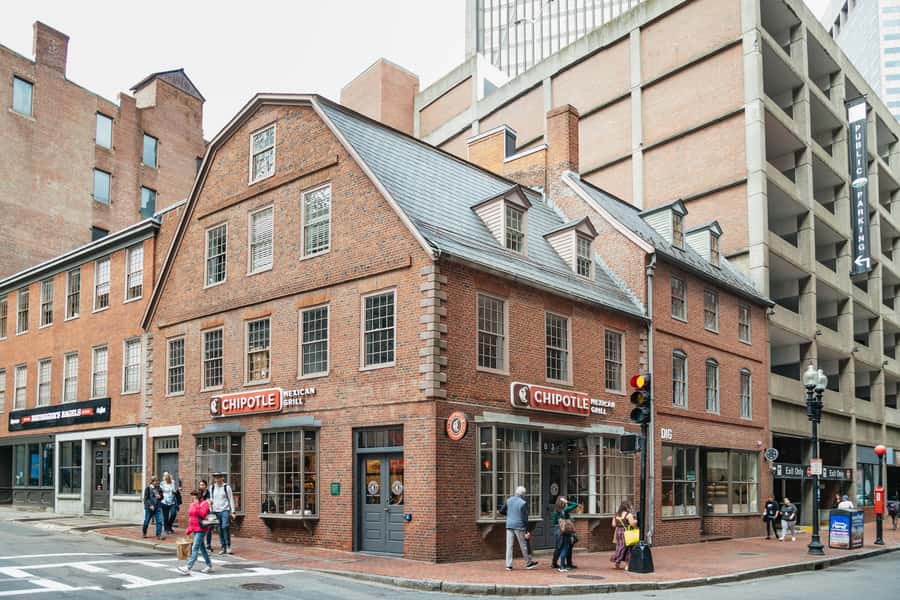
I would book this for the first morning of a Boston visit. The route gives you a broad introduction before you spend time at individual sites. You can then return to the Freedom Trail, Beacon Hill, Back Bay, or Copley Square with a better sense of what deserves more of your day.
Morning timing also helps you use the rest of the day well. After the tour, you might revisit a favorite church or meeting house, browse Newbury Street, or explore the Public Garden at your own pace.
Weather matters. One departure went ahead in pouring rain, with the guide completing the full route, but that does not make wet weather comfortable. Wear seasonal clothing, bring a rain layer when needed, and carry bottled water in warm conditions. Water is generally available along the route, but having your own is easier.
Boston’s sidewalks and cobblestones also mean you should avoid treating this as a dressy city stroll. Comfortable shoes are not a minor suggestion here. They can determine whether the final half hour feels pleasant or exhausting.
Who Will Get the Most From It
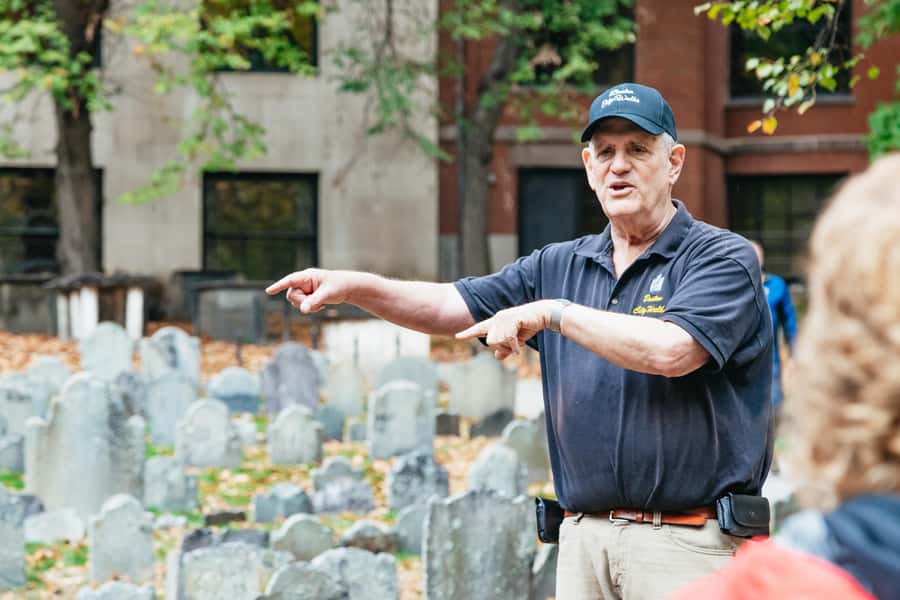
This tour suits first-time visitors who want a clear introduction to Boston without spending half a day on one subject. It also works well for people who like architecture, American history, city neighborhoods, and stories about how public places developed.
Families and mixed-age groups may appreciate the guide’s humor and questions, though the tour still requires two hours of walking. History fans will get useful context, but anyone seeking detailed military history or long interior visits should choose a more specialized experience.
It is also a good fit for independent visitors. You are not locked into a full-day schedule. The walk gives you enough information to continue exploring alone, and the free cancellation policy allows you to cancel up to 24 hours ahead for a full refund if your plans change.
The tour is less suitable if you have limited walking tolerance or want a seated overview. A trolley tour would cover the city with less physical effort, while a dedicated Freedom Trail tour might spend more time on the revolutionary sites.
My Take on Boston CityWalks
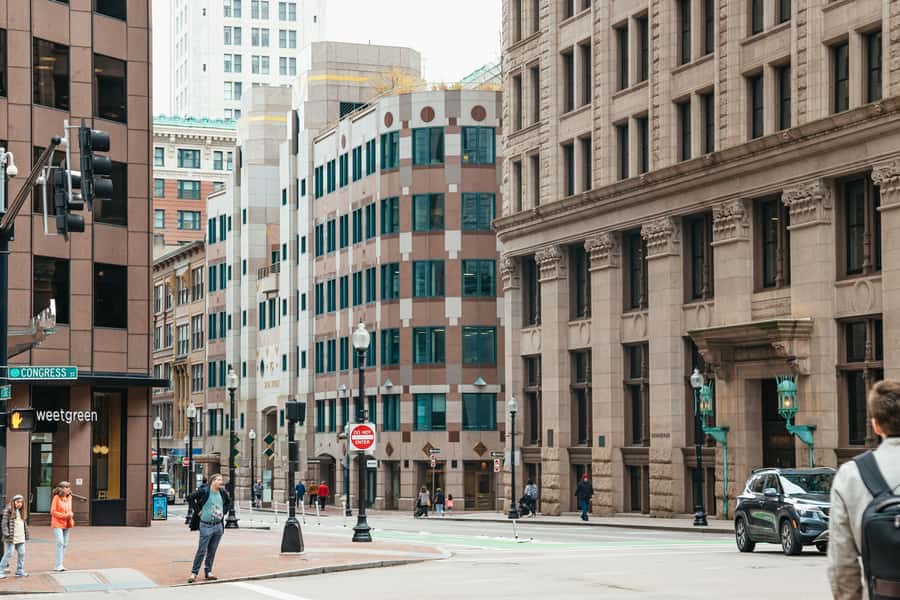
I like this tour because it treats Boston as a real city with several eras living close together. You move from revolutionary meeting places to wealthy Beacon Hill streets, then to Back Bay’s planned avenues and modern tower.
The strongest feature is the guide’s storytelling. Alan, in particular, has been described as friendly, funny, patient, and willing to give the group extra time. That human touch can turn a list of landmarks into a useful picture of Boston.
The route does move quickly. You will not master every building or visit every interior in two hours. But for $45, you get a well-shaped introduction, a small-group walk, and a practical starting point for the rest of your stay.
Should You Book This Two-Hour Boston Walk?

Book it if you want a lively first look at the Freedom Trail, Beacon Hill, Back Bay, and Copley Square in one morning. It is especially good for first-time visitors who want history explained in plain language, with architecture and local stories mixed in.
Skip it if you prefer a slow, single-neighborhood walk or need frequent rest breaks. For most visitors who can manage two hours on foot, this is a useful and fairly priced way to get your Boston bearings before exploring further on your own.
FAQ
How long is the Boston historic walking tour?
The tour lasts two hours.
Where does the tour meet?
It meets at the corner of State and Congress Streets, across from the Old State House, outside 28 State Street.
Which parts of Boston does the tour visit?
The route includes the Freedom Trail area, Beacon Hill, Back Bay, the Public Garden, and Copley Square.
Which landmarks are included?
Stops and sights include Faneuil Hall, the Old and New State Houses, Old South Meeting House, Old Corner Bookstore, King’s Chapel, Old Granary Burial Ground, Louisburg Square, Newbury Street, the John Hancock Tower, Trinity Church, and the Boston Marathon Finish Line.
Is the tour offered in English?
Yes. The tour has a live English-speaking guide.
Is the tour usually available in the morning?
Yes. The two-hour tour is usually available in the morning.
What should I wear or bring?
Wear comfortable shoes and dress for the season. In warm weather, bring bottled water. Water is generally available along the route.
Can I cancel for a refund?
Yes. You can cancel up to 24 hours before the tour for a full refund. You can also reserve now and pay later.
More Two-Hour Tours in Boston
- 2-Hour Gettysburg Battlefield Guided History Bus Tour with a National Park Guide
★ 4.5 · 2,201 reviews - Kyoto Gion: 2-Hour Geisha Culture & History Walking Tour
★ 5.0 · 1,186 reviews - 2 Hour LoDo Historic Walking Tour in Denver
★ 5.0 · 1,106 reviews - 2-Hour Historical Walking Tour from Dublin
★ 5.0 · 875 reviews
Newest history tours we have reviewed in Boston
- Boston: Seafood Tasting & Historical Walking Tour★ 5.0 · 28 reviews
- Boston: Ultimate Historic Food & Drink Tour★ 4.7 · 20 reviews
- Boston: Underground Railroad History Tour of Beacon Hill★ 4.9 · 38 reviews
- Boston: History & Haunts Guided Ghost Tour★ 4.3 · 154 reviews
- Boston: Historic Pubs Walking & Ferry, Food & Drink Tour★ 4.9 · 56 reviews
- Boston History & Highlights Tour: From Revolution to Today★ 4.8 · 178 reviews
- Boston: Freedom Trail History and Architecture Walking Tour★ 4.8 · 18 reviews
- Boston: Tour of The Freedom Trail with Historic North End★ 4.5 · 154 reviews
History Walking Tours, compared.
History and Hauntings of Salem Guided Walking Tour
Read our review →
Freedom Trail History Small Group Walking Tour
Read our review →
Historic Charleston Guided Sightseeing Walking Tour
Read our review →
Tapas Walking Tour with Food, Wine, and History
Read our review →
Savannah History and Haunts Candlelit Ghost Walking Tour
Read our review →
A History of Terror – Belfast City Centre Walking Tour
Read our review →Browse the lists this tour appears in