Review · FULL-DAY
Full Day Qatar’s North And West tour || History & Heritage
Qatar’s best story is not confined to Doha’s towers. This full-day trip takes you from old pearling ports and mangrove wetlands to a UNESCO site, camel-training grounds, desert rock formations, and Richard Serra’s enormous steel artwork. I like that the route shows both Qatar’s working past and its modern cultural ambition.
I also like the small group size, capped at six, and the chance to travel with guides such as Abdullah, Junaid, Noor, Sajid, Syed, or Adil. They have helped make the day flexible, with some guides adding photo stops, tea breaks, or extra time at places that interest you. The drawback is clear: there is a lot of driving, lunch is not included, and a few stops may feel brief or underwhelming if you want a packed schedule of major attractions.
Key points to know before you book
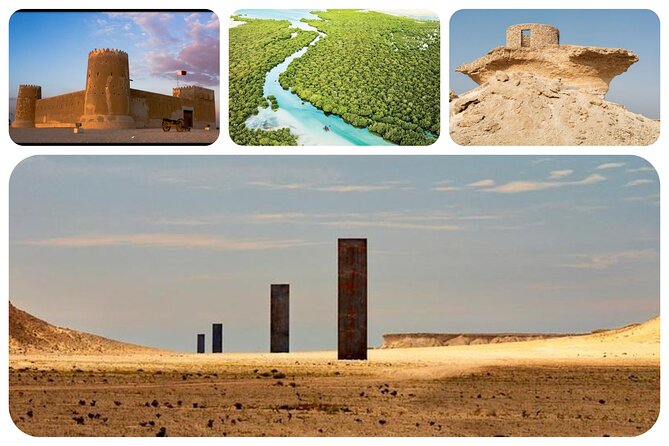
- Eight very different stops: You move from Al Khor harbor and mangroves to forts, camel training grounds, rock formations, and desert art.
- A small group makes a difference: The maximum group size is six, and some guides adjust the pace to suit your interests.
- Zubara Fort is the main historic stop: It introduces Qatar’s pearling, fishing, and trading past at the country’s first UNESCO World Heritage Site.
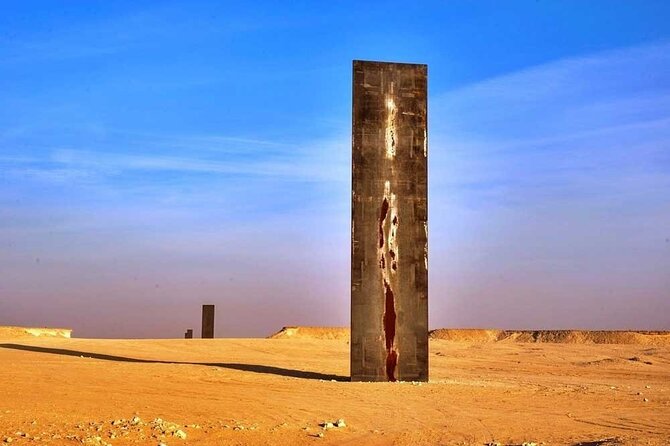
- Richard Serra’s sculpture is a major highlight: Four huge steel plates cross the Brouq nature reserve over more than a kilometer.
- Expect a full day on the road: The tour lasts about 6 to 8 hours, with many stops connected by long drives.
- Plan for food: Lunch and snacks are not included, so ask about the day’s schedule and bring something to eat.
Why this tour is worth considering beyond Doha
This is not a standard city sightseeing trip. It is a broad look at Qatar outside the capital, where the attractions are spread across a large area and often appear in open, quiet surroundings.
You will see old coastal communities, evidence of the pearl trade, protected wetlands, an archaeological site, a camel-racing area, and large-scale public art. That mix is the point. No single stop carries the whole day, but together they show how Qatar moved from a small maritime economy to a modern state with ambitious cultural projects.
The route also gives you a useful contrast. At Al Khor and Al Jumail, the focus is on fishing, pearling, and traditional village life. At Zekreet and the Brouq nature reserve, the emphasis shifts to rock formations and contemporary art. You get a better sense of Qatar’s size and character than you can from central Doha alone.
The tour is priced at $165 per person. That is a serious cost for a day trip, especially if you end up as the only person booked. In that case, the price may be several times higher than a displayed starting rate. The value improves when you share the vehicle with other people and make full use of the guide’s flexibility. A private-style experience with pickup, transport, bottled water, tea or coffee, and insurance can justify the price for visitors with limited time, but this is not the right choice if you want a cheap outing.
More Full-Day Tours in the world:
- Ninh Binh Heritage Full Day Tour with Buffet Lunch and Limousine
★ 5.0 · 2,692 reviews - Bali: Tanah Lot UNESCO World Heritage Sites Full-Day Tour
★ 4.7 · 1,947 reviews - UNESCO’s Ayutthaya Historical Park: Full-Day Tour from Bangkok
★ 4.5 · 1,559 reviews
Al Khor shows Qatar’s pearling past
The first stop is Al Khor, about 50 kilometers north of Doha. The Arabic name refers to a place surrounded by the sea on three sides, and the town is older than Doha, though much smaller.
Al Khor was once a center of Qatar’s pearling industry. The arrival of cultured pearls changed that trade, and the town’s role shifted. Today, you can see traditional fishing dhows in the harbor, walk along the corniche, and get a sense of how closely local life was tied to the water.
The stop is scheduled for about 30 minutes, so do not expect a long museum visit or a detailed walking tour. It works best as an introduction to the day. If your guide also takes you near the fish market or a commercial fishing marina, you may see a more active side of the town.
This is one place where the quality of the explanation matters. Guides such as Sajid, who is Qatari, have been able to add useful context about local culture and the country’s earlier economy. A guide who simply drives you past the harbor will make the stop feel thin.
Al Thakhira mangroves bring nature into the desert
Al Thakhira is one of the most surprising parts of the route. The mangrove colony provides shelter for birds, fish, crabs, and other animals, while also helping protect the coast from erosion.
You have about 30 minutes here. The stop is not a long boat excursion or a full nature walk based on the information provided, so keep your expectations measured. Still, it gives you a different view of Qatar. Instead of endless sand and road, you see saltwater vegetation supporting life along the coast.
I would pay attention to the guide’s timing and weather advice here. The mangroves are a natural stop, and their appeal depends on conditions, light, and how much time you have to look around. It is a short visit, but it adds balance to a day otherwise built around forts, roads, and open desert.
Purple Island adds a quieter coastal stop
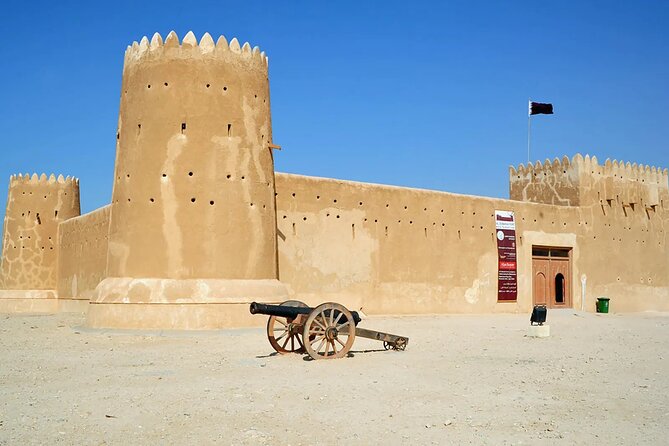
Bin Ghannam Island, better known as Purple Island, lies near Al Khor in the northeast. It is known for its natural setting, plants, and wildlife, and the drive from Doha takes about an hour.
The planned visit lasts around 40 minutes. That makes it a good place to stretch your legs and see a less developed part of the coast. You should not expect a resort, a major building, or a large formal attraction. The appeal is the setting itself.
Purple Island is also a useful test of what you want from this tour. If you enjoy open spaces, simple natural areas, and short stops that connect to Qatar’s coastal past, you will appreciate it. If you need every stop to have a museum, dramatic ruins, or a clear activity, it may feel modest.
More History Tours in the world:
- New York City: American Museum of Natural History Ticket
★ 4.5 · 15,447 reviews - History and Hauntings of Salem Guided Walking Tour
★ 5.0 · 14,564 reviews - Colosseum: Underground and Ancient Rome Tour
★ 4.7 · 12,691 reviews - Lisbon: History, Stories and Lifestyle Walking Tour
★ 4.8 · 10,902 reviews
Zubara Fort is the day’s strongest historic stop
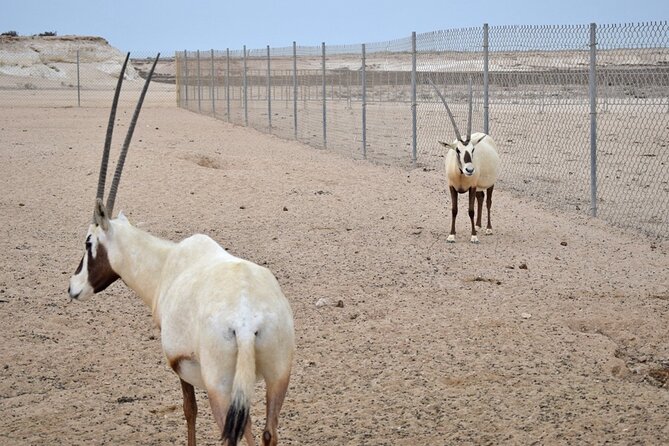
The trip’s most important heritage site is Al Zubara Fort, in northwestern Qatar. The fort sits beside the remains of an older settlement that once served as a port and a center for trade, fishing, and pearling.
Zubara is Qatar’s first UNESCO World Heritage Site. That designation matters because the value is not limited to the fort’s walls. The surrounding archaeological area helps explain how a coastal settlement functioned before the country’s oil and gas era.
You have about one hour here, the longest scheduled stop. The restored fort displays artifacts found through archaeological work, and the site helps connect the objects to the people who lived and worked in the area.
This is where a strong guide can transform the outing. Ask about pearling, trade routes, the old settlement, and how the site is being preserved. From one of the fort towers, you may be able to see Bahrain on a clear day, which gives the northern setting extra interest.
Zubara is also a good place to slow down. Some of the other stops are quick views or photo opportunities. Here, you have enough time to look closely and ask questions. If you want the tour mainly for historic sites, make sure your guide allows the full hour at Zubara.
Al Jumail preserves the feel of an old village
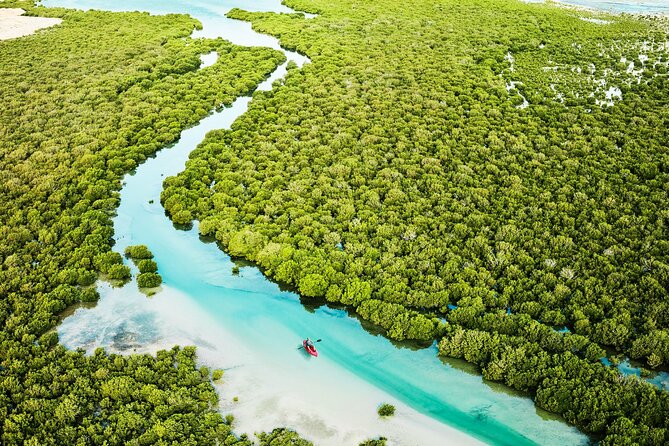
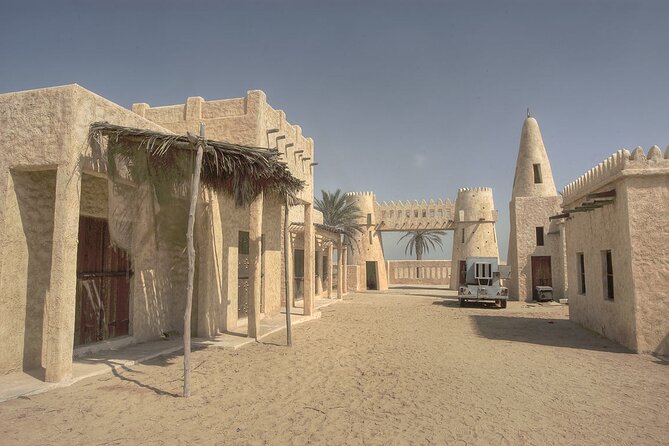
Al Jumail is an abandoned pearling and fishing village. It offers a look at the type of settlement that supported Qatar’s coastal economy before modern development reshaped the country.
The stop lasts about 30 minutes. You may see old structures built from limestone and mud, with the remains giving you a sense of the village’s scale and layout. This is not a polished open-air museum. Its appeal comes from the worn buildings and the effort to preserve what remains.
For me, Al Jumail makes the earlier stops easier to understand. Al Khor shows a living harbor, while Zubara gives you a major archaeological site. Al Jumail fills in the middle ground: a small community where families lived, fished, and worked in the pearling trade.
The condition of the remains can also make this a quiet stop rather than a dramatic one. It is best for anyone interested in architecture, conservation, and local history. If you prefer large monuments, you may find the visit short.
Ash-Shahaniyah offers a chance to see camel training
At Ash-Shahaniyah, the tour passes a camel-racing track while camels are being trained. The planned visit lasts about 30 minutes, but this stop depends heavily on timing and activity at the track.
Some departures have reached the area when groups of camels were out for morning training. One guide, Junaid, even followed the camels and their handlers around the track in the vehicle, creating a much more lively experience than a quick roadside look.
You should keep your expectations flexible. One portion of the feedback describes seeing no camels and only driving alongside the track. That is an important warning. The stop is not a guaranteed race or organized viewing session.
When the timing works, it can be one of the most memorable parts of the day. Camel racing is a distinctive part of Qatar’s sporting culture, and seeing the animals being prepared gives you a glimpse of an activity that is easy to miss from Doha.
Zekreet Fort and the rock formations change the mood
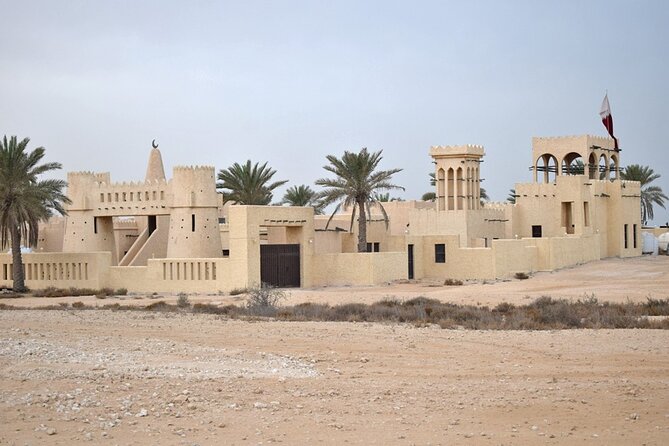
Zekreet Fort is one of the few historic sites in Qatar to have gone through two different construction phases. The ruins are modest, but the setting gives the stop much of its character.
You have around 40 minutes here. The fort may not satisfy anyone expecting a large, restored castle. Instead, you get a small historic landmark surrounded by open ground and unusual limestone formations.
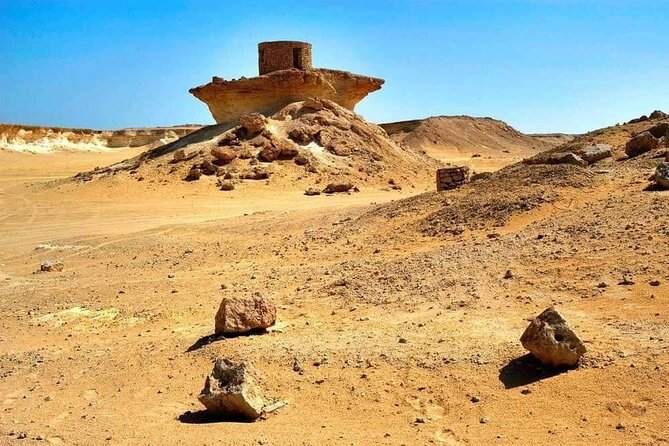
The Zekreet Peninsula is also known for its rock formations, including the umbrella-shaped or mushroom-like rock that appears in many photographs. Some itineraries and guides also include views of formations called the Eye in the Rock. Early starts can make this section especially appealing because you may reach the rocks around sunrise, when the light is softer and the heat is less intense.
This is one of the places where the vehicle matters. The route covers open, rougher areas, and one review describes an especially enjoyable drive over the dunes and inland. Still, the supplied tour details do not promise a full off-road safari, so you should not book this expecting an extended dune-bashing session.
Richard Serra’s East-West/West-East is the visual high point
The most striking modern stop is Richard Serra’s East-West/West-East sculpture in the Brouq nature reserve. Four steel plates, each more than 14 meters high, run across more than a kilometer of open ground.
The scale is hard to understand from photographs. The plates are simple, but their size and spacing make the surrounding emptiness part of the artwork. Serra studied the shape of the ground so the pieces would line up across the area. The result feels both modern and timeless.
You have about 35 minutes here. That is enough for photos and a walk around part of the installation, though you may want more time if you enjoy public art. The sculpture is also a welcome change after the historic forts and villages.
This is the stop most likely to surprise you. Some people book the tour for Qatar’s past and find the steel installation the strongest part of the day. I understand why. It is not just an object placed in the desert. It changes how you read the space around it.
The long drives are part of the bargain
The tour covers both northern and western Qatar in roughly 6 to 8 hours. An air-conditioned vehicle, bottled water, tea or coffee, and insurance are included. Pickup is offered, and the group limit is six.
Those details matter in Qatar’s heat. You will spend much of the day in the vehicle, and a comfortable car makes the distance easier. Small groups also help when you want to ask questions or adjust how long you spend at a stop.
The tradeoff is time on the road. Several stops last only 30 or 40 minutes, and the points of interest are spread out. One person may find the day efficient and varied, while another may feel there is too much driving for the number of major sights.
Ask about the start time when you book. Some guides have begun as early as 5:00 am, allowing for sunrise at the rock formations and early camel training. An early start can also make the day cooler, but you should be ready for a long morning.
Bring sunscreen, a hat, comfortable shoes, and something to eat. Lunch and snacks are not included. Tea, coffee, and water are provided, but they do not replace a meal during a full day out.
Which guide can shape the experience
The guide is especially important on a route like this. Abdullah has been praised for adding extra stops and explaining Qatar’s past and present. Junaid has been singled out for his handling of the camel-track visit and his clear explanations. Noor has been appreciated for detailed answers and frequent tea breaks.
Sajid, a Qatari guide, has offered useful first-hand cultural context and answered questions about local life. Other named guides include Adil, Syed, Abdul Nasir, and Zohaib, each associated with flexible pacing and a broad look at the country outside Doha.
That does not mean every departure will feel identical. One complaint describes a guide who acted more like a driver and gave little explanation. Another reports a vehicle breakdown and a long wait for replacement transport. These appear to be exceptions within a highly rated experience, but they are worth keeping in mind when judging the $165 price.
The best approach is to tell your guide what matters to you at the start. If you care most about Zubara, ask for time there. If camel training or photography is your priority, mention it early. The small group format makes that kind of conversation possible.
Who should book this North and West Qatar tour
I would choose this tour if you have already seen central Doha and want a wider picture of Qatar. It is especially suitable for you if you like archaeology, coastal communities, public art, photography, and unusual stops that are difficult to combine without a car.
It also suits people with only one free day outside the capital. You can cover a large portion of northern and western Qatar without arranging separate transport for each site.
I would hesitate if you dislike long drives or need every attraction to feel major. The fish market, village remains, small fort ruins, and camel track may feel ordinary without a good guide or the right timing. The cost is also hard to justify for a solo booking unless you place a high value on convenience and a private-style vehicle.
The tour has a 97 percent recommendation rate and a 4.9 rating from 229 reviews, but those numbers should not hide the real choice. This is a broad country tour, not a tightly packed collection of famous monuments.
Should you book it?
Book it if you want to see the Qatar beyond Doha: old coastal towns, mangroves, pearling sites, a UNESCO archaeological area, camels, limestone formations, and one of the country’s boldest art installations.
Skip it if your time is short, your budget is tight, or you prefer a slower visit focused on one or two excellent places. Before paying, confirm the pickup, expected group size, start time, and whether lunch can be accommodated. Free cancellation is available until 24 hours before departure, and poor weather can lead to a new date or a full refund.
FAQ
How long does the North and West Qatar tour last?
The tour lasts approximately 6 to 8 hours.
What is the price of the tour?
The listed price is $165 per person.
Is hotel pickup offered?
Yes, pickup is offered as part of the experience.
How many people can join the tour?
The maximum group size is six travelers.
Is lunch included?
No. Lunch and snacks are not included.
Are drinks provided?
Yes. Bottled water and coffee or tea are included.
What is the most important historic site on the route?
Al Zubara Fort is Qatar’s first UNESCO World Heritage Site and the main archaeological stop.
Can I see Bahrain during the tour?
You may be able to see Bahrain from the Al Zubara Fort area on a clear day.
Is camel racing guaranteed?
No. The route includes a view of the camel-racing track while camels may be training, but activity is not guaranteed.
What is the cancellation policy?
You can cancel at least 24 hours before the start time for a full refund. Cancellations or changes made within 24 hours are not refunded or accepted. If poor weather causes the tour to be canceled, you will be offered another date or a full refund.
Newest history tours we have reviewed in the world
- Enjoy Ancient Mostar★ 4.0 · 45 reviews
- Private Dublin Historical and Heritage Tour by Bike★ 5.0 · 30 reviews
- Dubrovnik by Night, History, Wine & Bites★ 5.0 · 41 reviews
- Historical Walking Tour of Dublin★ 5.0 · 50 reviews
- DayTripper Dublin: A Guided City Walking Tour★ 5.0 · 90 reviews
- Ancient Old City– Finest tour of Dubrovnik★ 5.0 · 64 reviews
- Dublin LGBTQ Pride Historical and Cultural Walking Tour★ 5.0 · 91 reviews
- Interactive Living History in Dalkey Castle near Dublin City★ 5.0 · 133 reviews
Full-Day, compared.
Ninh Binh Heritage Full Day Tour with Buffet Lunch and Limousine
Read our review →
Bali: Tanah Lot UNESCO World Heritage Sites Full-Day Tour
Read our review →
UNESCO’s Ayutthaya Historical Park: Full-Day Tour from Bangkok
Read our review →
Full-Day Aruba History and Must-See Landmarks Tour
Read our review →
Private Full-Day Tour of Historical Alexandria
Read our review →
Historical City of Ayutthaya – Unesco Full Day Tour From Bangkok
Read our review →