
Review · FRANCE HISTORY TOURS
Bordeaux Historic and Gourmet Food Walking Tour
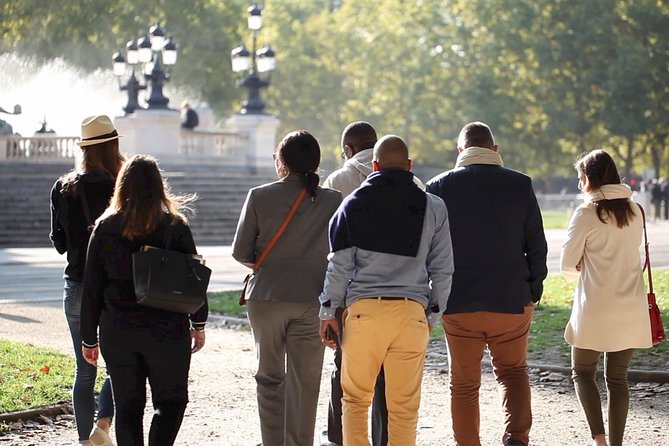
Bordeaux’s best introduction may be a slow walk that treats the city as both museum and pantry. This three-hour route links grand squares, old monuments, the cathedral, and the story of wine with stops for cannelé, chocolate, cheese, ham, and wine.
I like the small group size, capped at eight, and the chance to meet shopkeepers rather than simply walk past closed doors. I also like the blend of food and city history, especially when guides such as Quentin, Crystal, Rémi, Theo, or Julie bring the route to life.
The main caution is simple: this may feel more like a history walk with tastings than a meal-sized food tour. Some departures include a generous lunch, while the core experience can be modest in quantity, so do not skip breakfast if you need a full meal.
Key points at a glance
- Three food stops: Expect cannelé, chocolate, cheese, ham, pastries, bread, or other regional bites, depending on the route and suppliers.
- Bordeaux beyond the wine label: Your guide explains how wine shaped the city’s trade, wealth, and identity.
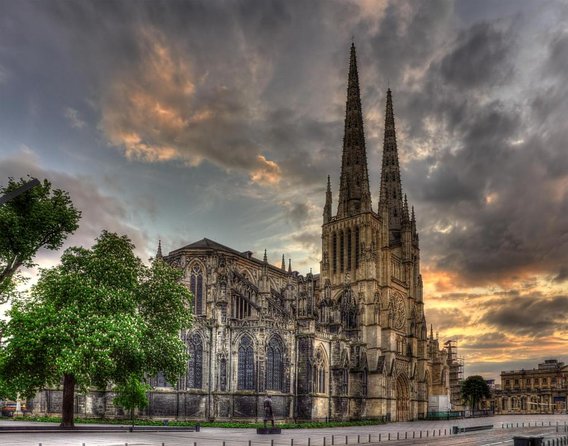
- A walk through the old center: The route includes historic squares, monuments, old streets, city gates, Camille Jullian references, and Bordeaux Cathedral.
- Small-group format: A maximum of eight people makes it easier to hear the guide and ask questions.
- Possible lunch finish: Several departures have ended with quiche, salad, charcuterie, cheese, sweets, and wine in a local dining room or apartment-style setting.
- Good first morning in Bordeaux: The 9:30 a.m. start lets you get your bearings before spending the rest of the day on your own.
Why this Bordeaux walk works
The clever idea here is to make Bordeaux’s food part of its city story. You are not simply handed a plate of regional products and sent home. As you move through the old center, the guide connects the wine trade to the city’s past, then gives you something edible that makes the lesson easier to remember.
That format suits Bordeaux. Wine may be the city’s international calling card, but the local table includes much more: cannelé, chocolate, bread, cheese, cured meats, pastries, and simple lunch dishes. You get a sample of that range while seeing the streets where Bordeaux built its fortune.
The pace is deliberately easy. You have time to look up at the architecture, stop for explanations, and enter food shops without feeling pushed along. A leisurely pace is welcome in the morning, though one newer guide reportedly moved too quickly on one departure. The quality of the experience depends heavily on the person leading your group.
The provider has used guides including Quentin, Crystal, Rémi, Theo, Julie, Deborah, and others. Several have been praised for clear English, humor, local knowledge, and an ability to answer questions. You cannot choose a particular guide from the details provided, but the strongest departures seem to come when the guide treats the walk as a conversation rather than a memorized speech.
More History Walking Tours in France
- Paris: Dark History and Ghostly Guided Walking Tour
★ 4.7 · 1,000 reviews - Vieux Lyon Cultural & Historical Walking Guided Tour (English)
★ 5.0 · 942 reviews - Strasbourg: Guided Historical Neighborhoods Walking Tour
★ 4.9 · 275 reviews
Starting beneath the Girondins column
The meeting point is 2792 Place des Quinconces, near the Girondins column. This is a practical place to begin because it puts you close to some of central Bordeaux’s grandest public spaces, and it is near public transportation.
The 9:30 a.m. start matters. Bordeaux is easier to appreciate before the day gets crowded, and an early food tour gives you useful orientation for later wandering. I would book it near the start of your stay, not on your final morning. You will learn where the old center sits, how the main sights connect, and which foods you may want to buy again.
The activity ends back at the meeting point. There is no hotel pickup or drop-off, so allow time to reach Place des Quinconces under your own steam. Bring comfortable shoes and a rain layer. One group had heavy rain and still enjoyed the day, but Bordeaux weather can turn a pleasant walk into a soggy one quickly.
Cannelé first, with a taste of Bordeaux
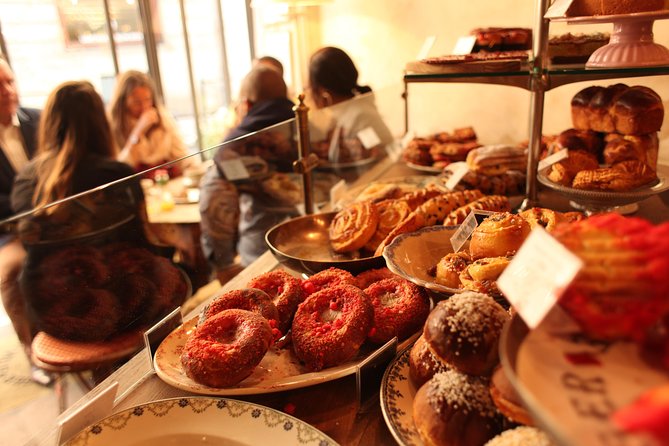
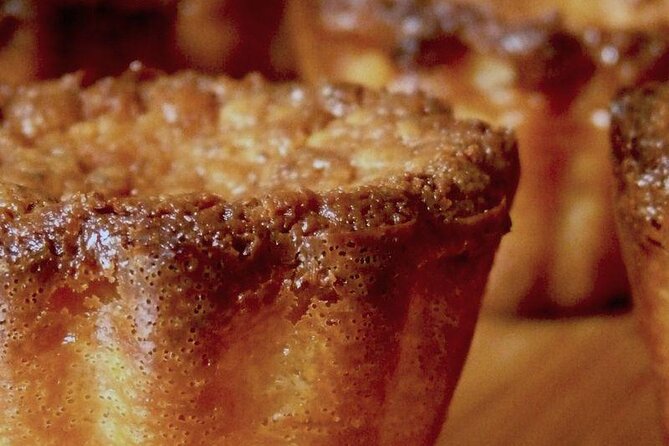
Cannelé is one of Bordeaux’s signature pastries, a small ridged cake with a dark caramelized outside and soft interior. The exact serving can be small, and that is worth understanding before you book. A cannelé is a taste, not breakfast.
This first stop gives the tour an immediate local accent. You are trying something tied closely to Bordeaux rather than beginning with a generic croissant and coffee. Some departures have also included pastries and coffee, or allowed you to choose sweets to enjoy later.
The cannelé stop is also a good example of the tour’s character. You may taste one item, hear why it matters, then continue walking. If you want a long sit-down bakery visit with several courses, this will feel brief. If you like trying a classic specialty while moving through town, it works well.
Monuments, squares, and Camille Jullian
Between food stops, the guide takes you through important parts of Bordeaux’s old center. The route includes historic places, monuments, old city gates, and the cathedral. Camille Jullian, a famous Bordeaux archaeologist, also enters the story.
This section is not filler between tastings. It explains why food and wine carry such weight here. Bordeaux grew through commerce, and wine was central to that commercial life. Streets, squares, and public buildings make more sense once you understand the money and movement behind them.
You will also see Bordeaux as a living city rather than a string of postcard views. Some guides add context about changes during the past few decades and about modern Bordeaux, which helps prevent the walk from becoming a parade of dates and building names.
The cathedral is one of the major visual pauses. The description identifies it as Bordeaux’s most beautiful cathedral, a matter of taste, but it is clearly a key stop. Give yourself time to look at the exterior and listen to the guide before hurrying on to the next shop.
Same streets, a different century:
- Paris: Louvre Museum Entry with History of Mona Lisa
★ 3.9 · 2,823 reviews - Bordeaux: Historic Center & Chartrons District Bike Tour
★ 4.8 · 709 reviews - From Strasbourg: Best Of Alsace Historical Day Trip
★ 4.7 · 633 reviews - Toulouse Food & History Tour with a Chef (in English)
★ 5.0 · 503 reviews
Chocolate made by hand
The chocolate stop is often the highlight of the morning. One visit includes a chocolate house dating to the 1800s, with an explanation of how chocolate moves from cocoa bean to finished sweet. You may see the production area, learn from an apprentice, and sample several varieties.
That is more satisfying than entering a shop only to buy a box. You get a short lesson in technique and craftsmanship, then have a chance to decide what you actually like. The shop setting also gives you a practical souvenir option, especially if you want chocolates that travel well.
The amount you taste can vary. Some accounts describe several samples and plenty of choice, while the basic tour description only promises snacks at three stops. I would treat the chocolate visit as a guided tasting, not an all-you-can-eat stop.
This is one place where the small group helps. With no more than eight people, you can hear the explanation and ask about the chocolates without being lost in a large crowd. The best guides make this part feel like a visit behind the counter, not a sales pitch.
Cheese, ham, and the southwest connection
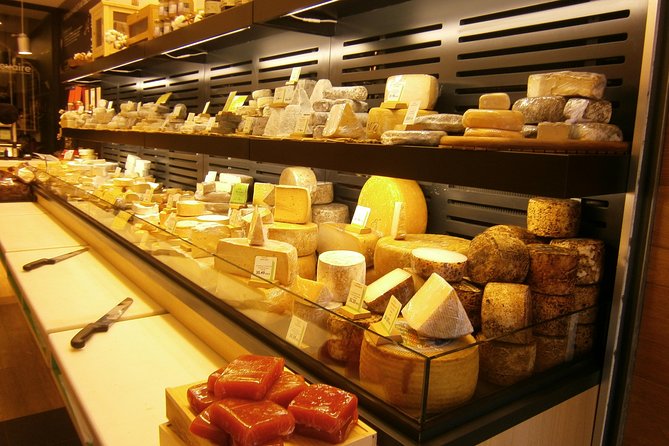
Another stop focuses on cheese and dry ham from southwest France. You may taste three cheeses, and some departures have allowed participants to select additional cheese from the cellar. Bread, charcuterie, and regional products can also appear along the way.
This section gives the tour a wider French food frame. Bordeaux is surrounded by famous wine country, but its food identity is not limited to wine. Cheese and cured meat show how the region connects with southwest France and, in some cases, nearby Spanish traditions.
That last point is useful for setting expectations. Spanish Iberian ham has appeared on the tasting, even though the tour centers on France. This is not necessarily an error. The southwest has long-standing cultural and food ties with Spain, but a guest expecting only French ham may find the choice surprising.
The quantity is the most important question here. If you want a full charcuterie lunch, the standard tastings may leave you wanting more. If you see them as carefully chosen samples paired with the city walk, they make sense.
Wine and the meal at the end
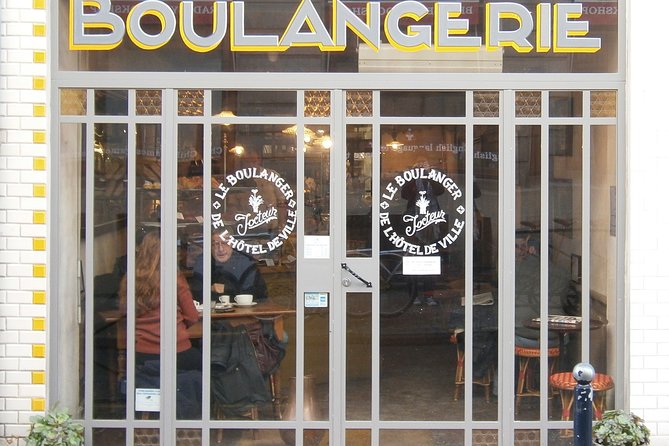
Wine is included, and some departures have served red, dry white, and sweet white wines. The sweet wine may not suit every palate, but tasting a style you would not normally order is part of the point.
The tour may finish with a more substantial meal. Past arrangements have included quiche Lorraine, salad, bread, charcuterie, cheese, sweets, and wine. This meal has taken place in a dining room connected to a local wine-tour office, sometimes in an apartment-style building.
That setting is informal rather than grand. You are not being taken to a polished restaurant with a formal service. Instead, you may sit with the group, eat a simple local lunch, and continue talking about Bordeaux. I like that approach because it feels personal, but you should know that the meal is not guaranteed to look identical on every departure.
There is also a clear difference between the advertised core and the fullest version described by past participants. The supplied details promise tastings, snacks at three stops, and wine. Several accounts describe lunch as plentiful, while others describe only a cannelé, chocolate, and a few pieces of ham. Plan for the guaranteed tastings. Treat a large lunch as a welcome bonus, not the main reason to book.
What $103.78 buys you
At $103.78 per person, this is not a cheap snack crawl. The value comes from combining a private-feeling small group, an English-speaking guide, city orientation, several tastings, wine, and possibly lunch.
I think the price is fair for someone who wants a guided introduction and would otherwise pay separately for a city walk, chocolate visit, and food stops. The maximum of eight is important here. A large bus group would change the feel completely, especially inside small food shops.
The price is harder to justify if your only goal is to eat as much as possible. Bordeaux has bakeries, markets, cheese shops, and wine bars where you can spend less and choose larger portions. This experience charges for the guide, the route, the access to selected shops, and the explanation that ties everything together.
The tour is booked, on average, about 29 days ahead. That suggests you should reserve early if your dates are fixed, especially during a busy visit. Free cancellation is available up to 24 hours before the start time. If fewer than two people book, the provider can cancel and issue a full refund.
Who should book this walk
I would choose this for a first morning in Bordeaux, especially if you want a broad introduction instead of a specialist wine lesson. It suits couples, friends, and solo visitors who like walking, tasting small portions, and asking questions.
It is also a good match if you are curious about how Bordeaux changed in recent decades, not just its old buildings. The strongest guides add that modern view and make the city feel like a place where people live, work, shop, and eat.
Families with older children may enjoy the chocolate and pastry stops, though the tour requires a moderate level of fitness. You will be walking for about three hours, with time on your feet at shops and monuments.
I would hesitate if you need a large, guaranteed lunch. I would also hesitate if you have already spent several days touring Bordeaux and want something focused only on wine estates or advanced tasting. This route is an introduction to the city and its food, not a vineyard excursion.
Small details that make the day easier
Wear shoes you can walk in comfortably. The pace is relaxed, but three hours of city streets still adds up.
Have a light breakfast unless the provider confirms a full lunch for your date. The food can be excellent without being abundant.
Keep some room in your bag for chocolate or cheese purchases. The stops may tempt you to buy products for later, though shipping arrangements are not part of the stated service.
Check the meeting point carefully. The tour begins at Place des Quinconces and returns there, with no hotel transfer. A mobile ticket is provided, and the tour is offered in English.
Should you book the Bordeaux food walk?
Book it if you want Bordeaux in one compact morning, with monuments, wine context, and a handful of well-chosen tastes. The best version combines an engaging guide with the chocolate workshop, a thoughtful cheese stop, and a relaxed meal at the end.
Skip it if your definition of a food tour means several full portions at every stop. The tour’s greatest strength is the mix of food and history, not sheer quantity.
For most first-time visitors, I would book it near the beginning of the trip and confirm what food is planned for the day. Go with a light breakfast, comfortable shoes, and realistic expectations. You may finish with lunch, or you may finish with a very useful map of Bordeaux and an appetite for finding your own next meal.
FAQ
Where does the Bordeaux food tour begin?
It begins at 2792 Place des Quinconces, 33000 Bordeaux, France, near the Girondins column.
What time does the tour start?
The scheduled start time is 9:30 a.m.
Where does the tour end?
The activity ends back at the meeting point at Place des Quinconces.
How long does the experience last?
The walking tour lasts approximately three hours.
What food and drinks are included?
The experience includes tastings and snacks at three different stops, including local food such as cannelé, cheese, dry ham, chocolate, pastries, or other regional items. Wine and other alcoholic beverages are included.
Is lunch included?
The standard details promise tastings, snacks, and wine. Some arrangements have also included a lunch with items such as quiche, salad, charcuterie, cheese, sweets, and wine, but the exact meal can vary.
How many people can join?
The tour has a maximum of eight travelers. At least two participants are required for it to operate.
Can I cancel for a refund?
Yes. You can cancel at least 24 hours before the local start time for a full refund. Cancellations or changes made less than 24 hours before the start are not refunded or accepted.
Newest history tours we have reviewed in France
- Small-Group Full-Day Tour of Côte de Nuits, Côte de Beaune Vineyards and Beaune Historical District★ 5.0 · 364 reviews
- Private Bordeaux History Tour with a glass of Bordeaux wine.★ 5.0 · 28 reviews
- Bordeaux’ Best Boulangeries & History Tour★ 5.0 · 126 reviews
- Historical Center, Bordeaux Food Tour★ 5.0 · 33 reviews
- 2-Hour Walking Tour of the City’s Iconic Sights and History★ 4.0 · 207 reviews
- Private Walking Guided Tour of Historic Bayeux English or French★ 5.0 · 36 reviews
- Historic Bayeux Daily Group City Tour In English 2 hrs (Apr-Sept)★ 5.0 · 220 reviews
- Enchanting Historical Walking Tour in Avignon★ 5.0 · 53 reviews
History Walking Tours, compared.

History and Hauntings of Salem Guided Walking Tour
Read our review →

Freedom Trail History Small Group Walking Tour
Read our review →
Historic Charleston Guided Sightseeing Walking Tour
Read our review →
Tapas Walking Tour with Food, Wine, and History
Read our review →
Savannah History and Haunts Candlelit Ghost Walking Tour
Read our review →
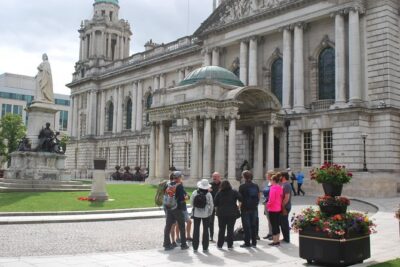
A History of Terror – Belfast City Centre Walking Tour
Read our review →Browse the lists this tour appears in