
Review · UK HISTORY TOURS
Private Political History & Murals Tour Belfast
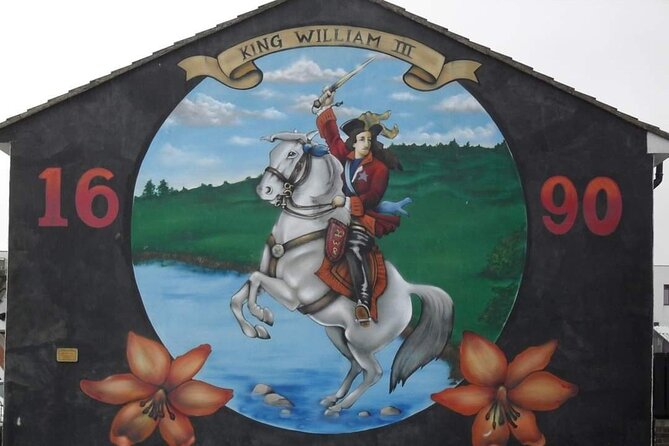
Belfast’s murals are not just colorful walls. They are political statements, memorials, warnings, and records of communities shaped by The Troubles. This private tour takes you from the Peace Wall to Shankill Road and Falls Road, giving you the background needed to understand what you are seeing.
I like the private format, which lets you ask blunt questions without holding up a bus full of strangers. I also like the local guides, including Sean, Brian, Brendan, Thomas, Dan, and Michael, who bring personal memories and local perspective to a difficult subject. The main drawback is that the tour is short, so it gives you a strong introduction rather than a full study of Belfast’s past.
Key points at a glance
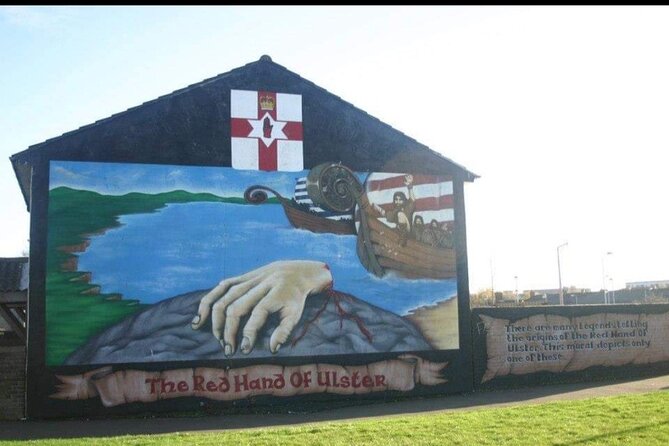
- Walk along the Peace Wall: You can leave the vehicle, read the wall, and add a good-luck message for future generations.
- Compare Shankill and Falls Roads: The route presents Loyalist and Republican communities side by side, with time at both areas.
- Hear local accounts of The Troubles: Guides such as Sean and Brendan are praised for explaining events with personal insight and answering difficult questions.
- Travel privately between stops: The air-conditioned vehicle saves time and keeps the group together in Belfast’s often wet weather.
- See, but do not enter, Crumlin Road Gaol: You view the old prison and courthouse from outside during a brief drive-by.
- Expect a focused 90 to 105 minutes: It works well as an introduction, but you will need another visit for a fuller look at Belfast’s political past.
Why Belfast’s murals need a guide
You can find Belfast’s famous murals on your own, but the pictures alone rarely explain the argument behind them. A painted face, flag, prison reference, or memorial may mean very different things depending on the street and the community that created it.
The tour helps you read those signs in context. You hear about the events of the 1960s, the growth of paramilitary groups, the people caught between political loyalties, and the difficult path toward peace. That context matters because Belfast can look calm today while still carrying visible reminders of division.
I especially value the chance to hear more than one side. The route covers Loyalist areas around Shankill Road and Republican areas around Falls Road. A good guide should explain both communities without turning the tour into a political speech. The strongest feedback points to guides who present the subject with respect, humor, and care for people affected on all sides.
This is also a serious subject. You may hear about deaths, imprisonment, hunger strikes, violence, and families living through fear. The mood can shift quickly from friendly conversation to painful history. Guides such as Sean have been praised for making the subject clear without losing its emotional weight, while Brendan has been noted for treating the past with warmth and dignity.
More Private History Tours in the UK
- Private Historical Walking Tour of York
★ 5.0 · 1,324 reviews - Private Group: Historical Pub Walking Tour of London
★ 5.0 · 660 reviews - London: Private Landmark Tour with Professional Photographer
★ 4.7 · 91 reviews
Starting at the Peace Wall
The Peace Wall is the shortest scheduled stop, at about 10 minutes, but it may be the most symbolic. You leave the vehicle, walk along part of the wall, hear why it was built, and have the chance to sign a good-luck message for future generations.
That simple action gives you a moment to pause. The wall is not an ancient monument or a polished museum display. It is part of a living city, and its continued presence raises hard questions about safety, memory, and separation.
You should not expect a long walk here. Ten minutes is enough to see the wall, take photographs, and listen to the basic explanation. If you want time to read every message or think quietly, the pace may feel quick.
Still, this stop gives the rest of the tour a clear frame. You are not looking at murals as street art alone. You are looking at a divided past that remains visible in brick, paint, and public memory.
Shankill Road and the Loyalist story
The tour spends about 40 minutes around Shankill Road, one of the longer stops. You learn about the Loyalist paramilitaries, the local population, and events that took place during The Troubles.
The value here is the connection between political ideas and ordinary streets. Your guide explains how people in the area lived, what loyalties meant, and how violence affected daily life. Murals and memorials become entry points into stories about identity, fear, community, and loss.
A private vehicle helps on this part of the route. You can move between locations without trying to follow a large group through busy streets. You also have the option to ask about a detail that catches your eye, something that is rarely possible on a tightly managed coach tour.
Listen for how your guide handles language. Terms such as Loyalist, Unionist, Republican, and Nationalist are not interchangeable, and a careful explanation makes the tour far more useful. The best experience comes when you ask questions and allow your guide to explain why people in the same city could hold such different views of Northern Ireland’s future.
This stop is not designed to tell you that one community was entirely right and the other entirely wrong. It is meant to explain the people, causes, and events that made the conflict so hard to resolve. That balance is important, though one piece of feedback described a guide as politically biased and difficult to understand because of his accent. Private tours can vary with the individual guide, so ask questions and judge the presentation for yourself.
Falls Road and the Bobby Sands mural
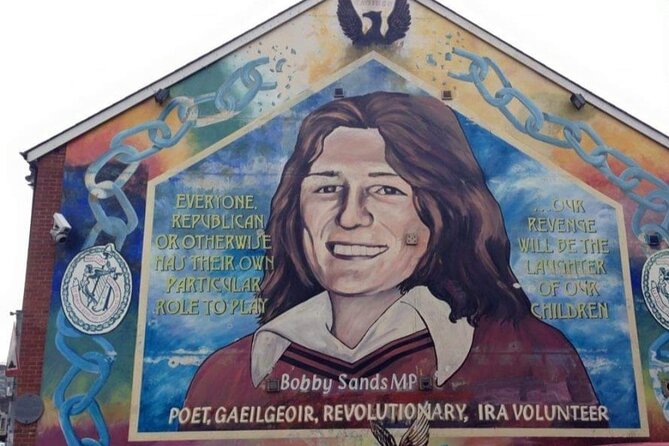
The Falls Road section also lasts about 40 minutes and focuses on Republican paramilitaries, the reasons behind their uprising, local people, and events during The Troubles. The Bobby Sands mural is the most recognizable point on this part of the route.
Here, the guide links the murals to Republican ideas, prison history, and the wider struggle over British rule and Irish unity. You hear why the mural matters and how the people of the area understood the conflict.
The stop is especially useful if you arrive in Belfast with only a general idea of The Troubles. You may know the names of Bobby Sands or the hunger strikes, but a local explanation helps place those events within the political and community setting.
The route gives you time to ask questions, and this is where the private format earns its price. Some groups arrive with little background. Others already know a good deal and want to test their understanding. A patient guide can adjust the pace instead of giving everyone the same fixed script.
Expect the subject to feel emotional. The murals commemorate people and causes that remain politically sensitive. The tour does not turn the area into a theme park, and that is a good thing. You are shown the images as part of a real community, with the painful history attached.
Same streets, a different century:
- London Small Group Tour of Historical Pubs
★ 5.0 · 10,422 reviews - Edinburgh: Edinburgh Castle Guided History Tour with Tickets
★ 4.8 · 9,933 reviews - A History of Terror – Belfast City Centre Walking Tour
★ 5.0 · 2,883 reviews - Edinburgh: Whisky Tasting with History and Storytelling
★ 4.9 · 2,451 reviews
Crumlin Road Gaol from the outside
The final stop is a short drive-by, about five minutes, at Crumlin Road Gaol and the old courthouse. You do not go inside the prison on this experience.
The guide explains how the gaol and court were linked to people involved in The Troubles, including those who were held and sentenced there. That small piece of the route helps connect the street-level story to the legal and prison system.
Do not book this tour expecting a prison visit. If entering Crumlin Road Gaol is a priority, you will need a separate experience. As a brief final stop, though, the drive-by works well. It adds another layer to the story without stretching this tour beyond its planned length.
One useful point from the feedback is that the political tour can provide a good foundation for a later visit to Crumlin Road Gaol. You will already understand more about why the prison matters, which can make an indoor tour easier to follow.
What the private vehicle changes
The experience includes private transportation in an air-conditioned vehicle. This is more than a small comfort in Belfast, where rain can arrive at any time. You can move between the Peace Wall, Shankill Road, Falls Road, and Crumlin Road without losing time finding each site yourself.
A private group also changes the tone. You can ask about a mural, request clarification, or spend a little longer on a point if the schedule allows. A large bus often gives you a polished overview. This format gives you a conversation.
Be clear about the vehicle, however. The information describes an air-conditioned private vehicle, while some feedback refers to a black cab. If riding in a traditional black taxi is important to you, confirm the vehicle before booking rather than assuming it is guaranteed.
The standard meeting point is outside Ten Square Hotel at 10 Donegall Square South, near Belfast City Hall. The activity returns there at the end. Pickup can be arranged from locations in Belfast and farther afield, but a pickup more than one kilometer from Belfast City Hall may bring a small fee on the day, starting at the equivalent of a £10 taxi fare. The fee is per pickup, not per person, according to the booking details.
Is $76.39 a fair price?
At $76.39 per person, this is not Belfast’s cheapest way to see murals. You are paying for a private vehicle, a dedicated guide, and the ability to shape the conversation around your own questions.
For a couple or small group, the value is easier to see. You avoid the limits of a large coach, travel directly between the main areas, and receive a focused explanation in about an hour and a half. A group that splits the total cost across several people may find the private format particularly reasonable.
The value is lower if you only want quick photographs. You can see murals without booking a guide, but you will miss much of the political context. The price also feels less attractive if you expect a full black cab tour, an indoor prison visit, or a long walking route.
The tour is best thought of as a guided introduction. It gives you the foundation to explore further, not every answer about Northern Ireland’s past. Guides have recommended books and helped people decide what to read next, which is useful if the subject captures your interest.
Guide quality matters here
The strongest part of this experience is the guide. Sean is repeatedly praised for explaining The Troubles clearly, answering endless questions, and adding personal insight from growing up during the conflict. Brian is described as patient and detailed, while Brendan is praised for warmth, humor, and respectful storytelling.
Thomas has also been singled out for making the experience informative and memorable. Dan is noted for his passion for Northern Ireland’s political history, and Michael is described as funny, full of local knowledge, and able to add personal stories.
That range of names tells you that the company uses several guides, so your experience may differ from another booking. It also means you should not expect a memorized lecture delivered in exactly the same way every time.
The best guide for you will be someone who can explain complex terms in plain language, acknowledge suffering on both sides, and let you ask questions. Because the topic is political and personal, tone matters as much as facts.
Who should book this tour?
I would choose this tour if you want a clear first look at Belfast’s political history and prefer conversation to a fixed group script. It suits couples, families, and small groups with different levels of background knowledge.
It is also a good choice for anyone who wants to understand the murals before taking photographs. You will see more than painted walls, and the local explanation can help you approach the subject with proper respect.
The tour may not suit you if you want a long walking tour, a museum-style presentation, or entry to Crumlin Road Gaol. It may also disappoint you if you expect a guaranteed traditional black taxi rather than the stated private air-conditioned vehicle.
The experience lasts about 90 to 105 minutes, so plan it early in your Belfast visit if you want its context to guide the rest of your sightseeing. You can then return to a mural, book a prison visit, or read more about the peace process with a better grasp of what you are seeing.
Booking and cancellation advice
Confirmation is provided at booking, and free cancellation is available up to 24 hours before the scheduled start time. Changes or cancellations inside that 24-hour window are not accepted for a refund.
The tour requires good weather. If poor weather causes cancellation, you are offered another date or a full refund. Service animals are allowed, the activity is near public transportation, and most people can take part.
Gratuities are not included. If your guide, perhaps Sean, Brian, Brendan, Thomas, Dan, or Michael, gives you a thoughtful and useful tour, plan to tip separately.
Should you book the Belfast political history tour?
Book it if you want a private, focused introduction to Belfast’s murals and The Troubles, with time to ask questions and hear local perspective. The strongest reason to choose it is the guide-led explanation, not simply the transport.
Skip it if your priority is entering Crumlin Road Gaol, spending hours on foot, or guaranteeing a particular type of taxi. For most first-time visitors, though, the route covers the essential places efficiently and gives Belfast’s political murals the context they deserve.
FAQ
Where does the tour start?
The standard meeting point is Ten Square Hotel, 10 Donegall Square South, Belfast BT1 5JD, near Belfast City Hall.
Where does the tour end?
The activity ends back at the meeting point.
Can I request pickup from my accommodation?
Pickup is offered from locations in Belfast and farther afield. If the pickup point is more than one kilometer from Belfast City Hall, a small fee may be added, starting at the equivalent of a £10 taxi fare. The fee is per pickup, not per person.
How long does the tour last?
The tour lasts approximately 1 hour 30 minutes to 1 hour 45 minutes.
Is this a private tour?
Yes. Only your group takes part in the activity.
Does the tour include entry to Crumlin Road Gaol?
No. You see the old prison and courthouse from outside during a brief drive-by, but you do not enter the gaol.
Is transportation included?
Yes. Private transportation in an air-conditioned vehicle is included.
Is the tour offered in English?
Yes. The tour is offered in English.
Newest history tours we have reviewed in the UK
- Ilfracombe Seafront History Walking Guided Tour★ 5.0 · 18 reviews
- Walking Bogside History Tour in Guildhall★ 5.0 · 280 reviews
- Private tour of the stunning Cotswolds with an expert local guide★ 5.0 · 45 reviews
- Curious Cambridge – The History Tour that’s FUN!!!★ 5.0 · 80 reviews
- Birmingham Gangs Nighttime Historical Walking Tour with Pub Stops★ 5.0 · 53 reviews
- 2.5-Hours Walking Tour of Birmingham into Black Heritage Madiba★ 5.0 · 49 reviews
- Belfast Walking Tour: City Centre History, Troubles & Stories★ 5.0 · 39 reviews
- Belfast Political/history/troubles private taxi/cab tour★ 5.0 · 69 reviews
Private History Tours, compared.
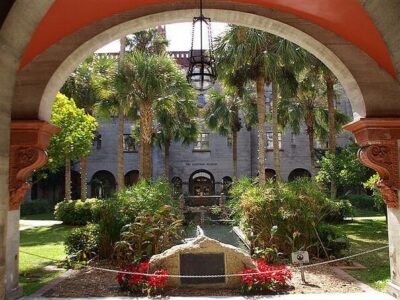
Private Guided Historic Electric Cart Tour of St. Augustine
Read our review →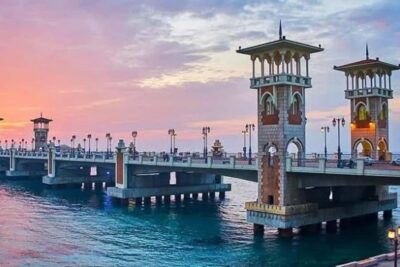
Private Full-Day Tour of Historical Alexandria
Read our review →
Private Tour of the Historic City in a Ford T Car
Read our review →
Madrid Historical Tour with Local Guide in Eco Tuk Tuk Private
Read our review →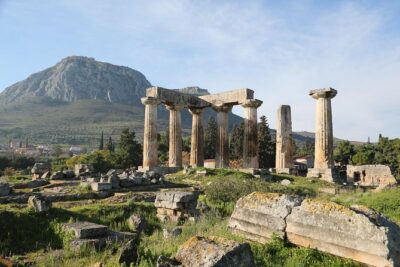
Private Biblical Tour Ancient Corinth & Isthmus Canal from Athens
Read our review →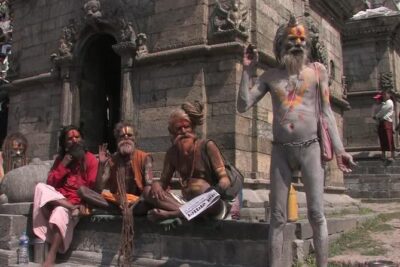
Private Kathmandu Sightseeing Tour | UNESCO World Heritage sites
Read our review →
Historic Porto by Private Electric Tuk Tuk to Top Landmarks
Read our review →Browse the lists this tour appears in