
Review · BEIJING HISTORY TOURS
3-Day All-Inclusive Beijing Private Tour: Top Sights+Peking Duck
The Great Wall at Mutianyu is the star of this three-day Beijing plan, but the tour gives you much more than a quick wall photo. You’ll move from imperial courtyards and Buddhist temples to Peking duck, painted corridors, and the Echo Wall, all with a private guide and driver handling the details.
I like the flexible private format, especially if you want to ask lots of questions or slow down for an older family member. I also like that lunch, entrance fees, hotel transfers, and the Great Wall cable car or toboggan ride are included. The main caution is pace: this is an active schedule, and your hotel stay is not included in the $439.20 price.
Key points to know before booking
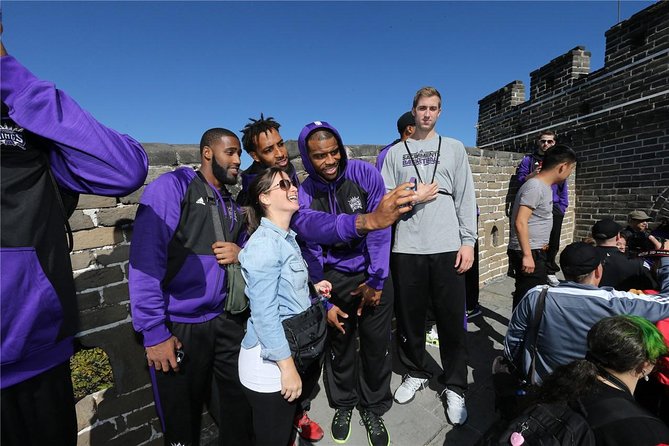
- Mutianyu gives you a greener, quieter Great Wall setting, with a cable car or chairlift up and toboggan ride down included.
- Day one combines the Forbidden City with Peking duck, followed by the Lama Temple.
- Your private guide can adjust the focus, from Ming history and architecture to art, culture, or family needs.
- A private vehicle saves time, with pickup and drop-off for hotels inside Beijing’s Fifth Ring Road.
- Three lunches are included, but overnight accommodation and show tickets are not.
- Tiananmen Square can close without notice, and if that happens, the stop is skipped without a refund.
A fast but useful introduction to Beijing
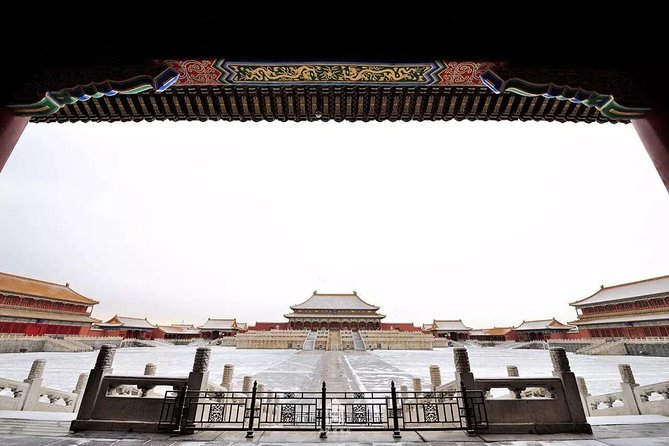
This tour is built for a first visit when you want to see Beijing’s major sights without wrestling with transport, tickets, or city logistics. Over three days, you’ll cover the Forbidden City, Great Wall, Temple of Heaven, Summer Palace, Lama Temple, Tiananmen Square, the Bell and Drum Towers, and the National Stadium area.
The private setup matters. You are touring only with your own party and guide, rather than waiting for a large group to gather at every gate. Guides assigned to this experience have included Albert Liu, Bella, Susan, Becky, Roy, and Qing. The guide you receive will vary, but you can list interests such as architecture, art, history, or culture when booking so the commentary can better fit your group.
At $439.20 per person, the price is easiest to judge as a package rather than as three sightseeing days alone. It covers a private vehicle, guide, hotel transfers, entrance fees, three lunches, and the Great Wall lift or toboggan arrangement. You still pay for your hotel and any show tickets, so compare the full cost with arranging those parts yourself.
The schedule is full. You’ll walk on uneven ground, climb steps, and spend several hours moving between major sites. That makes the tour a strong choice for someone with only a few days in Beijing, but less ideal if you prefer long café breaks or a very slow pace.
More Private History Tours in China:
- Beijing: All-Inclusive 3-Day Private Tour of Must-See Sights
★ 5.0 · 35 reviews - 2-Hour Beijing Private Forbidden City Tour: History & Highlights
★ 5.0 · 28 reviews - Dazu Ancient Rock Carvings Private Tour Extension
★ 5.0 · 24 reviews
Day one: imperial power, Peking duck, and the Lama Temple
Your first morning begins at Tiananmen Square, with about 30 minutes to look across the enormous civic space. It is a useful orientation point before entering the Forbidden City, though access can change suddenly because of government activity. If the square closes, it is skipped and no refund applies, since admission to the square itself is free.
The real centerpiece is the Forbidden City, officially the Palace Museum. You enter through the south gate and spend about two hours among courtyards, ceremonial halls, residential quarters, gardens, and pavilions. This was the imperial palace for emperors and their households, and its scale can be hard to grasp until you begin walking from one open courtyard to the next.
The Hall of Great Harmony gives you the grand ceremonial view. It is one of the places where a guide adds real value, since the broad courtyards and repeating halls can blur together without a clear explanation of who used each space and why.
You then continue toward the Hall of Union and the imperial living quarters. The Hall of Union represented harmony between emperor and empress and held imperial objects. The route finishes at the Imperial Garden, a more intimate area with rocks, trees, pavilions, and carefully arranged planting.
Expect plenty of walking inside the palace complex. The route is rewarding, but the Forbidden City is large, and two hours gives you an informed overview rather than a close look at every hall. If you have a special interest in Ming history, tell your guide in advance. Albert Liu, for example, has been particularly praised for bringing the Ming period to life.
After leaving through the north gate, you stop for Peking duck. This is one of the tour’s best food moments because it connects the sightseeing with a distinctly Beijing dish. Look for the contrast between crisp skin and tender meat, served with the usual accompaniments. Lunch is included, as are the other two tour lunches, though specific restaurant details are not fixed in the information provided.
The afternoon visit to the Lama Temple, or Yonghegong, changes the mood completely. This Tibetan Buddhist monastery began as an imperial residence for the future Emperor Yongzheng before he took the throne. You’ll spend about an hour seeing its halls and learning how its religious role grew from its imperial past.
Guides such as Roy have been especially praised for explaining the Lama Temple and Summer Palace with clear personal enthusiasm. That sort of attention helps here, because the temple is not just a collection of buildings. Its importance comes from the link between court life, imperial patronage, and Tibetan Buddhist practice.
Day two: Mutianyu and Beijing’s historic central axis
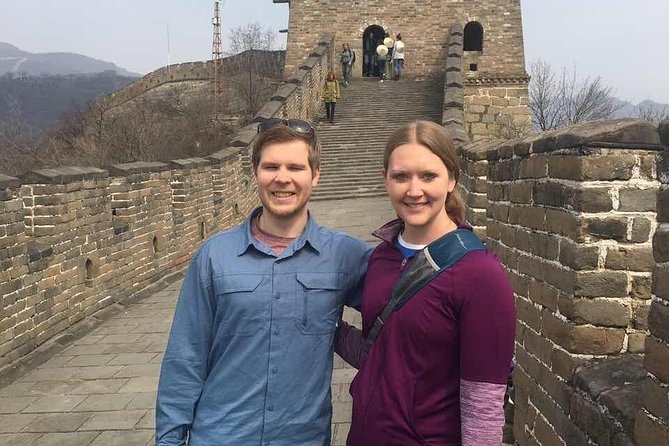
Day two is devoted first to the Great Wall. You can choose Mutianyu or Badaling, with Mutianyu offered as the quieter, greener option. The tour includes a round trip by cable car or chairlift up and a toboggan ride down, depending on the arrangement used for your group.
Mutianyu is a good fit if you want the wall experience without spending the entire morning on foot before reaching the main watchtowers. You’ll still encounter steps and slopes once on the wall, so do not mistake the lift for a completely effortless visit. One particularly useful detail from the tour’s feedback is that a guide helped a visitor pull themselves up the steps so they could stand on the wall. That does not guarantee the same level of assistance for every group, but it shows why telling the operator about mobility concerns matters.
You’ll have about two hours at the Great Wall. That is enough for views, photographs, and a walk along part of the battlements, but not for a long trek between distant towers. Your guide and driver also help with the practical matter of meeting back at the vehicle, which is valuable at a site where parking and pickup points can be confusing.
The choice between Mutianyu and Badaling should be made before the day begins. Mutianyu is presented as the calmer option, while Badaling is the other iconic section. If your priority is a classic first visit with a little more breathing room, Mutianyu is the better match within this plan.
On the way back toward central Beijing, you stop for lunch and pause at the Bird’s Nest, the National Stadium built for the Beijing Olympics. The stop is mainly for viewing and photographs. The tour does not describe a stadium admission, so do not expect an interior visit unless separately arranged.
The afternoon continues to the Bell and Drum Towers. You’ll climb to the Drum Tower area and watch a traditional drum performance while your guide explains Beijing’s historic central axis. The admission for this stop is not included, unlike most of the main sights, so confirm the current ticket arrangement with the operator.
This is a shorter, more focused afternoon than day one. It gives you a look at old Beijing’s timekeeping system and urban structure after the huge scale of the Great Wall. If you want more explanation during the long vehicle transfers, say so directly. One useful criticism of the experience is that some groups wanted more commentary about the places they were passing between stops.
Day three: sacred architecture and the Summer Palace
The final day begins at the Temple of Heaven, where Ming and Qing emperors performed annual ceremonies for good harvests. The complex is prized for its design as much as its religious role. Its round forms, strong symmetry, and careful placement make more sense when you understand that the emperor acted as a link between heaven and the earthly state.
You’ll spend about an hour at the temple, including the Hall of Prayer for Good Harvests. The building is famous for its timber construction and blue-tiled roof, and your guide explains how the emperor prayed for favorable weather and plentiful crops.
Next comes the Imperial Vault of Heaven and the Echo Wall. The acoustics are the playful part of the visit: speak near one end and someone at the other may hear you clearly. You’ll have about 30 minutes here, enough to try the effect and see the surrounding ceremonial buildings.
The Hongqiao Market, also called the Pearl Market, provides a sharp change of pace. You get about 30 minutes to browse souvenirs and practice bargaining. Your guide can offer tips on haggling, but keep this stop in perspective. It is a shopping break, not a major historical sight, and half an hour gives you only a quick look.
After lunch, you head to the Summer Palace, one of Beijing’s most attractive imperial retreats. The visit lasts about 90 minutes, followed by shorter stops at several key buildings. The grounds combine water, hills, pavilions, courtyards, and long covered walkways, so the setting feels more open and restful than the Forbidden City.
The Hall of Benevolence and Longevity was used for official receptions and meetings with ministers. It helps explain the Summer Palace as a working court site rather than only a private garden.
The Long Corridor is one of the most memorable details. Its beams and panels are covered with painted scenes from myths, historical stories, and nature. You’ll walk only part of it during the scheduled 20-minute stop, but it gives you a chance to look closely at the decoration instead of rushing past it.
The final stop is the Qingyan Stone Boat, usually called the Marble Boat. It sits beside Kunming Lake and was designed as a symbol of imperial permanence. The 10-minute visit is brief, but the waterfront setting provides a calm finish after three busy days.
A private guide is especially useful at the Summer Palace because the grounds can feel spread out. Qing, one of the guides assigned to this experience, has been praised for adjusting the day around the group and using the best drop-off and pickup points. That flexibility can save energy, particularly for families or groups with different walking speeds.
More Three-Day Trips in China:
- Cairo: 3-Day Siwa Oasis Tour, Safari, Camp & Historical Site
★ 4.9 · 80 reviews - 3-Day Ancient Greek Archaeological Sites Tour from Athens
★ 4.5 · 52 reviews
What the $439.20 price really covers
The advertised cost is $439.20 per person, with group discounts available. That is not a budget sightseeing pass, but it includes several costs that quickly add up in Beijing:
- A private guide and private vehicle for three days
- Hotel pickup and drop-off within Beijing’s Fifth Ring Road
- Entrance fees for the listed attractions
- Three lunches
- Great Wall cable car or chairlift up and toboggan down
- Daily transport between hotel and sightseeing stops
The package does not include your Beijing hotel or show tickets. The Bell and Drum Tower admission is also specifically listed as not included. Ask about any other meal or ticket detail before paying, since the plan includes scheduled lunches rather than every food expense.
For two people, the private format can feel costly next to a large group tour. For a family or small group, the per-person price becomes easier to justify because you are paying for a dedicated vehicle, direct hotel transfers, and the ability to ask for a slower pace or more explanation.
The biggest saving is time. You do not need to work out separate taxi rides to the Great Wall, navigate the palace entrances alone, or arrange a different driver each day. If your Beijing stay is short, that practical help may matter more than finding the lowest ticket price.
Who will get the most from this tour
I would choose this for a first visit with three available days and a clear wish list of major sights. It suits couples, families, and small groups who want a private setting and who prefer history explained on site rather than read from a guidebook.
It is also a good fit if you have particular interests. Tell the company if you care most about architecture, imperial court life, Buddhism, Ming history, food, or photography. Guides such as Susan have been praised for answering questions without pushing a group to leave before it is ready, while Becky has been described as attentive to family needs.
The schedule is less suitable for anyone wanting a relaxed Beijing holiday. You will cover a lot of ground, and the Great Wall, Forbidden City, Temple of Heaven, and Summer Palace all require walking. The lift at Mutianyu helps, but it does not remove every step or slope.
The tour is generally designed so most people can participate. Still, you should share any dietary requirements when booking and mention mobility needs in advance. A current passport is required during the tour, and passport name and number are needed for all participants at booking.
Practical details that can affect your day
Pickup and drop-off are offered for hotels within Beijing’s Fifth Ring Road. If your hotel lies outside that area, confirm arrangements before booking rather than assuming the transfer is included.
The tour is private, so only your party participates. That gives you more control than a shared coach, but it does not mean every stop can be extended indefinitely. The itinerary has fixed attractions and transfer times, especially on the Great Wall and Summer Palace days.
Chinese citizens, including people from Hong Kong, Macau, and Taiwan, must book seven days ahead under the stated regulations. They must provide a Chinese name and ID number when reserving and show the ID on the tour day.
Free cancellation is available up to 24 hours before the local start time. Changes or cancellations inside that window are not accepted for a refund. Tiananmen Square remains the main uncertainty, since it may close without notice for government activity.
Should you book this Beijing tour?
Book it if you want the major Beijing sights handled in one private package, with lunch, transport, entry fees, and a Great Wall lift arrangement already covered. The strongest reasons are the flexible guide service, the range of UNESCO-listed sites, and the chance to see both formal imperial buildings and everyday food and shopping stops.
Think twice if you want to sleep in, linger for hours at each museum, or keep costs as low as possible. You will also need to budget separately for accommodation, show tickets, and the Bell and Drum Tower admission.
For a short first visit, I find the value convincing. You get the Forbidden City and Peking duck on day one, the Great Wall on day two, and the Temple of Heaven and Summer Palace on day three. That is a lot of Beijing, but the private vehicle and guide make the ambitious plan far easier to manage.
FAQ
Is this a private tour?
Yes. Only your own party participates, with a private guide and private vehicle.
How long does the tour last?
The experience lasts approximately three days.
Is hotel pickup included?
Yes, hotel pickup and drop-off are included for hotels within Beijing’s Fifth Ring Road.
Is accommodation included?
No. Overnight accommodation in Beijing is not included in the price.
Which Great Wall section can I visit?
You can choose between Mutianyu and Badaling. The tour presents Mutianyu as the quieter, greener option.
Is the Great Wall cable car included?
Yes. The package includes a round-trip cable car or chairlift up and toboggan down arrangement.
Are meals included?
Yes. Three lunches are included, including a scheduled Peking duck meal on the first day.
Are entrance fees included?
Entrance fees listed for the main attractions are included. Admission to the Bell and Drum Towers is not included.
Can Tiananmen Square close?
Yes. Tiananmen Square may close without notice because of government activities. If it closes, the stop is skipped without a refund.
What documents are required?
All participants need to provide passport name and number when booking and carry a current valid passport during the tour. Chinese citizens, including those from Hong Kong, Macau, and Taiwan, must also provide the required Chinese name and ID number and book at least seven days ahead.
Newest history tours we have reviewed in China
- 9 days Ancient Town Tour★ 5.0 · 21 reviews
- Dazu Ancient Rock Carvings Private Tour Extension★ 5.0 · 24 reviews
- Leshan Giant Buddha and Huanglongxi Ancient Town Day Trip★ 4.5 · 45 reviews
- BusDa-Ancient Great Wall &Badaling Great Wall Full-day Bus Tour★ 5.0 · 56 reviews
- 2-Hour “Ancient & Modern” Beijing Sidecar Tour (Day /Night)★ 5.0 · 36 reviews
- 2-Hour Beijing Private Forbidden City Tour: History & Highlights★ 5.0 · 28 reviews
- Shenzhen History , Culture & Scenic + (Drone Delivery) tour★ 5.0 · 26 reviews
- Hong Kong Heritage – Past to Present★ 4.6 · 22 reviews
Private History Tours, compared.
Private Guided Historic Electric Cart Tour of St. Augustine
Read our review →
Private Full-Day Tour of Historical Alexandria
Read our review →
Private Tour of the Historic City in a Ford T Car
Read our review →
Madrid Historical Tour with Local Guide in Eco Tuk Tuk Private
Read our review →
Private Biblical Tour Ancient Corinth & Isthmus Canal from Athens
Read our review →
Private Kathmandu Sightseeing Tour | UNESCO World Heritage sites
Read our review →
Historic Porto by Private Electric Tuk Tuk to Top Landmarks
Read our review →Browse the lists this tour appears in