
Review · ATHENS HISTORY TOURS
3-Day Ancient Greek Archaeological Sites Tour from Athens
Ancient Greece comes into focus on this three-day circuit from Athens, where ruined temples, theaters, stadiums, and mountain sanctuaries connect into one large story. You will see the Tomb of Agamemnon at Mycenae, the Olympic flame altar at Olympia, and Apollo’s sanctuary at Delphi, with an English-speaking guide to explain the myths and archaeology.
I like the way the tour combines the major sites with smaller stops, including the Corinth Canal, Nafplio, Arachova, and Nafpaktos. I also like that transport, entrance fees, two hotel nights, breakfast, and dinner are included. The tradeoff is a busy schedule with long stretches on the bus, and the archaeological sites can be hard work in hot weather.
Key points at a glance
- Hear the theater at Epidaurus: Test its famous acoustics in one of the best-preserved ancient theaters in Greece.
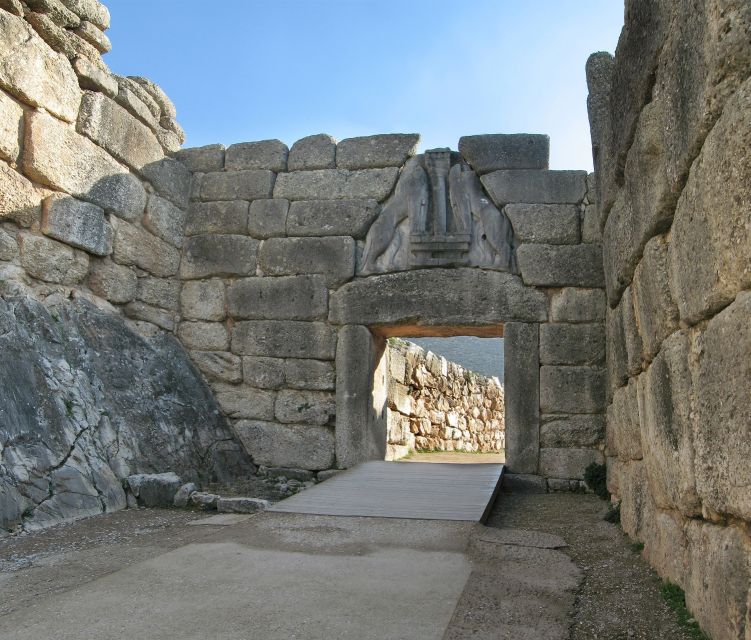
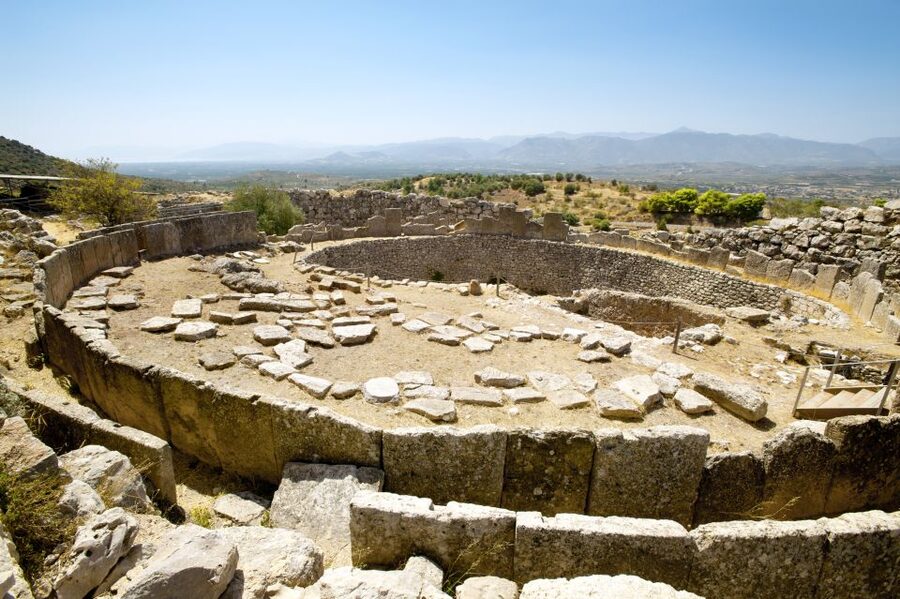
- Walk through Mycenae’s citadel: See the Lion Gate, palace ruins, and the Tomb of Agamemnon.
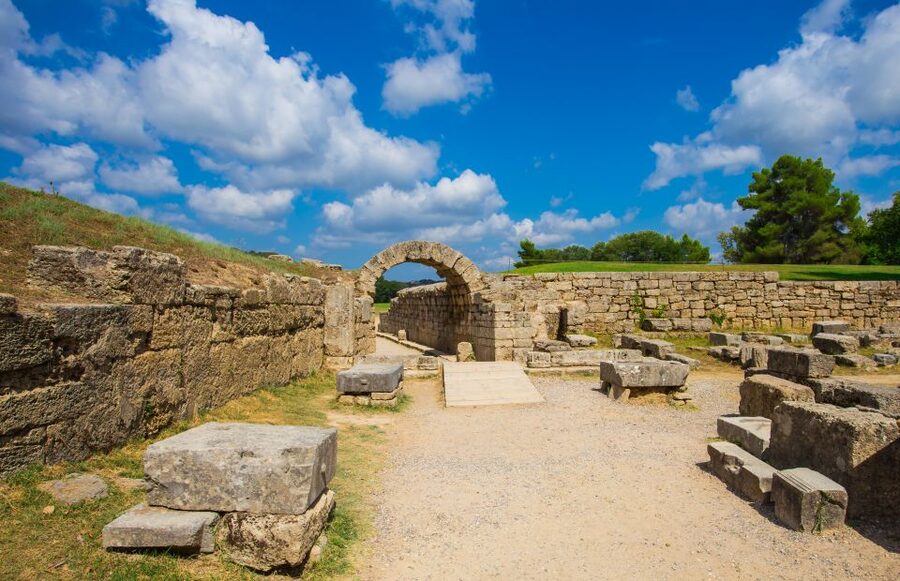
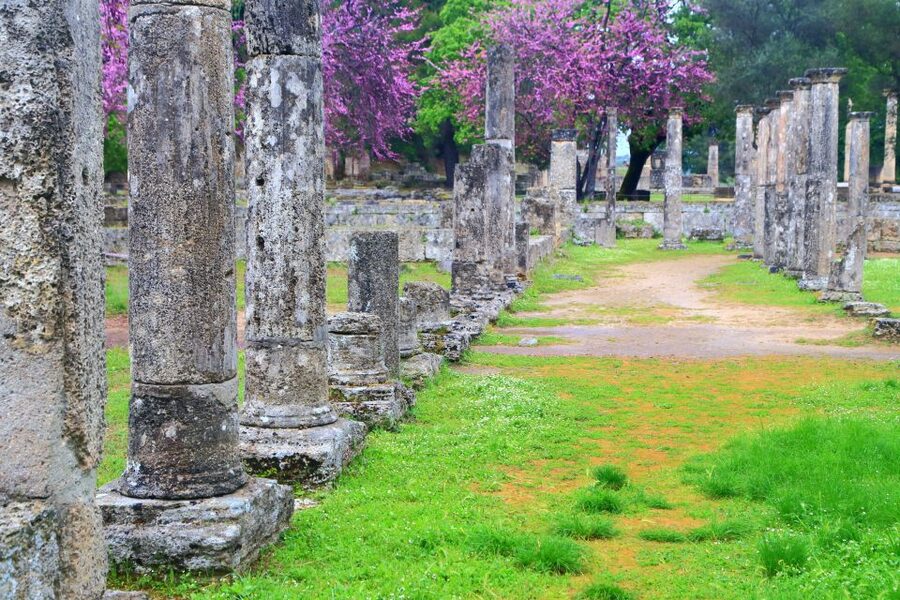
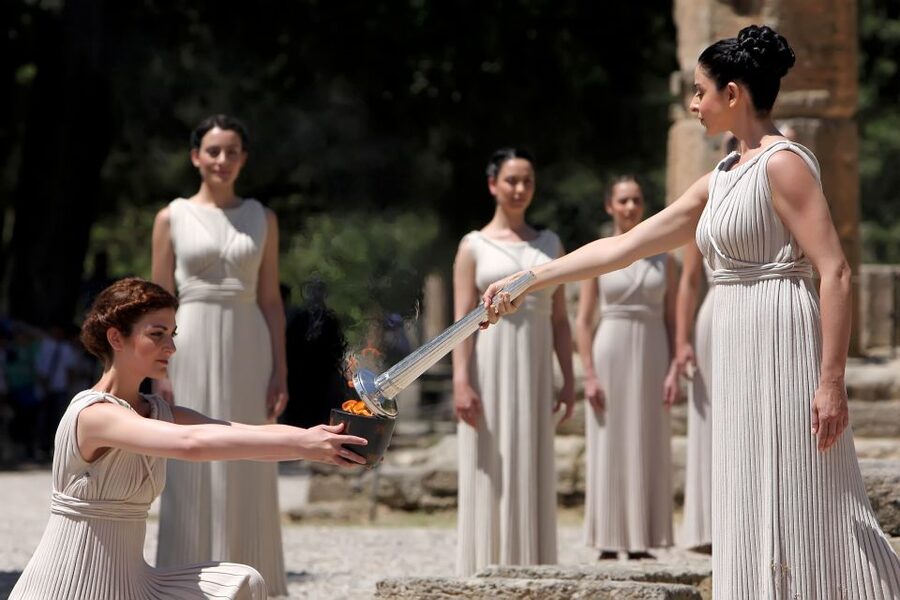
- Stand where the Olympics began: Olympia includes the stadium, temples of Zeus and Hera, and the Olympic flame altar.
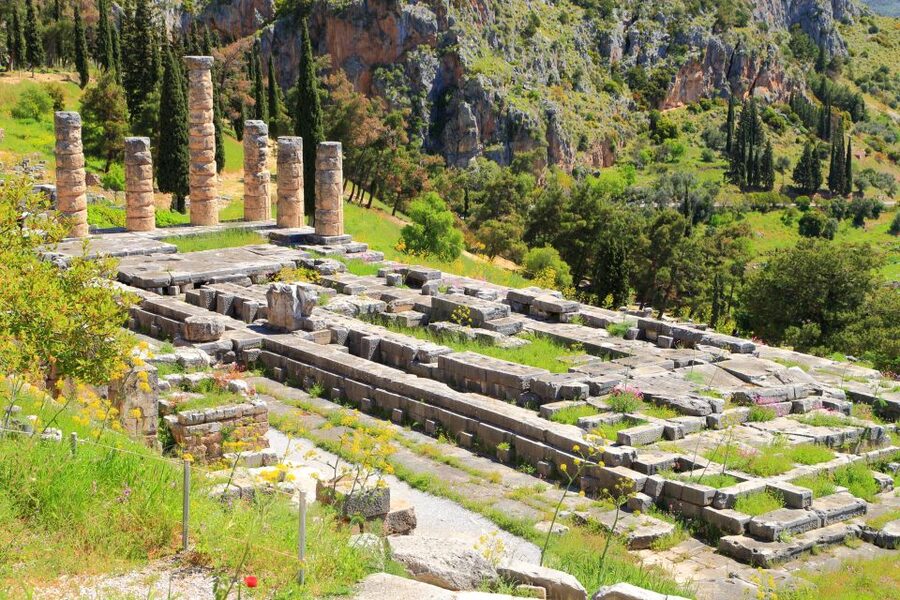
- Meet Apollo at Delphi: Visit the sanctuary, theater, museum, and mountain setting once called the center of the world.
- Cross the Corinthian Gulf by bridge: The route includes the modern Rion to Antirion crossing and coastal roads near Nafpaktos.
- Travel with practical support: Guides such as Anna, Marianna, Evangelist, and Dimitris have been praised for clear explanations, mythology, and careful organization.
What $506 covers on this Greek archaeology tour
At $506 per person, this tour is priced as a practical package rather than simply a guided day trip. You pay for three days of transportation from Athens, an English-speaking guide, entrance fees, two hotel nights, breakfast, and dinner.
That matters because the sites are spread across the Peloponnese and central Greece. Reaching them independently would mean arranging several long bus or car journeys, finding hotels in different towns, paying separate entry fees, and working out how to connect Olympia with Delphi. Here, the route is handled for you.
The price does not include lunch, drinks, personal purchases, or hotel tax. The tax is paid directly to your hotel and is listed as €5 per room per night for a three-star hotel or €10 per room per night for a four-star hotel.
You should also understand the room arrangement before booking. Each reservation is based on a double or triple room. A single room requires a separate booking for one person, so solo visitors should check the price carefully before paying.
The carbon-neutral format may appeal if you want to cover a lot of ground while keeping the environmental cost in mind. It does not make the bus rides shorter, but it gives the tour a clear purpose beyond simply ticking off famous ruins.
More Ancient History Tours in Athens
- Athens: Ancient Greek Theater Performance
★ 4.7 · 2,481 reviews - Historical Delphi One Day Tour with Arachova Stop & Expert Guide
★ 4.5 · 1,247 reviews - From Athens: Ancient Corinth Day Trip with Canal & VR Guide
★ 4.6 · 1,073 reviews
Day one: the Corinth Canal, Epidaurus, and Mycenae
Pickup from most centrally located Athens hotels takes place about an hour before departure. You can also meet at the tour company office 15 minutes before the stated departure time, but confirm the exact meeting point and time in advance.
The first major stop is the Corinth Canal. Cut through the narrow strip of land linking mainland Greece with the Peloponnese, the canal is a striking piece of 19th-century engineering. You will not spend the day here, but it gives you a useful sense of the route and a good first break from Athens.
The canal stop is also a reminder that this is a road journey, not a single-site excursion. You will be moving between regions, with short pauses built in for photographs, food, and stretching your legs.
At Epidaurus, the ancient theater is the star. Its stone rows curve around the orchestra with remarkable precision, and the acoustics are famous for good reason. A guide may demonstrate the effect, but you should also take a moment to listen to the space yourself.
Epidaurus is one of the stops where a little independence helps. The guide will explain the theater and its place in Greek culture, then you can look around, take photographs, and appreciate the scale at your own pace.
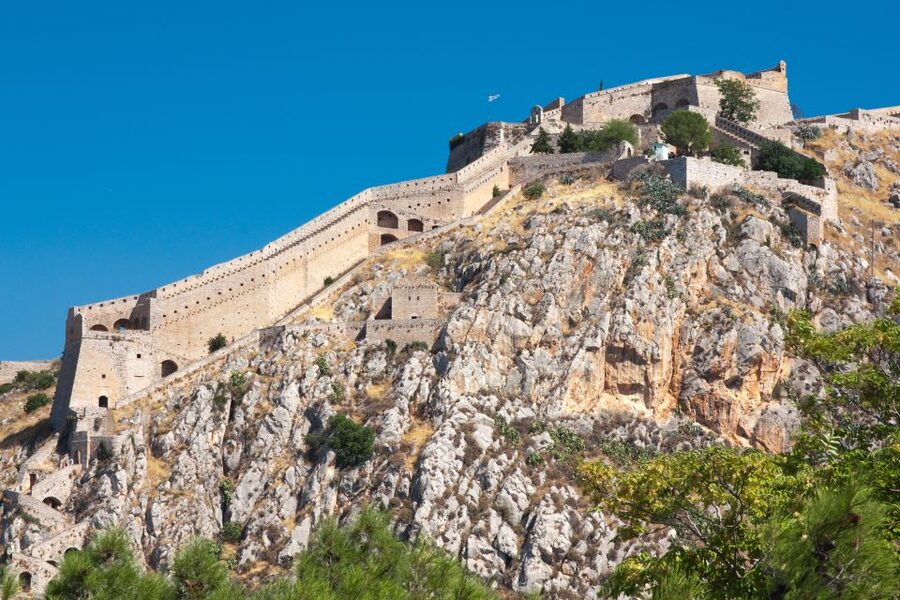
The route continues to Nafplio, once the capital of the First Hellenic Republic. The schedule presents it mainly as a passing or short-stop town rather than a full sightseeing visit, so do not expect the time to explore every street or fortress.
You then drive through the plain of Argos toward Mycenae. This is where the tour shifts from classical Greece to the much older Mycenaean world associated with Homeric stories and the legends of Agamemnon.
The citadel of Mycenae sits above the surrounding plain. You will see the ruins of the fortified center and visit the Tomb of Agamemnon, also called the Treasury of Atreus. Much of the site is made up of foundations and stonework, so a guide’s explanation is especially helpful in imagining the buildings that once occupied the hill.
This is also a place where comfortable shoes matter. The ruins require walking over uneven ground, and the sun can be strong. Bring water, a hat, and sun protection rather than relying on the bus to provide a break from the heat.
After Mycenae, the bus continues toward Olympia, with short stops in Tripolis and Megalopolis. These pauses are practical rather than major sightseeing visits. You can stretch, buy a snack, or pick up a small souvenir before the next stretch of road.
Day two: Olympia and the road to Delphi
Olympia is the emotional center of the route for many people. This was the ancient site of the Olympic Games, held on sacred ground dedicated to Zeus. The ruins are spread across open ground, so the experience feels less like walking through a single building and more like tracing the outline of an entire religious and sporting complex.
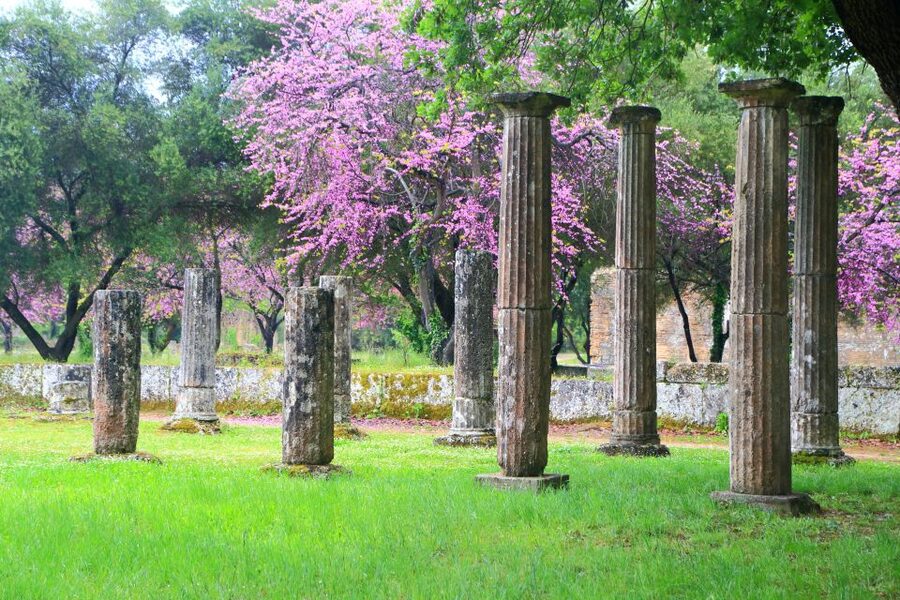
You will see the remains of the Temples of Zeus and Hera, including their Doric columns, and walk to the ancient stadium. The altar of the Olympic flame is another key stop. Modern Olympic ceremonies draw on this ancient setting, making the site feel connected to the present rather than locked in the past.
The Archaeological Museum of Olympia sits directly opposite the ruins and is included in the visit. This is important because many of the most meaningful objects are no longer in place among the stones. The museum helps fill in the gaps with excavated sculpture and other artifacts.
Allow yourself to stay focused during the guided portion. The Olympia visit can last around three hours, and in summer the open site offers limited shade. One practical suggestion is to photograph the places you want to remember as you go, since there may not be enough free time to retrace your steps.
After Olympia, the route heads toward Rion and crosses the Corinthian Gulf on the new bridge to Antirion. The bridge is a memorable modern contrast to the ancient sites, and the crossing opens the way toward the coast and Delphi.
The drive continues along the coastal road near Nafpaktos, a charming harbor city. The route is part of the appeal here: you are not simply being moved between ruins but seeing how Greek towns, hills, water, and roads fit together.
In the afternoon, you stop in Arachova, a mountain village on the slopes of Mount Parnassus. The stop gives you a change of setting after Olympia’s open archaeological ground and adds a modern Greek mountain town to the itinerary.
You spend the second night in Delphi. Hotel quality can vary according to the selected category and availability. Three-star and four-star options are offered, but the exact hotel may not be known until closer to departure. One past account described a Delphi hotel as needing renovation, while other stays, especially in Olympia, were praised for good service and convenient locations.
Day three: Delphi, Apollo, and the return to Athens
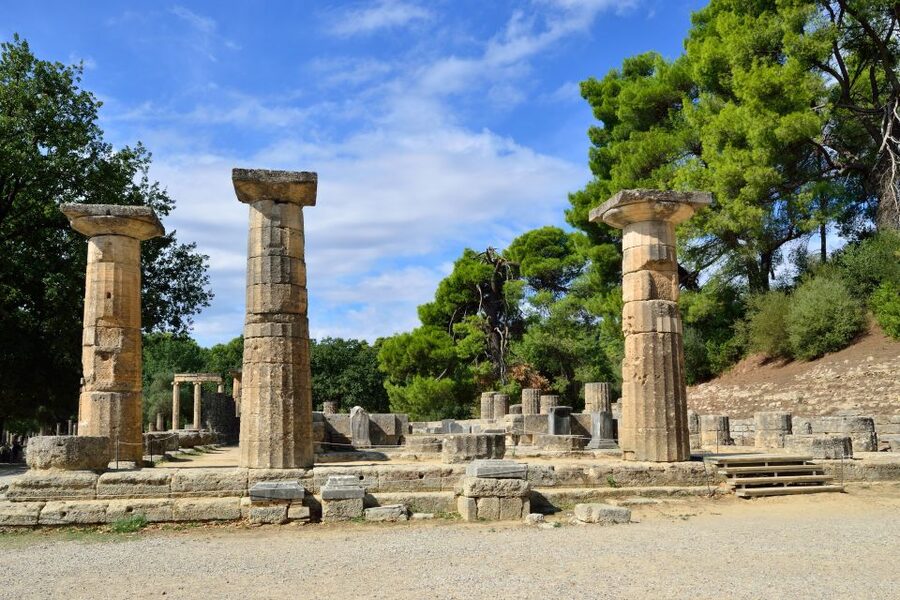
Delphi is the tour’s most dramatic archaeological setting. The sanctuary climbs the lower slopes of Mount Parnassus, with views over the valley and surrounding mountains. The setting helps explain why the ancient Greeks treated the place as something more than a normal temple complex.
In ancient belief, Delphi was linked with Gaia, or Mother Earth, and guarded by the Python dragon. Apollo’s victory over Python gave the sanctuary its central religious identity. These myths are not just decoration here. They explain why the Temple of Apollo, the Oracle, and the wider sanctuary mattered so much to Greek city-states.
Your guide will lead you through the archaeological site and explain the Temple of Apollo, where the Oracle delivered its famous prophecies. The surviving remains are not complete, so the story and the terrain work together. Look at the terraces, retaining walls, columns, and approach routes while picturing the visitors who once climbed here seeking answers.
The theater sits higher on the hill and could hold up to 5,000 spectators. From this point, you get some of the best views of the sanctuary and valley. Take your time with the outlook, but remember that the climb and uneven surfaces can be tiring, especially in hot weather.
The Archaeological Museum of Delphi adds essential context. It contains artifacts and relics connected with the sanctuary, and it is particularly useful after you have seen the site itself. The museum visit helps turn scattered stones into a more understandable religious center.
The return to Athens passes through the vine and olive tree covered hills of Parnassus and the Valley of Phocis. By this point, you will probably be tired, but the changing scenery gives the ride a pleasant final chapter.
More Ancient History Tours in Greece
- Acropolis, Parthenon & Athens Old City Heritage Walking Tour
★ 4.5 · 876 reviews - Private Biblical Tour Ancient Corinth & Isthmus Canal from Athens
★ 5.0 · 762 reviews - Athens: Ancient Corinth & Nafplio Full Day Trip with Swim
★ 4.8 · 531 reviews - Athens Skip the Line: Open Air Ancient Greek Theatre Performance
★ 4.5 · 520 reviews
The guides make a real difference
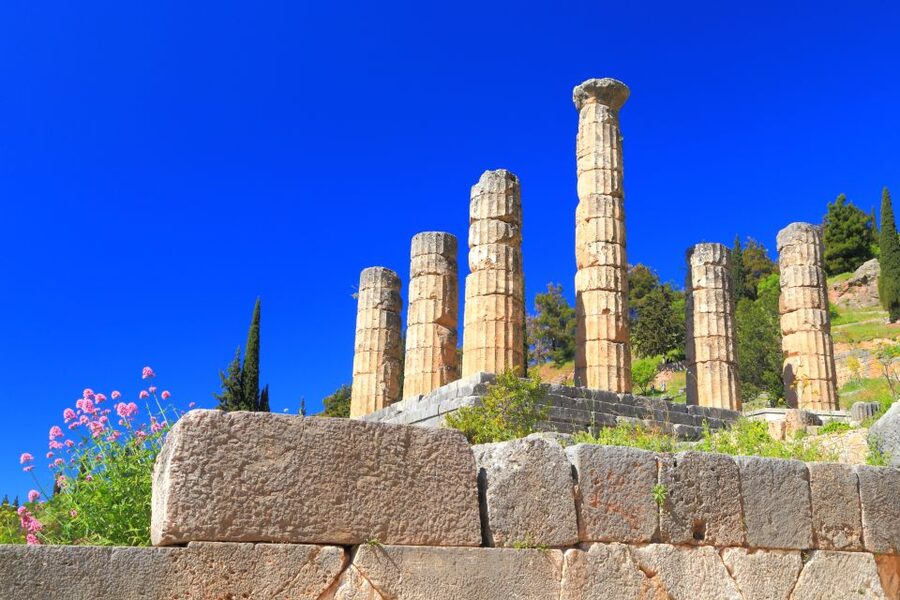
The guide is the most important variable on a trip like this. At Mycenae, Olympia, and Delphi, the ruins often need explanation before their importance becomes clear. A guide who can connect archaeology, mythology, and modern Greece will make the same stones much easier to understand.
Several guides have been singled out for strong delivery. Anna is noted for clear instructions, cultural explanations during the drives, and careful visits to both archaeological sites and museums. Marianna Tsigaridou is praised for making mythology easy to follow and for finding shade while explaining artifacts.
Other guides named in the experience include Evangelist, Dimitris, Christina, and Maria Anna. Their reported strengths include enthusiasm, good English, mythological context, and clear organization. One guide used photographs and books showing how the ruins may once have looked, a useful tool when you are facing foundations rather than complete buildings.
The drivers also matter. The route includes narrow town roads and winding mountain sections. Drivers named Thomas, Spiros, Giannis, and Georgios have received strong praise for handling the roads and keeping the journey comfortable.
The group setup may change during the trip. At times, groups can be transferred or combined, and the site groups at Mycenae and Delphi may feel larger than the main vehicle group. Pay attention when your guide gives meeting instructions, especially before free time.
Hotels, meals, and comfort on the road
Accommodation is in three-star or four-star hotels, depending on your selection. The hotels are generally in or near the towns where you stop, which gives you some time to walk around rather than spending every evening on the bus.
Past stays have included comfortable rooms and good service, with Olympia receiving especially warm praise. Food is usually provided as breakfast and dinner, and rooftop dining has been part of some stays. One traveler with celiac disease was accommodated at each meal, but you should still state dietary needs when booking and remind the staff on arrival.
Lunch is not included. The schedule includes stops where you can buy food, but you will be responsible for choosing and paying for it. I would keep a few snacks and a water bottle with you, particularly on the long summer sightseeing days.
Transport is described as a luxury air-conditioned bus. Vehicles have varied, including a midsize passenger van with air-conditioning and charging ports for a small group, and larger minibuses on other departures. The exact vehicle depends on group size.
This is not a relaxed resort holiday. You will pack, unpack, walk on uneven archaeological ground, and sit on the bus for long stretches. The benefit is the amount you see in three days. The cost is that you have less time to linger in each place.
Who should book this three-day route?
This tour suits you if you want a strong first introduction to mainland Greek archaeology and prefer not to arrange complicated transport. It is especially useful if your Athens stay is short but you still want to see Olympia, Delphi, and Mycenae.
It also suits families and first-time visitors who value clear instructions. The guides explain what you are seeing, point out links between the sites, and handle the practical details. A history-minded child or teenager can get a great deal from the mythology and archaeological context.
You should think twice if you dislike fixed schedules or want long, quiet visits at every site. The route is efficient rather than slow. In July and August, the heat may be the biggest problem, particularly at Olympia and Delphi, where guided visits can last several hours.
Wheelchair users should not book this activity because it is not suitable for wheelchair access. The uneven ruins, hills, steps, and walking distances make the physical demands significant even for visitors without mobility concerns.
Free cancellation is available up to 24 hours before departure, and you can reserve now and pay later. Pickup is available from most centrally located Athens hotels on request, but contact Key Tours for the exact time and location.
Should you book it?
Book this tour if you want the main archaeological story of mainland Greece in a well-organized three-day package. The strongest reasons are the carefully connected route, included entrance fees and dinners, capable guides, and the chance to reach places that are awkward to combine independently.
Do not book it expecting leisurely afternoons or guaranteed luxury hotels. You will spend plenty of time on the road, some site groups may be large, and hotel quality can vary. Still, at $506 per person, the package offers solid value for a visitor who wants Mycenae, Olympia, and Delphi without hiring a car or managing several separate journeys.
For the best experience, choose spring or autumn if your dates are flexible, bring sun protection and sturdy shoes, photograph the sites as you go, and listen closely to the meeting times. If those tradeoffs suit you, this is a very efficient way to connect the myths, monuments, and scenery of ancient Greece.
FAQ
How long is the tour?
The tour lasts three days and returns to Athens on the third day.
Which archaeological sites are included?
The route includes Epidaurus, Mycenae, Olympia, and Delphi. It also includes the Corinth Canal and stops or drives through places such as Nafplio, Tripolis, Megalopolis, Nafpaktos, Arachova, Rion, and Antirion.
Is transportation included?
Yes. Transfers are provided by an air-conditioned bus or similar vehicle, depending on the group size.
Are hotel stays included?
Yes. Two nights of accommodation in a three-star or four-star hotel are included, depending on the selected option.
Are meals included?
Breakfast and dinner are included. Lunch, drinks, and personal expenses are not included.
Is the entrance fee included?
Yes. Entrance fees for the included archaeological sites are part of the tour.
Is hotel pickup available in Athens?
Free pickup is available from most centrally located Athens hotels on request. You should contact Key Tours for the exact pickup point and time. Pickup usually takes place about one hour before departure.
Is the tour offered in English?
Yes. The live tour guide language is English.
Is the tour suitable for wheelchair users?
No. The activity is not suitable for wheelchair users because of the walking conditions and uneven archaeological sites.
More Archaeological Site Tours in Athens
- Private Athens Walk: Ruins, Markets & Local Stories
★ 5.0 · 41 reviews - Discover the Ancient Ruins of Pompeii: Day Trip from Rome
★ 3.5 · 2,247 reviews - Ancient Ruins Tour – Guided Arizona Desert Tour by UTV
★ 5.0 · 684 reviews - Ancient Olympia: Archaeological Site and Museum Entry Ticket
★ 4.3 · 555 reviews
Newest history tours we have reviewed in Athens
- Athens: The History of Greek Mythology Private Tour★ 4.7 · 53 reviews
- Athens: Women in Ancient Greece★ 5.0 · 98 reviews
- Athens: Ancient Corinth & Nafplion Guided Premium Tour★ 4.7 · 237 reviews
- Athens: Roman Agora & Ancient Agora E-ticket & 2 Audio Tours★ 4.1 · 107 reviews
- Athens: Be an Ancient Sculptor: Craft Your Greek Masterpiece★ 5.0 · 26 reviews
- Athens: Ancient Greek Theatre Murder Mystery Experience★ 4.8 · 298 reviews
- Athens: Corinth Canal and Ancient Olympia Private Trip★ 4.6 · 21 reviews
- Athens: Kotsanas Ancient Greek Technology Museum Guided Tour★ 5.0 · 29 reviews
Archaeological Site Tours, compared.
Discover the Ancient Ruins of Pompeii: Day Trip from Rome
Read our review →
Ancient Ruins Tour – Guided Arizona Desert Tour by UTV
Read our review →
Ancient Olympia: Archaeological Site and Museum Entry Ticket
Read our review →
Ancient Chacchoben Mayan Ruins & Mayan Experience from Costa Maya
Read our review →
Ancient Syracuse: private guided tour of the Neapolis archaeological park
Read our review →
Coba Private Tour – Ancient Ruins & Refreshing Cenote Swim
Read our review →
Alanya: Ancient Ruins & Hidden Coves of Gazipaşa w/ Cave
Read our review →
Ancient Rome: Archeological area Largo Argentina
Read our review →Browse the lists this tour appears in