

Review · CHINA HISTORY TOURS
9 days Ancient Town Tour
Yunnan’s best feature is its variety, and this nine-day private trip covers plenty of it: Bai villages, Hui communities, Taoist temples, Tibetan culture, Naxi towns, mountain roads, and old Tea Horse Road settlements. You move from Dali to Lijiang by way of places many short tours skip, including Nuodeng, Weishan, and Shibaoshan.
I like the private format, which gives your group its own car, guide, and daily rhythm. I also like the mix of famous sights and smaller towns, especially the market at Xizhou, old Weishan, and the stone lanes of Nuodeng. The catch is the pace: long drives and full sightseeing days make this a better match for fit, curious visitors than for anyone seeking a slow holiday.
Key points at a glance
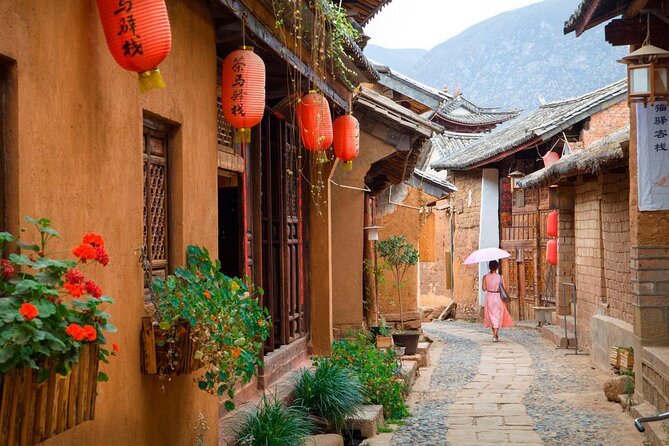
- A real cross-section of Yunnan: Bai, Hui, Tibetan, and Naxi traditions appear across the nine days.
- Private travel by air-conditioned vehicle: Only your group takes part, with airport or railway transfers included.
- Ancient towns beyond the usual route: Weishan, Nuodeng, and Shaxi add depth beyond Dali and Lijiang.
- Big mountain scenery: Tiger Leaping Gorge, Shibaoshan, Jade Dragon Snow Mountain views, and Weibaoshan shape the trip.
- Practical inclusions: Hotels, bottled water, eight breakfasts, seven lunches, and three dinners are provided.
- A demanding schedule: Several transfers take four to five hours, and the walking level is moderate.
Why this route works for seeing Yunnan
At $1,820, this is not a shoestring trip, but it includes the pieces that can be awkward to arrange independently: a private vehicle, an English-speaking guide, accommodation, most meals, airport or railway transfers, and entrance tickets for several major sites. The value is strongest if you are traveling with family or friends and can share the cost of the private service.
The route also saves you from building a complicated chain of separate bookings. You begin in Dali and finish in Lijiang, traveling through the central and northern parts of Yunnan rather than staying in one resort area. That gives you a clearer sense of how the region changes from Bai villages to Tibetan country.
You should still check exactly how the $1,820 price is calculated for your party before booking. The supplied details do not state whether it is a per-person or total group price, and that distinction matters greatly.
The private setup is a major plus. Your guide can explain the places as you go, and you are not tied to a large bus group. Guides named in past trips include Nancy and Yanzi, with Nancy receiving especially strong praise for local suggestions, food stops, and historical explanations. Guide assignments can change, so treat those names as examples, not a guarantee.
More Ancient History Tours in China:
- Beijing: Badaling Ancient Great Wall of China Day Trips
★ 4.8 · 208 reviews - BusDa-Ancient Great Wall &Badaling Great Wall Full-day Bus Tour
★ 5.0 · 56 reviews - Leshan Giant Buddha and Huanglongxi Ancient Town Day Trip
★ 4.5 · 45 reviews
Dali begins with an easy first look
Day one is deliberately light. A guide holding a nameplate meets you at Dali airport or railway station and takes you by private car to the hotel, with hotel check-in after 2 p.m. You then visit Dali Ancient Town, once connected with the imperial capital of Nanzhao.
That first walk helps you recover from the journey without wasting the day. Dali’s old streets provide an introduction to the area’s Bai culture and historic role, though the visit is listed as only about an hour. If you want a slow evening with extra time for food or independent wandering, ask how much free time you will have after the included visit.
The arrival transfer is particularly useful if this is your first stop in China. You do not need to negotiate a taxi immediately after landing or arriving by train. Bottled water is also included during the trip.
Xizhou and Weishan reveal a quieter side
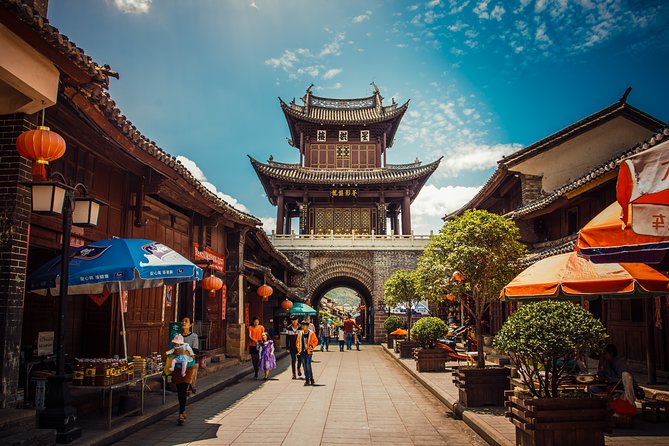
On day two, a 9 a.m. pickup takes you about 19 kilometers to Xizhou, roughly a 30-minute drive. The morning market is the focus, along with the town’s old Bai houses. This is one of the most appealing early stops because it connects daily life with architecture rather than presenting only a polished historic center.
You then drive about 90 kilometers toward Weishan, a journey of around two hours, stopping at Donglianhua Village. This Hui settlement adds another cultural layer to the route. You visit the Tea and Horse Museum and a local mosque, making the stop useful for understanding the trade routes that once linked Yunnan with other parts of Asia.
The day finishes in Weishan Ancient City. Wooden houses, small stalls, and a museum with unusual artifacts give you time to wander without the pressure of a major attraction. I would pay attention here to the contrast with Dali: Weishan is included as a lived-in old town, not simply a famous photo stop.
Weibaoshan and Nuodeng require patience
Day three begins with a drive of about 30 minutes to Weibaoshan. The mountain is known for its Taoist heritage, with 22 temples dating from the Ming and Qing periods spread across the site. The visit lasts around three hours, so expect walking and some physical effort.
The setting and architecture are the main rewards. This is not a quick temple visit beside a parking lot. You move between religious buildings and mountain paths, and the time allows you to see more than one structure. Anyone interested in Chinese religious art or historic architecture will find this one of the more distinctive stops.
Afterward comes one of the longest transfers of the trip: about 220 kilometers to Nuodeng, taking roughly four hours. Nuodeng is known as a thousand-year-old Bai village and sits in a mountainous area far from major city traffic. That distance is part of the point, but it also makes for a tiring day.
You have another look around Nuodeng on day four. Its Ming and Qing buildings and cultural remains reward slow walking, but the schedule only lists about an hour for the morning visit. Use comfortable shoes, and do not expect every section to be flat or easy.
More History Tours in China:
- Beijing Historical Tour II including Summer Palace, Lama Temple & Panda Garden
★ 4.0 · 187 reviews - Beijing Historical Tour I – Forbidden City, Tiananmen Square & Temple of Heaven
★ 4.0 · 120 reviews - Beijing Culture: Tea Ceremony, Heritage Instrument & Calligraphy
★ 5.0 · 57 reviews - 2-Day Beijing Highlights Tour with Peking Duck
★ 4.9 · 41 reviews
Shaxi brings the Tea Horse Road to life
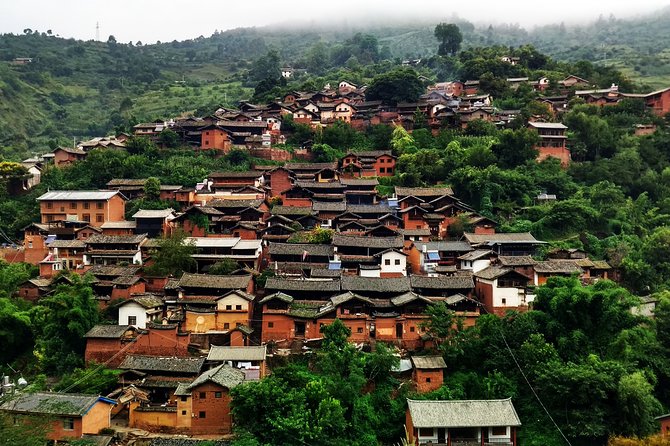
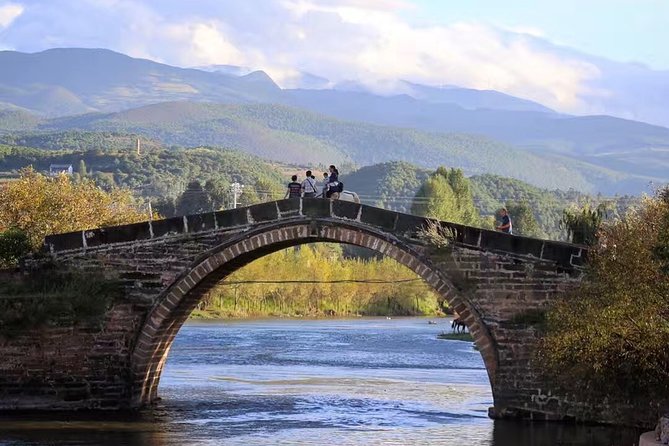
From Nuodeng, the drive to Shaxi takes about four to five hours over roughly 210 kilometers. The route includes ancient bridges, then opens into one of Yunnan’s most appealing historic towns.
In Shaxi, you walk around the old town, the river, Xingjiao Temple, and the traditional stage. The planned visit lasts about two hours, enough for a useful introduction but not a full, unhurried exploration. If you care about photographs, local shops, or sitting down for tea, ask where extra free time fits.
Shaxi is valuable because the town links architecture with the old Tea Horse Road trade. You can see how a small market settlement functioned as a place of movement and exchange. The experience feels more grounded than simply checking off another old town.
Day five gives Shaxi more breathing room. You visit Shibaoshan, where caves and Baoxiang Temple combine dramatic placement with religious art. The temple hangs on a cliff, and colorful Buddha figures are kept inside. A three-hour visit allows time for the caves and a hike toward Shadeng Village.
Later, you can explore the countryside around Shaxi by bicycle or on horseback. This is one of the trip’s better changes of pace. After several hours in cars and historic streets, you get a more open view of village life and farmland. The exact choice between biking and riding should be confirmed in advance, along with what equipment or arrangements are included.
Tiger Leaping Gorge is the route’s big natural spectacle

Day six starts at 9 a.m. with a drive of about two and a half hours to Tiger Leaping Gorge, roughly 120 kilometers away. The canyon cuts along the Jinsha River, a major upper tributary of the Yangtze, and is the most dramatic natural stop on the route.
The scheduled visit lasts around two hours. You should expect viewpoints and walking rather than a full multi-day trek. The gorge is a strong reason to accept the long drives because it changes the mood of the trip completely, from old-town streets and temples to steep rock walls and rushing water.
From the gorge, it is another 100 kilometers and about two and a half hours to Shangri-La County. After arrival, you walk through Shangri-La Old Town and visit Guishan Temple, home to a huge prayer wheel. The town visit is listed at about an hour, followed by an evening free for further wandering.
The altitude is an important consideration, even though the supplied schedule does not give exact elevations or medical guidance. Move steadily, drink water, and tell your guide if you feel unwell. The moderate fitness requirement is not just formal wording: mountain walks, stairs, and long vehicle days add up.
Tibetan culture takes center stage in Shangri-La
The next morning begins with a local Tibetan market, followed by Ganden Sumtseling Monastery, described as the largest Tibetan monastery in Yunnan and often called Little Potala. The monastery visit lasts about two hours.
This is one of the clearest cultural shifts in the journey. The earlier towns focus heavily on Bai, Hui, and Chinese historic traditions. Here, Tibetan religious life and architecture take the lead. Your guide is especially useful at a place like this, where the meaning of the buildings, prayer practices, and artwork may not be obvious from a quick walk around.
After Shangri-La, you drive about 180 kilometers to Lijiang, taking four to five hours. That makes day seven another substantial travel day. The payoff is that the route connects two very different parts of Yunnan without requiring you to arrange separate transport.
Lijiang rewards an early start
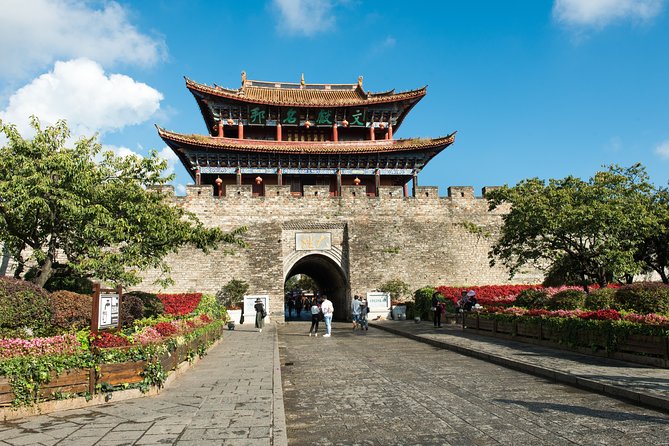
Day eight begins at 9 a.m. in Lijiang Ancient Town, with time to explore before the crowds grow. An early walk is the right choice here. Lijiang is famous and can feel busy, so getting into the old streets at the start of the day gives you a better chance to notice the canals, courtyards, and Naxi details without constant congestion.
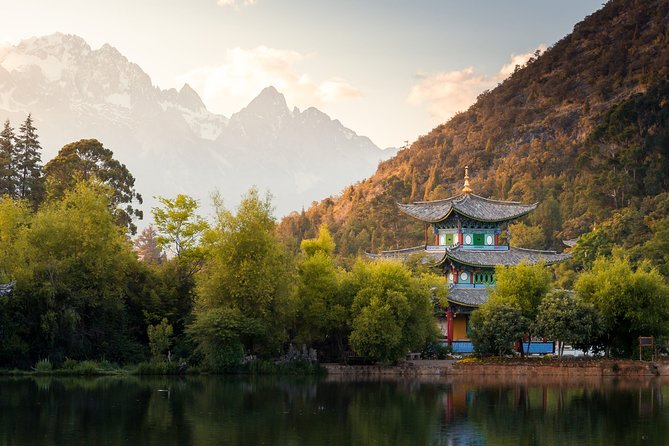
You then visit Black Dragon Pool, where you can enjoy the scenery and watch or join local square dancing. The combined Lijiang activities are scheduled for about three hours and include the Naxi Ancient Concert. The concert adds a performance element to a trip otherwise built around walking, temples, markets, and historic buildings.
Later, you visit Jade Lake, also called Yuhu Village, for views toward Jade Dragon Snow Mountain. You continue to Naxi Baisha and Shuhe villages, with about two hours set aside for this group of stops.
One useful point needs advance attention: a previous guest specifically noted that visiting the higher areas of Jade Dragon Snow Mountain requires advance arrangements. The standard schedule provides views from Jade Lake, but do not assume a high-altitude mountain excursion is automatically included. Ask before booking if that is a priority.
The driving is the price of the variety
The biggest drawback is not the sights. It is the road time. Transfers of two, four, and five hours appear repeatedly, and some days combine a morning attraction with a long afternoon journey. You need to be comfortable spending a good part of the holiday in a vehicle.
That travel does have a purpose. It reaches Nuodeng, Donglianhua, Weishan, and Shibaoshan, places that give the trip its character. A shorter route could focus on Dali, Lijiang, and Shangri-La, but it would lose much of the old-road and minority-culture focus.
The walking level is moderate. Weibaoshan, Shibaoshan, Tiger Leaping Gorge, old towns, temple grounds, and village lanes all call for sensible footwear. One practical description of the trip is a marathon if you try to walk for ten hours straight, so pace yourself and use the car transfers as recovery time.
Accommodation, meals, and transport make the price easier to assess. Eight breakfasts, seven lunches, and three dinners are included, along with hotels and bottled water. Tips, insurance, flights, visa costs, and personal spending are not included. Restaurant choices have been a strong part of the service on past trips, but you should still state dietary needs clearly before departure.
Who should book this Yunnan journey?
I would choose this tour if you want a private, guided introduction to Yunnan and care more about cultural variety than a relaxed resort schedule. It suits first-time visitors who want help with transport, language, local restaurants, and historical context.
It also works well for a small family or group of friends. Because the service is private, your party avoids the compromises of a large coach, and group discounts may improve the value. An English-speaking guide is a major help if you do not speak Mandarin.
I would hesitate if you dislike long car journeys, need extensive free time, or want a trip built around one base. I would also ask detailed questions about hotel standards, room arrangements, and the price calculation before paying $1,820.
Cancellations are generous only when handled early: cancel at least six full days before the start for a full refund. Two to six days allows a 50 percent refund, while cancellation less than two days before departure receives no refund.
Should you book the 9 days Ancient Town Tour?
Book it if your main goal is to see the many sides of Yunnan in one organized journey. The combination of Dali, Weishan, Nuodeng, Shaxi, Tiger Leaping Gorge, Shangri-La, and Lijiang is the real strength. You get famous sights, smaller settlements, several ethnic traditions, and the practical support of a private guide and driver.
Skip it if you want slow mornings and short transfers. This is an active route with long roads and plenty of walking, but for an energetic group that wants more than the standard Dali and Lijiang circuit, it offers a strong and unusually varied introduction to the province.
FAQ
How long does the tour last?
The tour lasts approximately nine days, beginning with pickup in Dali and ending with transfer to Lijiang airport or railway station on day nine.
Is this a private tour?
Yes. Only your group participates, with a private air-conditioned vehicle and an English-speaking guide.
What meals are included?
The package includes eight breakfasts, seven lunches, and three dinners.
Are flights and train tickets included?
No. Flight tickets, Chinese visa fees, personal travel insurance, and personal expenses are not included.
How physically demanding is the tour?
A moderate level of physical fitness is recommended. The program includes walking in ancient towns, visits to mountain and temple sites, hiking at Shibaoshan, and several long drives.
Can I cancel for a full refund?
Yes, if you cancel at least six full days before the experience start time. Cancellations made two to six full days before the start receive a 50 percent refund, while cancellations less than two full days before the start are not refunded.
Newest history tours we have reviewed in China
- Dazu Ancient Rock Carvings Private Tour Extension★ 5.0 · 24 reviews
- Leshan Giant Buddha and Huanglongxi Ancient Town Day Trip★ 4.5 · 45 reviews
- 3-Day All-Inclusive Beijing Private Tour: Top Sights+Peking Duck★ 5.0 · 28 reviews
- BusDa-Ancient Great Wall &Badaling Great Wall Full-day Bus Tour★ 5.0 · 56 reviews
- 2-Hour “Ancient & Modern” Beijing Sidecar Tour (Day /Night)★ 5.0 · 36 reviews
- 2-Hour Beijing Private Forbidden City Tour: History & Highlights★ 5.0 · 28 reviews
- Shenzhen History , Culture & Scenic + (Drone Delivery) tour★ 5.0 · 26 reviews
- Hong Kong Heritage – Past to Present★ 4.6 · 22 reviews
Ancient History Tours, compared.
Colosseum: Underground and Ancient Rome Tour
Read our review →
Colosseum & Ancient Rome with Arena Floor Option I Max 6 People
Read our review →
Colosseum, Ancient Rome Tour or AudioGuided Tour
Read our review →
Colosseum Underground & Ancient Rome Guided Tour
Read our review →

Taormina: Ancient Theater Skip-the-Line Ticket & Audio Guide
Read our review →
Discover the Ancient Ruins of Pompeii: Day Trip from Rome
Read our review →
Discover Matera, the ancient city – English tour
Read our review →Browse the lists this tour appears in